


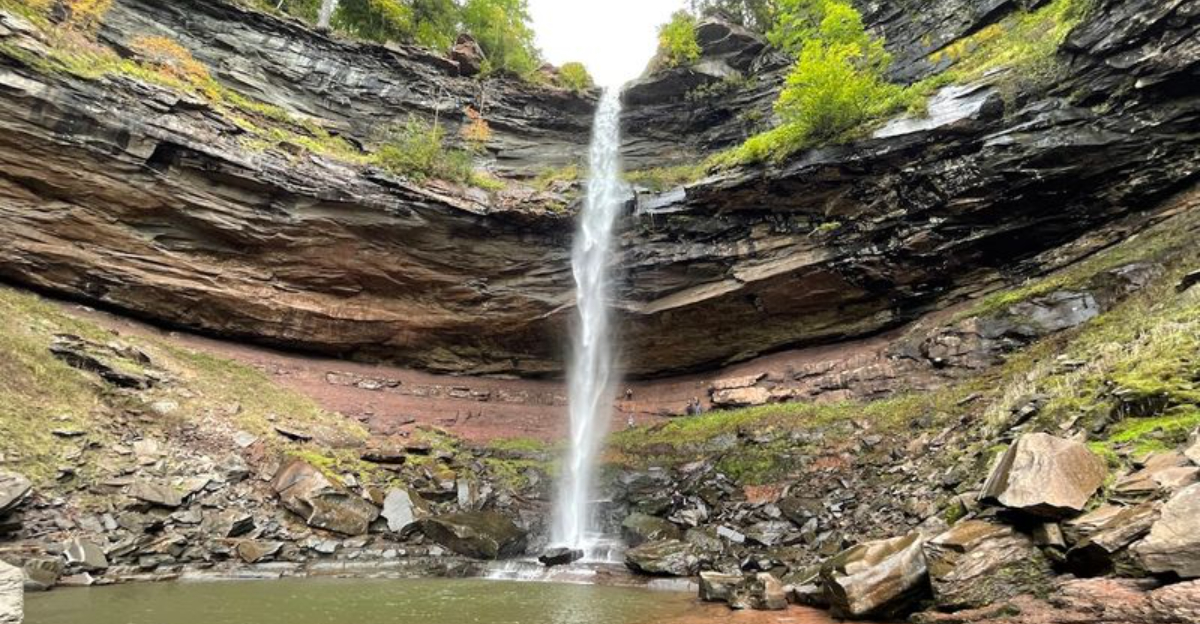
Tucked away in the heart of the Catskill Mountains near Haines Falls, New York, Kaaterskill Falls is one of the most stunning natural wonders in the entire state. Standing at an impressive 260 feet, this two-tiered waterfall is actually taller than Niagara Falls, yet it remains a hidden gem for many travelers.
The trail to reach it is just about half a mile long, making it accessible for most hikers while still delivering a jaw-dropping reward at the end. Whether you visit in the golden colors of fall, the frozen magic of winter, or the lush greenery of summer, Kaaterskill Falls never disappoints.
The Jaw-Dropping Scale of Kaaterskill Falls
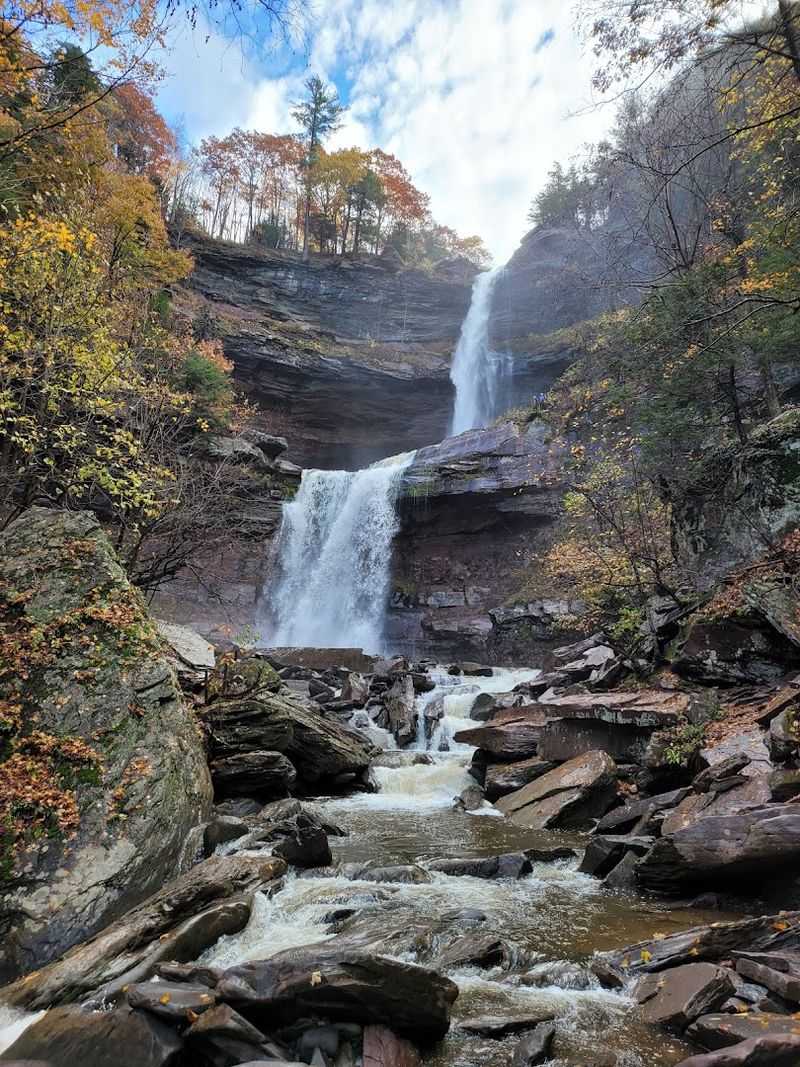
Standing at 260 feet tall, Kaaterskill Falls is the highest waterfall in New York State, and yes, it actually towers over Niagara Falls in height. That fact alone stops most first-time visitors in their tracks.
The two-tiered cascade thunders down ancient rock faces with a power that you can feel in your chest before you even see it.
The mist rising from the base creates a cool, refreshing atmosphere that feels almost magical, especially on a warm summer day. Photographers and painters have been drawn to this spot for over 200 years, and it is easy to understand why.
The Hudson River School of painters made this waterfall famous in the 1800s.
No photo truly captures the scale of what you see in person. Arriving at the viewing platform and looking up at those twin tiers is a genuinely humbling experience that stays with you long after you leave.
Getting to the Trailhead on NY-23A
Finding the trailhead is straightforward once you know what to look for. The Kaaterskill Falls Trailhead sits right along NY-23A in Haines Falls, New York, and the address is easy to plug into any GPS.
The drive itself along Route 23A is one of the most scenic mountain roads in the state, winding through steep gorges and towering trees.
Parking is available near the trailhead, but it fills up fast on weekends and during peak foliage season. Getting there early in the morning, ideally before 9 a.m., gives you the best shot at snagging a spot close to the trail entrance.
After October 15th, the closest lot may be closed, meaning a 15-plus minute walk along the road is required.
Weekday visits are noticeably less crowded, making them a smarter choice for anyone who prefers a quieter, more peaceful experience on the trail.
What the Half-Mile Trail Is Really Like
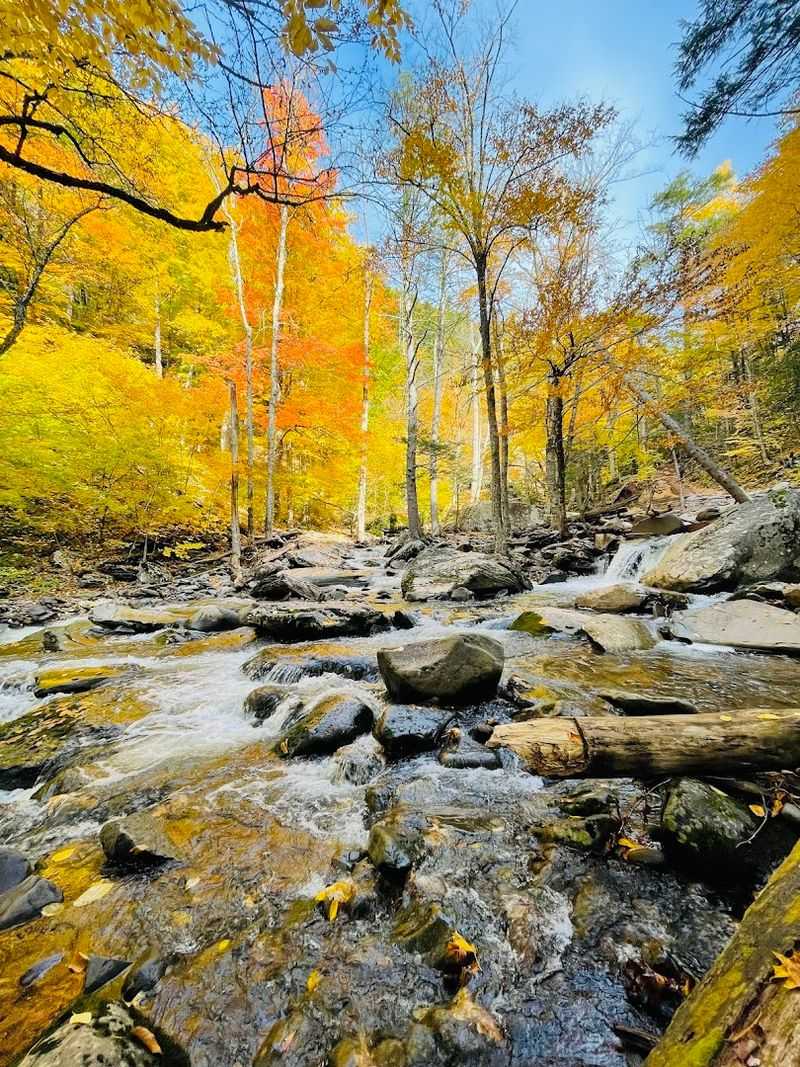
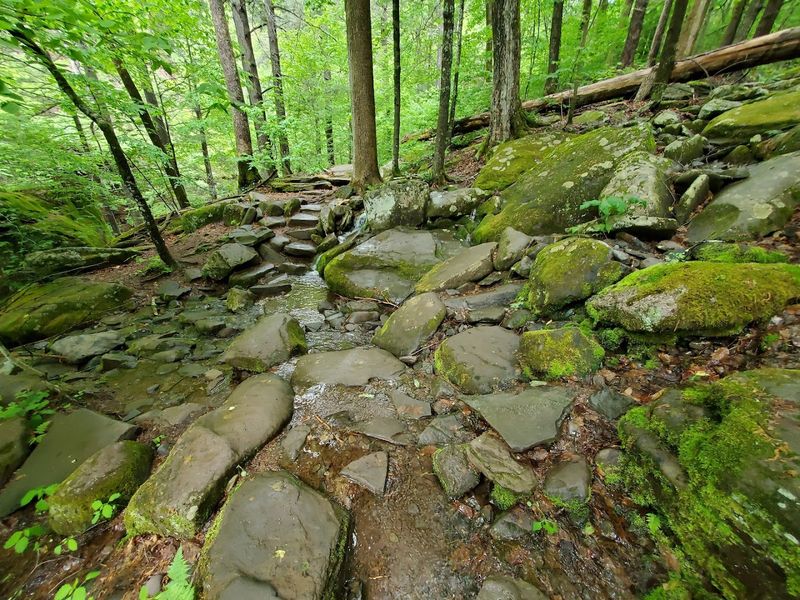
Half a mile might sound short, but this trail packs a lot into that distance. The path runs alongside a cheerful mountain creek, and you can hear the water rushing beside you almost the entire way.
Rocky sections and a moderate climb keep things interesting without being overwhelming for most hikers.
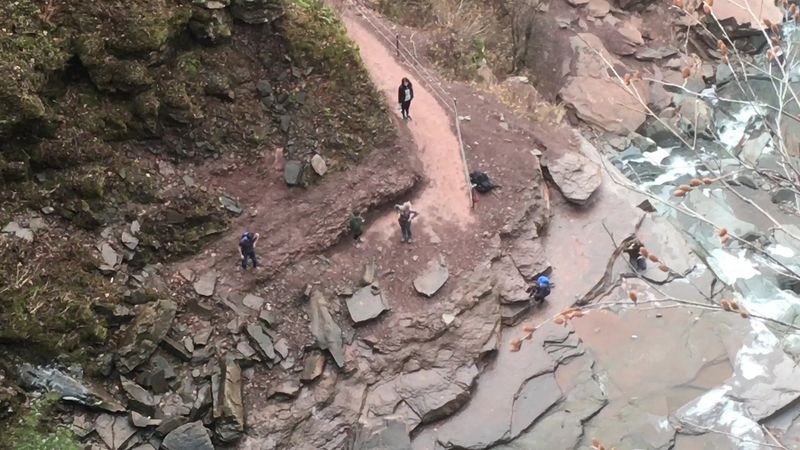
The trail is well-marked and maintained, with signage that helps keep visitors on the right path. Railings and safety measures near the falls area add an extra layer of security, especially for families with younger children.
Sturdy, closed-toe shoes with good grip are strongly recommended since the rocks can be slippery, particularly near the water.
One reviewer described their legs feeling like jelly by the time they reached the falls, which is a fair warning. Remember that the return trip requires climbing back up, so pacing yourself on the way in is genuinely smart planning.
Fall Foliage Views That Will Leave You Speechless
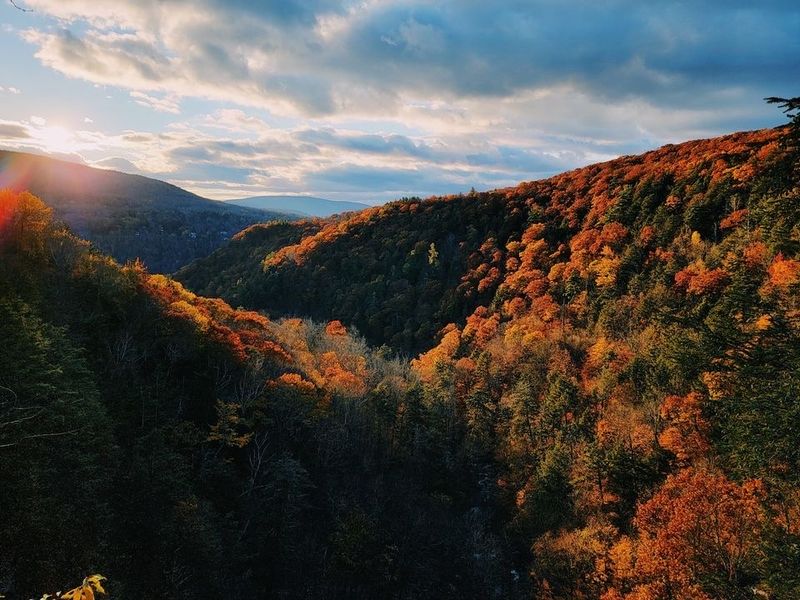
Mid-September through mid-October is widely considered the sweet spot for visiting Kaaterskill Falls. During this window, the surrounding Catskill forest erupts into a blaze of red, orange, and gold that frames the waterfall like something out of a painting.
Multiple reviewers have called this combination of foliage and falling water pure magic.
The crisp autumn air adds to the sensory experience, making the hike feel refreshing rather than exhausting. Morning light filtering through the colorful canopy creates a golden glow on the trail that photographers absolutely love.
Arriving early on a clear October morning practically guarantees some of the most stunning photos you have ever taken outdoors.
Peak foliage weekends do bring larger crowds, so a Tuesday or Wednesday visit during the color peak offers the best of both worlds. The scenery is identical, but the trail feels far more peaceful and relaxed.
Visiting in Winter: A Frozen Wonderland
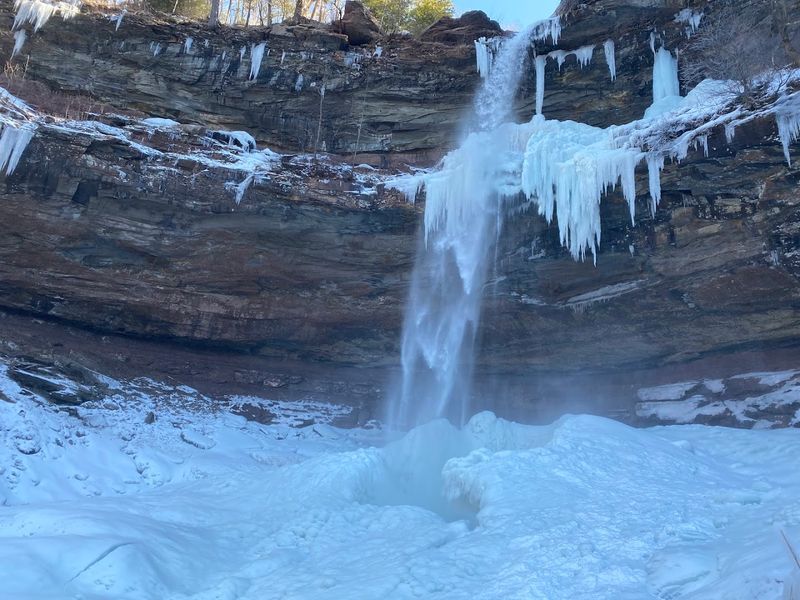
Winter transforms Kaaterskill Falls into something that looks like it belongs in a fantasy novel. The waterfall freezes over, creating dramatic ice sculptures that glow blue and white in the cold mountain light.
Pine trees heavy with snow line the trail, and the silence of a winter morning in the Catskills is genuinely awe-inspiring.
That said, winter hiking here demands serious preparation. The trail can ice over completely, and the steps leading down toward the lower falls become dangerously slick.
Ice cleats or crampons are not optional accessories in these conditions, they are essential safety gear. Affordable options are available at most outdoor retailers or online.
Trekking poles also provide invaluable stability on frozen sections of the path. Multiple experienced hikers have emphasized that attempting the lower levels without proper footwear is simply not worth the risk.
Dress in warm layers and bring hand warmers for the viewing platform stop.
Essential Gear to Pack Before You Go
Packing the right gear can make the difference between a miserable outing and an unforgettable adventure. Waterproof hiking boots or trail shoes with solid ankle support are the single most important item on your list, since the rocky, sometimes wet terrain demands reliable traction.
A small daypack with water, snacks, and a basic first aid kit covers the essentials for this half-mile trail.
Trekking poles are particularly helpful for hikers with knee concerns or anyone tackling the trail in wet or icy conditions. Layered clothing works best since mountain weather can shift quickly, even on a sunny forecast day.
A light rain jacket tucked into your pack weighs almost nothing but becomes invaluable if clouds roll in unexpectedly.
If you are visiting between November and March, add ice cleats or microspikes to your packing list without hesitation. Sunscreen and a hat round out a smart kit for warmer season visits.
The Viewing Platform Experience
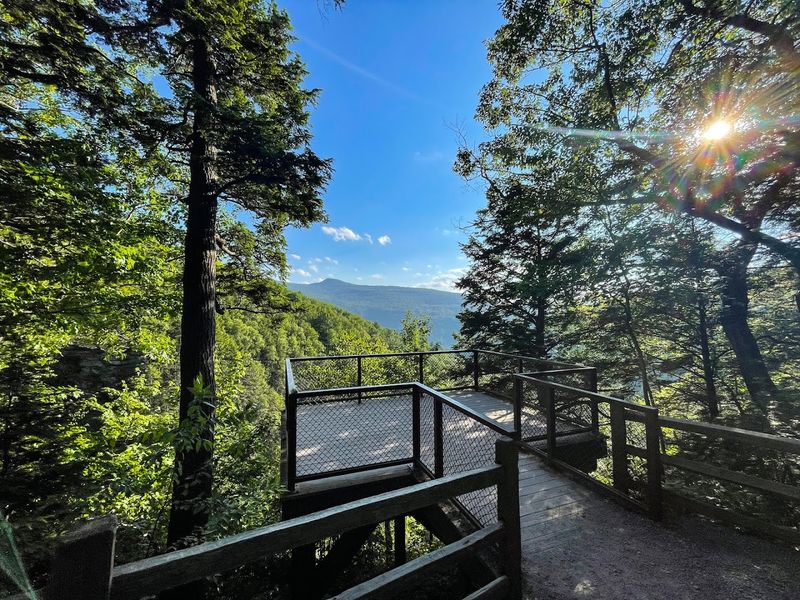
Reaching the viewing platform at Kaaterskill Falls is one of those moments where people tend to go quiet. The platform positions you perfectly to take in both tiers of the waterfall at once, and the roar of the water combined with the cool mist creates a sensory experience that photos simply cannot replicate.
Most visitors agree that standing here makes every step of the climb worthwhile.
The platform is well-constructed with railings, making it a safe and comfortable spot to linger for a while. Families often use it as a rest stop, sitting down to enjoy snacks while soaking in the view.
There is no better place along the trail to catch your breath and let the scenery sink in.
Even visitors who choose not to venture further down toward the base of the falls leave fully satisfied with what the platform delivers. It offers a commanding, unobstructed view of the entire waterfall structure.
Going Behind and Below the Falls
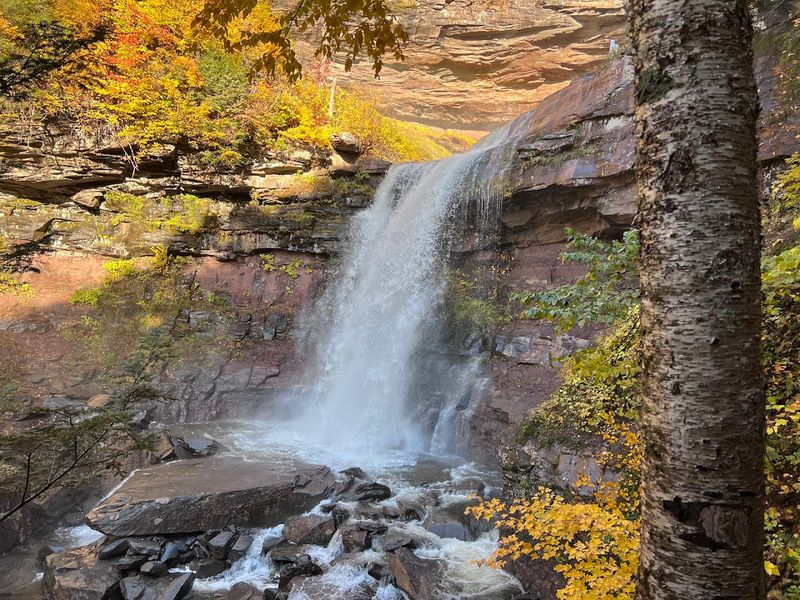
For adventurous visitors willing to push past the viewing platform, the lower levels of Kaaterskill Falls offer an entirely different perspective. Getting behind the waterfall is possible, but the rocks become increasingly slippery the closer you get to the base.
Multiple experienced hikers strongly recommend wearing footwear with serious grip before attempting this section.
The lower lagoons beneath each tier are genuinely beautiful, with calm pools reflecting the sky and the sound of rushing water echoing off the canyon walls. One reviewer described doing 3.5 miles total by continuing down to the road and back, calling it an absolutely worthwhile extension of the standard hike.
On warmer days, the pools are tempting, though swimming is generally discouraged for safety reasons.
Rain-soaked conditions make the descent significantly more dangerous, so checking the weather forecast before planning a lower-falls exploration is a practical step that could prevent a nasty fall.
Dog-Friendly Trails and What Pet Owners Should Know
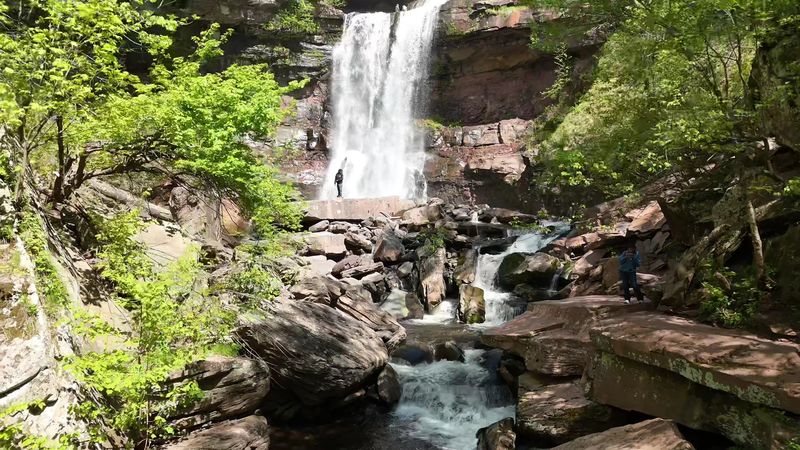
Good news for dog owners: Kaaterskill Falls Trail is dog-friendly, and plenty of four-legged visitors make the hike regularly. The creek running alongside the trail gives dogs a natural opportunity to cool off and drink fresh mountain water, which most pups absolutely love.
Many reviewers have mentioned spotting happy dogs on the trail, adding a cheerful, community feel to the experience.
Keeping your dog on a leash is both courteous and important for safety, especially on steep or rocky sections near the falls where an excited dog could easily slip or pull you off balance. Bring enough water for your pet even though the creek is present, since you want to control what your dog drinks.
There are no bathrooms at the trailhead, so plan accordingly before you leave the car. Waste bags are a must-have courtesy item that every responsible dog owner should carry on this trail.
Parking Tips to Save Time and Frustration
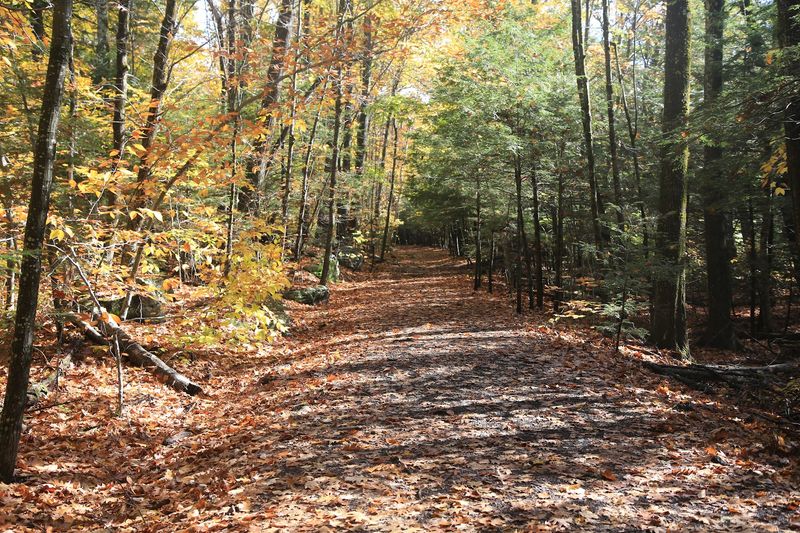
Parking at Kaaterskill Falls is one of the most talked-about logistical challenges among visitors, and for good reason. The lots near the trailhead are small and fill up rapidly, especially on fall weekends when leaf-peepers flood the Catskills from across the region.
Arriving before 8 a.m. on busy days is the single most effective strategy for securing a free, convenient spot.
After October 15th, the closest parking area typically closes for the season. This means visitors must park further away and walk an additional 15 or more minutes along Route 23A to reach the trailhead, so factoring that into your time budget matters.
Some visitors end up paying for parking at a nearby campground when the free lots overflow.
Weekday visits solve the parking puzzle almost entirely. A Tuesday or Wednesday morning arrival in October or early November gives you open parking, a quieter trail, and the same gorgeous scenery without the weekend scramble.
The Rich History and Artistic Legacy of the Falls
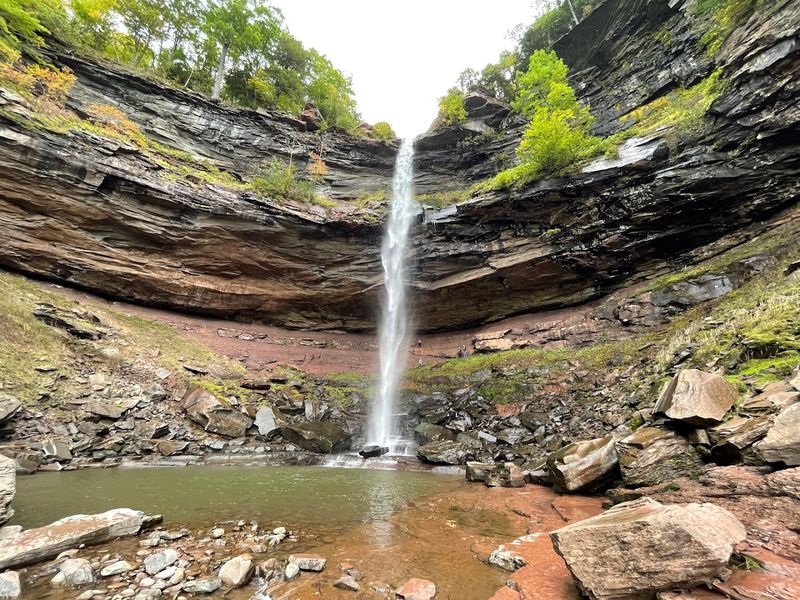
Kaaterskill Falls carries more than just natural beauty. For over two centuries, it has served as a muse for artists, writers, and adventurers who found in its cascading tiers something deeply inspiring.
The Hudson River School of painters, active in the 1800s, made this waterfall one of the most celebrated landscapes in American art history.
Thomas Cole and Asher Durand both painted Kaaterskill Falls, cementing its place in the cultural identity of New York. Their works helped spark the American conservation movement by showing audiences the irreplaceable value of wild, untouched landscapes.
Standing at the falls today, you are literally standing where those legendary artists once set up their easels.
This layered history adds a richness to the visit that goes beyond the physical hike. Knowing that generations of people have been moved by the same view you are seeing creates a quiet, meaningful connection across time that is surprisingly powerful.
Best Times of Year to Plan Your Visit
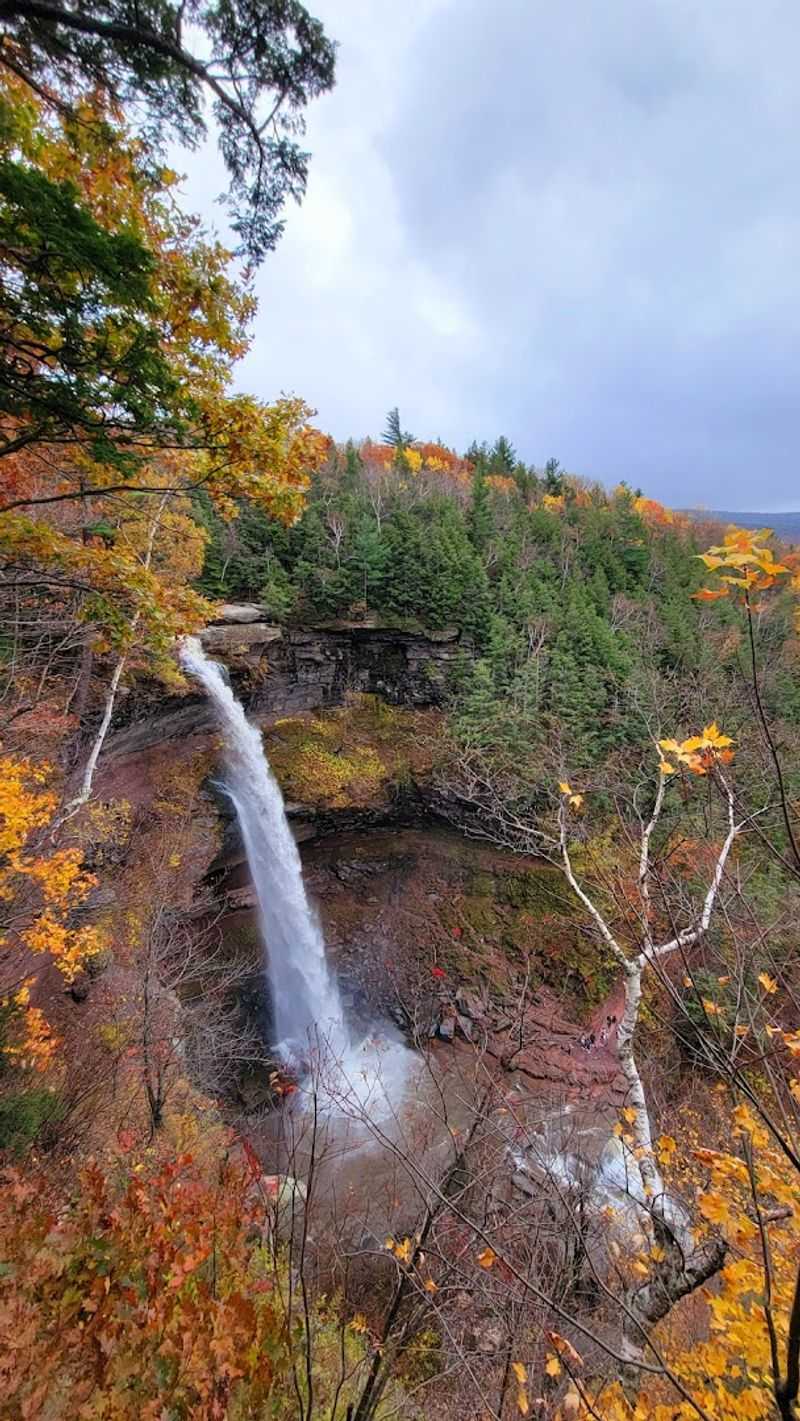
Every season brings a completely different personality to Kaaterskill Falls, and each one has devoted fans among regular visitors. Spring delivers powerful water flow as snowmelt surges through the falls, creating one of the most dramatic displays of the year.
The surrounding forest is a fresh, vivid green, and the trail feels alive with birdsong and blooming wildflowers.
Summer visits are popular with families and casual hikers looking for a cool escape from city heat. The mist from the falls provides natural air conditioning near the base, and the lush canopy keeps the trail shaded.
Fall, from mid-September through mid-October, is peak season for obvious reasons, with foliage that rivals any destination in New England.
Winter is the most adventurous option, rewarding prepared hikers with frozen falls and a serene, snow-draped landscape. Each season makes a compelling case, which is exactly why so many people return to Kaaterskill Falls year after year.
Practical Tips for a Safe and Enjoyable Hike
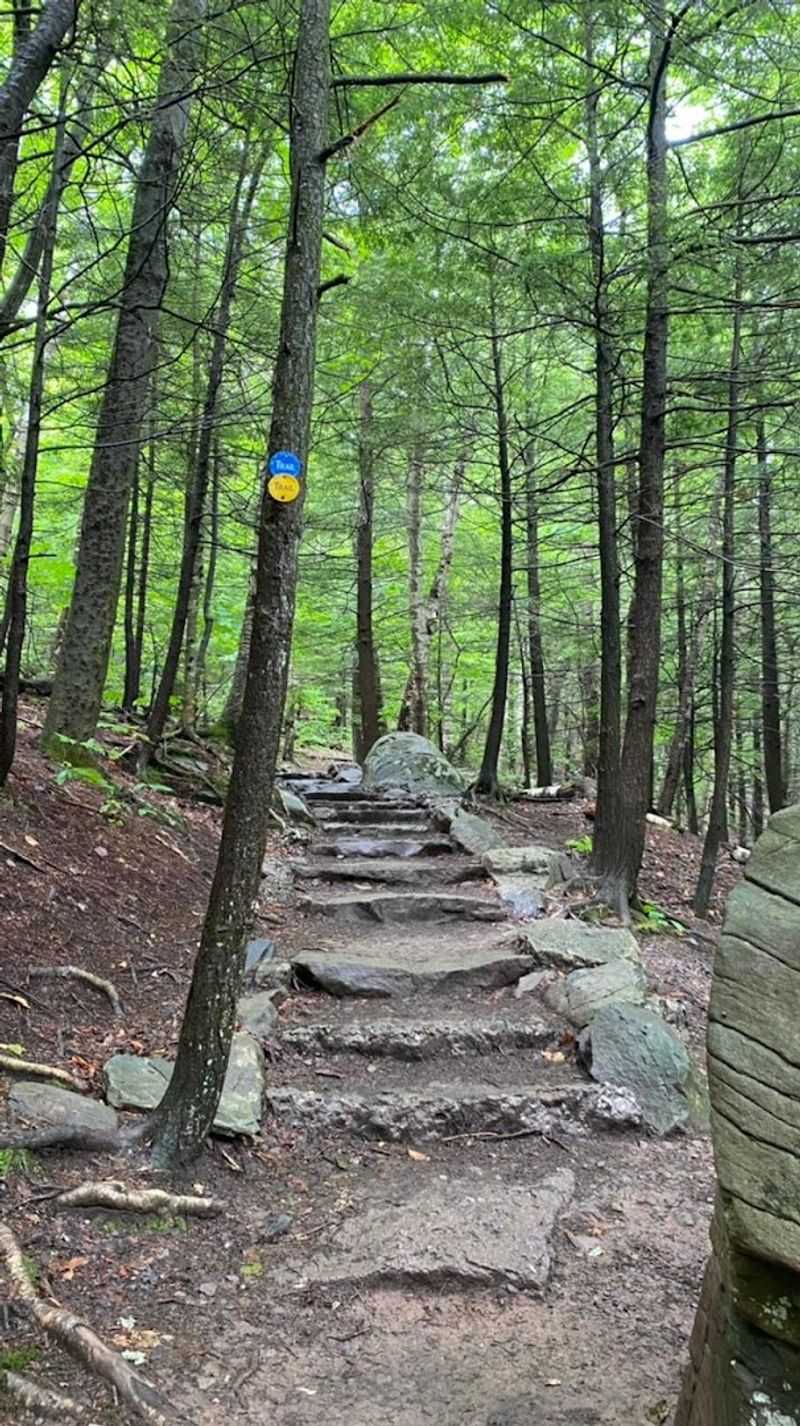
A little preparation goes a long way toward making your Kaaterskill Falls visit smooth and safe. Wearing proper footwear is the number one piece of advice echoed by nearly every experienced visitor, and it applies in every season.
Wet rocks, muddy sections, and icy winter conditions all demand shoes that provide real grip and ankle support.
Bring more water than you think you need, especially on warm days when the uphill return hike works up a surprising sweat. There are no bathrooms at the trailhead, so plan your restroom stop before hitting the trail.
Cell service can be spotty in the Catskill Mountains, so downloading an offline trail map beforehand is a smart move.
The trail is open 24 hours a day, but hiking after dark without a headlamp is risky given the uneven terrain. Starting early keeps you ahead of crowds, gives you the best light for photos, and leaves plenty of time to explore at a relaxed pace.
Enjoyed this story?
Add Fast Food Club as a preferred source to see more of our reporting on Google.