


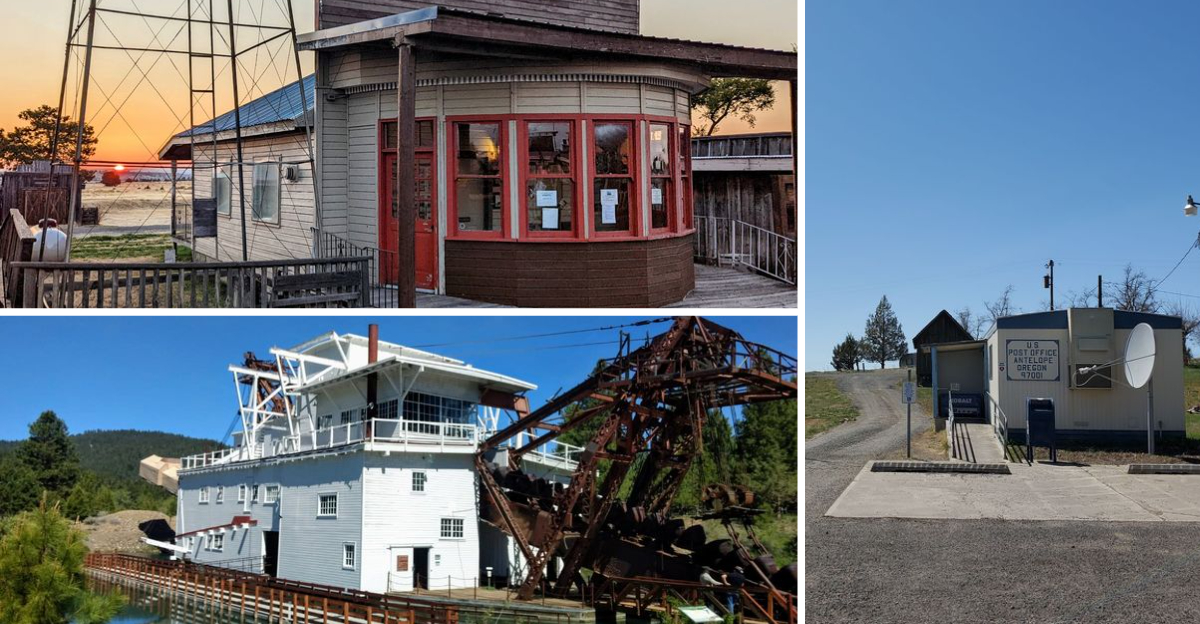
Oregon is full of places where old towns quietly emptied out but never fully vanished. Some still have weathered storefronts, schoolhouses, and cabins that lean into the wind and refuse to fall over.
Wandering through them on a slow afternoon is a low-key way to see how mining, ranching, and railroad life once shaped the state. Here are nine spots where the buildings are still standing and still worth a closer look.
1. Shaniko, Wasco County
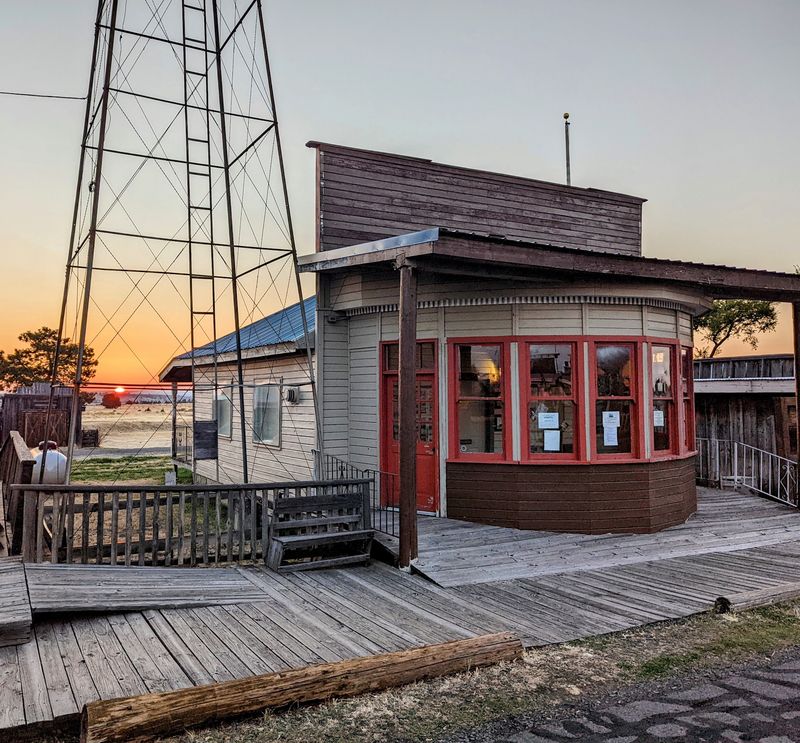
Once known as the wool shipping capital of the region, this high desert town near Highway 97 still keeps a strong grip on its early 1900s look.
The old Shaniko Hotel building anchors the town, and you can still see the schoolhouse, a former jail, and a water tower that has become the unofficial symbol of the place.
Only a small number of people live here now, but enough structures remain to give you a real sense of a busy railroad and ranching hub.
Parking is easy along the wide main street, and the whole town is walkable in an afternoon. It sits between Bend and The Dalles, which makes it a natural pause on a longer drive.
2. Antelope, Wasco County
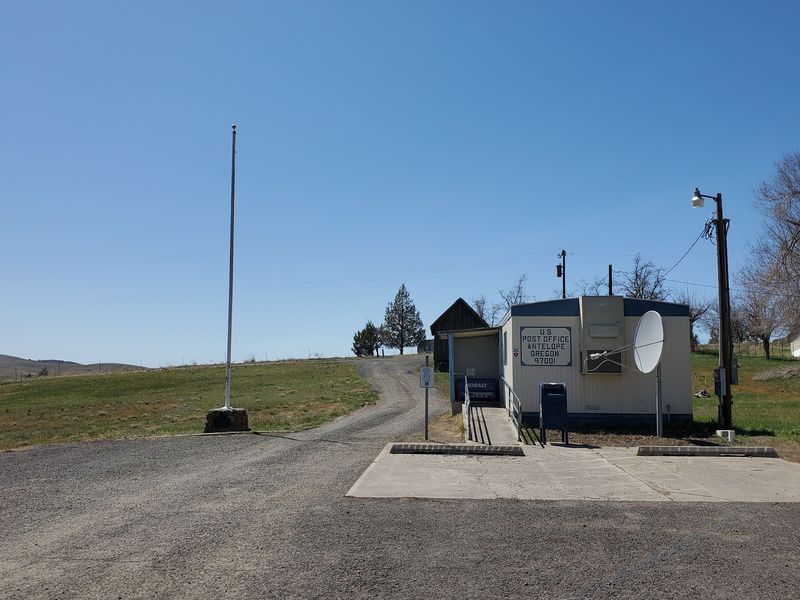
Just down the road from Shaniko, this tiny community makes an easy add-on stop for anyone already exploring the area.
Antelope has a well-documented and unusual history from the 1980s, when an outside group briefly took over the town before it returned to its quiet roots.
Today the population is very small, but the little post office, a few homes, and older community buildings still stand along the main route.
It reads more like a sleepy rural settlement than a full ghost town, which is part of its charm. The drive in follows winding roads through open ranch country, so the journey is half the reason to go.
3. Sumpter, Baker County
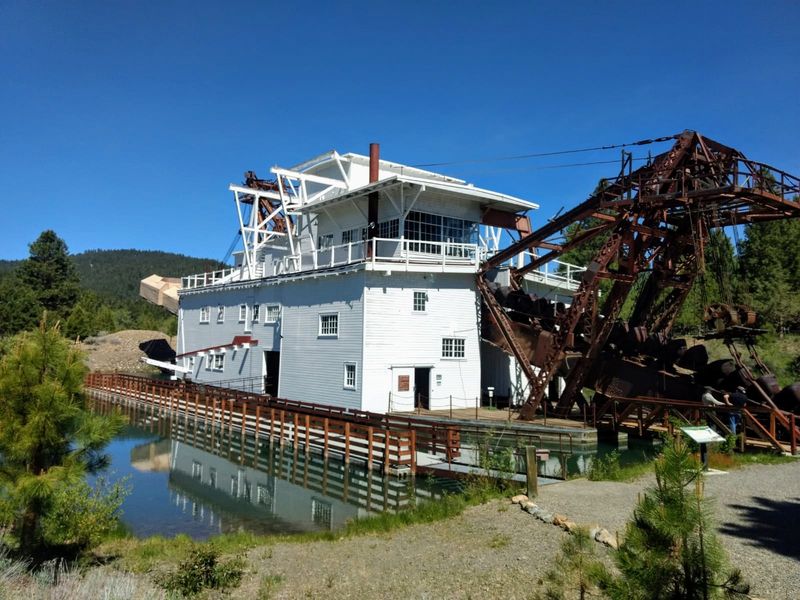
Gold put this eastern Oregon town on the map, and reminders of that boom are still scattered across the valley.
The massive Sumpter Valley Dredge sits in its own state heritage area, a giant machine that once chewed through the ground looking for gold. It is one of the most striking historic sites in the region.
The Sumpter Valley Railroad runs a restored narrow gauge train on select seasons, giving visitors a working link to the old days.
Unlike some spots on this list, Sumpter still has active businesses and a small year-round community. That mix of living town and preserved history makes it a comfortable base for a slow day of wandering the buildings and rail yards.
4. Granite, Grant County
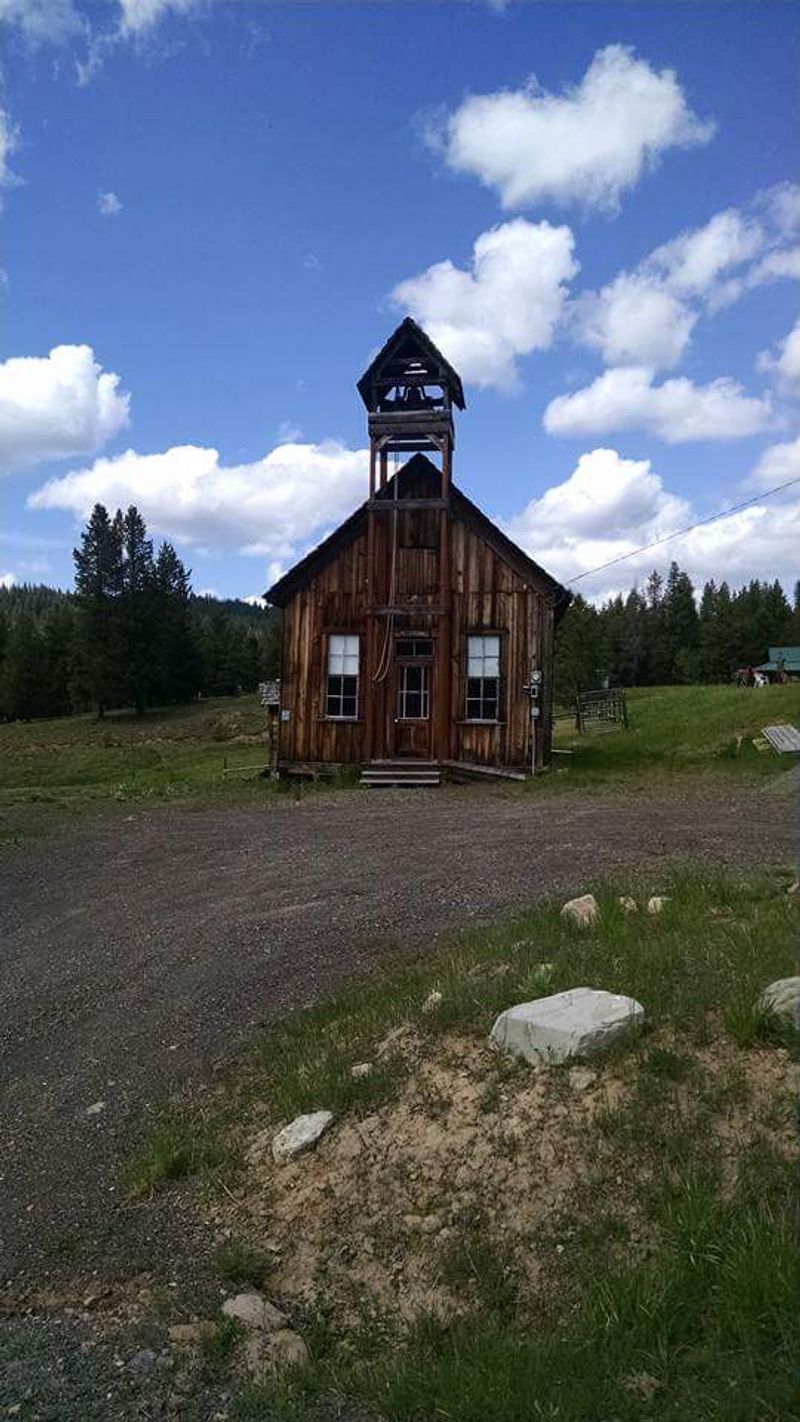
High in the mountains of eastern Oregon sits one of the smallest incorporated towns in the state.
Granite grew out of the gold mining era, and old wooden buildings still line the quiet road, including a historic store and scattered cabins from the mining days.
The population here is tiny, often just a handful of residents, which gives the place a genuinely remote feel.
Surrounded by forest and near the Elkhorn Drive scenic route, it works well as part of a bigger loop through the Blue Mountains. Roads can be rough or seasonal, so summer and early fall are the friendliest times to visit and stroll among the leftover structures.
5. Greenhorn, Baker County
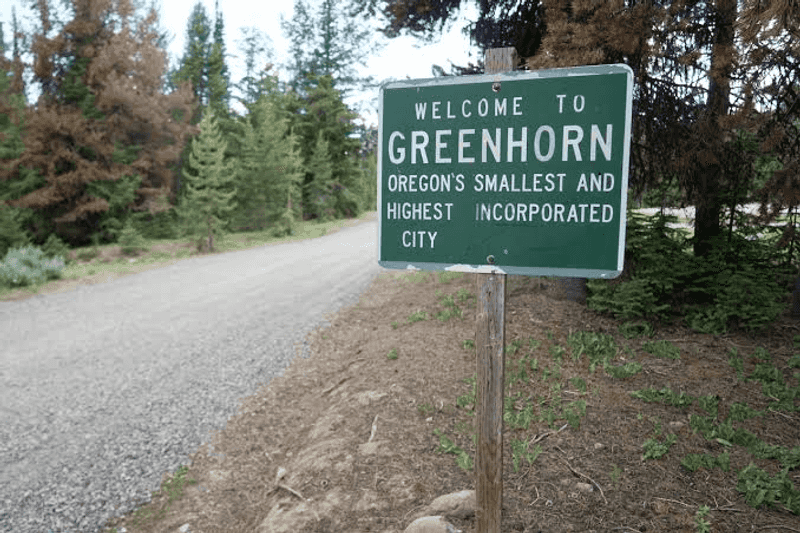
Holding the title of one of the least populated incorporated towns in the country, Greenhorn is about as quiet as a town can get.
Set at a high elevation in the mountains, it saw its heyday during the gold rush years and now has only a scattering of old cabins and structures.
Because it sits so high up, the town is often snowed in for much of the year, so access is limited to warmer months.
Getting there takes patience on forest roads, but the payoff is a genuinely off-the-grid stop that few travelers ever reach. For anyone who likes their history remote and their crowds nonexistent, this is the pick.
6. Whitney, Baker County
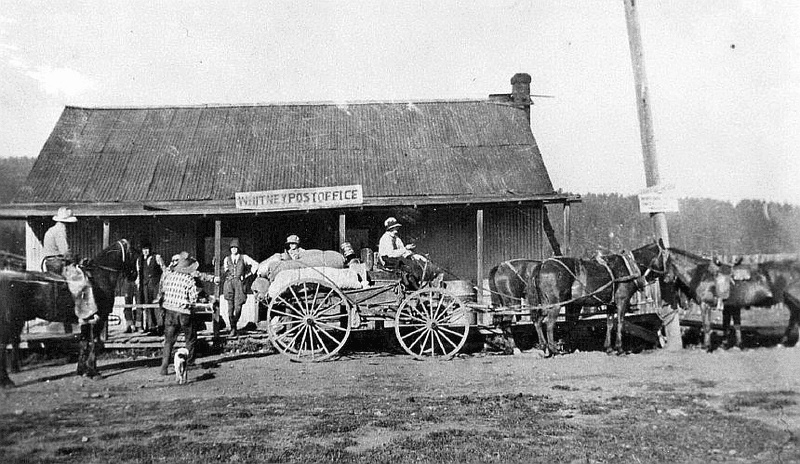
Drive along the Sumpter Valley area and you will pass a cluster of leaning wooden buildings that mark what is left of Whitney.
Built around the timber and railroad industry, the town faded once the mills and rail traffic slowed down.
Several old structures still stand right near the road, weathered gray and sagging but very much visible from your car.
Most of the land is private, so this is a look-and-photograph stop rather than a walk-through-the-buildings one. It pairs naturally with a trip to nearby Sumpter, letting you see both a preserved town and a fading one on the same afternoon.
7. Golden, Josephine County
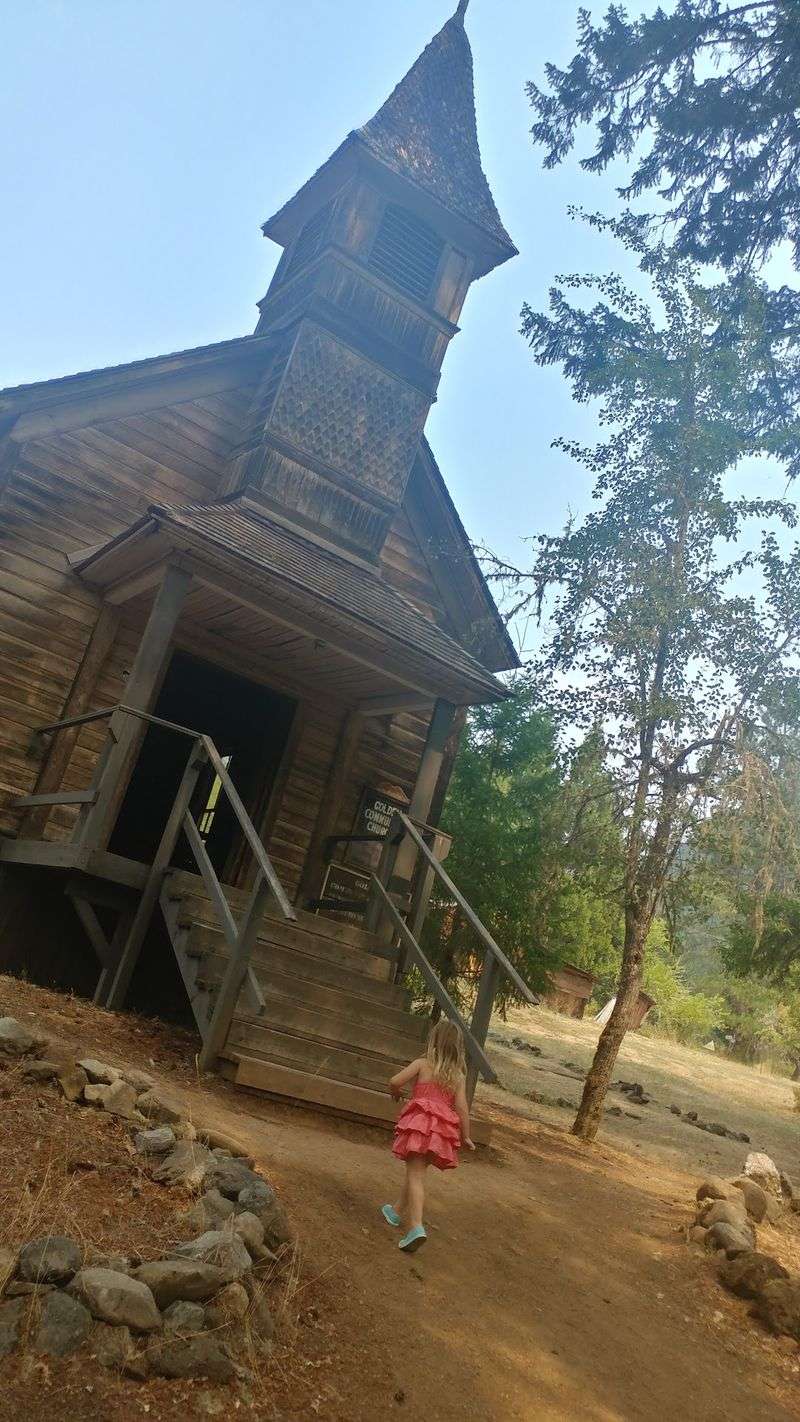
Southern Oregon adds its own gold rush chapter with this small settlement near Wolf Creek.
Golden is now a state heritage site, and a few carefully kept buildings remain, including a church and a former general store and post office structure.
What sets it apart is that the town was known for its strong religious community rather than the rowdier reputation of many mining camps.
The site is easy to reach off Interstate 5, making it one of the more accessible ghost towns on this list. Interpretive signs help explain what you are looking at, so you leave knowing a little of the story behind the standing buildings.
8. Hardman, Morrow County
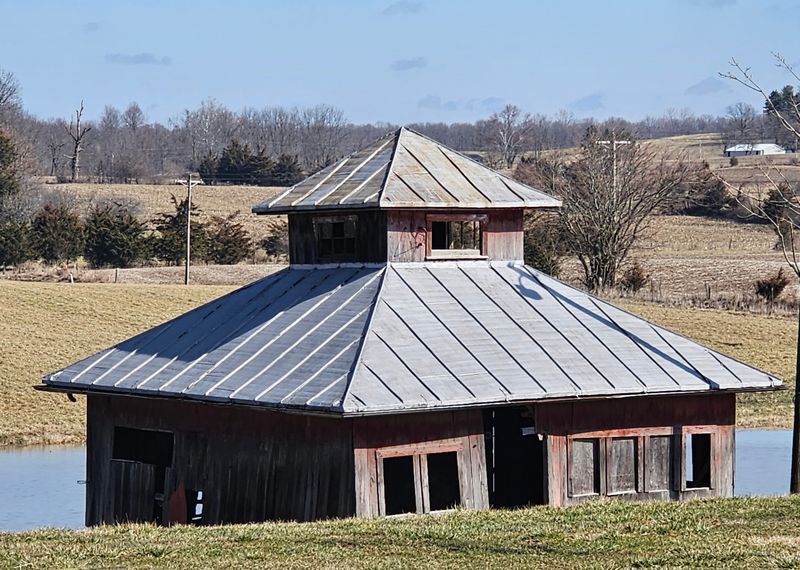
Out in the wheat country of north-central Oregon, Hardman survives as a scattering of aging wooden buildings along a rural route.
The town once served as a stagecoach and farming stop before the highways and railroads shifted travel elsewhere.
An old community hall and several weathered structures still stand, giving a clear picture of a small crossroads settlement that slowly emptied out.
Very few people remain, and the surrounding rolling farmland adds to the sense of open space. Reaching it means a drive through quiet agricultural country south of Heppner, which is a peaceful outing in its own right.
9. Cornucopia, Baker County
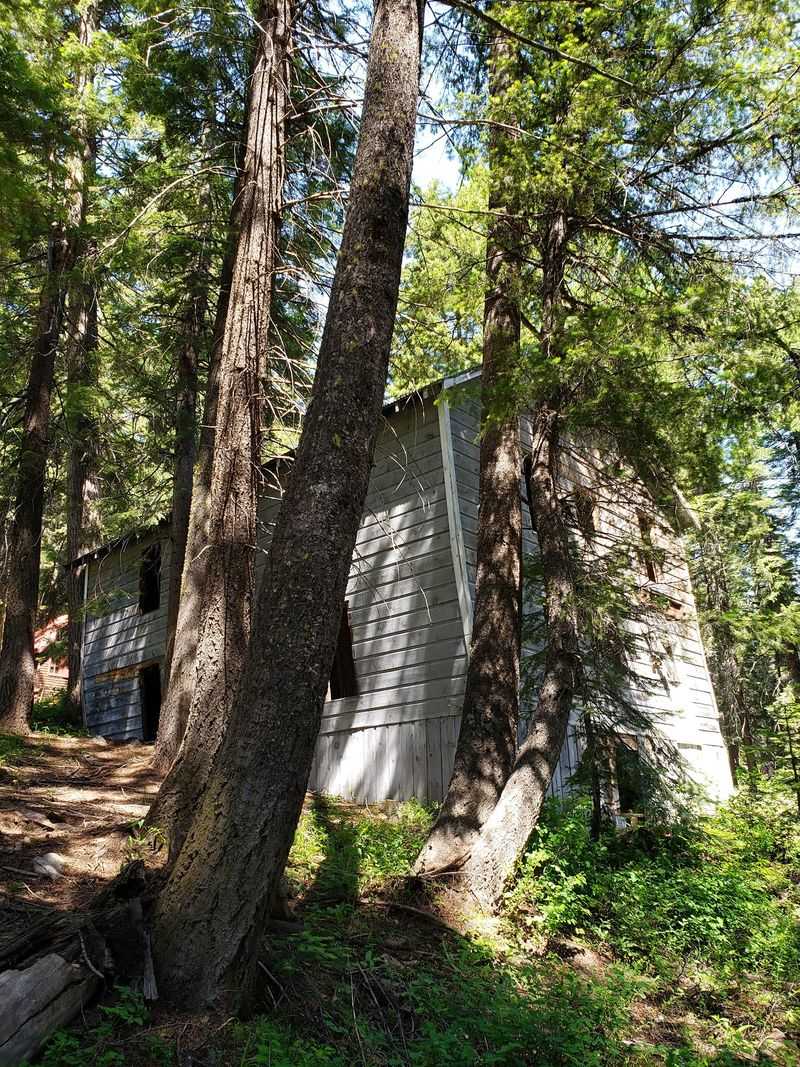
Tucked into the Wallowa Mountains, Cornucopia was once one of the most productive gold mining areas in the state.
Remnants of the mining operation, including old wooden buildings and mine structures, still cling to the steep hillsides above the valley.
The setting is dramatic, with high peaks rising all around and forest closing in on the old workings.
Access is best in summer, since the high elevation and rough roads make winter travel difficult. Nearby Halfway serves as a good jumping-off point, and the trip rewards visitors who want mining history set against some of the finest mountain scenery in eastern Oregon.
Enjoyed this story?
Add Fast Food Club as a preferred source to see more of our reporting on Google.