


People in Tucson have been growing food on the same patch of ground for more than 4,000 years. That is older than most famous buildings on Earth, and the farming still has not stopped.
Today, the land sits at the foot of a mountain on the west side of the city, full of fruit trees, old crops, and friendly volunteers who love to talk. It costs nothing to enter, yet many people leave with jam, figs, or seeds in hand.
The story behind this place explains how anyone managed to farm in the desert at all. Keep reading to learn where it is, what grows there, when to go, and why so many locals call it the best secret in town.
A Living Museum at the Foot of Sentinel Peak
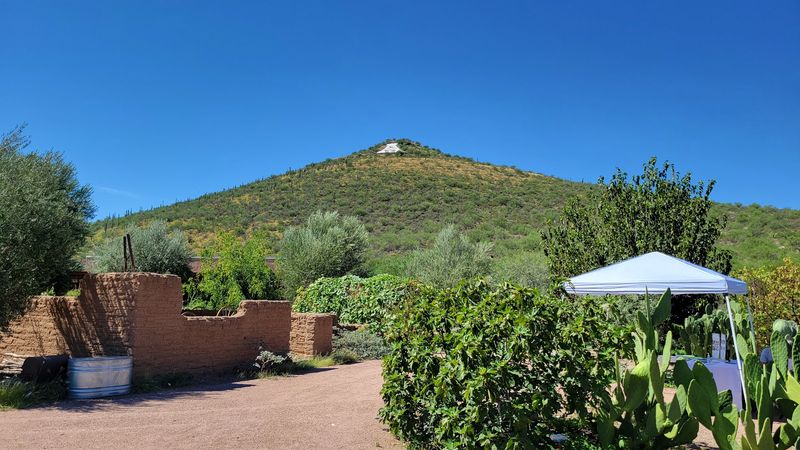
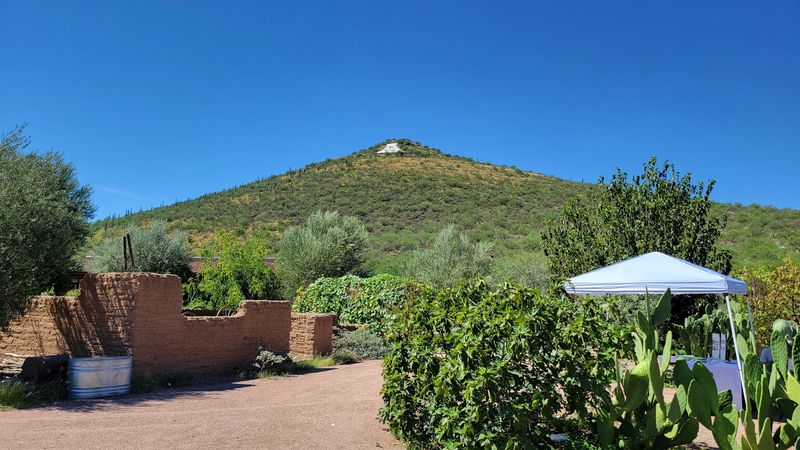
Some museums keep their treasures behind glass, but this one keeps them in the dirt. Mission Garden sits at 946 W Mission Ln, Tucson, AZ 85745, on the west side of the city in Arizona.
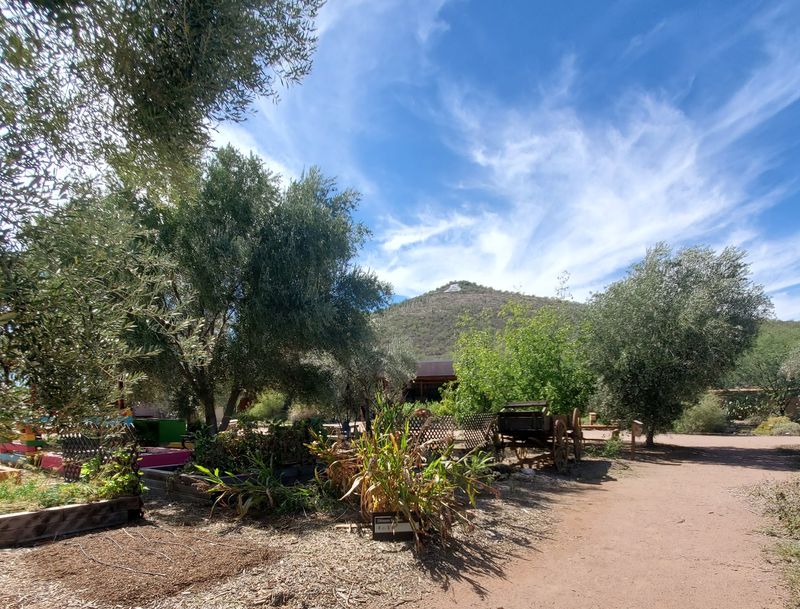
The site rests at the base of Sentinel Peak, the landmark most locals simply call A Mountain. It also sits near the historic center of what later grew into Tucson.
Officially, the place is listed as a museum. In practice, it is a living agricultural museum where the exhibits grow leaves, fruit, and seeds.
The grounds cover almost five acres. Paths wind through themed plots, fruit orchards, and small seating areas tucked around the property.
A few details set the tone right away. Entry is free, donations are welcome, and the hours are short, so timing matters.
The garden also sits next to the location of the old mission, which gives the place its name. The mission church itself is gone, but the farming tradition around it has kept going.
People who arrive expecting a simple community garden often discover something much deeper. The next part of the story stretches back further than almost anyone expects.
Four Thousand Years of Continuous Farming
Here is a number worth repeating at dinner parties: 4,100. Archaeologists have documented about that many years of continuous cultivation at this site.
That makes the ground one of the longest-farmed places in North America. People were planting crops here long before the city of Tucson had a name.
The garden exists to show how that history unfolded. It asks a big question in a quiet way.
How did people grow food in the Sonoran Desert, a place that seems so unfriendly to farming? What did they plant, and how did they keep it alive?
The answers are spread across the property in the form of real, working plots. Each one reflects a different chapter of the story.
A visit becomes a slow walk through time. Many guests say the concept alone makes the trip worthwhile, even before looking at a single plant.
The mission church that once stood nearby is long gone. Still, the habit of growing food here never really stopped, and that unbroken thread is the heart of the whole experience.
Learning the timeline is one thing. Seeing it laid out plot by plot is where the fun begins.
Thirteen Timeline Plots, Many Cultures
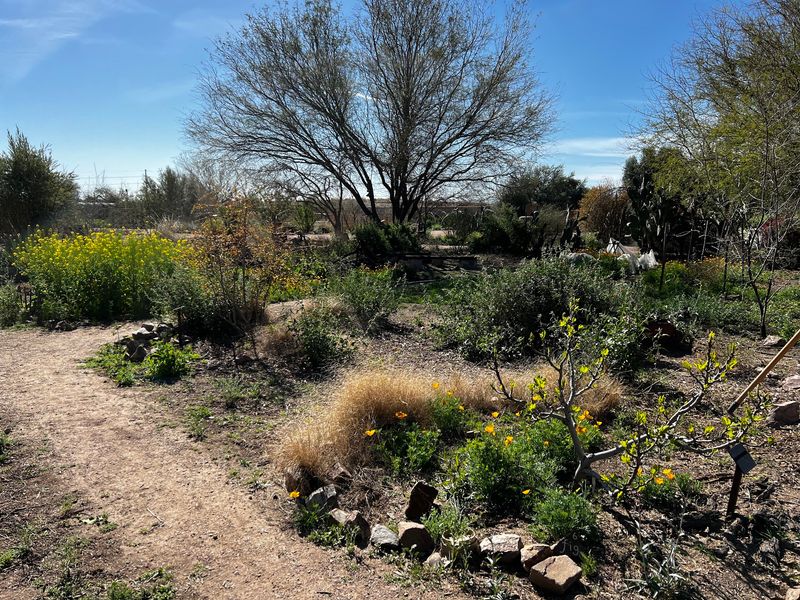
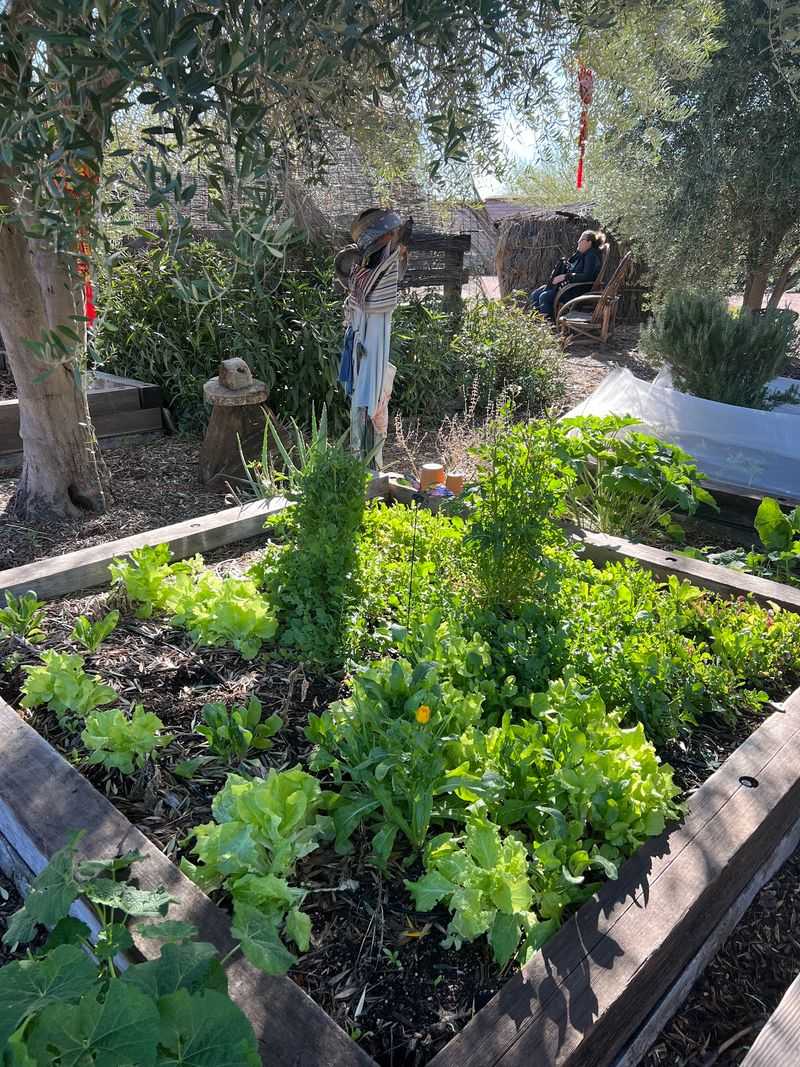
Think of it as a history book with irrigation. The garden has thirteen timeline plots, each representing a culture that has farmed the Tucson basin.
Native farming traditions share space with crops brought by later settlers. Plenty of native trees and plants grow alongside species that arrived from far away.
One section focuses on food crops that were sown in the 1800s. Others feature specific vegetables from different countries, reflecting the many communities that put down roots in the area.
The mix makes the garden feel like a conversation between eras. A few steps can move a guest across centuries.
Each garden space also has a pamphlet box. Inside are laminated pages full of information about that plot.
Gardening fans and history lovers who enjoy reading can easily spend hours here. Some people plan several trips just to get through it all.
The plots also teach practical lessons. Families learn about planting and harvesting techniques used across Tucson’s long past.
It is a quiet but detailed experience, and it rewards those who slow down. The trees, though, may steal the spotlight next.
Orchards Heavy With Figs and Citrus
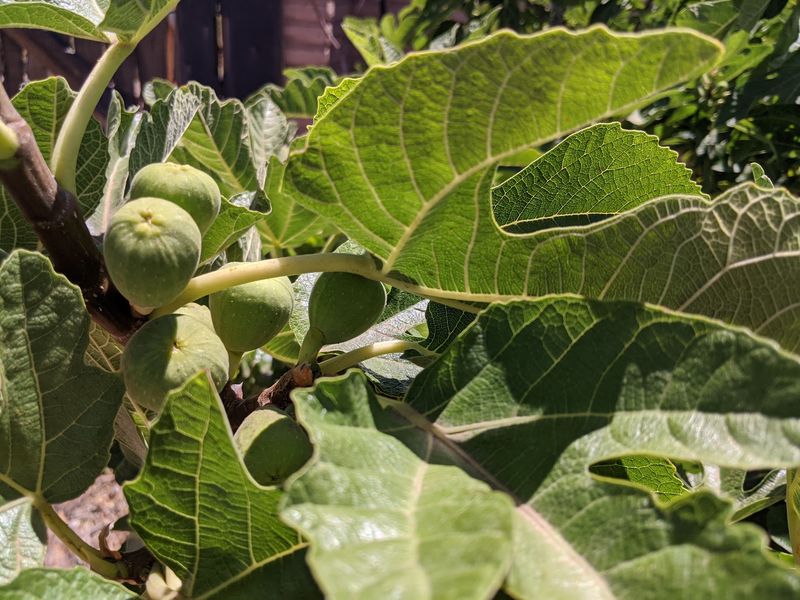
Fruit trees are the quiet celebrities of this garden. Guests mention them again and again, often with real enthusiasm.
Orange trees, fig trees, and mulberry trees all grow on the grounds. Citrus in particular draws attention, with several interesting varieties to explore.
Winter is not a dead season here. Even when some plots are bare, the orange trees can be loaded with fruit.
By late April, figs, oranges, and mulberries may be ripening on the branches. Hollyhocks grow tall around the same time.
Many plants flower or fruit even on the first day of winter. That surprises people who assume the desert rests all season.
The orchards also connect directly to the title of this article. Fresh figs are sometimes available to buy, and the fruit ends up in jams and jellies sold on site.
So tasting something from four millennia of farming is not just a catchy line. It can be as simple as buying a fig or a jar made from the garden’s own trees.
Those jars, as it turns out, lead straight to one of the best stops on the property.
The Gift Shop Worth Budgeting For
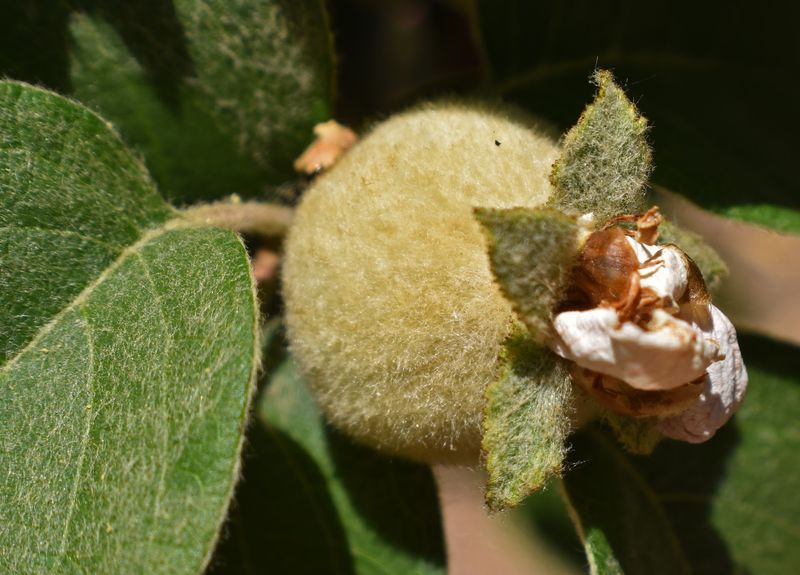
Plenty of gift shops sell keychains. This one sells history in a jar.
The small shop carries a smartly curated collection. Shelves hold cards, soaps, seeds, t-shirts, and books.
The standouts are the products made from the garden itself. Jams, jellies, and preserves come from fruit grown right on the grounds.
A lot of the stock is made on site. That makes a purchase feel personal rather than generic.
Native beans are available too. So are wheat berries from the oldest wheat variety in North America, a crop that was nearly wiped out in the 1940s.
Fresh produce sometimes appears as well. Figs have been a favorite pick.
Plants are also sold near the entrance for those who want to grow a piece of the desert at home.
Every purchase helps support the project. Since admission is free, the shop and the donation box keep things running.
Guests often call the shop fantastic and recommend picking something up. It is the easiest way to take the garden home, one jar at a time.
Volunteers Who Love to Chat
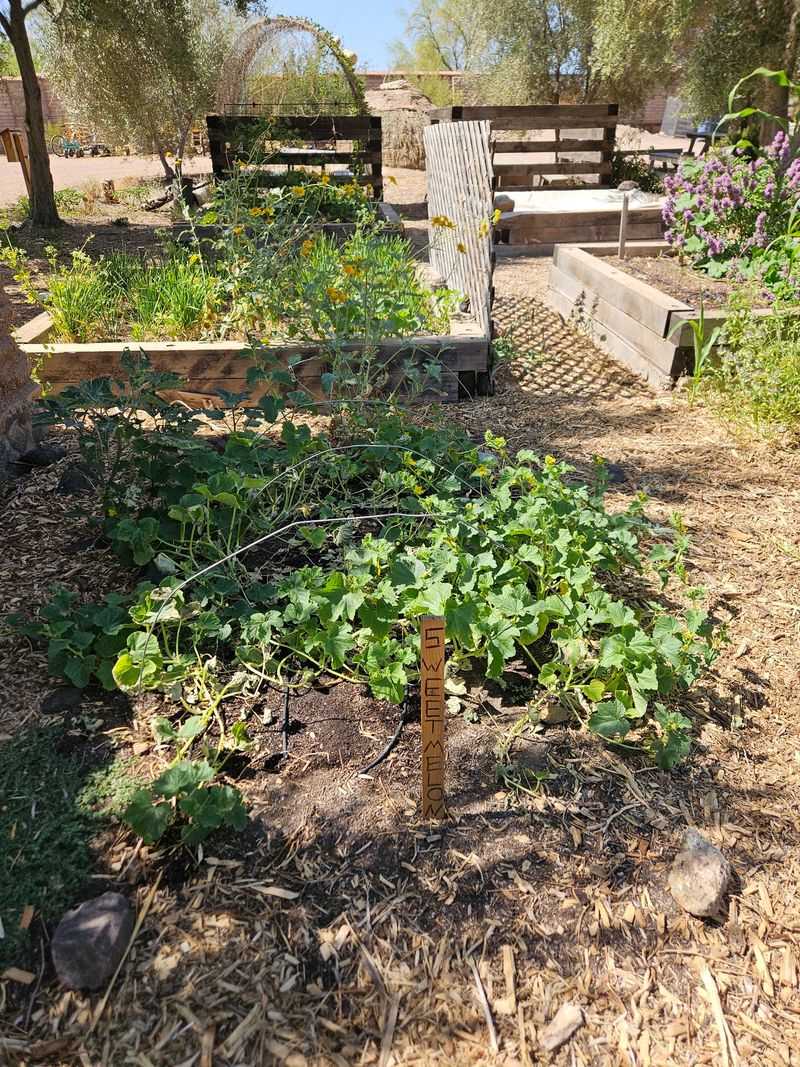
Ask one question here and you might get a mini lesson, a story, and a smile. Volunteers are one of the most talked-about parts of the garden.
They come across as welcoming, friendly, and easy to talk to. Conversations can drift from gardening to food to almost anything.
Staff members also earn praise for being knowledgeable and helpful. Their eagerness to share the story of the land stands out.
Docents lead tours for people who want a guided look. Their knowledge adds context that signs alone cannot give.
The volunteer spirit goes both ways. Locals are encouraged to give their own time, and some families say volunteering has done wonders for a loved one’s well-being.
Guests can join in by helping to garden. It is a hands-on way to become part of a 4,000-year tradition.
The garden’s own team describes volunteers as the heart of what they do. After a visit, that statement is easy to believe.
Those friendly guides also help run a busy calendar of gatherings, which brings a whole new side of the place into view.
Festivals, Ceremonies and Taste of the Garden
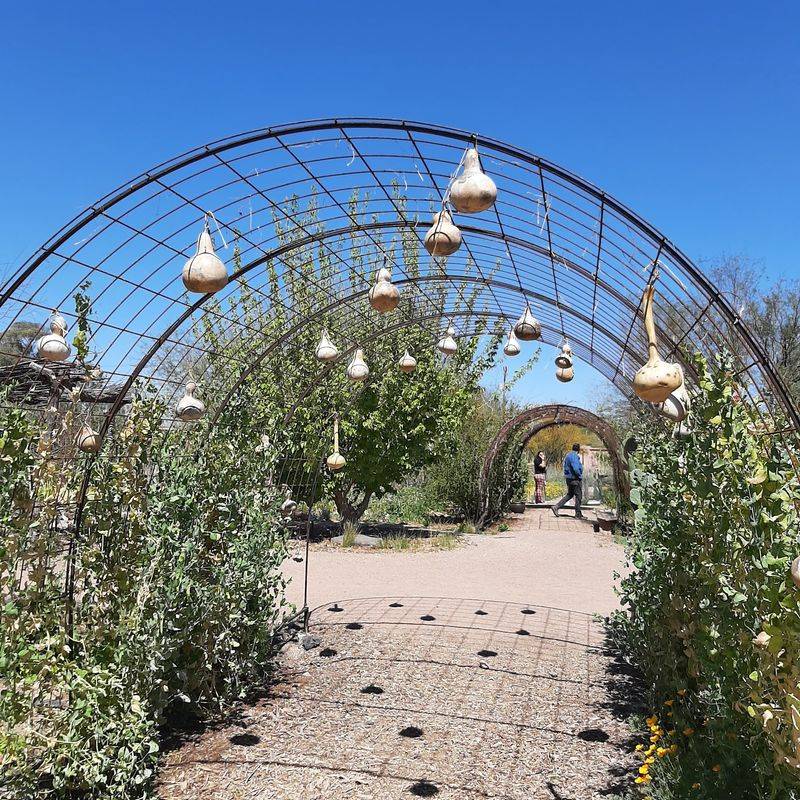
Timing a trip right can turn a quiet stroll into a celebration. The garden hosts events throughout the year.
A Taste of the Garden gathering has been held on the first Friday and Saturday of the month. It fits the theme of sampling what the land produces.
Seasonal highlights follow the harvest calendar. Spring can bring wheat and corn harvests, along with the roasting of agave.
The winter solstice has featured a Native ceremony, food, and arts and crafts made with materials from the garden. Chinese Lunar New Year has been marked here too.
A Garlic Festival draws big crowds. Booth workers stay patient and eager to teach, though the day can get busy and warm.
Art and craft fairs, vendors, and performances round out the calendar. Youth events have given families a reason to visit for the first time.
There are also classes, workshops, themed walks, and bird watching tours.
Those who prefer calm may want to skip the biggest events. Everyone else can check the website and plan around the fun.
Bookworm Paths and Lessons for Kids
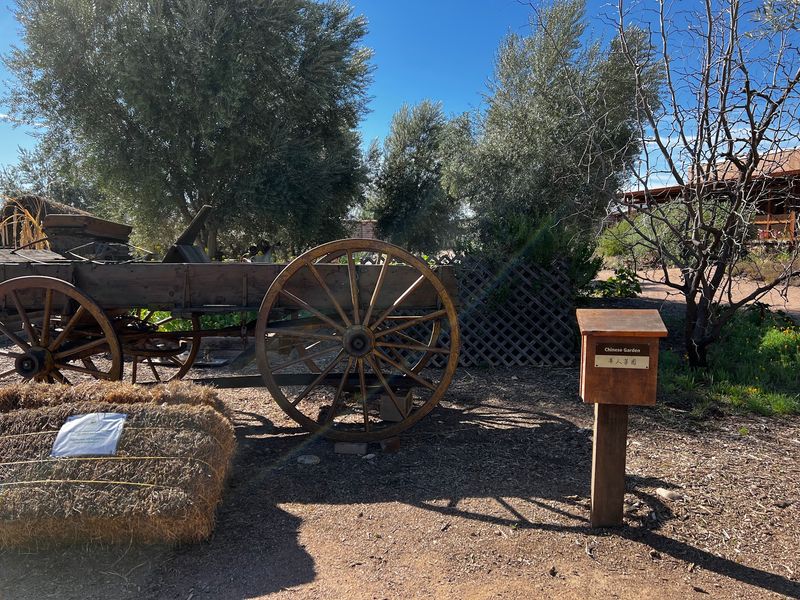
Mailboxes in a garden sound odd until a child opens one. A Bookworm path winds through the grounds just for young explorers.
Along the way, small mailboxes hold books and activities tied to each garden. It turns learning into a scavenger hunt.
Parents appreciate that the lessons work on two levels. Adults learn plenty about Tucson’s history while kids stay busy.
Families use the garden to explore planting and harvesting methods. It is a relaxed setting for curious minds of any age.
Birds and other wildlife add to the discovery. Different flora and fauna keep eyes moving.
The size also helps. The garden is small enough for little legs, yet big enough to feel like a real outing.
Many people call it a wonderful learning experience for children and grown-ups alike. Free admission makes repeat trips easy.
Kids who find a favorite plot may ask to come back every season. Parents usually do not mind.
Tucson’s Not-So-Secret Secret Garden
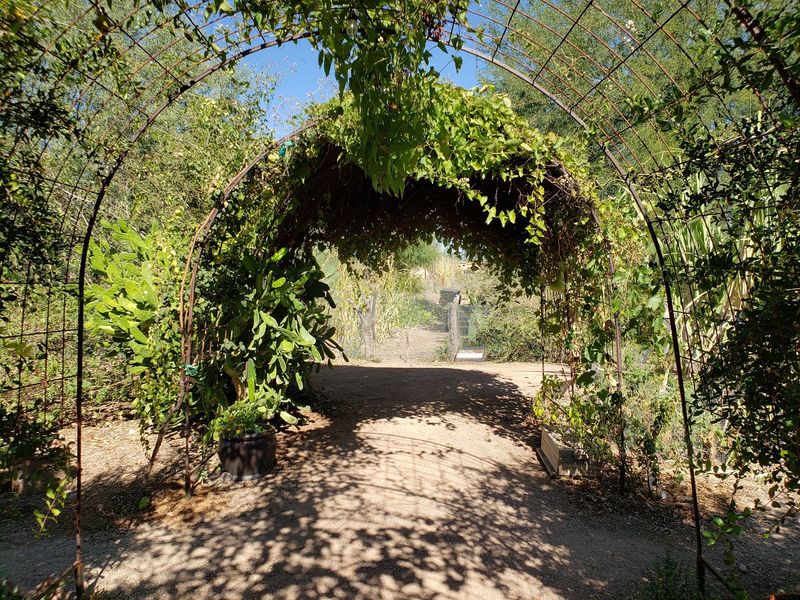
Plenty of longtime residents live a few miles away and have never stopped by. That is part of the charm.
People often call it Tucson’s secret garden or a hidden treasure. Many wonder why more people do not know about it.
The grounds are usually not packed. That leaves room for a calm, peaceful visit.
Small sitting areas are scattered around the property. They work well for a picnic or a quiet break.
Some describe the garden as a little rumpled, but in an inviting way. It feels lived-in rather than staged.
A slower pace suits the place. Strolling, reading signs, and resting in the shade all fit the mood.
The atmosphere appeals to history buffs, plant lovers, and anyone needing a gentle morning outing. Locals and travelers both find something here.
It works as a great stop for residents and a smart alternative for out-of-towners. Word of mouth keeps growing, so the secret may not last forever.
Hours, Cost and Planning Tips
Early birds win at this garden. It opens at 8 am and closes at noon on the days it operates.
Those days are Wednesday through Sunday. The garden is closed on Monday and Tuesday.
Because the hours are limited, checking ahead is smart. The official website, missiongarden.org, lists updates and events.
Admission is free. Donations are accepted and help keep the project growing.
Seasons change the experience. Winter still offers citrus and plenty of native plants, while spring brings ripening figs and mulberries.
Morning visits also avoid the strongest desert heat. Big festivals can get crowded and warm, so plan accordingly.
To reach the site, head west of downtown toward Sentinel Peak. The garden sits at the base of the mountain on W Mission Ln.
Leave extra time for the gift shop and plant sales near the entrance. The garden also has a presence at a nearby farmers market for those who miss opening hours.
Why the Garden Deserves a Morning
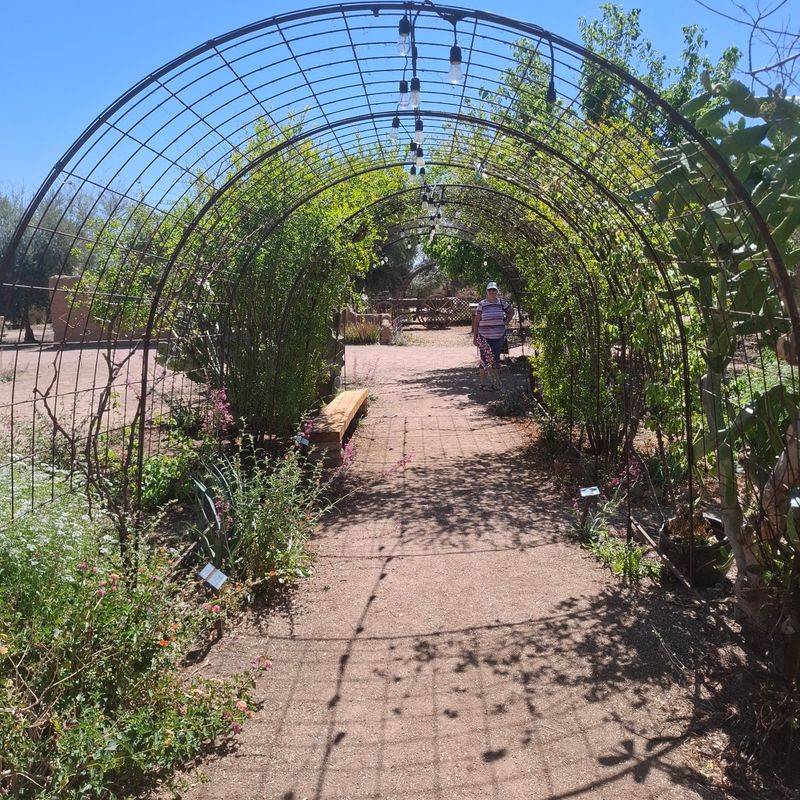
Few places let a guest walk through 4,000 years in a single morning. Fewer still let them buy a jar of it on the way out.
Mission Garden holds a 4.7-star average across hundreds of opinions, and the reasons are easy to spot. History, plants, and kind people all come together here.
The timeline plots explain how the desert fed so many cultures. The orchards prove that tradition is still producing fruit.
Volunteers add warmth and knowledge. Events bring the community together across the calendar.
It is not a large or flashy attraction. Its strength is in the details and the patient story it tells.
Free entry makes it an easy yes for families, curious travelers, and locals who have somehow never visited.
Many leave planning a return to see another season. Others leave planning to volunteer.
Either way, most walk out with a fig, a seed packet, or a new respect for desert farmers. The garden keeps growing, and it is happy to share the harvest.
Enjoyed this story?
Add Fast Food Club as a preferred source to see more of our reporting on Google.