


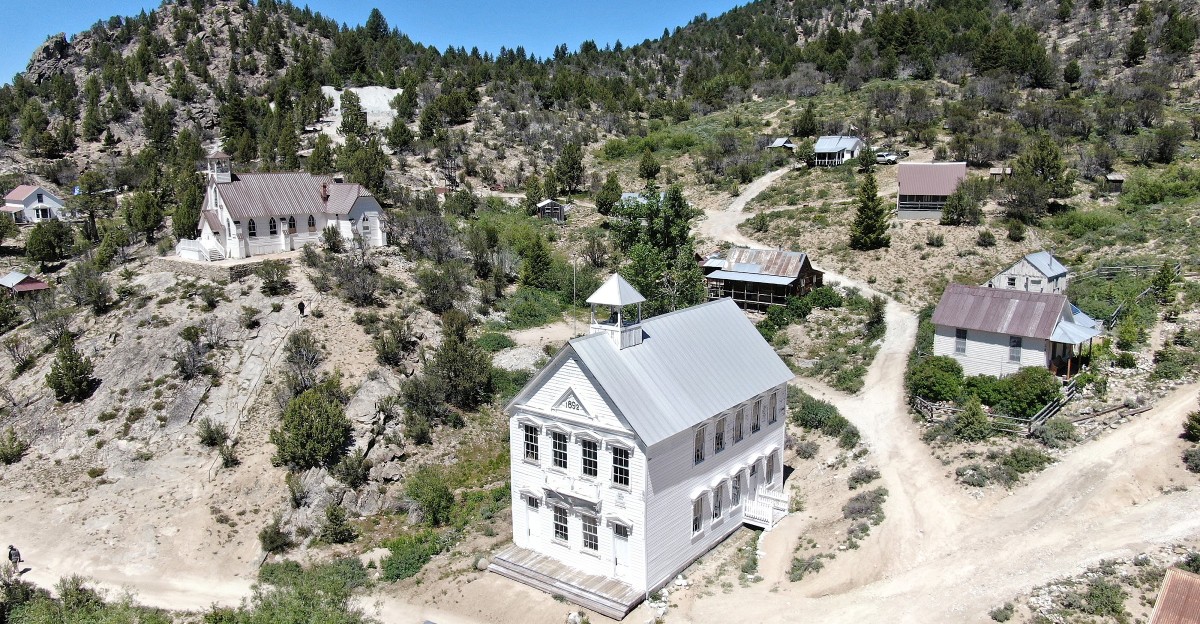
High in the mountains of southwestern Idaho, a whole town waits at the end of a long road with nobody home. Its streets once held about 2,500 people and roughly 75 businesses, all chasing gold and silver in the 1880s.
Today the buildings still stand, the roads are still there, and you can wander right down the middle of them. The miners packed up long ago, but the town never quite let go of its story.
It sits on the National Register of Historic Places, and its official website still invites people to come and look around. This article walks through where the town is, how it rose, why it emptied out, and what to know before making the trip.
Keep reading, because this is one ghost town with plenty left to say.
A Mountain Address With No Neighbors
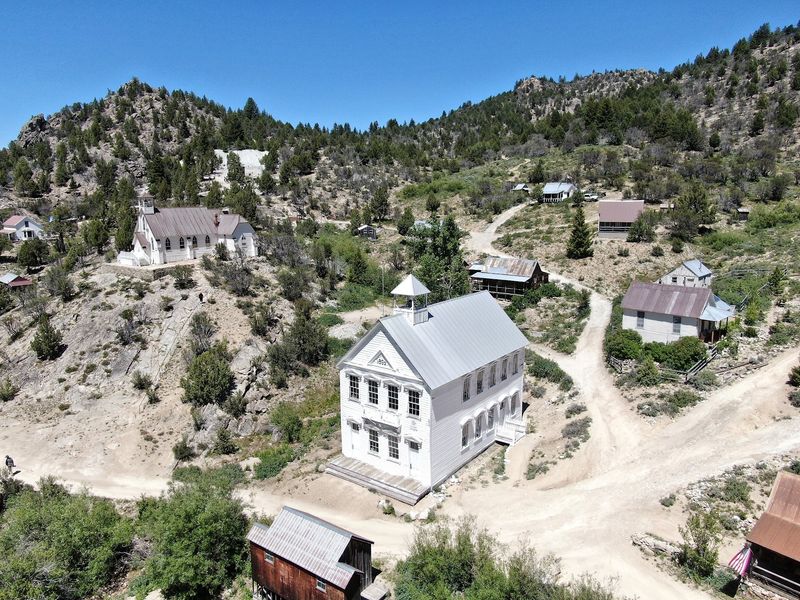
Some towns are found on busy highways. This one is found in northwestern Owyhee County, and its address is simply Silver City, Idaho 83650, USA.
Silver City is a ghost town in the state of Idaho. It sits in the high country of the Owyhee region, far from the bustle of modern city life.
The place is not a theme park or a replica. It is a real former mining town that has been recognized for its historic value.
Its listing on the National Register of Historic Places tells you a lot. The town matters enough to be protected as a piece of American history.
Nobody lives here full time today, which is exactly what makes it so unusual. The buildings remain, the streets remain, and the curious can still roam them.
For travelers who love history, that combination is hard to beat. A real town, a real past, and room to explore at your own pace.
Planning starts with the official website, historicsilvercityidaho.com, which is the go-to source for current information. Before anything else, bookmark it, because this is a trip that rewards a little homework.
Gold, Silver, and a Booming 1880s
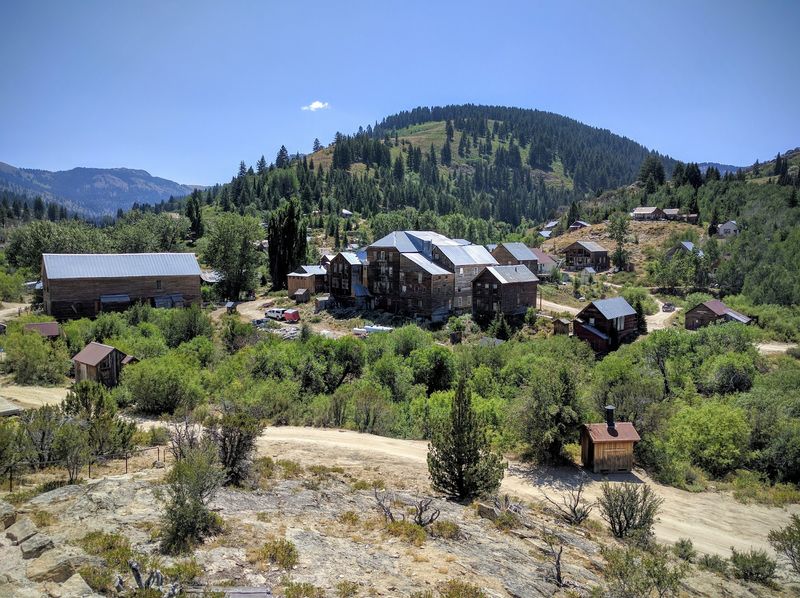
Gold fever and silver dreams built this town. In the 1880s, Silver City was a busy mining center pulling precious metals out of the surrounding mountains.
At its peak, around 2,500 people called it home. That is a big crowd for a remote mountain settlement.
Those residents supported approximately 75 businesses. Stores, services, and shops all depended on the steady flow of mining work.
Numbers like that show this was no tiny camp. It was a full working town with real streets and a real economy.
Mining towns tend to grow fast when the ore is good. Silver City followed that pattern during its strongest years.
The name itself is a clue to what brought everyone here. Silver, along with gold, was the reason the town existed at all.
Understanding that boom is the key to appreciating what remains. Every building still standing once played a part in that rush, so treat the streets like chapters in a book that is still open.
Why the Crowds Moved On
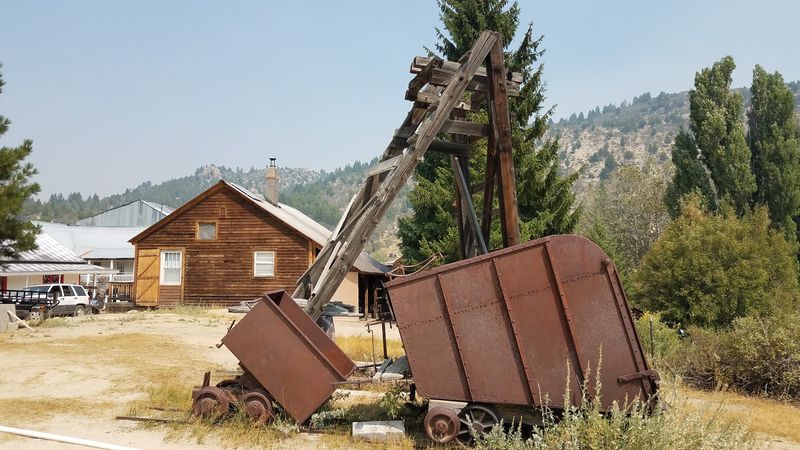
Booms rarely last forever. Mining towns rise and fall with the ore beneath them, and Silver City is now classified as a ghost town.
The population that once reached about 2,500 is gone. Today, no one lives here on a permanent basis.
That change turned a busy commercial hub into a quiet historic site. The town went from making history to preserving it.
What makes this story special is what was left behind. Rather than vanishing, the town kept enough of itself to earn national historic recognition.
Many former mining camps disappeared completely over time. This one held on long enough to become a destination.
The emptiness is part of the appeal. Without traffic or crowds of residents, the town’s past takes center stage.
So the question becomes less about why people left and more about what they left. That answer is waiting on the streets themselves.
Streets You Can Actually Stroll
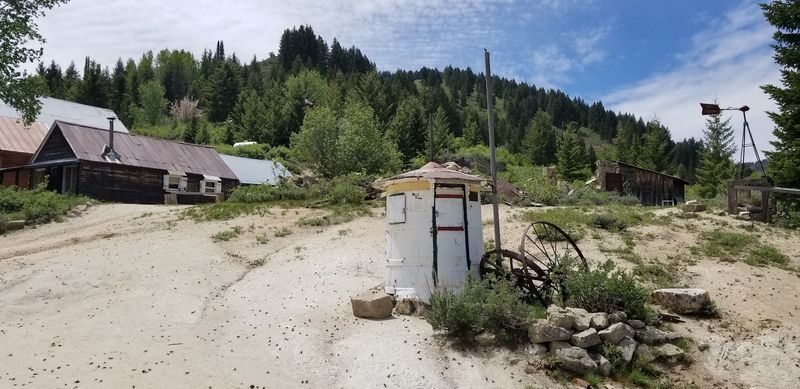
Here is the best part: you can walk right through it. The streets of Silver City are open for exploring on foot.
Plenty of ghost towns are only viewed from a distance or a roadside sign. This one invites a closer look.
Strolling the streets lets the layout of a real 1880s town come into focus. You can follow the same paths that miners and shopkeepers once used.
A slow pace works best. There is no rush in a town where nobody is hurrying to work anymore.
Bring comfortable shoes, since walking is the main activity. The streets are the museum, and your feet are the ticket.
Keep an eye on the details as you move along. Building fronts, rooflines, and spacing all hint at how the town functioned.
Respect matters too. The buildings are historic and protected, so look closely but leave everything as you found it for the next history fan in line.
Historic Buildings Still Standing Tall
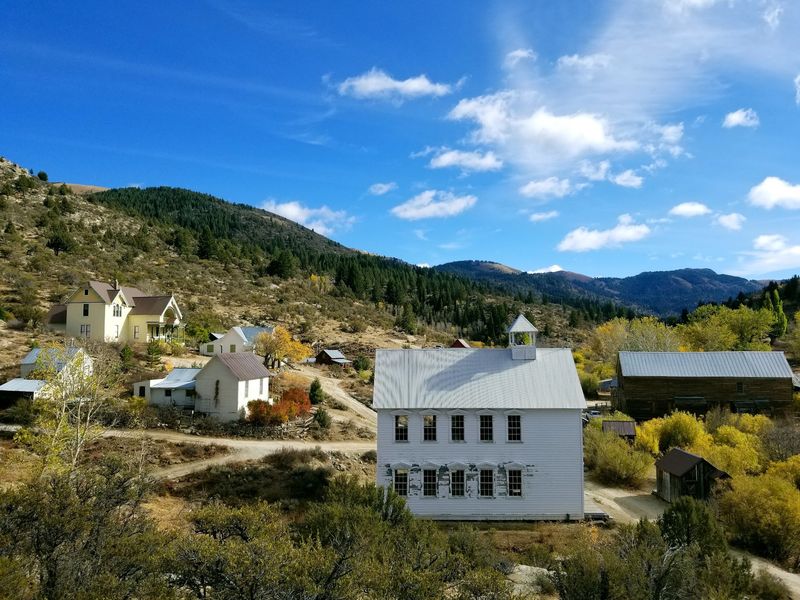
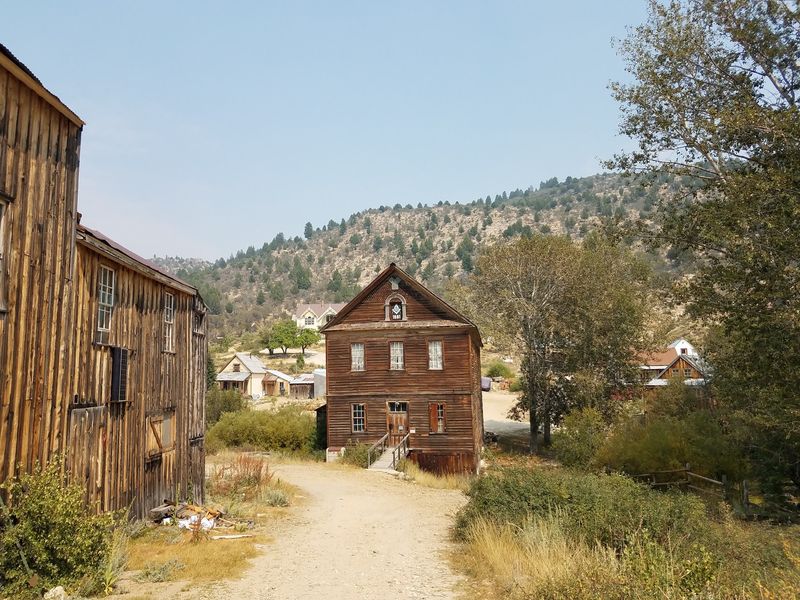
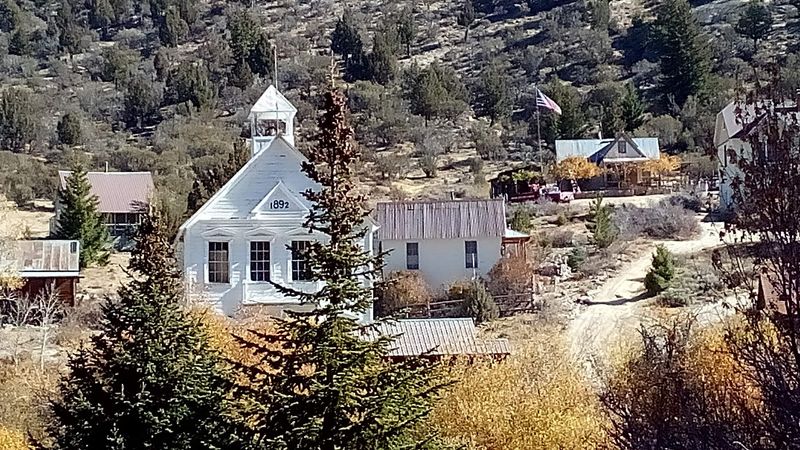
Old wood and stubborn foundations tell this town’s tale best. Many of Silver City’s structures still stand, which is why the town feels so complete.
Each building connects to the era when about 75 businesses operated here. Some were shops, some were services, all were part of the boom.
Seeing them in place helps the history make sense. It is easier to understand a town when its pieces are still where they belong.
The buildings are a big reason for the National Register listing. Their survival gives the site its historic weight.
Photographers tend to love this part. Rows of historic structures against a mountain backdrop make for memorable shots.
Take time to notice how the town was arranged. The placement of buildings shows how a busy mining community organized daily life.
Above all, these structures are fragile pieces of the past. Admire them with care, because they have already survived well over a century and deserve a few more.
A Spot on the National Register
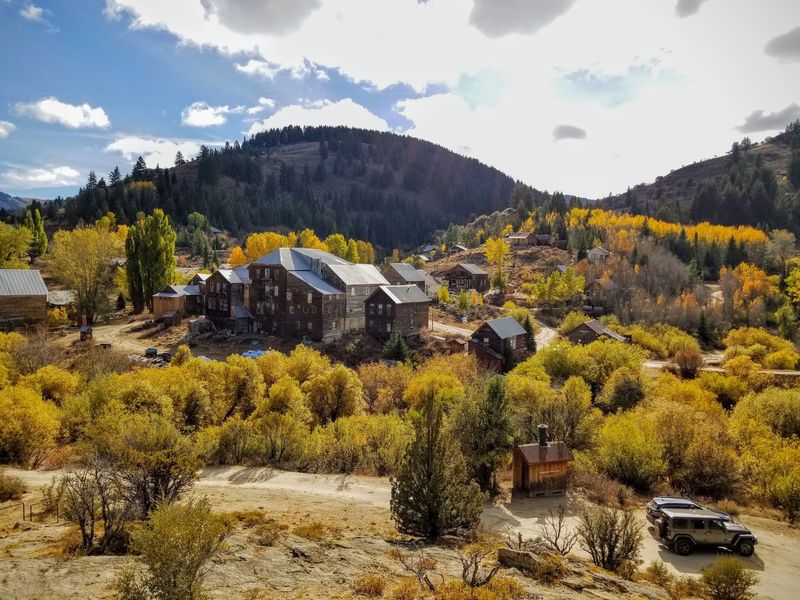
Not every old town earns a national seal of approval. Silver City is listed on the National Register of Historic Places, a mark of real significance.
That listing recognizes the town’s importance to American history. It also helps explain why so much of it has been preserved.
For travelers, the designation is a useful signal. It means the site is genuine and worth the effort to reach.
Being on the register connects Silver City to a wider story. Mining helped shape the American West, and this town is one clear example.
The listing also places responsibility on everyone who comes. Protected sites stay protected when people treat them kindly.
History lovers often build trips around places like this. A registered historic town offers a level of authenticity that is hard to find elsewhere.
Consider it a promise of substance. The register does not hand out spots for nothing, and this town has the credentials to prove it.
Owyhee Mountain Setting
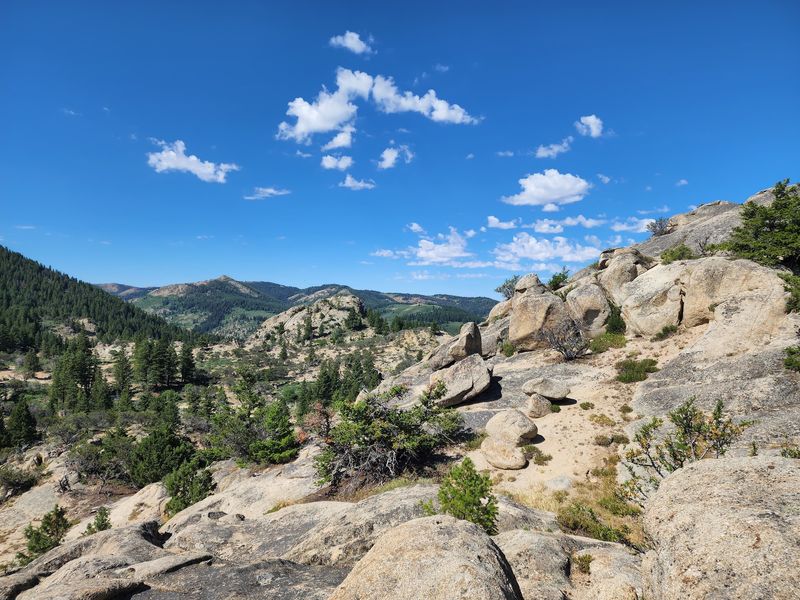
Location shaped everything here. Silver City sits in northwestern Owyhee County, in a mountainous part of southwestern Idaho where the ore was found.
Miners went where the metal was, not where life was easy. That is why the town ended up in such a remote spot.
The setting adds to the experience today. A historic town in open mountain country feels very different from one surrounded by modern development.
Owyhee County is known for wide, wild landscapes. The town’s position fits right into that rugged character.
This remoteness is both a charm and a planning factor. Getting here takes more effort than a typical day trip.
It also means the town has stayed fairly untouched. Distance has a way of protecting history from change.
When you arrive, take a moment to look around at the surroundings. The landscape explains why the miners came and why the town feels so far from everything else.
Quiet Streets, Big Atmosphere
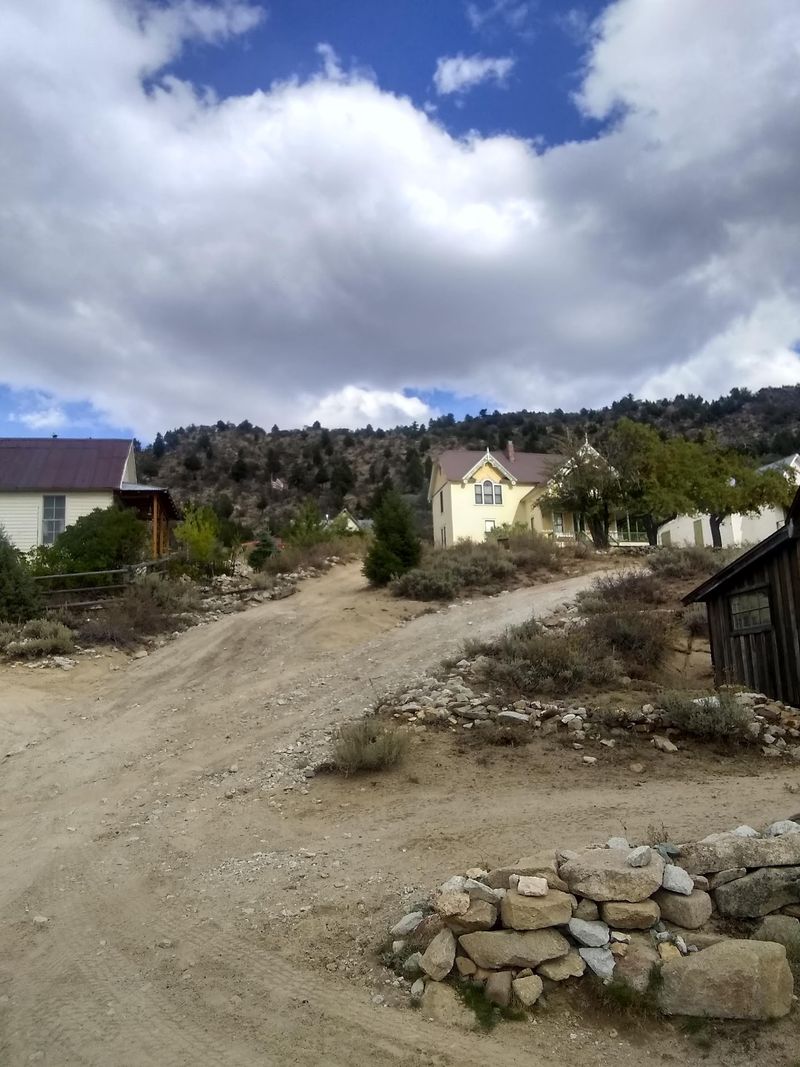
Silence has a way of speaking loudly in an empty town. With no full time residents, Silver City offers a calm that busy destinations cannot match.
The mood is reflective rather than rowdy. It is a place for slowing down and paying attention.
That calm makes it easier to focus on the history. Without distractions, the old buildings and streets get your full attention.
Families with curious kids can turn the trip into a living history lesson. Older travelers often appreciate the unhurried pace.
Solo explorers may find it especially rewarding. There is room to wander, think, and take photos without crowds.
The ghost town label adds a touch of mystery too. A town built for thousands and now home to none naturally sparks questions.
Let that curiosity guide your visit. The quiet is not empty at all, since it is packed with stories waiting for someone to notice them.
A Haven for Photographers
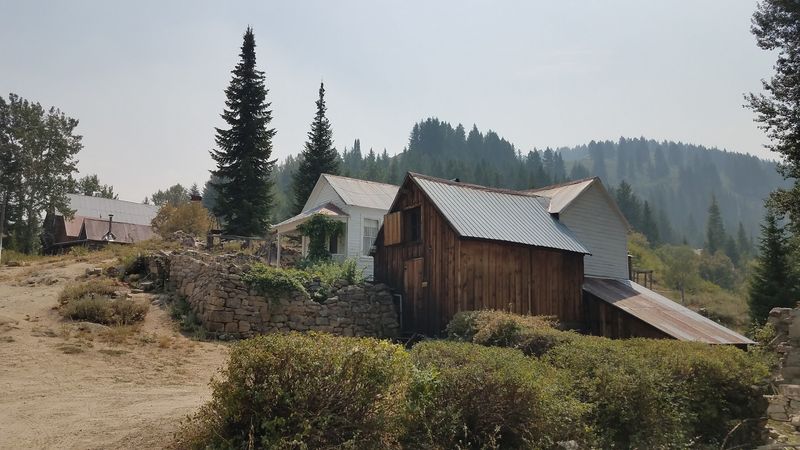
Cameras love a town that holds still. Silver City’s preserved buildings and open streets give photographers plenty to work with.
Historic structures set against mountain terrain create strong compositions. Wide shots show the whole town, while close shots capture details.
Without traffic or modern clutter, framing gets easier. The scene looks much as a historic town should.
Plan to spend extra time if photography is your goal. Moving around the town reveals new angles at every turn.
Bring spare batteries and memory cards. The remote setting means you will not want to run short.
Respect still comes first behind the lens. Stay off fragile structures and keep the site intact for everyone.
Good photos here do more than look nice. They help share the story of a mining town that once buzzed with about 2,500 people, and that is a shot worth taking.
History Buffs Will Feel at Home
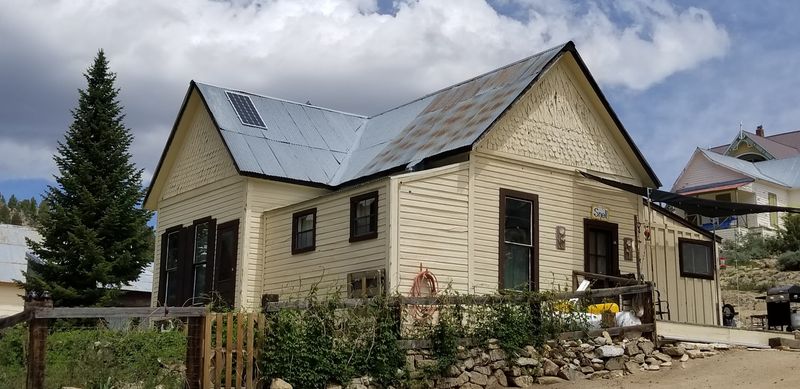
Textbooks can only do so much. Silver City lets history fans stand inside the setting of a real 1880s mining boom.
The town’s story covers gold, silver, rapid growth, and eventual decline. Those themes shaped much of the American West.
Seeing a town that once held about 75 businesses gives those lessons a physical shape. Numbers become streets and buildings.
Students and teachers can find plenty to discuss. The site is a ready-made field trip for anyone studying frontier history.
Western history enthusiasts will appreciate the authenticity. A National Register listing backs up the town’s importance.
Ask questions as you walk. Who worked in each building, and what did daily life look like during the boom years?
For deeper background, the official website is the best place to start. Reading up before arriving makes each step through town feel like turning a page you already understand.
Getting There Takes Planning
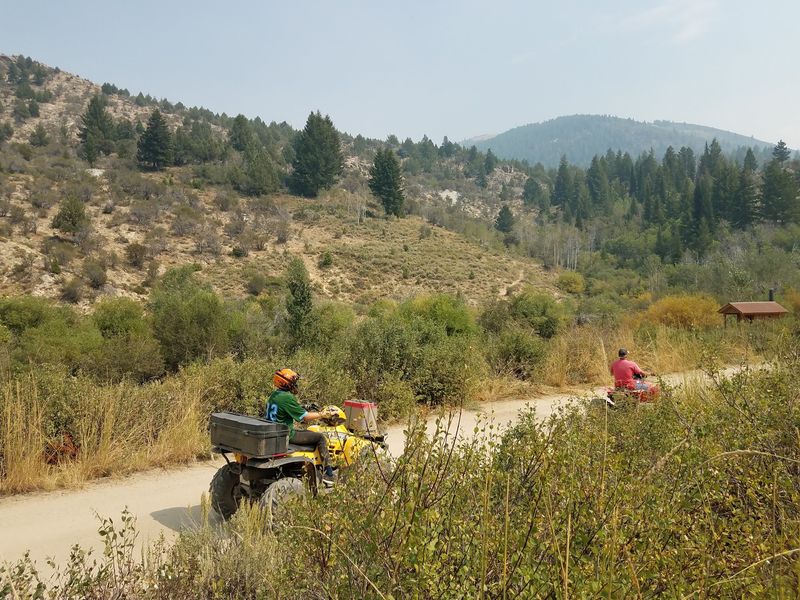
Remote places reward careful planners. Silver City sits in the mountains of northwestern Owyhee County, so the trip deserves some preparation.
Map out your route ahead of time. Phone signal can be unreliable in remote areas, so offline maps are a smart move.
A full tank before heading out is wise. Services are limited in rural mountain country.
Pack water and snacks for the day. A ghost town is not the place to count on finding supplies.
Road and seasonal conditions can affect access to mountain destinations. Check the official website, historicsilvercityidaho.com, for current updates before you go.
Leave yourself plenty of daylight. Exploring takes time, and the drive back should not be rushed.
Let someone know your plans as well. A little preparation turns a remote adventure into a smooth one, and the town will be waiting when you arrive.
Smart Habits for a Respectful Visit
Good manners help history last. Silver City is a protected historic site, and every guest plays a role in keeping it that way.
Stay on open streets and paths. Some buildings may be private or fragile, so look before entering any space.
Leave artifacts where they are. Even small items are part of the town’s story.
Pack out everything you bring in. A clean site benefits everyone who comes after you.
Watch your footing around old structures. Historic buildings are not built to modern standards, so caution is smart.
Check the official website for any rules or guidelines. Current details on access are best confirmed there before arrival.
Following these simple habits is easy. The payoff is a town that stays standing for future travelers, which is the best souvenir anyone could leave behind.
A Ghost Town Worth the Detour
Few places let you walk straight into the 1880s. Silver City does exactly that, and it asks very little in return besides a long drive and some respect.
The town once held about 2,500 people and roughly 75 businesses. Today it holds their story instead.
Its National Register listing confirms what the streets already suggest. This is a real piece of Idaho history, preserved in place.
The remote Owyhee County setting adds to the adventure. Getting here is part of the experience.
History lovers, photographers, families, and quiet explorers can all find something here. The town suits anyone who enjoys a story with roots.
Plan ahead with the official website and come prepared. A little effort brings a big reward.
Nobody lives here anymore, and that is fine. The streets are still open, the buildings still stand, and the past is still talking to anyone willing to walk in and listen.
Enjoyed this story?
Add Fast Food Club as a preferred source to see more of our reporting on Google.