


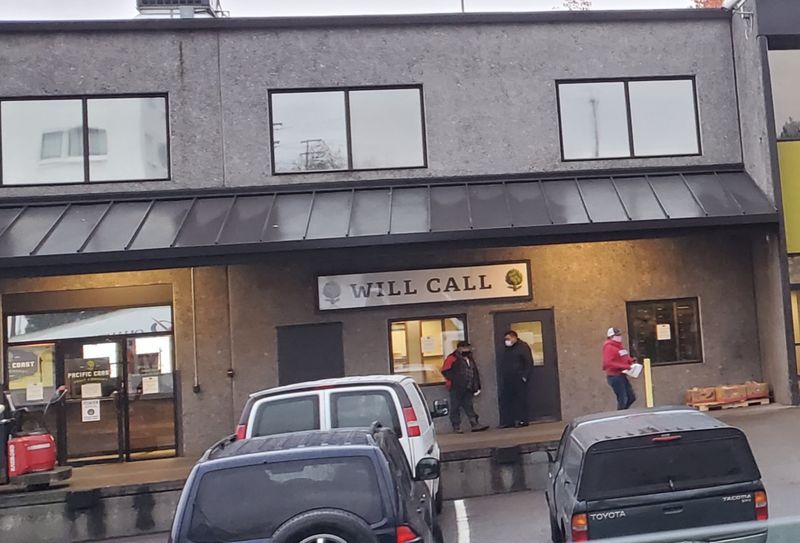
Some headlines promise warm cobbler from a tiny farm kitchen, but the real story here starts at a loading dock in Portland. Before fruits and vegetables reach your favorite store or restaurant, they often pass through a busy warehouse that most people drive past without noticing.
This one sits tucked near the Burnside Bridge, in an industrial pocket of the city where big trucks squeeze into tight spaces every morning. Drivers talk about it constantly, partly for the friendly office staff and partly for the docks that test every parking skill they own.
The company behind it has been moving fresh produce for decades and even owns a well-known local food brand. Keep reading to learn where it is, how it works, what makes it tricky, and what to know before you roll up with a trailer full of pallets.
An Address Under The Bridge
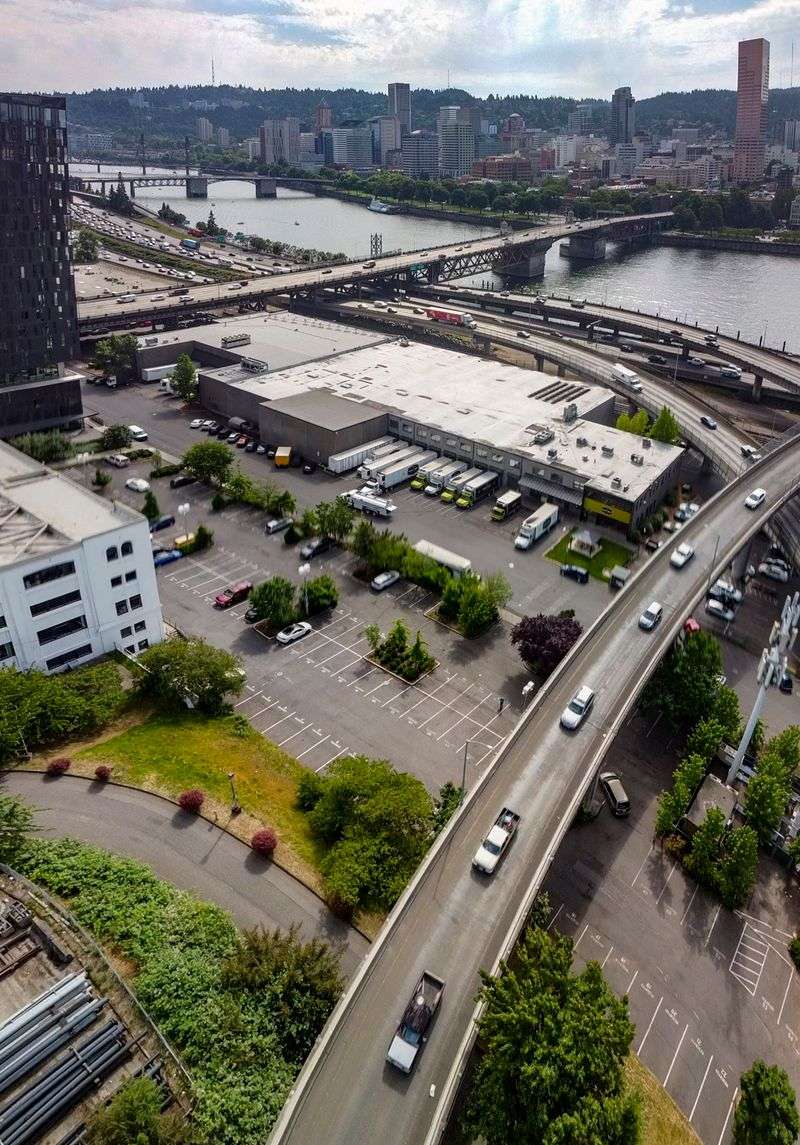
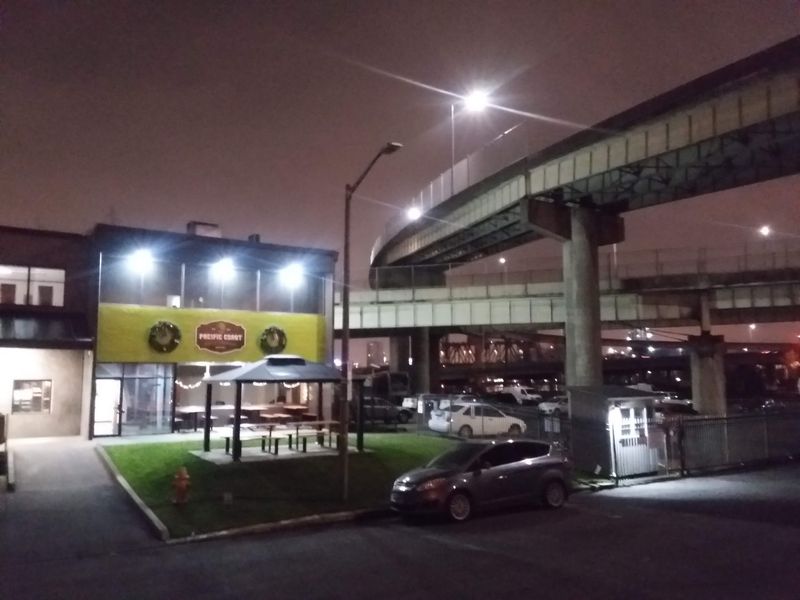
Forget the farm kitchen for a moment, because this story belongs to a working warehouse. Pacific Coast Fresh Company sits at 201 NE 2nd Ave #100, Portland, OR 97232, in the United States.
The business is listed as a produce wholesaler. That means it buys, stores, and moves fresh fruits and vegetables in large amounts for other businesses.
The spot is a little off the beaten path. It sits down near the Burnside Bridge, close to the river side of town, in an area zoned for industry.
Most people in Portland never think about places like this. Yet stores and restaurants across the region rely on companies that handle the heavy lifting behind the scenes.
The building is not built for walk-in shoppers. Its main guests are truck drivers bringing in pallets and company drivers heading out on delivery routes.
So why would anyone write a whole feature about a produce dock? The answer lives in the small details, from tight turns to surprisingly kind staff.
Those details have turned this address into a frequent topic among the folks who haul food for a living, and the next sections show exactly why.
Decades In The Produce Game
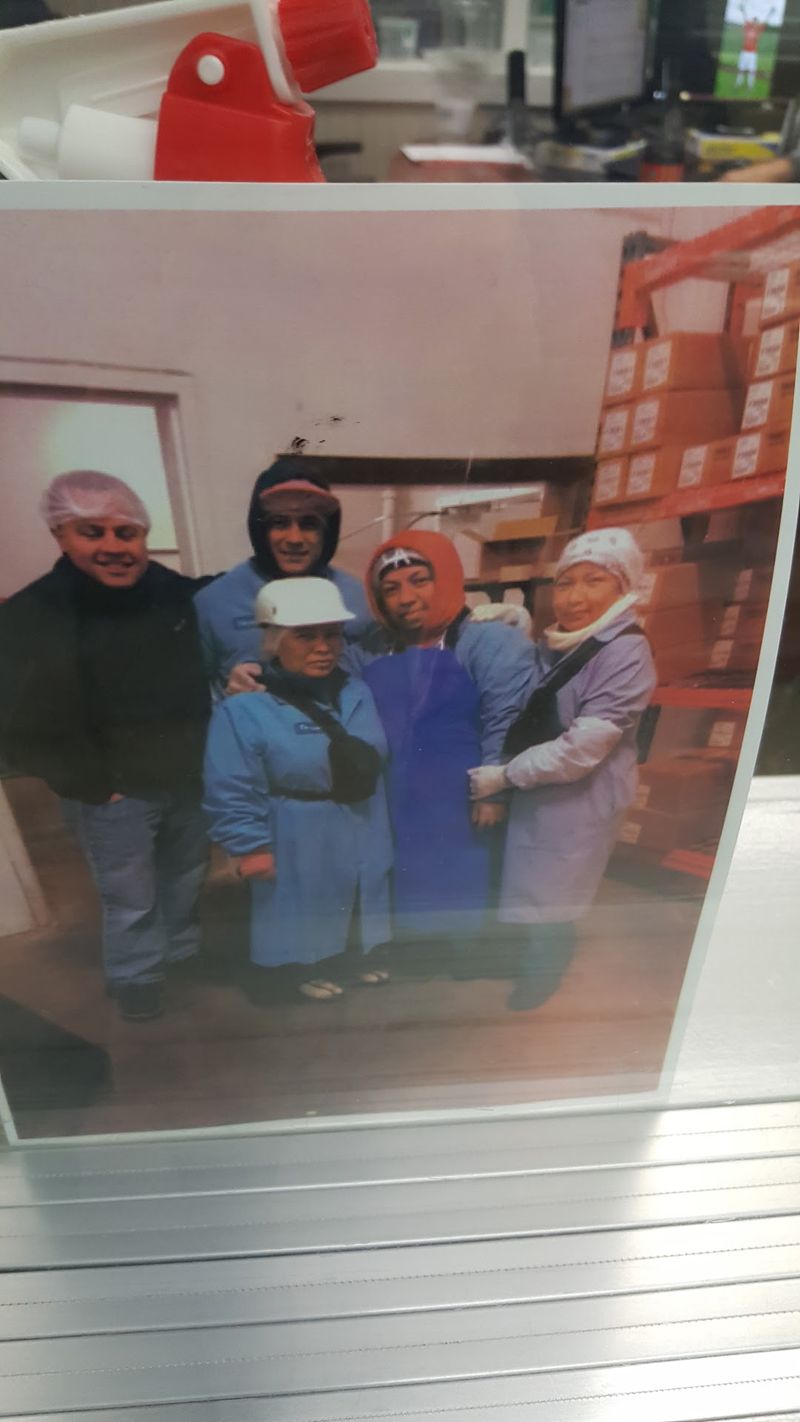
Longevity is not something every food business can claim. According to the company itself, it has been operating for about 45 years.
That is a long run in an industry where timing matters every single day. Fresh produce cannot sit around waiting for a slow schedule.
The company has explained that it works around the clock. Its goal is simple: receive, warehouse, and deliver fresh fruits and vegetables to stores and restaurants.
Being open 24 hours a day keeps the chain moving. Trucks come in with product, crews sort and store it, and delivery drivers head out on their routes.
The company has also referred to itself as Pacific Coast Fruit in past messages to neighbors. Today it goes by Pacific Coast Fresh, often shortened to PCF.
Customers have praised its integrity over the years. One point stands out: produce comes out of the ground, so it will not always be perfect, but the company works to make things right when a buyer is unhappy.
That kind of follow-through helps explain how a business lasts nearly half a century. Steady habits, it turns out, are the secret ingredient here.
The King Harvest Connection
Here is a fun bit of local business trivia. Pacific Coast Fresh owns King Harvest, a Portland-area food brand.
The company has said it is very proud of that purchase. It treats the brand as part of its effort to keep high standards across both products and buildings.
The NE 2nd Ave site has a link to that story. The company has explained that this property is the original King Harvest location.
It is leased, not owned. That detail matters, because the landlord handles things like the building itself and the fencing around it.
Some neighbors have pointed out that the structure looks worn and could use paint and repairs. The company has said it would contact the landlord about those concerns.
It has also mentioned another property on Morrison where improvements were already made. That gives a hint of what a refresh can look like when the timing lines up.
For now, the building carries a bit of history inside its walls. It is a working warehouse with a backstory, which makes it more interesting than its plain outside lets on.
Two Docks And Zero Elbow Room
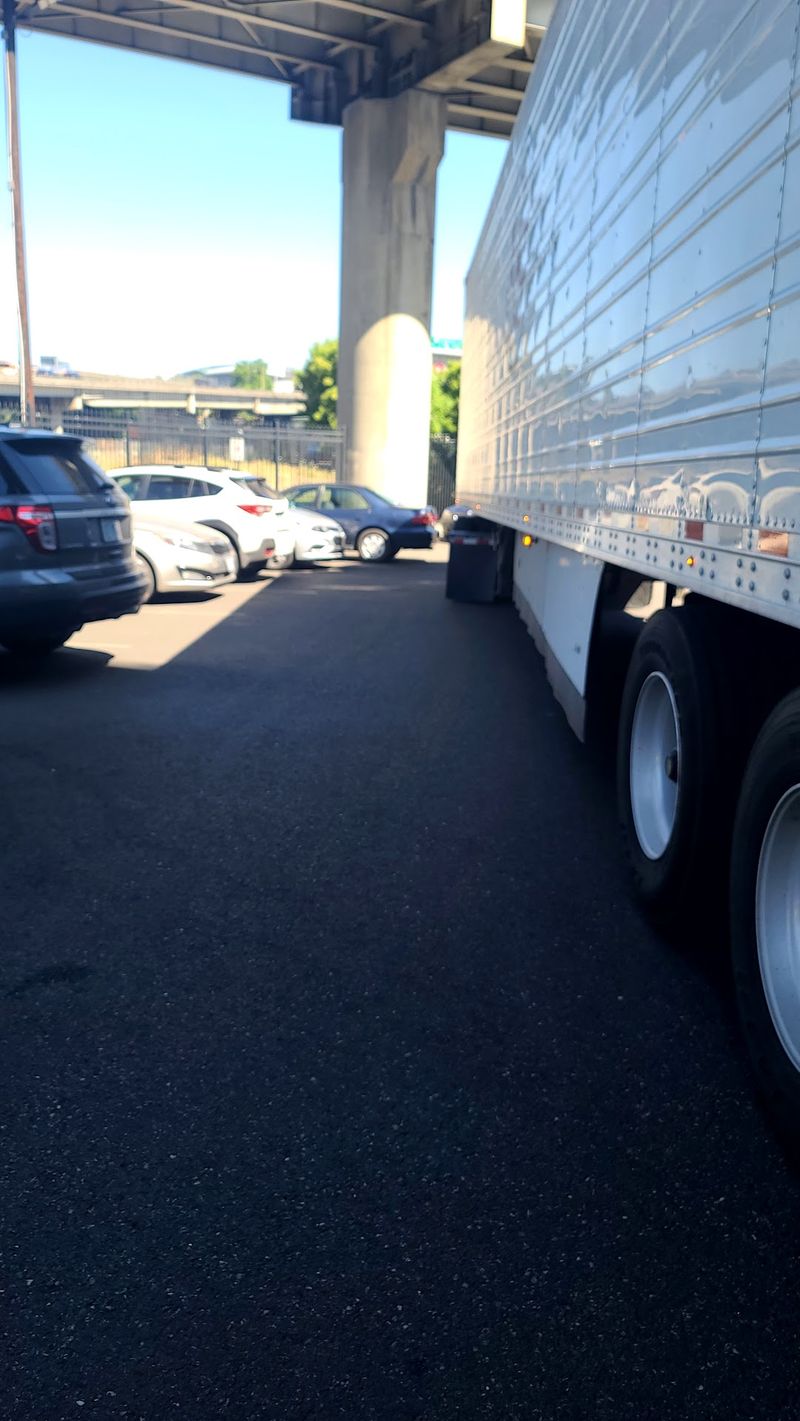
Ask any trucker about this place, and the word tight comes up fast. The receiving area is famous for its limited space.
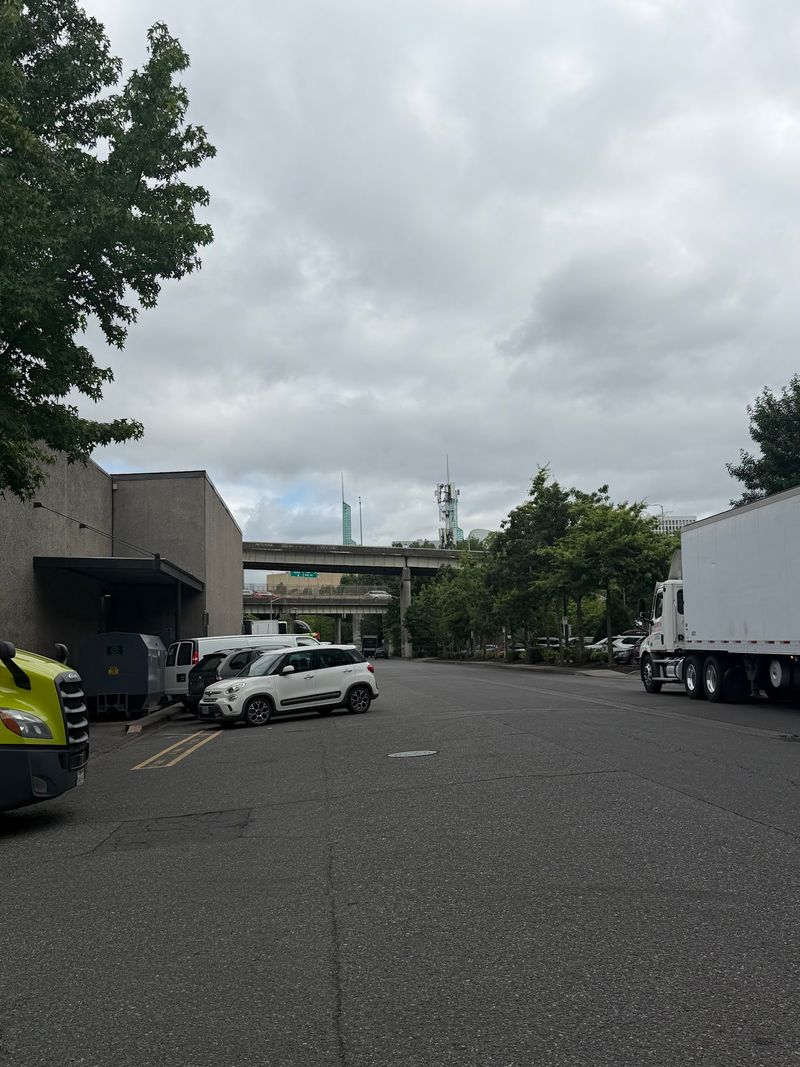
Only two docks in the back are used for deliveries. Drivers reach them by heading into what appears to be the employee parking lot.
Cars are often parked all around that area. That leaves little room to swing a long trailer into position.
Some drivers call the docks scary, with a bit of a laugh attached. Others say the backing is doable with patience and care.
The best advice from experienced haulers is calm and practical. Take your time, go slow, and you will be fine.
There is good news for anyone stuck waiting. The street offers room to hold your spot until a dock opens up.
Once a truck is in a door, the crew tends to move quickly. Many drivers say they were empty within 20 to 30 minutes.
So the squeeze is real, but it does not last long. A little patience at the start usually pays off with a fast finish.
Friendly Faces In The Front Office
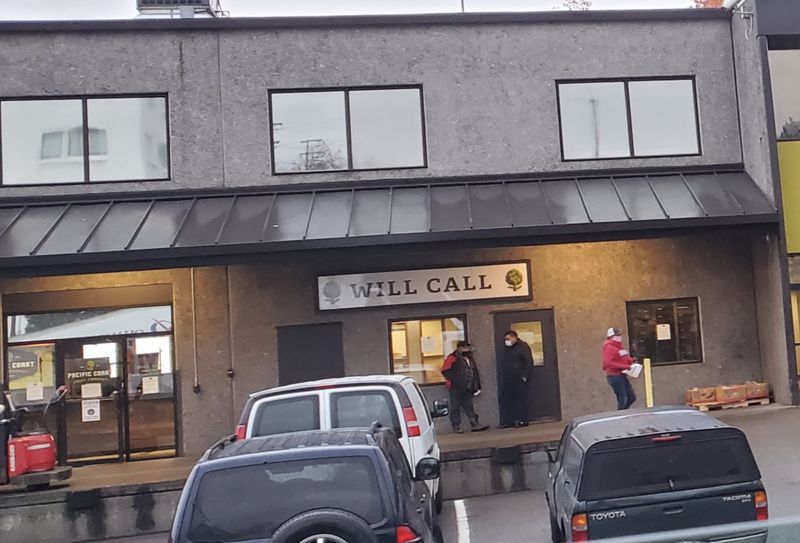
Kindness can make a stressful delivery feel a lot easier. Here, the front office earns a lot of credit for exactly that.
Drivers often mention nice people and friendly staff. Several say the office team got them into a door right away.
One driver called ahead the day before to ask for directions and left a message. The receiver actually called back, which came as a pleasant surprise.
Another story shows the staff going well beyond the job. A worker heading to his vehicle stopped to help a lost driver find the loading dock.
He started to explain the route, then changed his mind. Instead, he walked the driver around back and showed him how to line up the truck.
Small moments like that stick with people. They turn a hard-to-find warehouse into a place drivers are happy to visit again.
The office has also been flexible with schedules. In one case, staff helped reschedule an appointment when a driver was running late.
Good manners cost nothing, and this crew seems to know it. That reputation has become one of the warehouse’s strongest calling cards.
Speed On The Receiving Floor
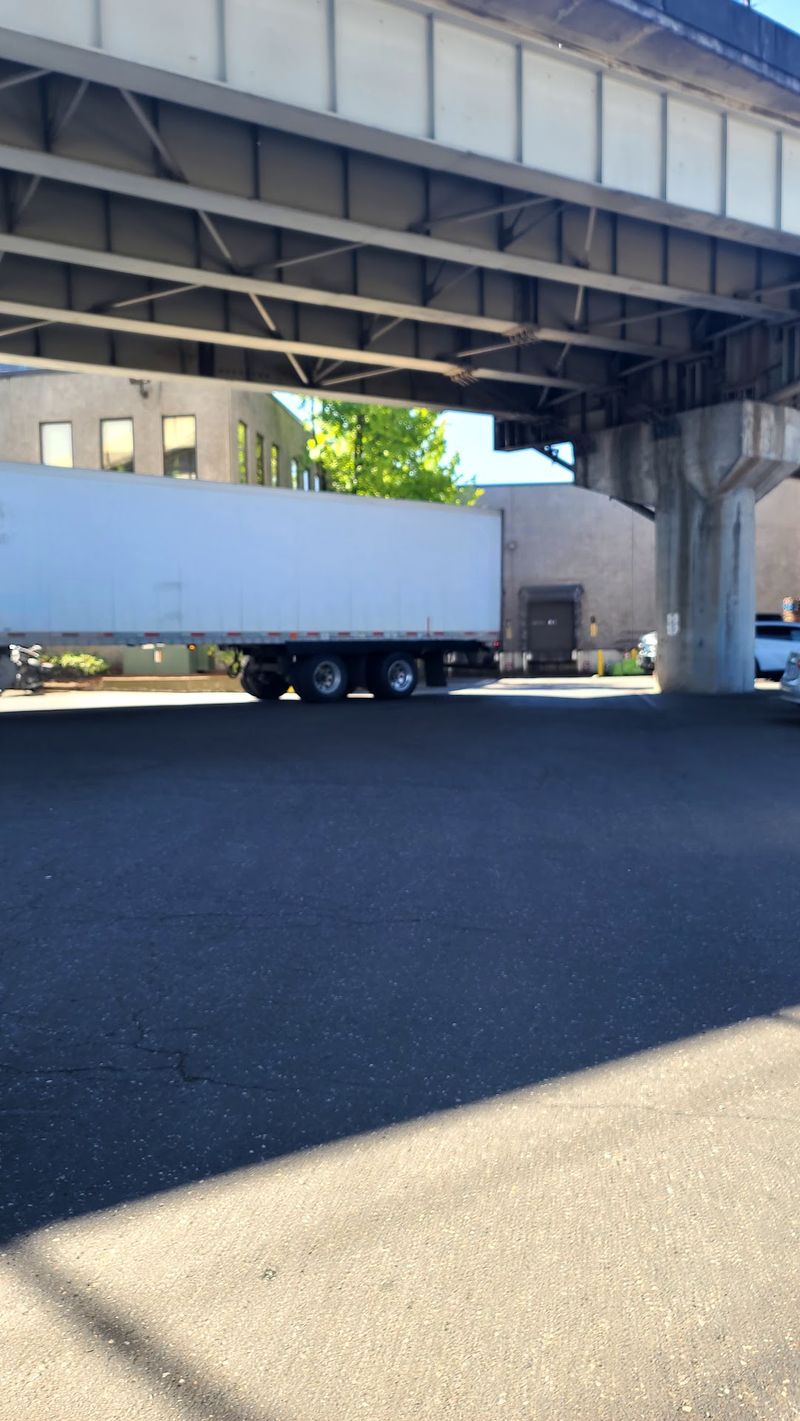
In and out. That phrase sums up how many drivers describe the receiving crew.
Once paperwork is done and a door is open, unloading tends to move fast. Many say they were emptied in about 20 to 30 minutes.
Early arrivals get noticed in a good way. One driver showed up at 7 AM for an 8 AM appointment and was put in a door quickly and thanked for being early.
Appointments are part of the system. Still, some drivers suspect the docks work more like first come, first served.
Late arrivals are not always turned away either. One driver arrived 15 minutes behind schedule, and the receiver still accepted the load.
Not every visit is perfect, though. One driver waited over 30 minutes at a door to unload just four pallets and had trouble getting paperwork back.
Another felt a dock worker was rushed and unfriendly and ignored safety gear. Those moments show the crew has room to grow.
Overall, speed is the norm rather than the exception. Most loads move through quickly, which matters a lot when every hour on the road counts.
Routes, Turns, And A Low Overpass
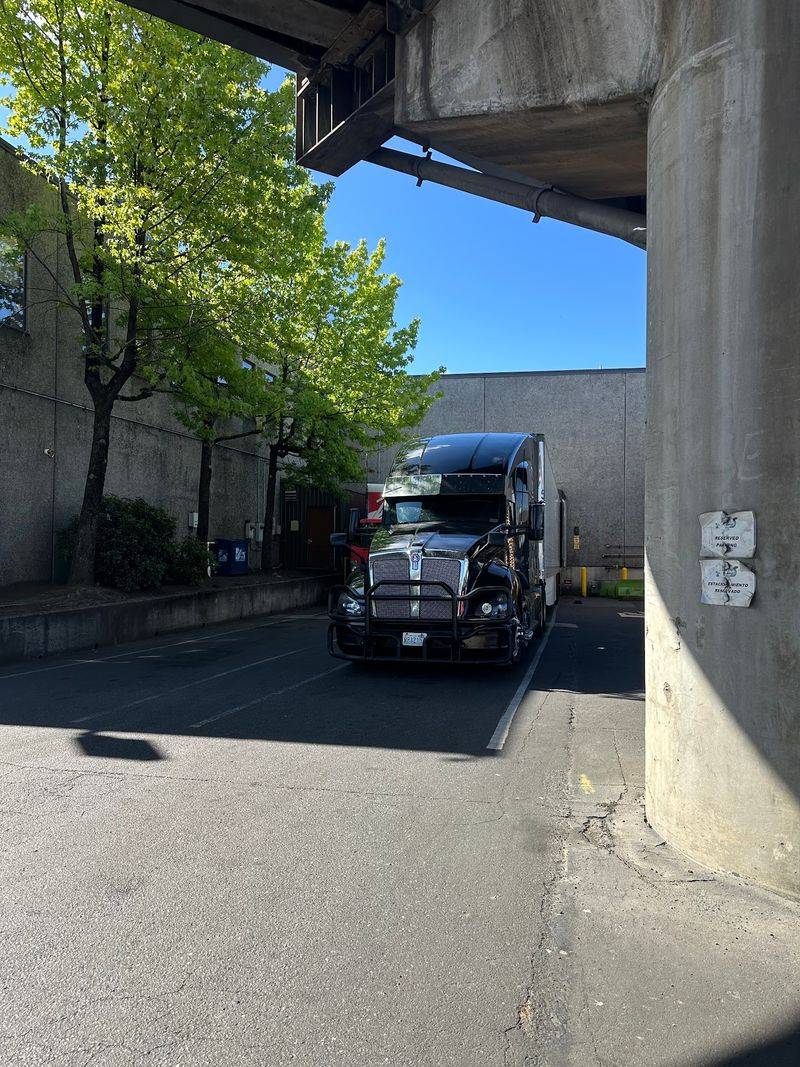
Getting there is half the adventure. Even drivers who love the place admit it is a bit of a pain to reach.
The main tip is clear: use NE 2nd Ave to enter the facility. The company has said 2nd Avenue is the only way in and out for larger delivery trucks.
Drivers with a long rig have shared a helpful route. For a truck and trailer around 70 feet, come in on MLK, turn onto Ash, and then head to 2nd.
After arriving, check in at will call. That is the starting point before getting a dock assignment.
Height is another thing to watch. Drivers warn about an overpass near Couch Street with a clearance of 13.7 feet.
Using a trucker GPS is strongly suggested. Regular navigation apps may not account for clearance limits or narrow streets.
One driver even asked local police to help watch traffic while passing through a tight stretch. That shows how careful the approach can be.
Plan the route before leaving, and the trip gets much easier. A few minutes with a map can save a lot of backing up later.
Hours Worth Writing Down
Timing is everything at a produce warehouse. The posted hours here are short and specific.
The listed schedule runs Monday through Saturday from 8 AM to 12 PM. Sunday is marked as closed.
That window applies to the public listing, but the operation itself runs much longer. The company has said it is open 24 hours a day to receive, store, and deliver produce.
Drivers have their own notes on receiving. Some say receiving hours appear to run from about 3 AM to 3 PM.
Because those details differ, calling ahead is smart. The receiving team has been known to return messages and help with directions.
Showing up early can work in your favor. Drivers who arrive before their time often get placed in a door quickly.
Restrooms are available for truck drivers too. You simply need to ask the staff.
A short checklist helps here:
Confirm your appointment, plan the route around low clearances, and bring patience for the tight docks. With those three covered, the morning tends to go smoothly.
Life In An Industrial Neighborhood
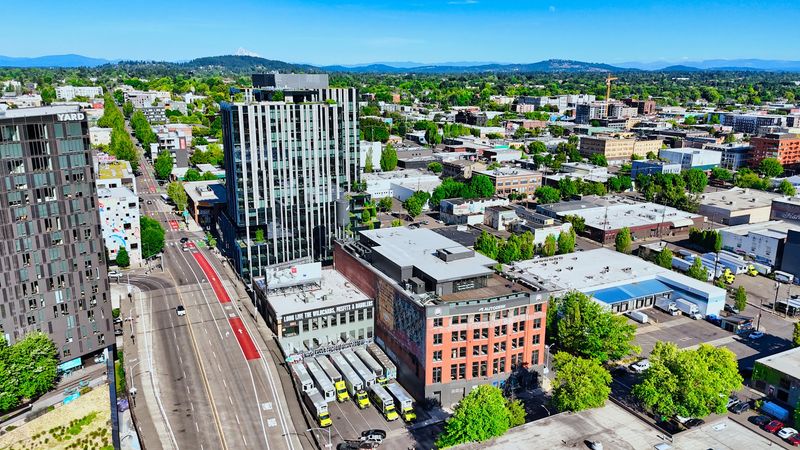
Big trucks and city neighbors do not always mix easily. This part of Portland sees both every day.
The area is zoned industrial, built for making and moving goods. Nearby residents, including people living at The Yard, share these streets with delivery traffic.
Some neighbors have voiced frustration. They say trucks back up along 2nd Avenue and get in the way.
The company has responded openly. It explained that larger trucks have no other exit, so backups can happen while drivers wait for others to move.
Driving habits have also drawn concern. A few people have reported company-branded trucks speeding and changing lanes unsafely.
In one case, the company said it identified the driver from the time and license plate shared. It added that it would reinforce safety policies with all its drivers.
The team has also invited a neighbor to sit down and talk. It says it values its community and wants to hear all kinds of feedback.
Debris near the site is another topic. The company says a dedicated crew handles clean-ups and has increased how often they happen.
Sharing a neighborhood takes effort from everyone, and the conversation here is still going.
A Fair Verdict For The Produce Hub
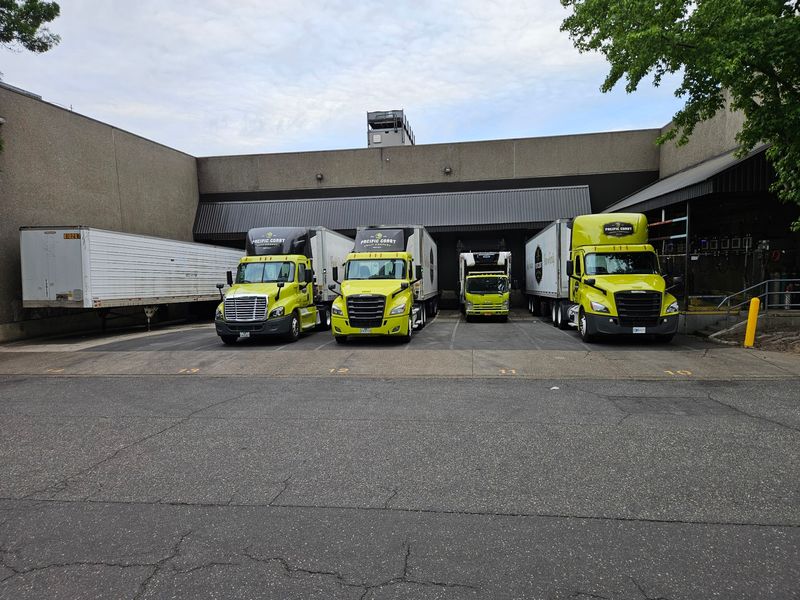
So, no cobbler here, but plenty of story. Pacific Coast Fresh Company is a working hub that keeps fresh food moving across the region.
Its overall score sits at 4.1 out of 5. That number reflects a mix of praise and fair critique.
The strengths are easy to spot. Friendly office staff, helpful workers, and quick unloads come up again and again.
The challenges are just as clear. Tight docks, tricky streets, and a low overpass nearby call for careful driving.
Some concerns about driving behavior and dock safety have surfaced. The company has answered several of them directly and promised improvements.
For truck drivers, the takeaway is practical. Plan ahead, use NE 2nd Ave, watch the clearance, and stay patient at the back lot.
For everyone else, this warehouse offers a peek behind the curtain of how food gets around. Every salad bar and grocery shelf depends on places like this.
It may not be glamorous, but it has heart. In a city full of famous food stops, this quiet dock under the bridge plays a bigger role than most people realize.
Enjoyed this story?
Add Fast Food Club as a preferred source to see more of our reporting on Google.