


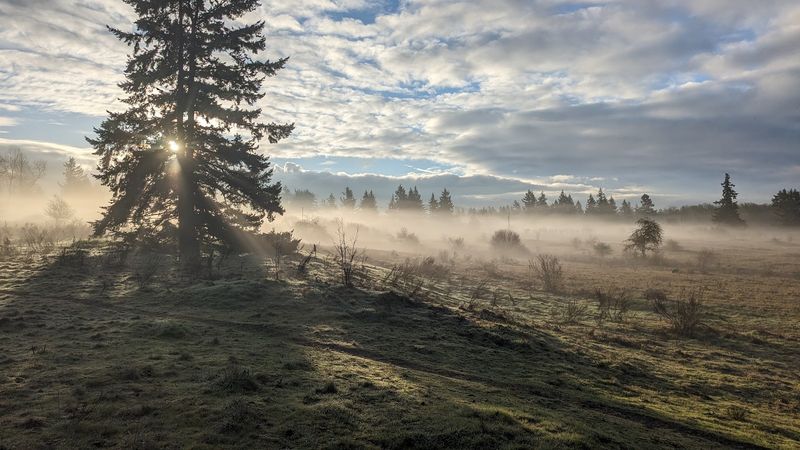
Some of the best places in Washington have no gift shop, no ticket booth, and no line at the gate. This one is a stretch of open prairie in Thurston County where dog owners, hikers, and walkers can go for an hour without meeting another person.
Garry oaks dot the hills, a creek winds through the grounds, and coyotes and hawks are regular residents. The spot sits just outside Rochester, and it has quietly earned a loyal local following.
It is not flashy, and it does not try to be. Stick around to learn where it is, when to go, which trails suit which kind of outing, what to know about hunting season, and why so many four-legged hikers treat it as their favorite playground.
A Prairie Address on 176th Ave SW
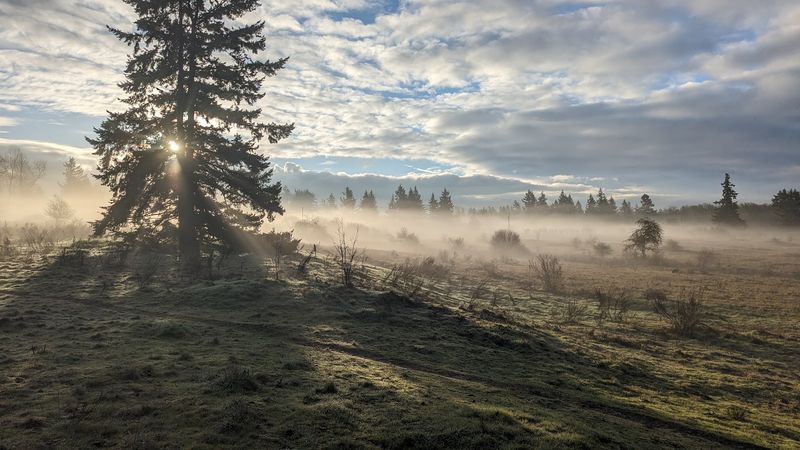
The directions are refreshingly simple. Scatter Creek Unit sits at 176th Ave SW, Rochester, WA 98579, in the southwestern part of Washington State.
It is listed as a wildlife refuge, and it is managed as a unit of the Scatter Creek Wildlife Area by the Washington Department of Fish and Wildlife.
That official status matters. Land like this is set aside first for wildlife and habitat, and people get to share it as guests.
So there is no visitor center, no snack stand, and no souvenir rack. What the property offers instead is room, and plenty of it.
The unit is made up of open prairie, stands of Garry oak, wooded hills, and the creek that gives the area its name. Trails wind through all of it.
For locals in Rochester and the surrounding Thurston County communities, it works as a backyard escape. For travelers heading along the I-5 corridor, it is an easy spot to stretch legs away from rest stop traffic.
The official page on the state wildlife website is the best place to check current rules before a trip. Rules on refuges can shift with seasons, and a quick look saves surprises.
Consider this the starting line. The rest of the story unfolds one trail at a time.
Land Set Aside for the Wild Ones
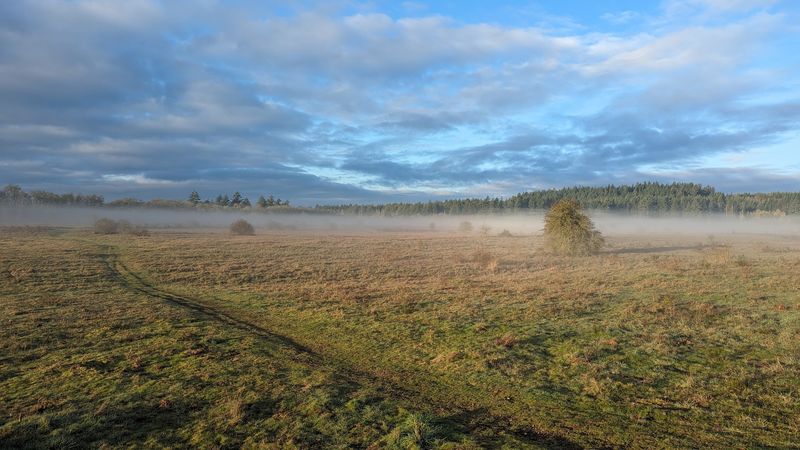
Not every patch of green on a map is a park. Scatter Creek belongs to a different category, and knowing the difference shapes the whole visit.
The Washington Department of Fish and Wildlife oversees the property as part of the Scatter Creek Wildlife Area. The unit near Rochester is one piece of that larger wildlife area.
Wildlife areas in Washington are managed with habitat in mind. Recreation is welcome, but it shares space with conservation goals and, in certain seasons, with hunting.
That arrangement explains a lot about the feel of the place. Paths are practical rather than polished, and the landscape is allowed to look like itself.
Prairie habitat in western Washington is a big part of the appeal here. Open grassland mixed with Garry oaks is the kind of setting the unit is known for.
People who arrive expecting paved loops and interpretive signs at every turn may leave underwhelmed. A few folks have said there is not much to look at beyond a pleasant walk.
Others treat that simplicity as the entire point. Wide spaces, few people, and a working wildlife habitat make for a very different outing than a city park.
Think of it as borrowing land from the hawks for an afternoon. Good guests pick up after themselves and leave the place ready for its full-time residents.
Where the Miller House Once Stood
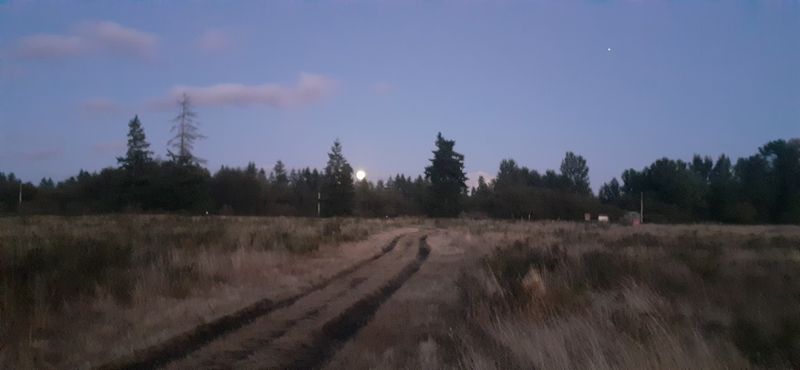
History at Scatter Creek does not come with a plaque. It comes with a starting point that regulars still call by an old name.
A Miller house and barn once stood on the property. The buildings are gone now, but the spot where they used to be remains a favorite place to begin a walk.
There is something appealing about starting a hike at a place defined by what used to be there. It is a small reminder that this prairie had a farming chapter before it became wildlife habitat.
Longtime walkers use the old homestead site as a landmark. It works as a trailhead of sorts, a place to lace up boots and let the dog shake off the car ride.
From there, routes head toward the creek and out across the open ground. Many people like the creekside stretch that begins near the former farm site.
Details on the Miller family and the years they spent on the land are not something the state page spells out. That part of the story stays a bit of a mystery.
Still, the name has stuck around longer than the barn did. Ask a regular where to start, and there is a fair chance the answer will point toward the old Miller place.
Miles of Trail Under an Open Sky
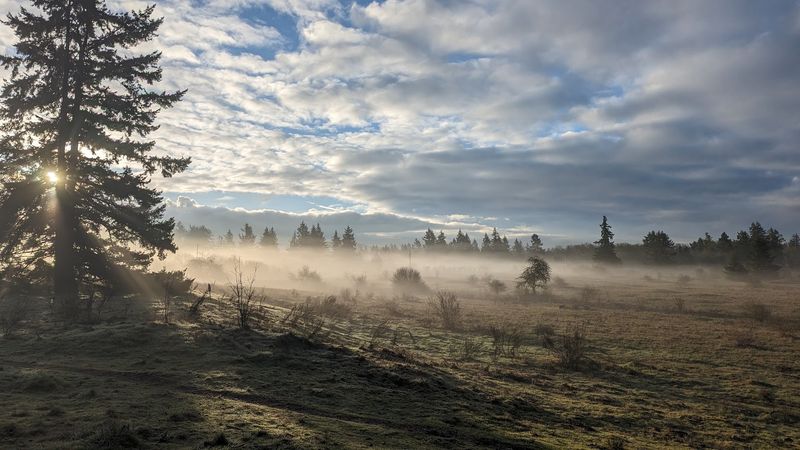
Distance is the currency here, and the unit is rich in it. Miles of trails spread across the property, giving walkers far more ground than a quick loop around the block.
The big draw is the openness. Large sections of the prairie are free of tree cover, so the sky takes up most of the view.
Plenty of people come for exactly that. Hiking, long walks, and steady dog outings are the activities folks mention most often.
Trails here lean toward the simple side. Expect dirt paths and mowed or worn routes rather than boardwalks and mile markers.
That lack of fuss gives walkers freedom to build their own route. A short stroll to the creek works just as well as a longer ramble into the wooded hills.
It helps to carry a map or a phone with offline directions on the first visit. Wide open spaces can make it tricky to judge where a trail will come out.
Comfortable shoes and water are smart companions too. There are no shops on site, so anything needed for the walk has to come along from home.
For hikers who measure a good day in miles rather than milestones, the prairie delivers. The trail simply keeps going until the legs decide otherwise.
Flat Meadows Meet Wooded Hills
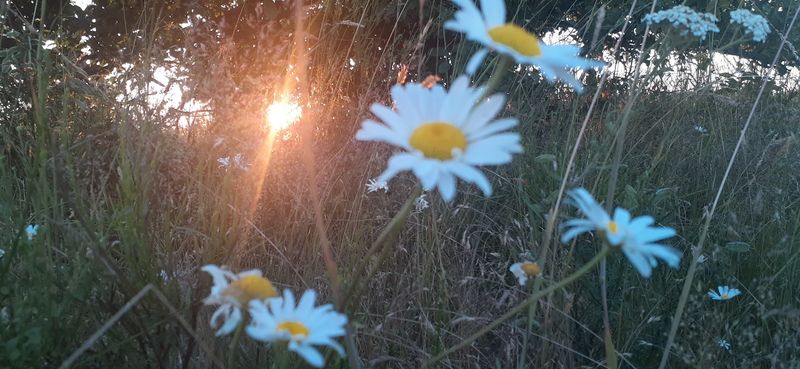
Two moods live side by side on this property. One is flat and wide, the other rises into the trees.
Much of the unit is level open ground. Those stretches are easy on the knees and let walkers keep a steady pace without much effort.
Then the trails climb. Hill paths lead into wooded sections, trading the open prairie for tree cover and a bit more of a workout.
The mix makes the place flexible. A family with young kids can stick to the flats, while someone looking for a tougher outing can head uphill.
Dog owners appreciate the variety as well. Open meadows give pups room to run, and the hillside trails add a change of pace for longer sessions.
Nothing here counts as mountain terrain. The hills add interest rather than serious elevation, so most reasonably active walkers will handle them fine.
After wet weather, low areas and wooded paths may be softer underfoot. Footwear with decent grip is a sensible choice for the hill trails.
Choosing between flat and forested is half the fun. Plenty of walkers split the difference and do a bit of both, starting on the prairie and finishing among the trees.
The Garry Oaks and Their Welcome Shade
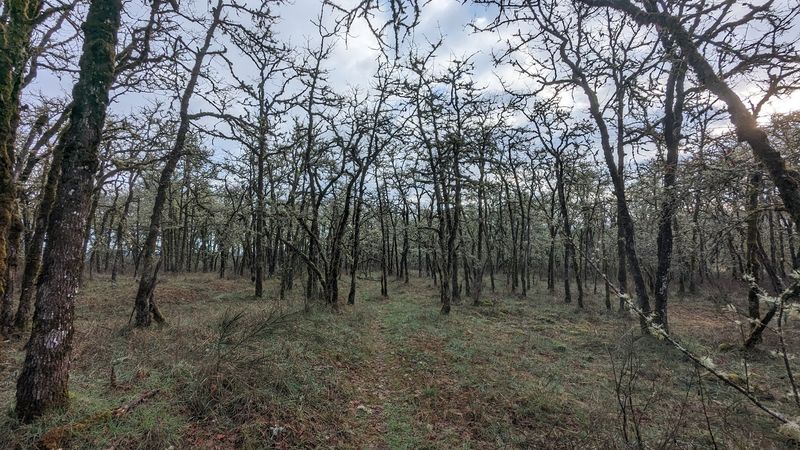
Summer walkers learn one lesson fast. On an open prairie, a good tree is worth its weight in gold.
Garry oaks grow across parts of the unit. Also known as Oregon white oaks, they are a signature tree of western Washington prairie country.
Their shade becomes especially valuable in the warmer months. By mid-July, the exposed grassland can feel like a lot, and the oak groves offer a place to pause.
People who visit in summer often plan their route around those trees. A stop in the shade gives both walkers and dogs a moment to rest and drink some water.
The oaks also add character to a landscape that could otherwise feel uniform. Their spreading branches break up the prairie and give the eye something to follow.
Fun fact: Garry oaks are the only oak species native to Washington State. That makes spots like this one a small piece of regional heritage.
Photographers tend to gravitate toward these trees too. A lone oak against an open sky makes a strong subject in any season.
Even walkers who do not know one tree from another usually come away fond of these. It is hard not to appreciate a tree that hands out free shade on a July afternoon.
Following the Creek That Named It All
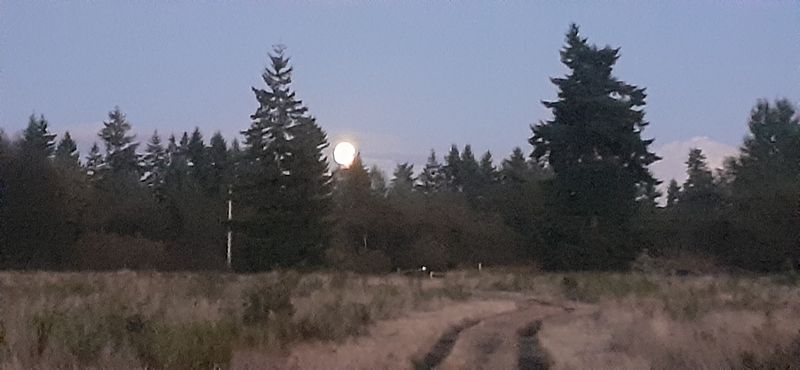
A wildlife area named after a creek had better deliver a creek. Scatter Creek holds up its end of the bargain.
The waterway runs through the unit and gives walkers a natural path to follow. Creekside strolls rank among the most loved outings on the property.
Many people like to start near the old Miller homestead site and wander toward the water. It makes for an easy, relaxed route with a clear sense of direction.
Walking along a creek changes the feel of a hike. The trail has a companion, and the landscape shifts from open grassland to greener edges.
Dogs tend to approve as well. Keep an eye on them near the banks, though, since this is wildlife habitat and the creek is part of that ecosystem.
Water levels likely vary with the seasons. The wetter months of late winter and early spring are when the landscape is at its liveliest overall.
Later in the year, summer and fall bring drier conditions across the unit. Planning a creek walk for the wetter part of the year tends to pay off.
For a first visit, the creek is a smart anchor. It gives the outing a purpose and a pleasant turnaround point when the time comes to head back.
Tail-Wagging Territory
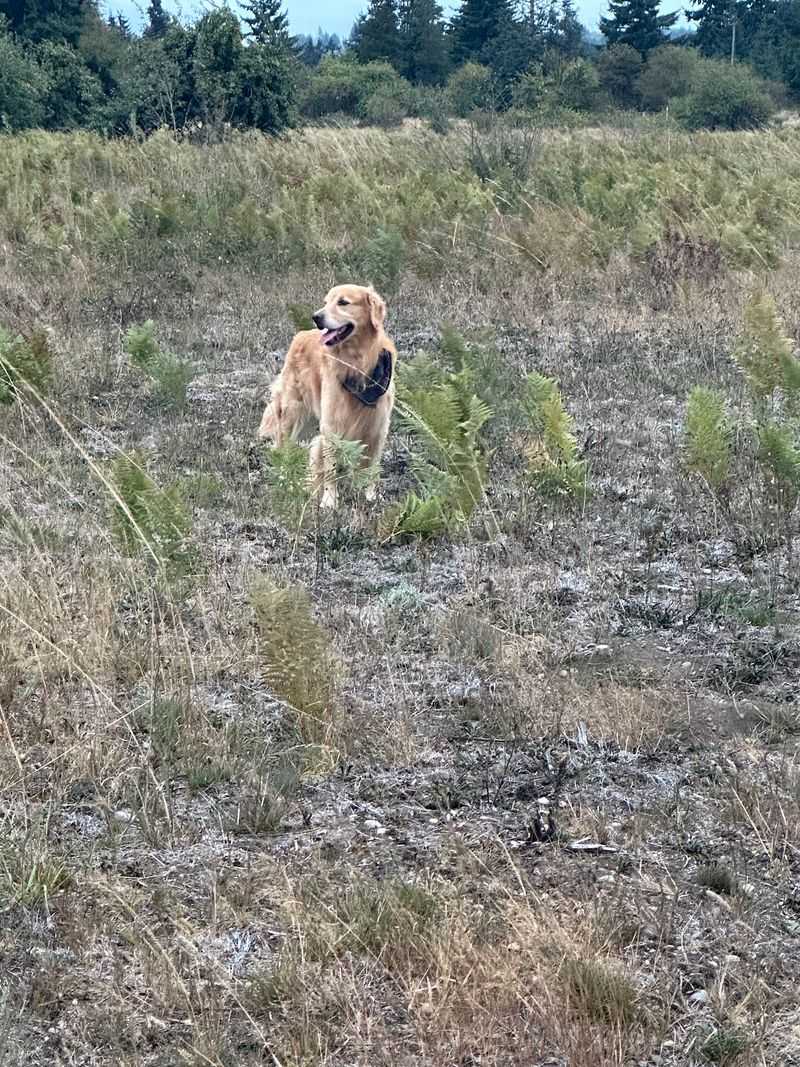
Ask the dogs of Thurston County where they want to go, and plenty of paws would point here. The unit has become a go-to destination for canine exercise.
Dog workouts are the most talked-about activity on the property. Wide open ground gives energetic pups space to run in a way a neighborhood sidewalk never could.
The area is known as a great place for off-leash dogs. Owners should still confirm current leash rules on the state wildlife page before letting pets roam, since regulations can change by season.
Flat, open fields are the main attraction for running. Owners can keep eyes on their dogs across long distances without trees blocking the view.
The wooded hill trails add variety for longer outings. A mix of sprinting in the meadows and climbing in the trees can tire out even the most restless pup.
One dog owner makes a habit of creekside walks with a canine companion named Leo. It is the kind of routine that turns a walk into a ritual.
Bring water, bags, and a leash even if it stays in a pocket most of the time. Picking up after pets keeps the habitat healthy for everyone who shares it.
Tired dogs make happy households. Few places in the area produce more of them per afternoon.
Coyotes, Hawks, and a Word About Small Pups
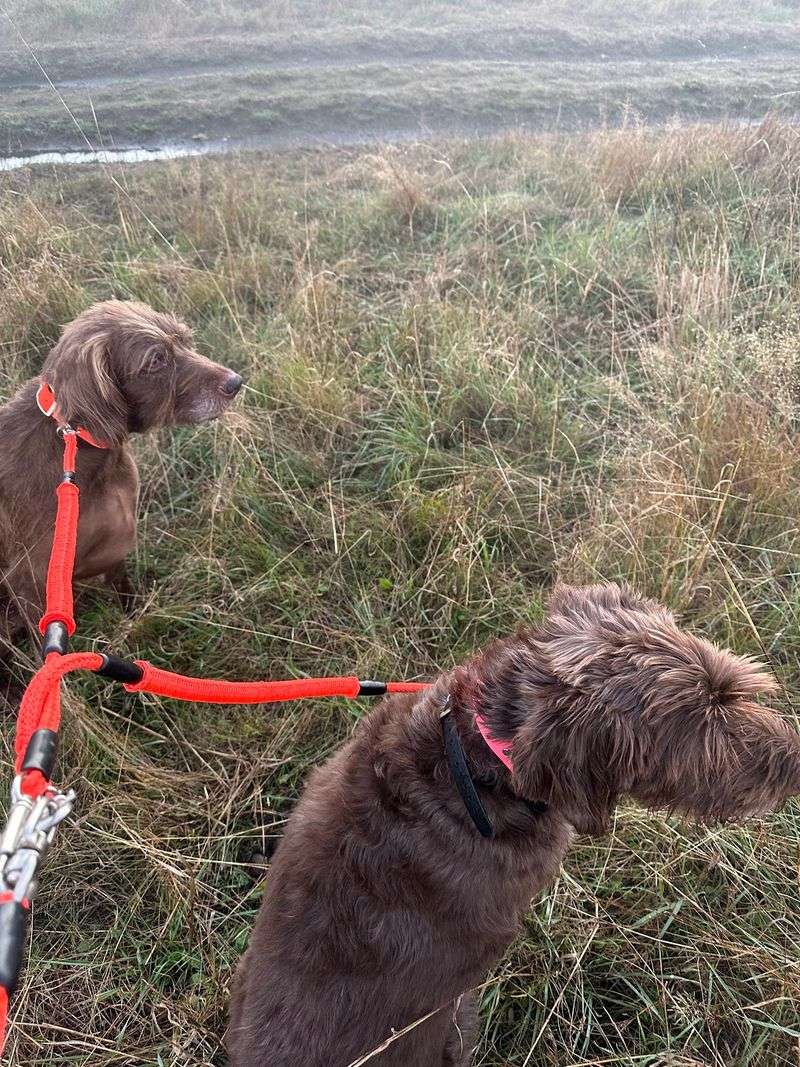
The locals here do not all walk on two legs. Coyotes and hawks are frequent sightings across the prairie.
Spotting wildlife is part of the charm of a refuge. Hawks circling above open grassland and coyotes crossing a field are both part of the regular show.
That same wildlife is the reason for a practical caution. Owners are advised to keep dogs close, especially smaller breeds.
A little dog darting far across an open field may attract more attention than intended. Staying nearby and calling pets back regularly is a smart habit.
Good recall training helps a great deal. Dogs that come back reliably can enjoy more freedom, while those still learning may be better off on a leash.
Wildlife deserves space as well. Letting dogs chase animals disrupts the habitat this land is set aside to protect.
Morning and evening hours are often when animals are more active in open country. A camera or binoculars can make a simple walk far more interesting.
Treat the coyotes and hawks as neighbors rather than entertainment. Respectful distance keeps both the wildlife and the family dog out of trouble, and that is a win for everyone on the trail.
A Training Ground With Room to Spare
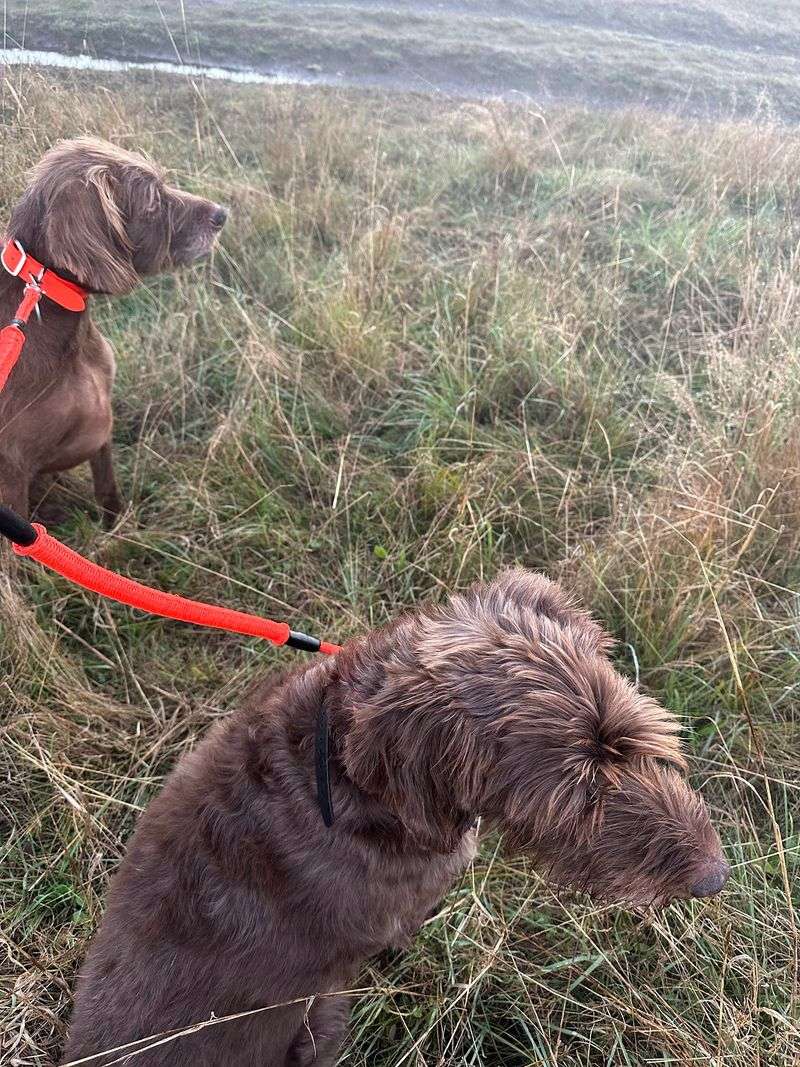
Serious dog people need serious space. The unit gives them acres of it.
Training sessions are a common sight on the property. Owners come to work their dogs, and the open ground is well suited to that job.
Wide, flat fields allow long-distance recall practice. Handlers can test commands at a range that would be impossible in a backyard.
The varied terrain adds another layer. Moving from open prairie to wooded trails gives dogs practice in different settings during a single outing.
Owners have noted that training goes well here and that the dogs come away with a solid workout. For sporting and working breeds, that combination is hard to beat.
Because the unit is a state wildlife area, it is worth checking the WDFW page for any rules related to dog training, especially during bird nesting periods or hunting season.
Crowds are rarely an issue, which helps. Fewer distractions from other people and pets can make a training session far more productive.
Pack treats, a long line, and plenty of water. A well-planned session on this prairie can leave both handler and dog feeling like they earned their evening on the couch.
The Case for Late Winter and Early Spring
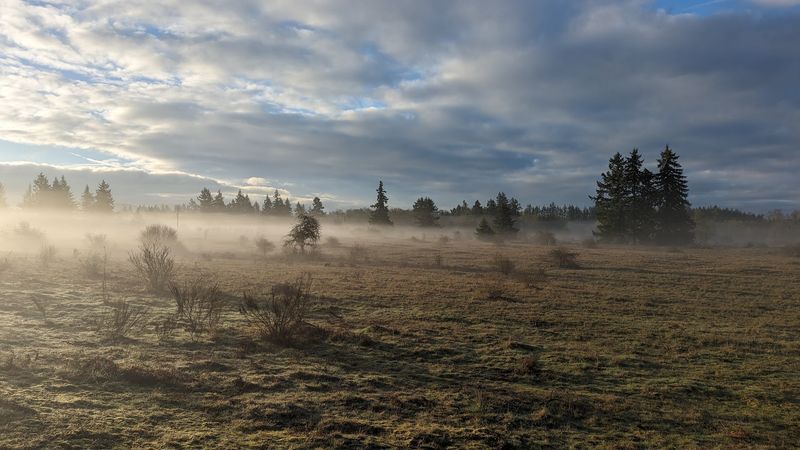
Timing can turn a decent walk into a great one. Here, the calendar matters more than most people expect.
Late winter and early spring are considered the best seasons to visit. The landscape is at its greenest and most lively during that window.
Summer and fall tend to run on the dry side. The prairie loses some of its color as the months go on.
Warm weather also brings exposure. Mid-July on the open grassland can be demanding, and the Garry oaks become the main source of relief.
That does not mean summer visits are a bad idea. Early mornings, plenty of water, and a route that passes through shaded groves can make a July outing comfortable.
Fall adds its own consideration. Hunting takes place on the property for a couple of months around September, which shapes when many walkers choose to go.
Winter walks call for waterproof boots and patience with softer ground. The payoff is a prairie that feels fresh and uncrowded.
For a first trip, aim for the stretch between February and April. The creek, the grass, and the oaks all tend to put their best foot forward then, and dogs seem to agree.
Hunting Season and Staying Visible
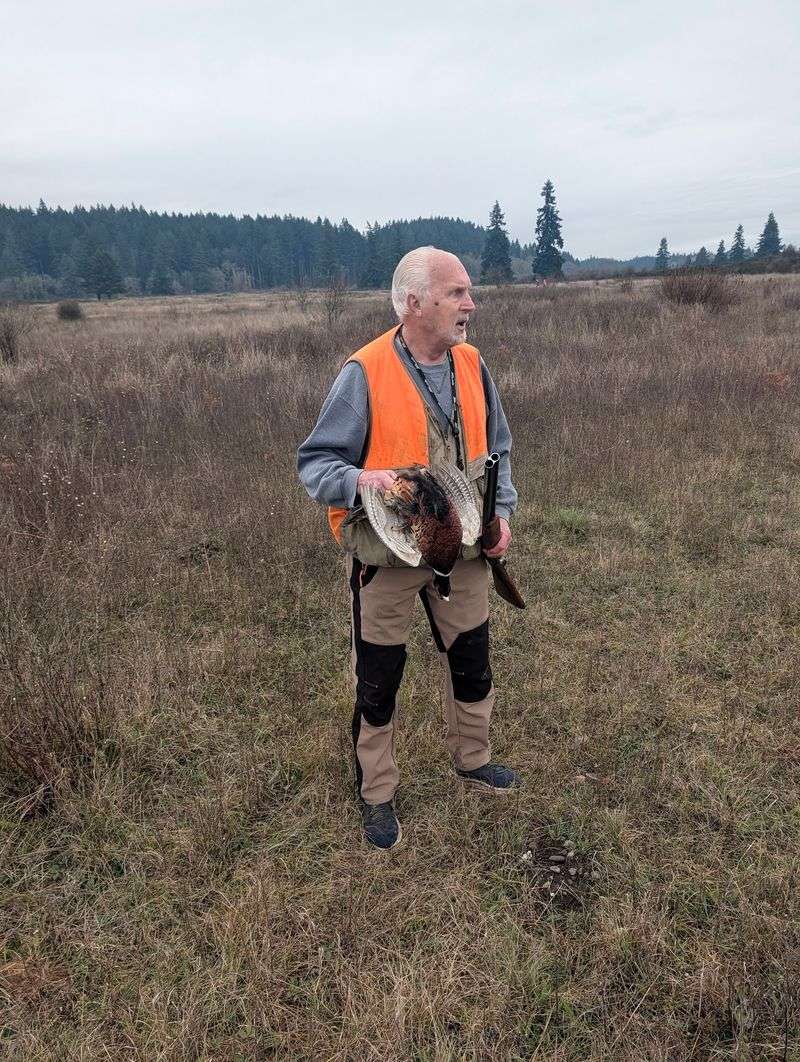
Autumn brings a change of roommates. For a couple of months around September, hunting takes place on the property.
That is a normal part of life on many Washington wildlife areas. Scatter Creek is managed by the Department of Fish and Wildlife, and hunting is one of the uses the land supports.
Walkers and dog owners should plan accordingly. Checking the WDFW website for exact season dates is the easiest way to know what to expect.
Bright clothing is a smart choice during that period. Blaze orange vests for people and dogs help everyone stay visible in open fields and wooded edges.
Some regulars simply shift their outings during hunting season. Others visit at quieter times of day or stick to more open, well-used routes.
Keeping dogs close matters even more in fall. A pet racing through tall grass is harder to spot, and staying near its owner keeps things safe.
None of this needs to scare anyone off. It just calls for a little homework before heading out.
Shared land works best when everyone knows the schedule. A quick check of the calendar keeps hikers, hunters, and hounds all on the same page.
Solitude, Honesty, and Who Will Love It
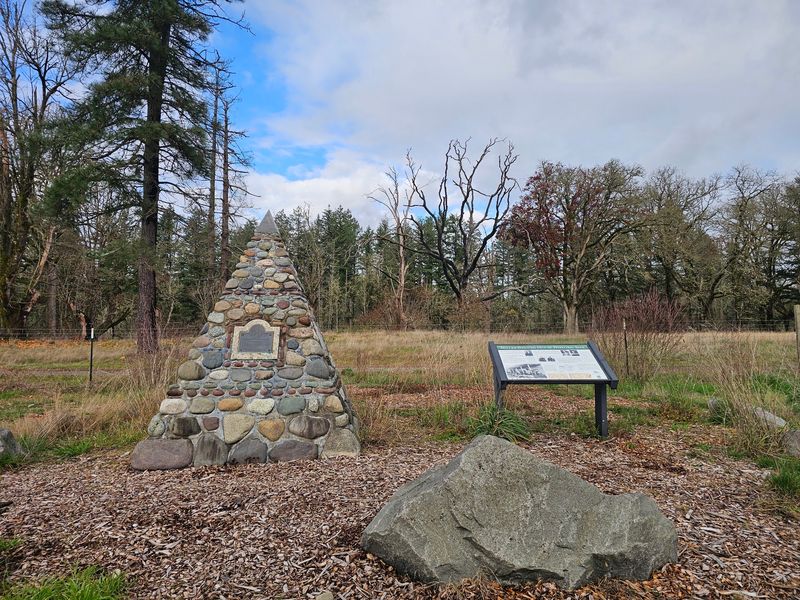
Here is a rare luxury in a busy state: an afternoon outdoors without a crowd. People often walk here and never feel hemmed in, sometimes meeting no one at all.
That sense of space is the unit’s strongest selling point. Open sky, miles of trail, and very little company make it a peaceful escape.
Dog owners are the most devoted fans. Hikers and walkers looking for a simple, low-key outing come in close behind.
Fairness calls for the other side too. Some people find there is not much to see, and one person felt the property was not great for recreation.
Those reactions make sense. There are no attractions, amenities, or curated experiences, just habitat and trails.
So who should skip it? Anyone expecting playgrounds, picnic pavilions, or a lively park atmosphere may want to look elsewhere.
Who should go? People who like wide spaces, wildlife watching, long walks, and dogs with energy to burn will likely feel right at home.
Most folks leave happy, and a few leave shrugging. Knowing which camp fits best before the drive is half the secret to a good day on the prairie.
Planning the Trip and a Gentle Verdict
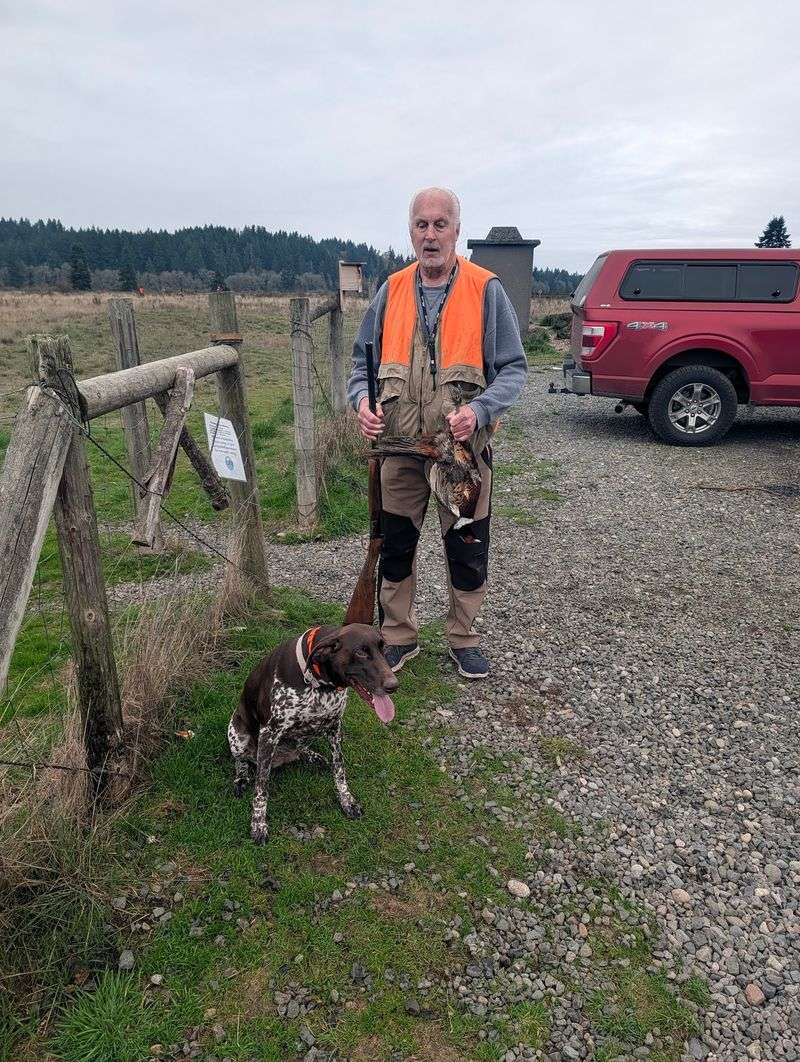
A little prep goes a long way on land with no front desk. The unit sits along 176th Ave SW in Rochester, and a map app will get most drivers to the area.
Hours and fees are not spelled out in the basic listing. The Washington Department of Fish and Wildlife page for the Scatter Creek Wildlife Area is the best source for access rules and any parking pass requirements.
Many state wildlife areas in Washington require a Discover Pass or a Vehicle Access Pass for parking. Confirming that on the official site before leaving home can save a headache.
Pack the basics. Water, sturdy shoes, a leash, waste bags, and bright clothing in the fall season cover most needs.
Plan for self-sufficiency, since the property is a working habitat rather than a staffed park. Anything needed during the walk should ride along in the car or the backpack.
So is it worth the trip? For anyone craving open prairie, Garry oak shade, a creekside stroll, and a dog who sleeps the whole ride home, the answer leans toward yes.
It will not dazzle with bells and whistles. Instead, Scatter Creek offers space, calm, and a slice of western Washington prairie that feels refreshingly unhurried, and sometimes that is exactly what a weekend needs.
Enjoyed this story?
Add Fast Food Club as a preferred source to see more of our reporting on Google.