


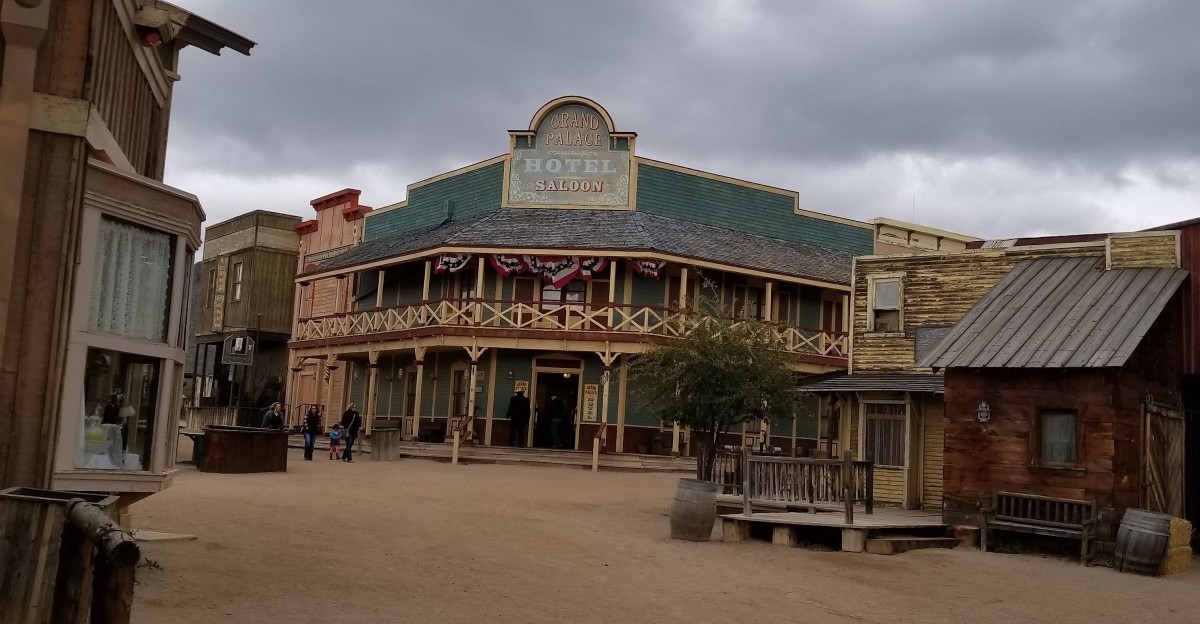
Some towns were built for people to live in, but this one was built for cameras. West of Tucson, tucked among saguaro-covered hills, sits a dusty frontier street where famous cowboys once faced off for the big screen.
After years of quiet, its gates are open again. Here is why this little western town deserves a spot on your Arizona plans.
A Frontier Town Off Kinney Road
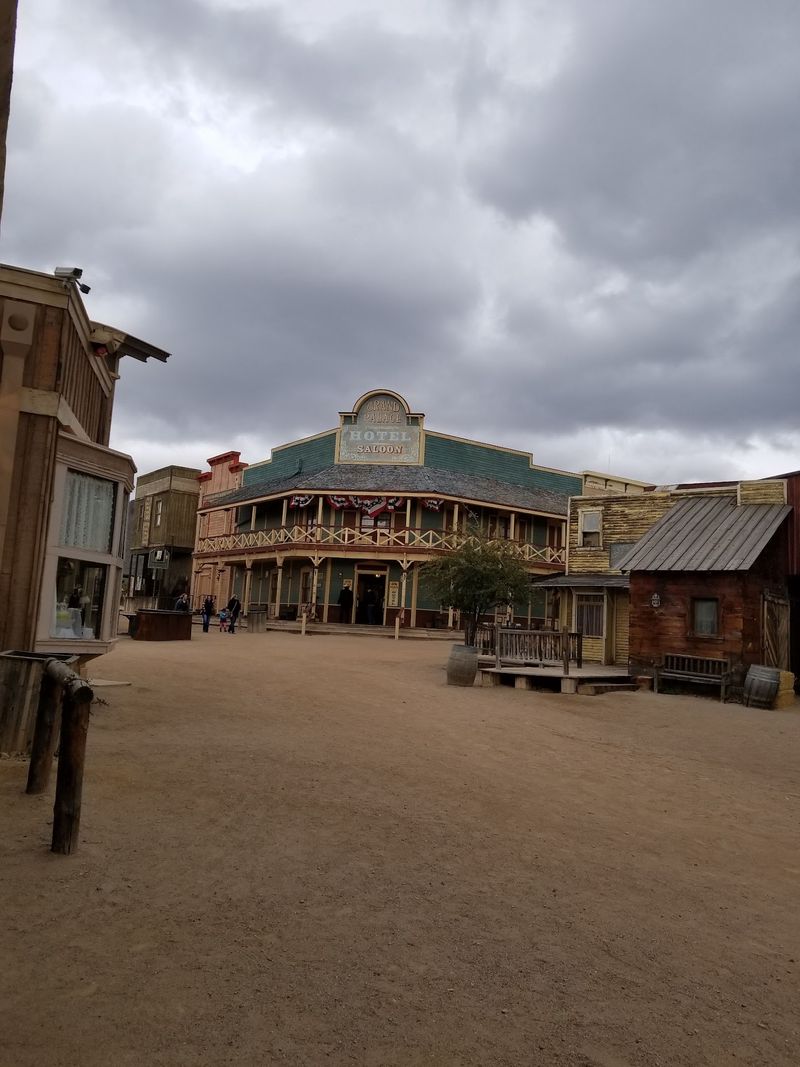
Hollywood never had to travel far to find the Old West. It simply built its own version in the Arizona desert.
Old Tucson sits in Tucson, Arizona 85735, in the western foothills of the Tucson Mountains. The site lies inside the broader Tucson Mountain Park area, a short drive west of downtown Tucson.
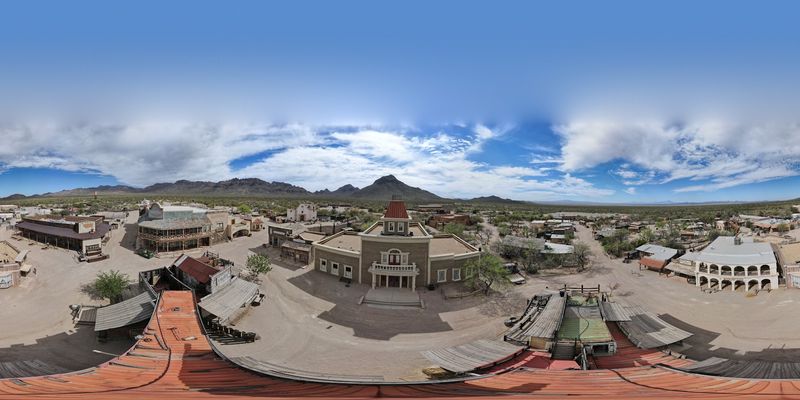
At its heart, the place is a preserved movie set and western heritage park. Rows of false-front buildings, a main street, and adobe structures form a frontier town that was designed for filming rather than for daily life.
That unusual origin is exactly what makes it fun. Every porch, hitching post, and storefront exists because a director once needed it in a shot.
The setting also helps. Saguaros dot the surrounding hills, and the rugged ridgelines in the background look like they belong on a movie poster, which is fitting, because many of them already have.
For travelers heading toward the popular west side attractions near Gates Pass and Saguaro National Park West, the park fits neatly into the route. It is easy to pair with a scenic drive through the mountains.
Consider this the opening scene. The real story starts back in 1939.
Born for the Big Screen in 1939
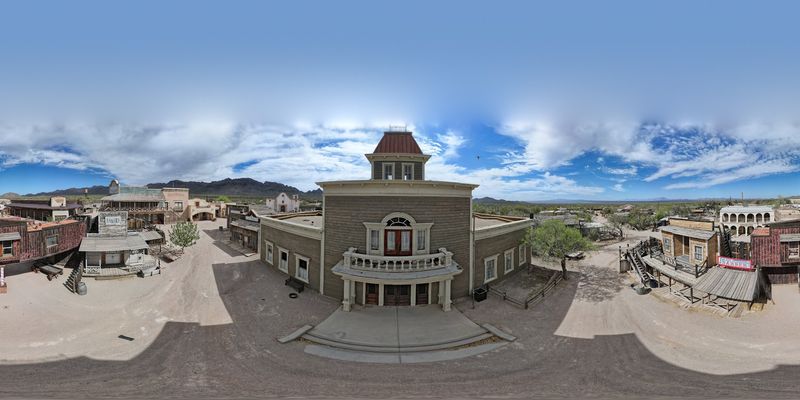
Did you know this entire town began as a single movie project? Columbia Pictures built the original set in 1939 for the film Arizona.
Crews constructed a replica of 1860s Tucson in the desert, complete with adobe buildings. Once filming wrapped, the set stayed put, and other studios soon came calling.
Over the following decades, the location became a go-to spot for westerns. Titles connected to the site include Rio Bravo, Gunfight at the O.K.
Corral, El Dorado, McLintock, and Tombstone.
John Wayne worked here on several films. That connection alone has turned the streets into a small pilgrimage site for classic western fans.
Television productions used the town as well. For years, the phrase shot on location in Arizona often pointed straight to this patch of desert.
The set did not stay frozen in time, though. Buildings were added, changed, and rebuilt as new productions needed fresh backdrops.
That layered history means the town is part movie set, part museum, and part time capsule. Each building carries a little piece of film history, even if its original purpose was simply to look good from one camera angle.
Setbacks, Silence, and a Comeback
Every good western needs a tough chapter, and this town has had a few.
In 1995, a large fire swept through the park and damaged many buildings, costumes, and props. Crews rebuilt much of the town afterward, and the park reopened to guests.
Then came 2020. The park closed during the pandemic, and for a while its future was uncertain.
The property is owned by Pima County, which later sought a new operator to bring it back. After that process, the gates reopened, and the town returned to welcoming guests once more.
That return is why the headline says it is back. Fans who grew up visiting, along with a new generation of travelers, can once again walk the main street.
The comeback also means things may look a little different than they did decades ago. Programs, events, and open days can change as the park continues to find its footing.
Still, the core attraction survived: a real western movie town standing in the desert. After everything it has been through, that survival feels like a plot twist worth cheering for.
Main Street, Adobe Walls, and False Fronts
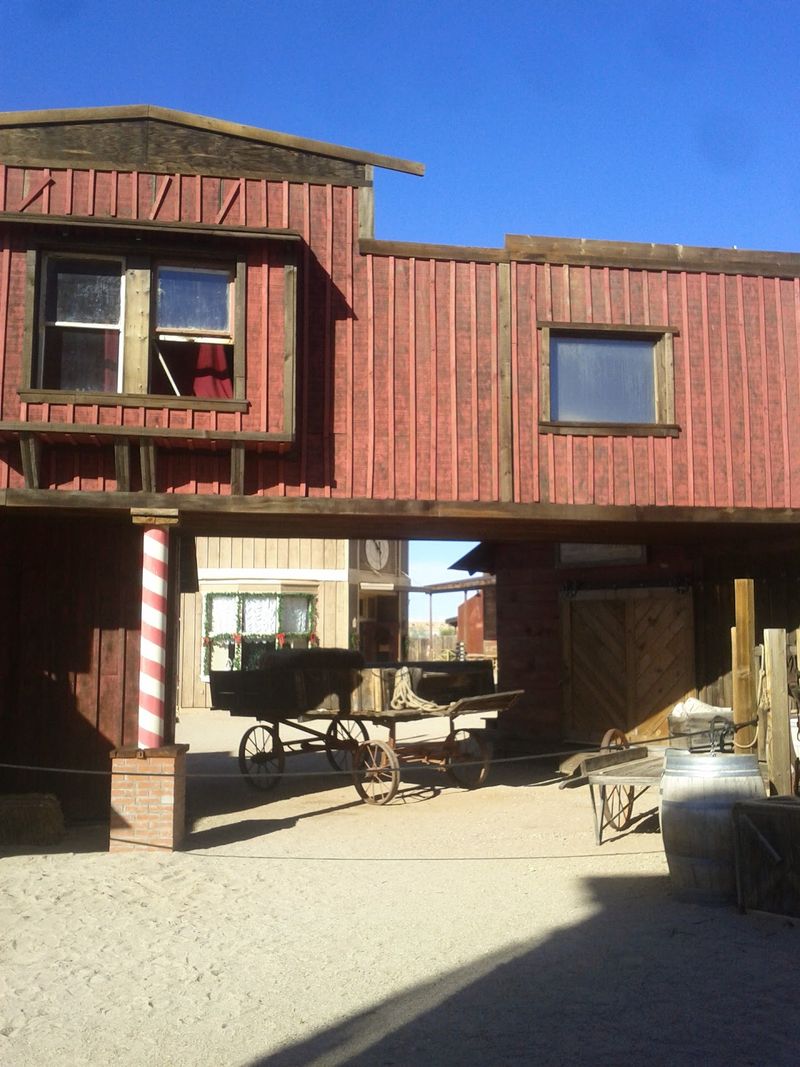
Here is a fun secret about movie towns. Many of the buildings only needed to look complete from the front.
At Old Tucson, the false-front architecture is part of the charm. Tall facades rise above wooden boardwalks, giving the street that classic frontier profile seen in countless films.
Adobe structures add another layer. They nod to the Sonoran Desert roots of the original 1939 set, which was modeled on early Tucson.
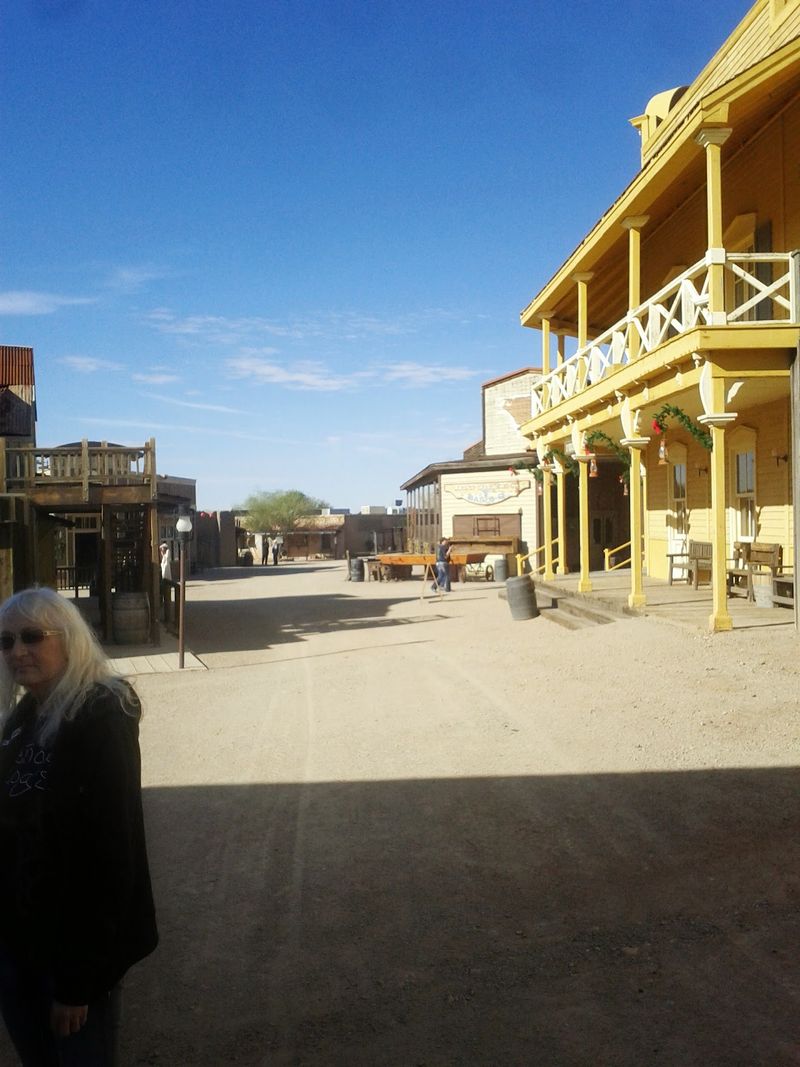
Strolling the main street is really the main event. Guests can wander past storefronts, porches, and corners that framed shootouts, standoffs, and dramatic arrivals on horseback.
Photographers tend to love it here. The combination of weathered wood, desert plants, and mountain backdrop makes almost every angle look like a film still.
A tip for camera fans: take shots from the middle of the street looking toward the hills. That view shows off both the town and the landscape that made directors choose this spot.
Kids often treat the whole place like a giant playground of make-believe. Adults usually end up doing the same, just with slightly better excuses.
Stunt Shows and Seasonal Nights
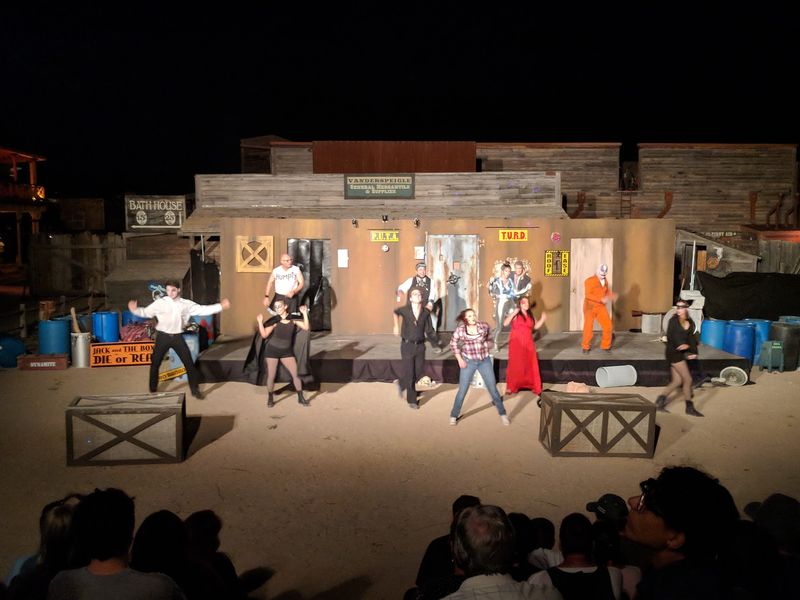
Gunfights at high noon were a Hollywood staple, and the park has long kept that tradition alive in a family-friendly way.
Over the years, Old Tucson became known for live western stunt shows. Performers staged mock shootouts, falls, and comic scenes right on the streets where films were once shot.
The park has also been famous for its seasonal Halloween event, Nightfall. That after-dark event helped introduce the town to many locals and returned as part of the comeback.
Because the park is still evolving after reopening, the exact lineup of shows and events can shift. Some programs run only on certain days or during specific seasons.
The smart move is to check the official schedule before heading out. That way, nobody misses a performance they were hoping to catch.
Live shows add a layer that a quiet set cannot offer on its own. Watching a staged showdown in the very spot where movie legends worked gives the history a fresh pulse.
Consider it dinner theater without the dinner, and with far more dust kicked up.
A Western Town for Every Kind of Fan
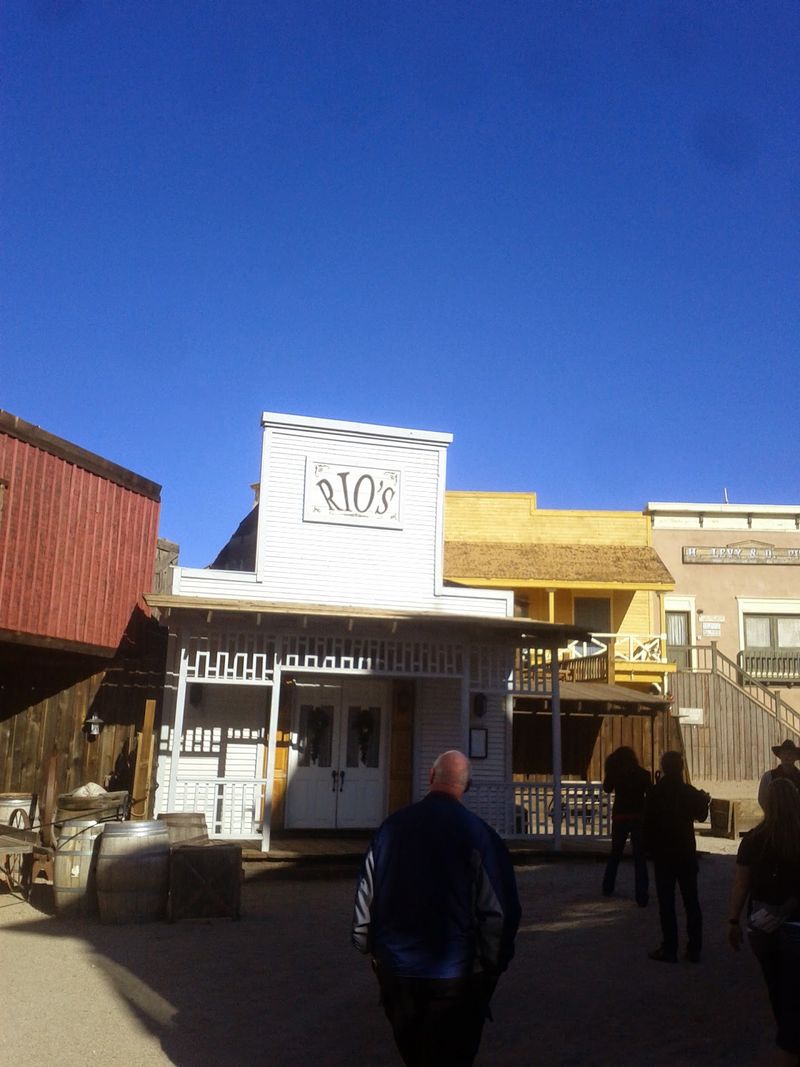
Grandparents who watched these westerns in theaters and grandkids who have never seen one can enjoy the same street for totally different reasons.
Film buffs come for the history. Standing where scenes from Rio Bravo or Tombstone were filmed is a thrill for anyone who knows those movies by heart.
Families come for the wide-open space and the playful atmosphere. Children get to explore a real cowboy town without needing any backstory at all.
Photographers and history lovers find plenty to study too. The mix of adobe and wooden buildings shows how Hollywood interpreted frontier life across several decades.
Travelers exploring the Tucson area often add the park to a west side day. Nearby spots like Saguaro National Park West and the Arizona-Sonora Desert Museum sit along the same general route.
The mood is relaxed rather than rushed. Most people wander, pause for photos, and let the setting do the storytelling.
Nobody needs a cowboy hat to fit in. Though, to be fair, nobody will stop you from wearing one either.
Planning the Trip West of Tucson
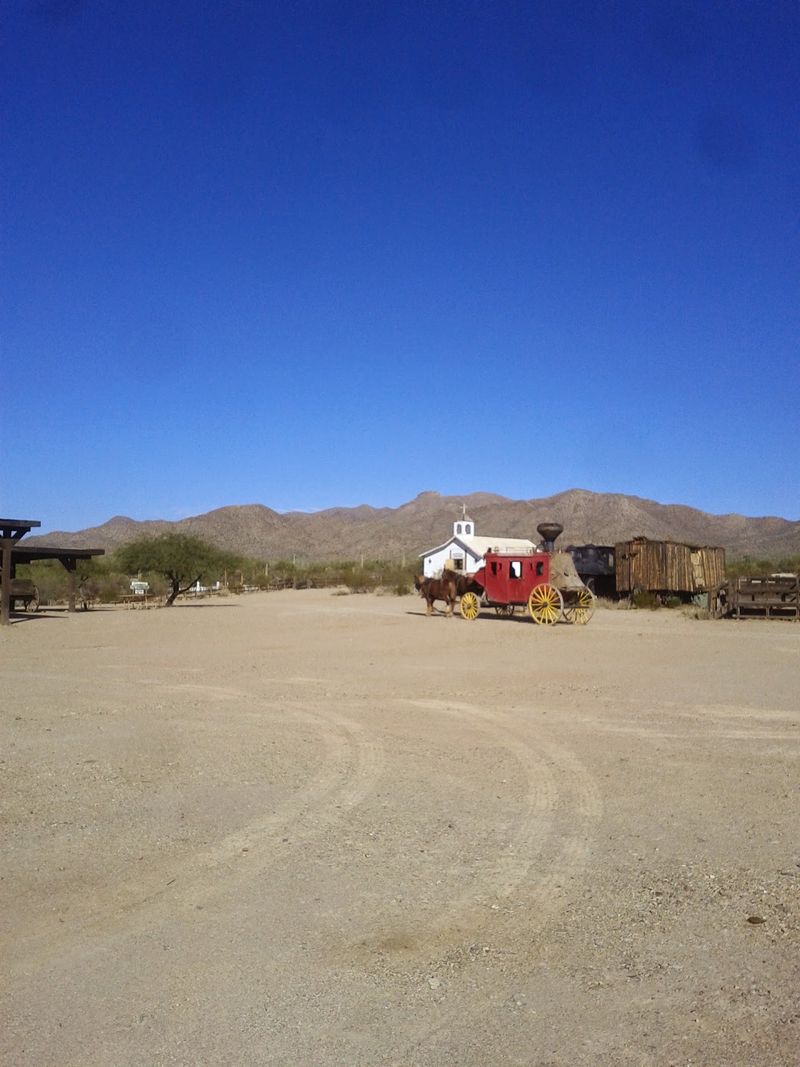
Getting there is half the adventure, especially if the drive goes over Gates Pass.
The park sits west of downtown Tucson in the 85735 area. Most people arrive by car, since public transit options to this part of the Tucson Mountains are limited.
The Gates Pass route is scenic but curvy. Drivers with larger vehicles often choose the Ajo Way approach instead for an easier ride.
Hours, ticket prices, and open days can change, particularly as the park continues its revival. Checking the official Old Tucson website before visiting is the best way to get current details.
Timing matters in the Sonoran Desert. Summer brings intense heat, so cooler months are generally more comfortable for walking around an outdoor set.
A few simple habits help:
Bring water, sun protection, and comfortable shoes. The streets are unpaved in spots, and shade can be limited.
Pairing the visit with nearby desert attractions makes the drive even more worthwhile. One trip west can easily fill a whole day.
Why This Movie Town Still Matters
Some places tell history, and some places were built to act it out. Old Tucson manages to do both.
It began as a single set for one film in 1939. Decades later, it stands as one of the most recognizable movie locations in the American Southwest.
The town survived a major fire, a long closure, and an uncertain future. Its return gives Tucson back a landmark that many locals consider part of the region’s identity.
For western fans, the appeal is obvious. For everyone else, it offers a relaxed, photogenic outing with a surprising amount of story behind every storefront.
It is not a polished theme park, and that is part of its character. The rough edges fit the frontier theme rather nicely.
Anyone spending time in Tucson should consider giving it a few hours. Check the schedule, pack sunscreen, and plan a scenic drive to match.
The credits have not rolled on this town just yet. If anything, the sequel is just getting started.
Enjoyed this story?
Add Fast Food Club as a preferred source to see more of our reporting on Google.