


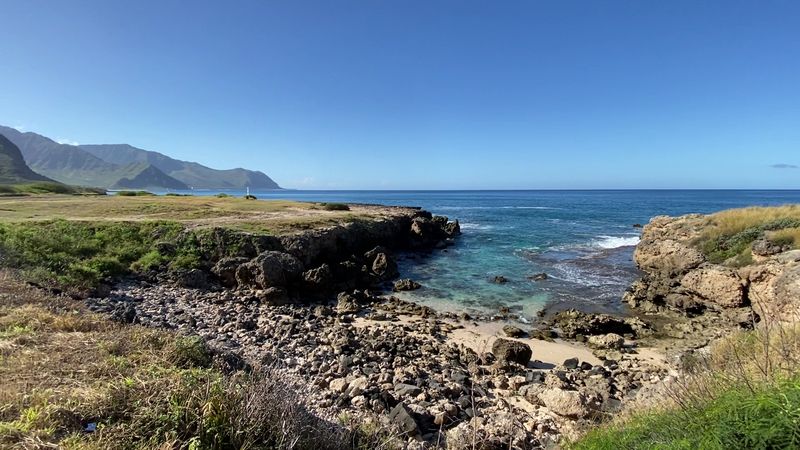
Most people flock to Oahu’s busy beaches and never realize the island still hides a corner that feels almost forgotten. Out past the pavement, where the road runs out and the coastline turns raw and rocky, a long trail leads to a headland that few travelers bother to reach.
Along the way, monk seals rest on the sand, albatross glide overhead, and the mountains crowd right up against the surf. The walk is long and mostly shadeless, which keeps the parking lot quiet even on sunny days.
What waits at the end is a view of two shorelines meeting at the island’s farthest tip. Keep reading to learn where this place is, what makes the hike worth the effort, and how to plan a trip that goes smoothly.
The End Of The Road On Oahu’s Northwest Corner
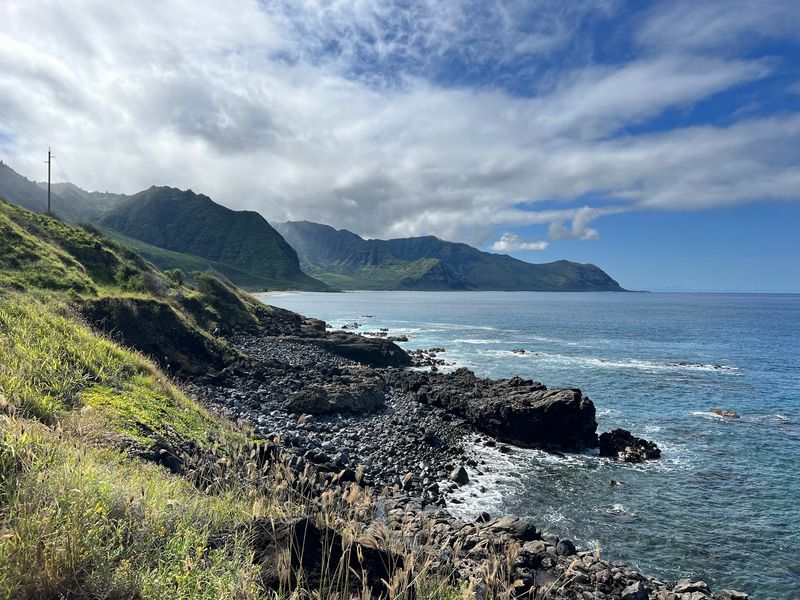
Tucked at the very edge of Oahu, Kaʻena Point State Park sits where the last stretch of drivable road gives way to wild coast. You can find it under the address HQH7+H4M in Waialua, Hawaii 96791, on the island’s remote northwest tip.
The park is often called the last car-accessible spot on this corner of the island. Beyond the parking area, the only way forward is on foot.
Rugged volcanic shoreline defines the whole area, with lava rock lining the water and steep mountains rising close behind. The scenery here reminds some travelers more of Maui than of the rest of Oahu.
Because it takes real effort to reach the point, crowds thin out fast. That trade of convenience for solitude is exactly what makes this stretch of coast feel special.
A Coastline Carved By Fire And Water
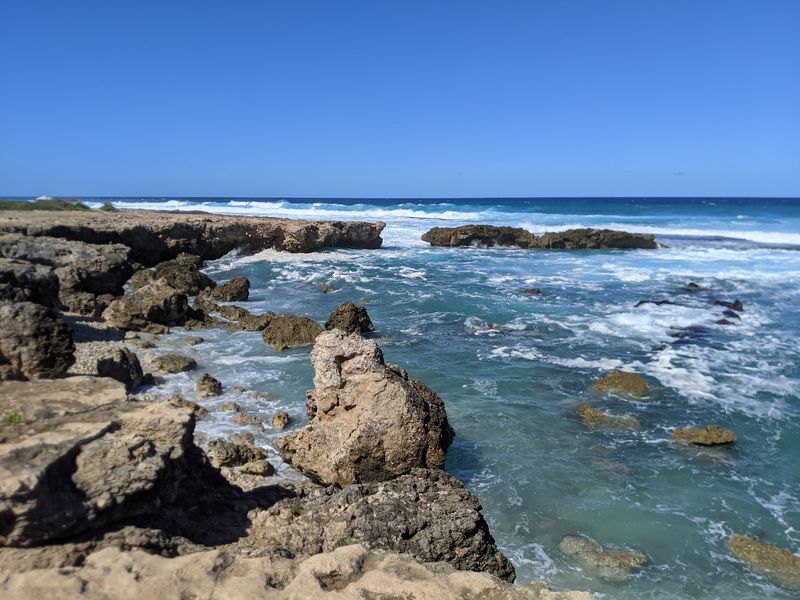
Long before any trail was mapped here, volcanic activity shaped this corner of the island into the rough terrain travelers cross today. The result is a shoreline of dark lava rock that meets the ocean in dramatic fashion.
Steep mountains press right up against the surf, leaving only a narrow band of land to walk along. On one side you get high slopes, and on the other the water rolls in constantly.
Tide pools form in the lava rock, creating little windows into the sea life that gathers along the edge. These pockets are one of the details people notice most once they slow down and look.
The landscape has a untamed quality that sets it apart from the manicured beaches elsewhere on Oahu. Nature clearly runs the show out here, and that is a big part of the draw.
The Long Walk To The Point
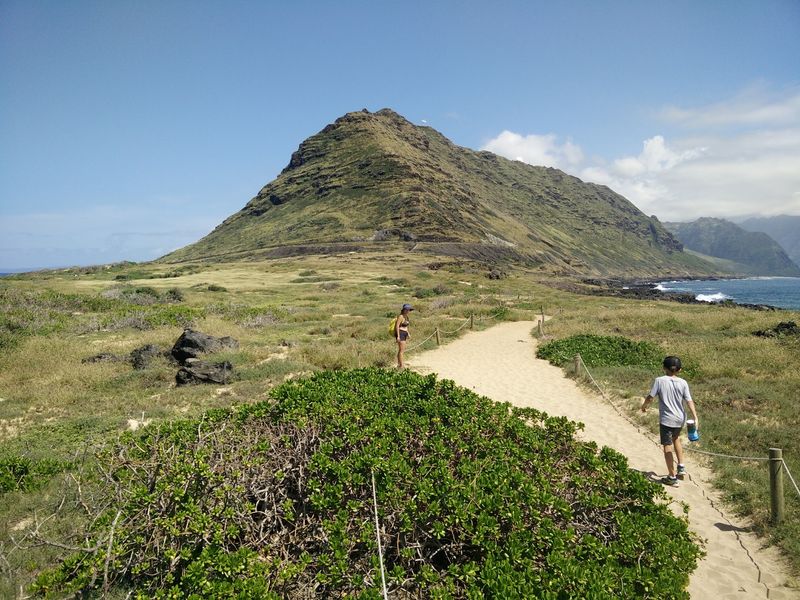
Reaching the tip of the island means committing to a hike that runs roughly 2.5 to 3 miles each way, depending on the side loops you add. It is not a quick stroll, and that length is what keeps the trail peaceful.
Much of the path is fairly flat, made up of large gravel for long stretches before it transitions to sand near the end. Elevation gain stays low, so the challenge comes from distance rather than climbing.
The terrain can turn uneven, and the ground is rough in spots. Many people choose to walk along the coast for part of the way, which adds to the scenery even as it makes footing trickier.
Regulars describe it as one of the best hikes on the island, not too difficult but definitely long. Finishing the full round trip out and back feels like a genuine accomplishment.
Monk Seals Resting On The Sand
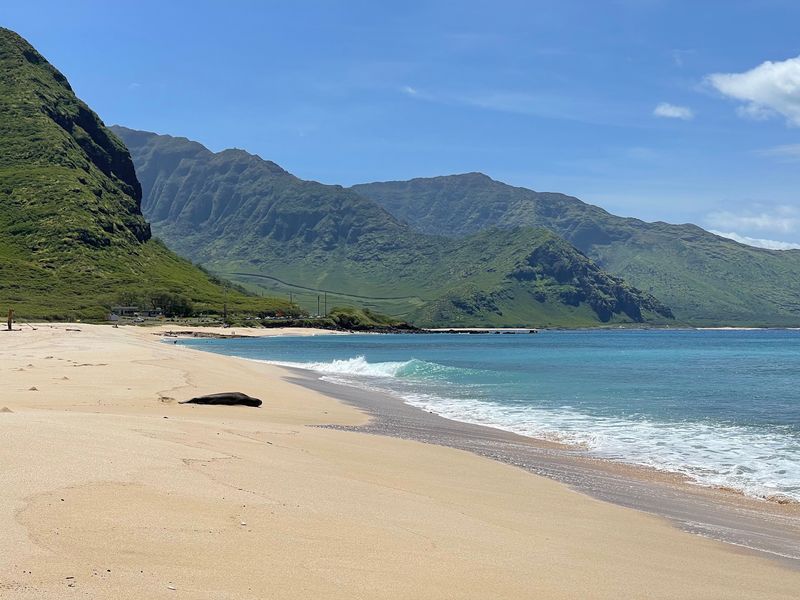
Few sights reward the long walk quite like spotting a monk seal stretched out on the beach. These animals show up here often enough that many people come specifically hoping to see one.
Reports of seals lounging near the shore are common, and travelers frequently mention catching sight of one relaxing on the sand. The chance of an encounter is a big reason the park draws wildlife fans.
Along with seals, turtles are sometimes spotted resting near the water. The remote setting gives these creatures the quiet space they need.
Keeping your distance matters here, and people are reminded to watch without crowding the wildlife. Respecting that space keeps both the animals and the experience safe.
Seeing a seal in such a wild, uncrowded spot leaves a lasting impression that a busier beach could never match.
Albatross Soaring Above The Nesting Grounds
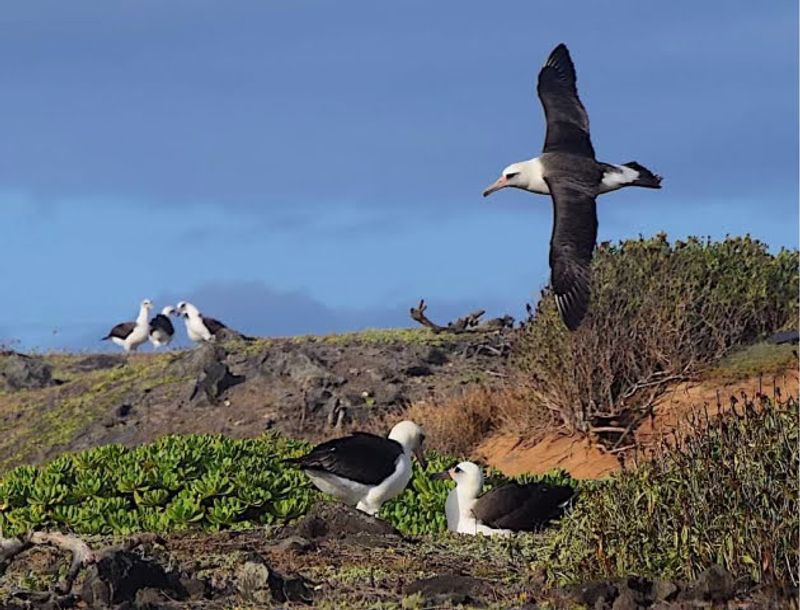
Come during the right months and the skies here fill with Laysan albatross, giant seabirds that nest along this coast. Adults carry a wingspan of about six feet, which makes them hard to miss overhead.
The birds nest in the area from December through July, and their brown chicks grow larger than chickens. People often see them brooding at their nests and gliding through the air near the point.
Spotting these graceful giants elsewhere is tough, which makes the sightings out here feel like a real treat. Travelers who worried they might miss them are usually delighted by how many appear.
Staying on the trail is important to protect the nesting birds. A fence near the point helps keep the area safe for them.
Watching courting albatross go through their motions is a highlight that turns a good hike into a memorable one.
The Predator Fence That Protects The Wildlife
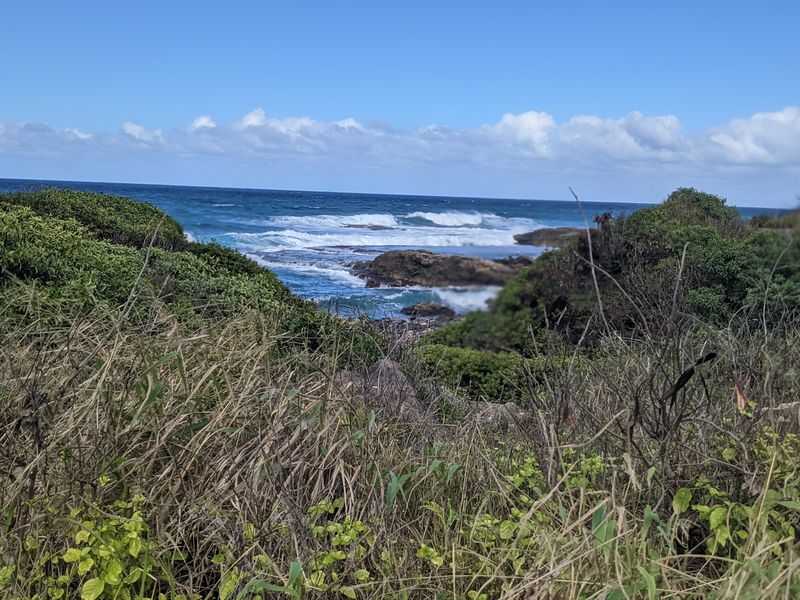
Near the far end of the trail, a predator fence marks the boundary of the protected reserve. Beyond it, the path shifts to fine sand and the wildlife area begins.
The barrier exists to keep the nesting seabirds and other animals safe within the point. It quietly signals that you have entered a more sensitive zone.
Once past the fence, people find themselves closest to the albatross chicks and the tide pools. Walking among the birds in this area is described as one of the neatest parts of the whole trip.
Respecting the boundary and staying on marked paths helps the fence do its job. The rules here exist so the wildlife can keep thriving.
That thoughtful protection is part of why the point still feels so alive with birds and sea life.
Tide Pools Tucked In The Lava Rock
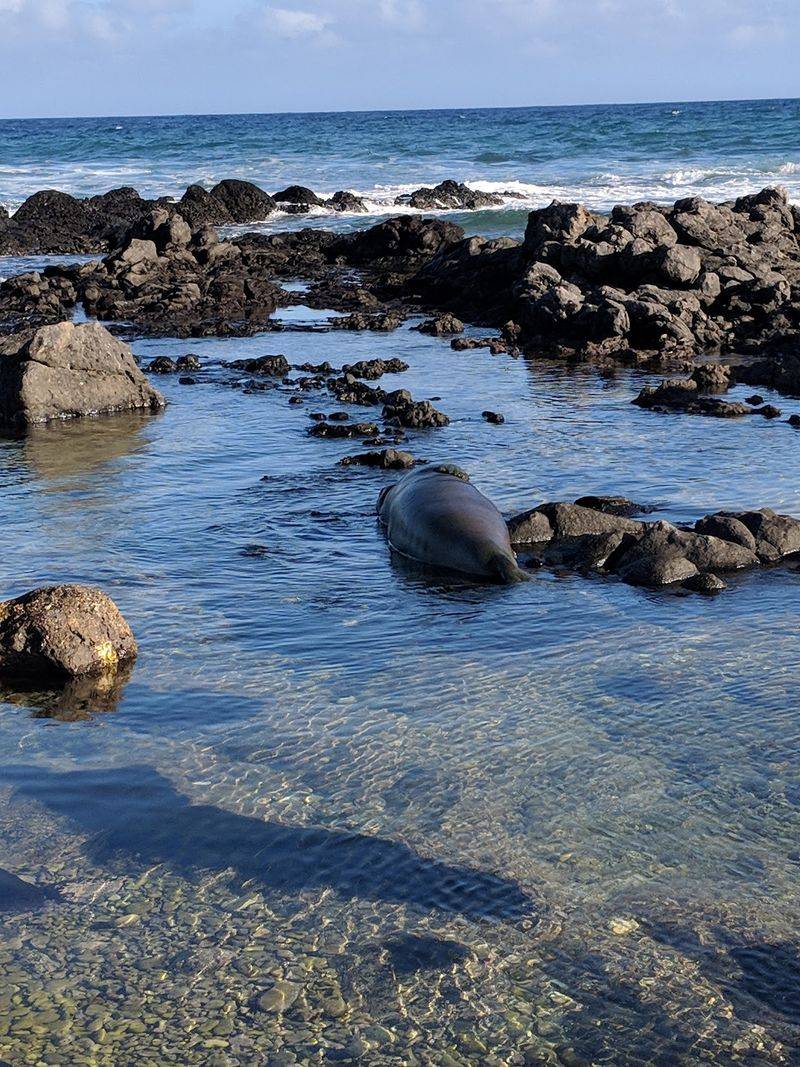
Scattered along the shoreline, tide pools sit nestled in the lava rock and offer a closer look at the life clinging to the coast. They are one of the details people mention again and again.
The pools form naturally where the rugged volcanic rock meets the sea. Peering into them near the point is a small adventure all its own.
With the mountains rising so close to the shore, the whole setting around the pools feels dramatic. That mix of stone, water, and steep slopes gives the area its character.
Exploring these pockets rewards anyone willing to slow down and look carefully. There is more happening along this coast than a quick glance reveals.
Combined with the seals and birds, the tide pools round out a shoreline that stays interesting from start to finish.
Where Two Shores Meet At The Island’s Tip
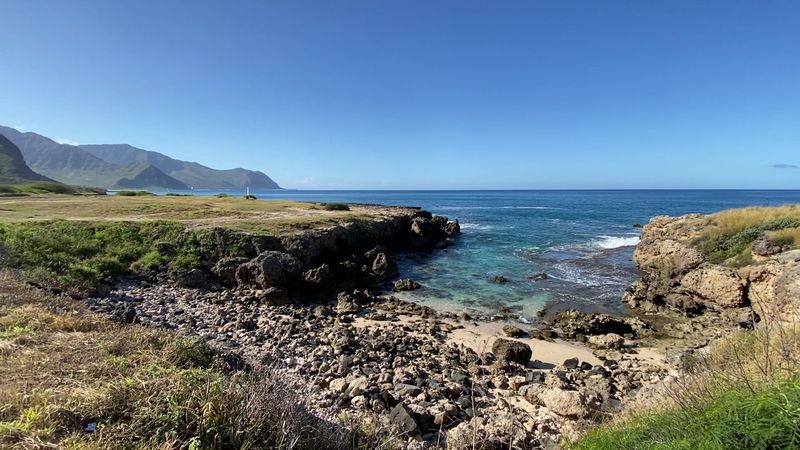
Reaching the actual point delivers a payoff that few spots on Oahu can match. Standing here, you can view both the north and west shores of the island at once.
The headland marks the northwestern tip, where the coastlines curve around and meet. That double view is one of the most memorable features of the entire hike.
People describe the coastline vistas along the west side as well worth the long walk. The rugged scenery stretches out in both directions from the point.
Whales are sometimes spotted frolicking offshore, adding another layer to the experience. The open water here gives plenty of room for such surprises.
Arriving at the tip after the long trek feels like reaching a natural finish line, with the whole island’s edge laid out before you.
Whale Watching From The Rugged Edge
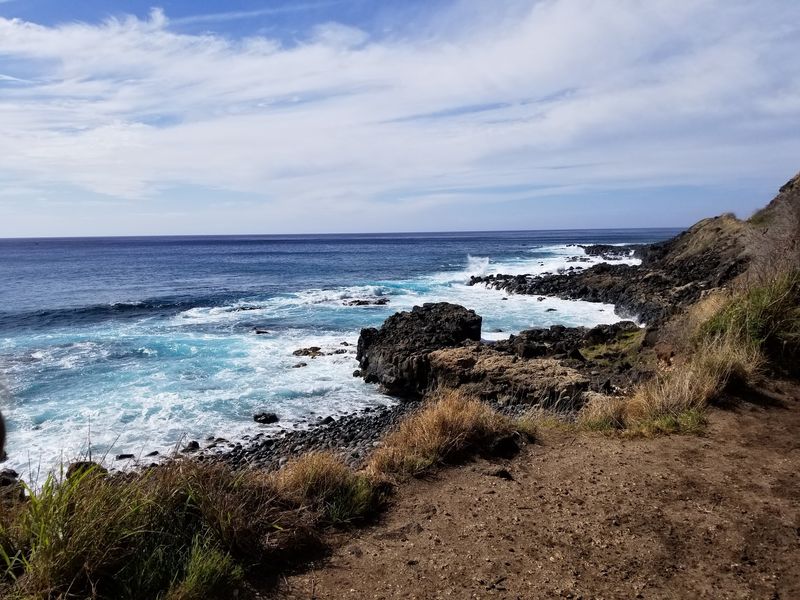
Turn your eyes to the water at the right time of year and you might catch whales moving offshore. Sightings of frolicking whales near the point rank among the biggest highlights people take home.
The open exposure at the tip makes it a solid spot for scanning the horizon. With so few crowds around, the viewing feels calm and unhurried.
Whale watching pairs naturally with the seal and bird sightings, giving the park a full cast of wildlife. On a good day, the ocean puts on quite a show.
Patience helps here, since the animals appear on their own schedule. Bringing a little extra time to linger at the point pays off.
The combination of dramatic coast and marine life makes the edge of the island a rewarding place to simply watch the water.
A Fishing And Camping Culture Along The Coast
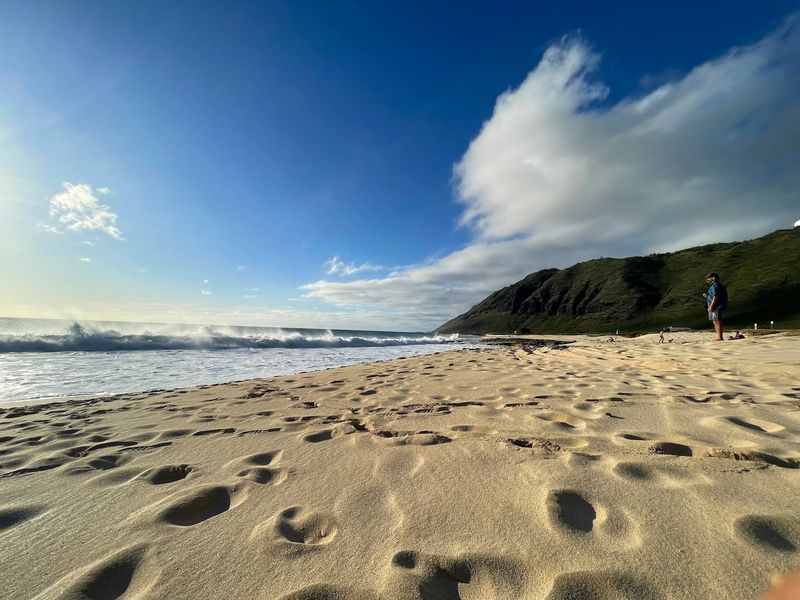
The walk out passes signs of local life that give the park a lived-in feel. Along the 4×4 road, fishermen surf cast from the shore and campers set up near the coast.
Fishing is a common activity here, and the shoreline draws people who come to cast a line. It adds a friendly, community touch to the remote setting.
Beyond fishing, people use the park for walks, hikes, and sunbathing. The variety of ways to enjoy the coast keeps it appealing to different kinds of travelers.
The presence of locals going about their routines makes the place feel authentic rather than staged. It is a working stretch of coast as much as a scenic one.
Passing these small scenes on the way to the point adds character to a hike that is already full of things to notice.
Best Times To Beat The Heat
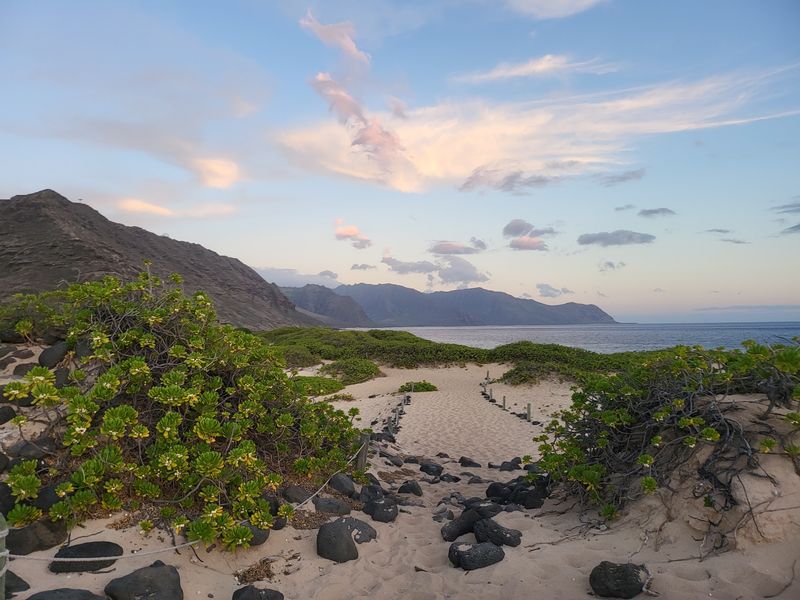
Timing your visit well makes a real difference on this shadeless trail. Early mornings and late afternoons are the friendliest windows, when the sun sits gentler and the walk feels more pleasant.
Around midday the heat climbs quickly because there are very few trees for shade. The exposure is one of the main challenges people mention about the hike.
Sunset draws a special crowd, and finishing the walk as the day winds down is often called phenomenal. A dry day makes the trail easier and safer to travel.
Sunscreen is a must given the open exposure, and a hat helps too. Planning around the sun turns a hot slog into a comfortable outing.
Choosing your hour wisely lets you enjoy the scenery without battling the strongest heat of the day.
Hours, Parking, And What To Pack
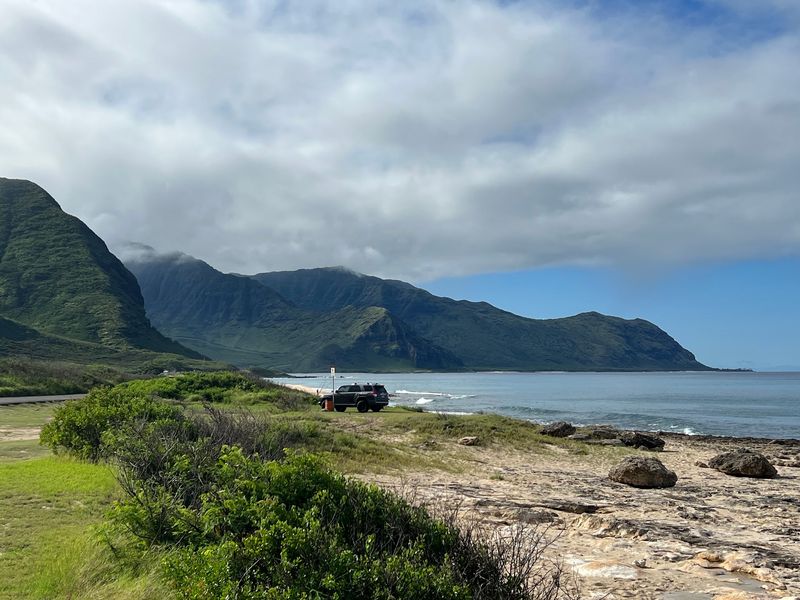
Planning the practical side keeps a visit here smooth. The park opens at 6 AM and closes at 6:45 PM every day of the week, so timing your exit matters.
Staff do keep an eye on closing time, and people have received friendly warnings to clear out before the gates lock. Give yourself enough buffer to finish the long walk back.
Parking is free, and drivers are advised to park on the gravel. There are no bathrooms, no trash cans, and no water fill-up stations along the trail.
Because of that, packing plenty of water is essential, especially with the trail sitting in direct sun. Carry out whatever you bring in to help keep the coast clean.
Sturdy shoes that can get dirty are a smart call, since the path turns muddy after rain and rough underfoot.
Why This Wild Corner Is Worth The Effort
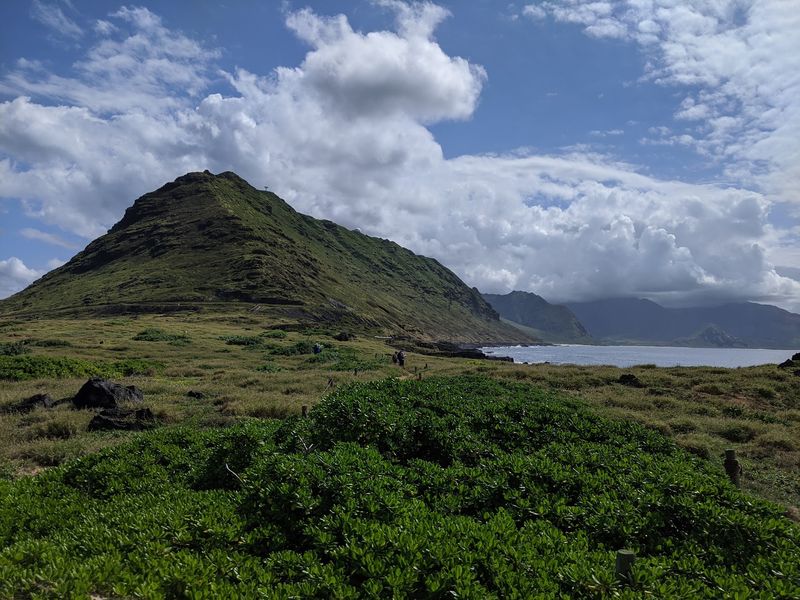
Everything about this park rewards the traveler willing to go a little farther. With a 4.8 star standing across thousands of ratings, it clearly leaves a strong impression on people who make the trek.
The long, sun-exposed trail filters out casual crowds, so those who arrive get a beach that feels like a true escape. That sense of finally leaving the busy spots behind is exactly what many come for.
Seals on the sand, albatross overhead, tide pools in the lava rock, and a view of two shores meeting all add up to a rich payoff. The wildlife and scenery keep the whole route engaging.
Come prepared with water, sunscreen, and good shoes, and pick a cooler hour to walk. Do that, and the northwestern tip of Oahu delivers a wild, uncrowded coast that stays with you long after the drive home.
Enjoyed this story?
Add Fast Food Club as a preferred source to see more of our reporting on Google.