


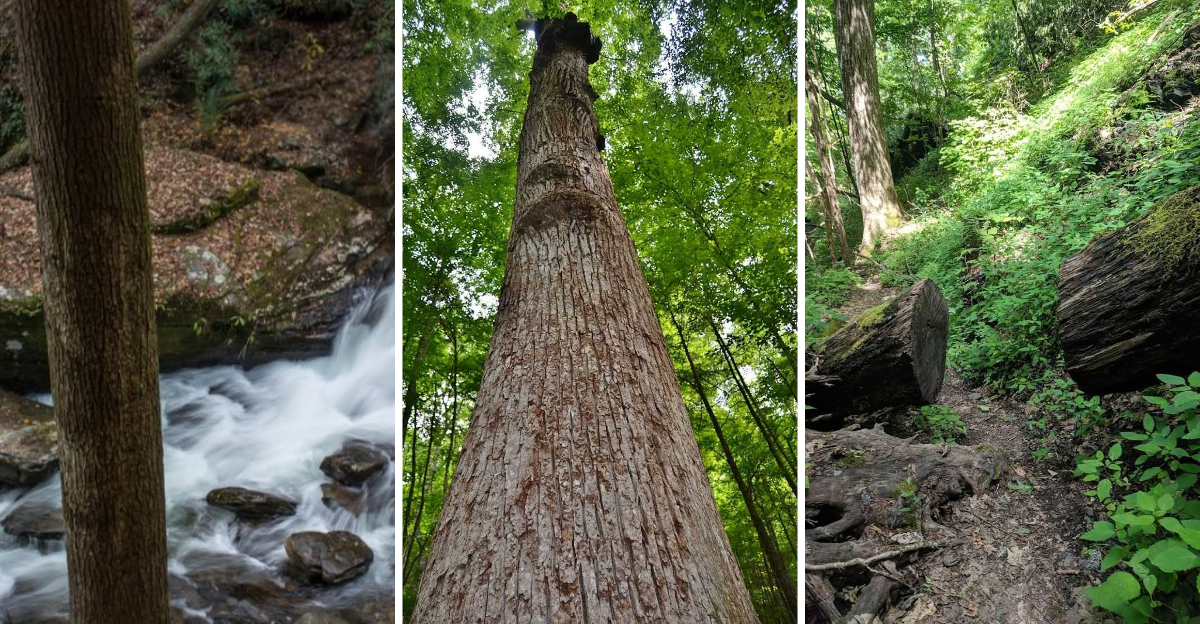
Tucked away in the mountains of western North Carolina near Robbinsville, the Joyce Kilmer-Slickrock Wilderness is one of the most remarkable natural treasures in the entire eastern United States. Massive trees that have stood for hundreds of years tower overhead, creating a forest that feels completely untouched by modern life.
Very few places east of the Mississippi River can offer this kind of raw, ancient beauty. Whether you are an experienced hiker or simply someone who loves nature, this hidden gem is absolutely worth discovering.
Ancient Trees That Will Leave You Speechless
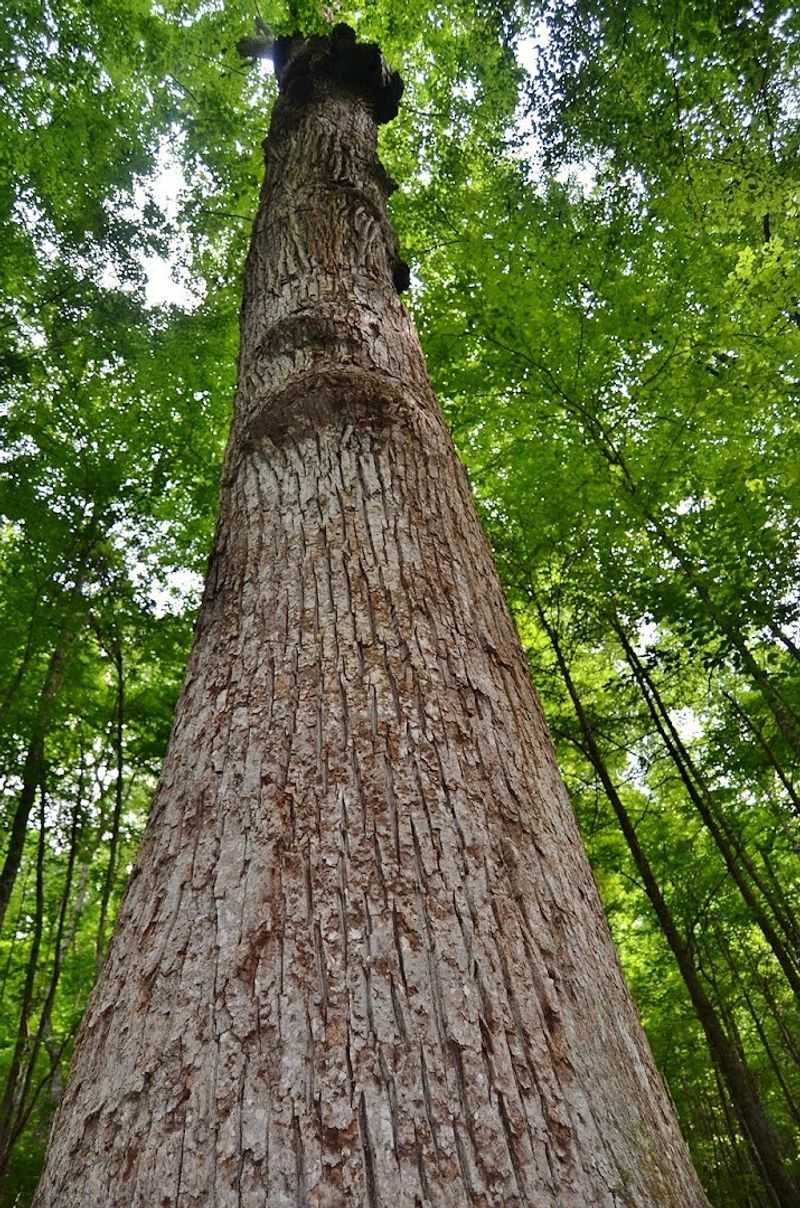
Standing at the base of a tulip poplar that is over 400 years old is a humbling experience unlike anything else on the East Coast. Some of these giants stretch nearly 100 feet tall with trunks so wide that several adults holding hands cannot wrap around them.
The Joyce Kilmer Memorial Forest, part of this wilderness, holds one of the largest remaining old-growth forests in the eastern United States.
These trees survived because the area was too rugged and remote for loggers to reach in the early 1900s. That lucky geography preserved something truly priceless.
Walking among them feels more like stepping into a cathedral than a forest trail.
Visitors consistently describe the experience as jaw-dropping, and honestly, photos do not do it justice. You simply have to stand there and look up to truly understand the scale of these ancient living giants.
Joyce Kilmer Memorial Trail: A Walk Through History
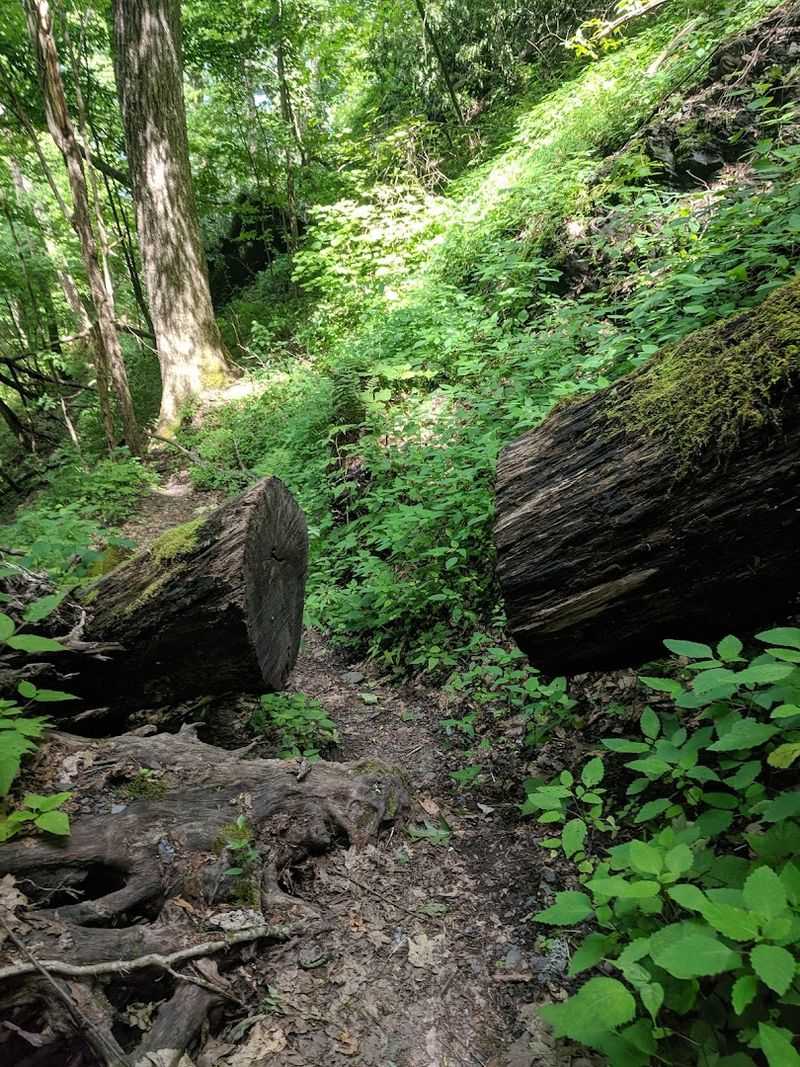
Named after the poet who wrote the famous poem “Trees,” the Joyce Kilmer Memorial Trail is a two-mile loop that winds through some of the most breathtaking old-growth forest you will ever encounter. Kilmer himself never visited this forest, but the trail was dedicated in his memory after he was killed in World War I.
It feels like a fitting tribute given how perfectly the landscape matches the spirit of his writing.
The trail is well-marked and relatively easy compared to other routes in the wilderness area, making it accessible for families and casual hikers. No reservation is required to hike it, so you can show up and start exploring right away.
The path crosses Little Santeetlah Creek on a footbridge, adding a lovely water element to the walk.
Spring and fall are especially magical here, when wildflowers bloom or golden leaves drift down from the towering canopy above.
Slickrock Creek: A Wild and Rushing Waterway
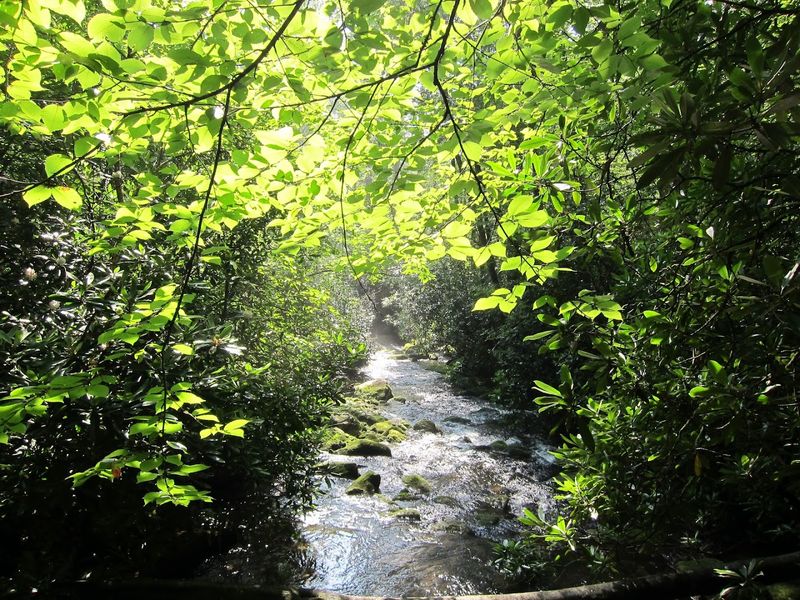
Slickrock Creek is the kind of waterway that makes you want to kick off your boots and wade right in. The creek runs cold and clear through the heart of the wilderness, tumbling over smooth boulders and forming natural pools perfect for a refreshing summer swim.
One hiker in a past review mentioned swimming in the river during a warm March trip, and it is easy to understand the temptation.
The name “Slickrock” comes from the smooth, mossy rocks that line the streambed, which can be slippery when wet, so watch your step. The creek corridor is a fantastic habitat for native brook trout and offers some of the most scenic streamside hiking in western North Carolina.
Fishing enthusiasts will appreciate that portions of Slickrock Creek are designated as wild trout waters, meaning the experience feels raw and undisturbed, just as nature intended it to be.
True Wilderness Hiking With Serious Challenges
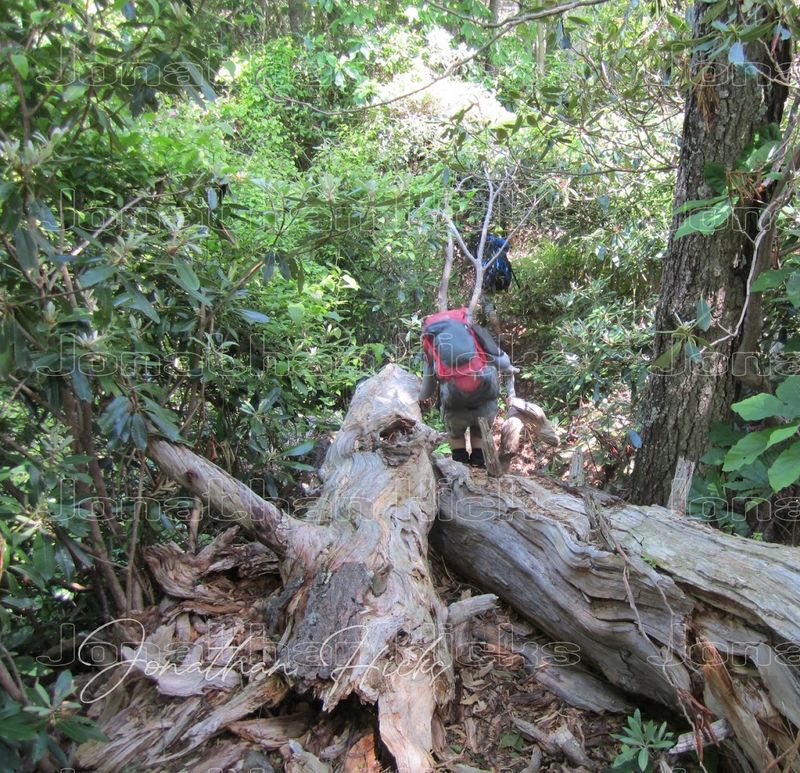
Forget paved paths and handrails. Hiking in the Slickrock portion of this wilderness is a genuine backcountry adventure where the trails are less maintained and the terrain demands real skill and stamina.
One reviewer compared the difficulty to “bunny slopes for mountain goats,” and that description feels about right once you start climbing the steep ridgelines.
Bushwhacking through thick vegetation, scrambling over boulders, and navigating muddy ruts are all part of the experience. Hikers who have covered 32 miles through this area have reported not seeing a single unfamiliar face, which speaks to just how remote and uncrowded it truly is.
Experienced hikers absolutely love the challenge, but beginners should come prepared and ideally go with someone who knows the terrain. The reward for pushing through the difficulty is a sense of accomplishment and solitude that is nearly impossible to find anywhere else on the East Coast.
Stratton Bald: A High-Elevation Reward
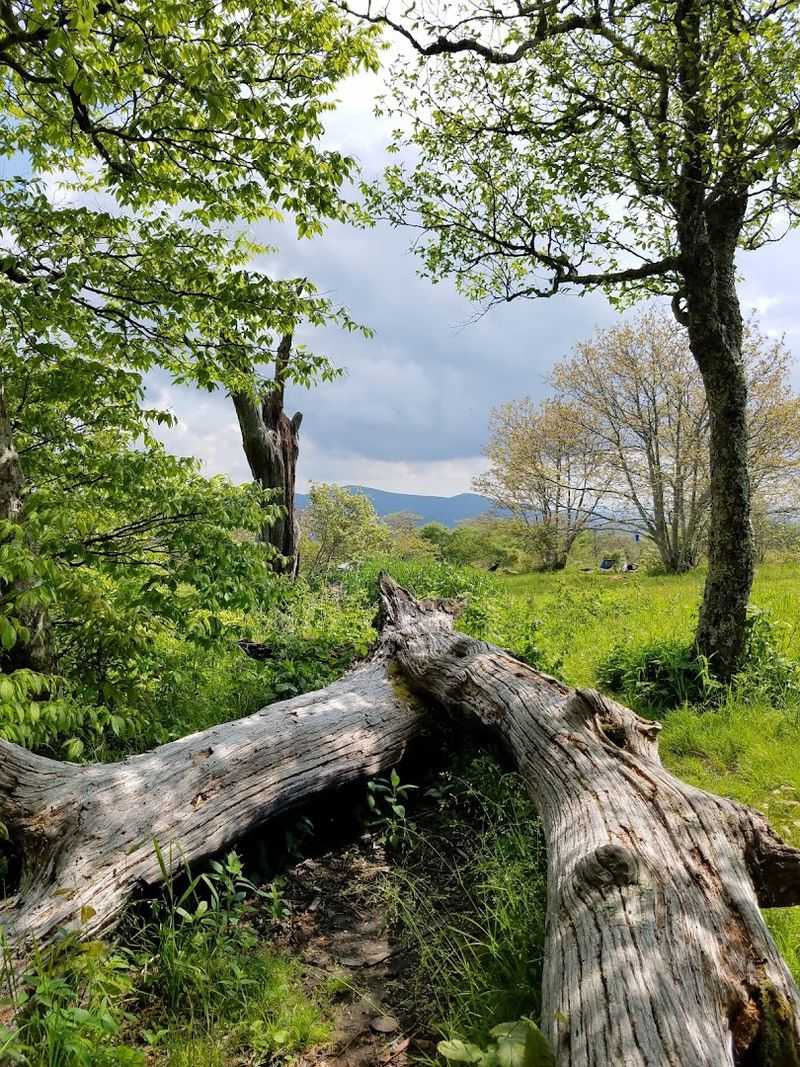
After a relentless uphill climb, reaching Stratton Bald feels like breaking through the clouds and finding your reward. This high-elevation grassy meadow sits above the treeline and offers sweeping views of the surrounding Appalachian Mountains.
The open bald is a stark and beautiful contrast to the dense forest you just hiked through to get there.
Camping on the bald is a popular choice for backpackers, with secluded nooks scattered around the perimeter. There is a fairly reliable spring nearby for water, and the area is known for being free of trash thanks to respectful visitors.
One past reviewer did note that finding sturdy branches for hanging food was a challenge, so a bear canister is a smart choice to bring along.
Wildlife activity is real here, with reports of large animals moving through the brush at night. Sunrise and sunset views require a short wander from camp, but the effort is completely worth it.
Wildflowers That Paint the Forest Floor
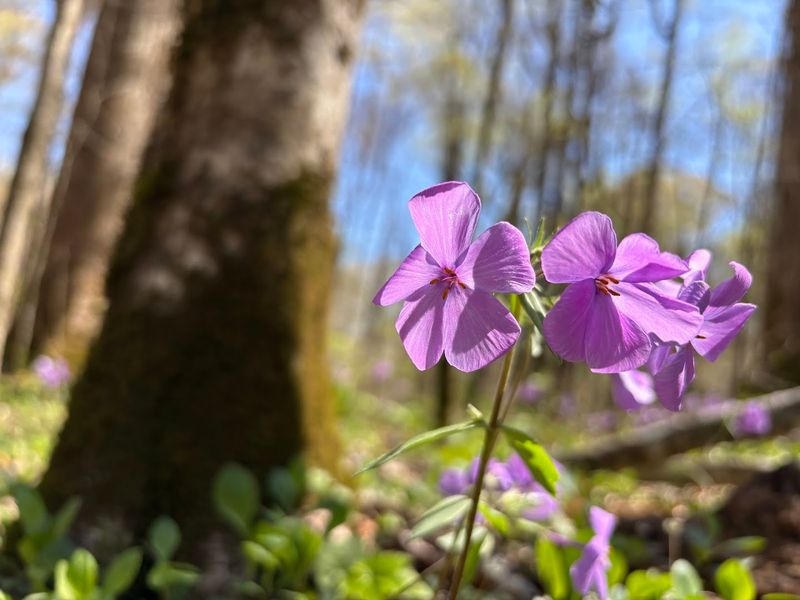
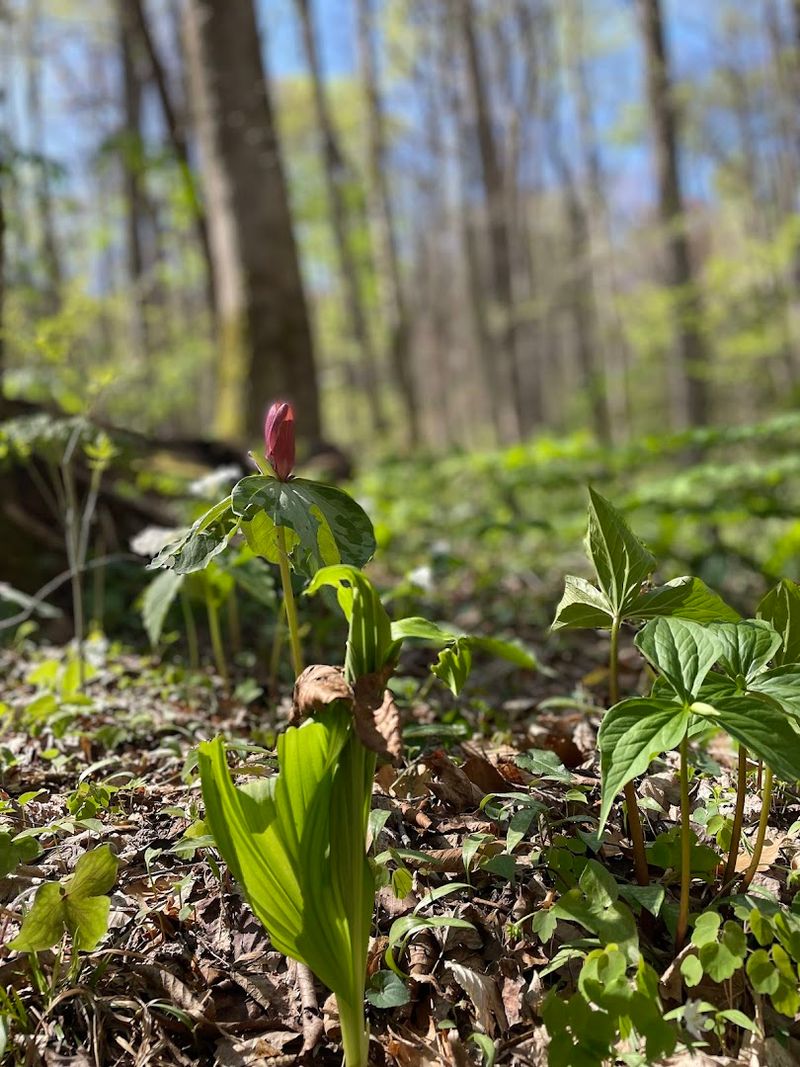
Spring in the Joyce Kilmer-Slickrock Wilderness is a floral explosion that has to be seen to be believed. Trilliums, in particular, bloom by the millions across the forest floor, creating a white and pink carpet beneath the towering old-growth canopy.
One enthusiastic reviewer put it simply: “Wonderful hiking and millions of trilliums!” and that enthusiasm is completely justified.
Beyond trilliums, the forest hosts a rich variety of wildflowers including trout lilies, bloodroot, wild geraniums, and Jack-in-the-pulpit. The combination of moist, rich soil and the sheltered cove environment creates ideal growing conditions for an extraordinary diversity of plant life.
Visiting in late April or early May gives you the best chance to catch peak bloom. Bring a wildflower guidebook to help identify what you are seeing, because the variety is genuinely impressive.
It turns a regular hike into a botanical treasure hunt that kids and adults both enjoy.
Weather Surprises: Prepare for Anything
Weather in the southern Appalachians can be wildly unpredictable, and the Joyce Kilmer-Slickrock Wilderness is no exception. One group of hikers encountered over 13 inches of snow during what should have been a mild spring trip in March, leading to a difficult evacuation after wet boots froze solid during a river crossing.
That same group returned the following year during the exact same week and enjoyed sunny, warm, perfect hiking weather.
Local mountain man TeePee, who has spent years exploring this wilderness, has observed that conditions tend to alternate between cold and mild years. Still, the unpredictability means preparation is non-negotiable no matter what the forecast says.
Always pack waterproof boots, extra layers, and emergency gear when heading into the backcountry here. Checking the forecast multiple times before your trip and building in flexibility for your plans can be the difference between a great adventure and a dangerous situation.
Water Access on Ridge Trails: Plan Ahead
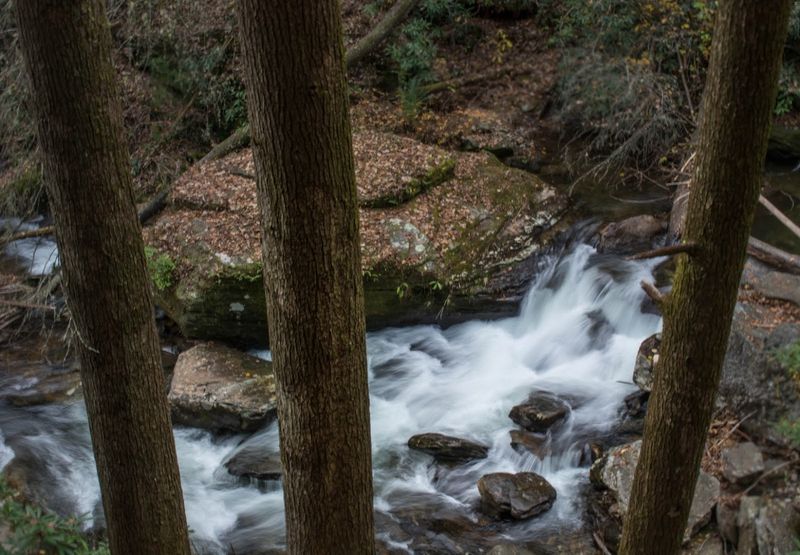
Ridge hiking in the Slickrock Wilderness comes with a specific challenge that catches many visitors off guard: water can be extremely scarce. One experienced hiker reported going an entire day on the ridge trails without finding a single fresh water source, which is a serious concern when you are deep in the backcountry and working hard on steep terrain.
Planning your water strategy before you set out is absolutely essential. Carry more water than you think you need when ascending to the ridges, and research where reliable water sources exist along your specific route.
A high-quality water filter is a must-have piece of gear for any multi-day trip in this area.
Creek crossings at lower elevations offer plentiful water, but once you climb up, the landscape dries out significantly. Smart hikers top off their bottles at every opportunity in the valleys before heading uphill for the day.
The Hangover: A Legendary Viewpoint
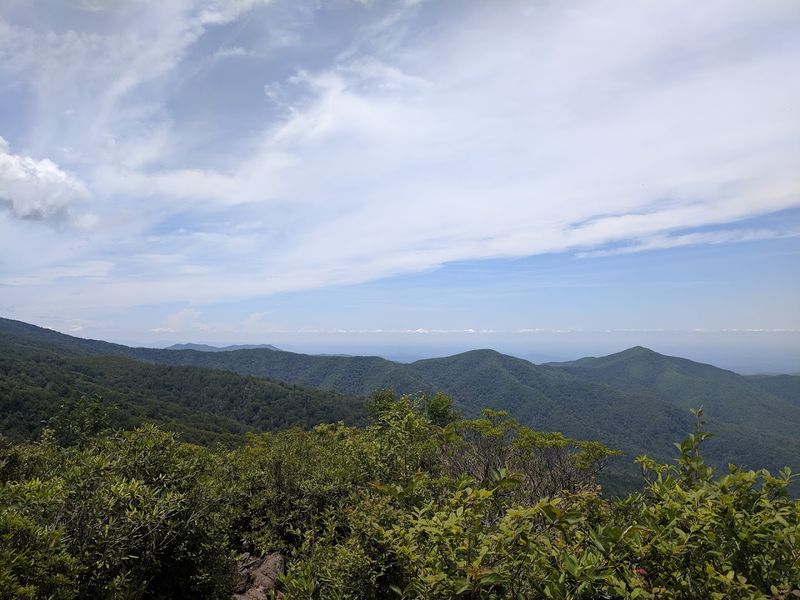
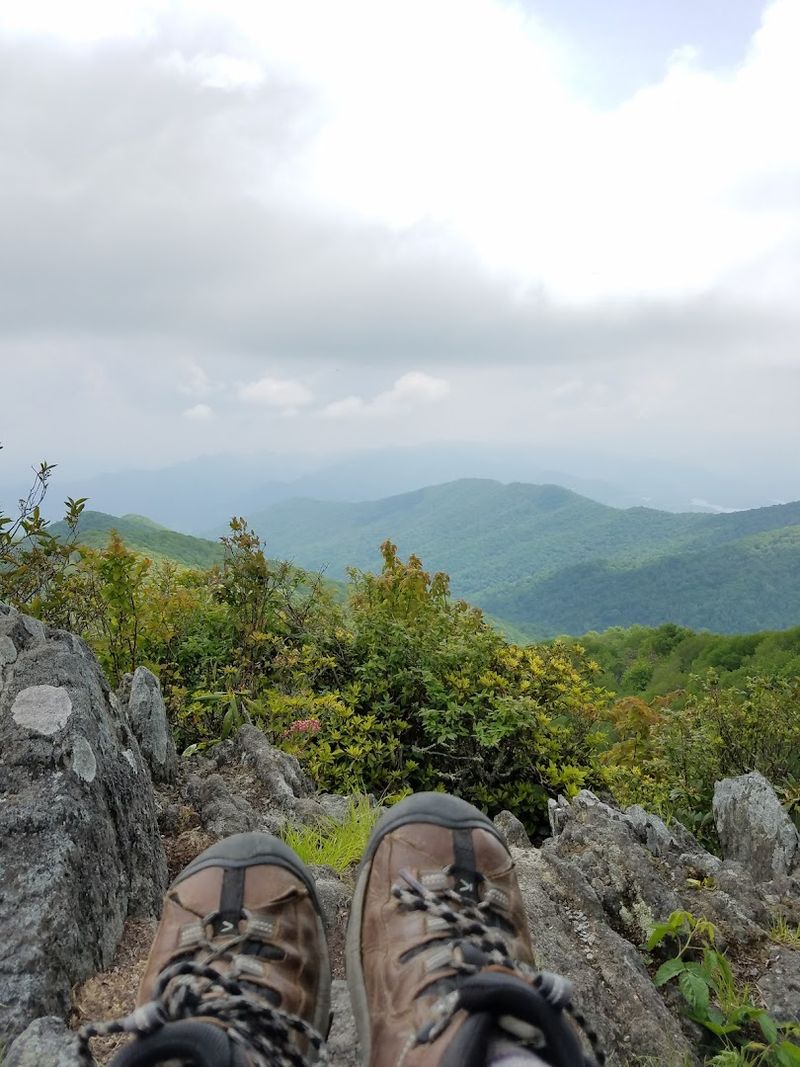
Few destinations in western North Carolina carry as much legend and local lore as The Hangover. This dramatic rocky outcrop sits high above the surrounding terrain and delivers some of the most spectacular panoramic views in the entire Appalachian range.
Getting there is a serious commitment, involving miles of uphill climbing along rough and sometimes muddy trails, but arriving at the top makes every step worthwhile.
The route to The Hangover passes through changing ecosystems, from the lush cove forests at lower elevations to exposed rocky terrain near the summit. Wildlife sightings along the way are not uncommon, and the sense of remoteness grows with every mile you climb.
Hikers who have made it describe the feeling at the top as genuinely awe-inspiring.
Plan for a full day if you want to reach The Hangover and return safely before dark. Starting early in the morning gives you the best light and the most time to enjoy the views.
Wildlife and Biodiversity in a Protected Habitat
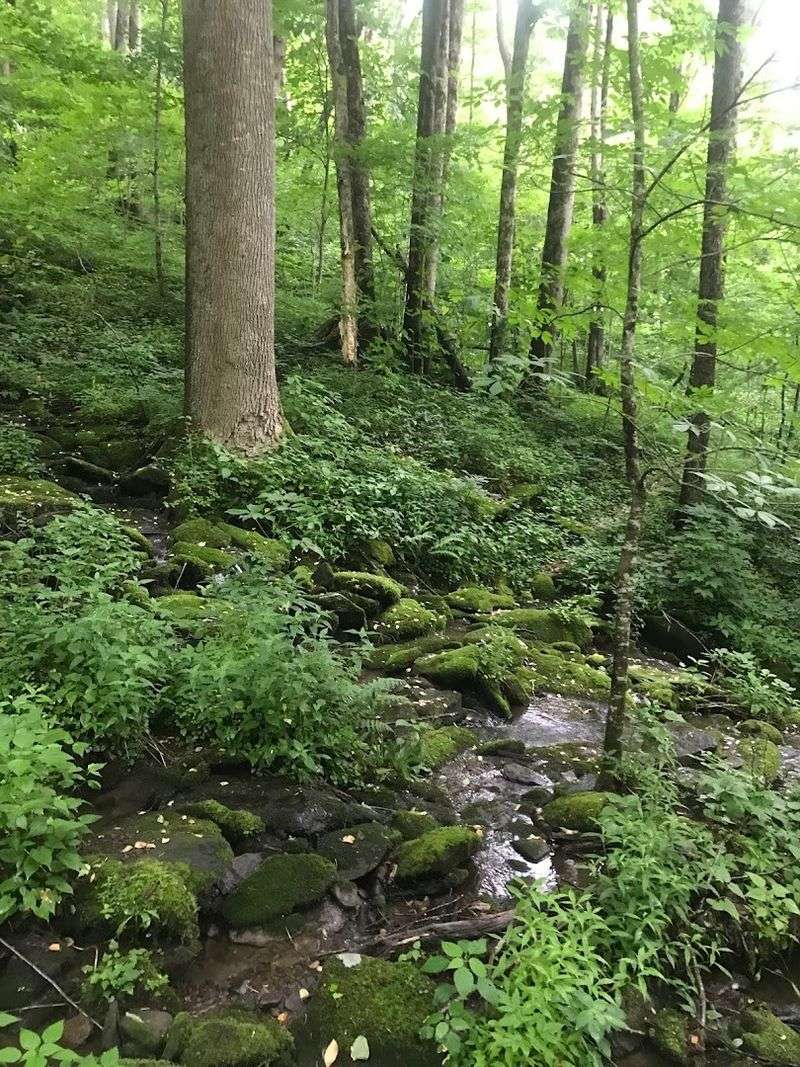
The protected status of the Joyce Kilmer-Slickrock Wilderness means the animals here live largely undisturbed by human development. Black bears are present throughout the area, and multiple visitors have reported hearing large animals crashing through the brush near campsites at night.
Proper food storage using a bear canister or hang system is not optional here, it is a genuine necessity.
Beyond bears, the wilderness supports white-tailed deer, wild boar, timber rattlesnakes, and an impressive array of bird species including wild turkey and various warblers. The streams teem with native brook trout, one of the few places in the South where wild populations still thrive in their original habitat.
The sheer biodiversity of this place reflects just how healthy an ecosystem can become when left alone to recover and thrive. For nature lovers and wildlife watchers, the wilderness offers an experience that feels genuinely rare and deeply rewarding.
Getting There: Finding a Hidden Gem Near Robbinsville
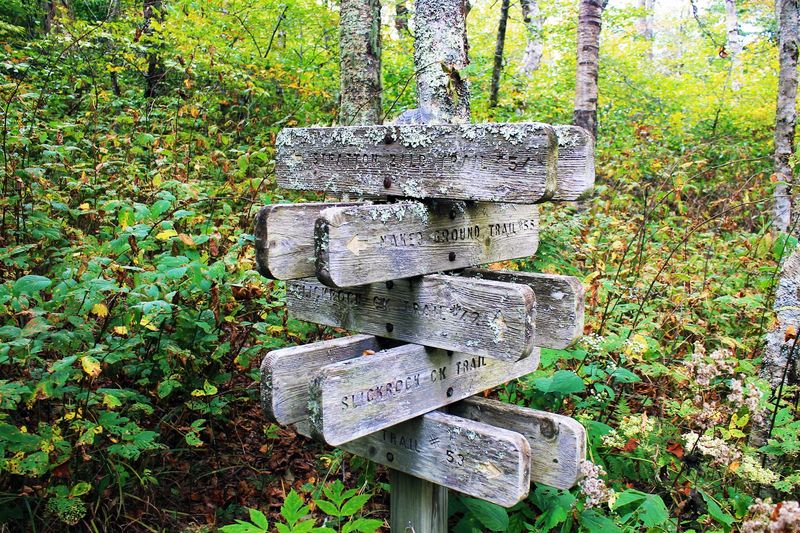
Robbinsville, North Carolina is a small mountain town that serves as the gateway to the Joyce Kilmer-Slickrock Wilderness, and getting there is half the adventure. Tucked deep in Graham County along the edge of the Nantahala National Forest, the area is a legitimate drive from most major cities, which is exactly why it stays so beautifully uncrowded.
The Joyce Kilmer Memorial Forest trailhead is located off Kilmer Road and is well-signed from US-129. No reservation is required to visit or hike the Memorial Trail, making spontaneous trips completely doable.
The Beech Gap Trailhead is another popular access point for those heading into the deeper wilderness sections.
Cell service is limited or nonexistent in many parts of the area, so downloading offline maps before you go is a smart move. Arriving with a full tank of gas and a printed map ensures you will not run into any stressful surprises on the way in.
Poison Ivy and Trail Hazards to Know About
Beauty and hazard often go hand in hand in wild places, and the Joyce Kilmer-Slickrock Wilderness is no exception. Poison ivy grows abundantly along many of the trails, particularly in lower-elevation areas and near creek corridors.
Learning to identify the three-leaflet clusters before your trip can save you a week of miserable itching afterward.
Trail conditions vary widely across the wilderness. Some paths are well-maintained and easy to follow, while others are more of a scramble than a structured hike, with overgrown sections, muddy ruts, and tricky footing on wet rocks.
Wearing long pants and gaiters can protect against both poison ivy and ankle-twisting terrain.
Trekking poles are genuinely useful here, especially on the steep descents where loose soil and wet leaves can make footing unpredictable. Going prepared with first aid supplies, including treatments for blisters and minor cuts, is standard practice for anyone heading into this rugged backcountry wilderness.
Why This Place Deserves Your Respect and Protection
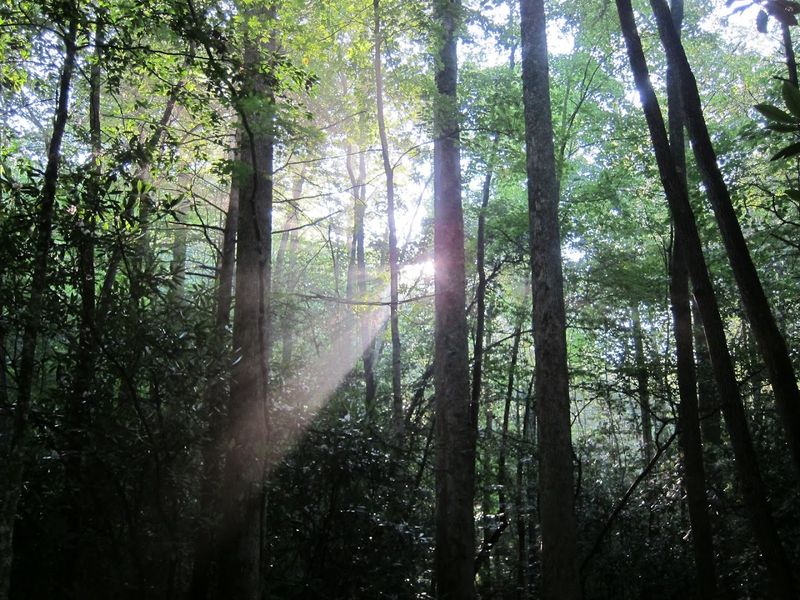
Old-growth forests like the one found in the Joyce Kilmer-Slickrock Wilderness are extraordinarily rare on the East Coast. Centuries of logging wiped out nearly all of the original forests that once blanketed the Appalachian Mountains, making what survives here almost miraculous.
The fact that these trees still stand is a testament to both lucky geography and the decision to protect this land under federal wilderness designation.
Visitors have a real responsibility to keep it that way. Packing out all trash, staying on designated trails where they exist, and practicing Leave No Trace principles help ensure the forest stays pristine for future generations.
The wilderness earned its reputation as a no-trash zone through the collective care of respectful hikers.
Sharing the experience with others and advocating for wilderness protection is one of the most meaningful things a visitor can do. Places this special do not protect themselves, and every person who walks through these ancient trees becomes part of their ongoing story.
Enjoyed this story?
Add Fast Food Club as a preferred source to see more of our reporting on Google.