


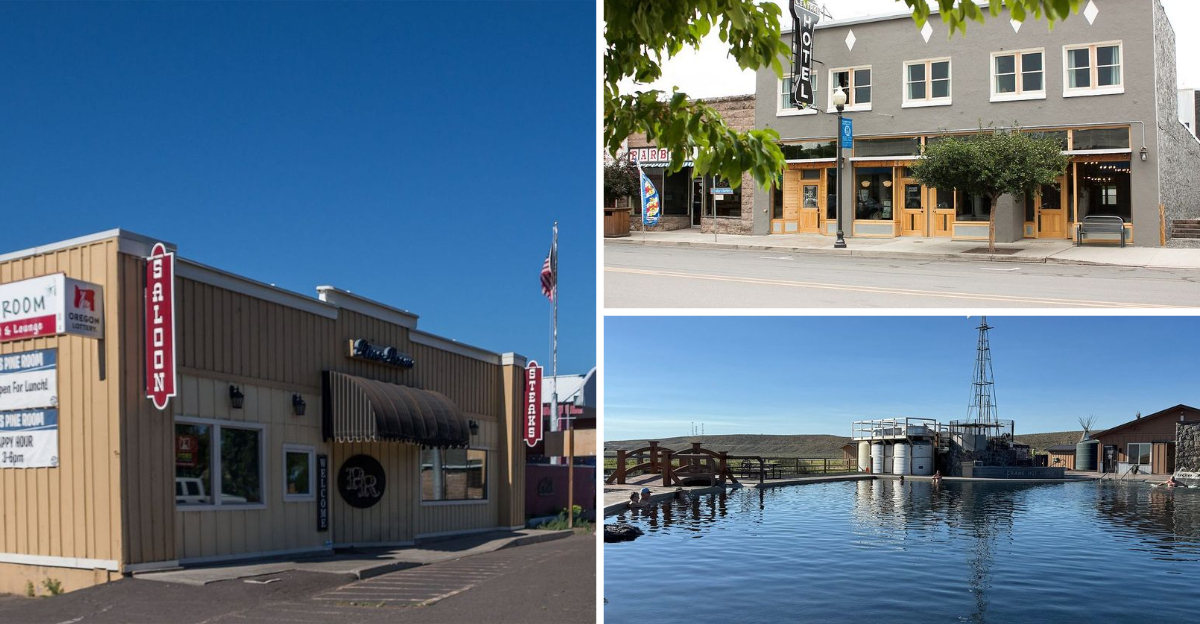
Tucked away in the high desert of southeastern Oregon, Burns is a small town that most people drive past without a second thought. But those who stop and stay quickly discover something remarkable: a genuinely affordable place to call home.
With monthly costs for rent, groceries, and utilities hovering around just $1,400, Burns offers a lifestyle that is increasingly rare in today’s economy. If you have ever dreamed of stretching your dollar further without sacrificing peace and community, Burns, Oregon might be exactly what you have been looking for.
What Rent Actually Looks Like in Burns, Oregon
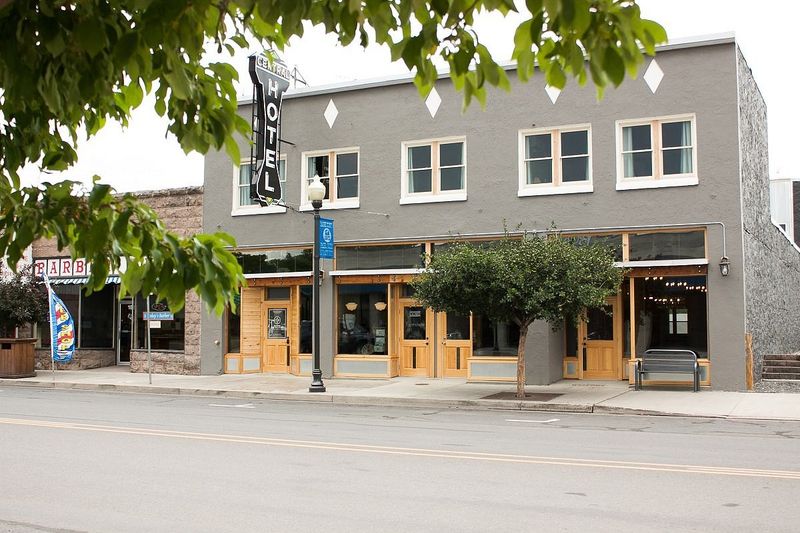
Forget paying $2,500 a month for a cramped apartment in a big city. In Burns, Oregon, a two-bedroom house can rent for as little as $600 to $800 per month, making it one of the most wallet-friendly rental markets in the entire Pacific Northwest.
The housing stock here tends to be older but well-maintained, with many rentals offering yards, garages, and space that city dwellers can only dream about. Landlords are often local residents themselves, which means you are dealing with real neighbors rather than faceless property management companies.
For single adults or couples looking to cut costs dramatically, Burns delivers options that fit almost any budget. Whether you want a cozy studio or a full family home, the rental prices here are genuinely hard to beat anywhere west of the Rockies.
Grocery Costs That Will Surprise You
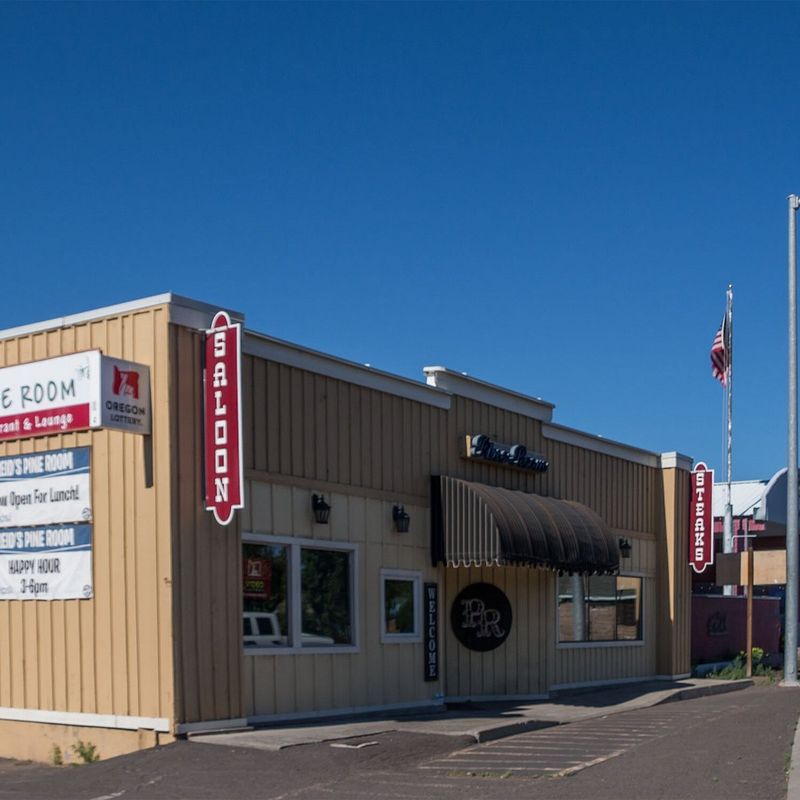
Most Americans spend between $400 and $600 per month on groceries for a small household, but in Burns, smart shoppers can keep that number significantly lower. The town has a local grocery store where prices reflect a community-driven mindset rather than urban markups.
Buying staples like rice, beans, pasta, and canned goods goes a long way here. Residents also benefit from proximity to ranching country, meaning locally sourced beef and other meats are sometimes available at prices you simply would not find at a Whole Foods or Trader Joe’s.
Farmers markets and community food swaps pop up seasonally, adding another layer of savings for those willing to plan meals around what is fresh and local. Stretching a grocery budget in Burns is not just possible — it almost feels effortless compared to life in Oregon’s bigger cities.
Utility Bills That Stay Refreshingly Low
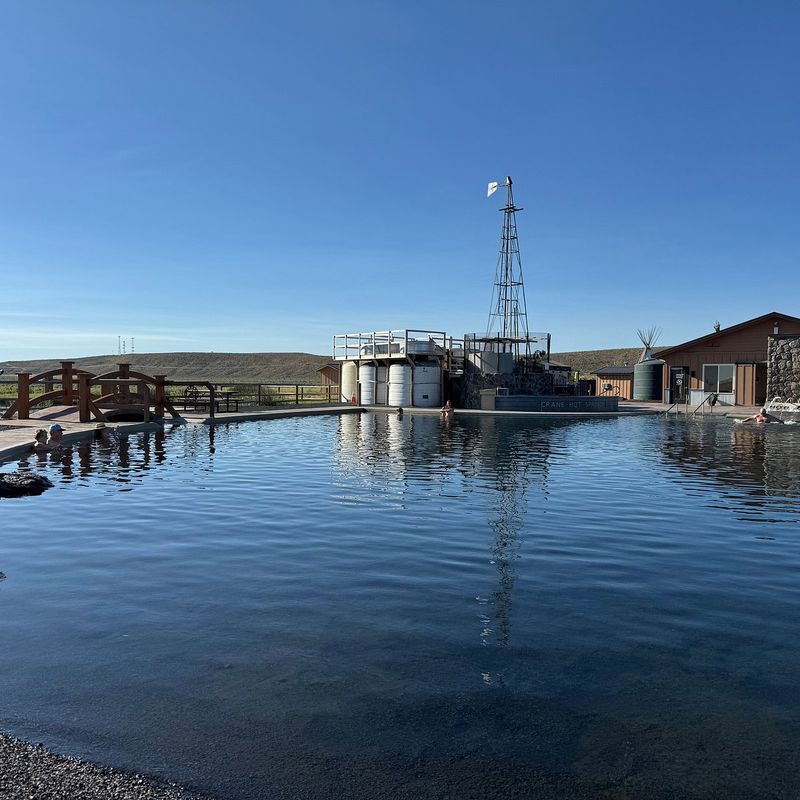
One of the quieter surprises about living in Burns is how manageable utility costs tend to be. On average, residents report spending between $100 and $200 per month on electricity, heating, and water combined — a figure that would make most Portland renters do a double take.
Burns sits at roughly 4,100 feet elevation, which means winters can be cold and snowy. Many locals supplement their heating with wood stoves, which cuts down on electric or gas bills considerably during the colder months.
Firewood is relatively easy to source from the surrounding high desert region.
Summer months bring warm days but cool nights, reducing the need for air conditioning most of the time. The overall climate rhythm of Burns naturally keeps energy usage moderate, which works out beautifully for anyone trying to keep their monthly expenses lean and predictable throughout the year.
The $1,400 Monthly Budget Breakdown Explained
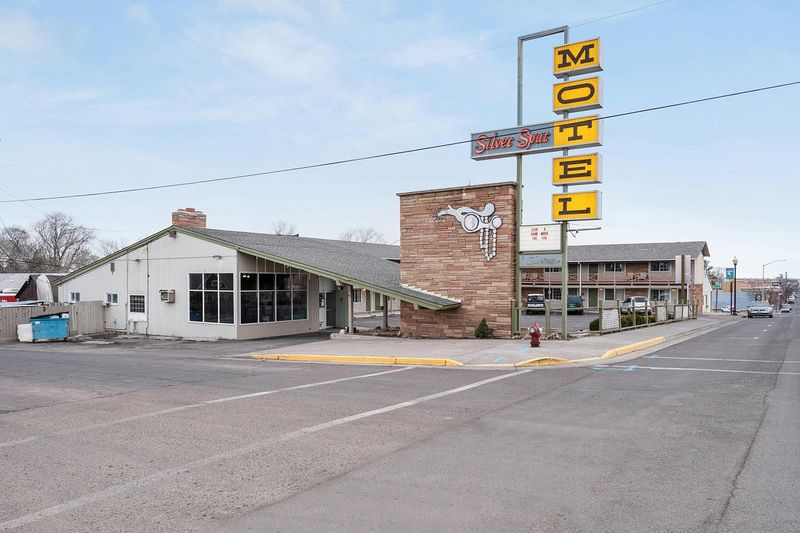
Breaking down the $1,400 monthly figure helps paint a clearer picture of daily life in Burns. A rough estimate looks something like this: $700 for rent, $400 for groceries, and $150 for utilities, leaving around $150 as a buffer for internet, phone, or other small expenses.
That kind of budget is not just survivable — for many people, it is actually comfortable. Compared to Portland, where rent alone can easily eat up $1,800 or more, Burns represents a fundamentally different financial reality that feels almost radical by modern standards.
Of course, individual circumstances vary. Families with children, people with higher medical needs, or those who rely heavily on dining out will need to adjust the numbers.
But as a baseline for a single adult or a couple living simply, the $1,400 monthly figure in Burns holds up remarkably well in real life.
Life in Harney County: The Bigger Picture
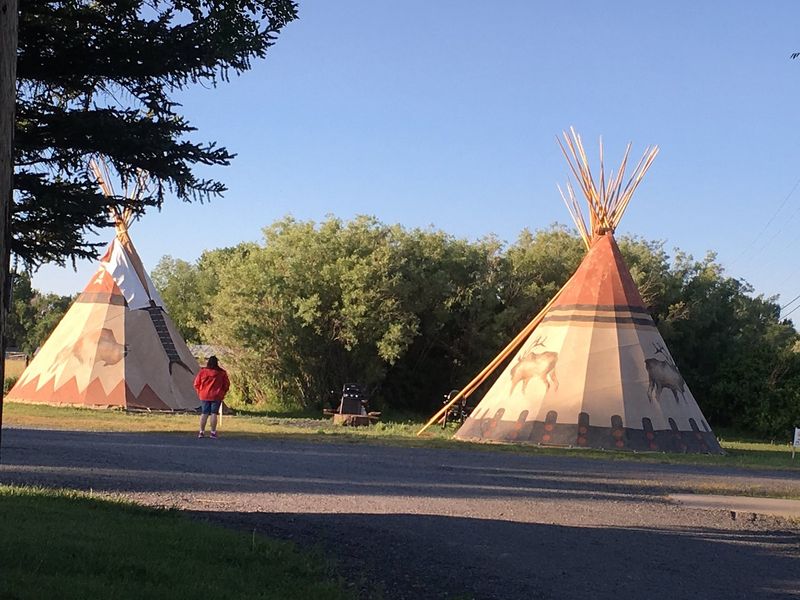
Burns serves as the county seat of Harney County, which holds a fascinating distinction: it is the largest county by area in Oregon and one of the largest in the entire United States. Despite its enormous size, fewer than 8,000 people call it home, giving residents an extraordinary sense of space and solitude.
That vastness is not emptiness — it is freedom. Wide open roads, star-filled skies, and landscapes that stretch to the horizon define everyday life here.
People who feel suffocated by crowded suburbs often describe Harney County as a place where they can finally breathe again.
The county’s economy leans on ranching, agriculture, and some tourism tied to outdoor recreation. While job opportunities are more limited than in urban areas, remote workers and retirees have increasingly discovered that Burns offers a quality of life that money-heavy cities simply cannot replicate at this price point.
Outdoor Recreation Right Outside Your Door
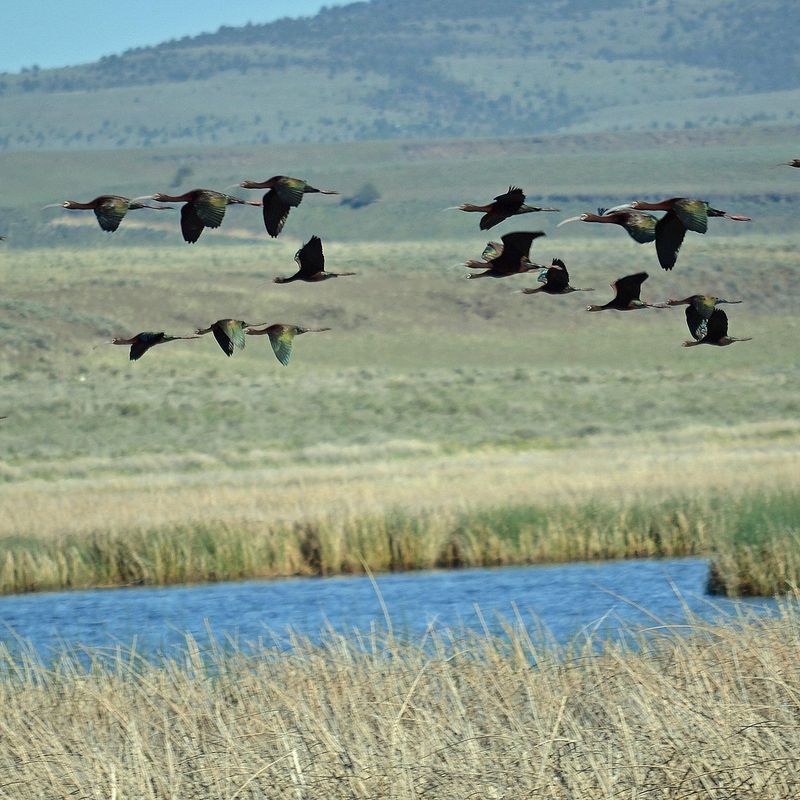
Living affordably does not mean living boringly. Burns sits near some of the most spectacular natural areas in the American West, starting with the Malheur National Wildlife Refuge just south of town.
This massive refuge draws birdwatchers from across the country, hosting hundreds of bird species during migration seasons.
Steens Mountain, a dramatic fault-block mountain rising to over 9,700 feet, looms to the southeast and offers hiking, camping, and some of the most jaw-dropping views in Oregon. The Alvord Desert, a dry lakebed that shimmers like a mirage, is another nearby wonder that locals visit regularly.
Fishing, hunting, and off-road exploring round out the recreational menu for outdoor enthusiasts. Burns residents essentially have access to a massive natural playground that most Americans would pay premium vacation prices to visit, yet they get to enjoy it every single weekend as part of ordinary life.
Community Feel That Big Cities Have Lost
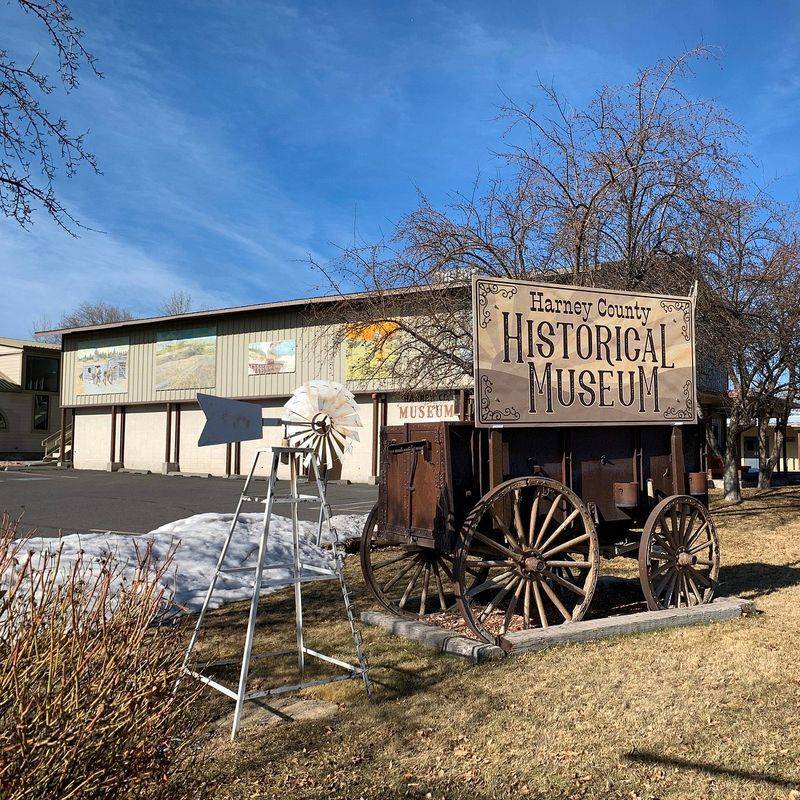
There is something quietly powerful about walking into a store where the clerk knows your name. Burns has held onto that small-town fabric that many larger communities have slowly unraveled over the decades.
Neighbors look out for one another, local events bring people together, and the pace of life invites genuine human connection.
The town hosts community events throughout the year, including rodeos, holiday gatherings, and local fairs that reflect the ranching heritage deeply woven into Harney County’s identity. These are not staged tourist attractions — they are real celebrations that locals actually show up for and care about.
For people moving from crowded urban environments, the adjustment to Burns-style community can feel almost emotional. After years of living anonymously in apartment buildings surrounded by strangers, discovering a place where community actually functions the way it is supposed to can feel like a long-overdue exhale.
Remote Work and Burns: A Match Worth Considering
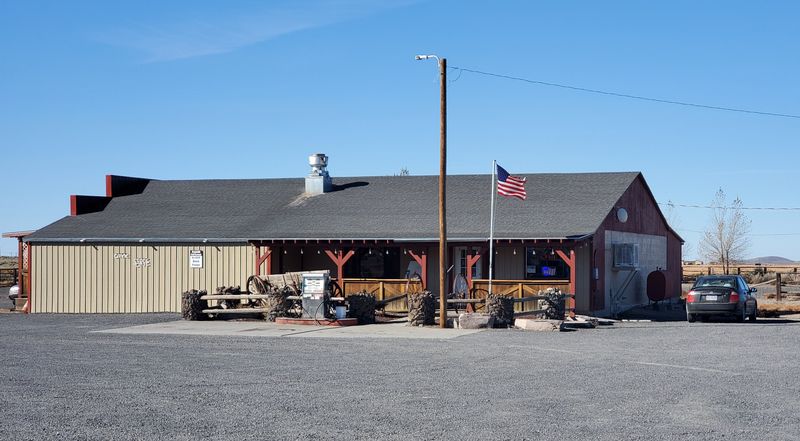
The rise of remote work has quietly transformed who can realistically move to a place like Burns. A decade ago, relocating here meant accepting very limited local employment options.
Today, anyone with a stable internet connection and a remote job can bring their income to Burns while dramatically slashing their monthly expenses.
Internet connectivity in Burns has improved considerably, with providers offering speeds sufficient for video calls, cloud-based work, and streaming. While it may not match fiber-optic speeds in Portland, it is more than adequate for the vast majority of remote job requirements.
Imagine earning a city-level salary while paying small-town prices for housing and food. That financial gap adds up to thousands of dollars in savings every single month.
For remote workers feeling squeezed by urban cost of living, Burns represents a genuinely compelling relocation opportunity that deserves serious attention and honest consideration.
Healthcare Access: What You Should Know
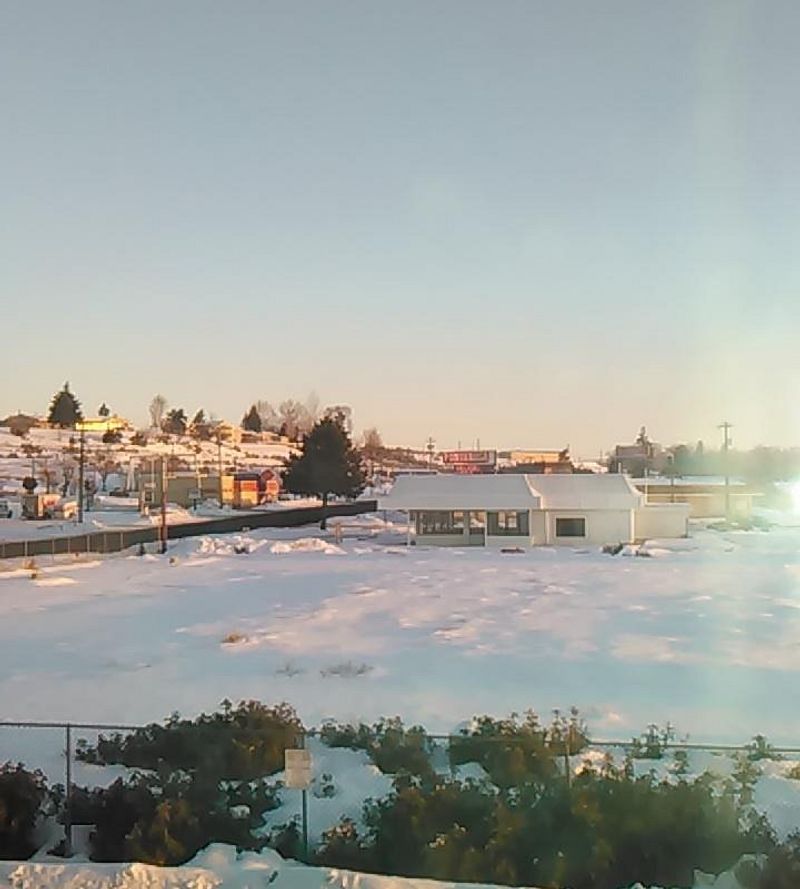
Healthcare access is one of the most common concerns people raise when considering a move to a rural town like Burns. The good news is that Burns is not without medical services.
Harney District Hospital serves the community and provides a range of basic and emergency care services for residents of the region.
For specialized care, residents typically travel to Bend or Boise, Idaho, both of which are a few hours away. This is a real consideration for anyone managing chronic health conditions or requiring frequent specialist visits, and it is worth factoring honestly into any relocation decision.
Telehealth services have expanded significantly in recent years, which helps bridge some of the gap for routine consultations and follow-up appointments. Many Burns residents report that with some planning and preparation, managing healthcare from a rural location is more workable than outsiders might initially assume when first researching the area.
Schools and Education in Burns
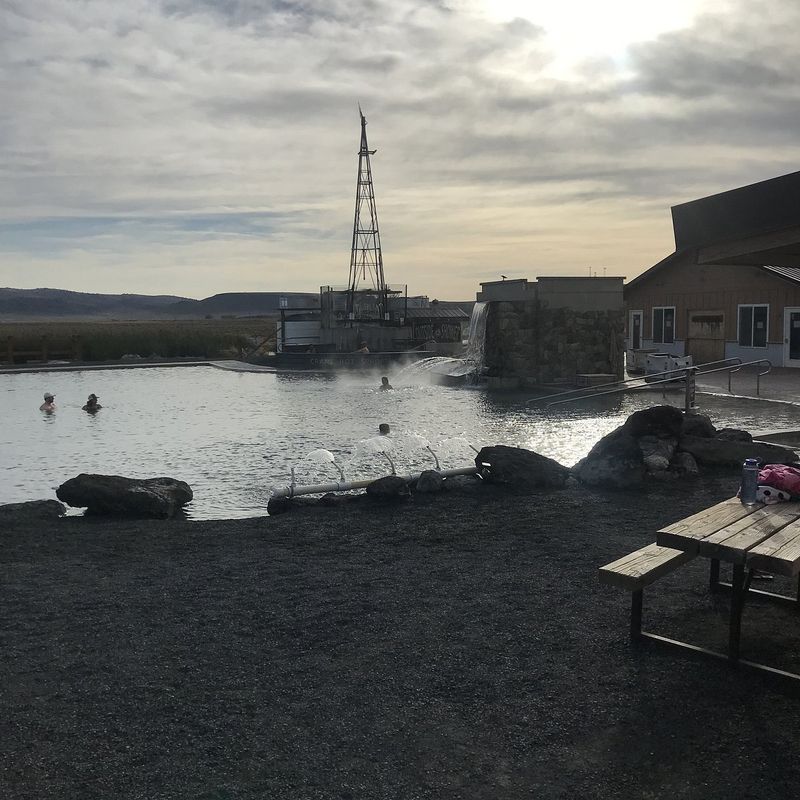
Families considering a move to Burns naturally wonder about the quality of local schools. Burns Union High School and the elementary schools serving the district have a reputation for tight-knit classrooms where students receive more individual attention than is possible in crowded urban school systems.
Smaller class sizes mean teachers often know each student personally, which can be a meaningful advantage for kids who thrive with closer adult guidance and support. Extracurricular activities tend to center around sports, agriculture programs through FFA, and community-oriented clubs that reflect the town’s ranching culture.
Higher education options locally are limited, but Eastern Oregon University in La Grande is within driving distance for those pursuing college degrees. Online degree programs have also made higher education far more accessible for Burns residents than in previous generations.
For families prioritizing connection over competition, the Burns school environment offers a refreshingly human-scaled educational experience worth exploring.
The History Behind Burns, Oregon
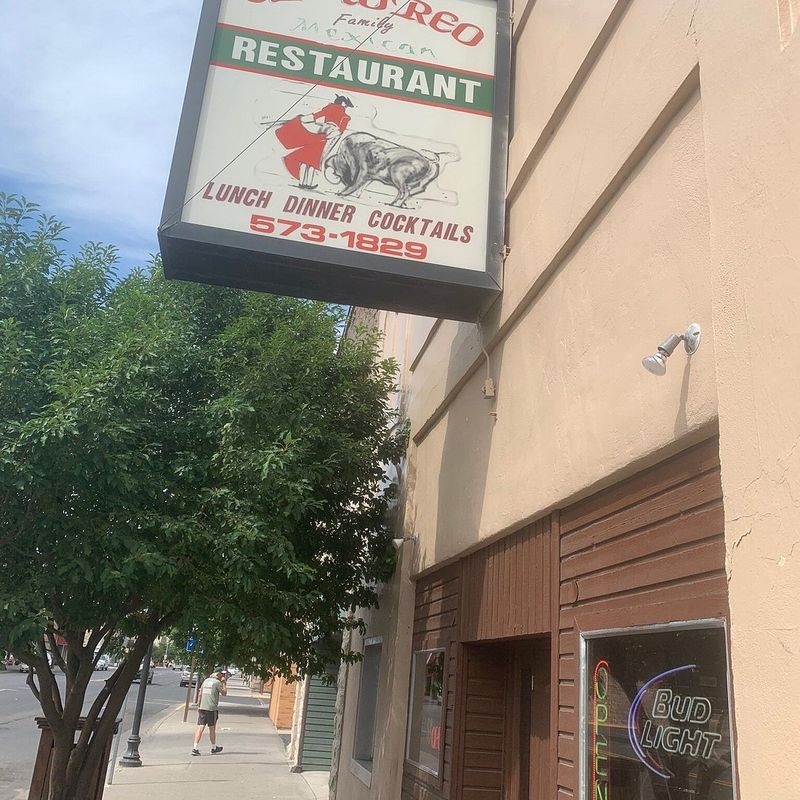
Burns was officially founded in 1884 and named after the famous Scottish poet Robert Burns — hence the street name Robert Burns Drive that still winds through the town today. That literary nod gives the town a charming backstory that most visitors never expect to find in the middle of the Oregon desert.
The town grew as a service hub for the surrounding ranching and farming communities of Harney County, establishing itself as the economic and governmental center of one of America’s most sparsely populated regions. That role has not changed much over the past century, which speaks to the town’s quiet resilience.
Walking through Burns, you can still feel echoes of that frontier-era practicality in the architecture, the layout of downtown, and the no-nonsense attitude of longtime residents. History here is not a museum exhibit — it is woven into the daily rhythm of life in ways that feel genuinely alive.
What Daily Life Actually Feels Like in Burns
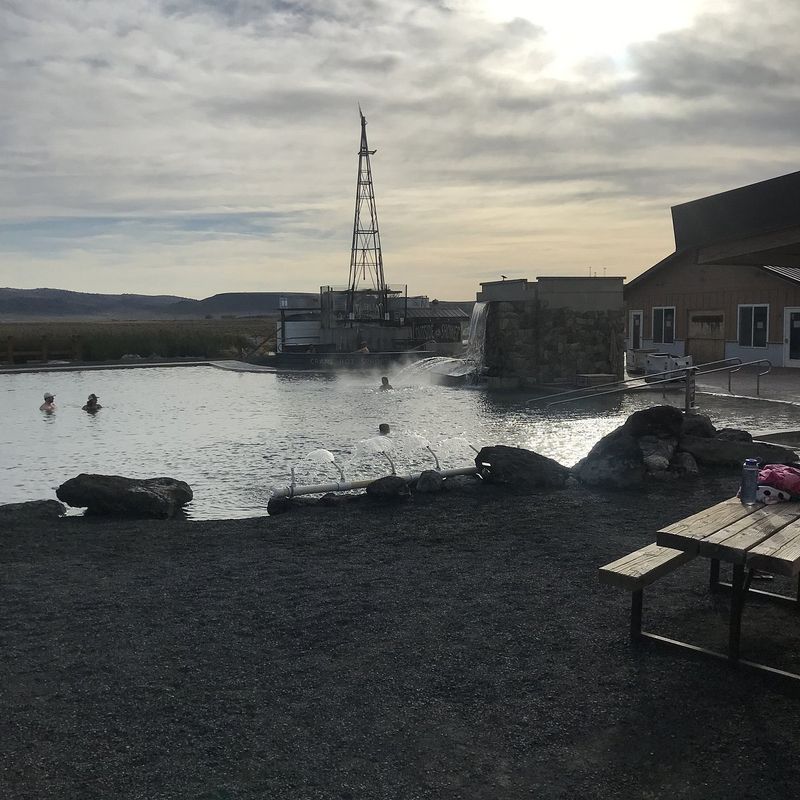
Picture waking up to absolute silence except for birdsong and wind. No traffic noise, no sirens, no neighbor’s bass thumping through thin apartment walls.
That is mornings in Burns — a sensory reset that takes some getting used to but quickly becomes one of the things people love most about living here.
Daily errands are simple and fast. The grocery store, post office, hardware store, and gas station are all within a few minutes of most residences.
There is no gridlock, no parking nightmare, and no hour-long commute eating up your evening energy before you even get home.
Evenings in Burns belong to you. Stargazing is spectacular thanks to minimal light pollution, and the night sky here rivals anything you would see at a designated dark-sky park.
For people who have spent years feeling like their time was never truly their own, Burns offers a daily life that feels refreshingly unhurried and genuinely peaceful.
Is Burns, Oregon Right for You?
Moving to Burns is not for everyone, and honesty about that matters. If you rely on frequent access to concerts, diverse dining scenes, major airports, or a fast-paced urban social life, Burns will feel like a significant sacrifice.
The town is genuinely remote, and that remoteness is both its greatest asset and its most honest limitation.
But for a growing number of Americans — remote workers, retirees, nature lovers, and anyone exhausted by the financial grind of city living — Burns represents something increasingly rare: a real community where a modest income actually goes far enough to build a stable, satisfying life.
The $1,400 monthly cost of living is not a gimmick or an oversimplification. It reflects a genuine affordability that exists right now in this overlooked corner of Oregon.
If simplicity, space, and financial breathing room sound appealing, Burns deserves a serious spot on your list of places to consider.
Enjoyed this story?
Add Fast Food Club as a preferred source to see more of our reporting on Google.