


Sunday in North Jersey often means a long wait for a crowded booth and a plate of pierogi that arrives when the kitchen finally gets to it. There is another way to get your Polish food fix, and it skips the booth entirely.
Just off River Drive, a busy deli and grocery stocks frozen and hot pierogi, a full bakery, a smoked meat counter, and shelves of hard-to-find pantry items from Poland. Keep reading to learn what to grab, when to go, which counter to visit first, and a few small habits that will make your trip smoother.
A Polish Pantry on River Drive
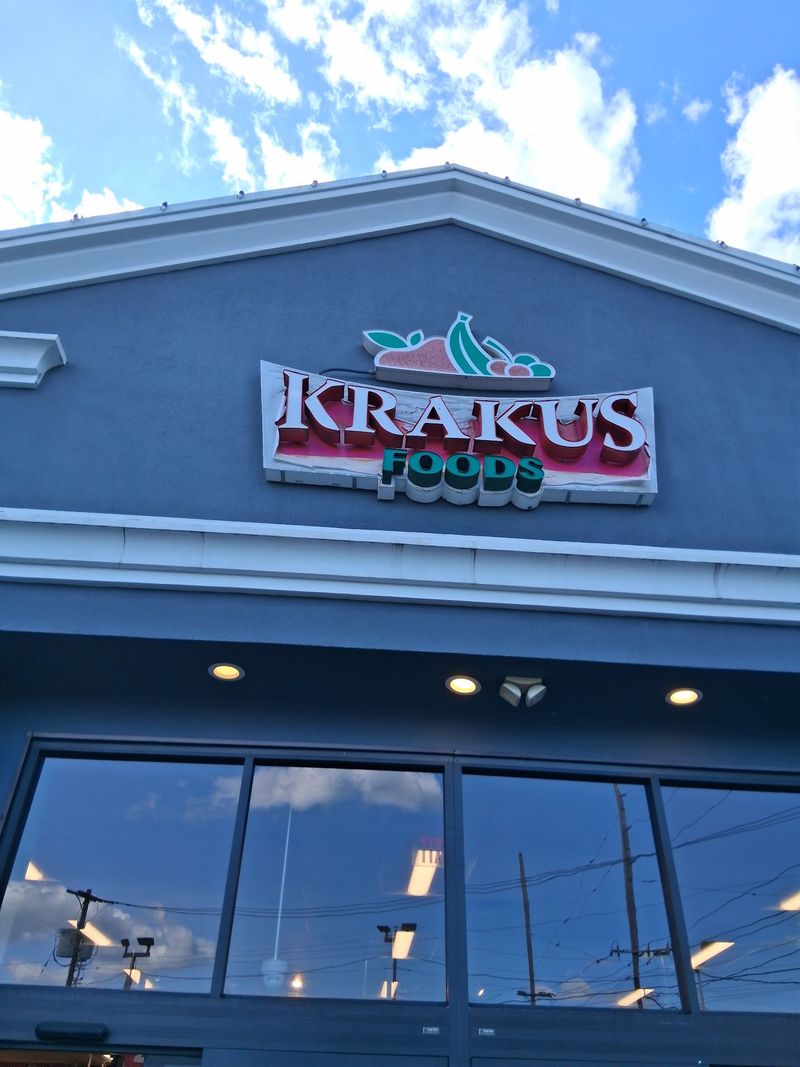
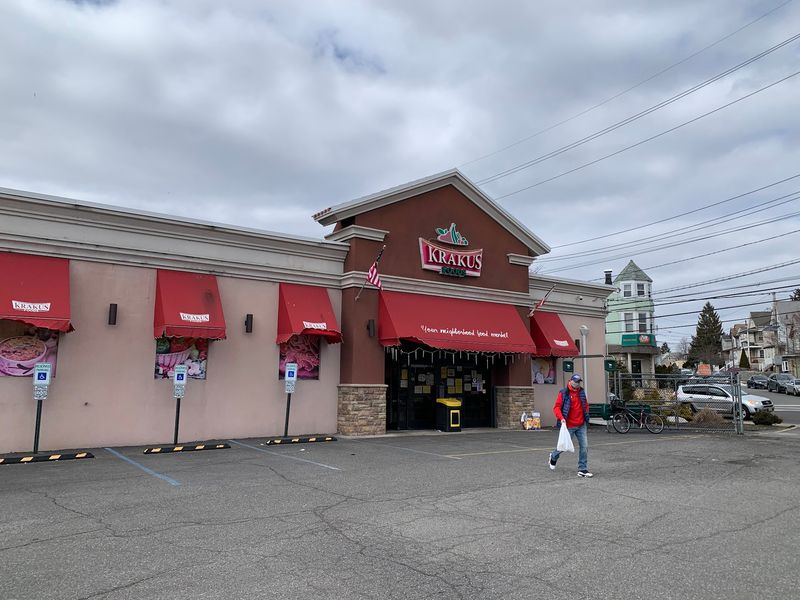
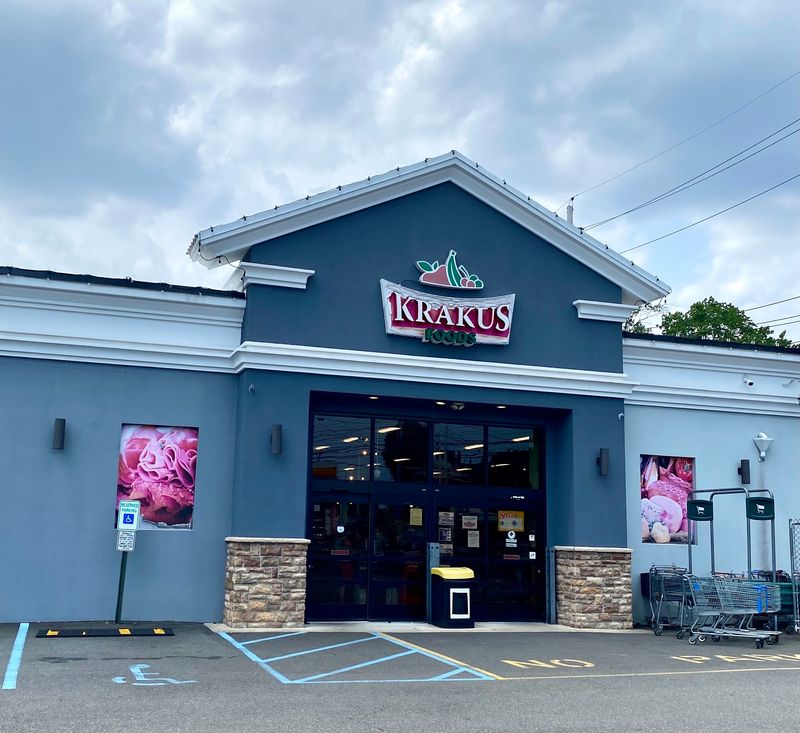
Skip the waitlist and grab a shopping cart instead. Krakus Foods Polish Deli sits at 125 River Dr, Garfield, NJ 07026, in Bergen County, New Jersey.
It is listed as a gourmet grocery store, but that label only tells part of the story. Inside, shoppers find a deli, a bakery, a hot food station, and aisles of packaged goods from Poland.
The location along River Drive makes it easy to reach for folks in Garfield, Wallington, and the surrounding towns. Many shoppers treat it as a weekly stop, while others make it a special trip.
The store holds a 4.4 star standing from 381 people, which is a solid number for a busy neighborhood market. Polish food is the topic that comes up most often by far.
There is no table service and no host stand. Customers move from counter to counter at their own pace, choosing what they want to eat now and what they want to take home for later.
For anyone craving a Polish Sunday spread without the crowded dining room, this is a practical place to start. The next stop on the tour is the reason most people come: the pierogi.
Pierogi Without the Platter Wait
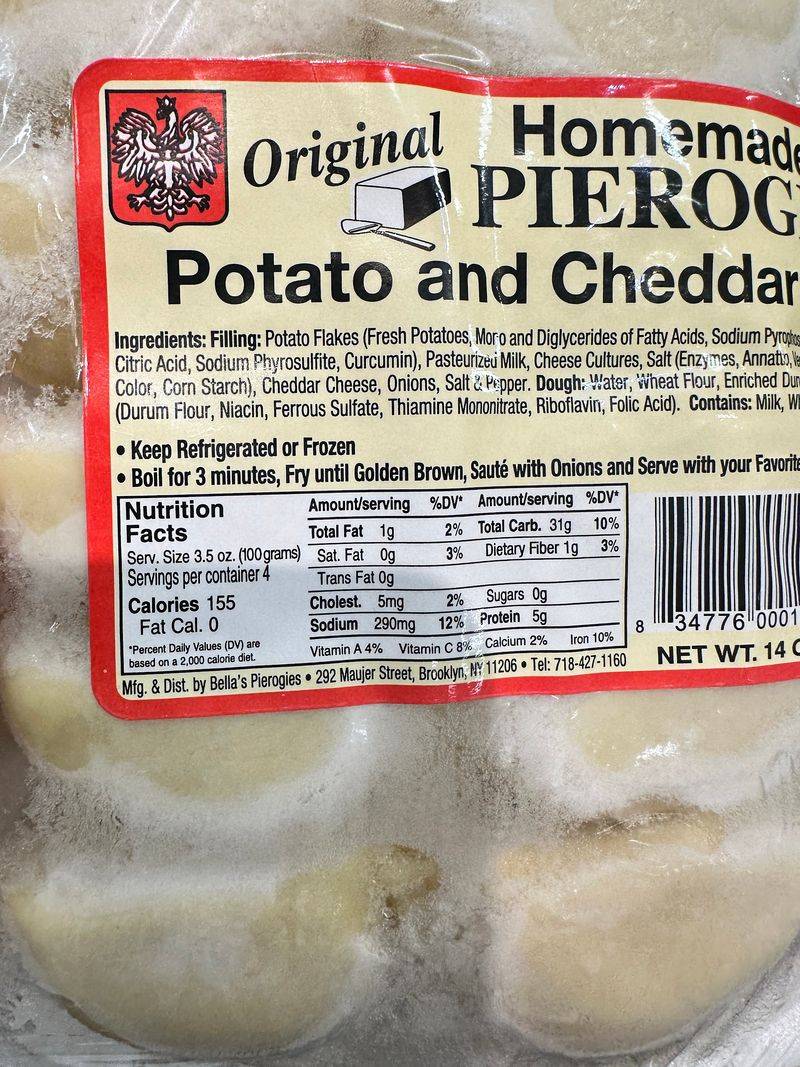
Pierogi are the star here, and they show up in more than one form. Shoppers can pick up frozen bags to cook at home or order them hot from the station in the back.
The frozen selection includes several brands and fillings. Plain potato, potato and cheese, and potato and onion are all on the list, sometimes from more than one maker.
That variety means a family can test a few styles in one dinner. It also means the freezer is easy to restock for busy weeknights.
At the hot food station, meat pierogi and mushroom and sauerkraut pierogi have both earned praise. Many regulars call the pierogi their favorite item in the whole store.
For home cooks who want to go further, the store also sells flour suited for making pierogi dough. That opens the door to a weekend project in your own kitchen.
So the Sunday platter does not vanish. It simply moves from a crowded booth to your own table, on your own schedule, with no ticket number required.
The Hot Food Counter in Back
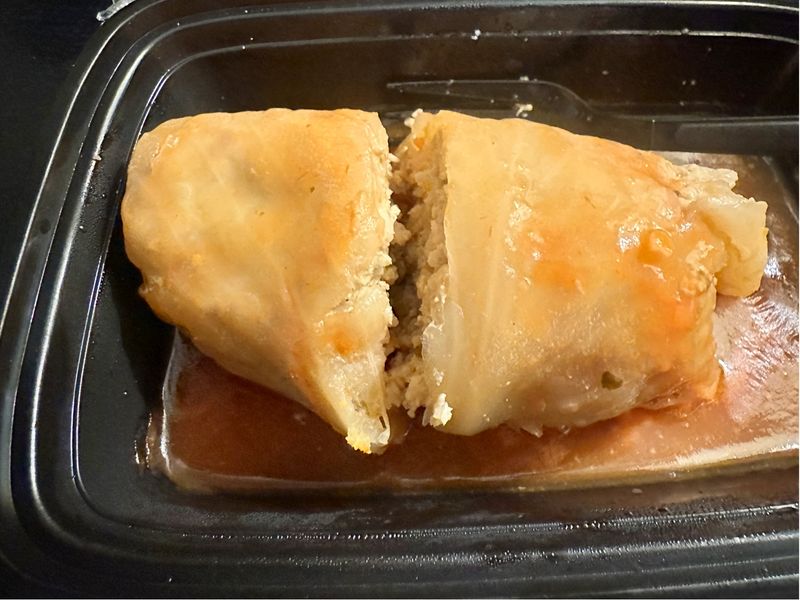
Head straight past the shelves and toward the back of the store. That is where the hot food station waits, and plenty of people say it alone is worth the drive.
The counter serves prepared Polish dishes, plus some familiar comfort plates. Shoppers who are not Polish often come for this section first and leave with a full lunch.
It works well as a quick meal or as a takeout dinner for the family. Portions are packed to go, so there is no need to hunt for a seat.
A small tip helps here. Extra requests, such as packing a side item separately, may come with a small added charge, so ask before the order is finished.
Lunch hours can get busy, and the pace behind the counter reflects that. Patience and a clear order go a long way.
Treat this counter as the shortcut to a Polish Sunday meal. It covers the main course, and the next counter covers what goes beside it.
Smoked Meats and the Deli Case
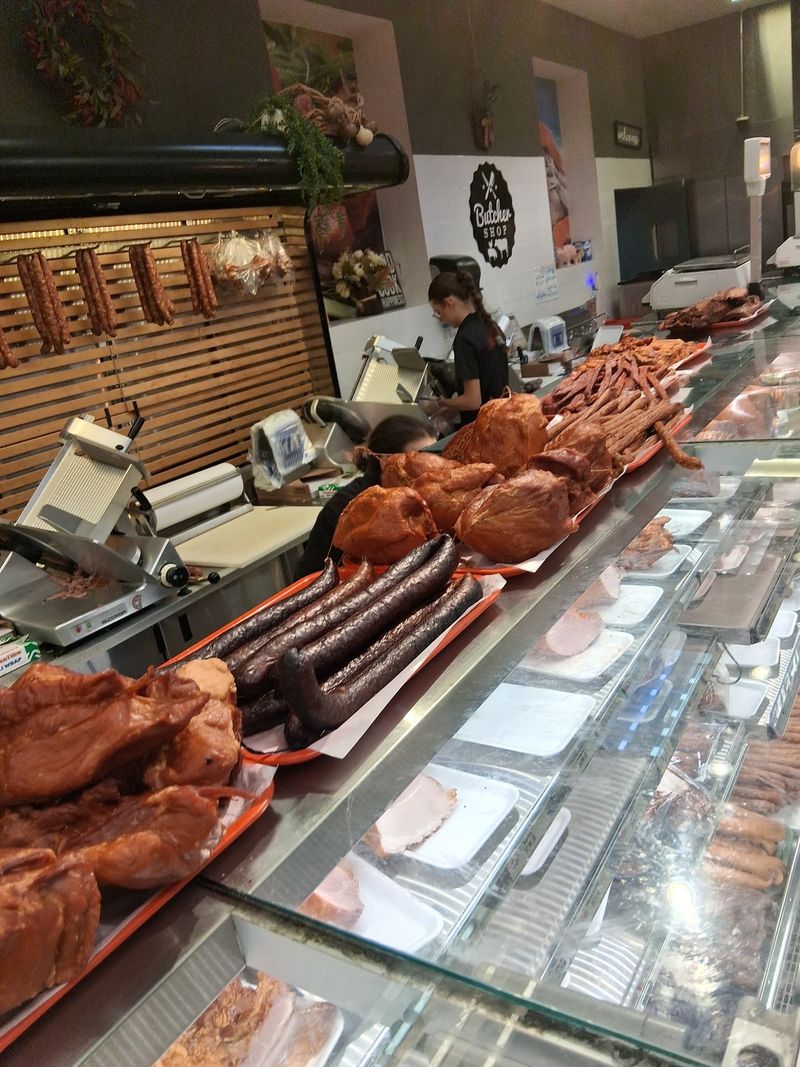
Cold cuts get more attention here than almost anything except the pierogi. The deli counter is one of the busiest spots in the building.
Shoppers line up for smoked Polish meats and sliced cold cuts by the pound. The smoked selection sits toward the back, so keep walking if the front case looks limited.
Some regulars drive long distances just to restock from this counter. One longtime shopper makes the trip from roughly 50 miles away to stay connected to family roots.
A smart habit applies here. Watch your order being sliced and speak up if the piece is not the one you pointed to.
Food safety is something every shopper can keep an eye on as well. Asking politely for gloves is a fair request at any deli counter.
Those small steps aside, the deli case remains a top reason people return week after week. With the main proteins sorted, the bakery comes next.
Bakery Shelves and Holiday Treats
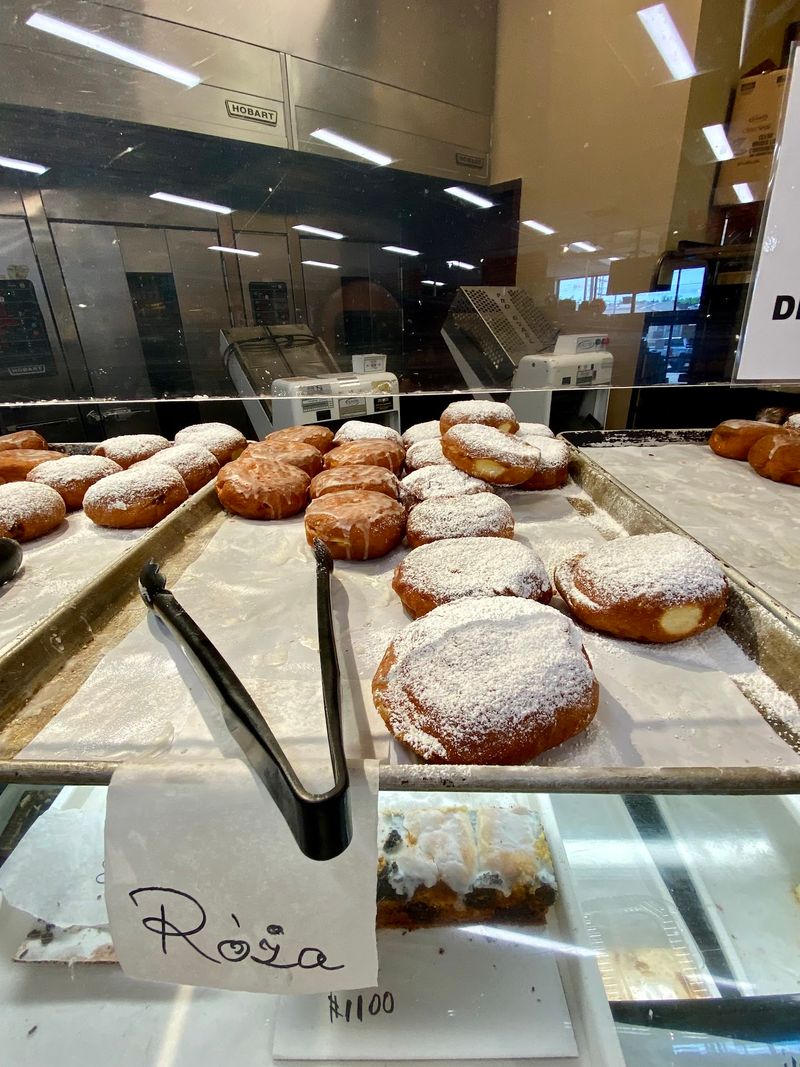
Bread lovers, take note. The bakery section sits right next to the deli and stocks fresh bread daily, along with specialty loaves that keep regulars coming back.
Desserts earn steady praise too. Shoppers mention picking up fresh pastries rather than making traditional treats at home.
Holidays bring the biggest rush. Around Fat Tuesday, the day before Lent begins, Polish bakeries traditionally sell paczki, filled doughnuts that many families buy in bulk.
In past seasons, these came in fruit filled varieties and sold for about $1.50 each. Prices can change, so check the case before you plan a big order.
Fun fact: paczki are tied to good luck in Polish tradition. That makes the line on Fat Tuesday part celebration and part ritual.
Arrive early around any major holiday. The best bakery picks tend to move fast once the doors open.
Aisles of Hard-to-Find Staples
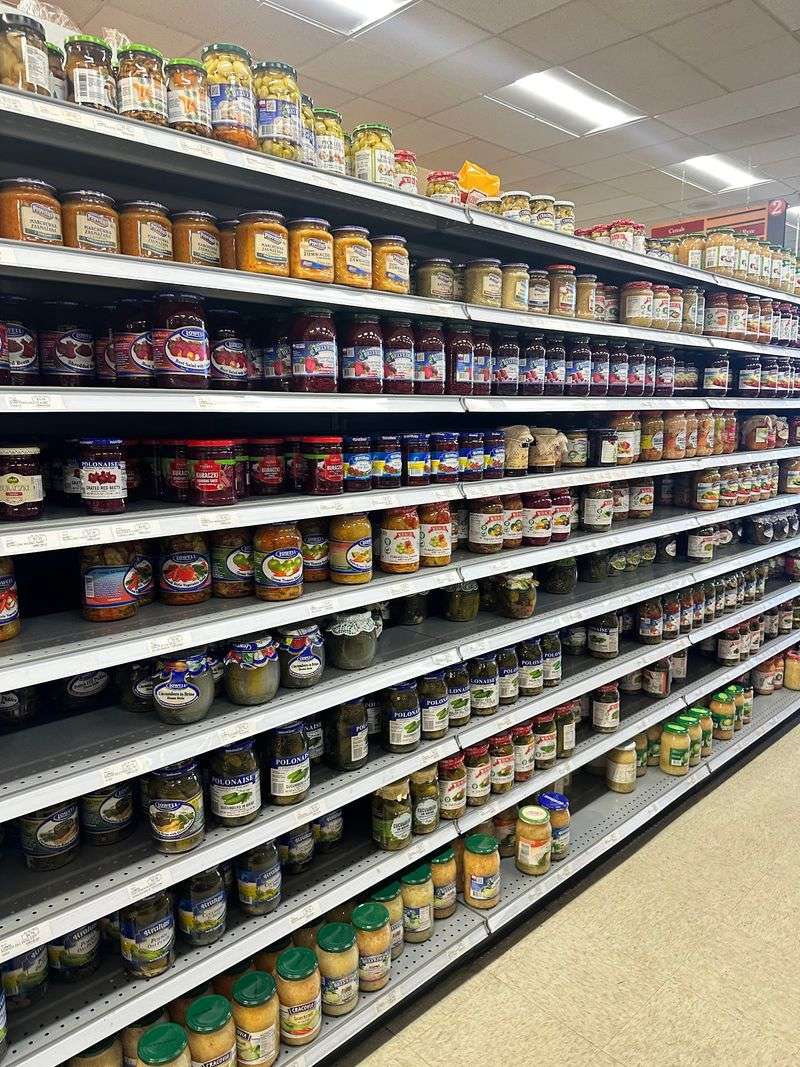
Home cooks tend to linger in these aisles longer than they planned. The shelves carry pantry staples that are tough to find at a standard supermarket.
Expect several types of kasha and different flours for pierogi, crepes, and baking. Spice packets, jarred salads, juices, and candy fill out the rest.
Dairy gets attention too. Polish style butter and sour cream are available, and both differ from typical store brands in ways that matter for traditional recipes.
Shoppers who follow Polish recipes closely appreciate finding the real ingredients instead of substitutes. Pickled fish options, including no sugar added choices, also show up on the shelves.
A quick tip for packaged goods: check the dates on sealed products before checkout. Stock moves quickly, but a glance at the label is always wise.
With a full cart from these aisles, a homemade Sunday dinner starts to look very doable. Next up, a look at the people behind the counters.
Who Shops Here and Why
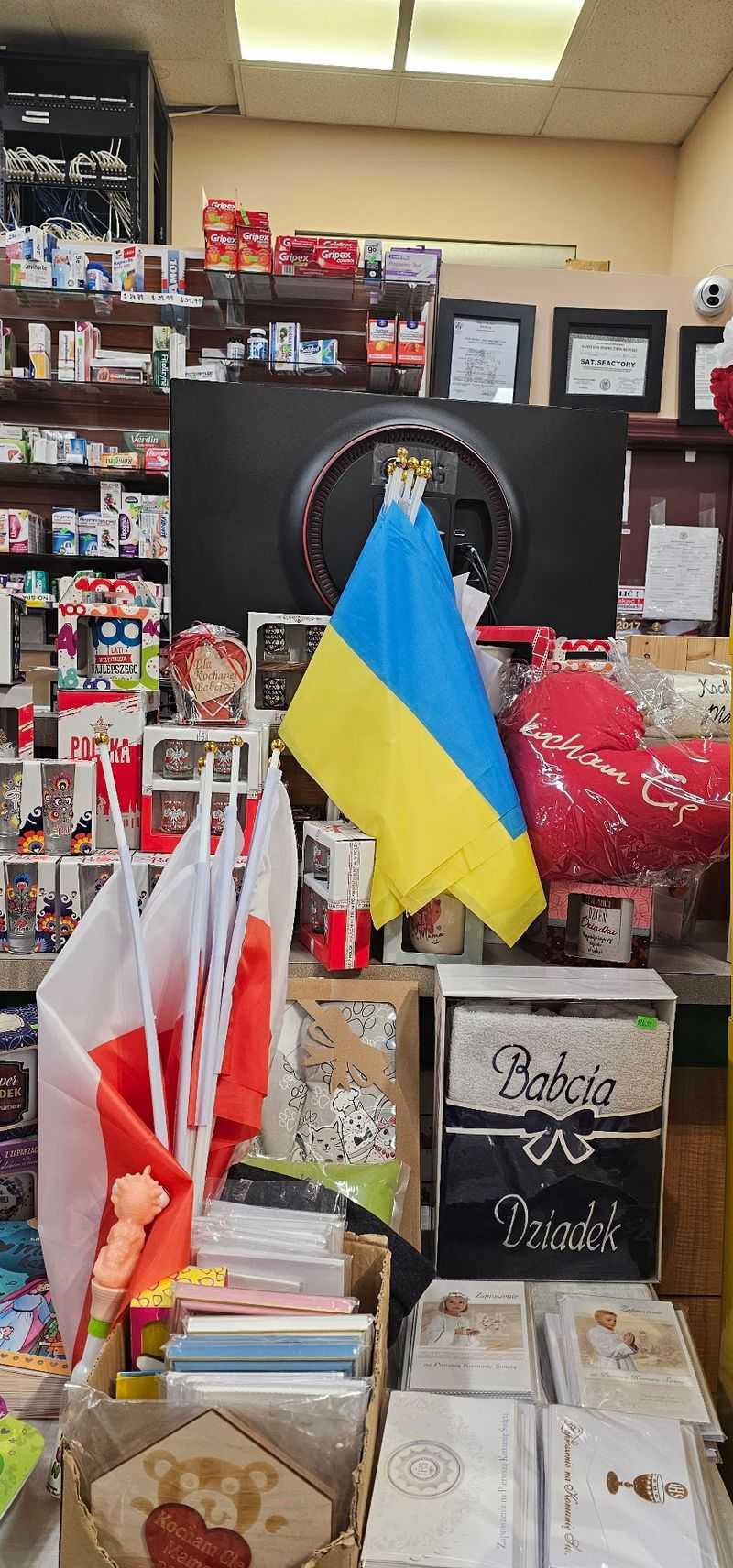
The crowd here is a mix. Polish families shop alongside neighbors from many backgrounds who simply love the food.
Plenty of non-Polish shoppers describe kind moments, such as fellow customers helping translate labels without being asked. Those small acts make a first visit far less confusing.
Staff also get credit for helpfulness, with many calling the team friendly and quick to recommend something new. In one memorable case, workers even retrieved a customer’s hat from a high spot without complaint.
That said, experiences vary. Some shoppers have described cold or curt moments at the register or hot food counter, especially during rush periods.
Going in with a friendly attitude and a little patience usually helps. Asking questions clearly and politely makes it easier for busy staff to assist.
The overall picture is a working neighborhood market, not a polished restaurant. For most people, the food is what keeps the relationship strong.
Sunday Hours and the Weekly Schedule
Timing matters, especially on the day this whole idea is built around. Sunday hours run from 7 AM to 4 PM, which is shorter than the rest of the week.
Monday through Friday, the store opens at 7:30 AM and closes at 8 PM. Saturday opens a bit earlier at 7 AM and also closes at 8 PM.
For a Sunday pierogi run, aim for late morning. That leaves time to browse the deli, bakery, and hot food station before the early close.
Late evening trips on weekdays are possible, but counters may start wrapping up before closing time. Shopping before 7:30 PM gives everyone more breathing room.
Holiday weeks deserve extra planning. Lines at the deli and bakery can build quickly when families stock up for traditional meals.
A little schedule awareness turns a rushed errand into a relaxed one. Once the clock is sorted, the last details involve parking and payment.
Parking, Payment, and Practical Pointers
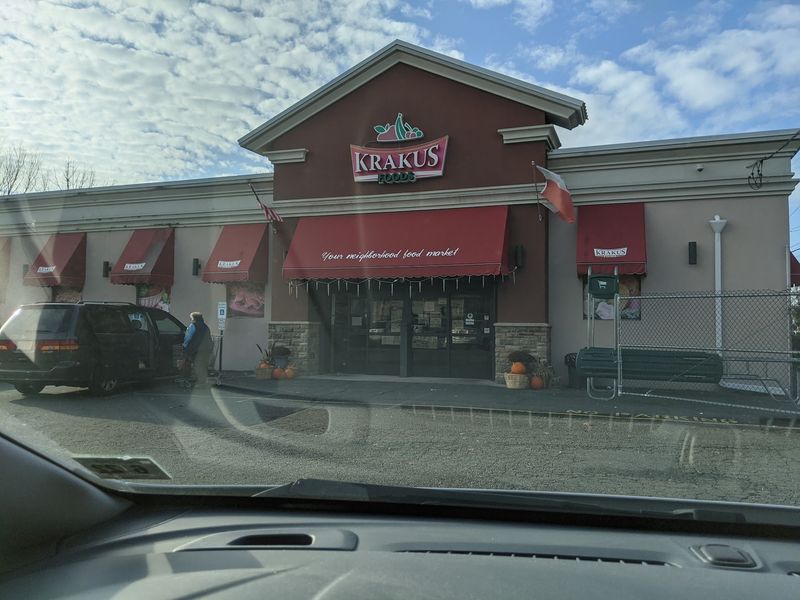
Good news for drivers: parking is not a puzzle here. The lot is large, and the entrance is wide and easy to manage with a cart.
That matters on busy Saturdays and Sunday mornings, when the store fills with weekly shoppers. Finding a space is usually far simpler than finding a booth at a packed dining hall.
Bring cash if you want to keep things simple. Card payments may carry a 3 percent fee, including debit, which has frustrated some customers.
Prices on many items are considered fair, especially for the quality and variety on offer. A frozen pierogi haul and a few deli picks can cover several family meals.
Updates and announcements are shared on the store’s Facebook page. It is worth a quick look before holidays or special bakery days.
With these basics handled, the trip becomes easy to repeat. That leaves one question: is it really a fair swap for a Sunday booth?
Trading the Booth for a Shopping Bag
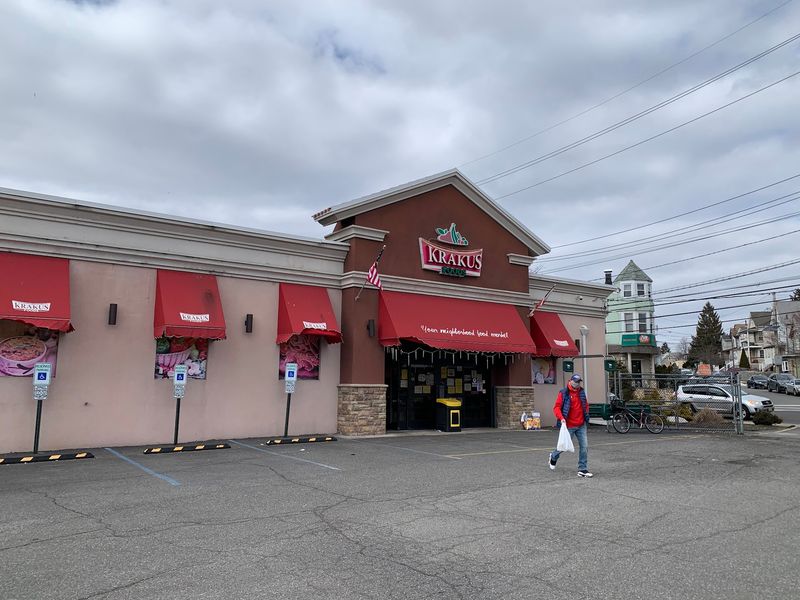
A crowded Sunday dining room has its charm, but it is not the only path to a Polish meal. This Garfield market offers a different kind of Sunday tradition.
Shoppers get pierogi in many forms, a hot food counter, a deli with smoked meats, a bakery, and aisles of imported staples. All of it fits in one stop with easy parking.
The service can be uneven at times, and a few smart habits help. Watch the slicing, check dates, carry cash, and arrive with time to spare.
In return, families gain flexibility. Dinner can happen at home, on any schedule, with enough leftovers for Monday.
For those who love Polish food, this is a reliable place to stock up. For curious newcomers, it is an easy and welcoming introduction to the cuisine.
The booth can wait for another weekend. This Sunday, the best seat might be the one at your own kitchen table.
Enjoyed this story?
Add Fast Food Club as a preferred source to see more of our reporting on Google.