


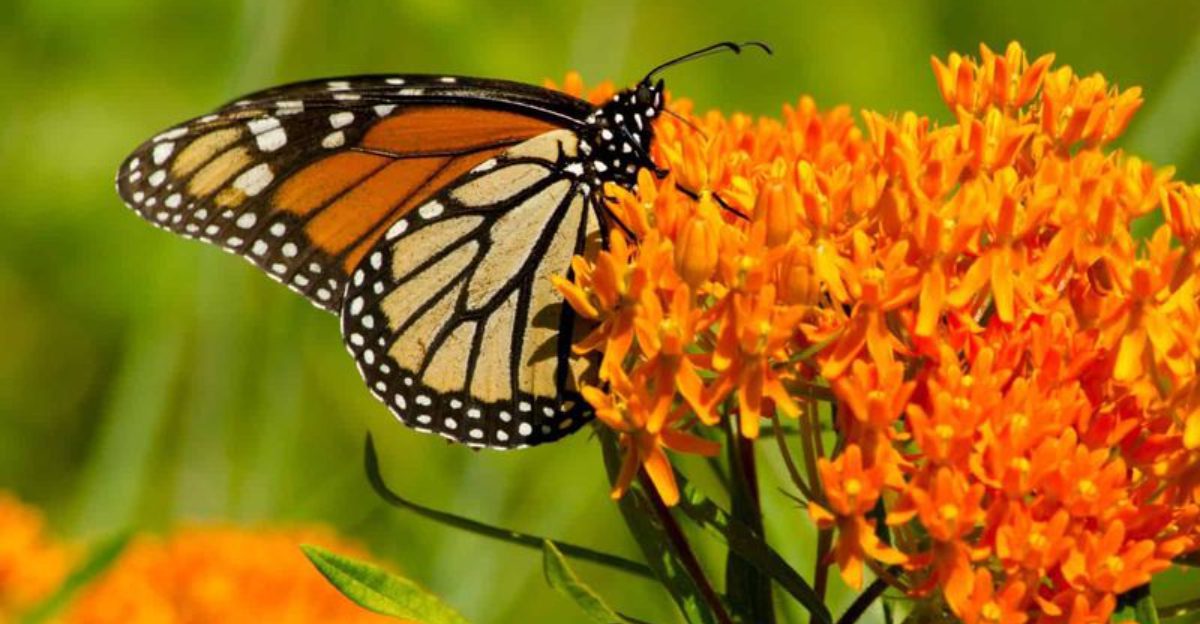
Florida is a butterfly paradise, and the right plants can turn your backyard into a colorful, fluttering wonderland. From the Gulf Coast to the Panhandle, the state’s warm climate makes it possible to grow a wide variety of nectar-rich and host plants year-round.
Whether you’re a seasoned gardener or just getting started, adding butterfly-friendly plants is one of the easiest ways to bring life and beauty to your outdoor space. Here are 23 amazing plants that butterflies absolutely love.
Milkweed
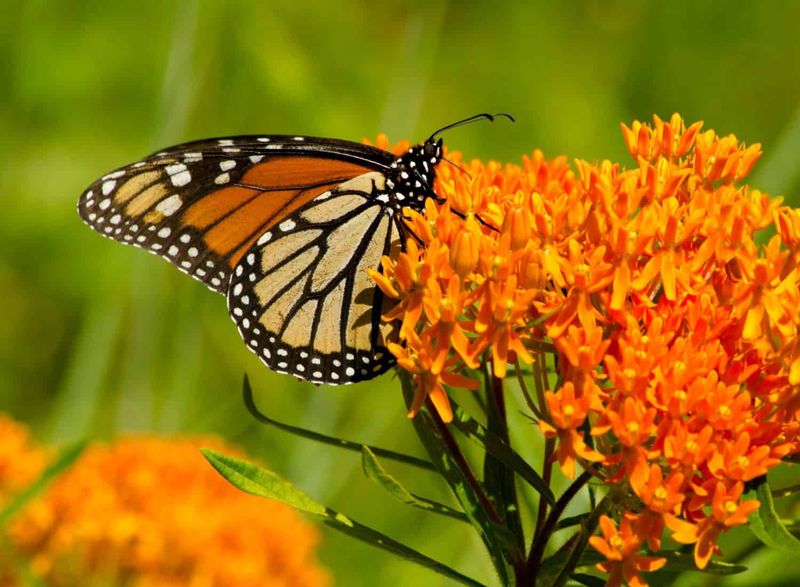
No plant is more famous in the butterfly world than milkweed. It’s the only plant monarch butterflies will lay their eggs on, making it essential for their survival.
Without it, monarchs simply cannot reproduce.
Florida has several native milkweed species, including Butterfly Weed and Swamp Milkweed. Plant it in a sunny spot with well-drained soil.
Once established, it’s tough, low-maintenance, and incredibly rewarding to watch as caterpillars munch away.
Firebush
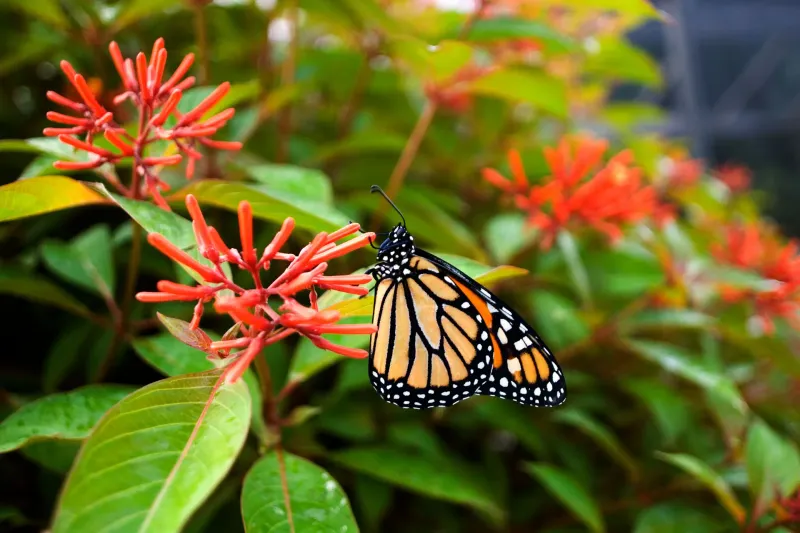
Firebush earns its name from the blazing red and orange clusters of flowers that practically glow in the garden. Native to Florida, this hardy shrub thrives in heat and humidity without much fuss.
Butterflies, hummingbirds, and bees all flock to its nectar-rich blooms.
It grows fast and can reach six feet tall, making it a great backdrop plant. Plant it in full sun to partial shade and watch your garden come alive with winged visitors almost immediately.
Pentas
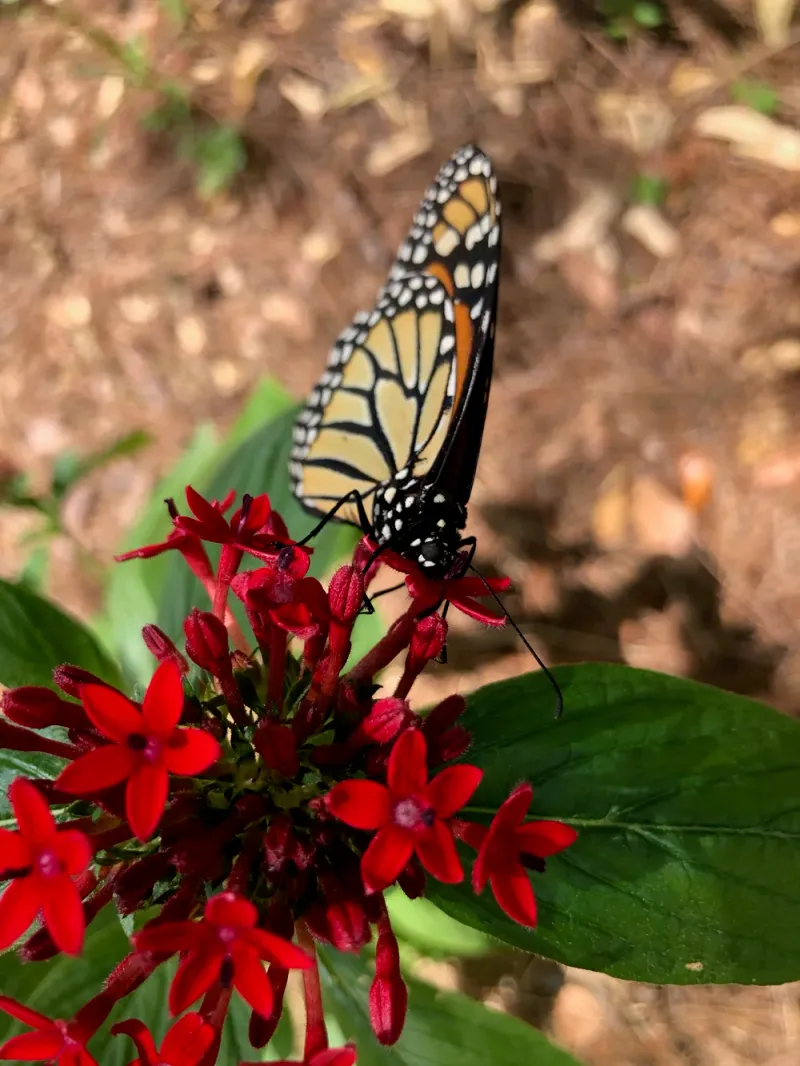
If you want constant color and constant butterflies, pentas delivers on both fronts. These cheerful star-shaped flowers bloom in shades of red, pink, white, and lavender throughout Florida’s long growing season.
Swallowtails and skippers especially love them.
Pentas thrives in full sun and tolerates Florida’s heat like a champion. It works beautifully in containers or garden beds.
Deadhead spent flowers regularly to encourage new blooms and keep the butterfly buffet going strong all season long.
Blue porterweed
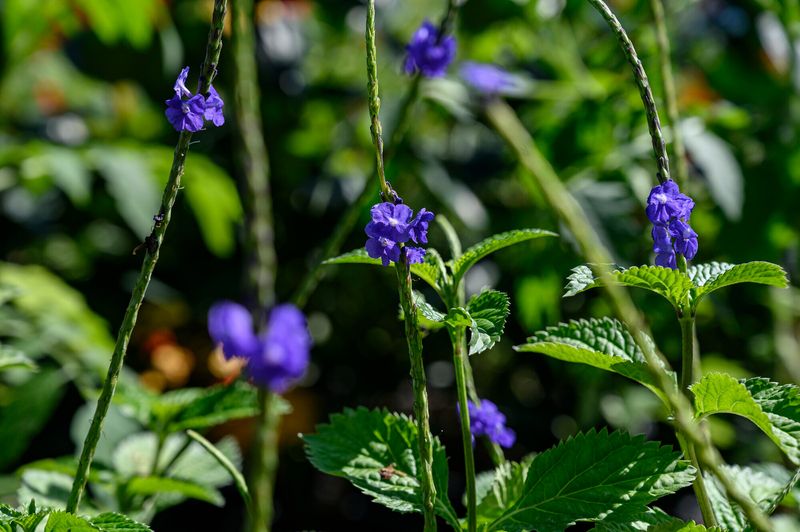
Blue porterweed is a low-growing Florida native that punches way above its weight when it comes to attracting butterflies. Its tiny violet-blue flowers bloom on long spikes and are especially popular with skippers and small swallowtails.
It also serves as a host plant for the tropical buckeye butterfly.
This plant loves heat and full sun, making it perfectly suited for Florida’s climate. It spreads nicely as a ground cover and requires very little care once it gets going.
Blanket flower
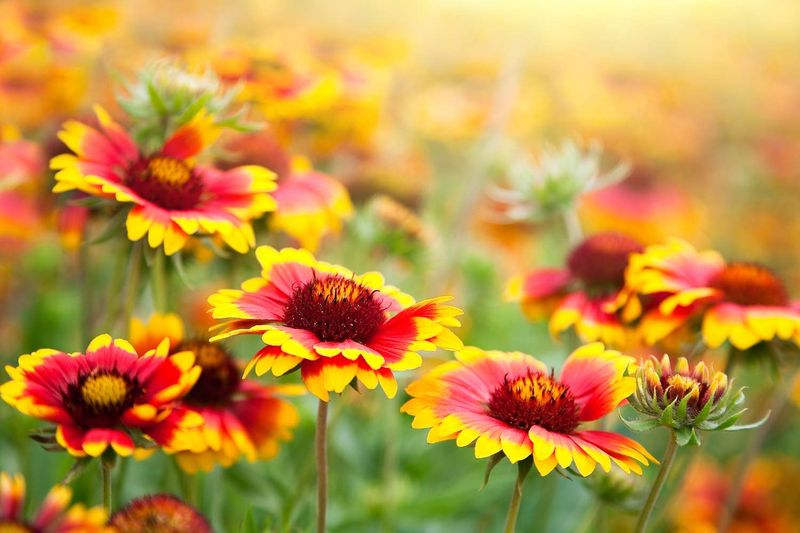
Bold, bright, and built for Florida’s sunshine, blanket flowers are a summer staple that butterflies simply cannot resist. Their red and yellow petals radiate outward like little sunbursts, attracting monarchs, fritillaries, and skippers by the dozen.
They’re also native to much of the southeastern United States.
Blanket flowers prefer well-drained soil and full sun. They’re drought-tolerant once established, which makes them a smart pick for Florida gardeners dealing with dry spells.
Plus, they bloom for months without much intervention needed.
Coreopsis
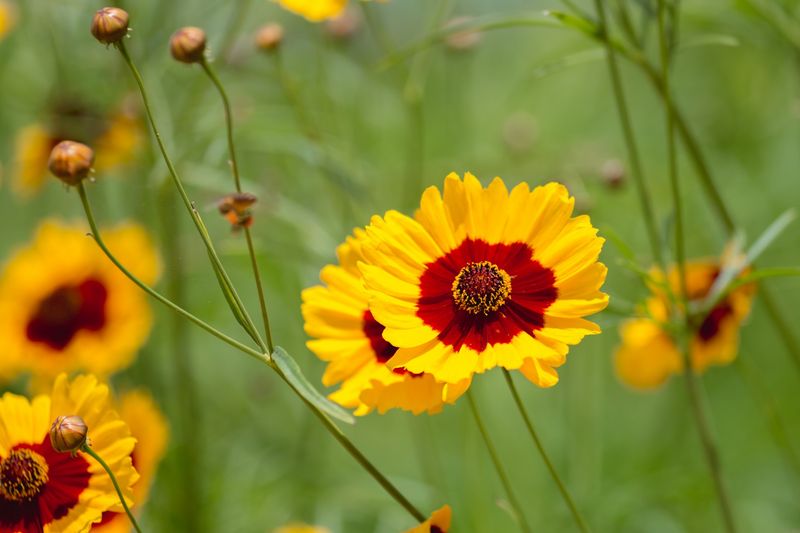
Florida’s official state wildflower is no accident — coreopsis is tough, cheerful, and absolutely loved by butterflies. Its golden-yellow blooms carpet roadsides and gardens alike from spring through fall.
Skippers, sulfurs, and fritillaries are regular visitors.
Coreopsis is easy to grow from seed and thrives in sandy, well-drained Florida soil. It needs full sun and minimal watering once established.
Scatter seeds in a naturalized area and let it spread on its own for a beautiful, wildlife-friendly wildflower meadow effect.
Tropical sage
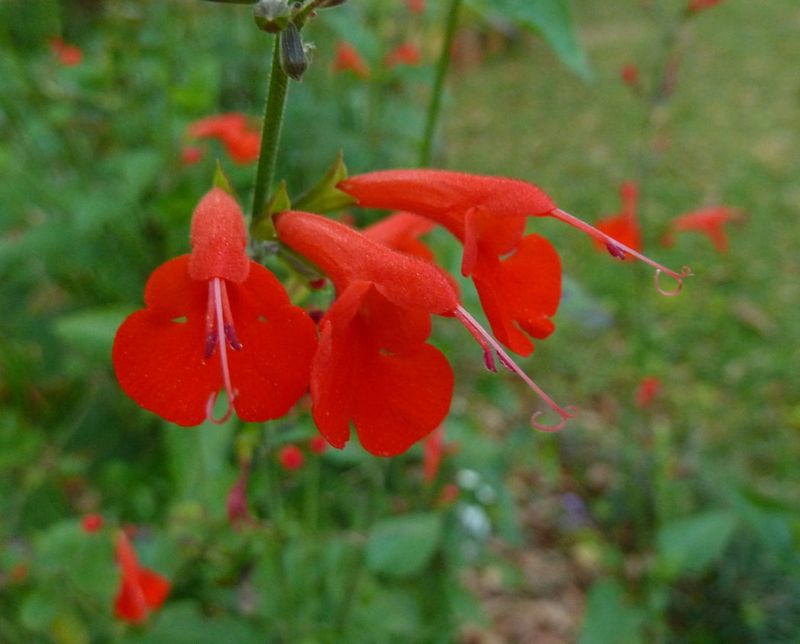
Tropical sage might just be one of Florida’s most underappreciated native plants. Its slender spikes of vivid scarlet flowers bloom almost year-round in the Sunshine State, drawing in butterflies and hummingbirds with equal enthusiasm.
Swallowtails are particularly fond of it.
This plant handles Florida’s heat and humidity without complaint. It grows well in partial shade to full sun and spreads naturally through self-seeding.
Once you plant it, tropical sage tends to pop up in new spots each year, which is a welcome surprise.
Passionflower
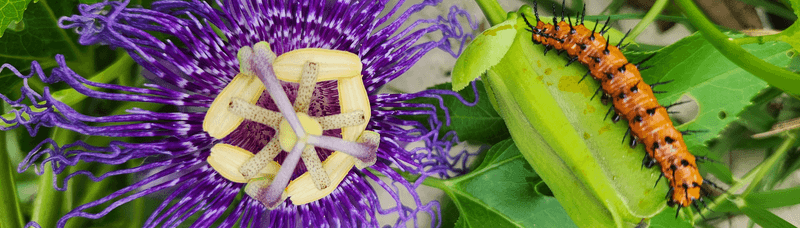
Few flowers stop people in their tracks quite like passionflower. Its exotic, otherworldly blooms look almost too beautiful to be real, with intricate purple and white patterns.
But beyond its looks, passionflower is a critical host plant for gulf fritillary and zebra longwing butterflies — Florida’s state butterfly.
This vigorous vine grows quickly and loves to climb fences or trellises. It thrives in full sun and well-drained soil.
Once established, it can spread enthusiastically, so give it plenty of room to roam freely.
Coral honeysuckle
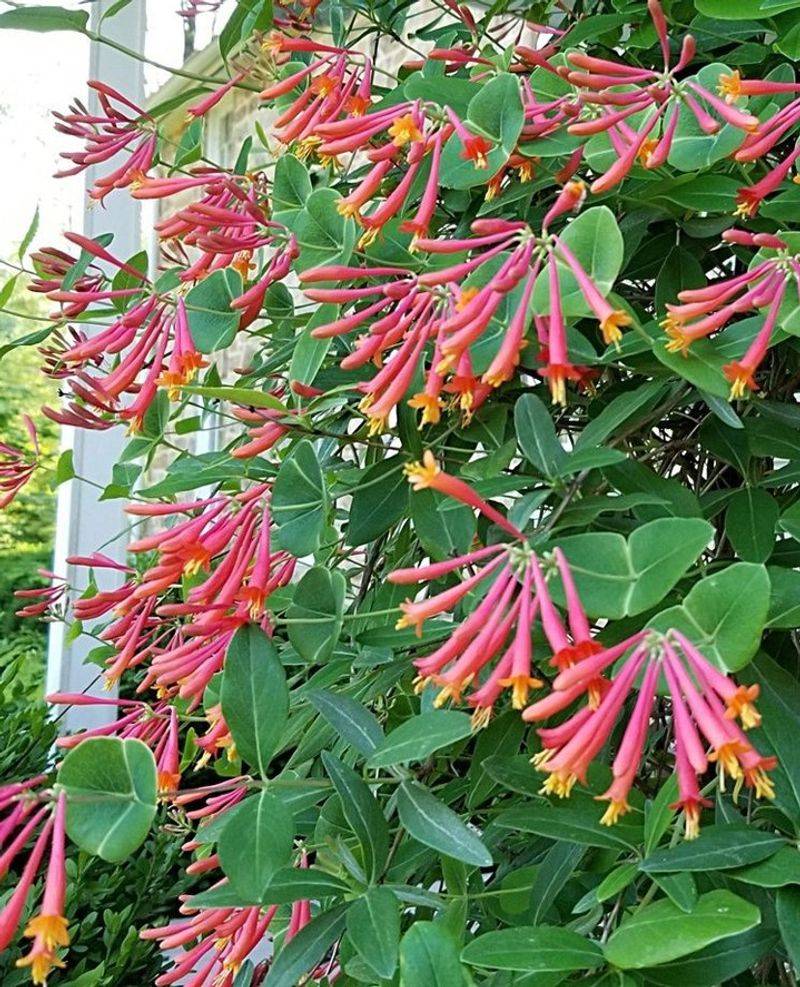
Coral honeysuckle is the native, better-behaved cousin of the invasive Japanese honeysuckle, and Florida’s butterflies are huge fans. Its trumpet-shaped red and orange flowers are loaded with nectar, attracting zebra longwings, sulfurs, and hummingbirds throughout the warmer months.
It’s also a host plant for snowberry clearwing moths.
This twining vine grows well on fences, arbors, or trellises in full sun to partial shade. It’s drought-tolerant once established and stays well-behaved in the landscape without taking over aggressively.
Mistflower
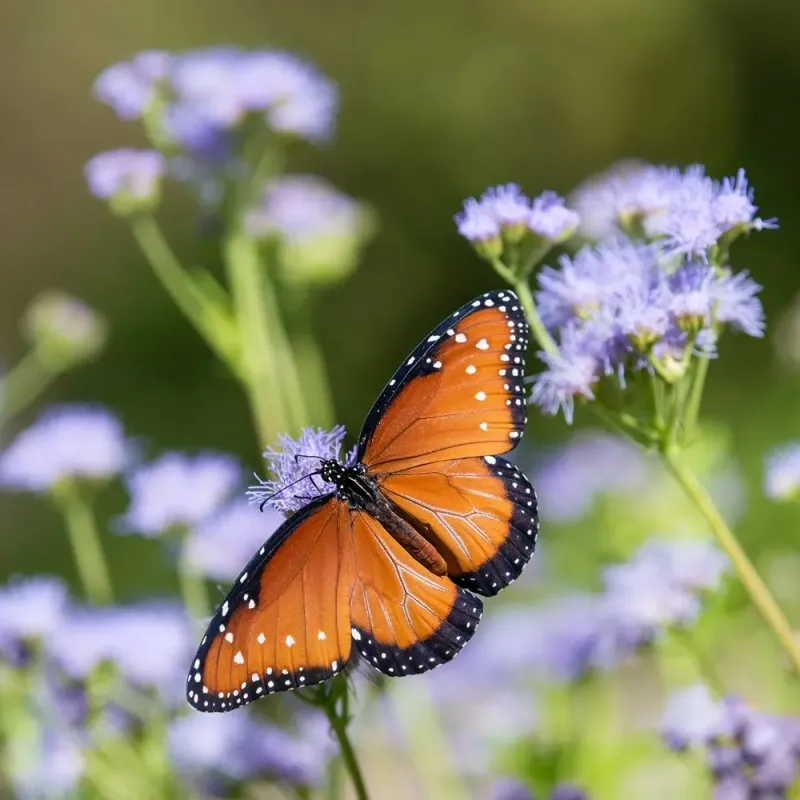
Mistflower gets its dreamy name from the soft, hazy clouds of blue-purple blooms that appear in fall — right when migrating monarchs are passing through Florida. It’s one of the most important late-season nectar sources for butterflies heading south for the winter.
This Florida native grows well in moist areas and partial shade, making it useful for spots where other plants struggle. It spreads by runners and can form dense patches over time.
Plant it along pond edges or shaded garden borders for best results.
Goldenrod
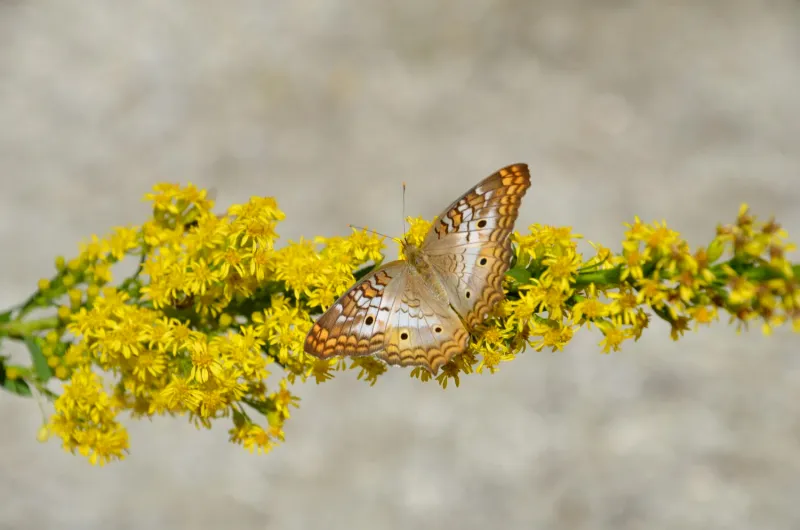
Goldenrod gets a bad reputation because people blame it for fall allergies — but that’s actually ragweed’s fault. Goldenrod is a superstar native wildflower that supports an enormous number of pollinators, including dozens of butterfly species.
Its bright yellow plumes are a late-season feast for monarchs and many others.
Florida has several native goldenrod species that grow well in sunny, well-drained spots. They’re low-maintenance and spread naturally over time.
Adding goldenrod to a wildflower garden creates a stunning autumn display that wildlife absolutely adores.
Verbena
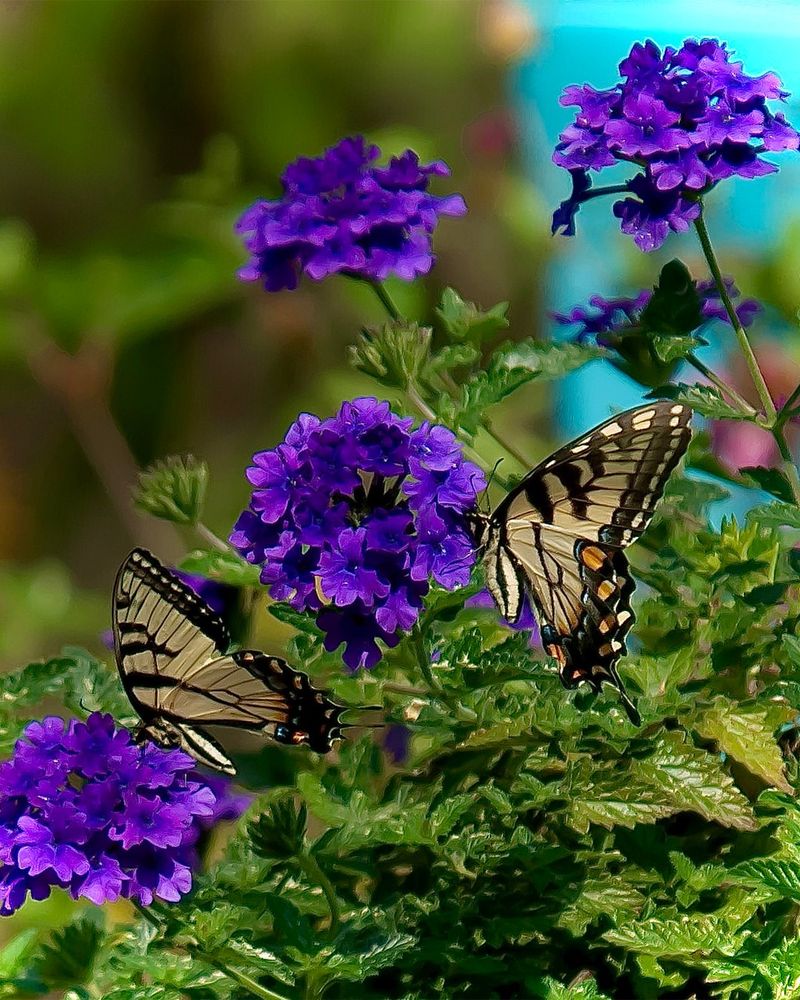
Verbena is a butterfly magnet that earns its keep in Florida gardens season after season. Its dense clusters of tiny flowers come in purple, pink, red, and white, offering something for almost every butterfly species.
Monarchs, painted ladies, and swallowtails are especially drawn to it.
It grows well in full sun with good drainage and handles Florida’s heat without wilting. Trailing verbena works beautifully in hanging baskets or spilling over raised beds.
Upright varieties make excellent border plants that bloom prolifically with minimal deadheading required.
Ageratum
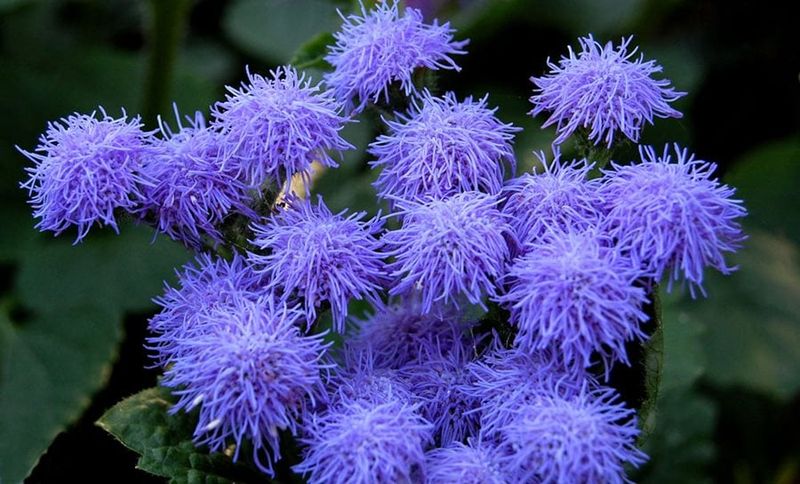
Ageratum’s soft, powder-puff flowers in shades of blue, purple, and pink are surprisingly powerful butterfly attractors. Skippers and small swallowtails are especially fond of these low-growing beauties.
The long bloom season makes ageratum one of the most reliable nectar sources in a Florida butterfly garden.
It grows best in full sun to light shade and prefers moist, well-drained soil. Ageratum works wonderfully as a border plant or in container gardens.
Keep it watered during dry spells and it will reward you with blooms from spring through early winter.
Salvia leucantha
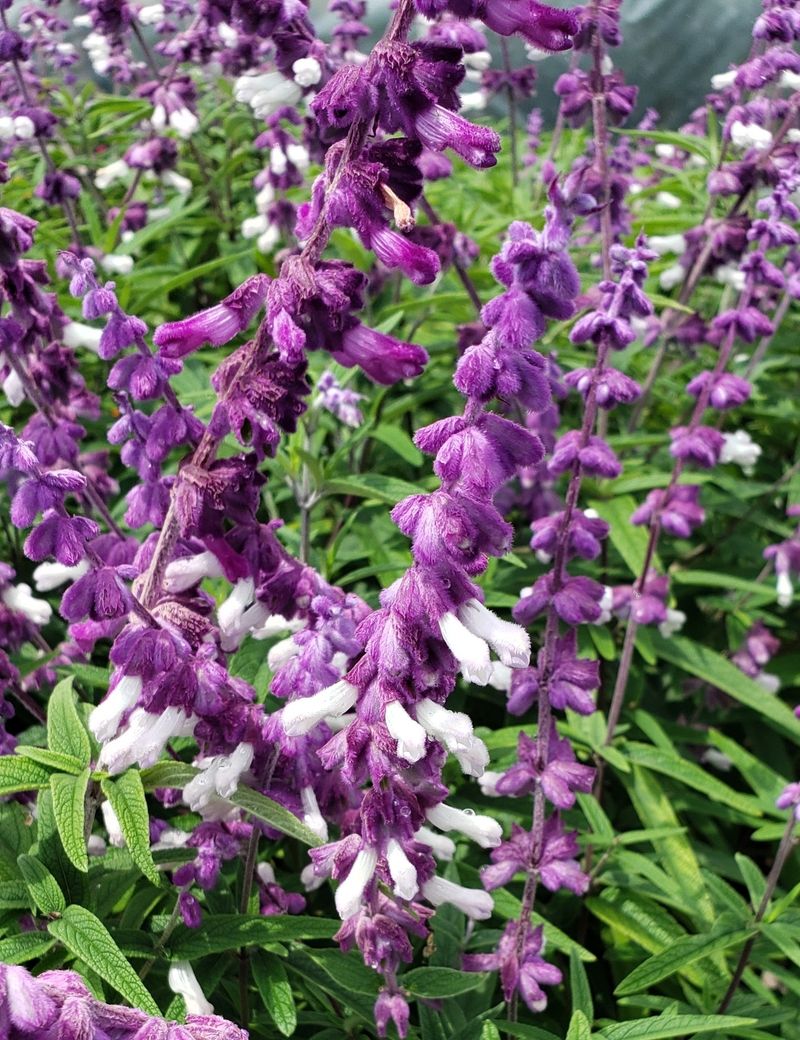
Salvia leucantha, commonly called Mexican bush sage, brings a touch of drama to the Florida garden with its long, arching spikes covered in velvety purple and white flowers. Butterflies, bees, and hummingbirds find these spikes irresistible, especially in the fall when other plants are winding down.
This robust perennial grows tall — sometimes four to five feet — and looks stunning as a backdrop in mixed garden borders. It thrives in full sun and well-drained soil with minimal watering once established in Florida’s landscape.
Mexican sunflower
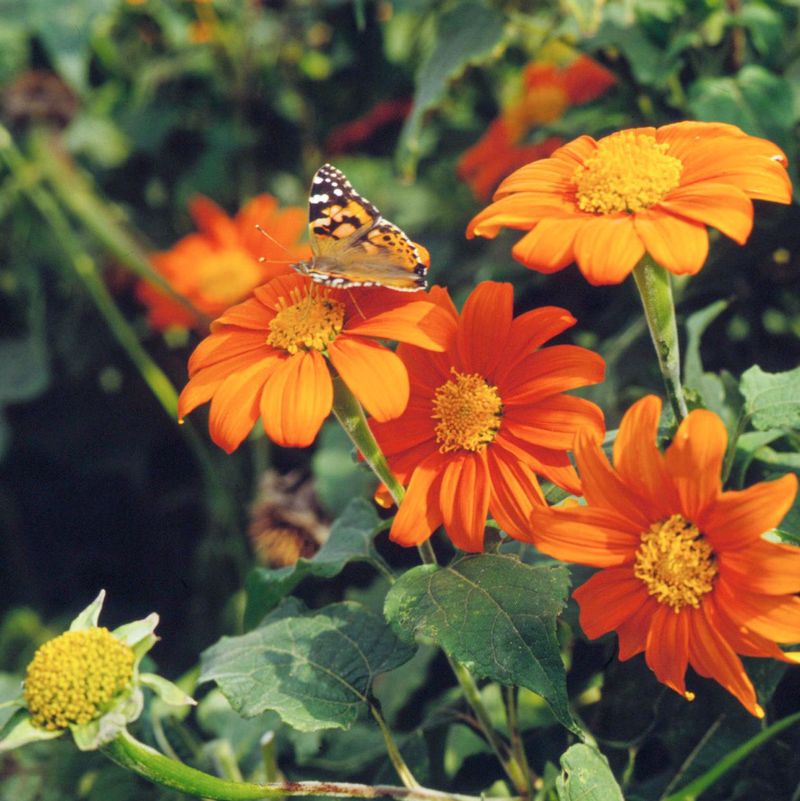
Mexican sunflower is a showstopper. Growing up to six feet tall with blazing orange blooms the size of small plates, it commands attention in any garden.
Giant swallowtails and monarchs are frequent visitors, drawn to the generous supply of nectar hidden in each flower.
Plant it in full sun and give it room to grow — this is not a small plant. It’s an annual in most of Florida but reseeds readily.
Water regularly when young, then ease back as it establishes itself in the warm summer soil.
Joe-Pye weed
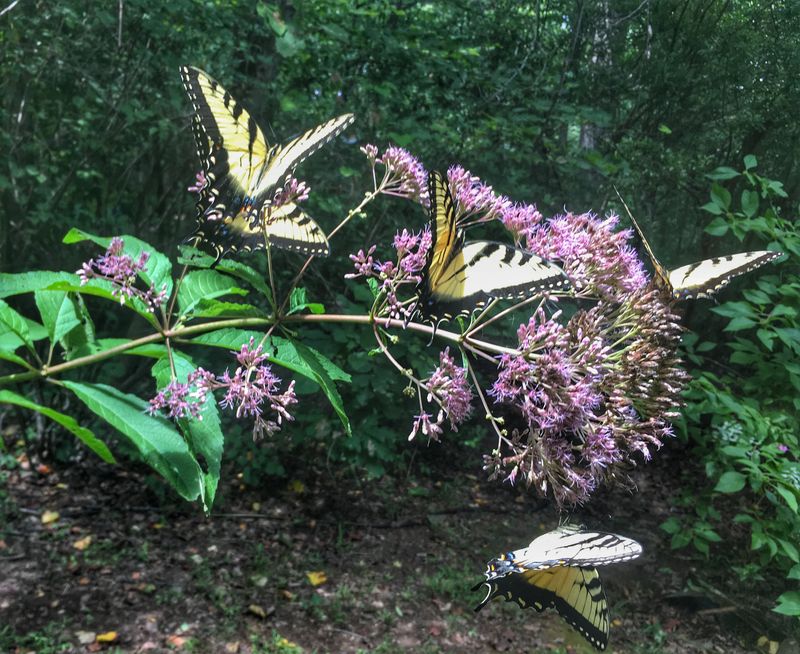
Joe-Pye weed sounds like something from a swamp, but this tall, native wildflower is actually one of the most beloved butterfly plants in the eastern United States. Its large, dusty-pink flower clusters appear in late summer and fall, drawing in monarchs, swallowtails, and fritillaries in impressive numbers.
It grows best in moist, partially shaded spots and can reach impressive heights of five to seven feet. Joe-Pye weed is perfect for the back of a garden border or planted near a water feature where moisture is more consistent.
Elliott’s aster
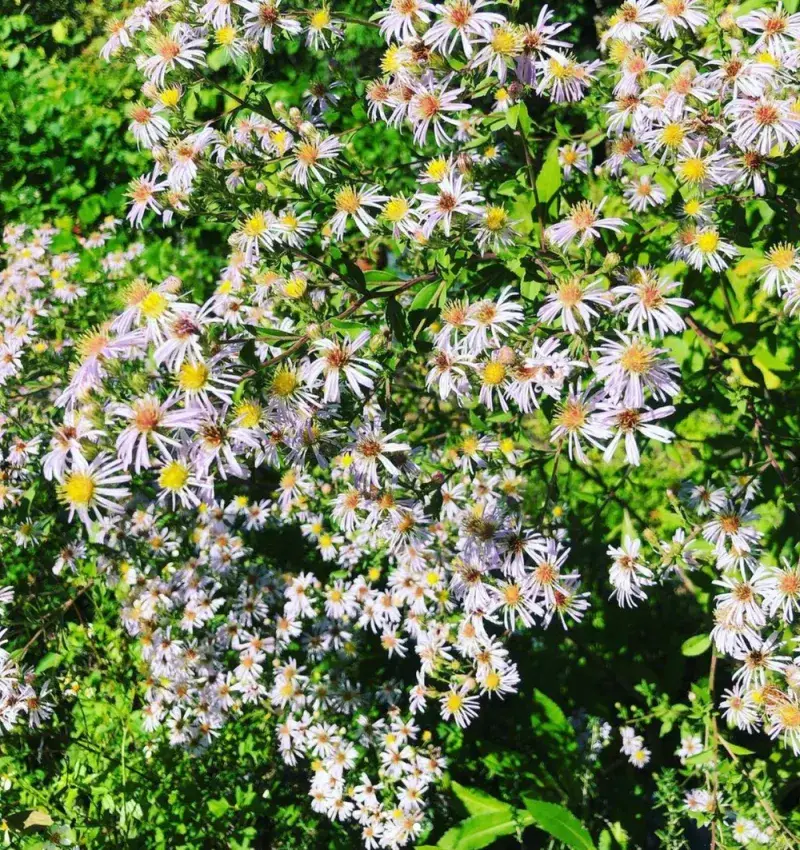
When most Florida plants are fading in autumn, Elliott’s aster is just getting started. This Florida native bursts into bloom in fall, covering itself in clouds of small lavender and white daisy-like flowers that monarchs, skippers, and sulfurs absolutely swarm.
It’s a critical fuel stop for migrating butterflies.
Elliott’s aster grows well in full sun to partial shade and tolerates a range of soil types, including moist and slightly acidic conditions. It spreads naturally and can form impressive colonies over time, creating a stunning fall wildflower display.
Spiderwort
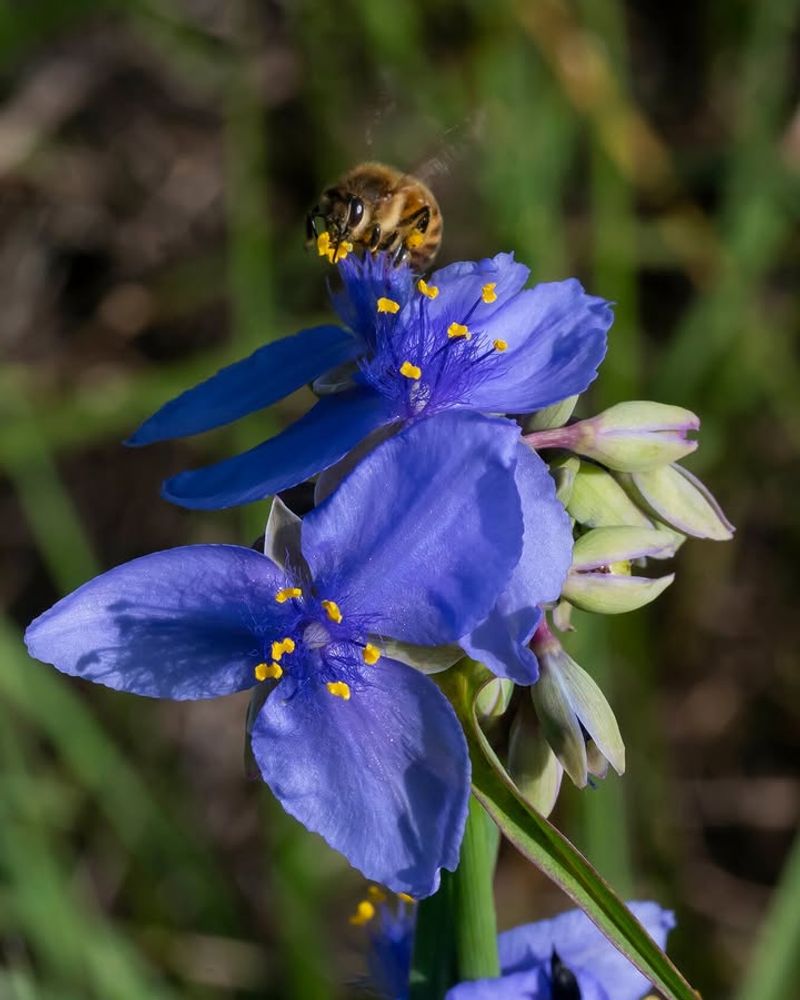
Spiderwort has one of the most striking flowers in the native plant world — three perfectly symmetrical purple petals surrounding bright yellow stamens. It’s a Florida native that blooms in early spring, providing nectar at a time when many other plants haven’t woken up yet.
It grows best in partial shade with moist soil, making it ideal for woodland gardens or shady borders. Spiderwort tends to go dormant in summer heat but returns reliably each year.
Plant it alongside other shade-tolerant natives for a layered, natural-looking garden design.
Tickseed
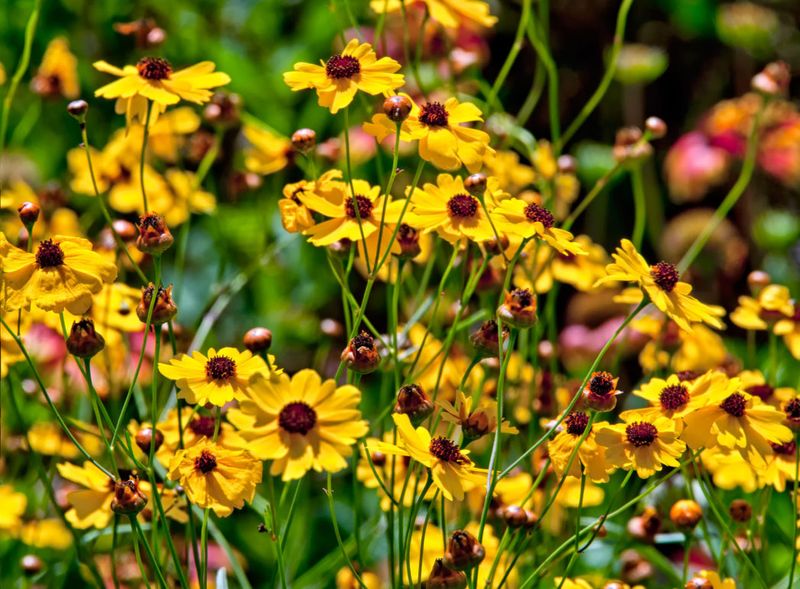
Tickseed is closely related to coreopsis and is just as beloved by Florida’s butterfly population. Its cheerful yellow flowers bloom abundantly in sunny spots and are a favorite of sulfur butterflies, skippers, and painted ladies.
Florida has several native tickseed species that are perfectly adapted to local conditions.
It thrives in sandy, well-drained soils and full sun — conditions that Florida has in abundance. Tickseed is a great choice for naturalized areas or wildflower meadows.
It self-seeds freely, so once you plant it, it tends to stick around and spread happily.
Stokes’ aster
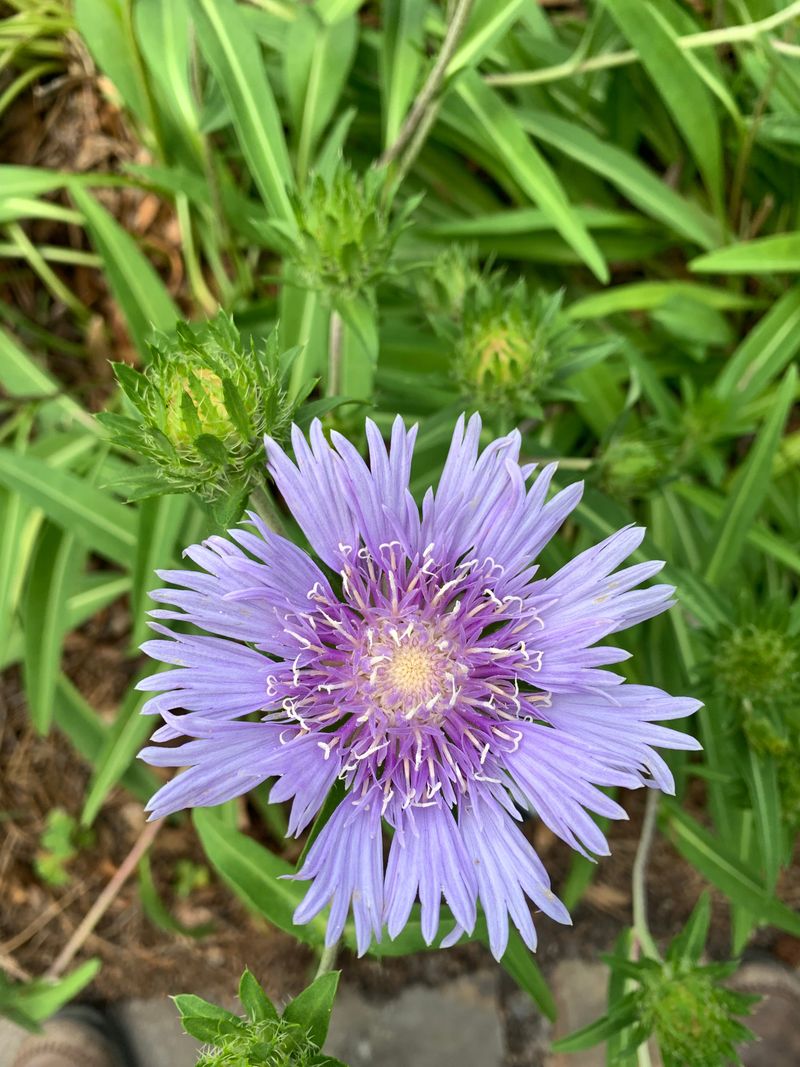
Stokes’ aster is a Florida native with oversized, fringed flower heads in shades of lavender, blue, and white that look almost tropical. Despite its showy appearance, it’s surprisingly tough and low-maintenance.
Swallowtails and bumblebees are particularly fond of its generous blooms.
It grows well in full sun to partial shade and prefers moist, well-drained soil. Stokes’ aster blooms in late spring and early summer, filling a gap when some other butterfly plants haven’t started yet.
It’s a wonderful addition to pollinator gardens throughout northern and central Florida.
Lantana
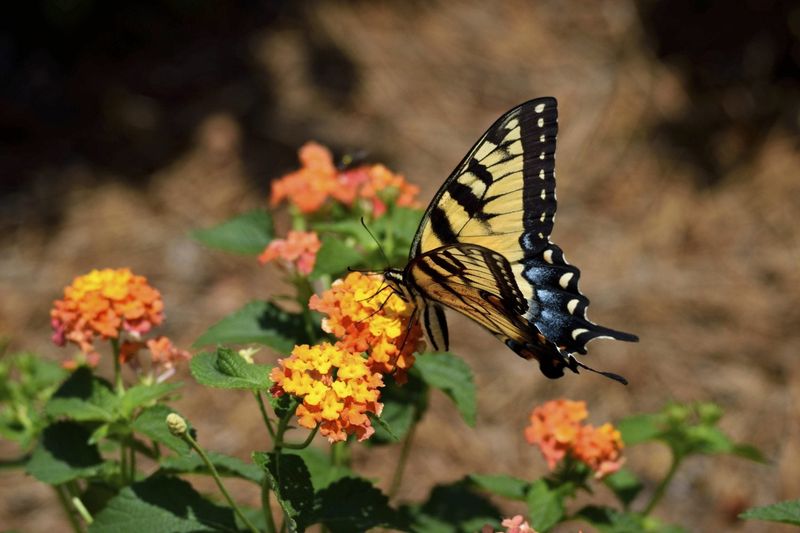
Ask any Florida butterfly gardener for their top recommendation and lantana will almost always top the list. Its multicolored flower clusters — often mixing orange, yellow, pink, and red — are like a buffet that butterflies cannot walk away from.
Monarchs, swallowtails, and skippers pile on whenever it blooms.
Lantana thrives in heat, drought, and full sun, making it practically indestructible in Florida. Native species are preferred over invasive cultivars.
It blooms nearly year-round in South Florida, giving butterflies a reliable food source through every season of the year.
Porterweed
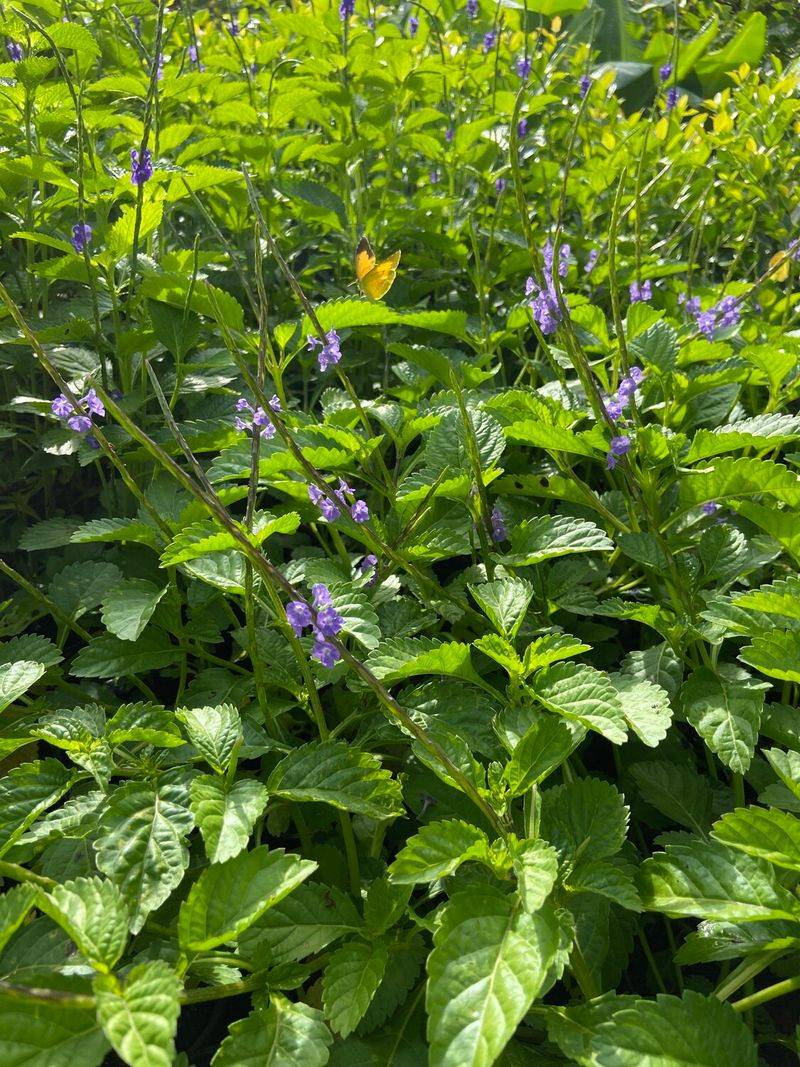
Porterweed grows like it has somewhere important to be — fast, enthusiastic, and full of purpose. Its long, arching spikes of tiny purple flowers are irresistible to skippers, hairstreaks, and tropical buckeye butterflies.
It also serves as a host plant, making it doubly valuable in a butterfly garden.
This plant loves Florida’s heat and full sun. It grows quickly and can get quite large, so give it space.
Trim it back occasionally to encourage fresh new growth and a continuous supply of butterfly-ready blooms throughout the warm months.
Scaevola
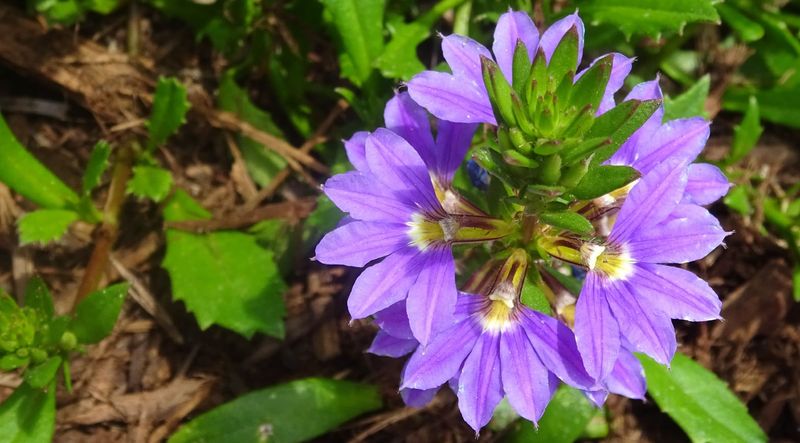
Scaevola, sometimes called fan flower, brings a beachy, coastal vibe to the Florida garden with its unique fan-shaped blooms in shades of lavender, pink, and white. Originally from Australia, it has adapted beautifully to Florida’s climate and is a reliable nectar source for skippers and small butterflies.
It thrives in full sun, salt spray, and sandy soil — perfect for coastal Florida gardens. Scaevola works well as a ground cover or in containers and hanging baskets.
It blooms almost continuously in warm weather, requiring only occasional trimming to stay tidy.
Enjoyed this story?
Add Fast Food Club as a preferred source to see more of our reporting on Google.