


Living near the coast in Florida is beautiful, but the salty air and sandy soil can make gardening a real challenge. The good news is that plenty of tough, gorgeous plants actually thrive in those conditions.
Whether you have a beachfront yard or a garden just a few blocks from the shore, choosing the right plants makes all the difference. Here are 20 salt-tolerant plants that will keep your coastal Florida garden looking lush and vibrant all year long.
Sea Grape
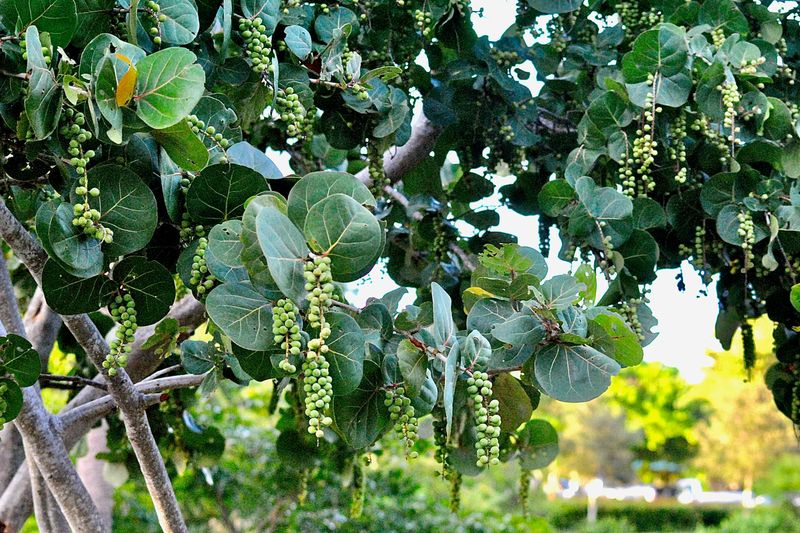
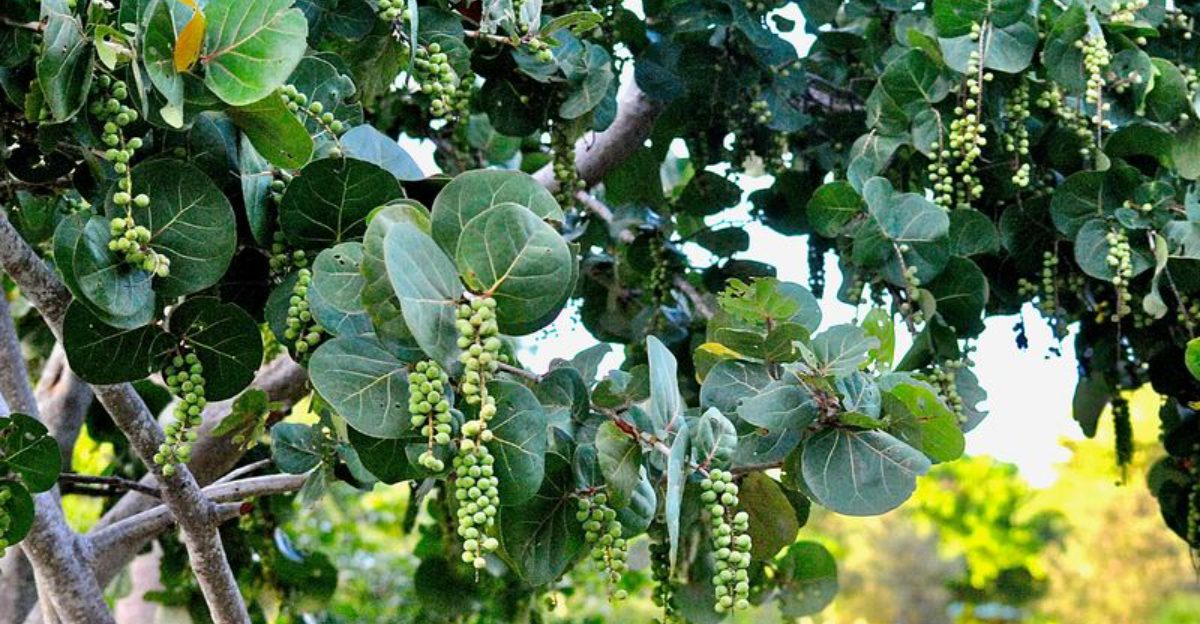
Few plants look more at home on a Florida beach than the sea grape. Its giant, round, leathery leaves turn a gorgeous red at the edges, making it a showstopper in any yard.
Sea grape grows naturally along the coast, so salty winds and sandy soil are no problem at all.
It also produces clusters of fruit that wildlife — and even people — love to eat. Plant it as a privacy hedge or let it grow into a small tree.
Cocoplum
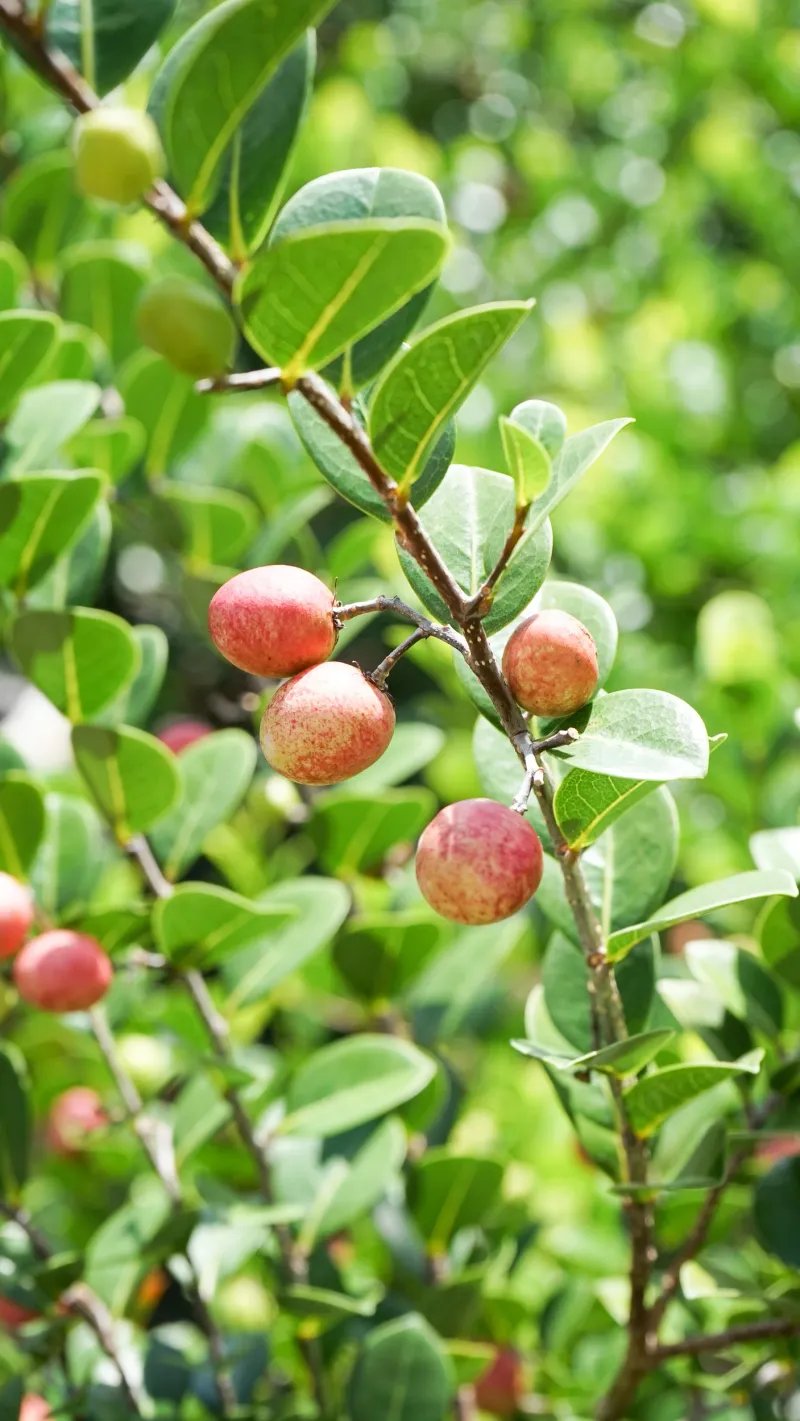
Cocoplum is one of those plants that earns its place in a Florida yard ten times over. Glossy green leaves, small edible fruits, and a naturally tidy shape make it a landscaper’s favorite along the coast.
It handles salt spray, drought, and even flooding without much complaint.
Butterflies and birds are drawn to cocoplum like a magnet. Use it as a hedge, a border plant, or a stand-alone shrub — it works beautifully in all three roles.
Railroad Vine
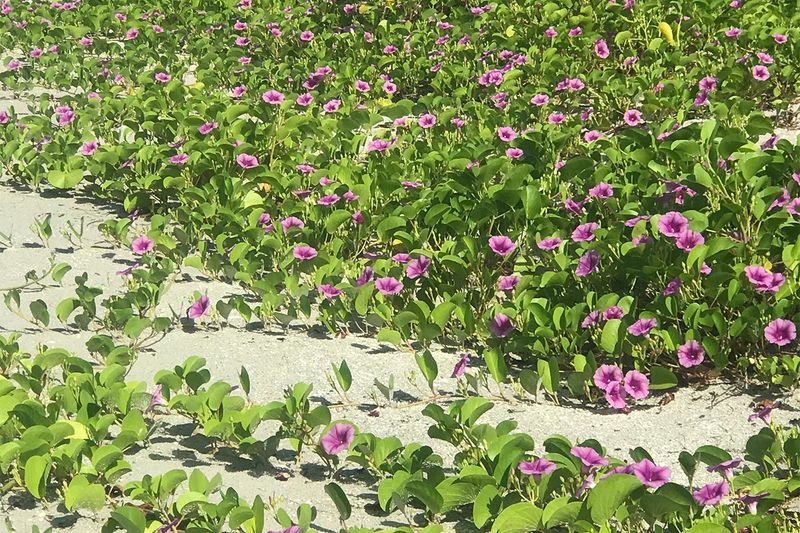
Stretching across sandy dunes like nature’s own ground cover, railroad vine is one tough plant. Its long trailing stems can spread dozens of feet, holding sand in place and preventing erosion right along the shoreline.
The bright pink, morning glory-style blooms are a cheerful bonus.
This native vine thrives in full sun and salty conditions where most plants would give up. It needs almost zero maintenance once established, making it a dream for low-effort coastal landscaping.
Beach Sunflower
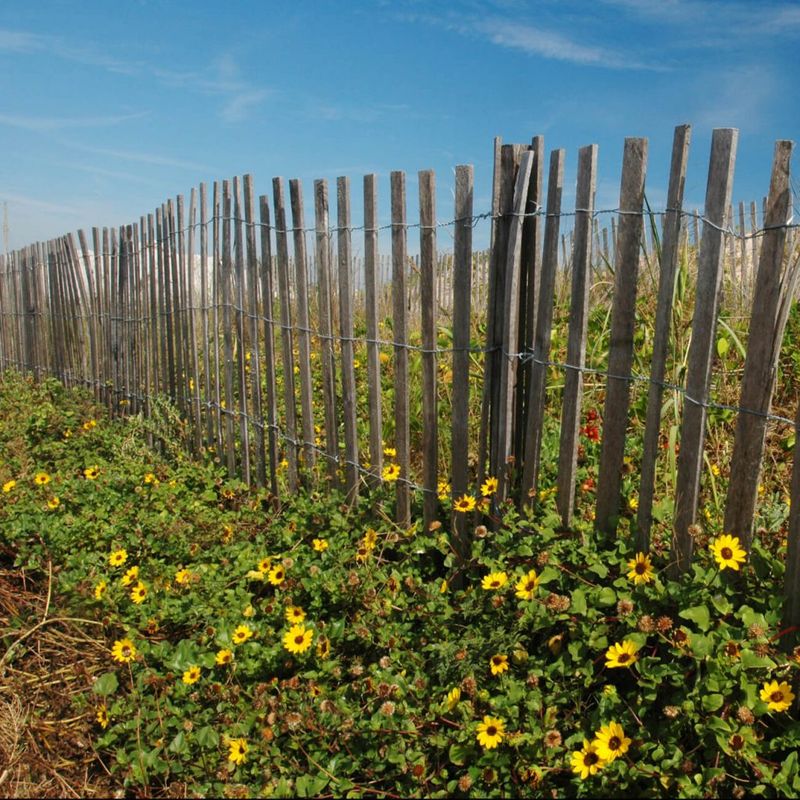
Bright yellow blooms popping up through sandy soil — that is the beach sunflower in a nutshell. This cheerful, low-growing plant spreads quickly and covers bare patches of ground with a carpet of golden flowers.
It blooms almost year-round in Florida, which is a serious win for any gardener.
Pollinators absolutely adore it, and it asks for very little in return. Full sun and well-drained sandy soil are really all it needs to put on a great show.
Saw Palmetto
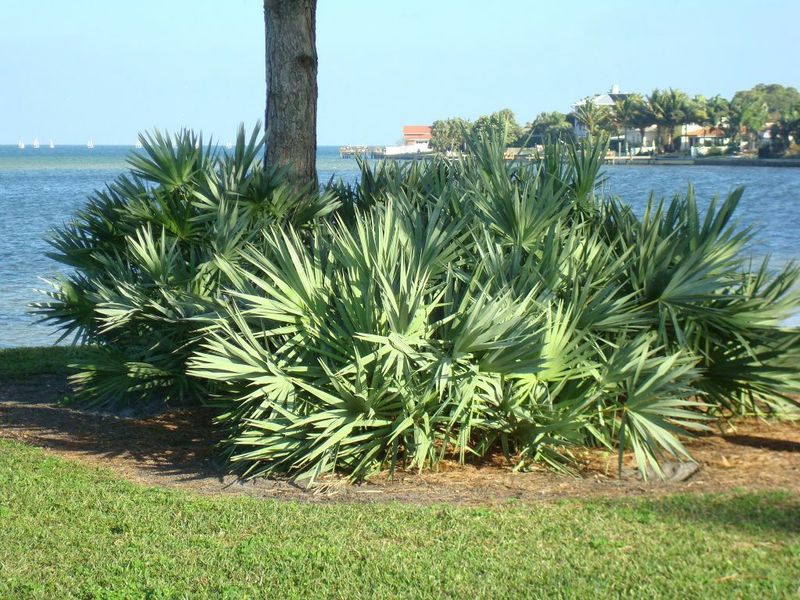
Saw palmetto has survived in Florida for thousands of years, and the salty coast has never slowed it down one bit. Its fan-shaped fronds and low, spreading form give any garden a wild, natural Florida feel that is hard to fake.
Wildlife — especially birds and small mammals — depend on its berries for food.
Once established, saw palmetto is practically indestructible. It handles drought, salt, poor soil, and heat like a seasoned pro, making it one of the most reliable native plants you can choose.
Silver Buttonwood
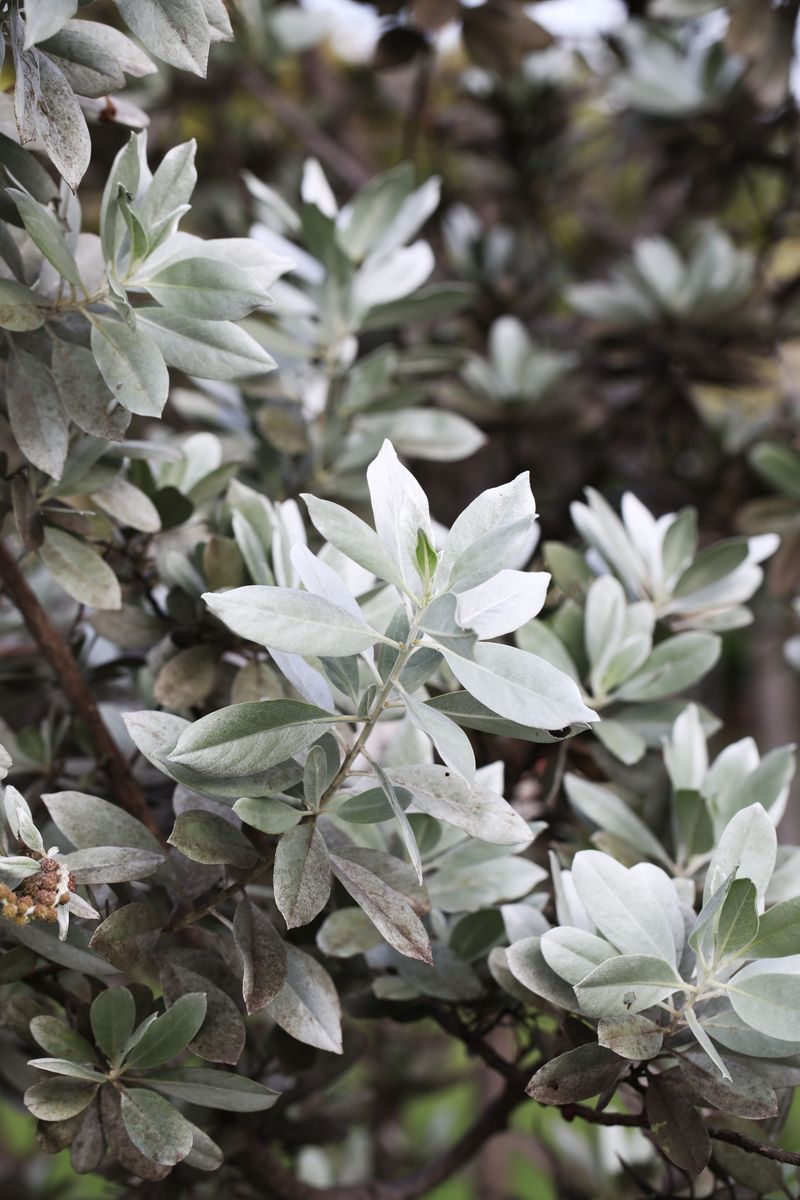
There is something almost magical about the silvery shimmer of silver buttonwood leaves catching the coastal breeze. This native Florida tree gets its gorgeous color from tiny hairs on its leaves — a clever adaptation that helps it handle salty, windy conditions near the shore.
It works equally well as a small tree or a trimmed hedge.
Gardeners love it for its year-round good looks and low maintenance needs. Plant it where you want both beauty and serious wind protection.
Green Buttonwood
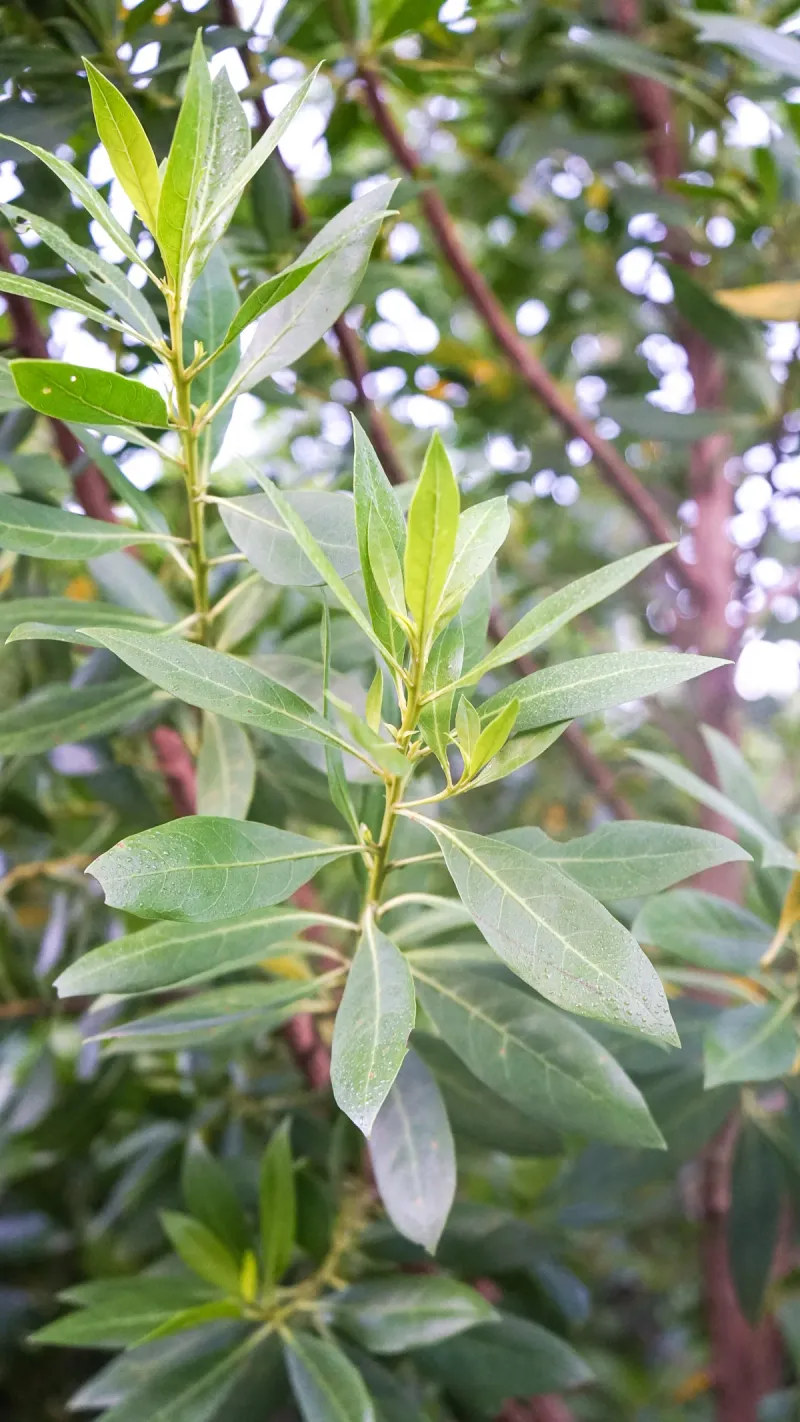
Green buttonwood is the slightly less flashy sibling of silver buttonwood, but do not let that fool you — it is every bit as tough and useful. Dark, glossy leaves and a naturally upright form make it a solid choice for windbreaks, hedges, or shade trees along the coast.
It is a Florida native that has adapted perfectly to salty, wet, and windy spots.
It also supports local wildlife and pollinators. Few trees handle waterfront conditions with as much quiet reliability as this one does.
Simpson’s Stopper
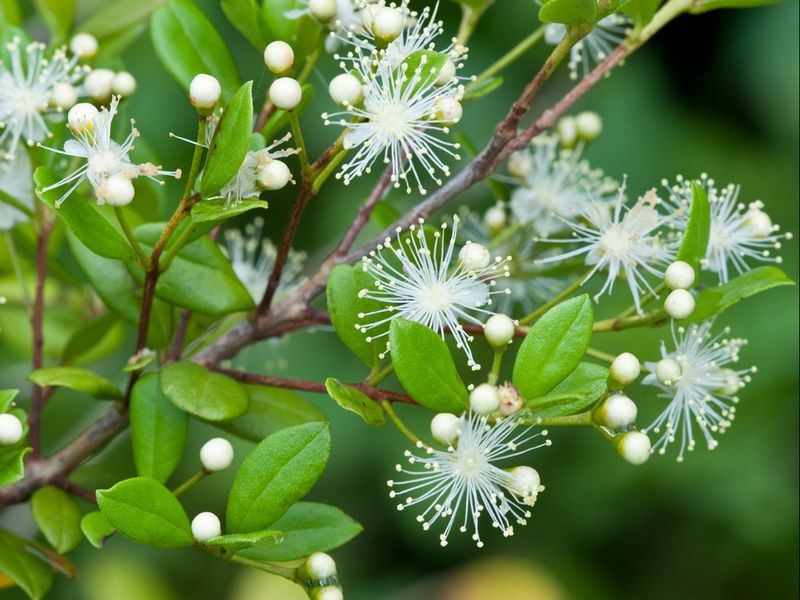
Named after a Florida botanist, Simpson’s stopper is a native gem that does not get nearly enough credit. Tiny white flowers fill the air with a sweet scent, and the bright orange-red berries that follow attract birds from all over the neighborhood.
Salt air and sandy soil do not bother it one bit.
It grows at a moderate pace and stays fairly compact, making it easy to fit into most yard sizes. Use it as a specimen plant or tuck it into a mixed hedge for year-round color.
Dwarf Yaupon Holly
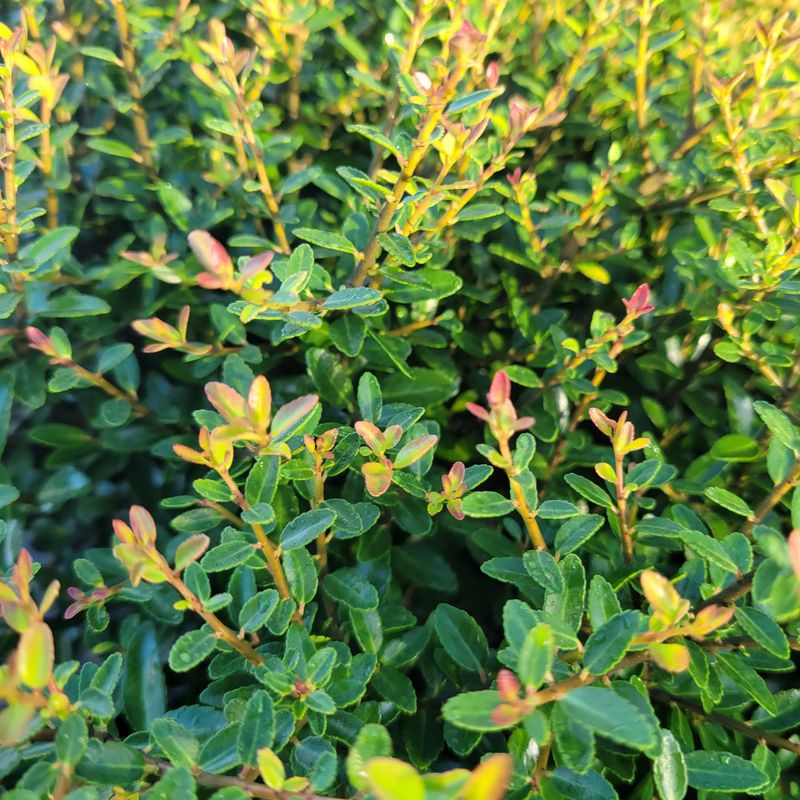
Compact, tidy, and incredibly tough — dwarf yaupon holly checks a lot of boxes for coastal Florida gardeners. It naturally stays low and rounded, which means less pruning and more time enjoying your yard.
The small red berries are a favorite snack for songbirds during the cooler months.
Salt spray, heat, and dry spells barely register as problems for this little powerhouse. It works perfectly as a low border plant, a foundation shrub, or even a mass planting to fill large open areas.
Oleander
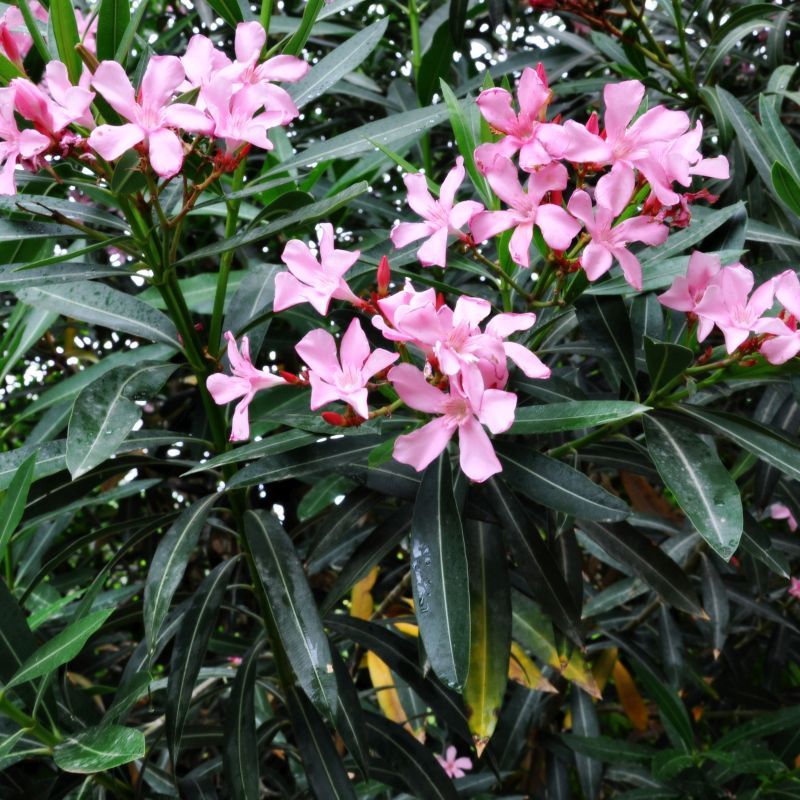
Bold, colorful, and absolutely unafraid of salt wind — oleander has been a staple of Florida coastal gardens for generations. Its clusters of flowers come in pink, red, white, and yellow, giving gardeners plenty of options for adding a pop of color near the shore.
It grows fast and forms a dense screen when planted in rows.
One important note: every part of oleander is toxic, so keep it away from children and pets. Handled with care, though, it is one of the most striking plants for a coastal yard.
Agave
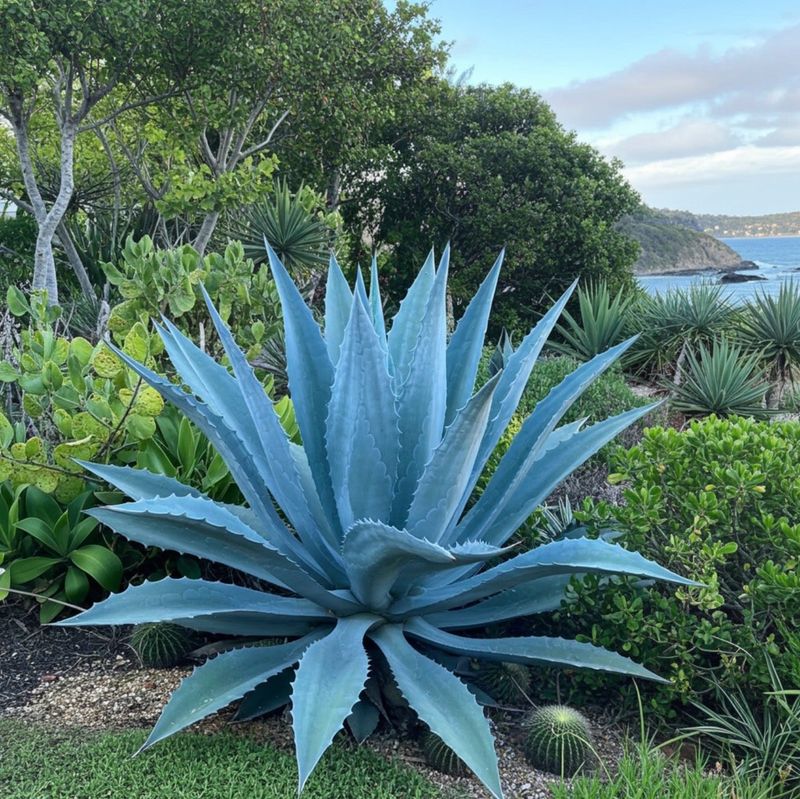
Sharp, sculptural, and almost impossibly drought-tolerant, agave brings a bold architectural look to any coastal Florida garden. Its thick, fleshy leaves store water, allowing it to handle dry spells and salty conditions that would wipe out most other plants.
Once you plant it, it basically takes care of itself.
Agave grows slowly but makes a dramatic statement in the landscape. Just give it full sun, well-drained soil, and plenty of space — those leaf tips are seriously sharp, so plant it away from walkways.
Muhly Grass
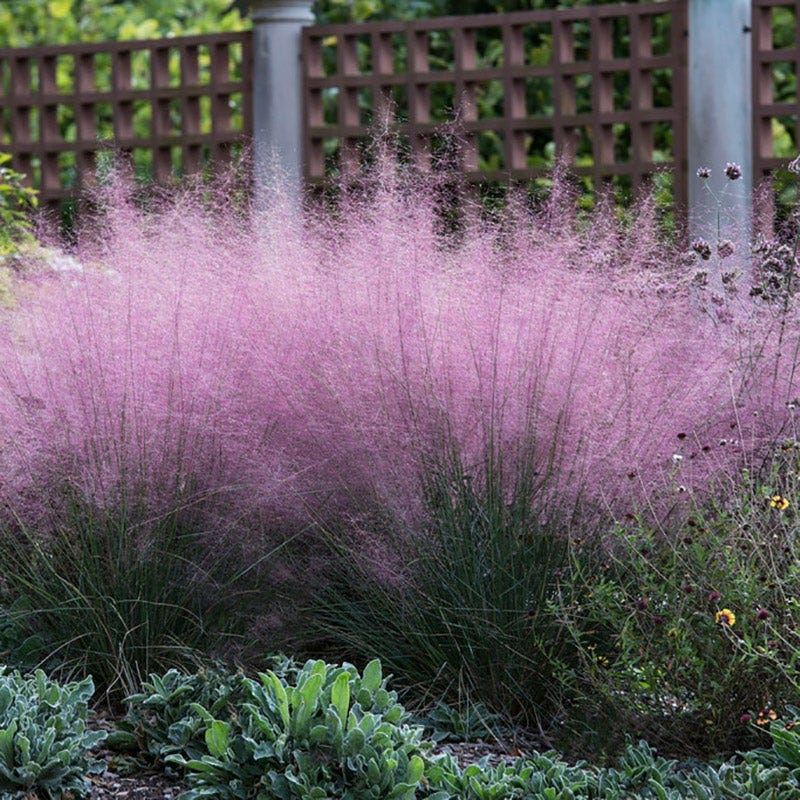
Every fall, muhly grass puts on one of the most breathtaking shows in the Florida landscape. Clouds of feathery pink and purple plumes erupt from its clumps, swaying gently in the coastal breeze like something out of a dream.
It is a Florida native that handles salt, drought, and poor sandy soil with ease.
During the rest of the year, its fine-textured green foliage adds soft, graceful movement to the garden. Plant it in drifts for maximum visual impact along fences or open garden beds.
Firecracker Plant
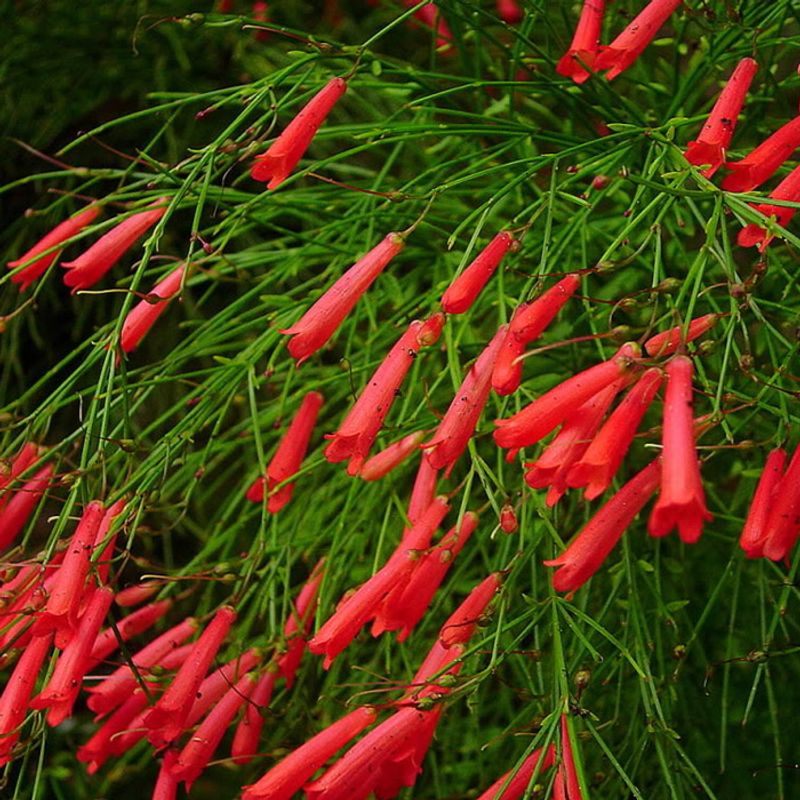
Hummingbirds go absolutely wild for the firecracker plant, and it is easy to see why. Clusters of tiny tubular flowers in fiery shades of red and orange bloom almost continuously in Florida’s warm climate, turning any garden into a hummingbird hotspot.
Salt air and heat barely slow it down.
It grows quickly into a loose, airy shrub that works beautifully as a border plant or a colorful backdrop. Pair it with muhly grass or beach sunflower for a vibrant, wildlife-friendly coastal garden combo.
Natal Plum
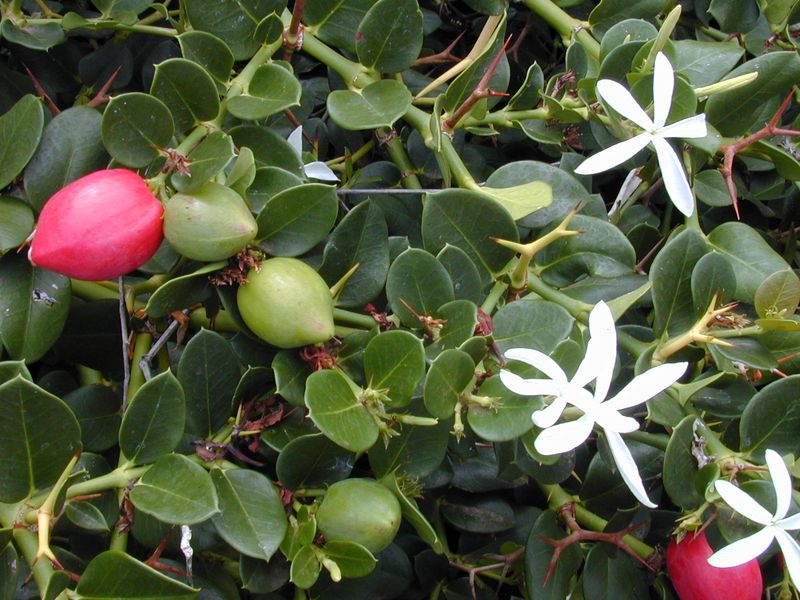
Originally from South Africa, natal plum has settled into coastal Florida like it has always belonged there. Fragrant white star-shaped flowers and glossy dark green leaves make it one of the most attractive choices for a seaside garden.
The small red fruits are actually edible and taste somewhat like cranberries.
It tolerates salt spray, drought, and full sun without missing a beat. Sharp thorns along its stems also make it an excellent security hedge — beautiful and a little intimidating at the same time.
Coontie
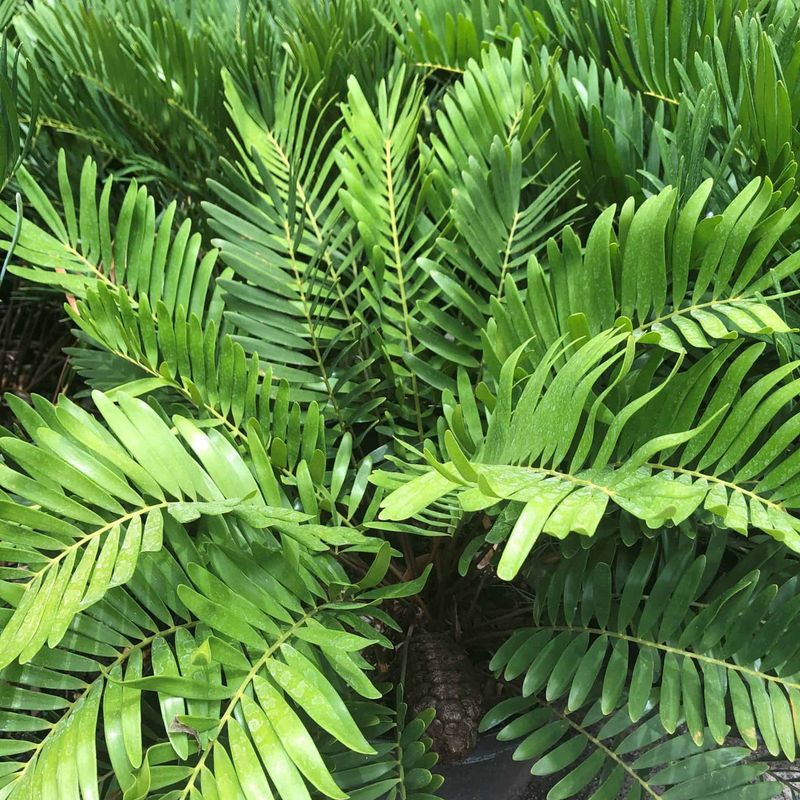
Coontie is a living relic — a cycad that has been growing in Florida since prehistoric times. Its dark, feathery fronds create a lush, tropical look without needing much water, fertilizer, or attention.
It handles sandy coastal soils and salt air as naturally as breathing.
Florida gardeners also love coontie because it is the only host plant for the endangered Atala butterfly. Planting it is not just good landscaping — it is a small act of conservation that helps protect a beautiful native species.
Seaside Goldenrod
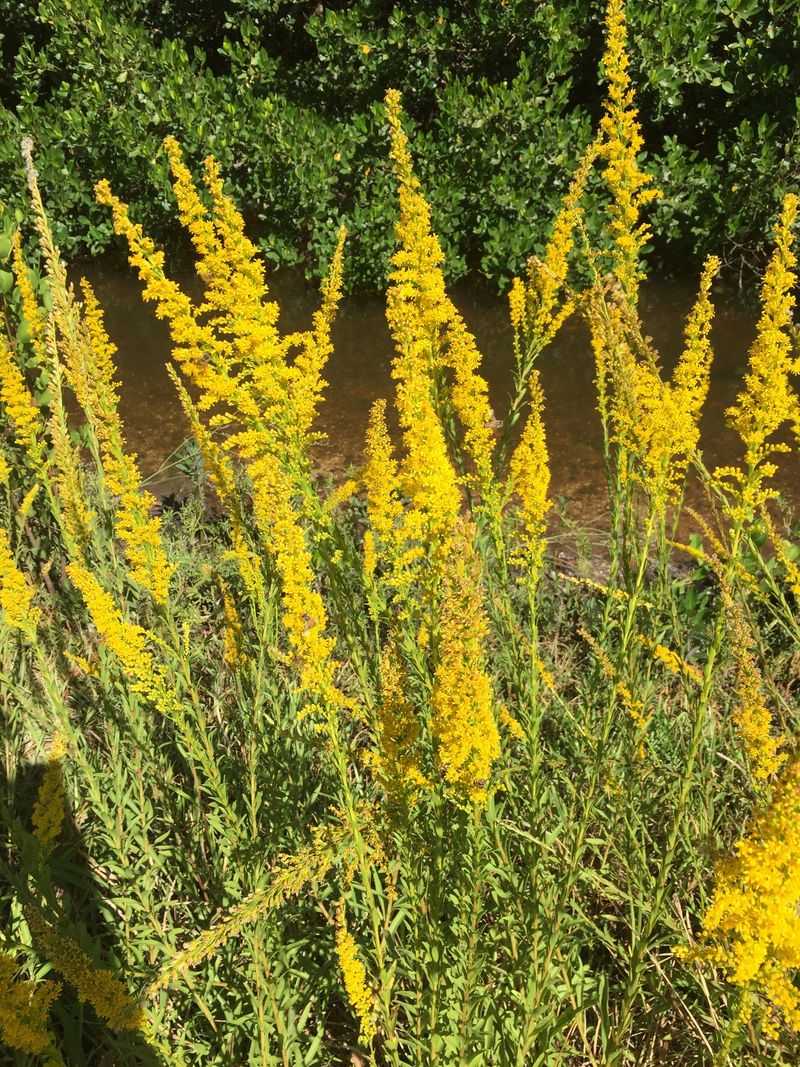
Seaside goldenrod lights up Florida’s coastal dunes every fall with tall, arching sprays of golden yellow flowers. It is one of the most important late-season nectar sources for migrating butterflies and native bees along the Atlantic coast.
Sandy soil and salty wind are exactly the conditions it was built for.
Despite looking delicate and feathery, this native wildflower is seriously tough. Plant it in a sunny spot and let it naturalize — it will spread gently over time and bring your garden to life with pollinators every season.
Porterweed
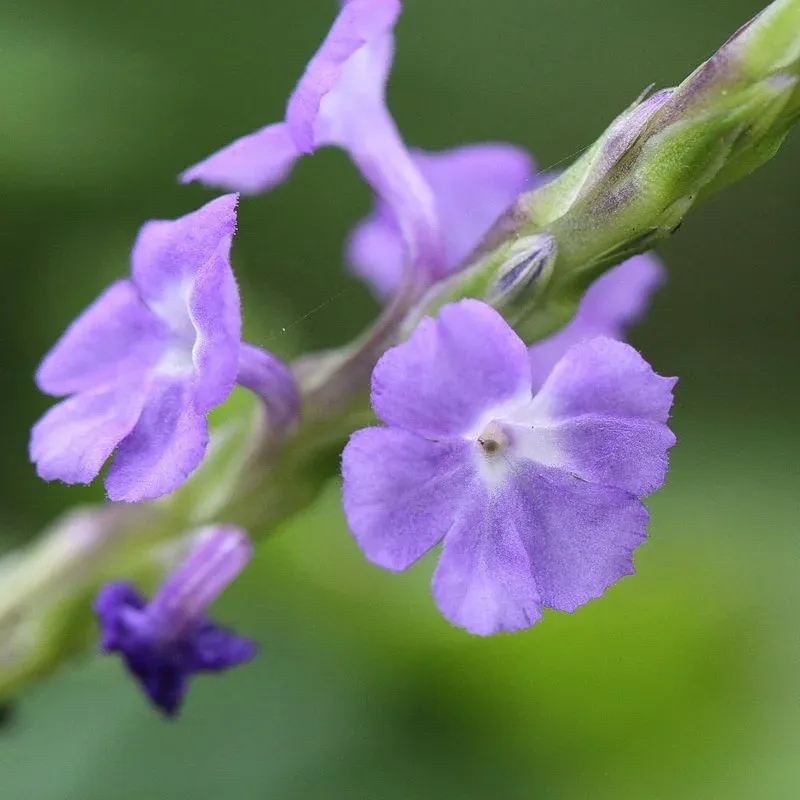
If you want butterflies, plant porterweed — full stop. This fast-growing Florida native produces long, slender flower spikes loaded with tiny purple and blue blooms that butterflies simply cannot resist.
It thrives in full sun, sandy soil, and coastal conditions without any extra fussing from the gardener.
Porterweed blooms almost year-round in South Florida, which makes it one of the most consistently rewarding plants in any butterfly garden. Cut it back occasionally to keep it tidy and encourage fresh, flower-covered new growth.
Purple Queen
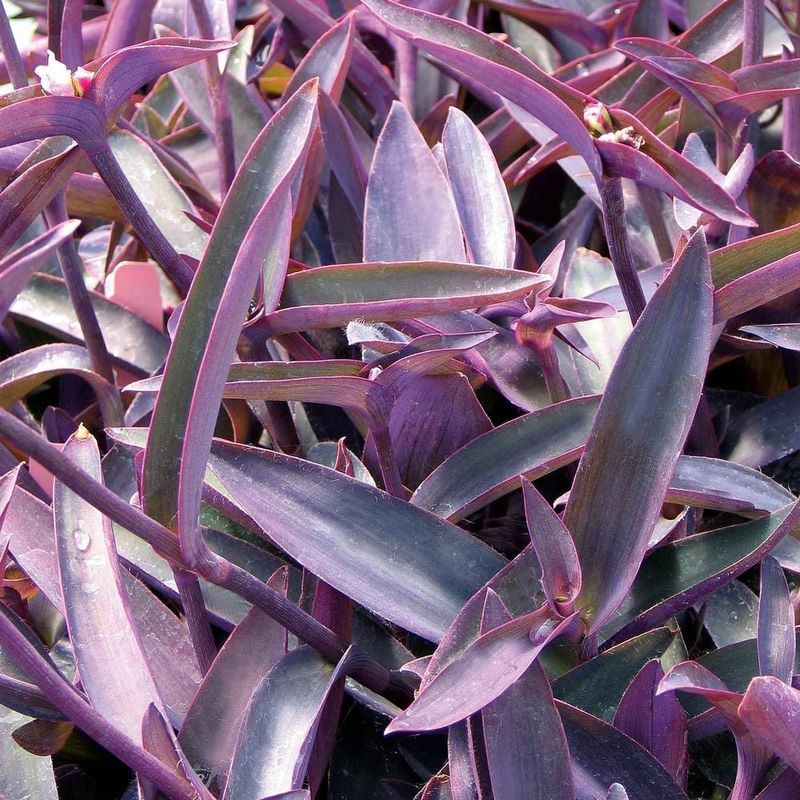
Purple queen turns heads everywhere it grows, thanks to its strikingly vivid purple stems and leaves. Originally from Mexico, this tough little plant has found a happy home in Florida’s warm coastal gardens.
It spreads quickly as a ground cover and handles salt, heat, and drought with surprising toughness for such a delicate-looking plant.
Small pink flowers add a cheerful contrast to all that purple foliage. Use it to cascade over retaining walls, fill in bare spots, or add a bold splash of color to container gardens near the shore.
Spanish Bayonet
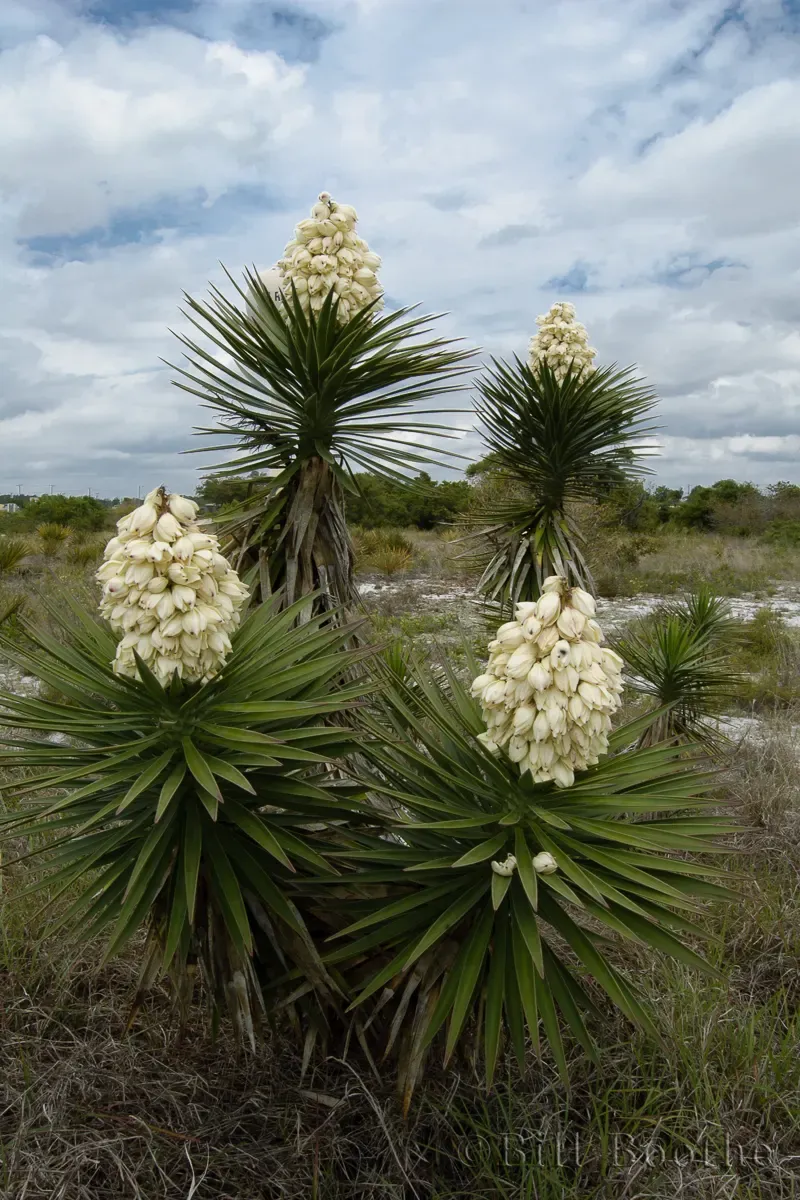
Spanish bayonet earns its name honestly — those stiff, needle-tipped leaves are not something you want to brush against accidentally. But planted thoughtfully, this native yucca is a dramatic and nearly indestructible addition to a coastal Florida garden.
Salt, wind, poor sandy soil, and drought? None of it rattles this plant.
When it blooms, a tall spike covered in creamy white bell-shaped flowers shoots up dramatically from the center. It is one of the most striking natural spectacles a Florida yard can offer.
Sea Oats
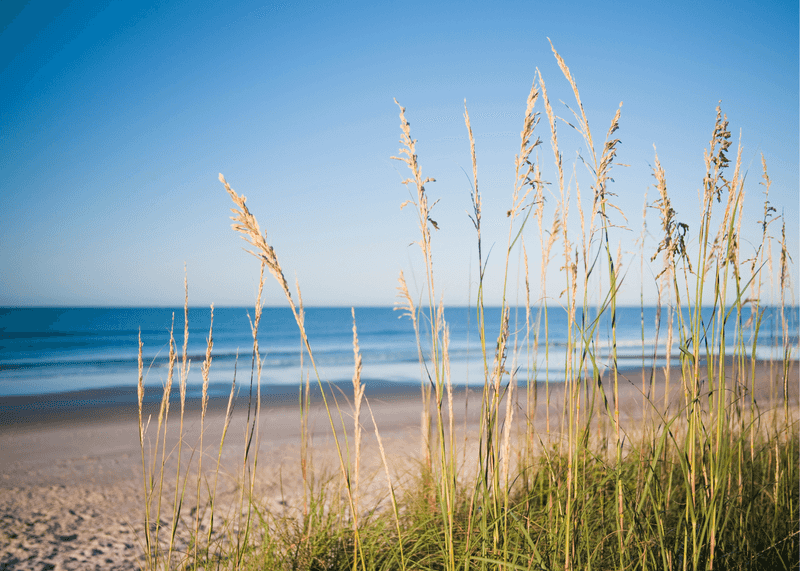
Sea oats are the classic symbol of Florida’s coastal dunes, and for very good reason. Their graceful golden seed heads sway in the ocean breeze while their deep root systems anchor sand dunes and protect the shoreline from erosion.
In Florida, sea oats are actually protected by law because of how vital they are to coastal ecosystems.
For home gardeners near the beach, sea oats add a natural, wild beauty to the landscape. They ask for nothing but sun and sand — and they give back so much in return.
Enjoyed this story?
Add Fast Food Club as a preferred source to see more of our reporting on Google.