


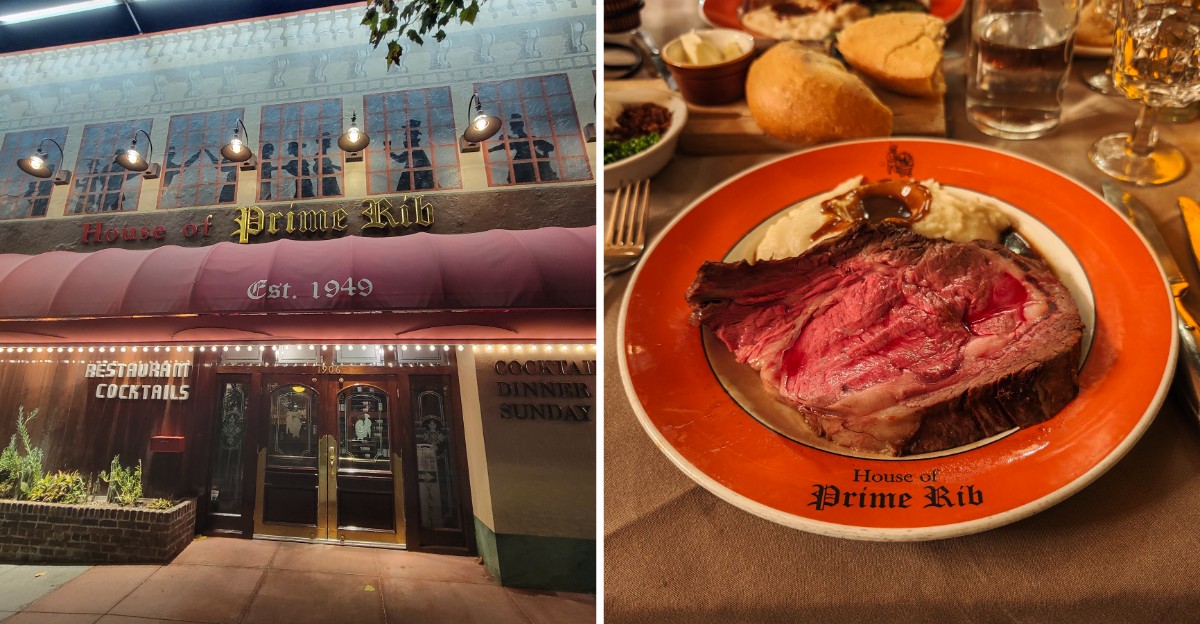
Most restaurants hand you a menu that reads like a novel. This San Francisco dining room hands you one real decision: how much prime rib you want.
There is no chicken to debate, no pasta to consider, and no long list of specials to decode. The main course has stayed the same since the 1940s, and people still book months ahead just to get a table.
Silver carts roll between tables, meat is carved in front of guests, and the room stays busy from opening until close. So what keeps a one-dish restaurant this full for this long?
The answer involves tableside theater, a strict rule about second helpings, a room that looks like an old London tavern, and a reservation system that tests patience. Here is everything worth knowing before you go, including how to get in without a booking.
A Landmark on Van Ness Avenue
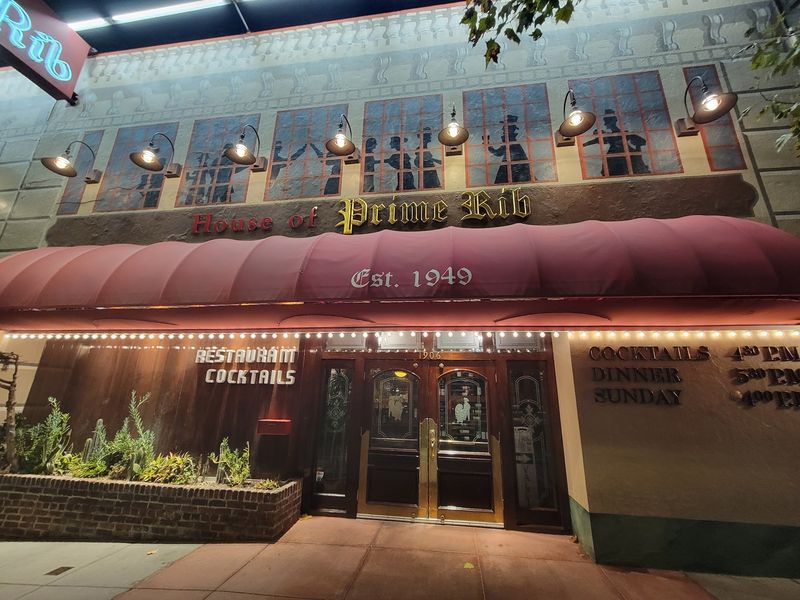
The address is easy to remember and hard to forget once you have eaten there. House of Prime Rib sits at 1906 Van Ness Ave, San Francisco, CA 94109, in the United States.
Van Ness is one of the city’s major north-south corridors, so the restaurant is not tucked away on some hidden side street. It stands in plain view, serving the same main course it has served for generations.
The restaurant is classified as a steakhouse, but that label only tells part of the story. It is really a prime rib house, and it has been one since the 1940s.
The place has earned landmark status in the eyes of locals. It holds a 4.6-star standing from more than 7,500 people, a number that speaks to steady popularity rather than a passing trend.
San Francisco residents treat it as a classic. Out-of-towners often put it on the same list as the city’s famous sights.
The restaurant describes itself as old-school and English in style. That identity shows up in everything from the menu to the booths to the way the meat reaches the table.
So the location is simple. The harder part, as later sections explain, is actually getting a seat inside.
Since the 1940s, One Big Idea
Plenty of restaurants reinvent themselves every few years. House of Prime Rib took the opposite route and stuck with one plan.
Since the 1940s, the kitchen has focused on prime rib served in an English style. The concept has outlasted countless dining trends across the city.
That kind of staying power is rare. Menus elsewhere shift with each season, but here the core offering has barely budged.
Longtime fans talk about families who have been coming for decades. Some diners first visited as young adults, ordered the biggest cut, and now return years later with a more modest appetite.
The restaurant has also been well kept over the years. It feels old-school without feeling worn out, which is a tricky balance for any long-running business.
Many people describe the mood as a trip back in time. Some compare it to the late 1980s, while others say it feels like classic San Francisco from an earlier era.
There is no pretension in that nostalgia, though. The appeal comes from consistency, not from trying to look fancy.
That steady approach explains a lot about the crowds. People know exactly what they are getting, and they keep coming back for it.
The Menu With One Main Answer
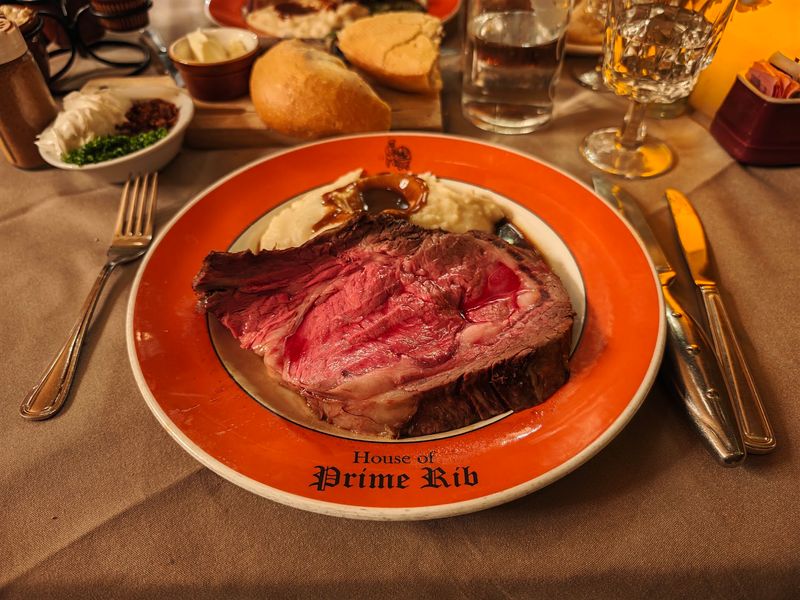
Ordering dinner here takes about as long as saying your name. The only main course option is prime rib, and first-timers are often surprised by how true that is.
Guests choose a cut and a few accompaniments, and that is largely the whole process. There is no need to study a long list of entrees.
A non-beef option does exist for anyone in the group who skips red meat. Even so, the rest of the menu revolves around prime cuts.
The meal is set up as a full package. The opening courses and several accompaniments are included in the price of the main course, so the bill is easier to predict than at many steakhouses.
People often point out the value. Compared with steakhouses that charge separately for everything, the portions here are considered generous for the cost.
Some small swaps are possible even when they are not printed on the menu. Asking the server politely can open up a few options.
Is it the highest grade of beef in the city? Some diners say no, but they also say the preparation is consistently tender and cooked well.
The single-dish approach removes guesswork. The whole kitchen is built around doing one thing reliably, night after night.
Choosing Your Cut
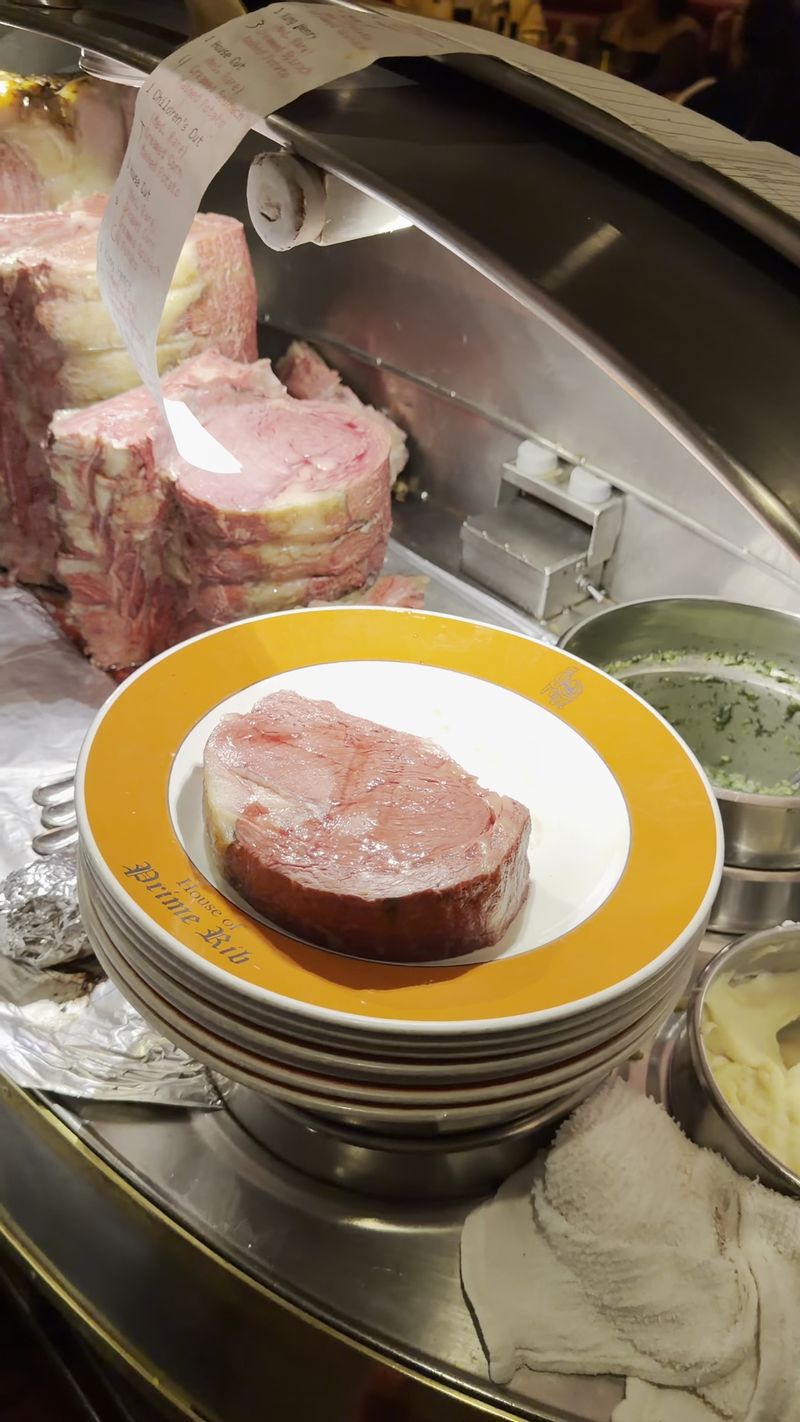
Size is the real menu here. Each cut has its own name, and picking one is the biggest choice of the night.
The English Cut is the smallest, but small is a relative term. Many diners who order it say it is more than enough, and some cannot finish even half.
The City Cut and the House of Prime Rib Cut sit in the middle range. The House Cut is a popular pick for people who want a solid portion without going overboard.
Then comes the King Henry VIII Cut. It is the largest standard option and includes the bone, and it has a loyal following among serious appetites.
For the truly ambitious, a Triple King is also mentioned. The name tells you exactly what it is.
Some longtime guests feel the cuts have become thinner over the years. Others still find the portions huge, so expectations may depend on memory.
Leftovers are common. Plenty of guests leave with a box, especially after ordering one of the larger cuts.
A smart rule of thumb is to start smaller than your ego suggests. Several repeat diners now swear by the English Cut as the best way to enjoy the whole meal.
Silver Carts on the Move
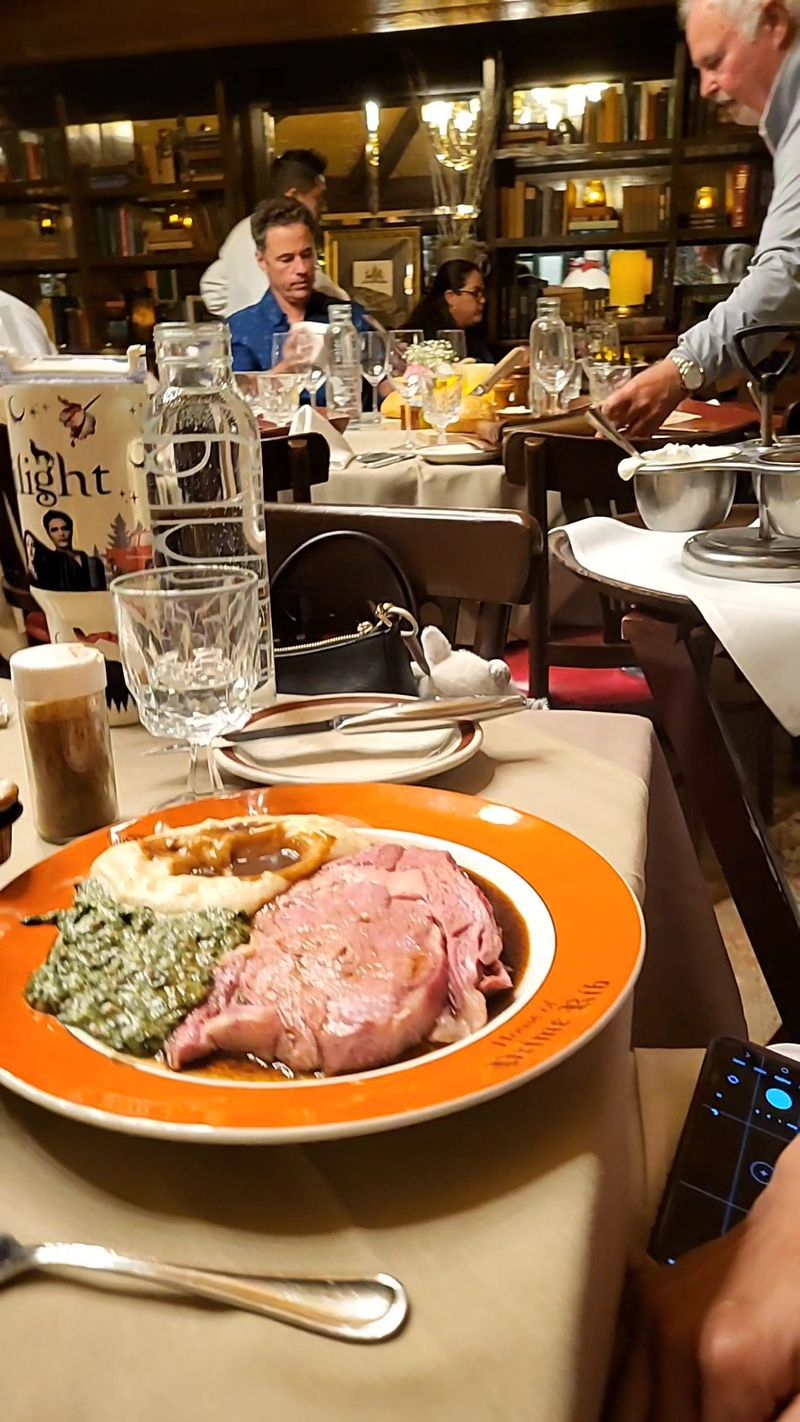
Dinner here comes with a performance. Large silver carts roll through the dining room, and the meat is carved right beside the table.
These carving stations keep the room in constant motion. The steady traffic of carts is part of what makes the place feel so lively.
In many cases, the chef personally greets the table before slicing the main course. That small moment turns a regular order into something more personal.
Guests get to watch their chosen cut come off the roast. There is no mystery about portion size when it happens a few feet away.
The tableside approach also sets the pace. Each course arrives with a bit of ceremony, so the meal never feels rushed.
People who sit at the lounge counter sometimes miss part of the show. They still get the same food, but the full cart experience happens in the main dining room.
That detail matters when deciding where to sit. Anyone coming mainly for the spectacle should aim for a regular table.
Plenty of restaurants cook behind closed doors. Here, the most important step happens in full view, and that is a big reason people call it an experience rather than just dinner.
A Spin Before the Main Event
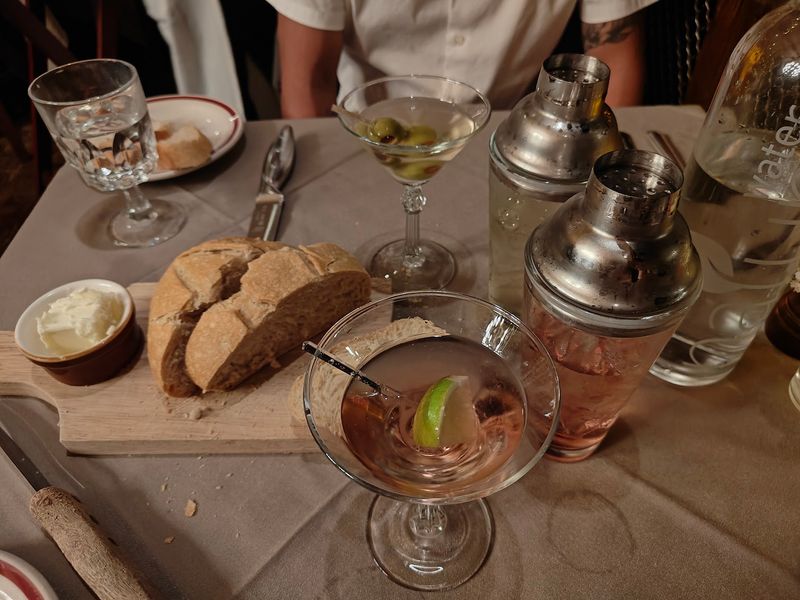
Before the carts ever arrive, the table gets a warm-up act. The first part of the meal includes bread service and a course that is spun in a bowl right at the table.
The spinning bowl is a signature bit of theater. Servers prepare it in front of guests, and the house dressing is added during the show.
Chilled forks are part of the routine as well. It is a small detail, but it shows how carefully the ritual has been kept over time.
Some diners call the spin their favorite moment of the evening. Others simply enjoy it as a fun lead-in to the prime rib.
The bread arrives with a knife stuck into the loaf. One diner compared it to a sword in a stone, and the whimsical presentation tends to get a smile.
Not everyone loves every starter equally. Opinions vary, but the show itself earns steady praise.
These opening courses are included with the main order. Guests do not need to add them separately.
The sequence builds anticipation in a clever way. By the time the silver carts appear, the table is fully in the mood for the main attraction.
The Second Serving Rule
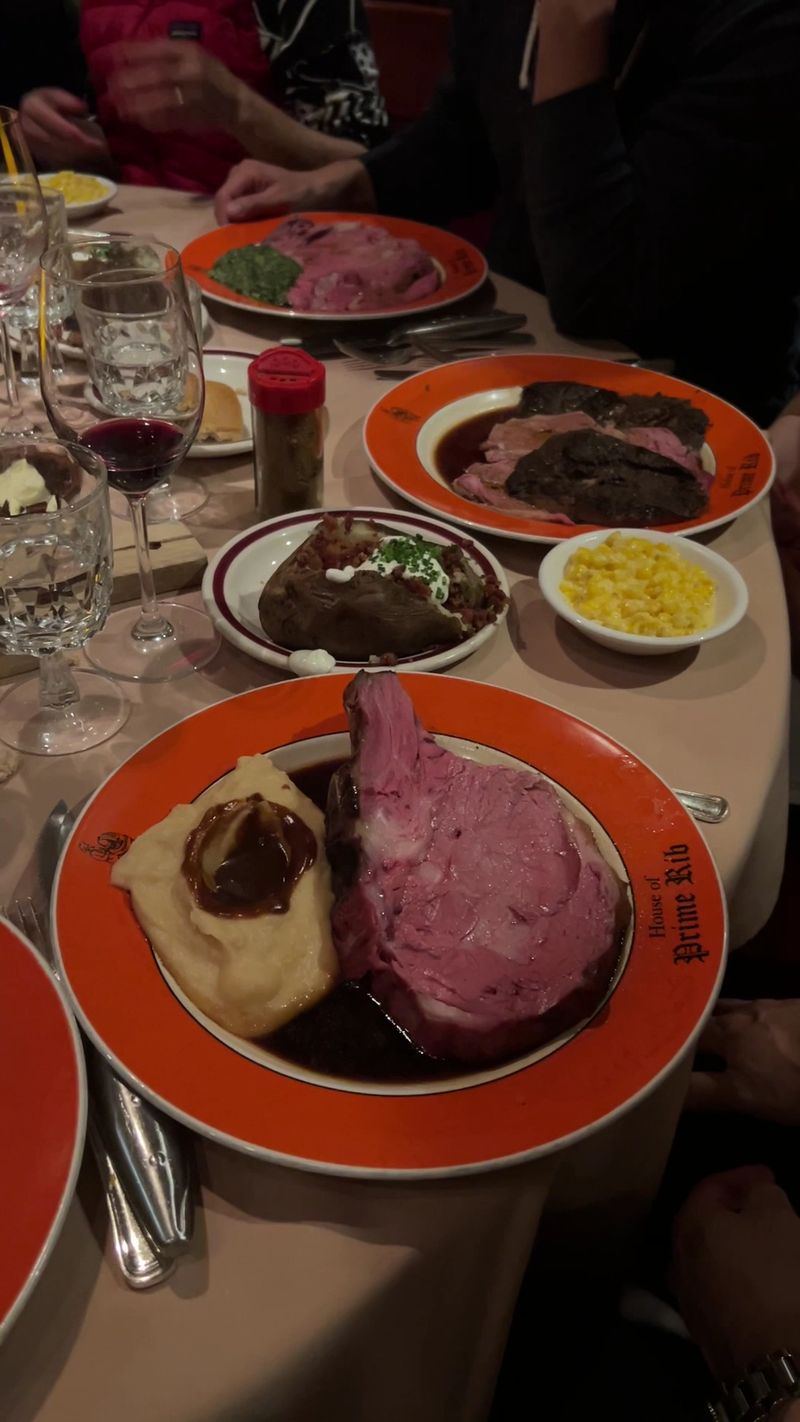
Here is a house rule that surprises many first-timers. Finish certain cuts, and the kitchen will bring you more.
Guests who clean their plate of the King Henry VIII Cut can receive a second serving. The extra slice is smaller, but it is still a real bonus.
The offer comes with a condition. The second serving is meant to be eaten at the table, and it cannot be taken home in a box.
That rule keeps things fair. The extra helping rewards a big appetite, not a clever packing strategy.
Regulars have useful advice for anyone chasing it. Pace yourself through the early courses, since they are filling on their own.
Many people never reach the second serving at all. Even hearty eaters often end up with leftovers from the first plate.
Some longtime diners note that both the main cut and the extra slice seem thinner than in years past. It helps to arrive with realistic expectations.
Still, the policy adds a playful challenge to the evening. It gives the table something to talk about, and it gives the bravest eater a goal worth chasing.
Leather Booths and Fireplaces
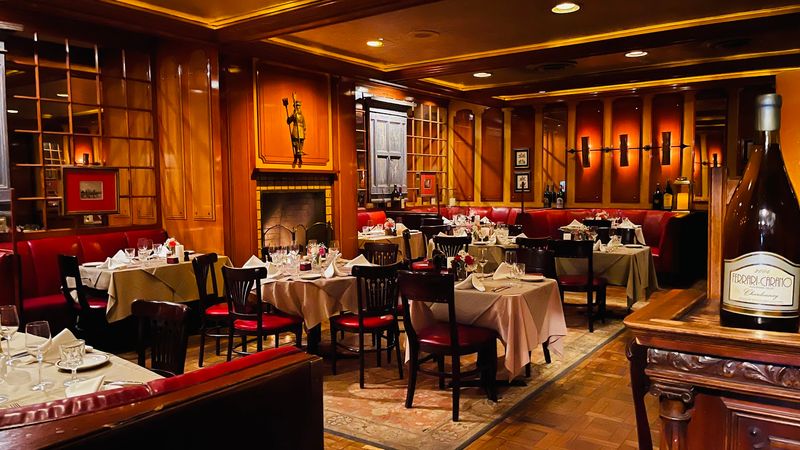
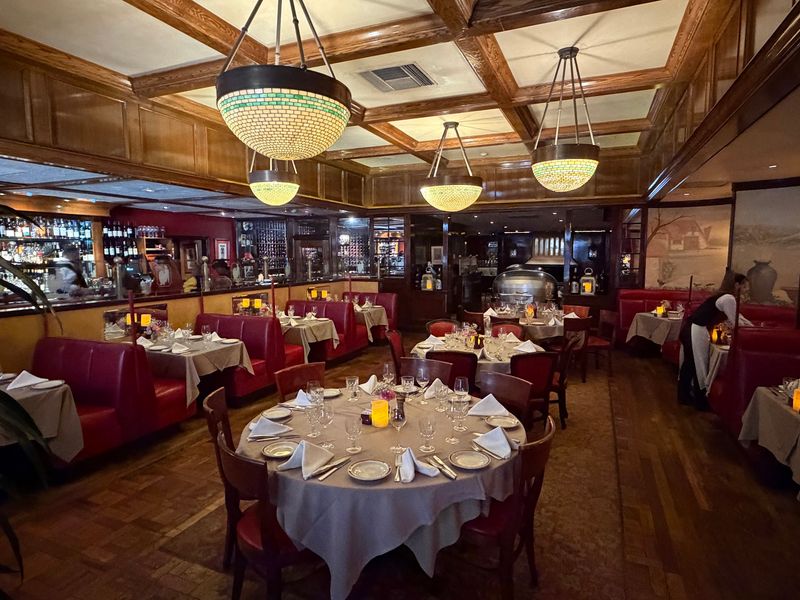
Old London seems to have landed on Van Ness. The dining room leans fully into its English identity, with leather booths and fireplaces setting the tone.
Many people say it feels more like a classic London tavern than anything else in the Bay Area. That comparison comes up often, and it fits the restaurant’s own description.
The decor is traditional without apology. There is no attempt to modernize the room into something sleek or minimal.
That choice is a big part of the charm. Guests come for a nostalgic dinner, and the setting delivers exactly that.
The atmosphere is often described as sophisticated yet welcoming. Some even call it cozy in a way that makes people want to linger.
Practical details matter too. Tables can feel a bit cramped once all the courses and plates arrive, so bulky bags are best left behind.
The ceilings are on the low side. That affects the noise level, which the next section covers in more detail.
Overall, the room works as a stage for the meal. It supports the old-school carving ritual instead of distracting from it, and it gives the whole evening a sense of occasion.
A Room That Never Whispers
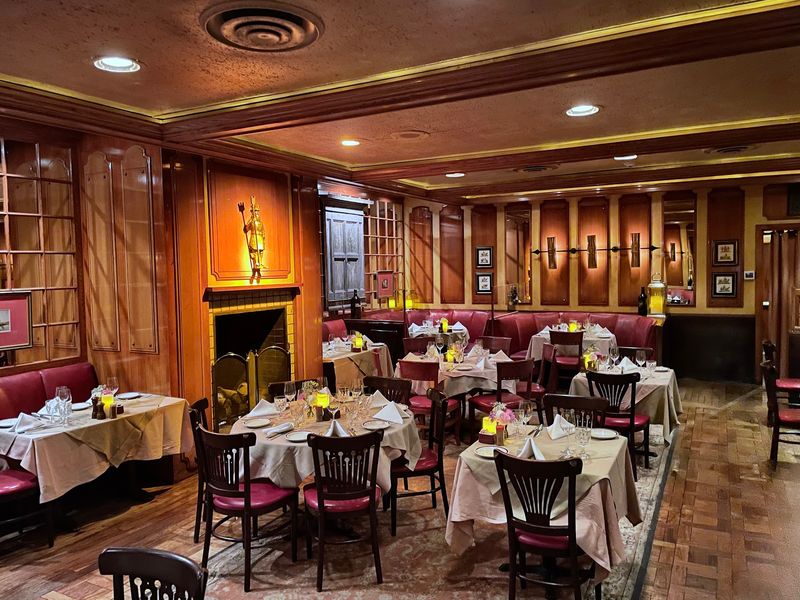
Quiet is not on the menu. The dining room runs at high energy from opening to closing, and that is simply how it works.
Even on a weeknight at 7:30, the place can look like the hottest ticket in town. Tables fill with people both young and old.
The constant movement of carving carts adds to the bustle. So do servers moving quickly between packed tables.
The low ceilings make sound travel. Some diners find the noise level quite loud, especially during peak hours.
That makes it a poor choice for a hushed, intimate conversation. It is a much better fit for celebrations and lively group dinners.
For many guests, the buzz is part of the fun. People watching becomes its own form of entertainment while waiting for the next course.
Service moves fast, but the staff is also stretched during busy stretches. Now and then, diners may need to catch a server’s attention for extra requests.
Expectations make all the difference here. Arrive ready for a festive crowd, and the energy feels exciting instead of overwhelming.
The Piano Lounge Option
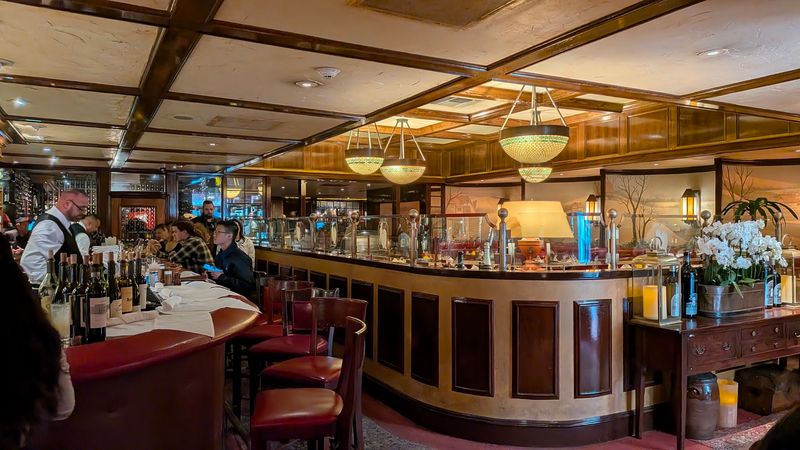
Not every seat is in the main dining room. The restaurant also has a piano lounge, and it offers a slightly different kind of evening.
Live piano music plays in the lounge. Many people say it adds a lovely touch to the atmosphere.
Some guests choose it when dressed more casually. It can feel a bit more relaxed than the formal booths.
The lounge also serves as a waiting area. Guests with reservations sometimes sit there briefly before being called to their table.
First-timers can find this confusing. Being sent to the lounge on arrival usually just means the table is not ready yet.
Seating near the entrance has one drawback. When the front doors open on chilly nights, a cold draft can reach nearby tables despite a partial partition.
Counter seating is another path inside. It tends to turn over faster for smaller groups, which makes it useful for walk-ins.
The trade-off is the view. Counter seats may miss some of the tableside carving show, even though the food itself stays the same.
Who Fits Best at the Table
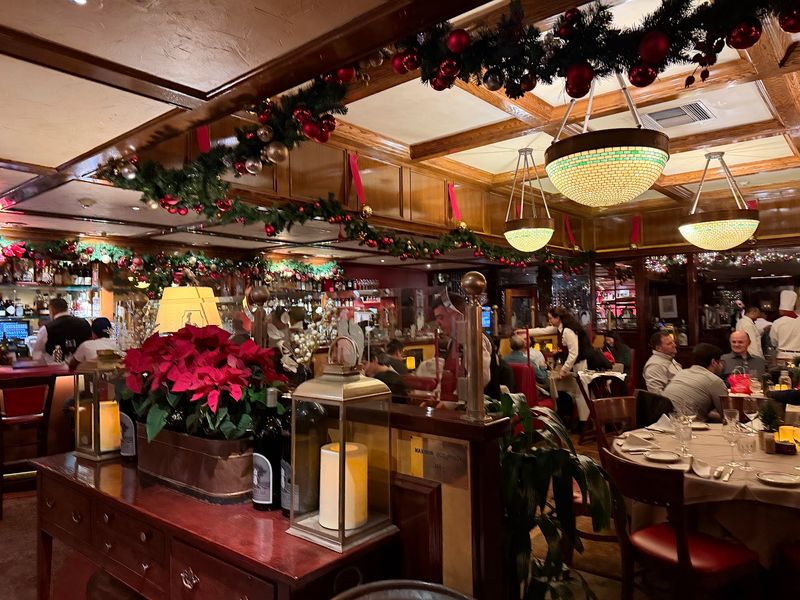
Kids, couples, and solo diners all find a place here. The mix of guests is wider than many people expect from an old-school steakhouse.
Families with young children can have a good time, especially at early seatings. A kids option includes a full meal along with dessert, keeping little ones happy through a long dinner.
The meal does take time. Parents should plan for a lengthy sit-down rather than a quick bite.
Solo diners enjoy it too. A late reservation can make for a relaxed dinner alone, with plenty of people watching along the way.
Duos may have the easiest time overall. Small parties are simpler to seat, particularly for anyone hoping to walk in.
Big groups face the toughest odds. Securing a table for a large party without a reservation is described as nearly impossible.
Date nights work well for couples who enjoy energy and tradition. They work less well for anyone who wants a whisper-quiet setting.
The staff often gets high marks for being friendly and attentive. Several servers are known for going out of their way to help guests with special requests, which makes each type of visit feel looked after.
The Great Reservation Chase
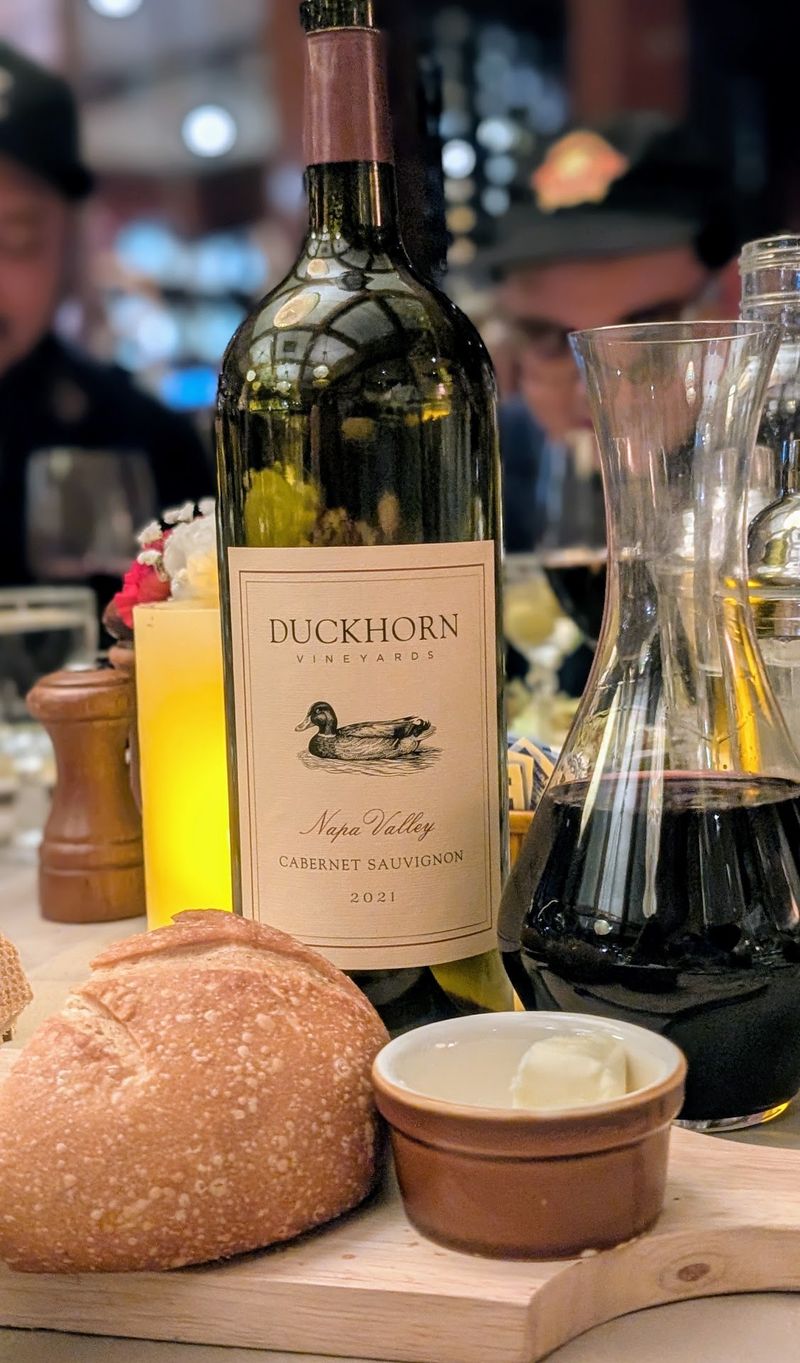
Getting in is the hardest part of the meal. Reservations are famously difficult, and waitlists can stretch for months.
Booking well in advance is the safest move. That is especially true for anyone with a specific date and time in mind.
Prime dinner hours fill first. Many guests end up with late slots like 9:30 PM, and they still leave happy.
Checking often can pay off. Some lucky diners have snagged a last-minute online reservation just a day before.
Walk-ins have a path, but it takes effort. The common advice is to arrive before opening and add your name to the walk-in list.
Some people line up by 3:30 PM on weekend days. Others arriving at opening have been seated within about 15 minutes after waiting in the lounge.
Waits can also run much longer. An hour on the list plus extra time before seating is not unusual.
Even with a reservation, a short wait can happen. Some tables are ready in under ten minutes, while others take a bit longer, so a little patience goes a long way.
Hours, Costs and Parking
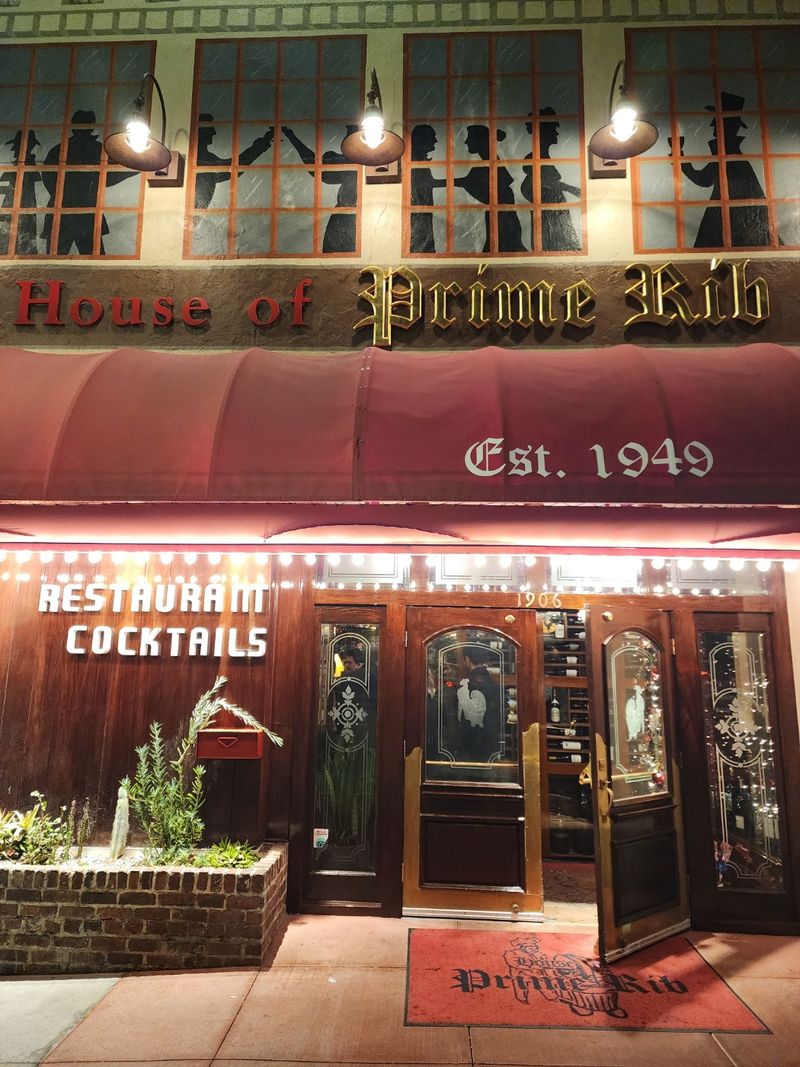
Timing matters because the doors do not open for lunch. House of Prime Rib is a dinner-only spot.
On Saturday and Sunday, it opens at 4 PM and closes at 10 PM. Monday through Friday, it opens at 5 PM and closes at 10 PM.
Those earlier weekend openings are helpful for families and walk-ins. The first hour is often the best shot at an easier seating.
Prices generally fall in the $50 to $100 range per person. That is not cheap, but many guests feel the included courses and big portions justify the cost.
Some consider it expensive, while others call it an excellent value compared with other steakhouses. Both views make sense depending on what you are comparing it to.
Parking takes some planning. Valet service is available, with costs around $19 or $21.
Street parking is another option for anyone willing to hunt for a spot. Van Ness is busy, so extra time helps.
Plan to spend well over an hour inside. Nobody rushes guests out, and the multi-course rhythm is part of the appeal.
Worth the Wait, By Most Measures
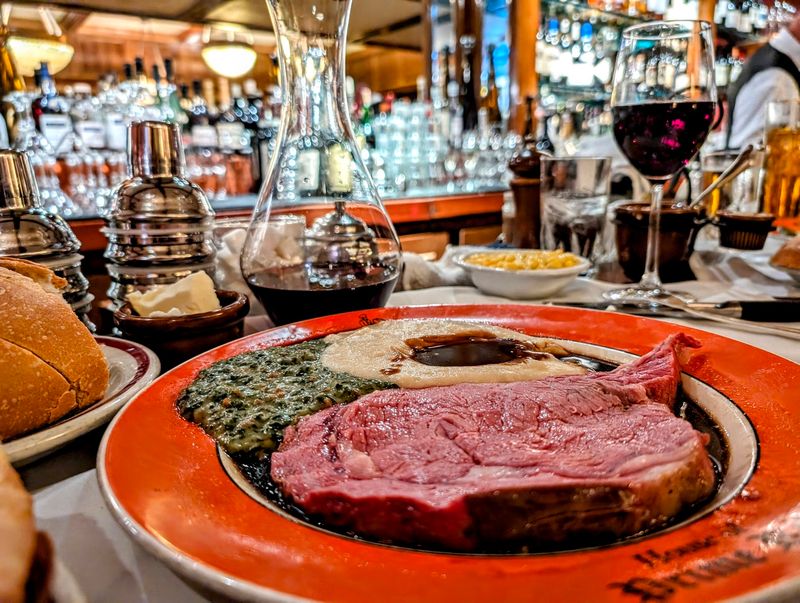
Hype can ruin a restaurant, but it has not ruined this one. The most common verdict is simple: it lives up to the buzz.
The prime rib remains the clear star. It is consistently described as tender and cooked with care, cut after cut.
The full package adds up. Bread service, the spinning bowl, the carving carts, and the included accompaniments make the evening feel complete.
There are small trade-offs. Tables can feel tight, the room gets loud, and a few guests feel portions have slimmed over the years.
None of that seems to slow the crowds. People keep booking months ahead, and many plan their next visit before the current one ends.
For first-timers, a few tips help. Book early, start with a smaller cut, and save room in case the second serving calls your name.
For San Francisco travelers, it has become a must-do. Many say it deserves a visit at least once while in the city.
A restaurant that serves one main course since the 1940s could easily feel stuck in the past. This one feels like a tradition still worth showing up for, one carved slice at a time.
Enjoyed this story?
Add Fast Food Club as a preferred source to see more of our reporting on Google.