


Winter in Southern Maryland has a secret, and it sits along the edge of a wide river marsh near Lothian. While most people stay indoors from December to February, a small network of boardwalks and forest trails stays open for anyone who wants a calm walk away from traffic and screens.
The bugs are gone, the crowds are thin, and the bare trees open up long views across the water that summer leaves usually hide. Herons, waterfowl, and even the occasional beaver keep things lively for patient eyes.
This guide covers where to go, which trails earn the walk, what it costs, and when the gates open, so a chilly weekend can turn into a surprisingly rewarding day outdoors.
A Riverside Refuge in Anne Arundel County
Tucked along the Patuxent River, this nature preserve is the kind of place people tend to discover by accident and then keep returning to for years.
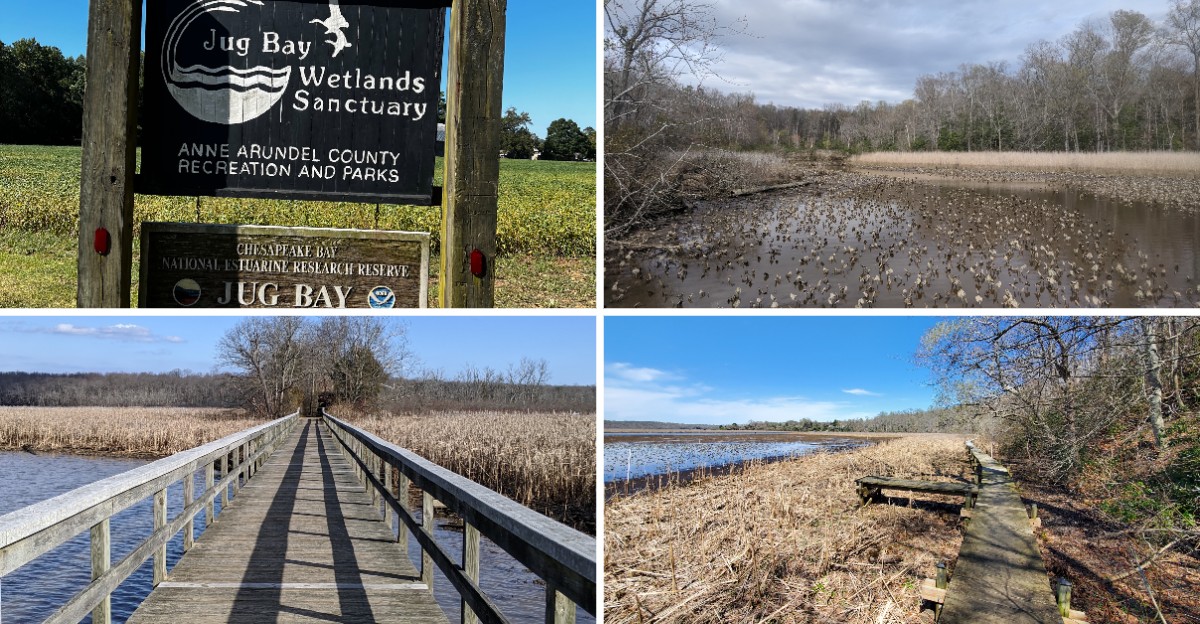
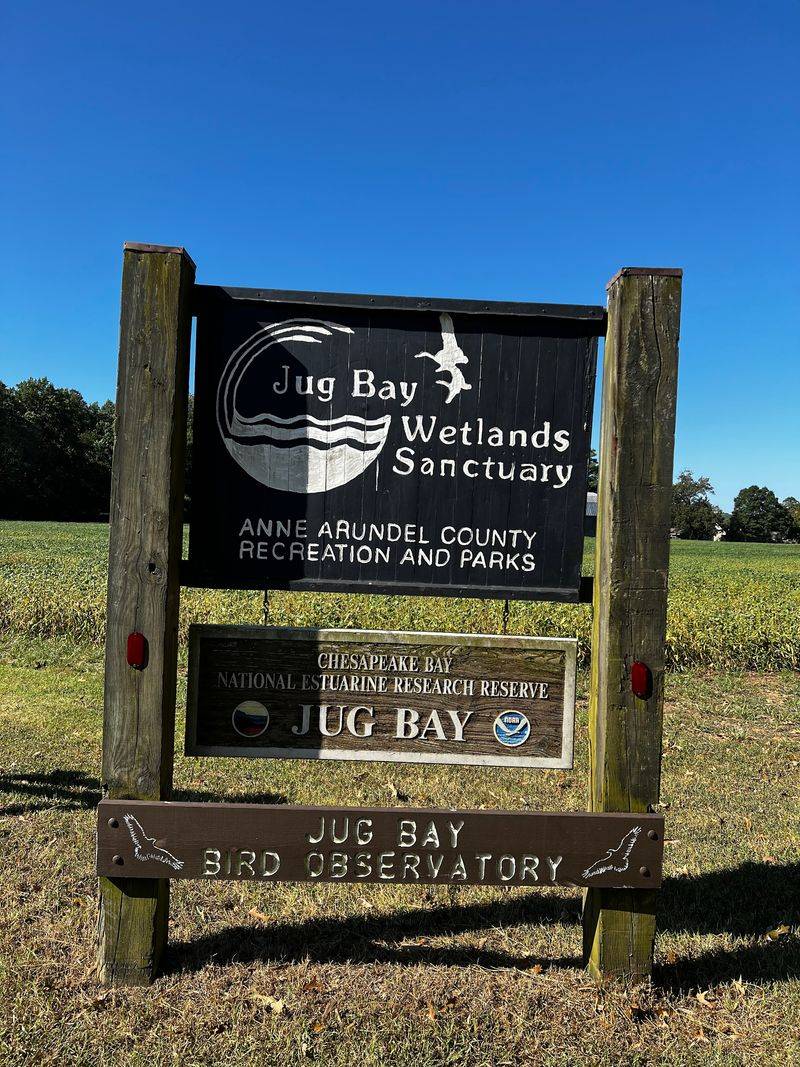
Jug Bay Wetlands Sanctuary sits at 1361 Wrighton Rd, Lothian, MD 20711, in Anne Arundel County, Maryland. It is roughly 45 minutes outside Washington, DC, which makes it an easy day trip from the capital region.
The sanctuary protects woodlands, marsh, and river shoreline. A nature center anchors the main grounds, and trails fan out from there toward the water and into the forest.
Many locals describe it as one of the more underused and tranquil parks around DC. That quiet reputation is a big part of its winter appeal.
Fans give it a strong 4.8 out of 5 across hundreds of opinions, and the praise comes up again and again for the same things. Peaceful trails, helpful staff, and wildlife that seems to show up on cue are the usual highlights.
There are also multiple entrances with different amounts of parking. Some trailheads are small, so it helps to know which part of the sanctuary you want to explore before you set out.
Consider this the first step onto a path that gets more interesting with every bend.
Why Winter Works So Well Here
No bugs. That alone wins over plenty of cold-weather hikers.
Regulars like to visit across all four seasons because each one brings different scenery, creatures, and temperatures. Winter may not offer much green, but it trades leafy cover for clear sightlines and zero mosquito drama.
Southern Maryland gets a true four-season cycle, and the sanctuary reflects every bit of it. When the canopy drops its leaves, the marsh and river become easier to take in from the trails.
The sanctuary is described as a lovely spot for hiking and bird watching any time of year. Winter simply turns the volume down, which suits people looking for a calm, unhurried outing.
Crowds tend to be light even in warmer months. During colder weeks, a weekday visit on a Wednesday can feel almost private.
A few practical notes help. Trails can get mucky after rain because of high wetland water tables, so sturdy hiking boots are the smarter footwear choice.
Bringing water and a snack is a good idea too, since the walks can stretch longer than planned. Layers make sense on breezy days along the open marsh edge.
Cold air, quiet paths, and open views make a pretty convincing case for leaving the couch behind.
The Chris Swarth Boardwalk
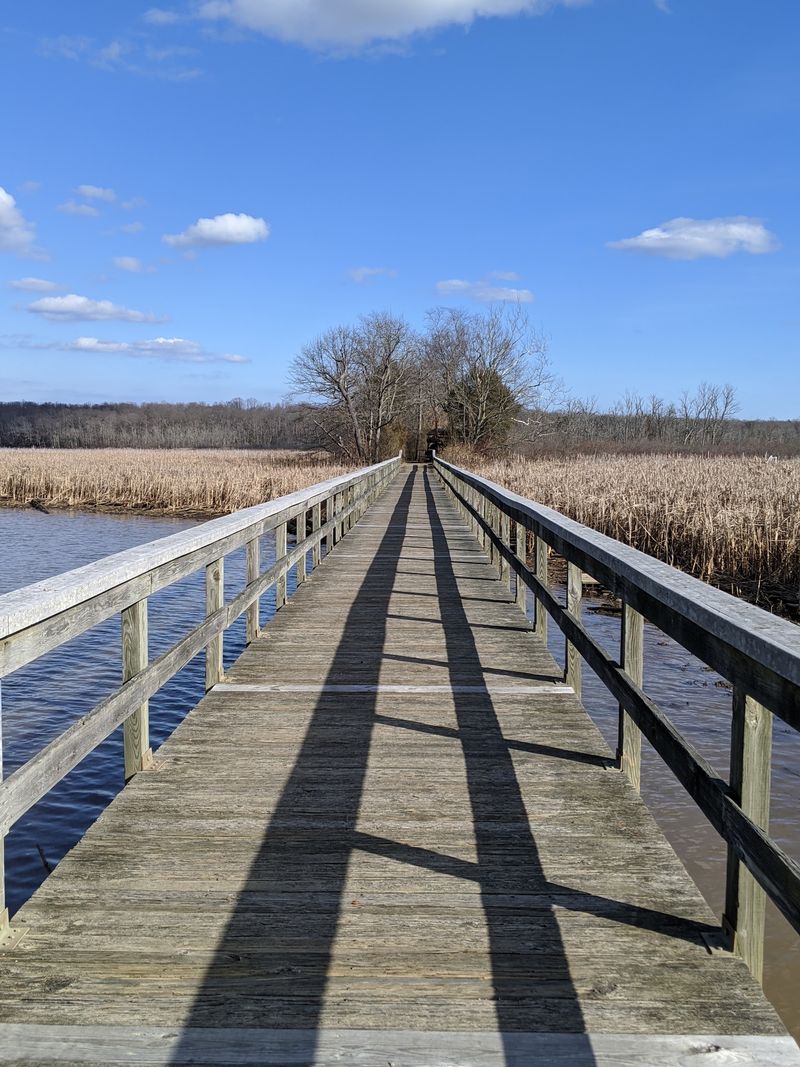
Some boardwalks hug the shore. The Chris Swarth Boardwalk heads straight out into the marsh, carrying walkers a few hundred feet into the wetland.
It is often called a must-see, and the reason is simple. Few places let you stand right in the middle of a working marsh without getting your boots soaked.
The experience is consistently described as serene. Benches along the boardwalks give people a spot to sit, relax, and reflect while scanning for birds.
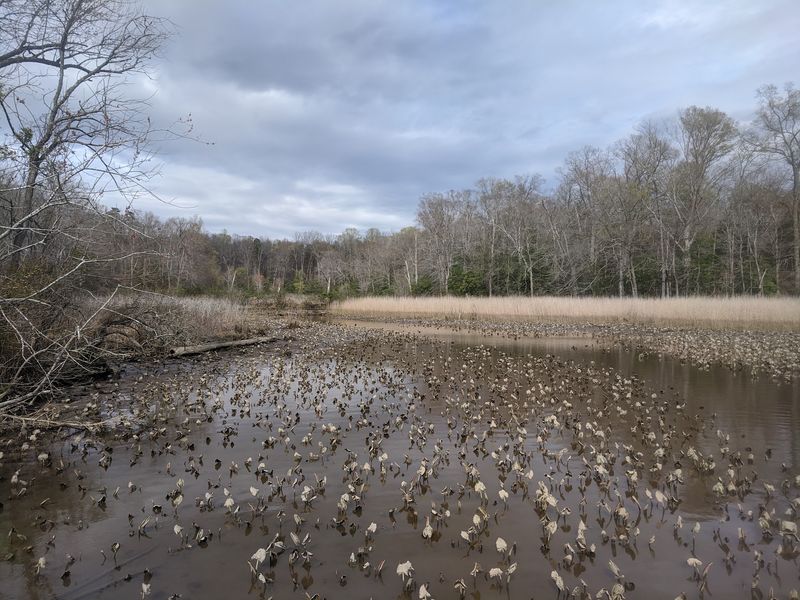
In warmer months, lily pads crowd the water beneath the raised walkways. In winter, the open water and dormant grasses make the shape of the marsh easier to read.
Getting down to the boardwalk path along the water does require stairs. That detail matters for anyone with limited mobility, so planning ahead is wise.
Staff have gone out of their way to help, including carrying a chair to the overlook for a guest who needed a place to sit. That kind of care shows up often in how people talk about the sanctuary.
Bring a camera and some patience. The marsh rewards slow walkers far more than fast ones.
Railroad Trail and Its Hidden Side Paths
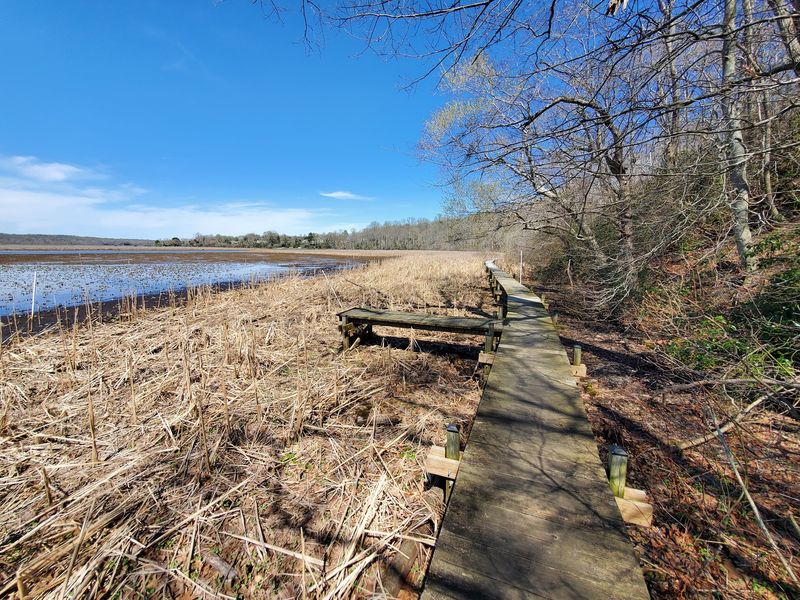
Here is a trail tip worth stealing: walk the Railroad Trail all the way to the end.
Along the way, two boardwalks branch off toward the water. Both are worth the short detour, and skipping them would mean missing some of the best marsh views on the property.
The route follows a shaded path under tall trees, which makes it a favorite in hot weather. In winter, those same trees stand bare, so the river and marsh show up more clearly between the trunks.
River views and marsh views share the spotlight on this walk. It is a reliable pick for anyone who wants water scenery without a strenuous climb.
Some boardwalk sections have closed at times for repairs, and a few trails have been under maintenance in past seasons. Checking the sanctuary website before a trip helps avoid surprises.
The trail is easy enough for families, yet long enough to feel like a real outing. Plenty of people end up spending a couple of hours here without noticing the time.
Railroads once moved freight. Today this one moves hikers toward the marsh, one boardwalk at a time.
Big Trees on the Beech Trail

Massive beeches, tulip poplars, and oaks line one of the quietest walks in the sanctuary.
The Beech Trail runs through mature, undisturbed forest. Some longtime fans argue the entry fee is worth it for this trail alone.
The canopy here is notably tall compared with other forests nearby. That height gives the woods an airy, open feel rather than a cramped one.
Winter is a strong season for this trail. With leaves down, the full size of the trunks and branches stands out, and the forest structure is easier to appreciate.
The yellow trail is another family favorite, offering easy beginner hiking and plenty of shade. Trail lengths vary across the property, so a short stroll or a longer afternoon hike are both on the table.
Many trails are well marked, and some include audio stops with history and information. A few spots can be harder to follow because markers are sparse, so a trail map is a helpful companion.
Stairs appear on certain routes. A jogging stroller can handle many paths, though small passengers may need to hop out and walk for short stretches.
Tree lovers, consider this your trail.
Herons, Beavers, and Other Locals
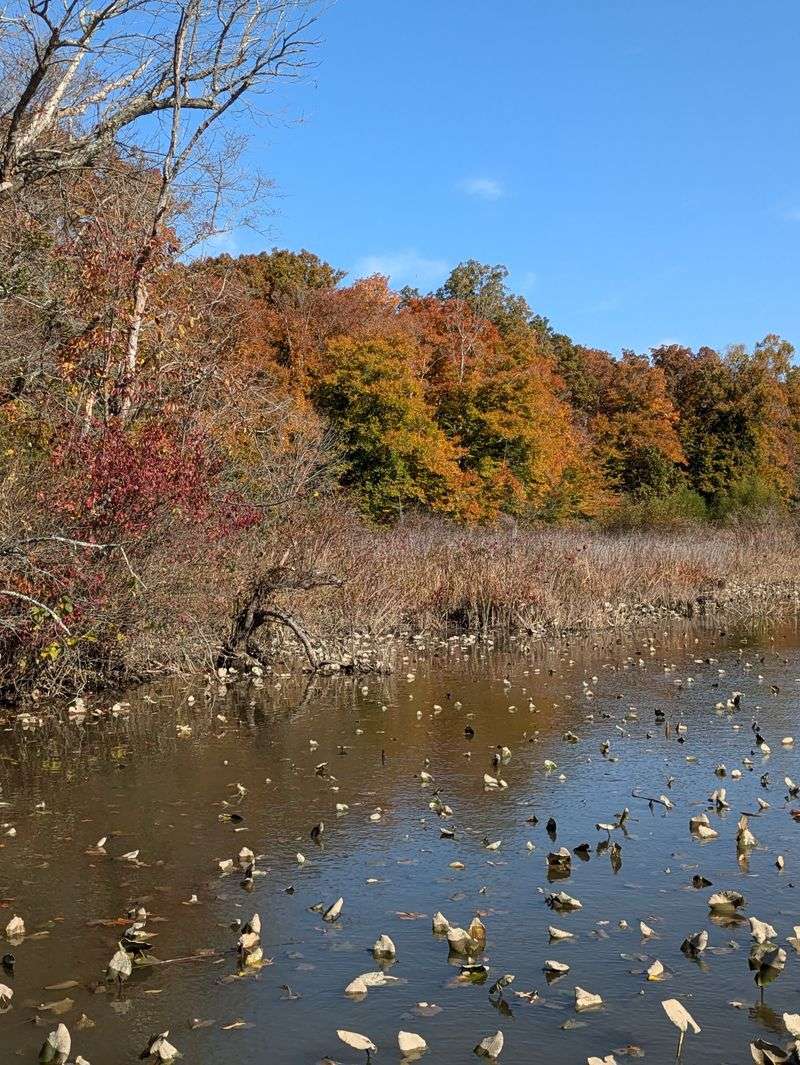
Bird watching ranks among the top reasons people make the drive, and the marsh rarely disappoints.
Herons swoop down to fish along the bay views. Waterfowl gather on the water, and native Maryland birds move through the woods along the trails.
Beavers and muskrats have been spotted in favorable weather. A fox has made an appearance too, along with tracks in the marsh that looked a lot like otter prints.
Deer bedding down near the trails is another sight people mention. In warmer months, turtles, frogs, lizards, snakes, and blue-tailed salamanders join the lineup.
Winter shifts the cast. Reptiles and insects lie low, while birds and mammals become easier to spot against bare branches and open marsh.
Benches and quiet overlooks make it simple to settle in and wait. Binoculars help, and so does a good zoom lens.
The sanctuary also suits anglers. The Patuxent shoreline is known as a good fishing spot, preferably at high tide, especially for anyone hoping to catch invasive snakehead.
Patience pays here. The marsh keeps its own schedule, and it does not post it anywhere.
Inside the Nature Center

Cold fingers are a fine excuse to duck indoors for a while.
The visitor center offers interesting exhibits about the wetlands and its wildlife. A small gift shop sits inside as well.
Staff and volunteers earn steady praise for being friendly, knowledgeable, and genuinely helpful. They can point out trail options, recent wildlife activity, and current closures.
The sanctuary also runs many programs for adults and children. Group nature walks led by volunteer guides have been offered, along with a well-liked summer camp for kids.
Volunteering is another way to get involved. The sanctuary has many opportunities for people who want to give time and learn more about the marsh.
Local groups have connected with the staff too, including a youth fishing program that found strong support here. Nature education is clearly a big part of the mission in Anne Arundel County.
One courtesy goes a long way. Getting back to the parking lot by 5 PM helps the volunteers close up on time.
The trails may steal the show, but the people inside keep the whole operation running.
Hours, Fees, and Parking Basics
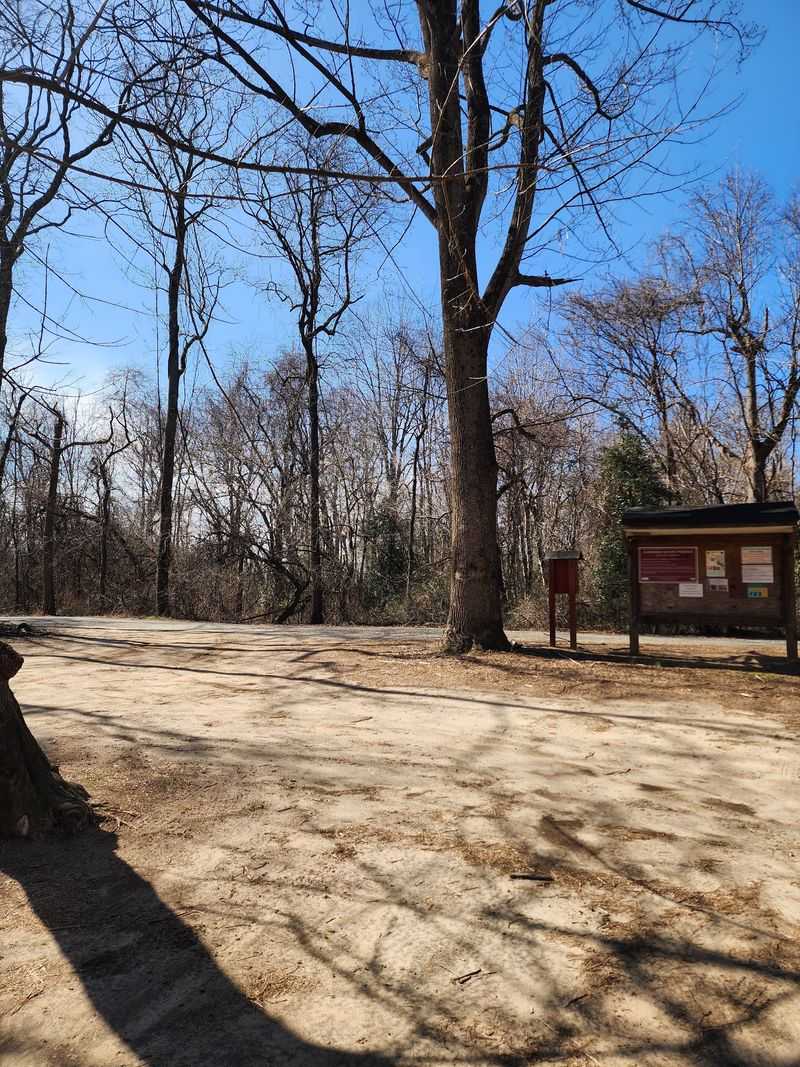
A little planning prevents a wasted trip, since the sanctuary does not open every day.
Hours run from 9 AM to 5 PM on Wednesday, Friday, Saturday, and Sunday. The sanctuary is closed Monday, Tuesday, and Thursday.
Entry has been charged per car rather than per person, at $6 per vehicle. A family annual membership has been offered at $35, which appeals to frequent visitors.
The fee was waived for a period in the past, so it is smart to confirm current costs on the official website at jugbay.org before heading out.
Parking is generally ample at the main area. Other entrances have varying numbers of spots, and the smaller lots can fill up.
Policies on dogs have varied by area. Leashed dogs have been mentioned at some parts of the property, while others have not allowed them, so checking ahead is the best move.
Muddy trails are common after rain. Boots, water, and a snack make the day much smoother.
Arrive early, leave by five, and the logistics take care of themselves.
A Calm Verdict for Cold Days

Some places shout for attention. Jug Bay prefers to wait quietly for the right kind of visitor.
The appeal is easy to sum up. Boardwalks reach into the marsh, big trees shade the forest trails, and wildlife turns up often for anyone willing to slow down.
Families find easy hikes and plenty to keep kids busy for hours. Birders find herons and waterfowl, and solo walkers find long stretches of calm.
The atmosphere is quiet and reflective, which is exactly what many people seek in the off-season. Benches along the water practically invite a pause.
There are small trade-offs. Some paths need stairs, a few markers are sparse, and trails can get muddy, but none of that seems to dent the steady affection people hold for this place.
Winter strips the scenery down to its basics, and that turns out to be a strength here. The marsh, the river, and the trees all get more room to shine.
So grab a jacket, check the hours, and point the car toward Lothian. The marsh will be ready whenever you are.
Enjoyed this story?
Add Fast Food Club as a preferred source to see more of our reporting on Google.