


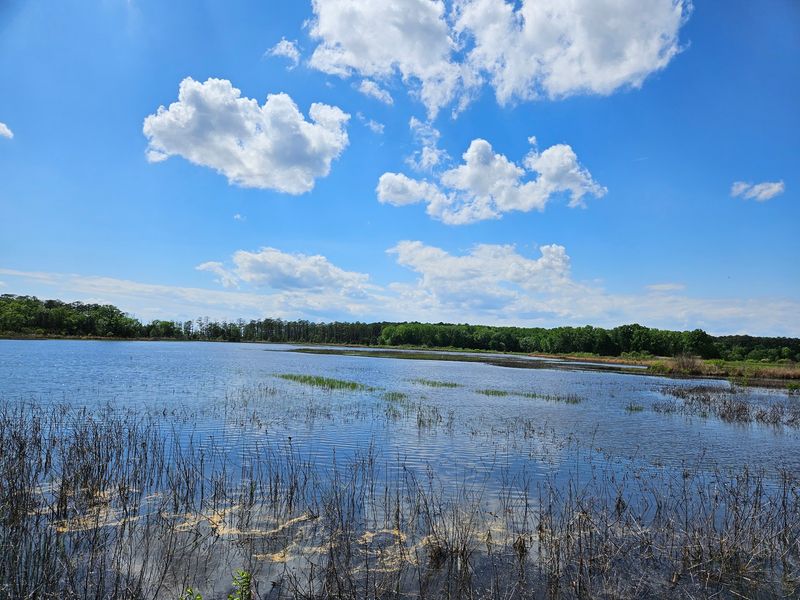
Some winter road trips end at a mall. This one ends at a marsh where eagles outnumber traffic lights.
On Maryland’s Eastern Shore, a wide stretch of protected wetland gives travelers a slow drive, quiet paths, and a front-row seat to birds that most people only see in books. Folks come from as far away as Texas just to stand among eagles and herons.
Families bring grandkids, photographers bring long lenses, and everyone seems to leave calmer than they arrived. The cold months add something special, since wild swans and other waterbirds settle into the open water.
Keep reading for the address, the hours, the binocular tip that can save the day, and the reasons this spot earns a full day on your calendar.
A Marsh Address on Maryland’s Eastern Shore
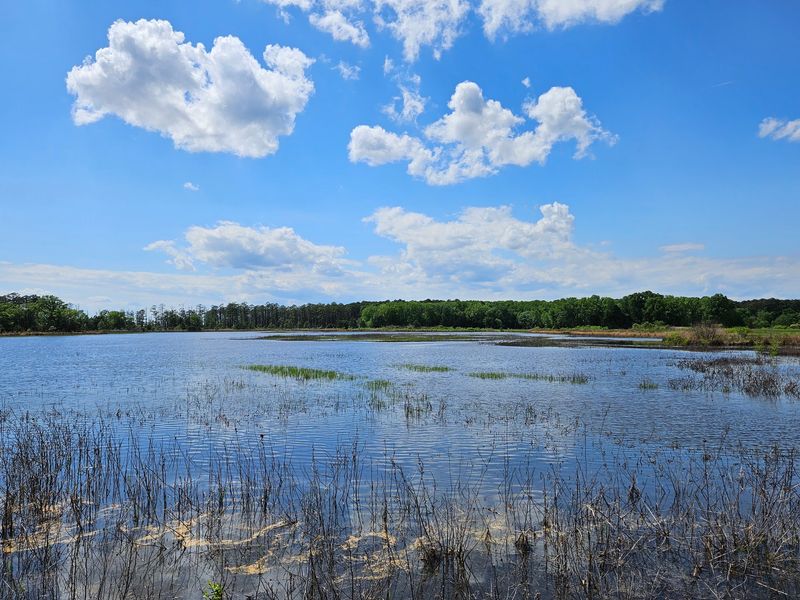
Every good road trip needs a destination worth typing into the GPS. This one is Blackwater National Wildlife Refuge, found at 3185 Key Wallace Dr, Cambridge, MD 21613, in the United States.
Cambridge sits in Dorchester County on Maryland’s Eastern Shore. The refuge spreads across a low, wet landscape of marsh and open water, which is exactly what the wildlife here prefers.
It is managed as a national wildlife refuge, so the land is set aside first for animals and second for people. That order of priorities explains a lot about the experience.
There are no roller coasters or gift-shop gauntlets competing for attention. The main show is the habitat itself, kept well maintained and carefully preserved.
For travelers, the address leads straight to the visitor center area, a natural first stop before heading out on the roads and trails. It is the place to get your bearings, ask questions, and gear up.
The official website, run by the U.S. Fish and Wildlife Service, lists updates and details worth checking before you leave home.
Once the car is parked, the refuge starts making its case, one wingbeat at a time.
Why a Refuge Matters
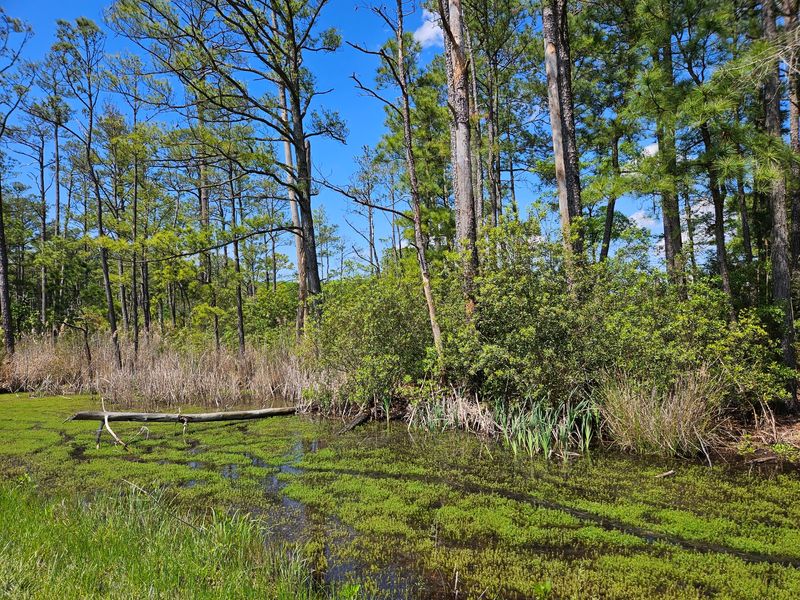
Plenty of places claim to be good for nature. A national wildlife refuge goes a step further by making wildlife the whole point.
Blackwater carries that mission across its marshes and wetlands. The result is a habitat where birds can feed, rest, and nest with fewer interruptions from the busy world beyond Cambridge.
That protection shows up in the details. The grounds come across as tidy and cared for, and the habitat feels intact rather than patched together.
For guests, the payoff is simple. Animals that feel safe tend to stick around, which means better odds of seeing them.
The refuge is also a learning space. Many people leave with a better sense of how wetlands work and why they deserve protection, which turns a scenic drive into a quiet lesson.
None of this requires a science degree to appreciate. A little patience and a willingness to slow down are the only real entry requirements, and the marsh rewards both generously.
Eagles Everywhere, Almost Literally
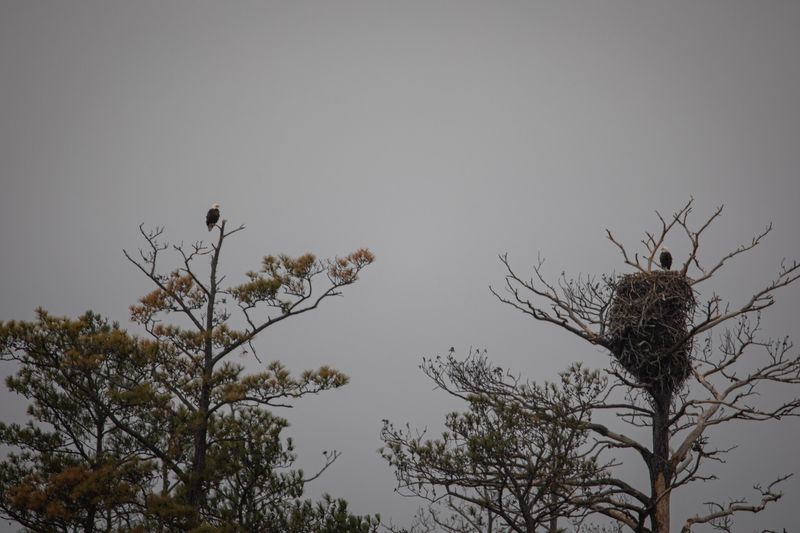
Bald eagles are the headline act here, and they rarely miss a performance. Ask around and the word that comes up most is simply eagle.
Some guests describe eagles everywhere. Others mention spotting a pair in a nest, a sight that tends to make a car full of people go quiet very quickly.
For travelers from states where eagles are scarce, the refuge can feel like a different country. Being surrounded by these birds in a protected setting is the moment many trips are built around.
The open marsh helps. Wide sightlines make it easier to scan tree lines, snags, and the sky without fighting through thick forest.
A few tips raise the odds:
Drive slowly and pull over where it is safe. Check treetops and dead branches, which make popular perches.
Bring patience along with your camera. Eagles keep their own schedules, and the wait is part of the deal.
Spotting one is thrilling. Spotting a third or fourth in a single afternoon is the kind of thing that turns casual drivers into lifelong birders.
Swans, Herons, and the Supporting Cast
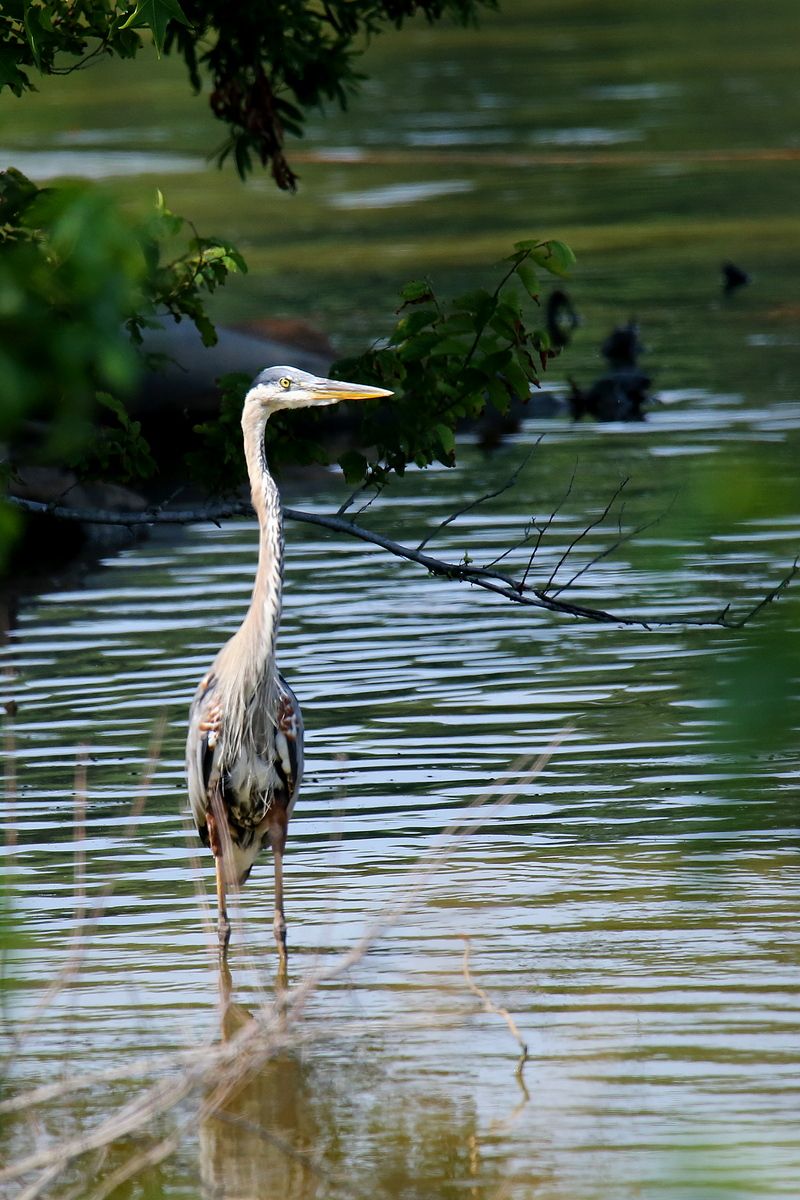
Eagles may get top billing, but the rest of the cast deserves a curtain call. Herons work the shallows with steady patience, and a long list of other waterbirds fills in the gaps.
Winter brings swans into the picture, which is a big reason a cold-season drive pays off. Open water on the refuge gives these large birds room to gather.
Guests often sum it up as lots of cool birds and wetlands. Birders put it more bluntly and call the place fabulous.
Part of the fun is the uncertainty. Longtime regulars note that the refuge always manages to surprise them, because no two trips turn up the same lineup.
That variety keeps the experience fresh. One visit might be all about herons, while the next delivers swans drifting across a channel.
A field guide or a birding app in your pocket helps put names to faces. Even without one, it is hard to leave without a new favorite feathered neighbor.
The Scenic Drive Through the Marsh
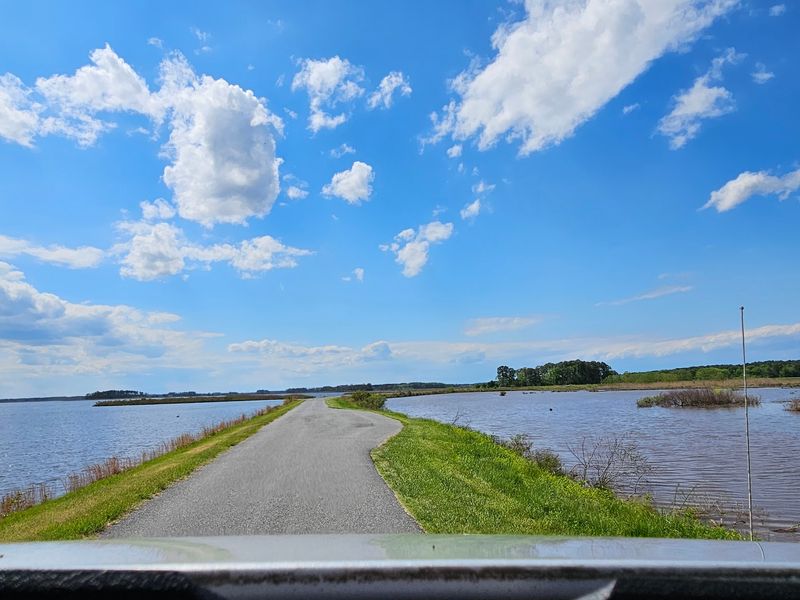
Not every great outing requires hiking boots. At Blackwater, the car becomes a rolling bird blind.
Many guests simply drive through the refuge and call it a perfect day. The route moves through marsh and open views, with plenty of chances to slow down and look.
Driving has a practical advantage. Wildlife often tolerates a vehicle better than a person on foot, so staying inside can mean closer looks.
It also suits a cold day nicely. The heater stays on, the snacks stay handy, and nobody has to negotiate who carries the backpack.
A few habits make the drive better:
Keep speeds low and watch for others who have stopped. Use pullouts instead of halting in the road.
Roll down a window when you stop, then scan slowly from near to far. Birds have a talent for hiding in plain view.
People describe the ride as relaxing, with great views around each bend. It is the rare road trip where going slower is the whole goal.
Quiet Trails for Slow Steps
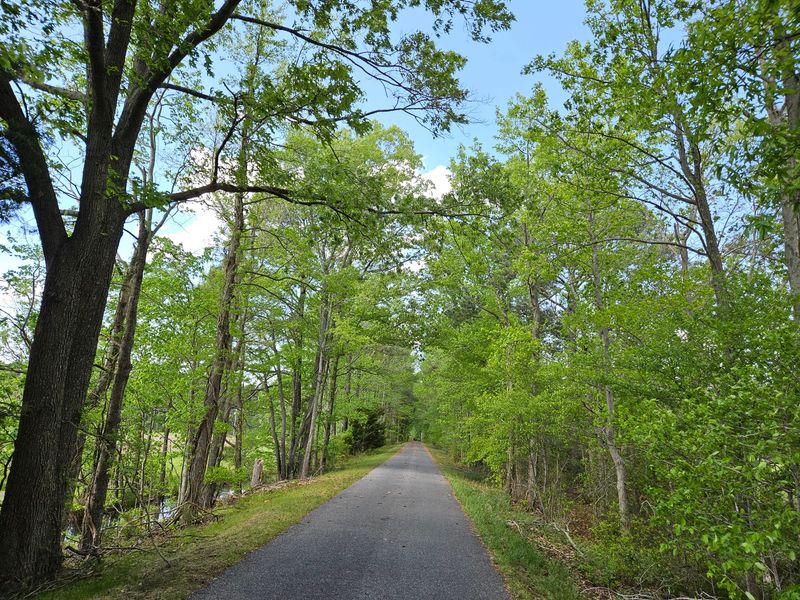
Sometimes the best plan is to park and walk. The refuge offers quiet paths that let you trade the windshield for open air.
Peaceful is the word that keeps coming up for this place, and the trails are where that calm feels most personal. There is no rush here and no crowd pushing from behind.
Walking gives a different angle on the marsh. You notice smaller birds, changing water levels, and the shape of the land in a way a car cannot offer.
Winter is a smart time to try it. The pace is easy and the open views stay clear.
Dress in layers and wear sturdy shoes. Wetland ground can be damp, and the weather on the Eastern Shore can shift during a day.
Keep voices low and steps steady to avoid flushing birds. A quiet walker sees far more than a chatty one.
Short stretches are fine. Even a brief stroll can reset a busy week, and that may be the most underrated feature on the map.
Views That Stretch to the Horizon
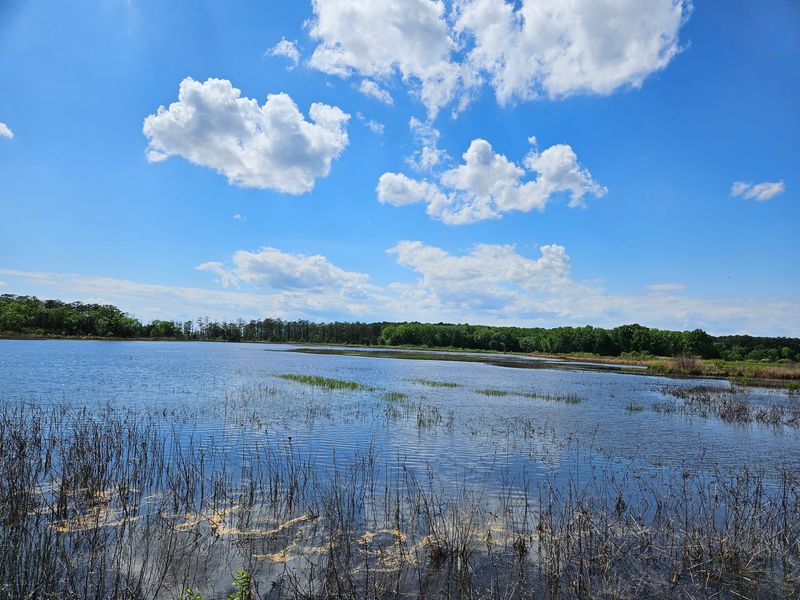
Mountains get a lot of credit for views. Flat marshland quietly makes its own argument.
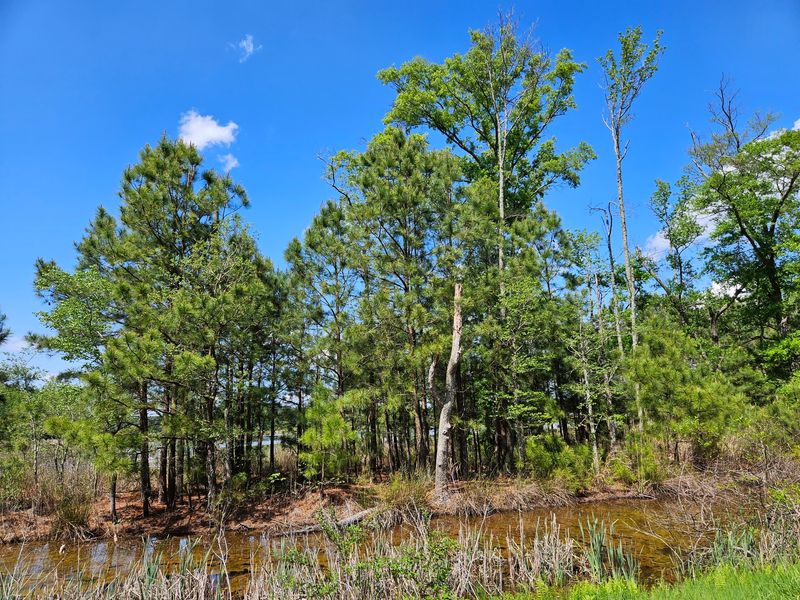
At Blackwater, the land opens wide, and the horizon seems to sit farther away than usual. Guests regularly point to the views as a top reason to come.
The scenery is a blend of wetland, water, and sky. Its appeal is calm rather than dramatic, the sort of landscape that invites a longer look.
Natural beauty at its finest is how one enthusiastic summary puts it. That is a high bar, yet many people seem to agree.
Winter can sharpen the experience. Bare trees and lower vegetation open sightlines across the marsh.
It helps to plan a few stops instead of rolling past everything. Pick a pullout, cut the engine, and give the view a few minutes.
The scenery never shouts for attention. It waits patiently for you to notice, and once you do, it is hard to look away.
A Playground for Photographers
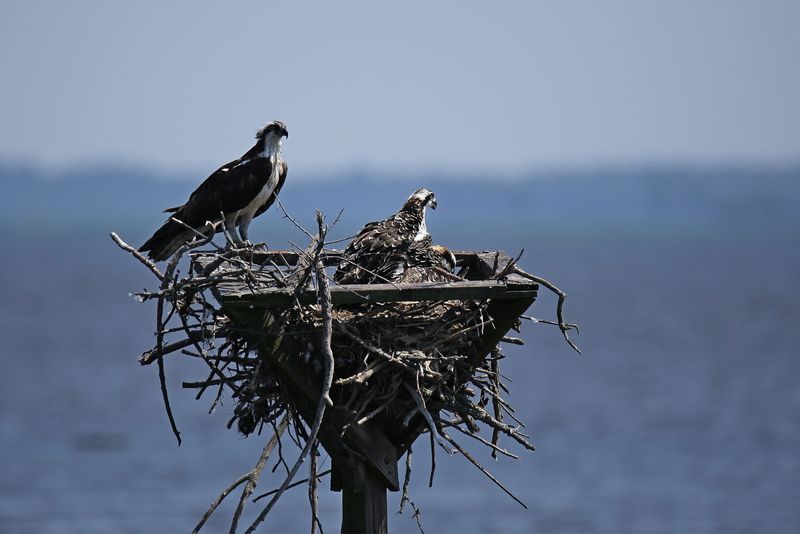
Paradise for photographers is a bold label. Blackwater wears it comfortably.
The mix here is hard to beat for anyone with a camera. Big birds, wide landscapes, and open water create a long list of possible shots in a single afternoon.
Eagles are the obvious target. A happy eagle on a branch has ended up in more than a few personal photo albums.
Landscape shooters have plenty to work with too. The marsh and sky offer clean, simple compositions.
Some practical advice for the camera crowd:
A longer lens makes a real difference, since wildlife deserves its space. Shooting from the car can provide steady support.
Arrive with charged batteries and spare memory cards. Running out of storage mid-eagle is a heartbreak nobody needs.
Patience matters more than gear. The birds set the schedule, and the best frame often arrives right after you were about to give up.
The Binocular Rule
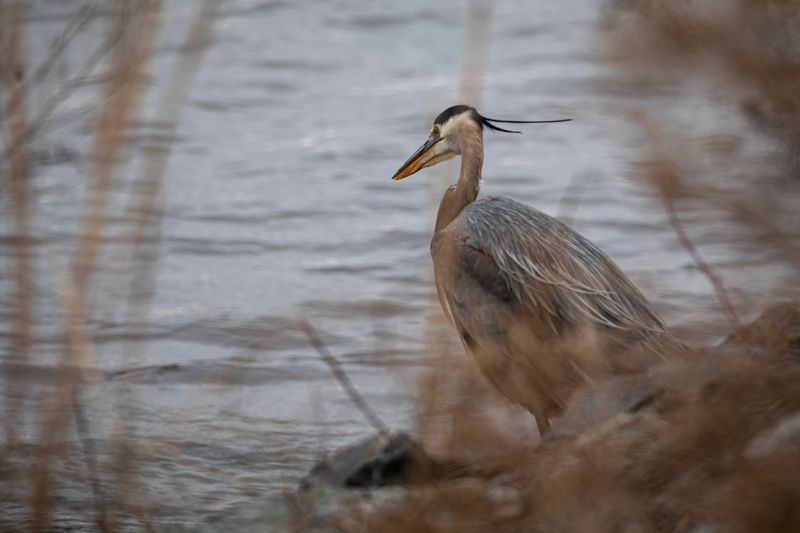
Forgetting binoculars at home is a classic road trip mistake. Fortunately, Blackwater has a fix.
Binoculars can be picked up at the visitor center if yours are still sitting on the kitchen counter. That small detail can rescue an entire day.
Why does it matter so much? Many birds keep their distance, and the marsh is wide.
Without some magnification, an eagle can look like a dark speck.
With a decent pair, the details come into focus. Feather patterns, nesting activity, and posture all become visible.
A few quick habits help beginners:
Find the bird with your eyes first, then raise the binoculars without looking away. Adjust the focus wheel before the action starts.
Share them around the car. Kids especially love taking a turn.
Bringing your own pair is still the smartest move. Consider the visitor center option a safety net rather than a plan, and your eagle count will thank you.
Family Days and Grandkid Outings
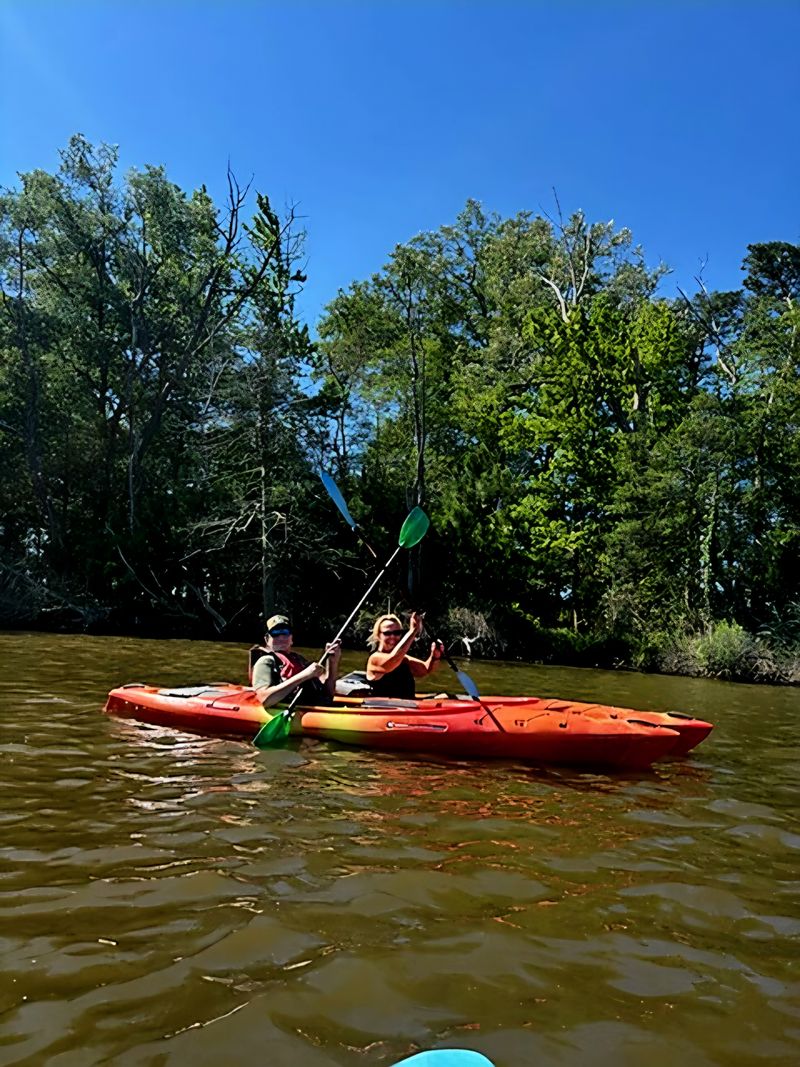
Some outings are made for sharing. A grandparent and grandchild spending a wonderful day together here is exactly the kind of story the refuge collects.
Blackwater is often called very family friendly. The drive keeps little legs from tiring out, and the steady chance of spotting wildlife keeps attention spans engaged.
Kids tend to treat it like a scavenger hunt. Every eagle, heron, or swan becomes a point on an invisible scoreboard.
It also works as a learning experience. Children can see real animals in real habitat, which beats a screen every time.
Packing smart makes the day easier:
Bring snacks, water, and warm layers for winter. Plan a restroom stop near the visitor center.
Hand a young helper the job of bird spotter or note keeper. Responsibility is a great boredom cure.
The best part may be the conversation on the ride home. Questions about nests and wings can stretch for miles.
Why Winter Wins
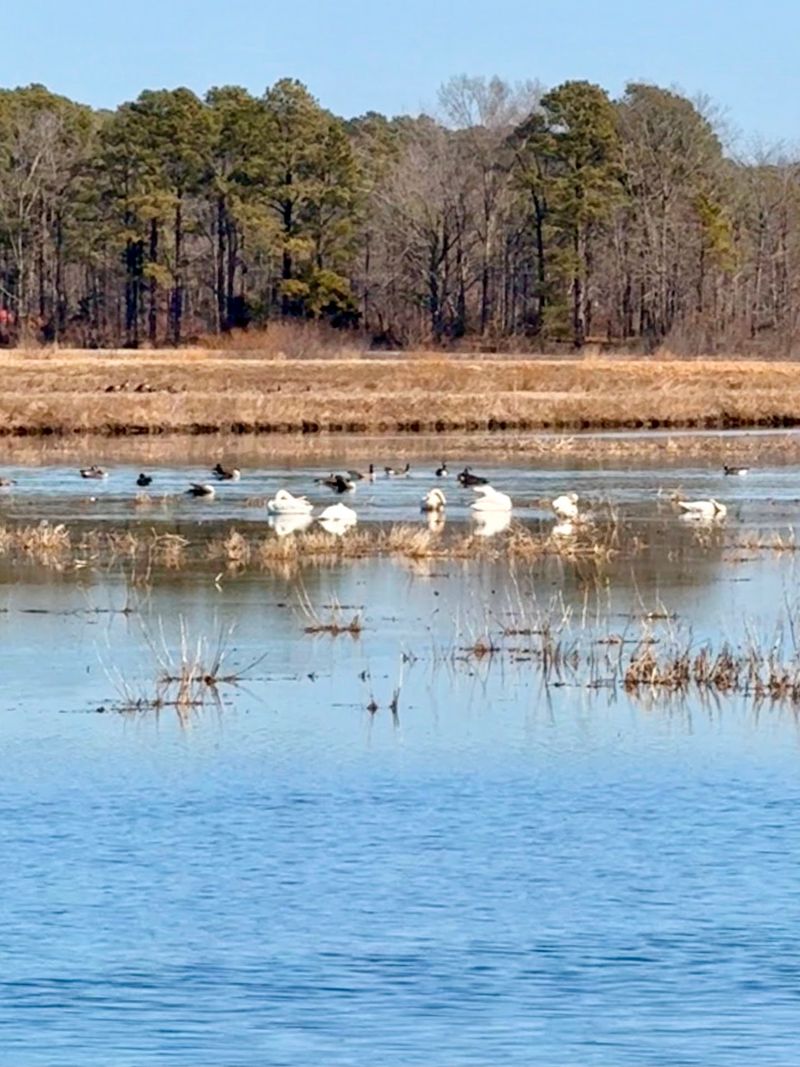
Cold weather sends many people indoors. At Blackwater, it is a reason to head out.
Winter is when swans add their presence to the marsh. Combined with the resident eagles, the season delivers a strong lineup.
Bare branches help too. With less foliage in the way, birds perched in trees become easier to find.
The quieter atmosphere fits the season. A calm drive through open wetland suits a chilly afternoon.
Plan around the shorter days. The refuge closes at 4 PM on open days, and winter light fades early, so arriving late in the day leaves little time.
Dress warmly even if you plan to stay in the car. Stepping out at a pullout with a cold wind can be bracing.
A thermos of something warm and a full tank of gas round out the kit. Then the marsh can take care of the rest.
Hours, Days, and Planning Notes
Good timing turns a nice trip into a great one. Here is what to know before setting out.
The listed hours run 10 AM to 4 PM on Tuesday, Wednesday, Thursday, Friday, Saturday, and Sunday. Monday is listed as closed.
That schedule makes weekends and most weekdays workable. Just avoid planning a Monday drive around it.
Arriving near opening gives you the most daylight. It also leaves time for a stop at the visitor center before heading out.
Hours can change, so check the U.S. Fish and Wildlife Service page for Blackwater before you go.
That site also covers any current notices.
A short checklist helps:
Pack binoculars, a camera, warm layers, water, and snacks. Fuel up in Cambridge before the drive.
Leave room in the schedule for unplanned stops. The best moments here rarely follow an itinerary.
A Soft Verdict From the Marsh
Some places try hard to impress. Blackwater simply opens its marsh and lets the wildlife do the talking.
The case for a winter drive is straightforward. Eagles appear often, swans join the scene in the cold months, and herons keep the shallows busy.
Add quiet paths, wide views, and a calm atmosphere, and it is easy to see why people return. Many call it a place that never shows the same day twice.
It suits families, photographers, serious birders, and anyone who needs a peaceful afternoon. Nobody has to be an expert to enjoy it.
The practical pieces are simple. Mind the Monday closure, arrive early, and bring binoculars or grab some at the visitor center.
Cambridge may not top every travel list. After a few hours on this marsh, though, it might just top yours, one eagle sighting at a time.
Enjoyed this story?
Add Fast Food Club as a preferred source to see more of our reporting on Google.