


Most people who retire want fewer headaches, and winter weather is often near the top of the list. On Oregon’s southern coast, one small city has earned a reputation for winters that are far easier to manage than those in much of the country.
Snow shovels gather dust there, and morning errands rarely depend on the forecast. Here is why so many retirees in Brookings say the season barely slows them down, along with the practical details worth knowing before making a move.
A Small City at Oregon’s Southern Edge
Few Oregon towns sit as far south as this one. Brookings, Oregon 97415, USA, is a city in Curry County, tucked along the Pacific coast close to the California state line.
That position matters more than it might seem at first glance. Towns near the ocean tend to have gentler temperature swings than inland places, and the southern end of the Oregon coast is especially known for winters that stay on the mild side.
For retirees, geography is often the quiet factor behind a comfortable daily routine. A location that keeps winter predictable means fewer canceled plans and fewer days spent waiting for roads to clear.
The city keeps an official website at brookings.or.us, which serves as a handy starting point for anyone researching local services, city news, and community information. Prospective residents often browse it long before they ever book a scouting trip.
Brookings is not a sprawling metro area, and it does not try to be one. It is a compact coastal city where daily life follows a manageable rhythm, and many people who arrive planning a short stay end up asking about housing instead.
So what shaped this corner of the coast into the place it is today? The answer starts with a lumber company and a man whose name stuck.
The Lumber Man Behind the Name
Plenty of towns have names that nobody can explain. Brookings is not one of them.
The city was named after John E. Brookings, president of the Brookings Lumber and Box Company.
He founded the city in 1908, which gives Brookings more than a century of history on the Oregon coast.
A lumber origin story tells you something about the town’s character. It was built around work, industry, and practical needs rather than tourism or glamour.
That grounded beginning still shapes the feel of the place. Brookings has grown well past its company-town roots, yet it has kept a modest, down-to-earth identity that many retirees find refreshing.
For newcomers, learning a little local history is a nice way to feel connected. Knowing that the city dates back to 1908 adds a layer of meaning to everyday drives around town.
History buffs who retire here often enjoy digging into how the region developed after its founding. Local libraries and community groups are natural places to start that kind of research.
A town founded on timber turned into a place people now seek out for its climate. That shift from sawdust to sunshine-seeking says a lot about how the Oregon coast has changed over the decades.
Six Thousand Neighbors and a Relaxed Pace
Numbers can say a lot about daily life. As of the 2020 census, Brookings had a population of 6,744 people.
That figure puts the city firmly in small-town territory. It is large enough to support everyday necessities, yet small enough that running errands rarely turns into an ordeal.
Retirees often point to this size as a sweet spot. Big cities can feel rushed and crowded, while very tiny towns may require long drives for basic services.
In a community of this scale, familiar faces become part of the routine. The person at the counter today may be the same person seen at a community event next week.
Traffic is another quiet benefit of a smaller population. Shorter trips mean more time for hobbies, walks, and visits with friends, and less time sitting behind the wheel.
Of course, a smaller city also means fewer big-box options and a more limited range of specialists. Newcomers are wise to think about which services they use often and how far they are willing to travel for them.
Still, for many people entering retirement, a town of roughly 6,700 residents offers a pace that feels right. It is busy enough to stay interesting and calm enough to stay comfortable.
Winters That Rarely Pick a Fight
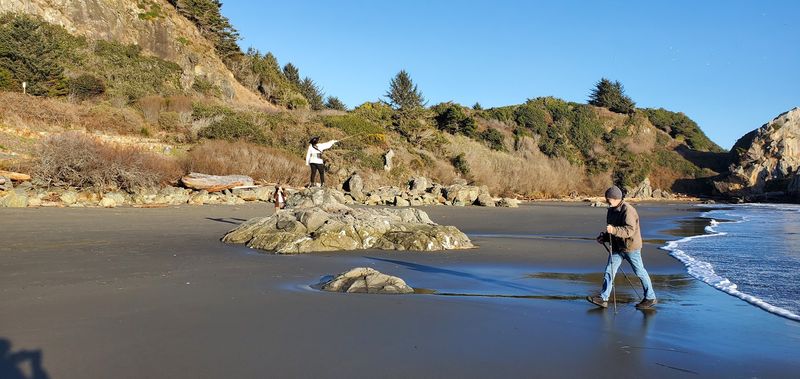
Ask someone from the Midwest about January, and the answer usually involves shovels and salt. Ask a retiree in Brookings, and the answer is often a shrug.
The Pacific Ocean plays a big role here. Large bodies of water change temperature slowly, so coastal towns generally avoid the deep freezes that inland areas experience.
On the southern Oregon coast, that ocean influence helps keep winter days mild compared to much of the country. Snow is uncommon at sea level, and hard freezes are far less frequent than in higher or more northern places.
For older adults, that difference goes beyond comfort. Icy sidewalks and slick driveways are a real concern, and fewer of those days means fewer worries about slips and falls.
Mild winters also help with household costs and chores. Less time is spent scraping windshields, clearing walkways, or bracing a home against brutal cold snaps.
None of this means winter disappears completely. Storms still roll in off the ocean, and residents keep jackets and rain gear close at hand.
The key point is that winter here tends to be manageable rather than punishing. For many retirees, that single change reshapes how the whole year feels.
Oregon’s So-Called Banana Belt
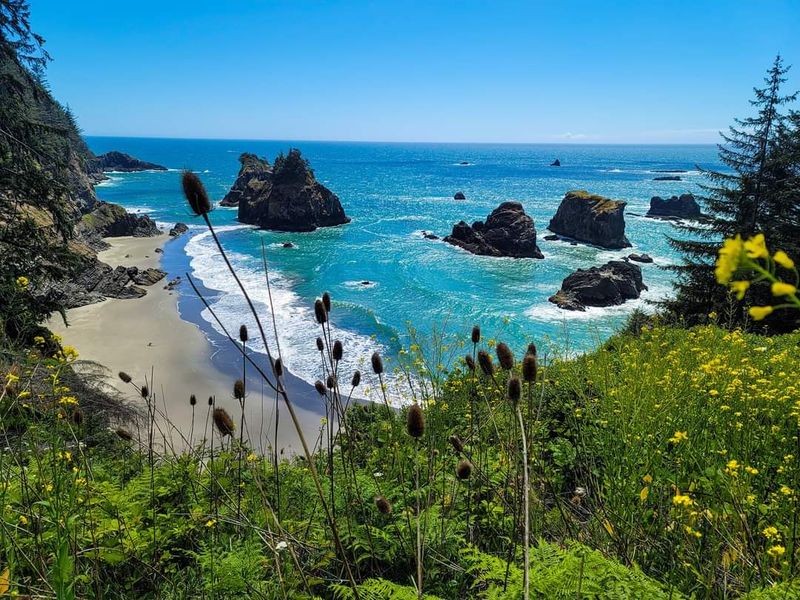
Bananas do not grow on the Oregon coast, so the nickname needs a little explaining. Brookings is often called part of Oregon’s banana belt, a playful label for a stretch of coast known for relatively mild weather.
The name is a friendly exaggeration. It simply signals that this area tends to stay milder than many other parts of the state, especially during the colder months.
People who study the region sometimes mention a weather pattern known locally as the Brookings Effect. It refers to occasional winds that can push temperatures higher than expected for the season.
These unusually mild days are not guaranteed, and they do not happen on a set schedule. Still, they add to the city’s reputation as a place where winter can surprise people in a good way.
For retirees comparing towns on paper, a nickname like this can spark curiosity. It invites a closer look at what daily life actually involves between November and March.
The best approach is to treat the label as a hint rather than a promise. Checking seasonal averages from trusted weather sources gives a clearer, more reliable picture.
Even with that caution, the banana belt nickname has staying power for a reason. It captures the easygoing winter reputation that keeps drawing people south along the coast.
Errands Without the Ice Scraper
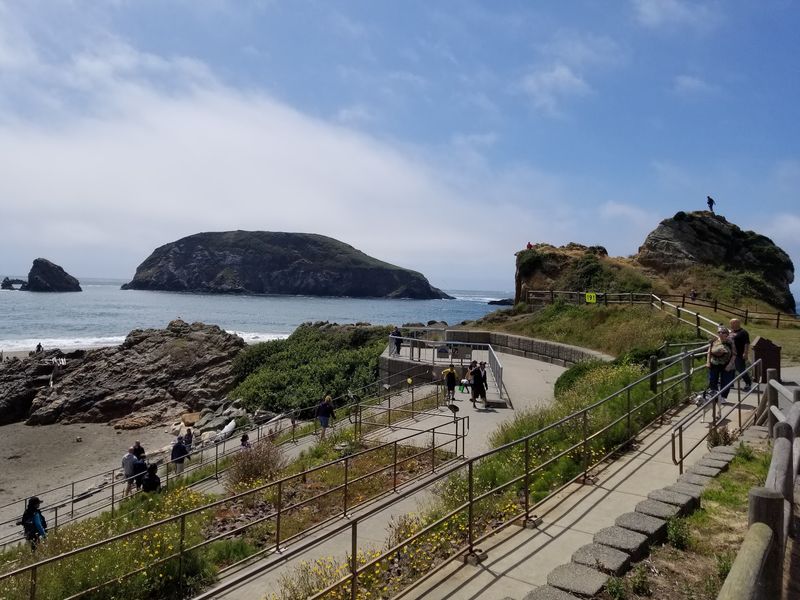
A pharmacy run should not require a weather briefing. In Brookings, it usually does not.
Everyday tasks are where a mild winter really proves its worth. Grocery shopping, medical appointments, and trips to the post office can happen on a normal schedule rather than around snowstorms.
Retirees who moved from colder regions often describe a sense of freedom. They no longer plan the week around which days the roads might be safe.
Driving is simpler when roads are rarely icy. That matters for older drivers who want to stay independent without taking unnecessary risks.
Walking errands become more realistic too. A short stroll to a nearby shop or a friend’s home is easier to fit in when sidewalks stay clear through the season.
Cars and homes benefit as well. Less exposure to road salt and freezing conditions can mean fewer winter-related repairs over time.
Rainy days still call for some patience, and coastal storms can bring strong wind at times. Residents learn to keep an eye on the forecast without letting it run their lives.
In the end, it is the small, ordinary moments that add up. When getting out the door is easy, staying active and social becomes easier as well.
Year-Round Access to the Pacific Shoreline
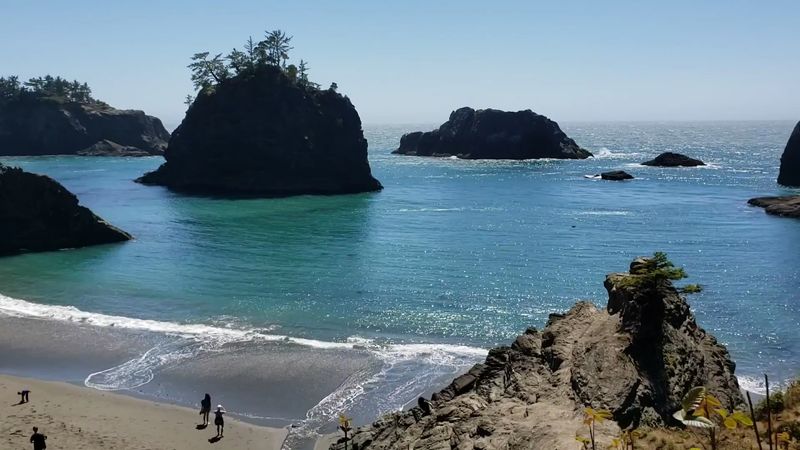
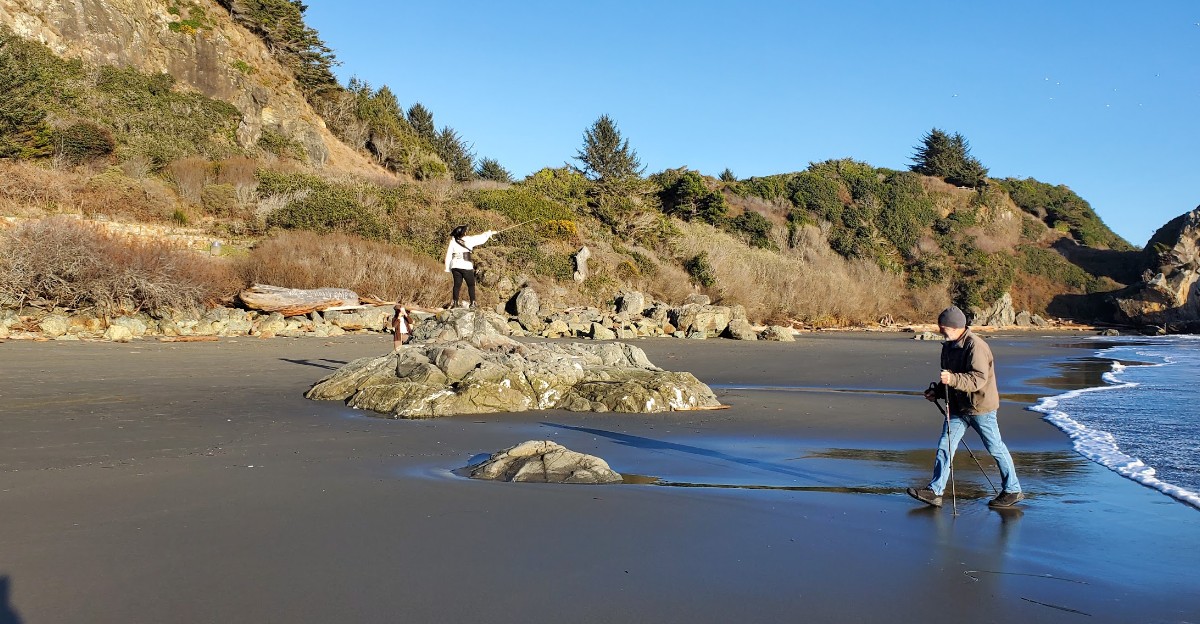
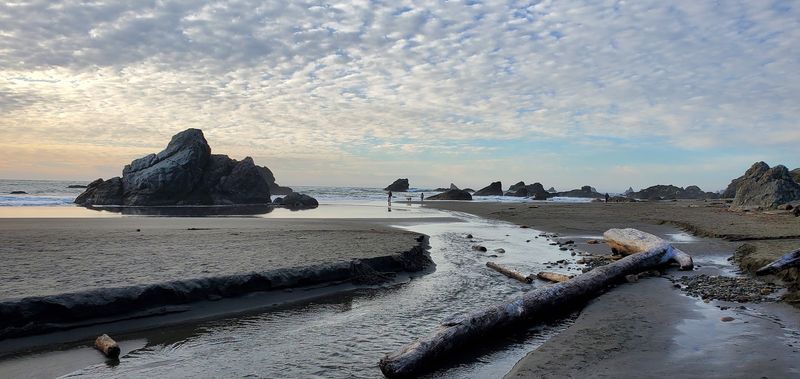
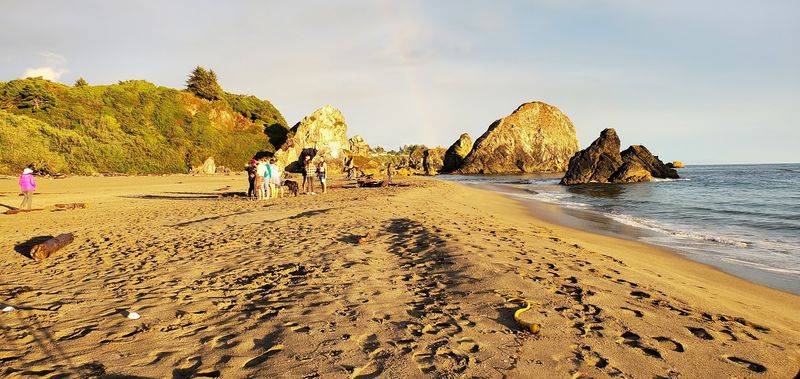
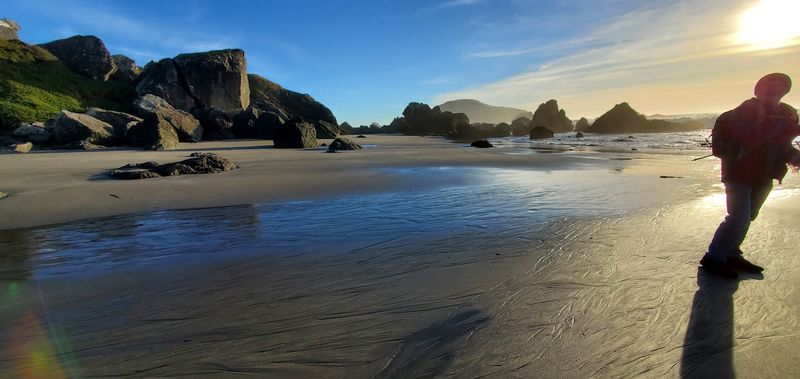
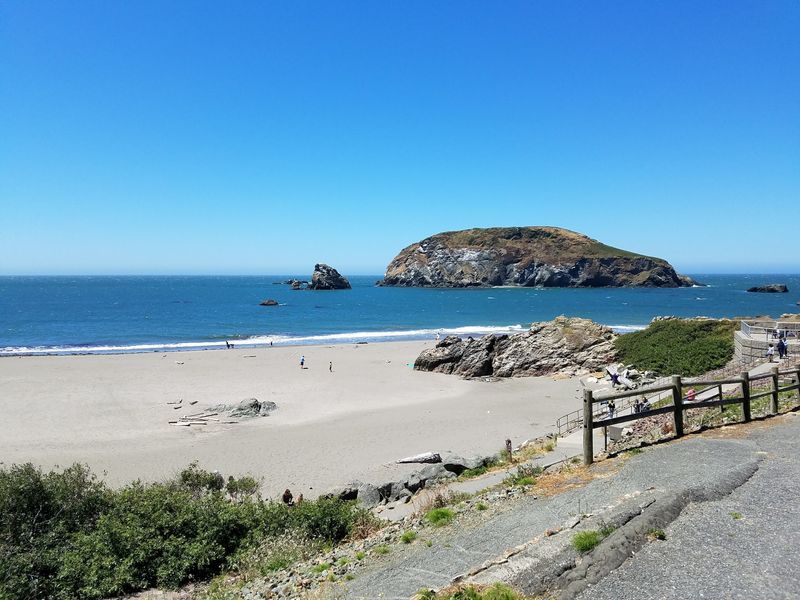
Beaches are not only for summer here. Along the southern Oregon coast, the shoreline stays inviting for outdoor walks through much of the winter.
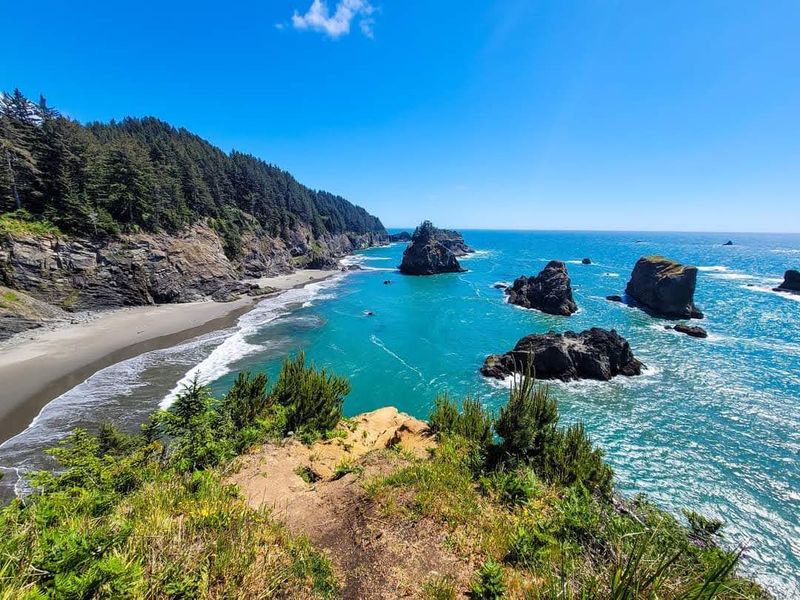
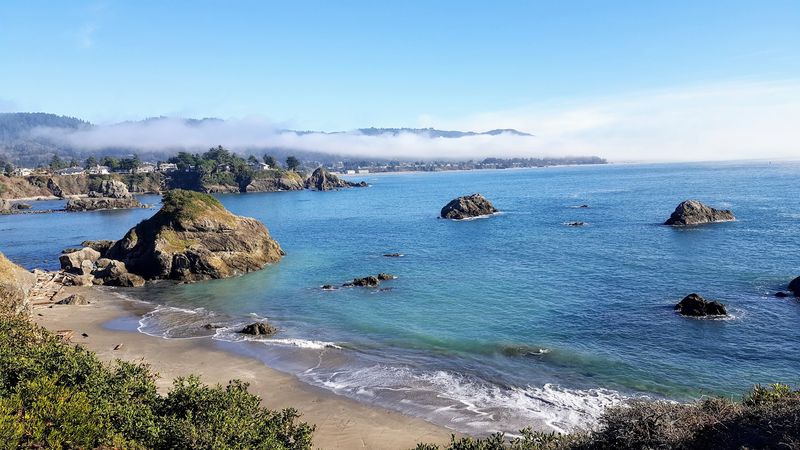
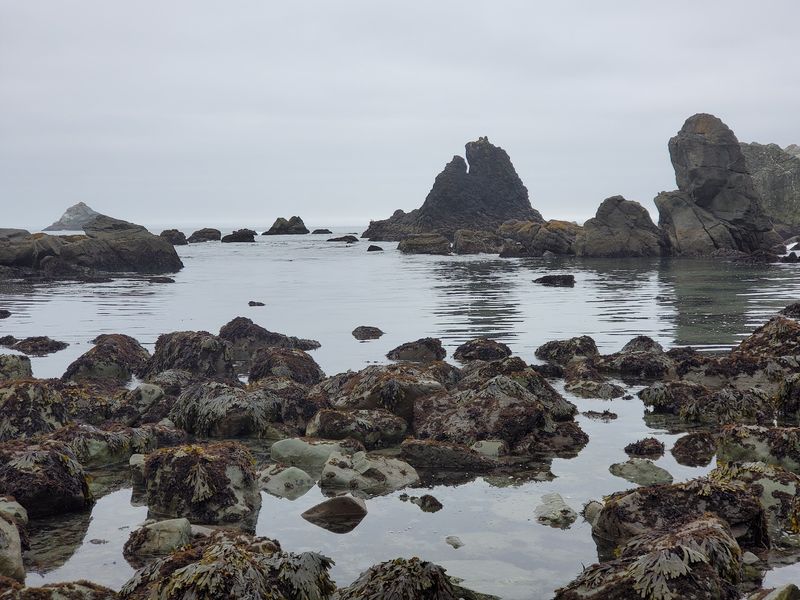
The coastline around Brookings is known for rugged rocks, sea stacks, and long stretches of beach. Several state park areas in the region give residents easy options for getting outside.
For retirees, regular walking is one of the simplest ways to stay healthy. A mild climate makes it more likely that those walks continue through the colder months instead of stopping in October.
Winter on the coast also brings a quieter atmosphere. With fewer summer travelers around, trails and beaches often feel less crowded.
Safety still matters near the ocean. Large waves can surprise people, so it is wise to stay back from the water’s edge during storms and check tide times before heading out.
Many locals build these outings into their weekly routines. A morning walk followed by coffee with friends can become a cherished habit.
Having the Pacific close by turns ordinary exercise into something people look forward to. That motivation is hard to find when winter keeps everyone indoors.
Where the Chetco River Meets the Sea
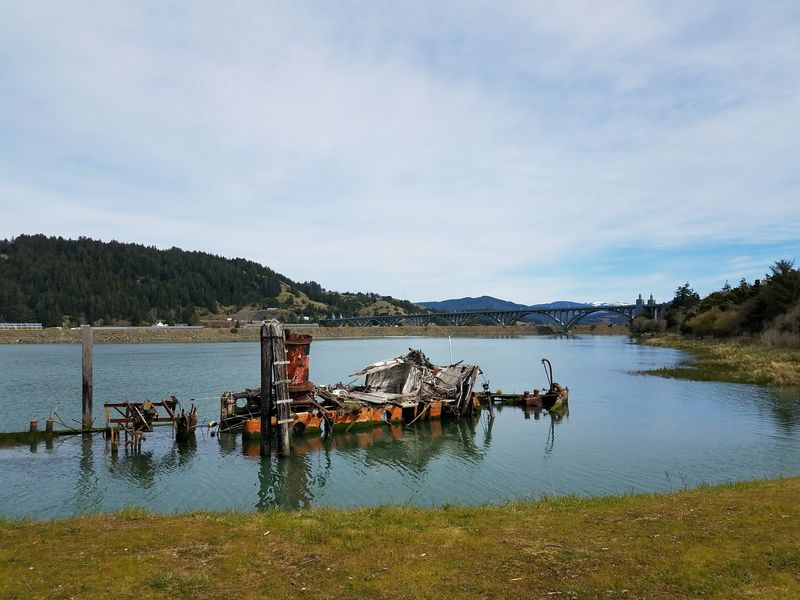
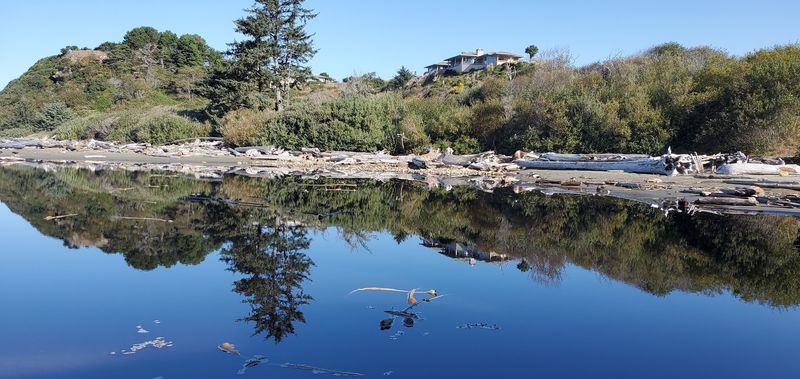
Rivers have a way of shaping towns, and Brookings is no exception. The city sits near the mouth of the Chetco River, where fresh water meets the Pacific.
The river area adds variety to local outdoor life. Instead of only beaches, residents have forested riverbanks and inland scenery within a short drive.
For retirees who enjoy fishing, the Chetco is a well-known name on the Oregon coast. Anglers should always check current state fishing rules and seasons before casting a line.
The harbor area near the river mouth is another point of interest. Watching boats come and go can be a relaxing way to spend part of an afternoon.
A river also gives a different kind of winter outing. On days when ocean conditions are rough, a riverside walk can be a calmer choice.
Nature lovers often appreciate how quickly the setting shifts from coast to forest. That mix offers plenty of options for people who like to keep their weekly outings fresh.
With the Chetco close at hand, it is easy to see why so many people describe the area as scenic without needing to travel far. The river quietly broadens what everyday life can include.
Gardening Beyond the Usual Calendar
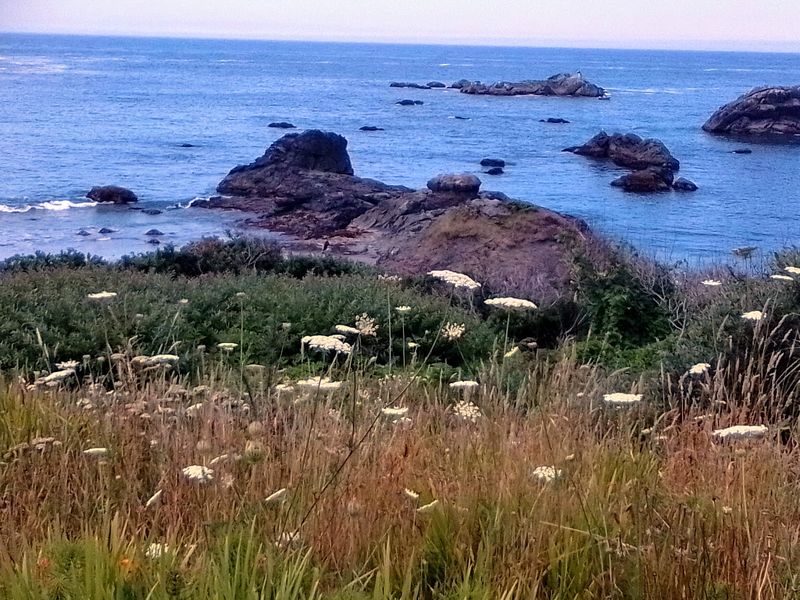
Gardeners tend to count frost dates like birthdays. In a mild coastal climate, those dates can be far less of a concern.
Brookings is known for its flowering plants, and the city holds an annual celebration tied to its azaleas. That reputation hints at how friendly the local conditions can be for anyone with a green thumb.
Retirees often turn to gardening as a hobby that keeps them moving. Fewer hard freezes can mean more months of outdoor work and fewer plants lost to winter.
Of course, coastal gardening has its own challenges. Salt air, wind, and heavy winter rain all affect which plants do well.
Local nurseries and garden groups can be helpful resources for newcomers. Learning which varieties suit the coast saves both money and frustration.
Community gardens and plant clubs also offer a social side to the hobby. Sharing tips and cuttings is an easy way to meet neighbors.
For many people, a garden that stays productive for more of the year becomes a source of pride. It is one more way mild winters quietly make retirement more rewarding.
Rain, the Honest Trade-Off
No climate is perfect, and it would be unfair to pretend otherwise. The Oregon coast is known for wet winters, and Brookings is part of that pattern.
Mild temperatures and heavy rain often go hand in hand along the Pacific Northwest coast. Storm systems moving in from the ocean bring plenty of moisture during the cooler months.
For some retirees, this is a small price to pay. Rain does not need to be shoveled, and it rarely shuts down roads the way ice and snow can.
Others find that gray skies take some getting used to. Planning indoor hobbies, social activities, and regular outings helps many people stay upbeat through the rainy stretches.
Good rain gear becomes essential. A reliable jacket, waterproof shoes, and a sturdy umbrella turn wet days into ordinary days.
Homeowners should also think about gutters, drainage, and roof upkeep. Staying ahead of maintenance helps prevent winter surprises.
Knowing about the rain ahead of time makes the decision clearer. People who move here with realistic expectations tend to settle in far more happily than those expecting endless sunshine.
A Community That Makes Room for Newcomers
Moving in retirement can feel like starting over. A welcoming community makes that fresh start much easier.
Brookings has a sizable share of residents who arrived later in life. That shared experience often makes it easier for newcomers to find people in the same stage of life.
Small-town events, clubs, and volunteer groups give people natural ways to connect. The city website is a useful place to learn about local happenings and public meetings.
Volunteering is especially popular among retirees. It offers purpose, structure, and a quick way to learn how the community works.
Churches, libraries, and senior-focused organizations can also serve as social anchors. Many people find their first friendships through these groups.
A mild winter supports all of this. When weather rarely cancels plans, it is easier to keep showing up to meetings, classes, and gatherings.
Loneliness is a real concern for many older adults, especially after a big move. Choosing a place where social life continues through the winter can make a meaningful difference.
In Brookings, the easygoing climate and small-town setting work together. The result is a community where joining in feels less like a chore and more like a habit.
The Kind of Retiree Who Thrives Here
Not every town fits every person, and that is perfectly fine. Brookings tends to suit a particular kind of retiree.
People who enjoy the outdoors often do well here. Coastal walks, river outings, and gardening can fill the calendar all year.
Those who prefer a slower pace also find a good match. A population under 7,000 means life moves at a relaxed speed.
Retirees escaping harsh winters are among the most common newcomers. For them, the biggest change is simply being able to go outside without bundling up against extreme cold.
On the other hand, people who want big-city culture every week may feel limited. Major airports, large hospitals, and wide shopping options are farther away than in a metro area.
Those who dislike rain should visit during winter before deciding. Spending time here in the wettest months is the most honest test.
Budget is another factor to weigh. Housing costs, insurance, and travel to larger cities should all be part of the planning.
The retirees who seem happiest are the ones who value ease over excitement. For them, a quiet coastal town with manageable winters feels like exactly what they were looking for.
Planning a Winter Scouting Trip
Brochures only tell part of the story. A winter visit shows what everyday life in Brookings really involves.
The city sits along U.S. Highway 101, the main coastal route through Oregon.
Most people arrive by car, following the coast from the north or crossing up from California.
Because Brookings is near the California border, some travelers look at airports in both states when planning a trip. Checking current flight options and drive times ahead of time makes the journey smoother.
Visiting between November and February gives the clearest picture of the climate. That is when the rain, the storms, and the mild days all show up.
During the visit, it helps to test daily routines. Try a grocery run, drive to a clinic location, and take a walk to see how the season feels in practice.
The official city website, brookings.or.us, is a good place to check local news and services before arriving. It can also point toward city departments that handle questions about living in town.
Talking with longtime residents offers insight no website can match. A few casual conversations can reveal what locals love and what they would change.
A well-planned scouting trip turns a daydream into a clear decision. It is time well spent before any big move.
Why Easy Winters Add Up to an Easier Life
Retirement is supposed to be about time, and the weather has a lot to say about how that time gets used. In Brookings, winter tends to step aside rather than take over.
The city’s southern coastal location, its small-town size, and its long history since 1908 all shape a place that feels steady. Mild winters tie those pieces together into a daily routine that stays manageable.
Errands happen on schedule, walks continue through the season, and social plans rarely fall apart because of ice. Those small wins make a real difference over months and years.
The rain is real, and so are the trade-offs of living far from big cities. People who plan for both usually find the balance works in their favor.
For retirees tired of scraping, shoveling, and staying indoors, this Curry County city offers a practical alternative. It is not flashy, and it does not need to be.
The best next step is a visit during the wettest, coolest part of the year. If life still feels easy then, Brookings may be ready to become home.
Enjoyed this story?
Add Fast Food Club as a preferred source to see more of our reporting on Google.