


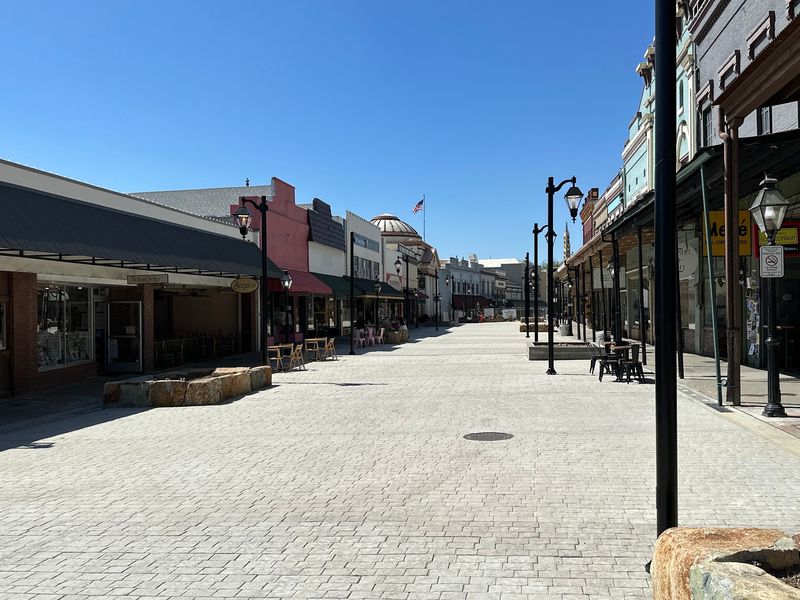
Some retirement plans start with a spreadsheet, and some start with a drive up Highway 49. A growing number of retirees are trading crowded Bay Area streets for a small foothill city with a big Gold Rush past.
It has about 14,000 residents, a walkable historic downtown, and a slower pace that many people spend years hoping to find. Here is a closer look at the history, setting, daily life, and practical details that make this Sierra foothills town worth a serious look.
A Foothill City in Nevada County
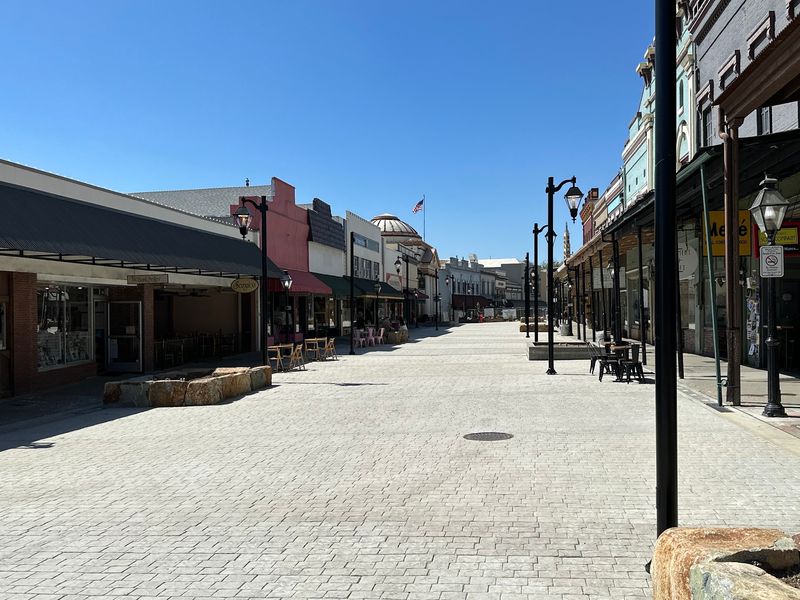
Grass Valley sits in Nevada County, California, in the western foothills of the Sierra Nevada. It is a real city, not just a dot on the map, with a population of 14,016 as of the 2020 United States census.
That size matters for retirees. It is large enough to offer everyday services and small enough that the main streets still feel familiar after a few weeks.
The city sits roughly between Sacramento and Lake Tahoe along the Highway 49 and Highway 20 corridor. Sacramento is close enough for occasional big-city errands, yet far enough away that traffic does not follow anyone home.
Grass Valley also shares the county with its close neighbor, Nevada City, just a few miles up the road. Together, the two towns form the heart of a region that many Californians know mainly from road trips, until they decide to stay.
For official updates, local services, and city news, the City of Grass Valley maintains a website at cityofgrassvalley.com. It is a sensible first stop for anyone researching a move.
Put simply, the location offers a middle path. It is not remote, not metropolitan, and that balance is exactly the point.
Gold Beneath the Streets
Long before anyone retired here, people came for one reason: gold. Grass Valley grew during the California Gold Rush of the 1850s, and hard-rock mining shaped the town for roughly a century afterward.
Unlike the quick placer camps that faded away, this area relied on deep underground mines. That kind of work required skilled labor, and many miners came from Cornwall in England, bringing traditions that still echo locally.
The most famous site is the Empire Mine, now preserved as Empire Mine State Historic Park. It operated for over 100 years and became one of the richest gold mines in California before closing in the 1950s.
Today, the park lets people explore historic buildings, mining equipment, and landscaped grounds. It is a favorite outing for retirees who enjoy history without needing a passport.
Fun fact: the Cornish influence helped popularize the pasty in the region, a handy meal miners could carry underground.
History here is not locked away in a dusty museum. It is part of the streets, the buildings, and the town’s identity, which makes daily life feel a little richer.
Downtown Streets Built in Another Century
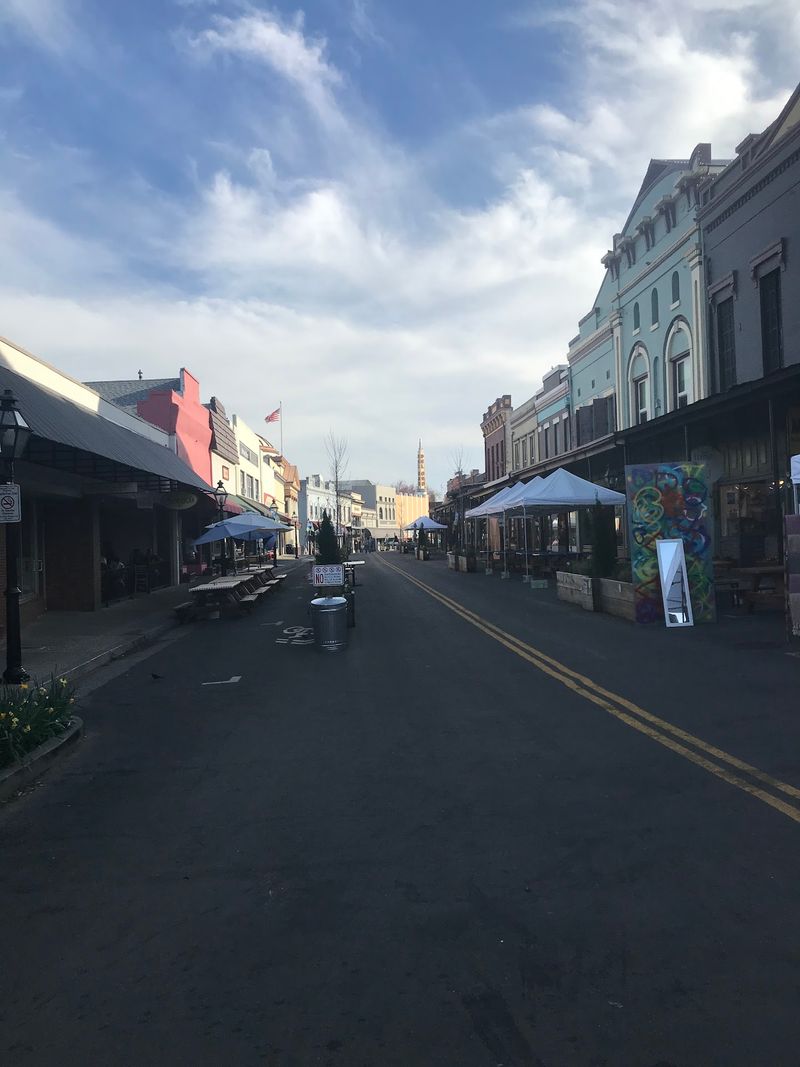
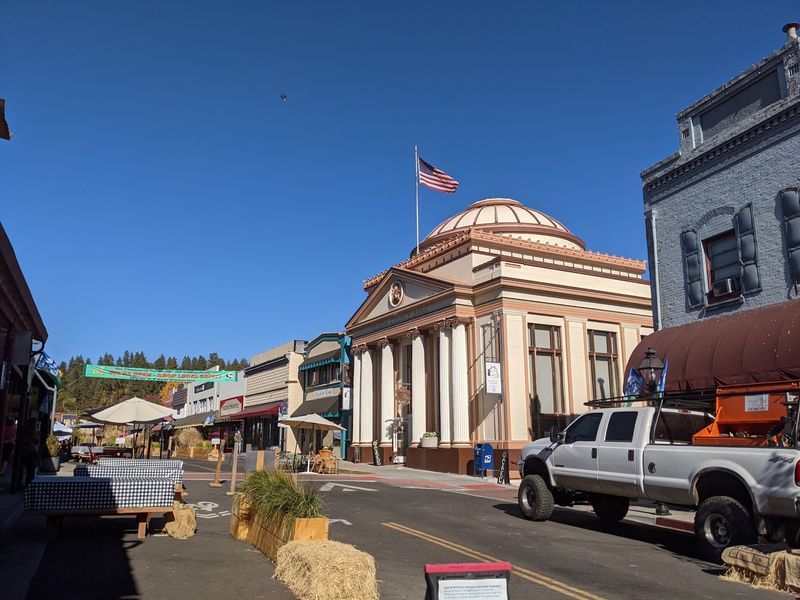
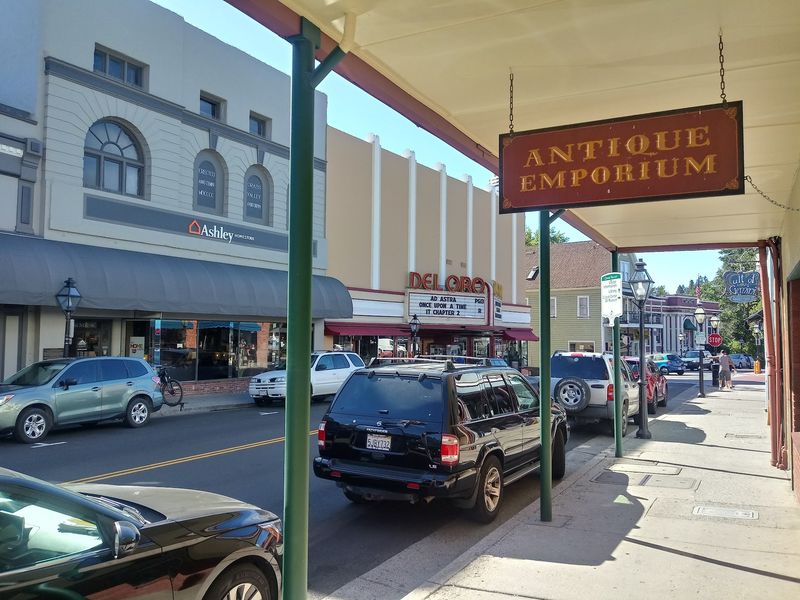
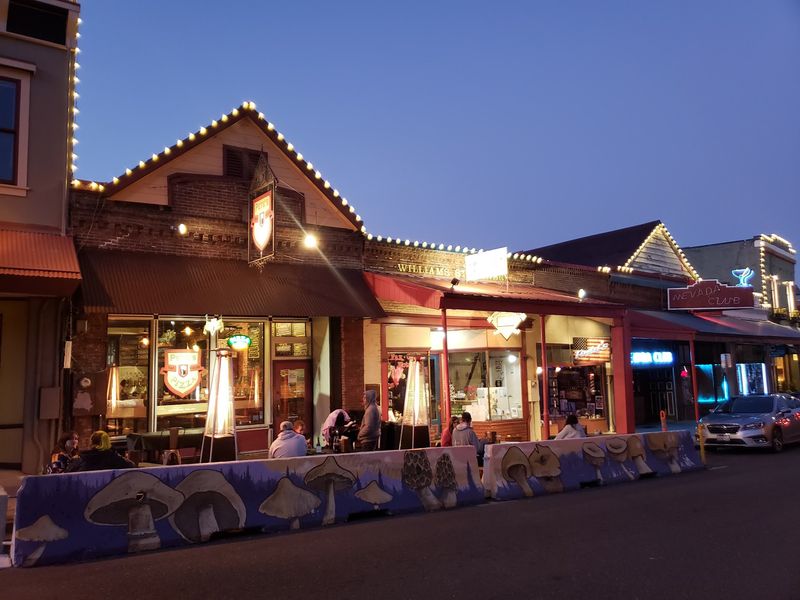
Brick storefronts and old facades give downtown Grass Valley its character. Many of the buildings date back to the 1800s, and the historic core remains compact and walkable.
Mill Street and Main Street form the center of the action. Locally owned shops, cafes, and small businesses fill the ground floors instead of big chain stores.
For retirees, walkability is more than a nice feature. Running errands on foot, meeting friends for coffee, and browsing shops can all happen within a few blocks.
The downtown also hosts seasonal community events throughout the year. Holiday gatherings and summer evenings tend to bring residents out together, which helps newcomers meet neighbors quickly.
Another bonus is that the historic setting is lived in rather than staged. People work, shop, and socialize here every day, so it never feels like a theme park version of the past.
A morning stroll down Mill Street can easily turn into a two-hour social outing, and nobody seems to mind.
Four Seasons in the Sierra Foothills
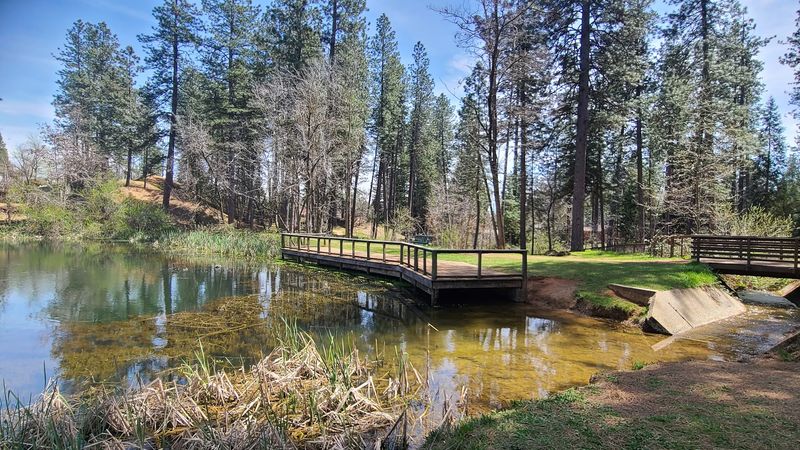
Ask a former Bay Area resident what surprised them most, and the seasons often top the list. Grass Valley sits at roughly 2,400 feet in elevation, high enough for real seasonal change.
Summers are warm and dry, while autumn brings changing leaves on oaks and maples. Winters are cooler and wetter, with occasional light snow that usually does not stick around long.
Spring is when the foothills turn green again. Many retirees find this rhythm refreshing after years of coastal fog and mild sameness.
The surrounding landscape mixes pine forests, oak woodlands, and rolling hills. Trails and outdoor spaces are within easy reach, which makes staying active a natural part of the week.
A few practical notes are worth keeping in mind. Summer can bring wildfire concerns across the Sierra foothills, so newcomers should learn about local preparedness, defensible space, and home insurance before buying.
Weather here gives each month its own personality, and that variety keeps the calendar interesting.
The Housing Math That Draws Newcomers
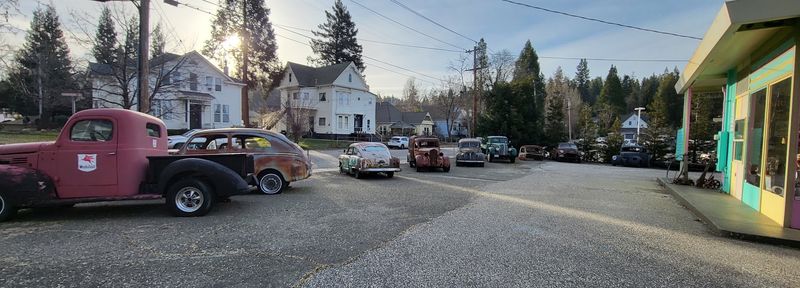
Numbers tell much of the story. Home prices in Nevada County are generally well below those in San Francisco, San Jose, and much of the Bay Area.
That gap lets many retirees sell a Bay Area home and buy in Grass Valley with money left over. Some use the difference to boost savings, travel, or help family.
Housing options range from historic homes near downtown to newer houses and properties with more land outside city limits. Senior-focused communities and smaller single-level homes are also part of the mix.
Still, Grass Valley is not cheap compared to many parts of the country. California costs remain California costs, and buyers should compare property taxes, insurance, and utilities carefully.
Wildfire risk has affected home insurance availability across the foothills. Getting insurance quotes early in the buying process can prevent unpleasant surprises later.
The appeal is not rock-bottom prices. It is the chance to stay in California, near family and familiar places, while spending noticeably less than in the Bay Area.
Arts, Music, and a Busy Community Calendar
Retirement can get quiet fast in some small towns. Grass Valley tends to go the other direction.
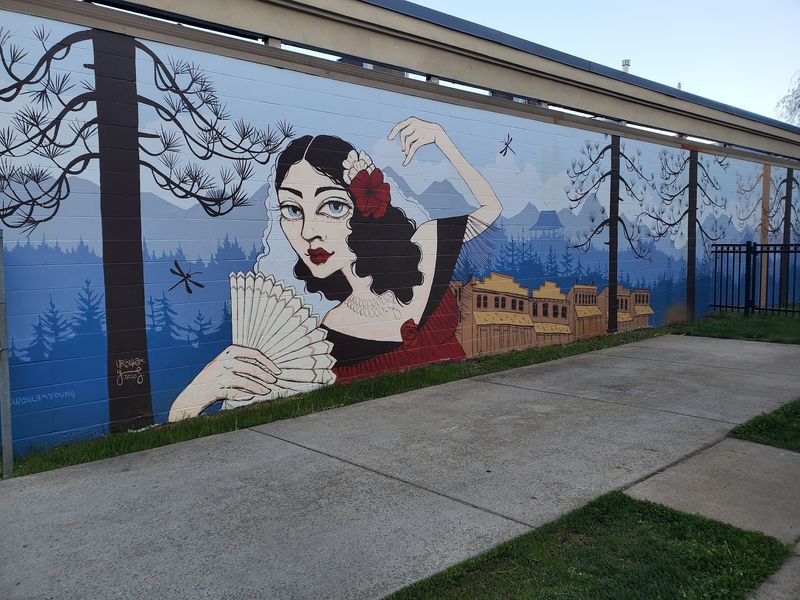
The area has a strong arts reputation, with live music, local theater, galleries, and creative studios across western Nevada County. The Center for the Arts in downtown Grass Valley hosts concerts and performances through the year.
The Nevada County Fairgrounds are also in Grass Valley. The grounds host the annual county fair and other events, giving residents plenty of reasons to get out and mingle.
Volunteer opportunities are another draw. Museums, historic sites, community groups, and local nonprofits often welcome help, and many retirees find a new sense of purpose this way.
Classes, clubs, and group outings give newcomers an easy way to build friendships. In a city this size, familiar faces show up quickly.
For anyone worried that leaving the Bay Area means leaving culture behind, the local event listings make a convincing counterargument.
Getting There and Getting Around
Most people arrive by car. Grass Valley sits along Highway 49 and Highway 20, with Interstate 80 accessible to the south through Auburn.
From Sacramento, the drive typically takes about an hour, depending on traffic. Sacramento International Airport is the most practical major airport for flights.
From the Bay Area, the drive usually runs around two and a half to three hours. That distance is long enough to feel like a fresh start and short enough for visits with children and grandchildren.
Around town, a car is helpful for daily life, especially for trips to outlying neighborhoods and nearby communities. Local public transit serves parts of western Nevada County, so checking routes is wise for anyone hoping to drive less.
Medical care is another practical consideration. Grass Valley is home to a regional hospital, Sierra Nevada Memorial Hospital, which matters greatly for many retirees.
For visiting, a weekday trip is a smart way to see everyday life, while weekends show off events and downtown energy.
A Soft Verdict on Foothill Retirement
No town is perfect, and Grass Valley does not pretend to be. Wildfire risk, insurance questions, and California costs all deserve honest attention.
Even so, the reasons retirees keep coming are easy to understand. The city offers Gold Rush history, a walkable downtown, real seasons, and a lively community calendar.
Housing generally costs less than in the Bay Area, while family and familiar California places stay within driving distance. For many people, that combination is hard to match.
A smart approach is to visit more than once. Seeing the city in summer and again in winter gives a clearer picture of everyday life.
Spending time downtown, touring Empire Mine State Historic Park, and checking local events can help answer the biggest question. Does this place feel like home?
For a growing number of retirees, the answer has turned out to be yes, and the gold they found here is a calmer, more affordable chapter of life.
Enjoyed this story?
Add Fast Food Club as a preferred source to see more of our reporting on Google.