


Some retirees spend years hunting for a place that feels lively without feeling crowded. A growing number are finding it in the southeastern corner of Washington, in a valley known for vineyards, farmland, and a downtown where neighbors still say hello.
The town has a name so nice they said it twice, and a pace that suits people who finally have time on their hands. Here is a closer look at why this small city keeps showing up on retirement wish lists, what daily life there can look like, and what to weigh before packing up the moving truck.
A Valley Town in Southeastern Washington
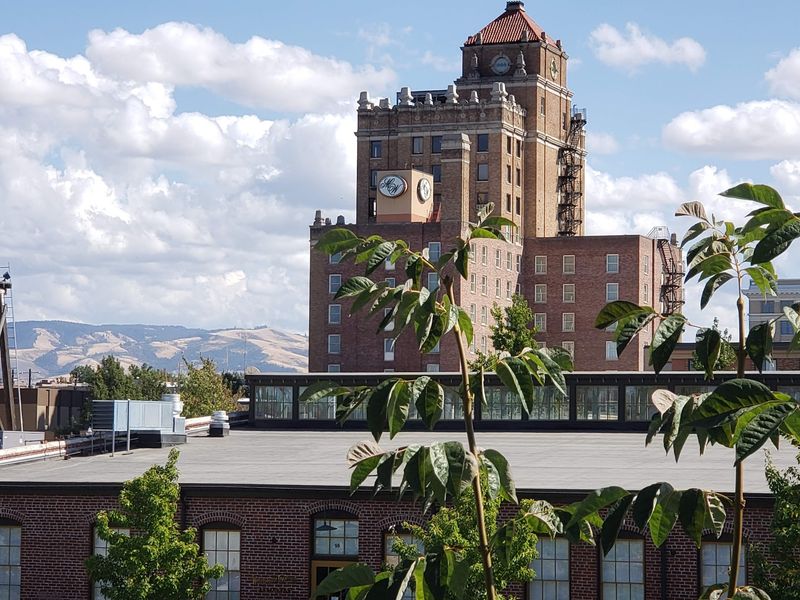
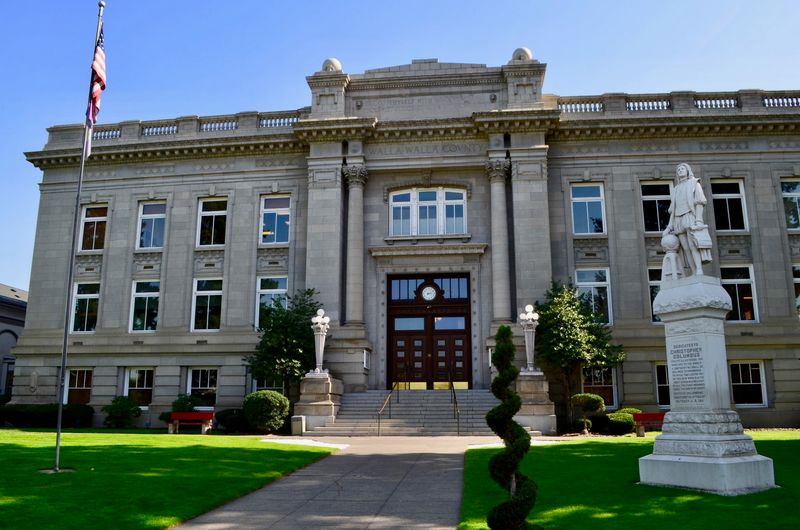
Tucked into the far southeastern part of the state, Walla Walla sits at Washington 99362, USA. It serves as the county seat of Walla Walla County, which gives it a steady civic heartbeat.
The city counted 34,060 residents at the 2020 census. Estimates put the population at about 33,339 as of 2023, so it is holding steady at a manageable size.
That number matters for retirees. A city this size is big enough to offer real services and small enough to avoid the gridlock that wears people down in larger metros.
It also ranks among the largest cities in Southeastern Washington. In practice, that means it functions as a hub for the surrounding rural region.
People from nearby farm communities come into town for shopping, appointments, and errands. For a newcomer, living at the center of that orbit means fewer long drives for everyday needs.
The city maintains an official website at ci.walla-walla.wa.us. It is a handy first stop for anyone researching local government, utilities, and community programs before a move.
So the setting is set. The next question is what gives this valley its famous reputation.
Wine Country Without the Big-City Ticket
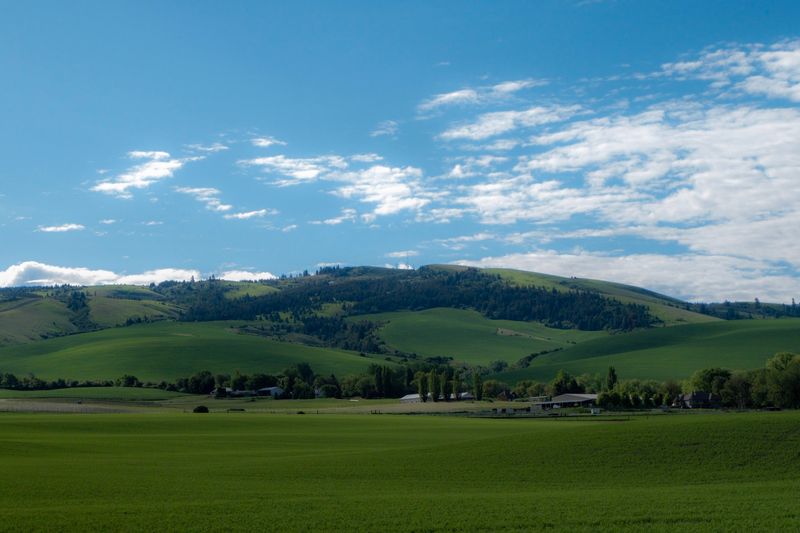
Ask most people what they know about this valley, and vineyards usually come up first. The region has built a strong name for its wine country landscape.
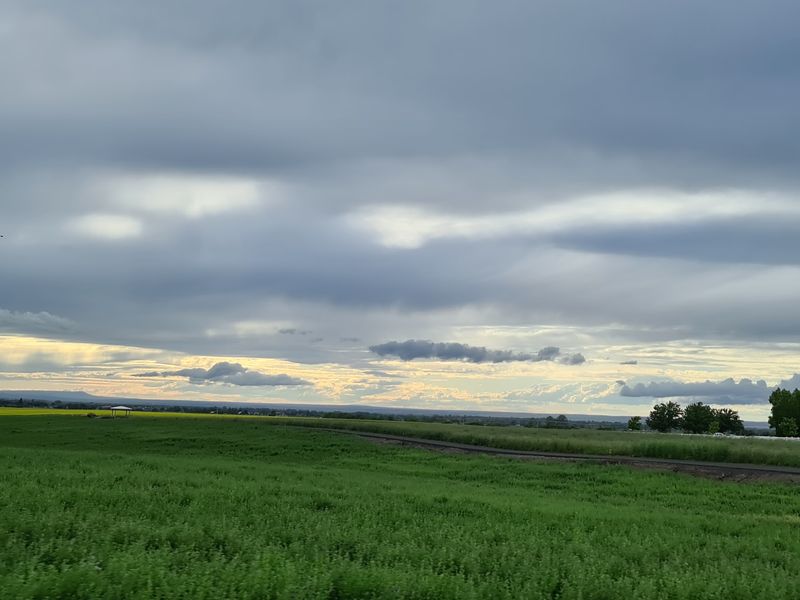
For retirees, the appeal is less about any single tasting room and more about the setting. Rows of vines, open farmland, and wide skies sit just beyond the edge of town.
Many famous wine regions come with price tags to match. Here, the draw is that the scenery arrives alongside a small-town cost of living rather than a resort-town one.
That combination is the heart of the story. Retirees get the visual payoff and cultural buzz of a well-known destination while living in a modest county seat.
The vineyards also shape the local calendar. Harvest season and visitor traffic bring energy to downtown without turning it into a theme park.
A practical tip for those considering a move is to visit in more than one season. Summer and fall feel busier, while winter shows what quieter everyday life looks like.
Scenery is a good start. Still, a place has to work on an ordinary Tuesday, which brings up daily life downtown.
Small-Town Prices, Real-World Math
Here is the part retirees on a fixed income care about most. Smaller cities generally carry lower everyday costs than major metros, and that pattern is a big reason this town draws attention.
Housing is usually the largest line in any retirement budget. Moving from a pricey coastal city to a smaller inland community can free up money for travel, hobbies, or simply peace of mind.
Exact home prices shift constantly, so it is smart to check current listings and talk with local agents. Numbers from even a year ago may not hold today.
Washington also has no state income tax on wages, which many retirees weigh when comparing states. Property and sales taxes still apply, so a full budget review is wise.
The phrase small-town prices does not mean bargain-basement. It means a reasonable balance between cost and quality of life.
A helpful exercise is to list monthly expenses in your current city and price them out locally. Groceries, utilities, insurance, and transportation tell a clearer story than any headline.
Do the math with care. For many households, the figures end up as appealing as the view.
Main Street Energy That Stays Neighborly
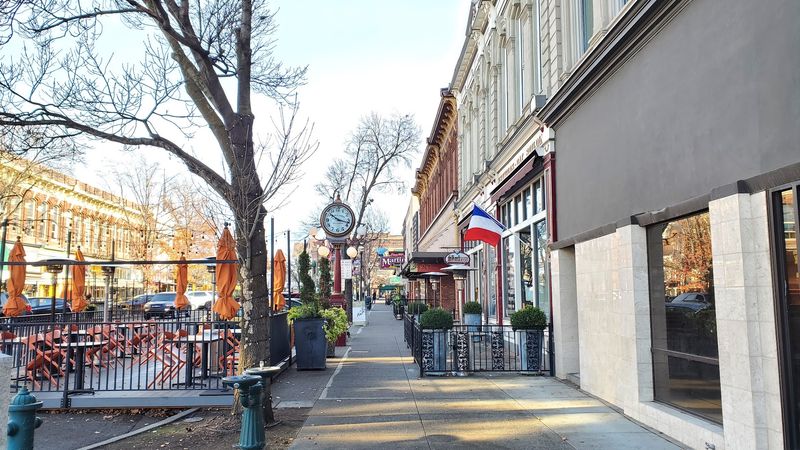
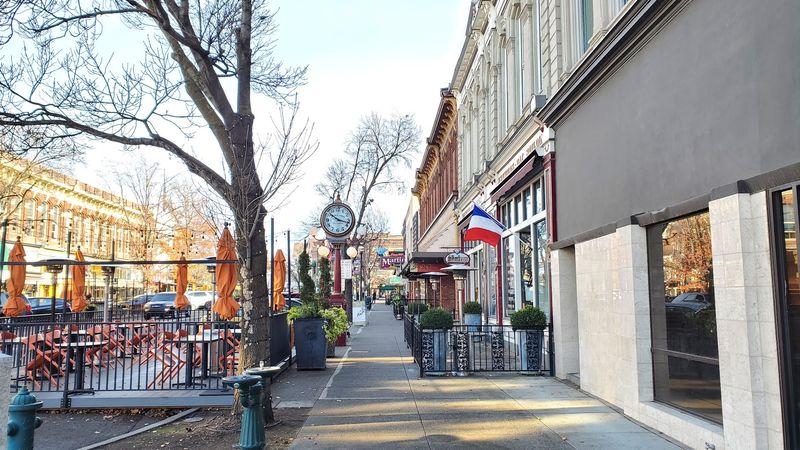
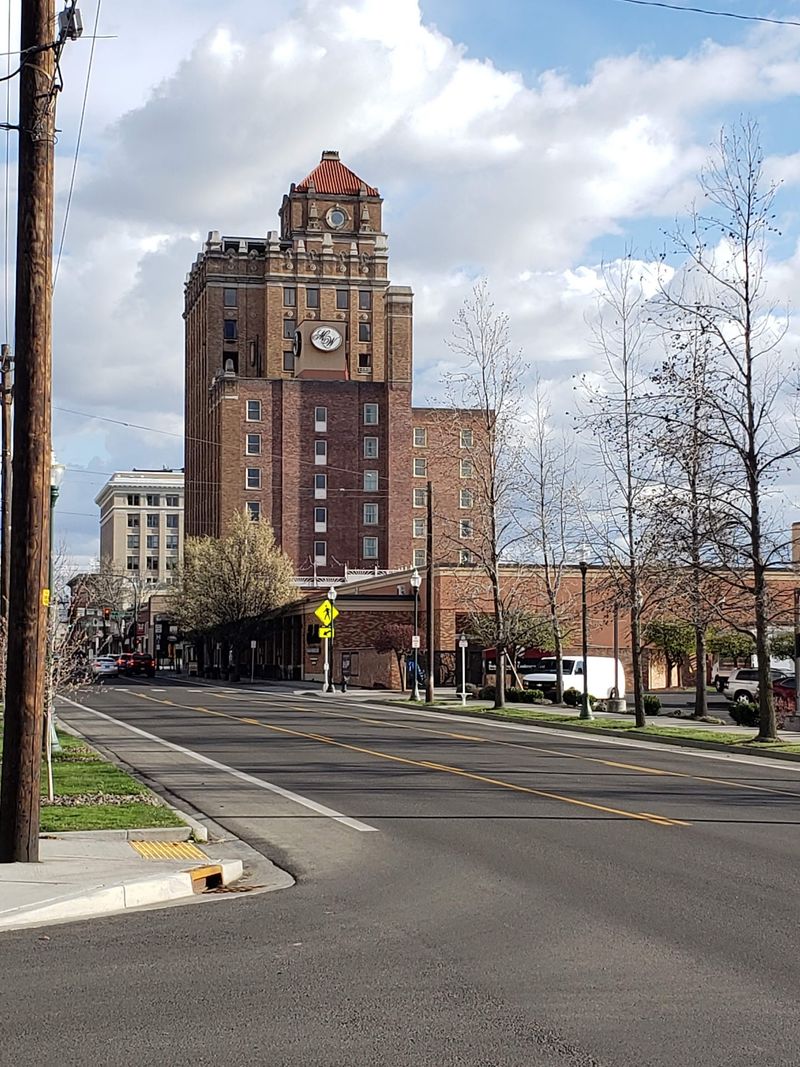
Downtown is where the town shows its personality. Historic brick buildings line the core, and locally owned shops give the streets a walkable, friendly character.
For retirees, walkability is more than a nice perk. Being able to run errands, meet friends, and browse shops on foot supports an active routine.
The downtown area draws both locals and out-of-town guests. That mix keeps businesses open and gives residents more choices than a typical town of this size.
Coffee shops, restaurants, galleries, and boutiques fill many storefronts. New arrivals often find that a regular stroll becomes an easy way to meet people.
Community events also tend to center downtown. Seasonal gatherings and markets give newcomers a ready-made reason to get out of the house.
Parking is generally simpler than in a larger city. That small detail matters a lot when mobility changes over time.
Downtown proves the town can be lively. Beneath the bustle sits a long history worth knowing.
Roots That Run Deep
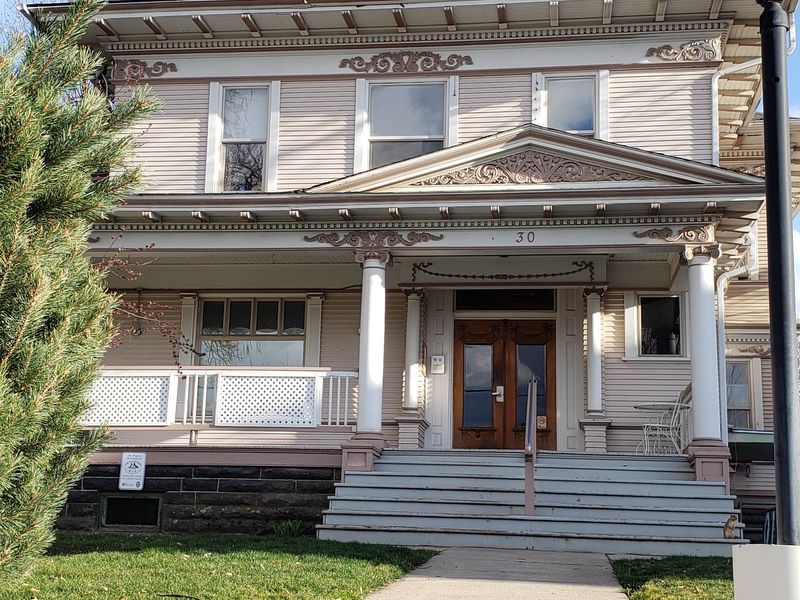
Few towns in the Pacific Northwest carry as much history. The region served as an important settlement point in the early days of Washington.
As a long-standing county seat, the city has decades of civic tradition behind it. That background shows up in its older buildings and established neighborhoods.
Retirees who enjoy history have plenty to explore. Local museums and historic sites help tell the story of the valley and the people who shaped it.
The town is also home to colleges, which add lectures, performances, and learning opportunities. Lifelong learners often find this a welcome bonus.
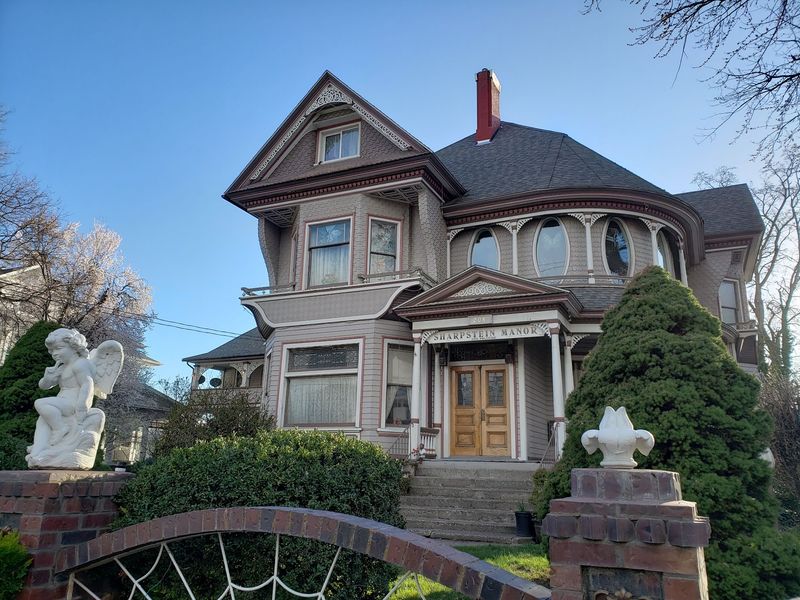
Tree-lined residential streets near the center feature homes from many eras. Some buyers love the character of older houses, while others prefer newer builds on the edges of town.
History here is not frozen in place. It sits right next to modern businesses and fresh energy.
Old roots, new growth. That balance helps explain why the town feels settled yet still interesting.
Room to Roam Outdoors
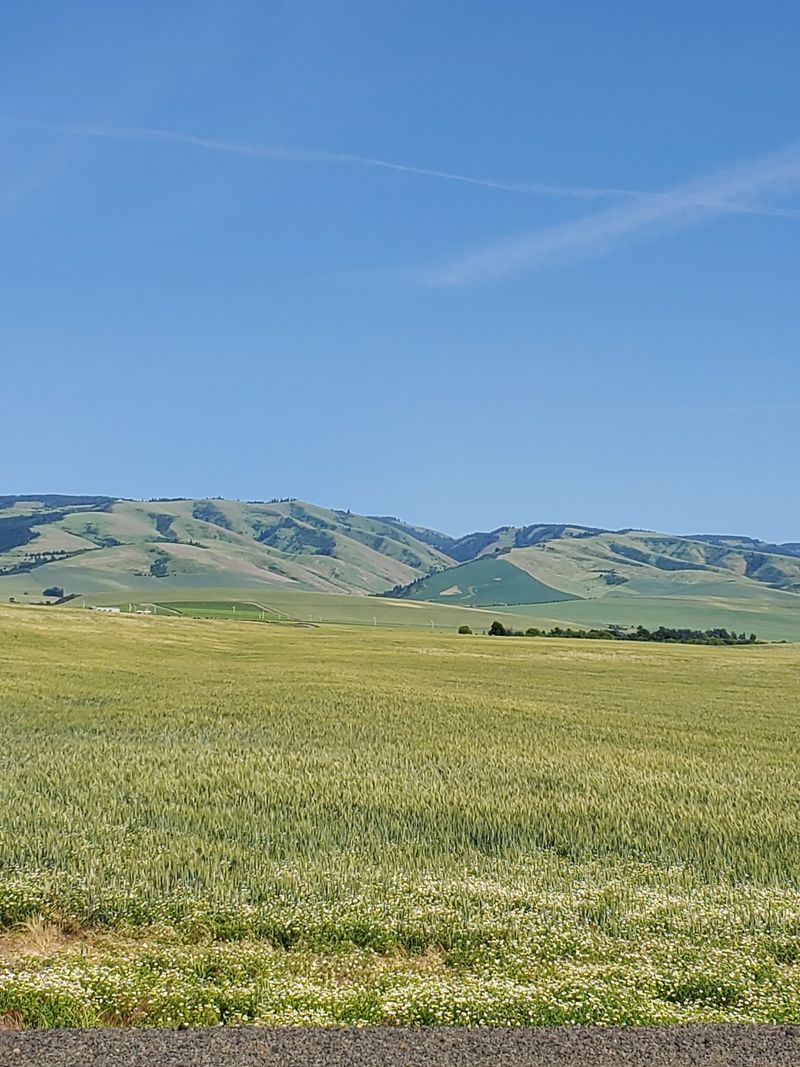
Retirement goes better with fresh air and a reason to move. The open country around the valley offers both.
The Blue Mountains rise to the southeast, giving the region a scenic backdrop. Day trips into the foothills open up hiking and nature outings.
Closer to home, city parks and paths provide easy options for daily walks. A morning loop can become the anchor of a healthy routine.
Farmland surrounds the town, so a short drive leads to quiet country roads. Cyclists and casual drivers alike appreciate the open space.
Gardening is another popular pastime in the valley. Many residents use their yards for flowers or vegetables.
Seasons are distinct in this part of the state. Summers run warm and winters bring cooler weather, so it pays to check local climate details before deciding.
Outdoors, the pace slows down in the best way. That sense of calm extends to the social side of town too.
Who Feels at Home Here
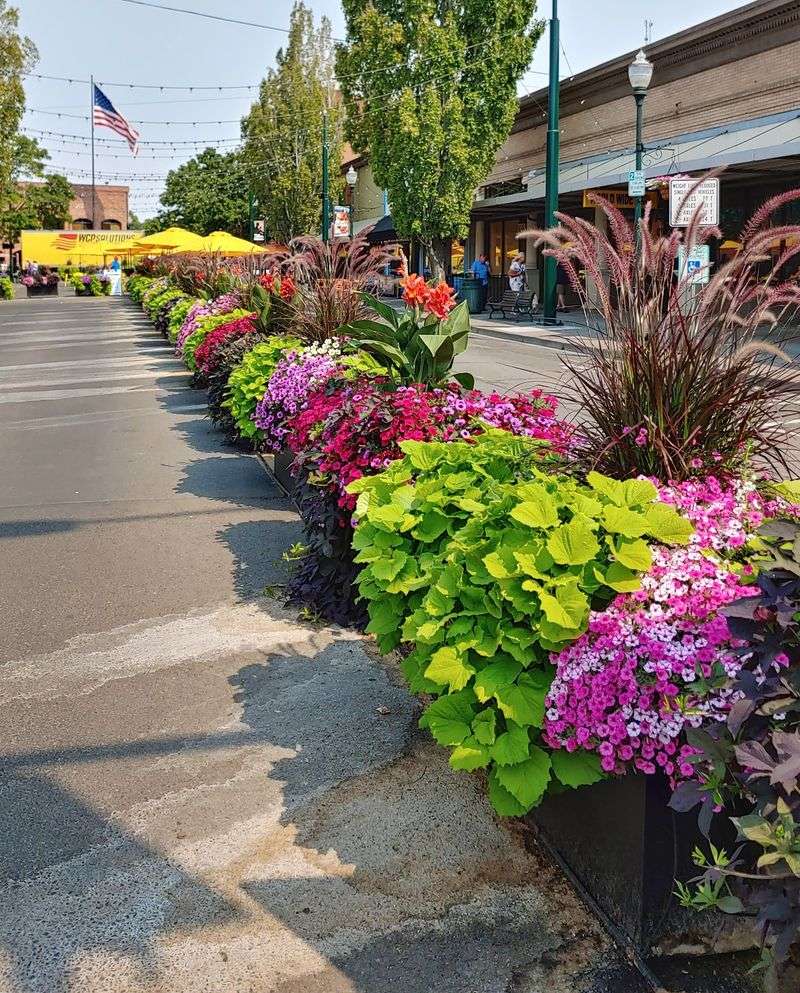
Not every town suits every retiree, and honesty helps here. The valley tends to fit people who want community over constant excitement.
Those who enjoy scenery, local events, and a slower rhythm often settle in happily. A city of about 33,000 people offers familiarity without isolation.
Volunteers find plenty of ways to plug in. Nonprofits, schools, and civic groups welcome extra hands.
People who crave big-city nightlife or major league sports may feel restless. Larger metros are a drive away rather than around the corner.
Couples, solo retirees, and those relocating near family all show up in the mix. The common thread is usually a wish for simpler, more connected days.
Visiting before buying is the best test. Spending a week or two shows whether daily life matches the dream.
Fit is personal. Practical details like healthcare and travel deserve equal attention.
Healthcare and Everyday Services
Every retirement plan eventually circles back to healthcare. Being the regional hub works in the town’s favor here.
As one of the larger cities in Southeastern Washington, it serves a wide surrounding area. That role usually brings medical offices, clinics, and hospital services within reach.
Specialists for complex needs may still require trips to bigger cities. Prospective residents should research providers and confirm their insurance networks.
Everyday services also matter. Grocery stores, pharmacies, banks, and senior programs make independent living easier.
The city website is a useful starting point for utilities and local services. County offices handle many other needs.
Making a checklist helps. List your doctors, prescriptions, and regular appointments, then confirm local options before committing.
Good planning brings peace of mind. Next comes the question of getting in and out of the valley.
Getting There and Getting Around
Grandkids will want to visit, so travel access counts. The town has a regional airport that offers connections to larger hubs, though schedules change and should be checked.
By car, highways link the valley to the Tri-Cities area and beyond. Larger cities like Spokane and Portland are reachable for longer trips.
Inside town, getting around is generally easy. Shorter distances and lighter traffic make errands quick.
Local transit options exist, which helps those who prefer to drive less over time. Checking current routes is a smart step.
The relative remoteness is part of the charm and part of the tradeoff. Quiet surroundings mean longer trips to major airports.
For many retirees, that balance feels right. Visitors can still arrive, and residents can still head out for adventures.
Access sorted, it is time for a final verdict.
A Soft Verdict on Valley Life
So does the twice-named town live up to the buzz? For the right person, it comes close.
It offers wine country scenery, a lively downtown, deep history, and outdoor space. All of that comes in a county seat with a steady population of around 33,000.
Costs tend to stay friendlier than in big cities, though smart budgeting still matters. Healthcare, services, and travel access cover most everyday needs.
Tradeoffs exist, including distance from major metros and real seasonal swings. None of them are deal breakers for those seeking a calmer chapter.
The best next step is a long visit. Walk downtown, drive the country roads, and talk with locals.
Retirement is a chance to choose a place on purpose. This valley makes a strong case for being that choice, and it may just be worth saying yes twice.
Enjoyed this story?
Add Fast Food Club as a preferred source to see more of our reporting on Google.