


Picture a small Georgia city where the past is not tucked away in a museum but sits right along the streets you walk every day. Milledgeville was once the capital of the whole state, and that long story still shapes how the town looks and feels.
Many retirees are now giving it a close look for its older homes and the lake country nearby. I spent time learning about the place, and here is what I think anyone planning a slower chapter of life should know.
A County Seat Along the Oconee
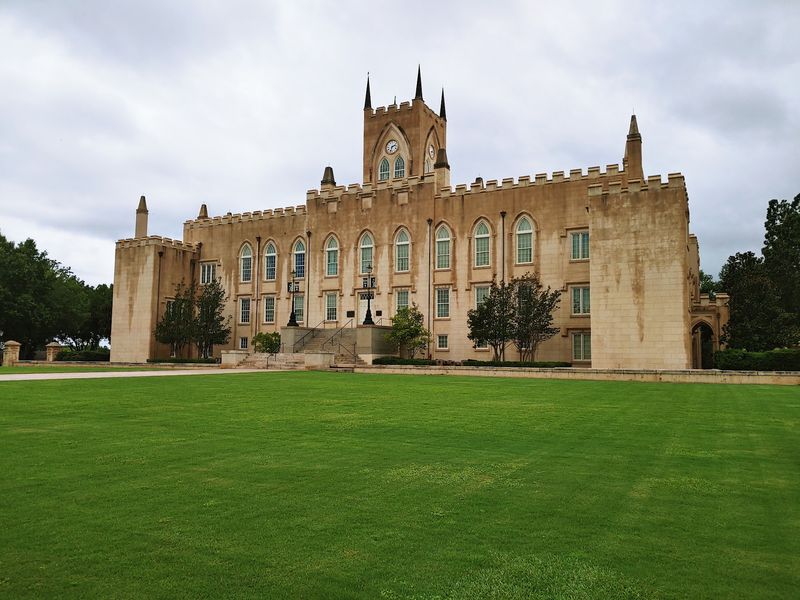
The first time I pulled up Milledgeville on a map, I was surprised by how quietly it sits in the middle of Georgia. No big highway billboards announce it.
Yet this modest city carries more history than many places ten times its size.
Milledgeville is the county seat of Baldwin County, which means the local government business for the whole county runs through here. It sits along the Oconee River, a setting that helped decide where the town would grow in the first place.
For a retiree, that combination matters, because you get the services of a county hub without the crush of a large metro area.
I like to think of it as a town with two personalities. One side is practical, the place where records are kept and decisions get made.
The other side is storybook, full of reminders that this spot once ran an entire state.
Before you think about porches, lakes, or moving trucks, it helps to understand that basic identity. Milledgeville is not a resort built for newcomers.
It is a real working city with deep roots, and that is exactly why so many people looking for a meaningful place to settle start paying attention.
Roots Planted in 1803
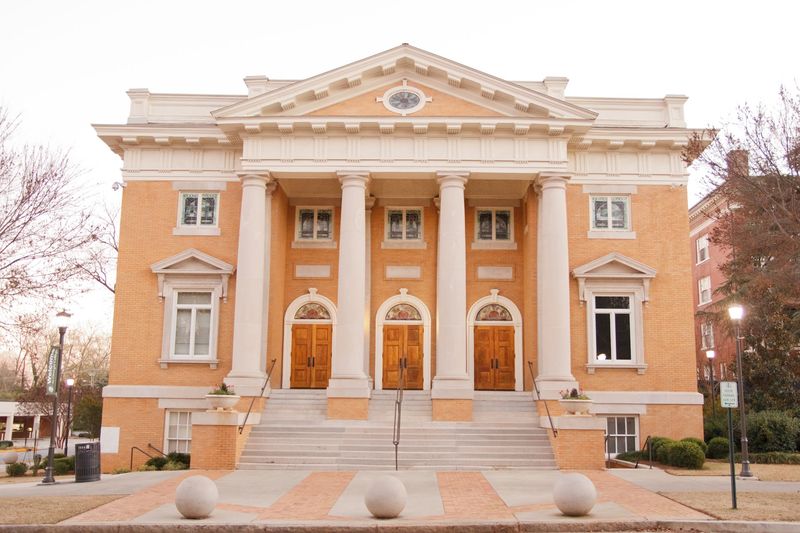
Some towns grow by accident. Milledgeville did not.
The city was founded in 1803 along the Oconee River, which makes it more than two centuries old. When I stand back and think about that date, it puts things in perspective.
Thomas Jefferson was president, and Georgia was still a young state figuring out its future.
Choosing a river location back then was a smart move. Waterways meant travel, trade, and a reliable resource for a growing community.
That early decision still gives the town a natural backbone today, with the river winding through its story.
For retirees, this kind of history is more than trivia. Living somewhere with a clear beginning gives daily life a sense of continuity, as if you are joining a long conversation rather than starting a new one.
I find that comforting, especially at a stage of life when many of us start thinking about legacy and roots.
Here is a fun way to frame it for visiting grandkids. The town is older than the state capital that replaced it as the seat of government, and it was already a planned community before most of the American South had paved roads.
That alone makes for good dinner table storytelling.
Six Decades as Georgia’s Capital

Did you know Atlanta was not always where Georgia lawmakers met? From 1804 to 1868, Milledgeville served as the state capital.
That is a run of over sixty years, just one year after the town was founded.
I keep coming back to how fast that happened. A brand new settlement was suddenly the center of political life for the entire state.
Governors, legislators, and visitors from every corner of Georgia would have made their way here to do business.
That era left a mark on the character of the place. Capital cities tend to attract fine buildings, prominent families, and a certain sense of importance.
Even long after the government moved on, that heritage lingers in the way the town presents itself.
For someone choosing a retirement home, it adds a layer of dignity you just do not find in a newer suburb. You are living somewhere that once held real statewide influence.
Walking around with that knowledge makes even an ordinary errand feel a little more interesting.
I also appreciate that this history is easy to explain. Friends back home may not know much about Baldwin County, but tell them you live in Georgia’s old capital and the conversation takes off.
A Capital Through the Civil War
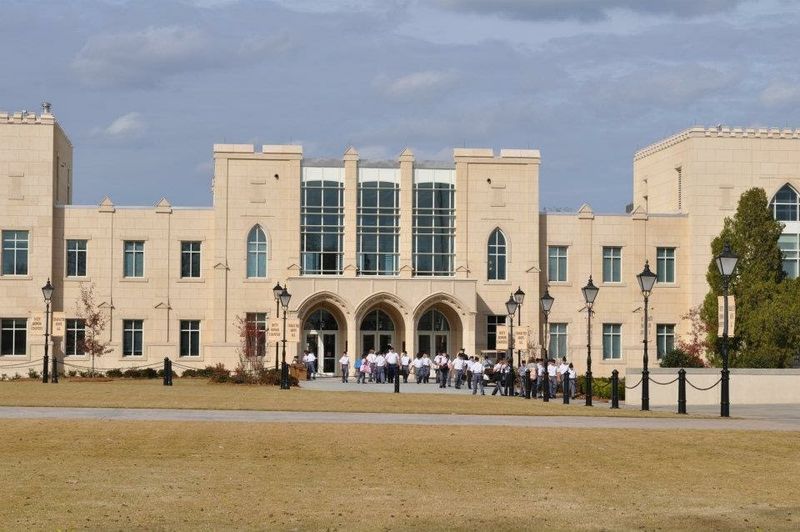
History buffs, pay attention here. Milledgeville was still Georgia’s capital during the American Civil War, which places it right at the center of one of the most turbling periods in the nation’s past.
I approach this chapter thoughtfully. The Civil War brought hardship, division, and painful legacies that communities across the South still reckon with.
Being the seat of state government during those years meant Milledgeville was where many consequential decisions played out.
For retirees who love reading, lectures, or simply understanding the places they live, this depth is a draw. You are not just near history.
You are living in a town where pivotal moments actually took place.
The capital moved away in 1868, only a few years after the war ended. That timing hints at how much the state was changing during Reconstruction.
Milledgeville found itself shifting from a political center into a different kind of community.
My take is simple. A town that has weathered that much change tends to have a layered, honest character.
If you enjoy places with complicated stories rather than polished postcards, this chapter alone may make you want to spend more time here and learn from it.
The Pull of Historic Homes
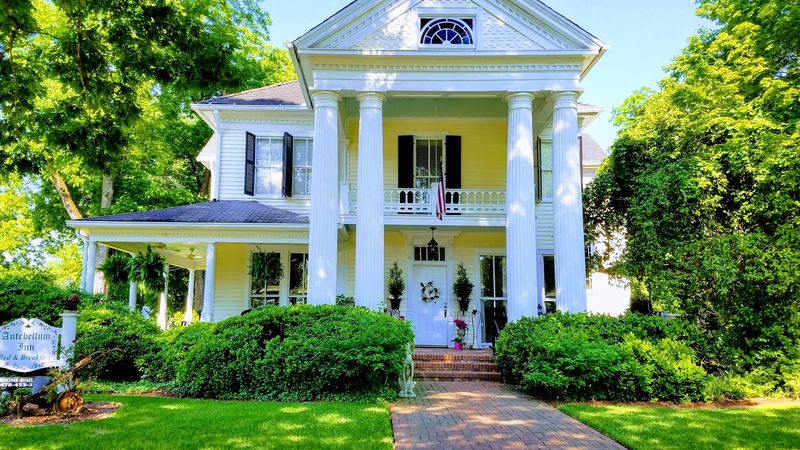
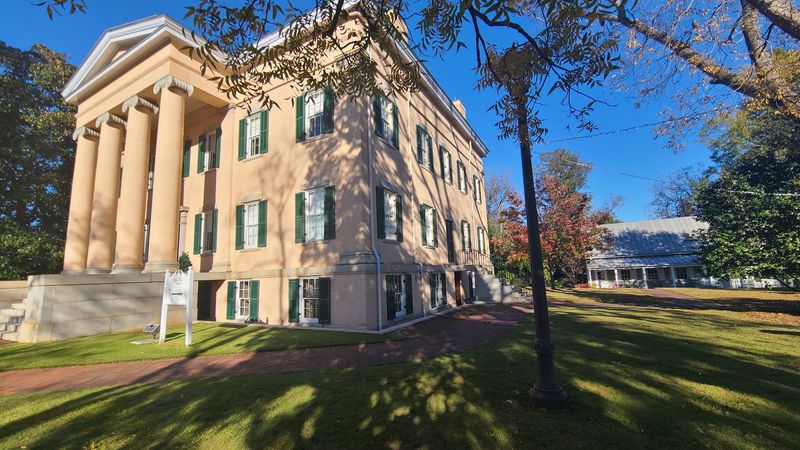
Ask a retiree what first caught their eye about Milledgeville, and older houses often top the list. That makes sense when you remember the town spent more than sixty years as a capital city.
Capital towns tend to collect handsome homes. People of influence wanted to live near the action, and the result in many such places is a neighborhood fabric full of character.
I love the idea of trading a cookie cutter subdivision for a house that has its own past.
There is something deeply appealing about sitting on a porch where someone else sat generations ago. It slows you down.
It invites you to notice the trees, the light, and the neighbors passing by.
A word of practical advice from me, though. Older homes can come with more upkeep, from roofs to wiring to drafty windows.
Before falling in love with a facade, bring in a trusted inspector and think honestly about how much maintenance you want in your seventies and beyond.
Still, for many people the charm outweighs the chores. A historic house can become a hobby, a gathering place for family, and a real point of pride.
That is a big part of why this town keeps showing up on retirement wish lists.
Everyday Life Inside an Old Story
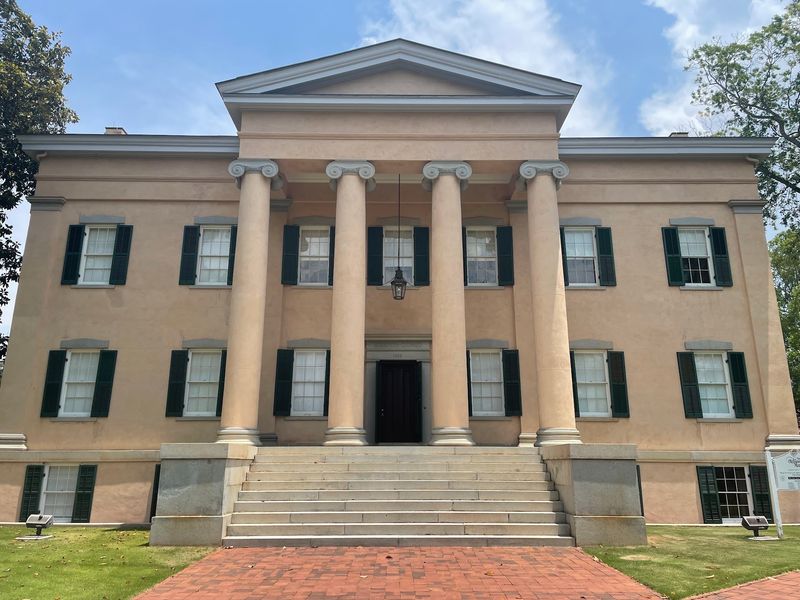
Here is a small daydream. You walk to pick up coffee, and along the way you pass buildings that were standing when Georgia lawmakers still met in town.
That is the kind of ordinary magic Milledgeville offers.
Plenty of places have one historic site you visit once and forget. In a former capital founded in 1803, the past is woven into the routine.
It is in the street names, the old architecture, and the stories locals pass along.
I find this especially meaningful for retirees. Work no longer fills the calendar, so the setting of daily life starts to matter more.
A walk can become an outing, and an outing can become a lesson.
There is also a social side. Shared history gives neighbors something to talk about, whether that is an old house on the corner or the town’s years as capital.
Conversation starters like that make it easier to settle in and make friends.
If you are the curious type, consider keeping a little notebook as you explore. Jot down what you notice and look it up later.
Before long, you will know your new hometown better than some folks who have lived here for decades.
Lake Sinclair Just Up the Road
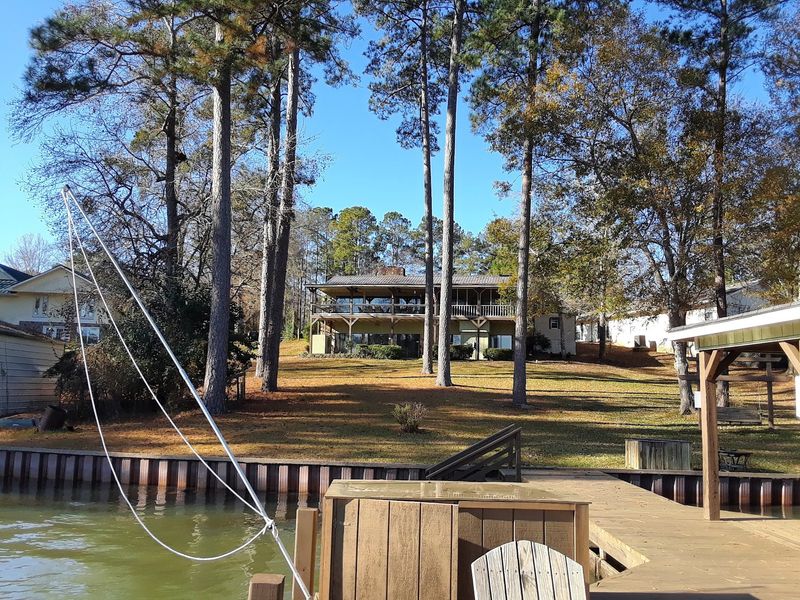
History is only half the reason people talk about this town. The other half sparkles.
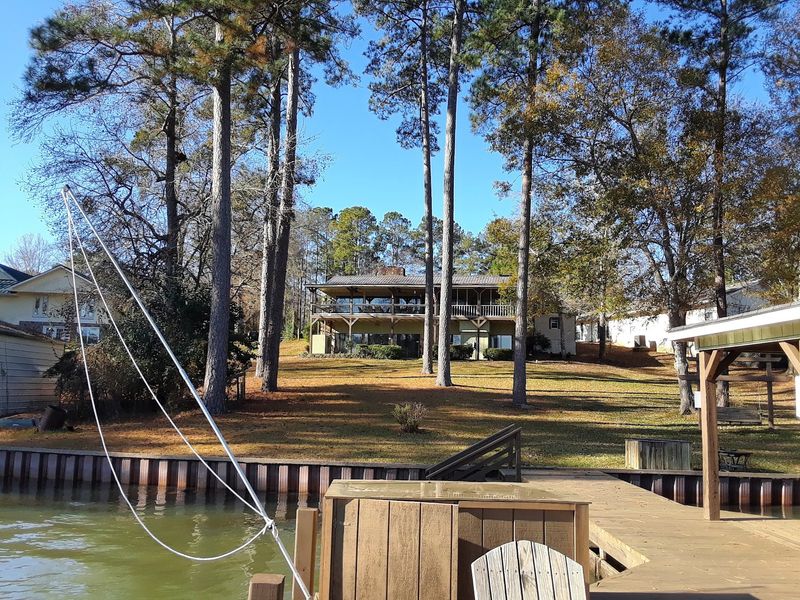
Lake Sinclair sits nearby, and for many retirees that lake access seals the deal.
I picture mornings with a fishing line in the water and evenings watching the sun drop behind the trees. Lake life has a way of resetting your sense of time.
Days feel longer in the best possible way.
Having a lake close to a historic town gives you a rare mix. You can spend the morning exploring old streets and the afternoon near the water.
Few retirement spots offer both culture and recreation within easy reach.
It also helps with family visits. Grandkids who might yawn at architecture tend to perk right up at the mention of a lake.
Suddenly your new home becomes the favorite summer destination for everyone.
One suggestion from me: spend time at the lake in different seasons before deciding whether you want to live right on the shore or in town. Some people love waterfront living, while others prefer a house in town with the lake as a weekend escape.
Either way, having that option so close is a genuine perk.
The River That Started It All
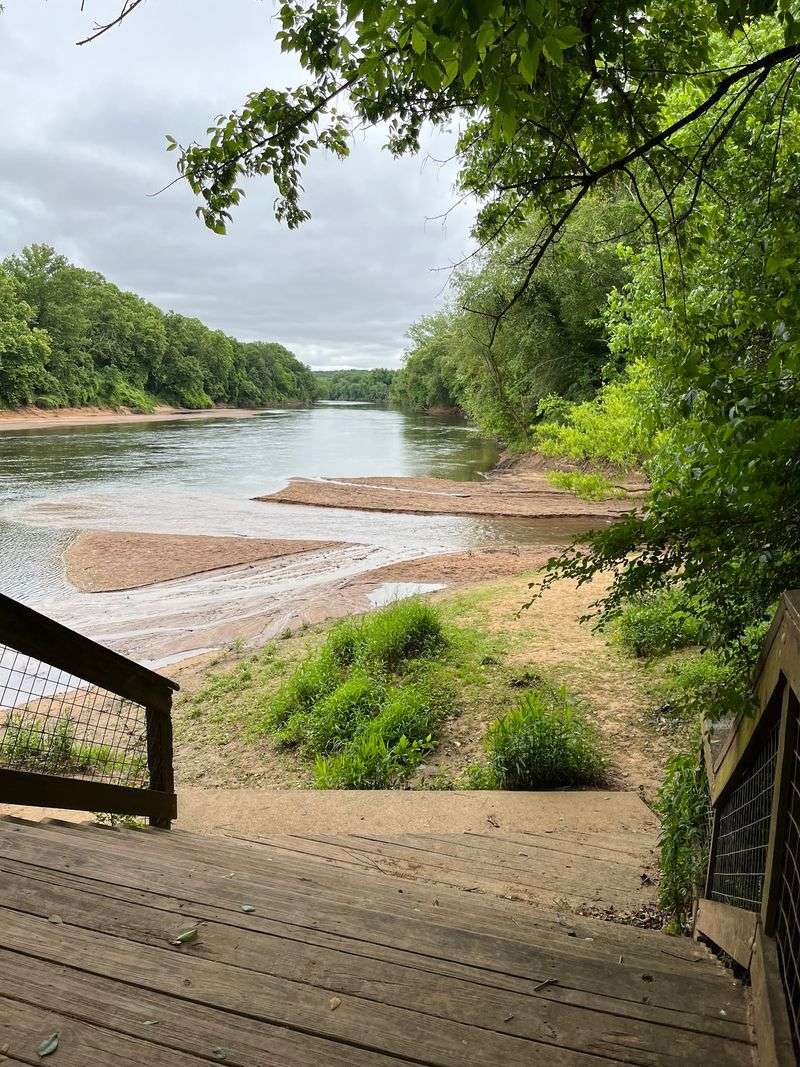
Long before anyone talked about lake houses, there was the Oconee River. The town was founded right along its banks in 1803, and the river still frames the landscape.
I have always believed that a river gives a place a pulse. Water moves, seasons change it, and it connects one community to the next.
Living near one keeps you aware of nature even on busy days.
For retirees, the river adds another quiet option for getting outdoors. Not every outing needs a boat or a big plan.
Sometimes a peaceful view of moving water is all the recreation you need.
There is a historical thread here too. Early settlers chose this spot partly because rivers were lifelines for travel and commerce.
When you look at the Oconee today, you are seeing the very feature that made Milledgeville possible.
Between the river and Lake Sinclair nearby, water is never far from mind in this part of Georgia. That is a lovely thing for anyone who finds calm near the shore.
It also means photography lovers, birdwatchers, and casual walkers will have plenty of scenery to enjoy throughout the year.
A Slower, Small-City Rhythm
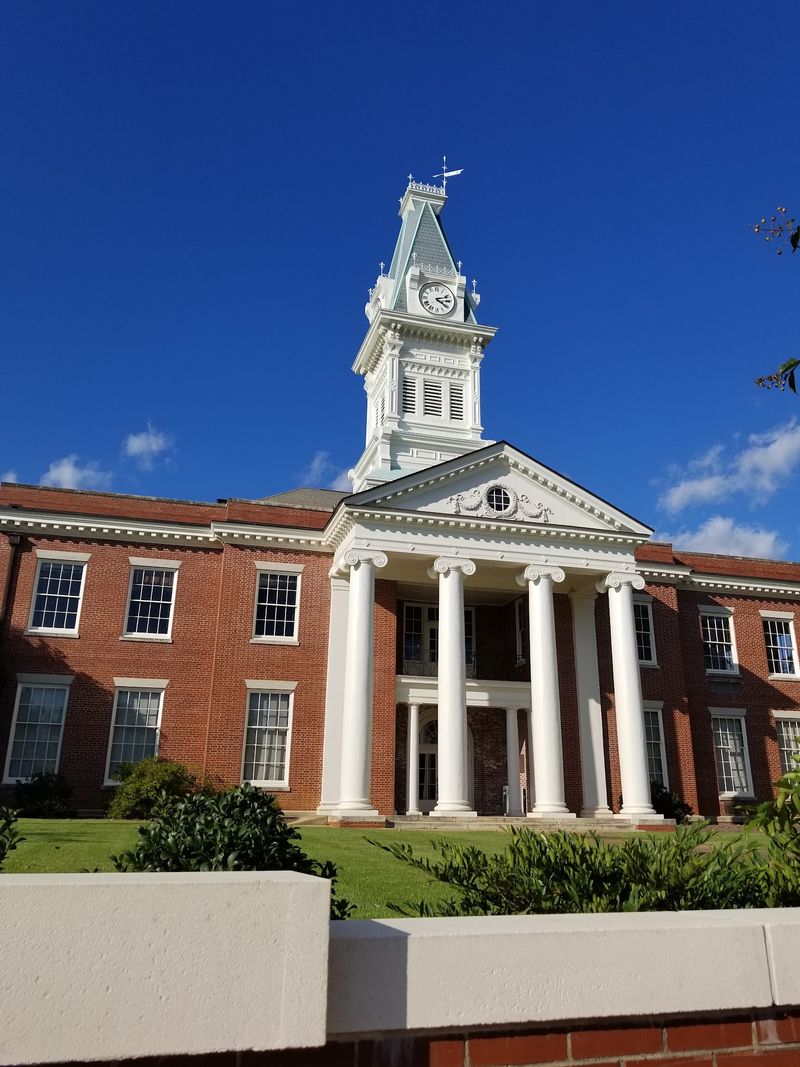
Honestly, the best way I can describe the mood here is unhurried. Milledgeville feels like a place that has nothing left to prove.
That calm comes partly from its history. A town that once ran the entire state and then let that role go has a certain settled confidence.
It does not need to chase trends to feel important.
As a county seat, it still offers the practical side of life you need. Yet it avoids the traffic and noise that wear people down in larger cities.
For many retirees, that balance is the sweet spot.
I notice that people who come from big metro areas often need a little adjustment time. The quiet can feel strange at first.
Then, almost without noticing, they start sleeping better and lingering longer over conversations.
If you are someone who thrives on constant entertainment, this pace may feel too gentle. But if your idea of a good day is a porch, a book, a walk, and maybe a drive to the lake, you will likely feel right at home.
Slowing down is not a compromise here. It is the whole point.
Who Feels at Home Here
Not every town fits every retiree, and that is perfectly fine. So who tends to fall for Milledgeville?
History lovers top my list. Anyone who enjoys reading about the 1800s, the Civil War, or Southern heritage will find endless material in a former state capital founded in 1803.
Old house enthusiasts belong in this group too, especially those who see restoration as a joyful project.
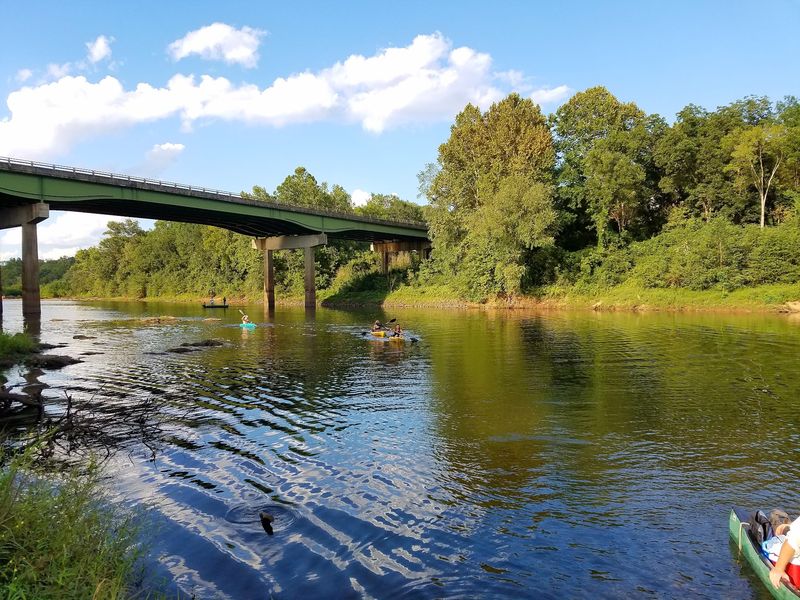
Water people are another natural match. If fishing, boating, or simply sitting by a lake sounds like retirement heaven, Lake Sinclair nearby makes a strong case.
The Oconee River adds even more outdoor appeal.
I would also mention folks seeking a quieter life without total isolation. Because Milledgeville is a county seat, it carries the weight of a real community rather than a sleepy outpost.
You get small city charm with a sense of purpose.
Who might struggle? People who want big city nightlife or constant variety may find it too calm.
Those wanting a brand new, maintenance free house might need to look past the historic districts. Knowing your own priorities before you visit will help you decide quickly whether this town clicks.
Planning a Scouting Visit
My golden rule before any move: visit first, and visit more than once. Milledgeville deserves that kind of careful look.
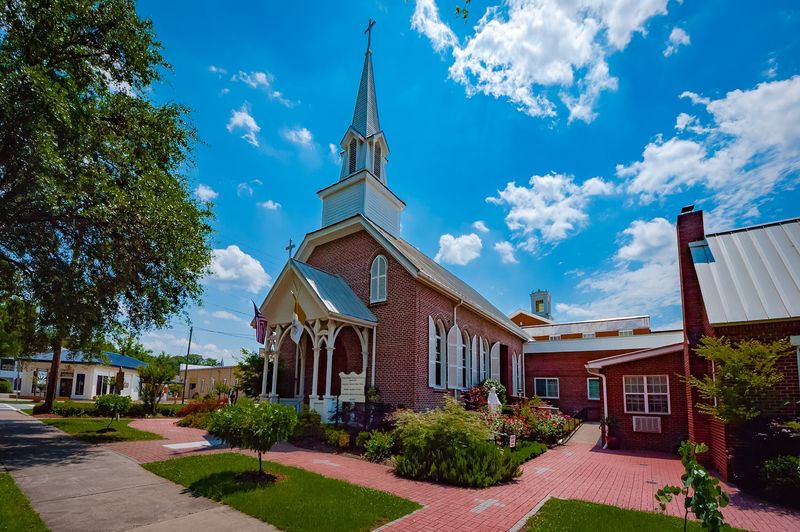
I would start with a long weekend focused on the historic side of town. Walk the streets, study the older homes, and get a feel for which neighborhoods appeal to you.
Pay attention to how easy it is to get around on foot.
On a second trip, shift your attention to Lake Sinclair and the Oconee River. Spend an afternoon near the water.
Ask yourself whether you would rather live close to the lake or in town with the lake as a getaway.
I cannot give you set hours or prices here, since those vary by attraction and season. Check directly with any specific sites or businesses you plan to visit.
Calling ahead saves a lot of frustration.
Finally, try to come during more than one season. A town can feel very different in midsummer versus late fall.
Seeing those shifts with your own eyes will tell you far more than any brochure. Bring a notebook, take photos, and jot down your gut reactions at the end of each day.
Finding Your Way to Central Georgia
Grab a map and put your finger near the middle of Georgia. That is roughly where you will find Milledgeville, at coordinates around 33.08 north and 83.23 west.
Its central position is one of its quiet advantages. Being in the heart of the state means other parts of Georgia are within reasonable driving distance.
For retirees who still want to travel or visit family, that location helps.
Most people will arrive by car, and I recommend it. Having your own vehicle makes it easy to bounce between the historic streets, the riverside, and Lake Sinclair nearby.
It also lets you explore the surrounding Baldwin County countryside at your own pace.
When you plug the city into a navigation app, simply search for Milledgeville, Georgia. Since it is the county seat, signs and routes generally point clearly toward town.
You should not have trouble finding it.
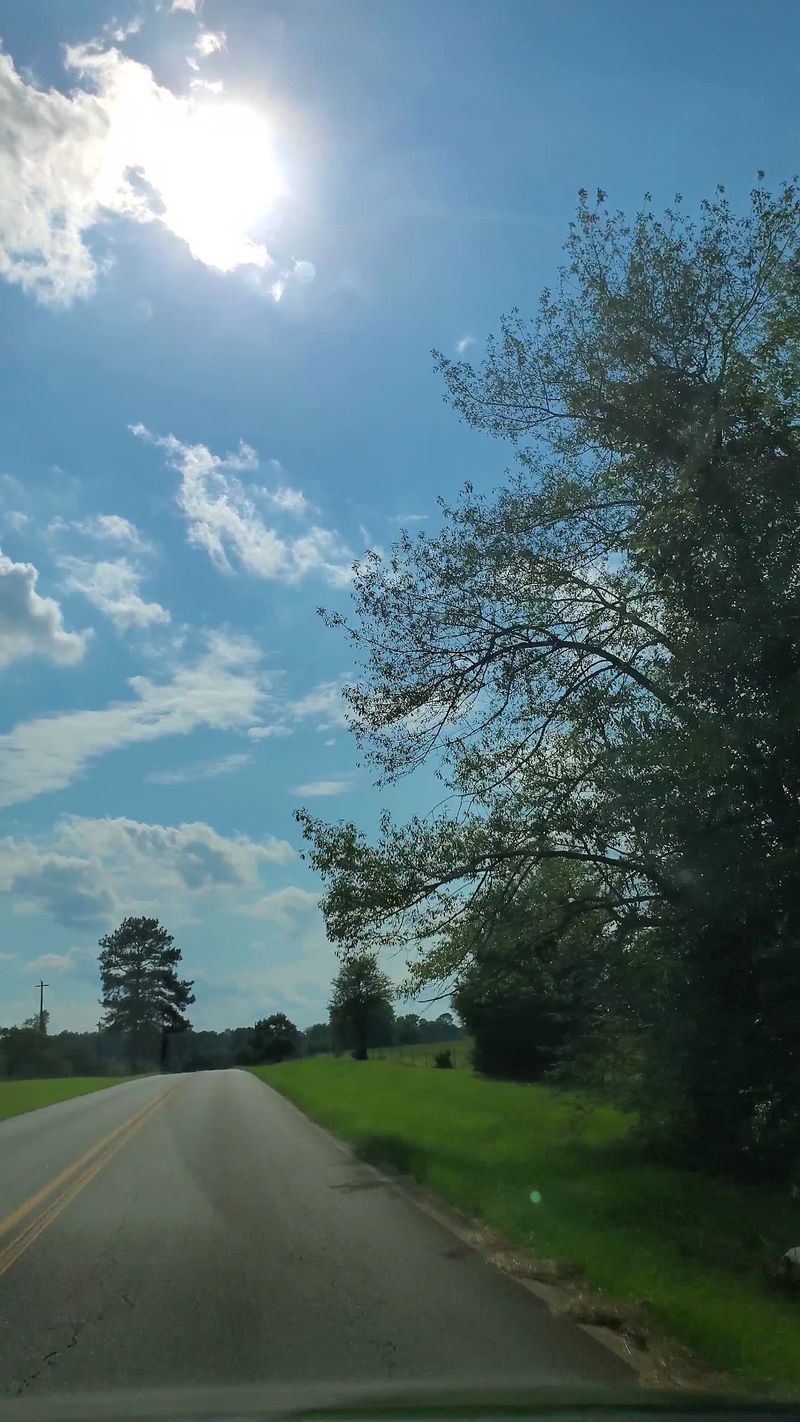
A small tip: build in extra time on your first drive in. Rural Georgia roads can be lovely, and you may want to pull over for a photo or two.
Arriving relaxed rather than rushed sets the right tone for your whole scouting visit.
Smart Questions Before Signing Papers
Falling in love with a town is easy. Making a smart decision about it takes a bit more homework.
If an older house has stolen your heart, ask about its age, past renovations, and any historic preservation rules that may apply. Homes in long established towns sometimes come with guidelines on exterior changes.
Knowing that early avoids surprises later.
Thinking about lake property? Ask about seasonal water levels, dock rules, and how far you will be from everyday errands in town.
A lakeside view is wonderful, but convenience matters more with each passing year.
I also suggest looking into healthcare access, local services, and transportation options. Because Milledgeville is the county seat of Baldwin County, many county services are based here.
Confirm what is available for your specific needs before committing.
Lastly, talk to people. Chat with residents, neighbors, and anyone who has recently retired to the area.
Their honest experiences will give you insights you will never find online. A few friendly conversations over coffee can be the most valuable research you do.
Write down their tips and compare them with your own impressions from visiting.
My Honest Take on Milledgeville
After all my reading and daydreaming, here is where I land. Milledgeville is a town with substance.
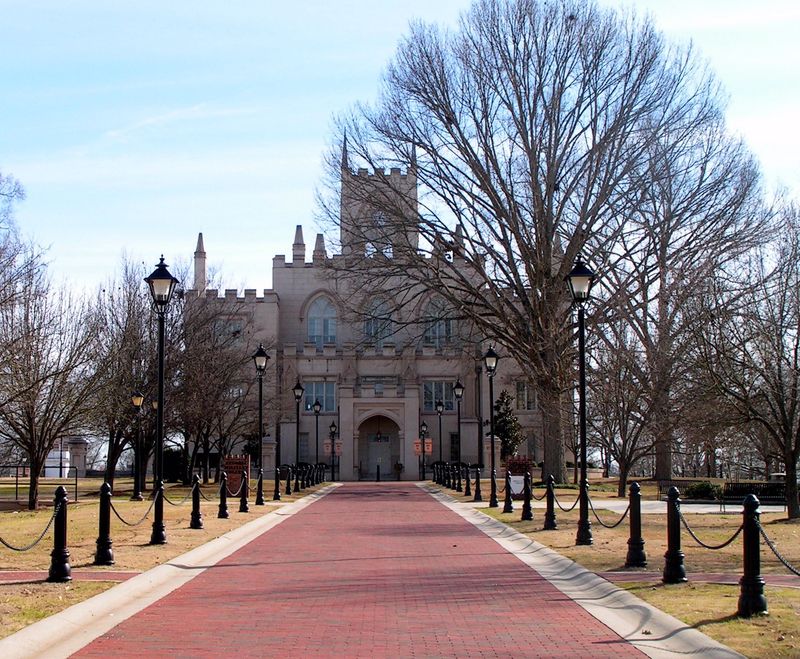
It was founded in 1803 along the Oconee River and served as Georgia’s capital from 1804 to 1868, right through the Civil War. That history gives it a depth that newer retirement destinations simply cannot match.
Add older homes full of character and Lake Sinclair nearby, and the appeal becomes clear.
Is it perfect for everyone? No place is.
If you crave big city buzz or want zero home maintenance, you might feel restless here.
But if your dream retirement includes porch evenings, walks past historic buildings, and lazy afternoons by the water, Milledgeville makes a persuasive case. It offers meaning and leisure in the same package.
That is a rare and lovely combination.
My advice is to go see it for yourself. Spend a few days, wander without a strict plan, and notice how you feel.
If you catch yourself picturing your furniture in one of those old houses, you may already have your answer. Sometimes the right place just quietly tells you it is home.
Enjoyed this story?
Add Fast Food Club as a preferred source to see more of our reporting on Google.