


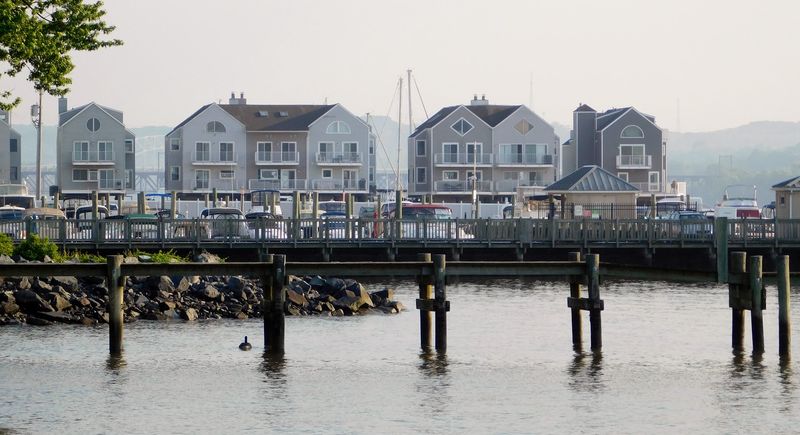
Some retirees spend years hunting for a place where the water is close, the coffee shop is a short stroll away, and the monthly budget does not require a second career. A growing number of them are finding that place in a small Maryland city with a French name, a lighthouse older than most state capitols, and a boardwalk that hugs the edge of the Chesapeake Bay.
It sits right where a major river meets the bay, and it has been quietly winning over people who want history, scenery, and simplicity in one tidy package. Keep reading to find out what makes this little waterfront town such a smart move for the next chapter of life.
Where a Mighty River Finally Meets the Bay
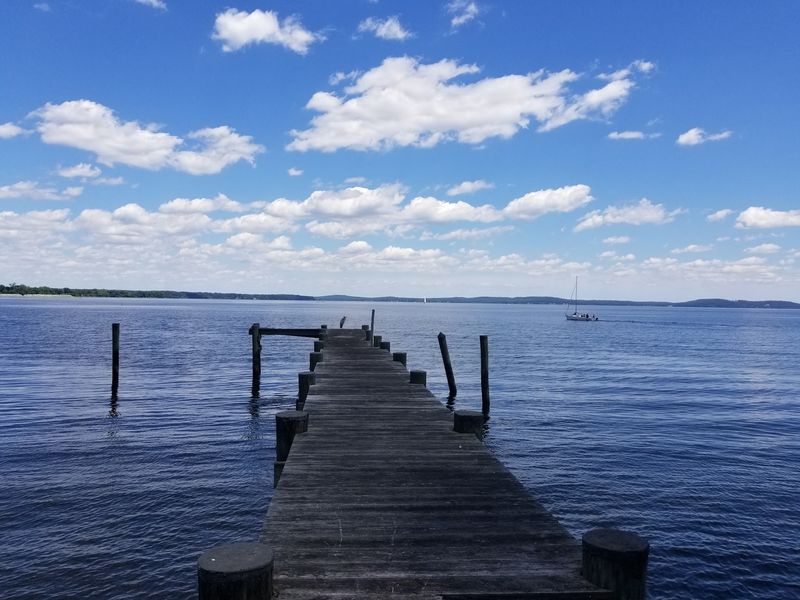
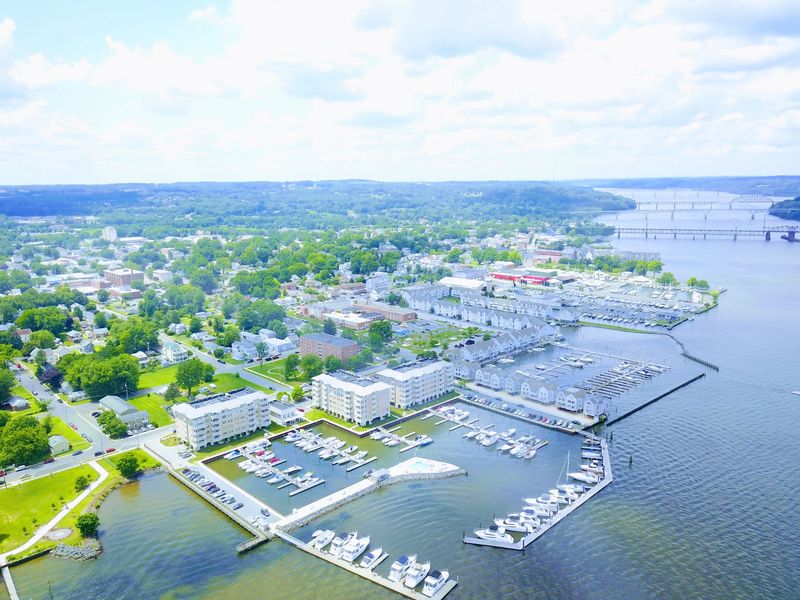
Geography did this town a big favor. Havre de Grace, Maryland 21078, sits at the mouth of the Susquehanna River and the head of the Chesapeake Bay, a spot that gives it water views in more directions than most towns can claim.
The city belongs to Harford County in northeastern Maryland. Locals often shorten the name to HdG, which saves time on grocery lists and street signs alike.
For retirees, the location is a quiet selling point. The town feels tucked away, yet it sits within reach of larger cities up and down the East Coast.
The Susquehanna is one of the longest rivers on the East Coast, and it pours into the bay right at the edge of town. That meeting point shapes nearly everything here, from the parks to the museums to the way neighborhoods line up along the shore.
Many people arrive expecting a sleepy stopover. Instead, they find a compact city with a historic downtown, public waterfront, and a strong sense of identity built around the water.
The official city website, havredegracemd.com, is a handy starting point for anyone scouting the area. It lists events, city services, and updates that help newcomers get their bearings fast.
So where did a Maryland town get such a French-sounding name? The answer involves a famous general and a harbor across the Atlantic.
A French Name With Old-World Roots
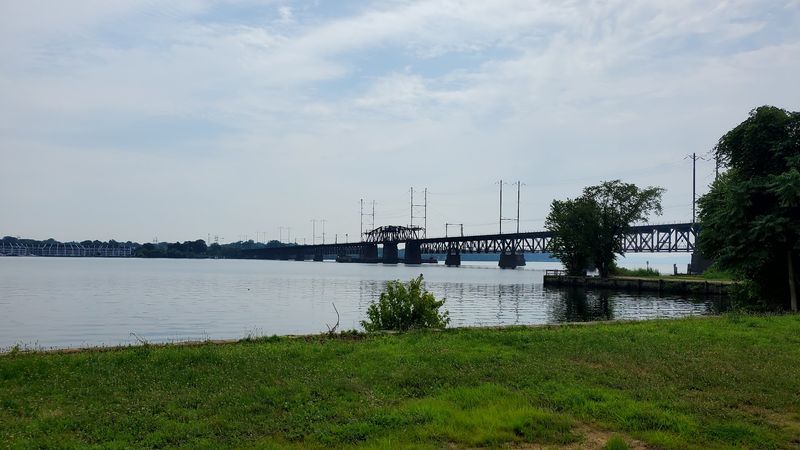
Few American towns can trace their name to a French port city. Havre de Grace is named after Le Havre, France, which in full was once known as Le Havre de Grace.
Local lore credits the Marquis de Lafayette, the French officer who aided the American Revolution, with making the connection. The story goes that he saw the waterfront and noted how much it resembled the French harbor.
The name stuck, and it gives the town a touch of old-world flair. Translated loosely, it means something like harbor of grace, which is a fitting label for a place built around a sheltered shoreline.
History runs deep here in other ways too. During the War of 1812, British forces raided the town in 1813, and a local resident named John O’Neill became a folk figure for standing up to them.
Another piece of town lore claims Havre de Grace was once considered as a possible site for the national capital. It is a favorite tale among longtime residents, even if the details remain part of local legend.
Newcomers tend to pick up these stories quickly. They show up on historical markers, in museum exhibits, and in casual conversation at downtown shops.
Living in a place with this much backstory adds a layer of meaning to everyday errands. A walk to the post office can double as a short history lesson.
The Promenade That Turns Errands Into Outings
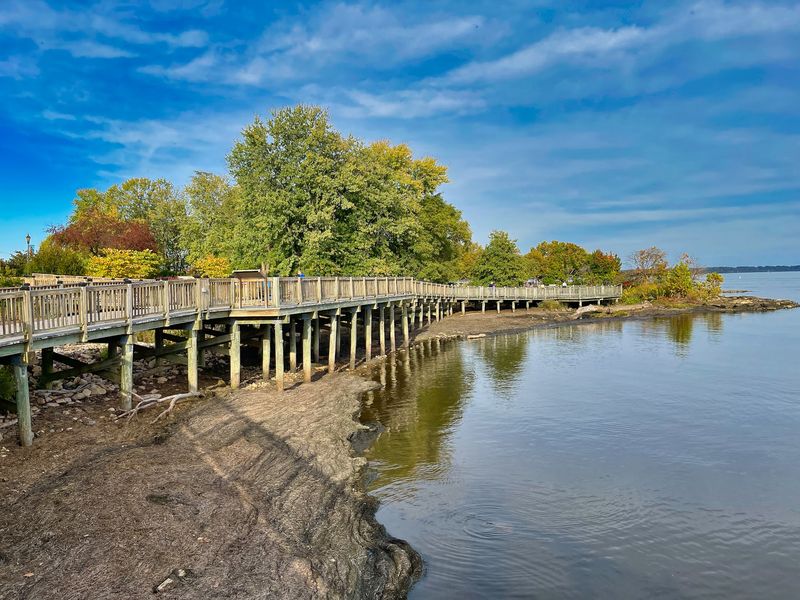
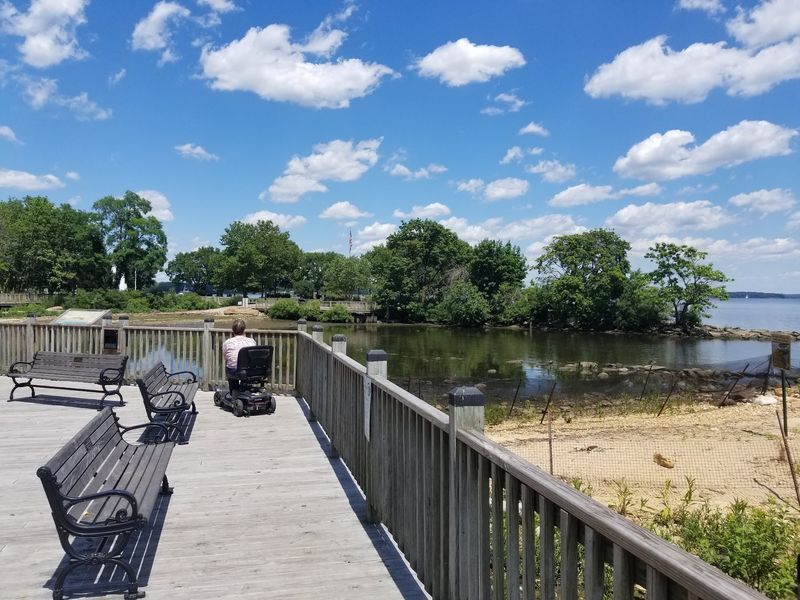
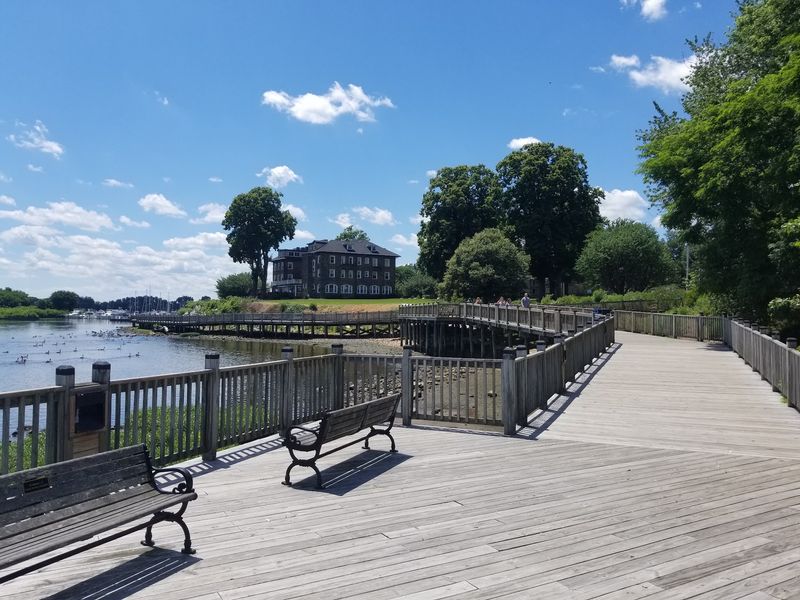
Daily walks get a serious upgrade in this town. The Havre de Grace Promenade is a wooden boardwalk that runs along the shoreline, linking several of the city’s best-known waterfront spots.
It stretches roughly from the area near Tydings Park toward the Concord Point Lighthouse. Along the way, benches and viewing spots offer plenty of chances to pause and watch boats move across the bay.
Retirees often mention the promenade as one of the main reasons they chose the city. It is flat, public, and free, which checks three important boxes at once.
Morning walkers, dog owners, and birdwatchers tend to share the path without much fuss. The pace is relaxed, and nobody seems to be in a hurry to get anywhere.
Wildlife spotting is part of the appeal. The head of the bay attracts waterfowl, and the open views make it easy to catch herons or ducks going about their business.
The promenade also connects neatly with the town’s museums. A single stroll can include a lighthouse visit, a stop at a museum, and a rest on a bench facing the water.
For people trading a car-heavy suburb for something more walkable, the boardwalk becomes a daily habit. It is the kind of place where a quick loop can easily turn into a full afternoon.
A Lighthouse With Serious Staying Power
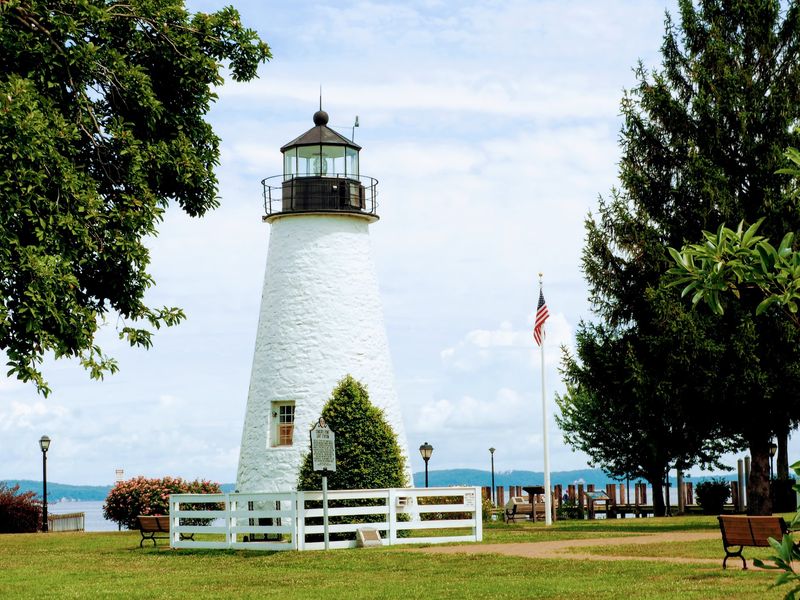
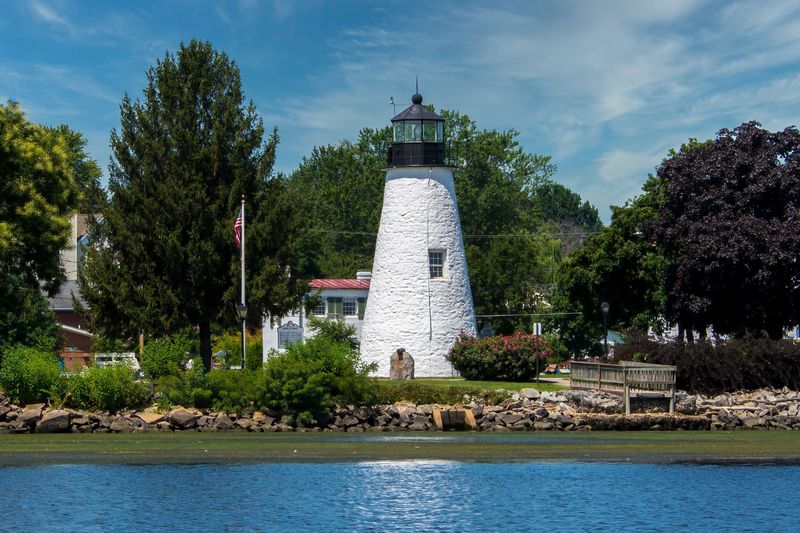
Built in 1827, the Concord Point Lighthouse has been keeping watch over the water for nearly two centuries. It is one of the oldest lighthouses on the East Coast still standing in its original spot.
The tower is short and sturdy, made of local granite, and painted white. It does not tower over the landscape, but it does not need to.
John O’Neill, the same local figure remembered from the War of 1812, later became the lighthouse’s first keeper. His family stayed connected to the lighthouse for generations, which gives the site a strong personal story.
Nearby stands the keeper’s house, which helps tell the history of the people who tended the light. Exhibits and preservation efforts keep the site tied to the town’s maritime roots.
The lighthouse sits at the end of the promenade, making it an easy destination for a morning walk. Many residents treat it as a natural turnaround point.
Access to the interior is typically seasonal and may depend on volunteer schedules. Checking ahead before planning a climb is a smart move.
Photographers love the setting, especially with the bay stretching out behind the tower. Even people who swear they are not lighthouse fans tend to come around after a visit or two.
Of course, a town this tied to the water has other stories to tell, and some of them are carved from wood.
Wooden Ducks and a Carving Legacy
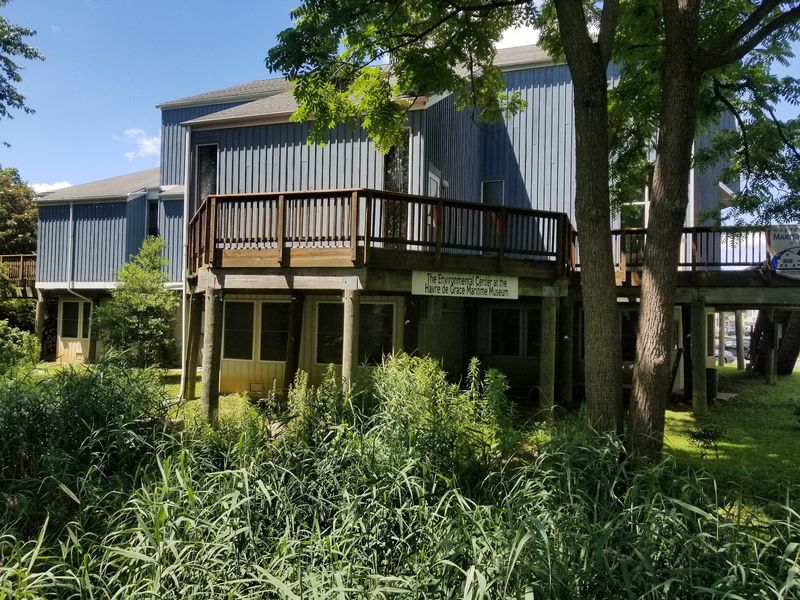
Havre de Grace has a nickname that surprises many newcomers. It is often called the Decoy Capital of the World, thanks to its long tradition of carving wooden waterfowl decoys.
The Havre de Grace Decoy Museum celebrates that heritage. Its collection highlights the carvers who shaped the craft on the upper Chesapeake Bay.
Decoys started as working tools, used to attract waterfowl on the flats near the mouth of the Susquehanna. Over time, skilled carvers turned them into collectible folk art.
Exhibits cover the history of the craft and the local figures behind it. The museum also showcases how styles developed in this particular corner of Maryland.
For retirees with a hobby streak, the carving tradition can be more than a museum visit. Some people take a new interest in woodworking or folk art after spending time around the collection.
The museum is also known for its annual decoy festival, which has traditionally drawn collectors and carvers each spring. Dates and details vary, so the museum’s schedule is worth checking.
It is a quirky claim to fame, and residents wear it proudly. Not every town can say its most famous residents are made of wood and paint.
Down the shoreline, another museum picks up the story where the ducks leave off.
Canals, Boats, and the Working Waterfront
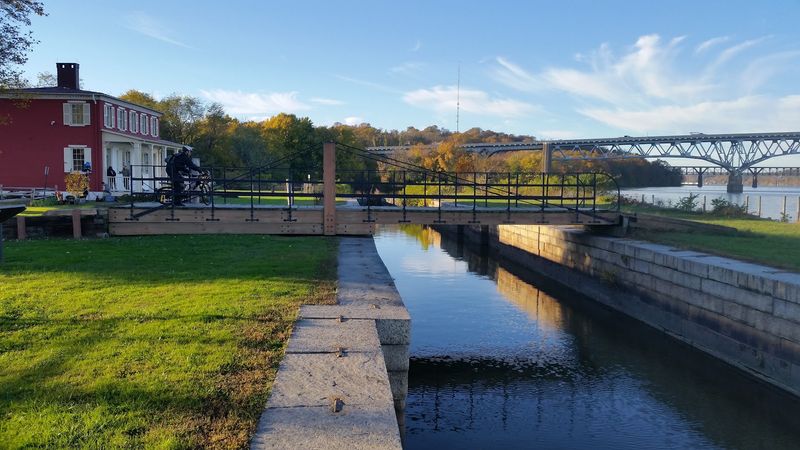
Long before highways, goods moved by water. The Susquehanna Museum of Havre de Grace at the Lock House tells the story of the Susquehanna and Tidewater Canal, which once connected the town with Pennsylvania.
The Lock House served the canal’s operations, and the site includes a restored lock. It offers a clear look at how commerce once flowed through the town.
Canal boats carried coal, lumber, and other goods along the route. Havre de Grace played an important role as the southern end of the canal.
Nearby, the Havre de Grace Maritime Museum focuses on the broader boating life of the upper bay. Exhibits explore boatbuilding, fishing, and the communities that relied on the water for their livelihoods.
Together, these museums round out the town’s story. The decoys, the lighthouse, the canal, and the boats all point to a place that earned its living on the water.
For history buffs, having several small museums within walking distance is a real perk. Many retirees end up volunteering at these sites, which is a great way to meet neighbors.
Hours can change with the seasons, so a quick check before heading over saves a wasted trip. Most of these spots are small enough to explore without an exhausting day on your feet.
After all that history, the downtown streets offer a different kind of exploring.
A Downtown Built for Two Feet
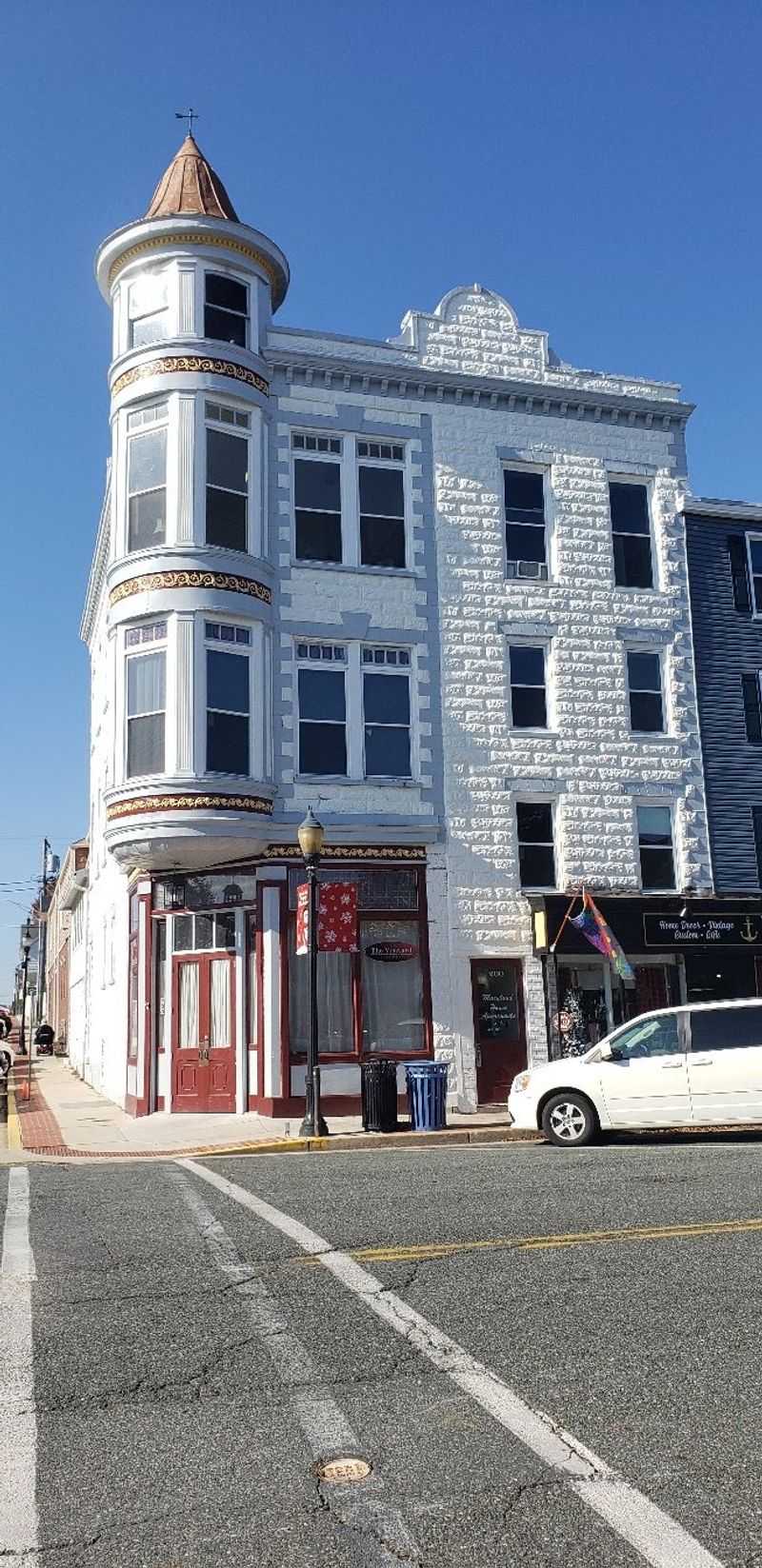
Walkability is the quiet superpower of this city. Downtown Havre de Grace packs shops, eateries, and services into a compact grid that is easy to cover on foot.
Many streets are lined with historic homes, including Victorian-era houses that give neighborhoods plenty of character. A good portion of the town falls within a historic district.
For retirees, a walkable downtown means fewer car trips and more spontaneous outings. Running to a shop or meeting a friend does not require a parking plan.
Independent businesses make up much of the downtown mix. Antique shops, boutiques, and small local businesses give the area a personal feel that big-box corridors rarely match.
The downtown grid also connects smoothly to the waterfront. A short walk can take someone from a main street storefront to the promenade in a matter of minutes.
Sidewalks and small blocks make it friendly for those who prefer an easy pace. Benches and parks break up longer strolls.
Some neighborhoods sit within a few blocks of the water, which is a rare combination in many coastal areas. Access to the shoreline here does not always come with a luxury price tag.
Life on foot tends to build a sense of community. Familiar faces pop up on regular routes, and before long, a quick walk becomes a string of friendly hellos.
Green Space With a Waterfront Twist

Parks in this town rarely come without a water view. Tydings Park is one of the city’s main public green spaces, sitting right along the shoreline near the marina.
The park offers open lawns, walking paths, and spots to relax facing the bay. It also connects to the promenade, making it part of a longer waterfront route.
A public marina nearby gives boaters easy access to the head of the bay. Watching sailboats and small craft come and go is a free form of entertainment.
Fishing is part of local life too. The river and bay have long supported anglers, and shoreline spots draw people with rods and patience.
Outside town, Susquehanna State Park offers trails and river scenery for those who want a longer outing. It is a short drive and adds a more rugged option to the town’s gentler parks.
For budget-minded retirees, public green space is a big deal. Free parks and trails reduce the temptation to spend money just to get out of the house.
These spaces also host community gatherings throughout the year. Open lawns become meeting places for concerts, festivals, and casual neighborhood get-togethers.
Speaking of gatherings, the town’s calendar has a way of filling up once the weather warms.
A Calendar That Keeps Neighbors Connected
Small towns often run on traditions, and this one is no exception. Havre de Grace hosts a steady lineup of community events that keep residents busy and connected.
The decoy festival in spring has long drawn carvers and collectors to town. Summer tends to bring outdoor gatherings, and the city has been known for its Independence Day fireworks over the water.
Seasonal events often take place in waterfront parks or downtown streets. That means many of them are within walking distance for people who live in the core of town.
For retirees, a full community calendar solves a common challenge. Moving somewhere new can feel isolating, but regular events create easy chances to meet people.
Volunteer opportunities are woven into many of these gatherings. Museums and local organizations often rely on community help, and newcomers are usually welcomed with open arms.
Specific dates and details change from year to year. The city’s website at havredegracemd.com is the best place to check what is coming up.
Timing a first visit around an event can be a smart way to scout the town. It gives a real sense of how residents spend their time and how the community comes together.
Of course, a lively calendar is only part of the picture when choosing where to settle.
The Kind of Pace Retirees Are Chasing
Plenty of waterfront towns come with sticker shock. Havre de Grace has built a reputation as a place where water access and small-town charm can still fit a more modest budget than many well-known coastal spots.
Costs vary by neighborhood and housing type, so research is essential. Still, many retirees see the city as a practical alternative to pricier beach destinations.
The pace is a big part of the draw. Life here moves at a comfortable speed, without the crowds and congestion of larger metro areas.
The town suits people who enjoy history, walking, water views, and community involvement. It is less suited to those who want big-city nightlife or sprawling shopping malls on every corner.
Active retirees can stay busy with volunteering, boating, fishing, and museum work. Those who prefer quieter days can settle into a routine of walks, reading on a bench, and chatting with neighbors.
Healthcare, shopping, and other services in the wider region add peace of mind. Harford County offers additional options within a short drive.
Families and younger residents also call the town home, so it does not feel like a retirement bubble. That mix keeps things lively and multigenerational.
Knowing the vibe is one thing, but getting there and settling in takes a little planning.
Getting There and Getting Settled
Road trips here are refreshingly simple. Havre de Grace sits just off Interstate 95 in northeastern Maryland, making it easy to reach from both the Baltimore and Philadelphia areas.
U.S. Route 40 also runs through the region and crosses the Susquehanna nearby.
Both routes put the city within a manageable drive of major East Coast hubs.
Once in town, a car becomes optional for many daily tasks. The walkable downtown and waterfront make it possible to park and explore on foot for hours.
Many of the museums operate on seasonal schedules. Hours and admission policies can change, so checking each site before visiting is a wise habit.
The promenade, parks, and downtown streets are free to enjoy. That makes a scouting trip affordable, even for those watching every dollar.
Spring through fall tends to be the busiest stretch for events and museum openings. Visiting in more than one season can help paint a fuller picture of year-round life.
Anyone seriously considering a move should spend time in different neighborhoods. Walking the streets at various times of day gives a real sense of how each area feels.
The city website, havredegracemd.com, is a solid resource for services, events, and local updates. It is a great first click before booking a trip.
Why the Quiet Move Makes Sense
Some towns shout for attention, while others simply wait to be discovered. Havre de Grace falls firmly into the second group, and that is a big part of its appeal.
The city offers a rare mix of history, water access, and walkability. A lighthouse from 1827, a boardwalk along the bay, and a cluster of small museums all fit within a compact footprint.
Its location at the mouth of the Susquehanna and the head of the Chesapeake Bay gives it a setting few places can match. That geography shaped its past and continues to shape daily life.
For retirees, the math often works out in its favor. Free public spaces, a walkable downtown, and a strong community calendar help stretch a fixed budget further.
It is not a flashy resort town, and it does not try to be one. Instead, it offers a steady, friendly rhythm that many people find exactly right for this stage of life.
A visit or two is the best way to see if the fit feels natural. Walk the promenade, tour a museum, and spend an afternoon downtown.
Chances are good the town will leave a lasting impression. And for many retirees, that impression eventually turns into a new address by the bay.
Enjoyed this story?
Add Fast Food Club as a preferred source to see more of our reporting on Google.