



Some towns shout for attention, and some simply wait for the right people to notice them. On the Connecticut shoreline, one small community sits exactly where a great New England river finishes its long trip and joins the sea.
Retirees have been noticing, one moving truck at a time, without much fanfare. The appeal is easy to explain on paper: a manageable population, a strong sense of history, water on two sides, and a location that keeps big cities within reach without forcing anyone to live in them.
This article walks through where the town is, how its story shaped it, what daily life can look like there, and the practical points worth weighing before making a visit or a bigger move. By the end, the quiet trend should make a lot more sense.
A Riverbank Town on the Connecticut Shore

Every river has to end somewhere, and the Connecticut River ends right beside Old Saybrook.
The town of Old Saybrook, Connecticut, USA, sits in Middlesex County on the west bank of the Connecticut River, at the exact point where the river flows into Long Island Sound. That address of river and sea is the whole headline in one line.
Geography like this is rare. Plenty of towns can claim a river, and plenty more can claim a coastline, but few get both meeting at their doorstep.
For retirees scouting a new home base, that combination matters. It offers a sense of place that is easy to understand and hard to replicate.
The town is also part of the Lower Connecticut River Valley Planning Region. In plain terms, it belongs to a cluster of communities that share the lower stretch of the river and plan for its future together.
So before talking about lifestyle, it helps to fix the map in mind. Old Saybrook is a shoreline town, a river town, and a valley town all at once, which explains why so many people end up circling it on their list.
Ten Thousand Neighbors and Counting
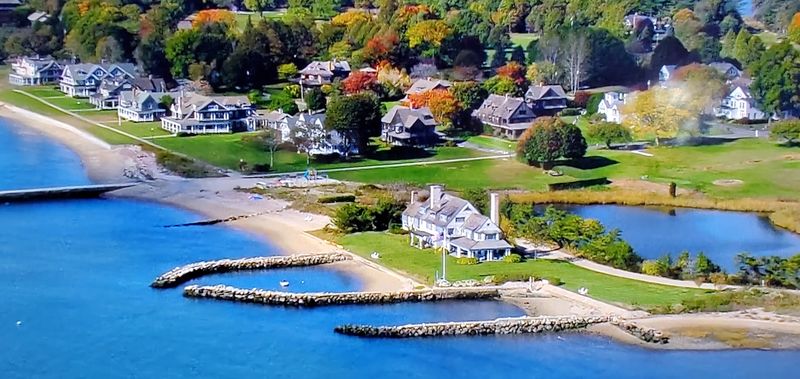
Numbers tell a quiet story here. At the 2020 census, Old Saybrook counted 10,481 residents.
That figure lands in a sweet spot. The town is large enough to support everyday needs, yet small enough that faces start repeating at the grocery store after a few weeks.
Retirees often say they want community without crowds. A population of roughly ten thousand gives them a fair shot at both.
Smaller towns can feel isolated, and bigger ones can feel anonymous. Old Saybrook sits comfortably between those extremes, which is part of why the settling trend has stayed quiet rather than turning into a stampede.
There is also something reassuring about a town whose size has not exploded. A stable headcount usually means familiar streets, familiar routines, and fewer surprises.
For newcomers, that scale makes joining in easier. Volunteering, meeting neighbors, and learning the rhythm of local life all happen faster when the town is not a sprawling maze.
Ten thousand people is not a crowd. It is a community, and that difference is exactly what many people in their later chapters are looking for.
Roots That Run Deep in New England

The word Old in the town name is not decoration. It signals a place with a long New England pedigree.
Towns at the mouth of major rivers tended to matter early in American history, since rivers worked as highways long before paved roads existed. A spot guarding the entrance to the Connecticut River naturally drew attention.
That legacy still shapes the feel of the town today. History is not a museum exhibit here so much as a backdrop to ordinary errands.
For retirees, living alongside that heritage can be quietly rewarding. Many people spend their working years too busy to explore history, and later life finally opens the calendar.
A town with deep roots offers endless small rabbit holes to follow. Local libraries, historical groups, and walking routes often become weekly habits for curious newcomers.
Old Saybrook rewards that kind of patient curiosity. The more time spent here, the more layers appear, and the name starts to feel less like a label and more like a promise kept.
Where Fresh Water Shakes Hands With Salt
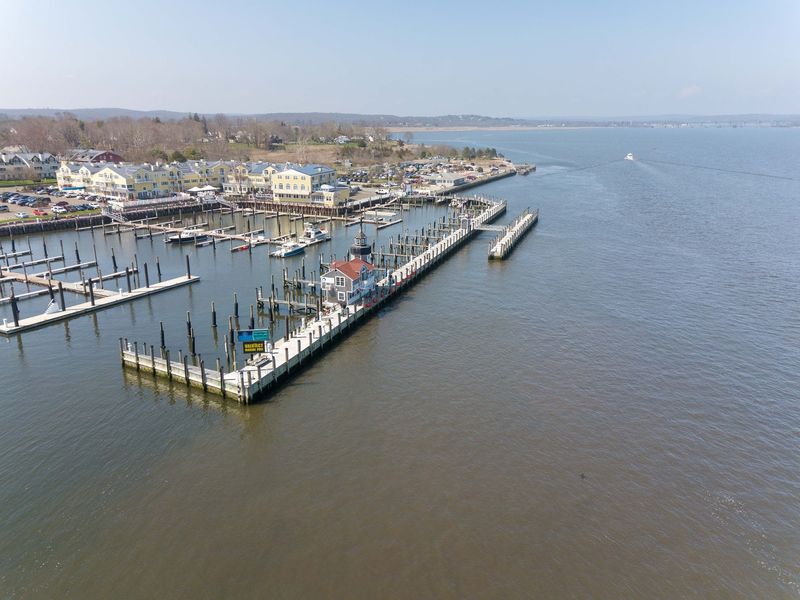
The Connecticut River is the longest river in New England, and its final chapter is written right here.
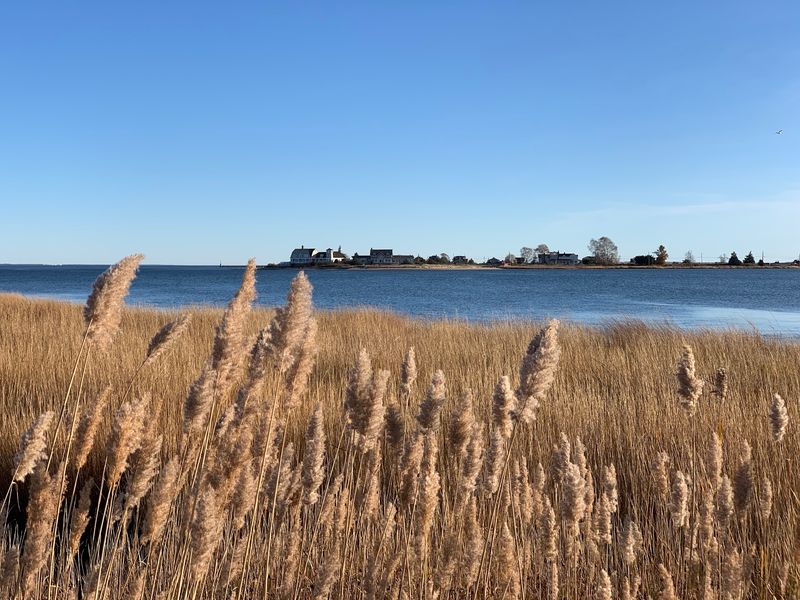
At Old Saybrook, the river meets Long Island Sound. That meeting point defines the town more than any building or road ever could.
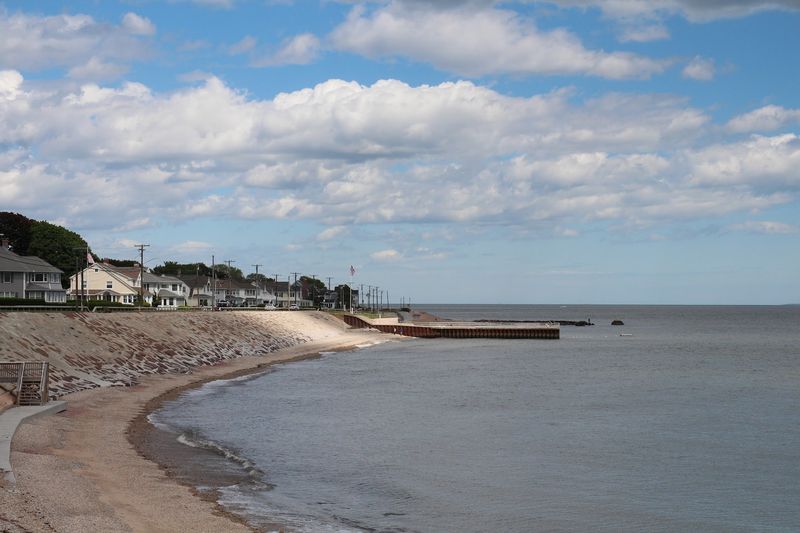
For residents, the practical effect is simple. Water is never far away, and views of it become part of daily life rather than a special occasion.
Retirees often move toward water for good reasons. Waterfront walks, quiet mornings by the shore, and boating opportunities tend to top wish lists.
Having both a river and a sound nearby doubles the options. Calm river stretches suit some days, while the open sound suits others.
It also gives the town a sense of being at a crossroads. Boats come and go, seasons shift the shoreline, and there is always something happening on the water.
Plenty of places promise a view. Old Saybrook delivers a whole geography lesson, free of charge, every single day.
Life Along Long Island Sound
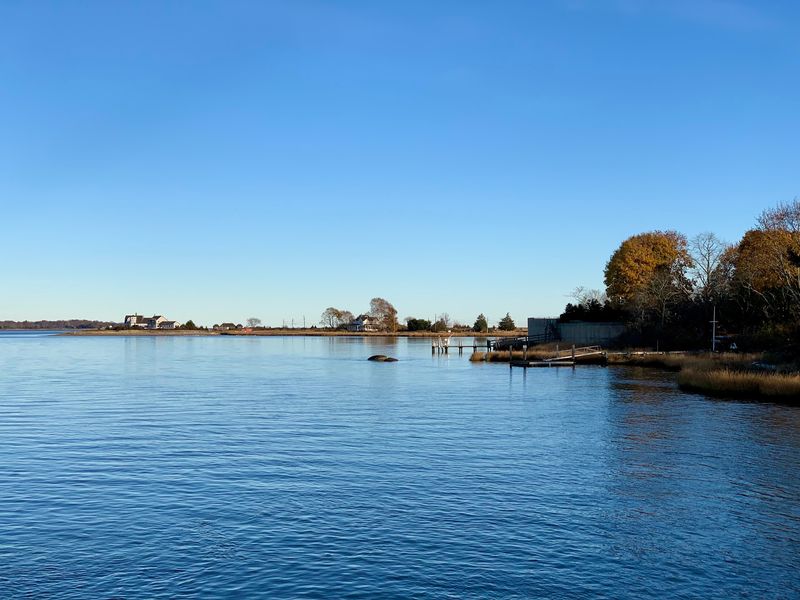
Long Island Sound is not the open Atlantic, and that distinction matters to plenty of shoreline dwellers.
The sound is a sheltered body of water between Connecticut and Long Island. Its protected nature gives coastal towns like Old Saybrook a calmer shoreline character than exposed ocean coasts.
For retirees, that opens up a gentler version of coastal living. Shoreline strolls, sunsets over the water, and seasonal boating all fit naturally into the calendar.
Coastal living also tends to shape social life. Neighbors connect over boats, beaches, and the shared ritual of watching weather roll across the water.
There is a seasonal pulse, too. Summer brings livelier shoreline days, while the quieter months return the coast to the year-round crowd.
Many retirees actually prefer that off-season calm. It gives them the water without the traffic, which feels like getting the best seat in the house after the show ends.
The Lower Valley Next Door

Old Saybrook does not stand alone. It belongs to the Lower Connecticut River Valley Planning Region, a group of communities tied together by the river.
That regional connection quietly expands what the town offers. Neighboring river towns are close by, making day trips feel effortless.
Retirees often discover that their real home ends up being the whole lower valley. A morning in Old Saybrook can easily turn into an afternoon exploring nearby villages along the river.
Regional planning also hints at shared priorities. Communities in the same valley tend to think together about the river, open space, and long-term character.
That kind of cooperation can bring stability. People settling in for the long haul appreciate knowing their surroundings are being looked after beyond town lines.
The valley turns a small town into a bigger neighborhood. Old Saybrook supplies the front porch, and the rest of the region supplies the backyard.
Room to Breathe Between Two Big Cities
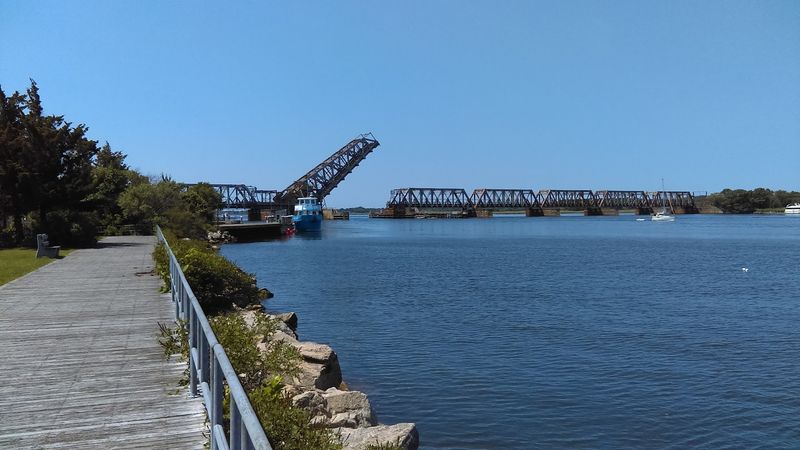
Geography gives Old Saybrook a handy middle-seat advantage, only this one comes with legroom.
The town sits on the Connecticut shoreline, a corridor that connects the broader Northeast. That positioning means larger cities remain reachable when needed, without being part of daily life.
For retirees, this balance can be ideal. Family visits, specialist appointments, or cultural outings in bigger places stay within reach, while home remains peaceful.
Grandchildren in another state suddenly feel less far away. A shoreline location along a major regional corridor makes visits easier in both directions.
At the same time, choosing a town of about ten thousand people keeps the pace steady. Nobody here has to fight city traffic to buy groceries.
Plenty of retirees want access without immersion. Old Saybrook offers precisely that trade, close enough to everything and comfortably removed from most of it.
Boats, Birds, and Slow Mornings
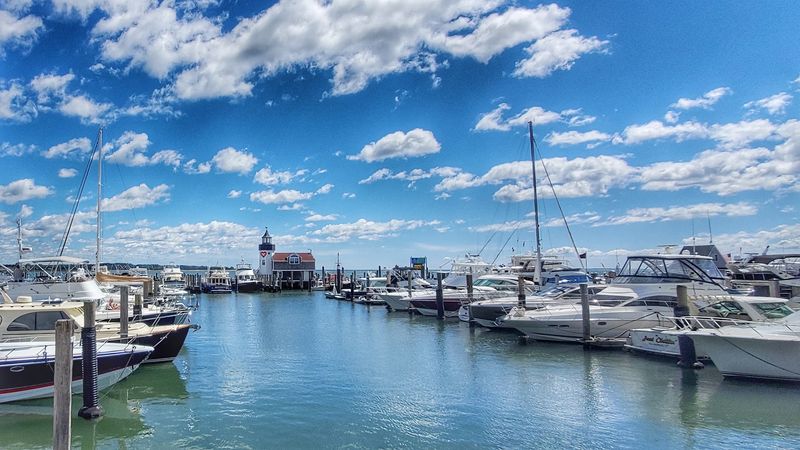
Retirement calendars tend to fill up fast, and water towns supply plenty of ways to fill them.
With a river on one side and the sound on another, boating is a natural fit. Sailing, paddling, and simple harbor cruising all suit the setting.
River mouths are also known for attracting wildlife, especially birds. Patient watchers with binoculars often find these meeting points rewarding.
Fishing is another classic shoreline pastime. A quiet hour with a line in the water is about as unhurried as life gets.
Not every activity needs a boat, though. Shoreline walks and benches with a view count as hobbies too, at least by retirement standards.
The point is choice. Old Saybrook makes it easy to pick an outdoor pace that matches the day, whether that means busy or blissfully lazy.
A Main Street Kind of Rhythm
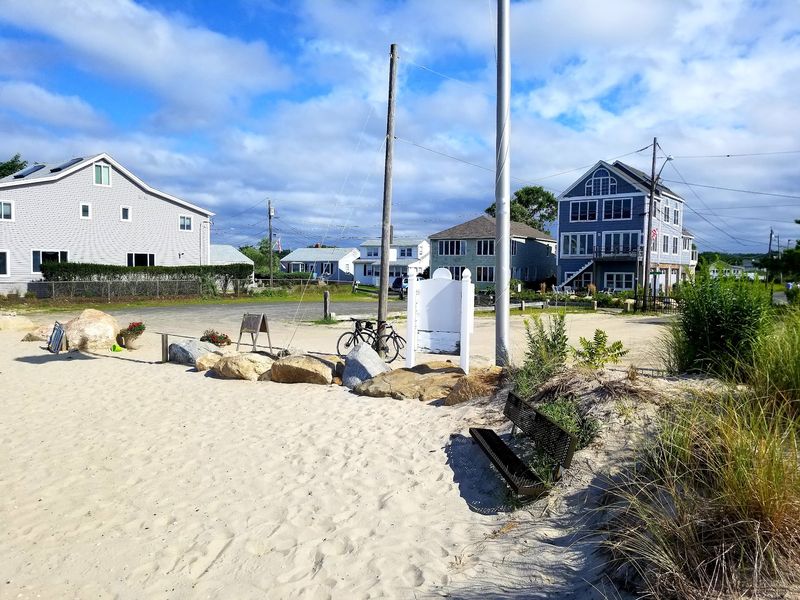
Small towns run on routine, and that routine is exactly the attraction.
In a community of roughly ten thousand people, everyday errands rarely turn into expeditions. Familiar shops, local services, and short drives shape daily life.
Retirees often describe wanting a town where they can be known. Old Saybrook’s scale supports that kind of recognition without feeling intrusive.
Local events and community gatherings typically become anchors on the calendar. They give newcomers easy ways to meet people and settle into the social fabric.
Shoreline towns also tend to keep a certain unhurried attitude. Things get done, just without the frantic edge that bigger places sometimes carry.
Over time, that rhythm becomes its own reward. A good morning routine in a friendly town can outshine a long list of flashy attractions.
Four Seasons on the Shoreline
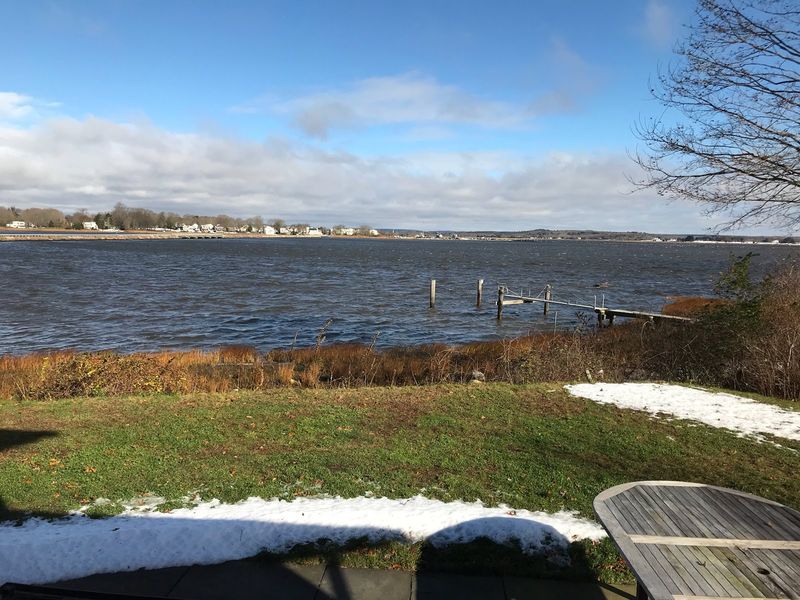
Connecticut does not do one season. It does four, and the shoreline handles each one differently.
Summer is the busy stretch on the coast, with boating and beach days in full swing. Autumn brings classic New England color to the river valley.
Winter is quieter, and coastal towns often settle into a more local, year-round mood. Spring then reopens the water and the walking paths.
For retirees, the seasonal cycle offers variety without relocation. Each part of the year brings a different set of activities.
Some newcomers do prefer splitting time elsewhere during the coldest months. Others embrace the off-season peace and find it one of the town’s best features.
Either way, the calendar never feels stale. In Old Saybrook, the scenery changes its outfit four times a year, and nobody has to pack a suitcase.
Who Feels Right at Home Here
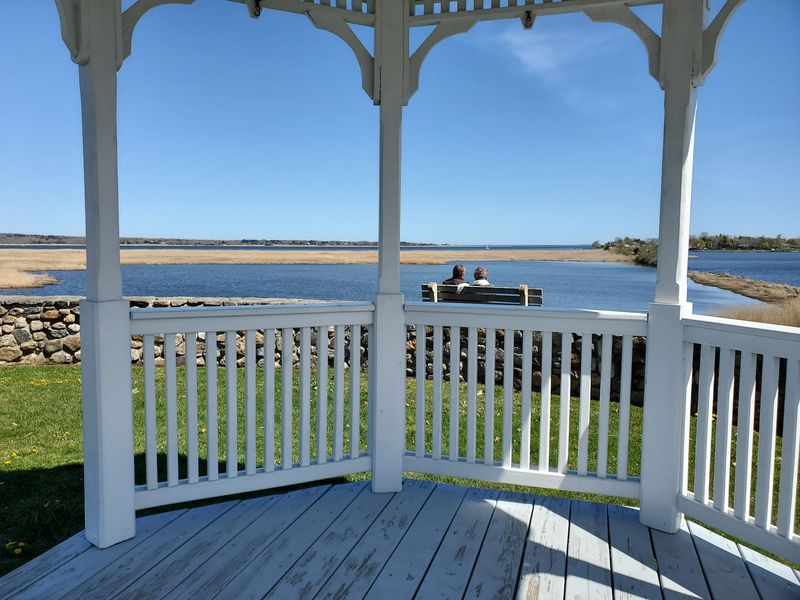
Not every town suits every retiree, and honesty about fit saves a lot of moving boxes.
Old Saybrook tends to suit people who value water, history, and a manageable community size. Those who enjoy coastal hobbies or simple waterfront walks will likely feel at ease.
It also suits people who want regional access. Being part of the Lower Connecticut River Valley and the broader shoreline keeps options open.
On the other hand, anyone craving big-city nightlife or constant entertainment may find the pace too calm. A town of about ten thousand people is built for steadiness, not spectacle.
New England winters are another factor. Those who dislike cold weather should plan around them.
For the right person, though, the match is easy to spot. The town quietly fits people who have already done their rushing and now want to enjoy where they are.
Practical Notes Before a Scouting Trip
A weekend scouting trip is the smartest first step before any big decision.
Old Saybrook is a town rather than a single attraction, so there are no gates, hours, or admission fees. Visitors can explore at their own pace.
Getting there means heading to the Connecticut shoreline in Middlesex County, where the Connecticut River meets Long Island Sound. Checking a current map and travel options before leaving will make planning easier.
Visiting in more than one season is wise. Summer and winter can feel like two different towns on the coast.
Talking with local organizations, walking neighborhoods, and spending time by the water all help paint a realistic picture. Housing costs and availability change over time, so current local research is essential.
A little homework goes a long way. The goal is to leave knowing whether the town feels like a place to visit or a place to stay.
The Quiet Case for Old Saybrook
Trends usually come with noise. The retiree movement toward Old Saybrook has stayed refreshingly low-key.
That fits the town itself. A community of about ten thousand people, sitting where the Connecticut River meets Long Island Sound, does not need to advertise loudly.
The case for it is built on simple pieces. There is water on two sides, deep New England roots, and a place in the Lower Connecticut River Valley.
Add a manageable scale and a shoreline location with regional reach, and the appeal becomes clear. Nothing here is flashy, yet everything is useful.
Not everyone will fall for it, and that is fine. The town works best for people who prefer steadiness over spectacle.
For those people, Old Saybrook offers a fitting place to start a new chapter. A river finishes its journey here, and plenty of retirees seem happy to finish theirs nearby, right at the edge of the sound.
Enjoyed this story?
Add Fast Food Club as a preferred source to see more of our reporting on Google.