


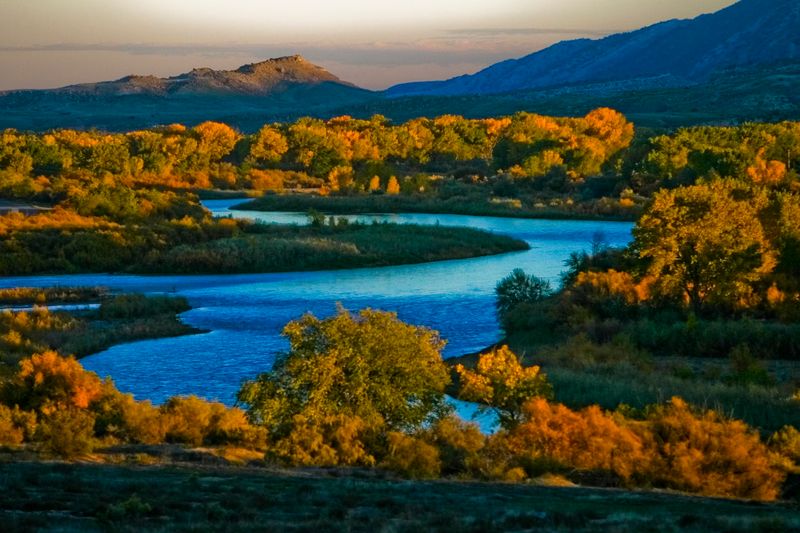
Somewhere between the red canyon walls of western Colorado and the Utah line sits a small city that keeps showing up on retirement wish lists without much fanfare. It has public golf, fruit-growing roots, a national monument on its edge, and a pace of life that lets a Tuesday feel like a Saturday.
Many retirees come for one round of golf and end up asking about houses. The story behind this quiet move west is worth following, so stick around to learn where it is, what fills the days, and whether it might fit your next chapter.
A Small City in the Grand Valley
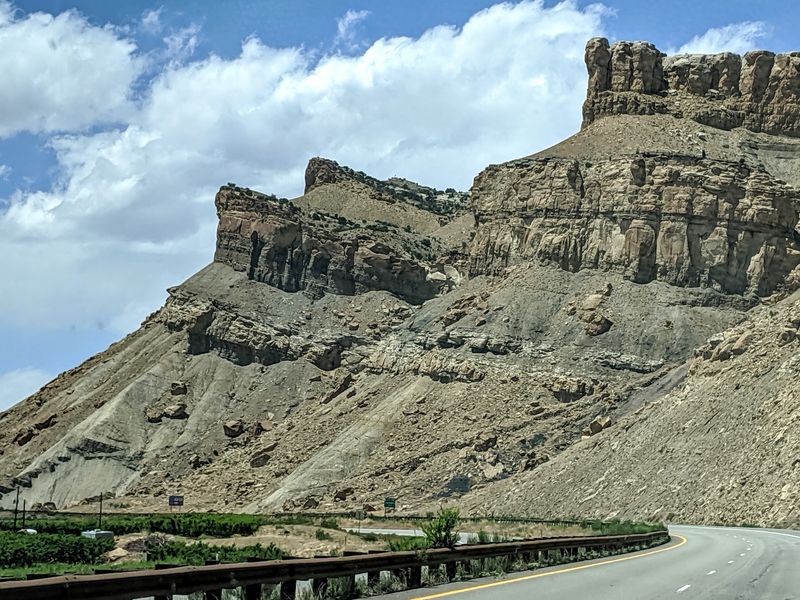
Plenty of people drive past it on Interstate 70 without a second thought, and that suits the locals just fine. The town in question is Fruita, located in Fruita, Colorado, USA.
Fruita is a home rule municipality in western Mesa County. Home rule simply means the city writes its own charter and handles many local matters on its own terms.
The population was 13,395 at the 2020 United States census. That number keeps the place big enough for daily needs yet small enough that the grocery run can turn into a friendly chat.
Fruita belongs to the Grand Junction, Colorado Metropolitan Statistical Area. In plain terms, the larger city of Grand Junction sits just to the east, with its bigger stores, services, and airport.
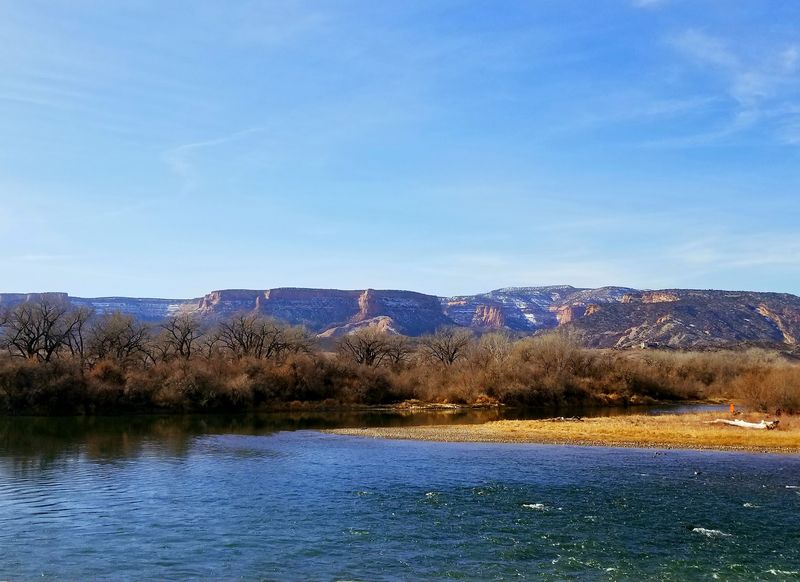
The town also lies within the Grand Valley, a broad stretch of land shaped by the Colorado River. Farms, orchards, and open space fill much of the valley floor.
For retirees, that location is a big part of the appeal. They get a quieter home base with a larger city close enough for appointments and errands.
So far, so good. Now the name itself starts to tell a story, and it is a sweet one.
A Name Rooted in Fruit Trees
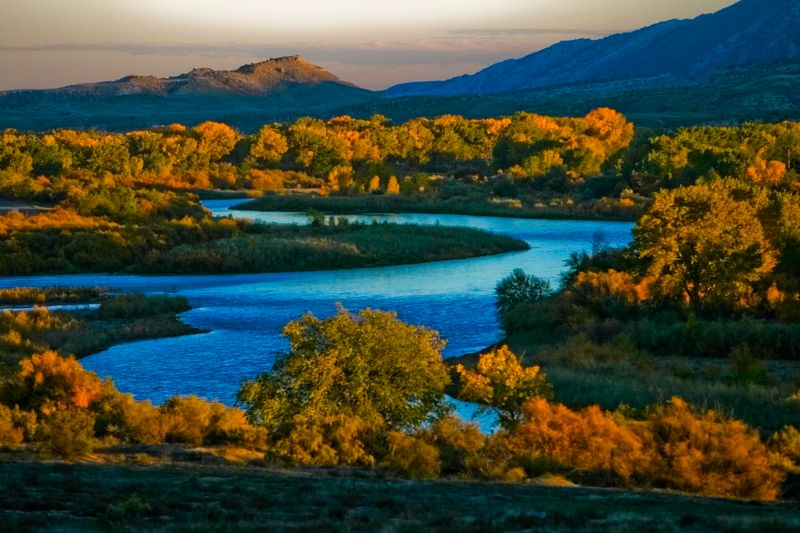
Few towns announce their purpose as clearly as this one. The name Fruita points straight back to the orchards that shaped its early years.
The town traces its founding to the 1880s, when settlers in the Grand Valley saw promise in the land along the Colorado River. Fruit growing quickly became part of the local identity.
Irrigation helped turn dry valley ground into productive farmland. Water from the river system made orchards and fields possible in a region that gets little rain on its own.
That farming heritage never fully faded. Agriculture still plays a role across the Grand Valley, and the connection between Fruita and fruit remains part of its charm.
History buffs will enjoy the way the past still shows up in town events and in the steady pace of rural life around the edges of the city.
For newcomers, knowing this backstory makes the place feel less like a random dot on the map. It feels like a town that has always been about growing things, from trees to families.
And speaking of growing things, the weather deserves a closer look next.
Desert Sunshine and Milder Winters
Colorado usually brings to mind deep snow and mountain passes. The Grand Valley plays by slightly different rules.
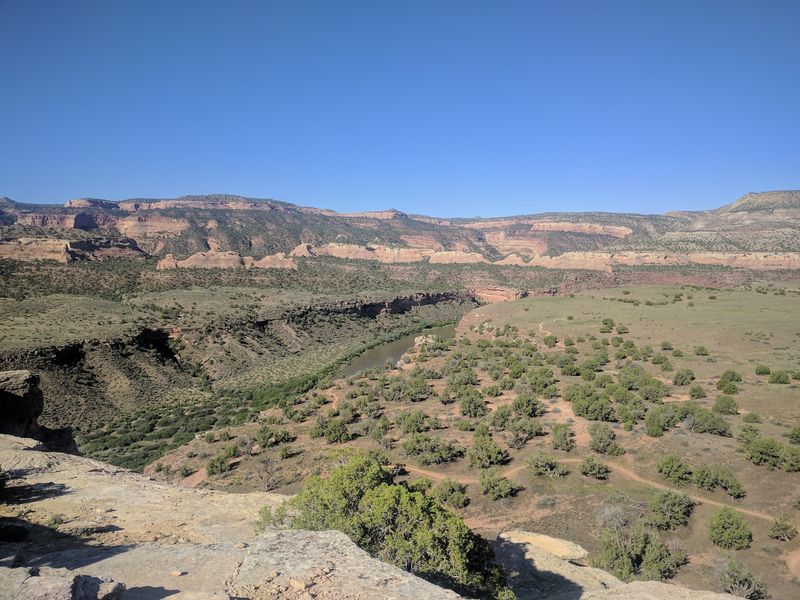
Fruita sits in a semi-arid, high desert setting on the western side of the state. Rain is limited, and sunny days are common through much of the year.
Winters here tend to be gentler than in the high mountain towns farther east. That difference matters a lot to retirees who want Colorado scenery without months of shoveling.
Summers can run hot, so early mornings and evenings become prime time for golf, walks, and yard work. Locals learn to plan around the midday heat.
Spring and fall are often the sweet spots. Those seasons bring comfortable temperatures for outdoor plans and line up nicely with some of the town’s best-known festivals.
The dry climate also helps explain why irrigation has been so important to local farming. Without it, the valley would look very different.
For anyone tired of gray skies, the forecast alone can be a selling point. Pack sunscreen, a good hat, and plenty of water, and the valley becomes a very livable place.
All that sunshine has an obvious partner, and it comes with a scorecard.
Fairways Without the Country Club Fuss
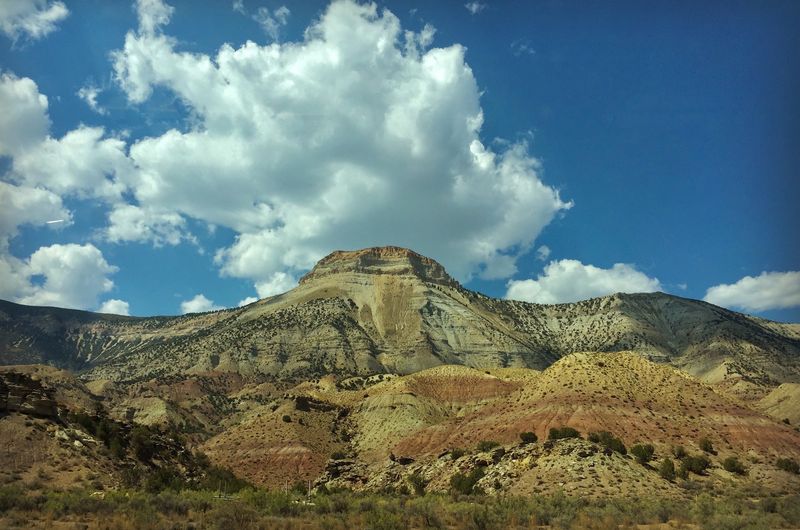
Golf and retirement go together like a tee and a ball. In Fruita, the game comes without the velvet rope.
Adobe Creek National Golf Course is the name local golfers mention first. It is a public course, which means no private membership is needed to book a round.
That open-door setup is a big deal for newcomers. There is no pressure to join an exclusive club just to play on a regular basis.
The course sits in a valley setting with desert terrain and mesas nearby. It is the kind of place where the backdrop can distract from a bad putt.
Frequent sunny weather helps stretch the playing season well beyond what many mountain towns can offer. That makes regular rounds a realistic part of weekly life.
Golf also works as a social engine for new arrivals. Weekly tee times often turn strangers into friends, and friends into dinner plans.
Players looking for more variety can find additional courses around the wider Grand Junction area, just a short drive east.
A tip for the budget-minded: check the course directly for current rates, seasonal specials, and tee time details before heading out. Fore-thought pays off.
Orchard Country on the Edges of Town
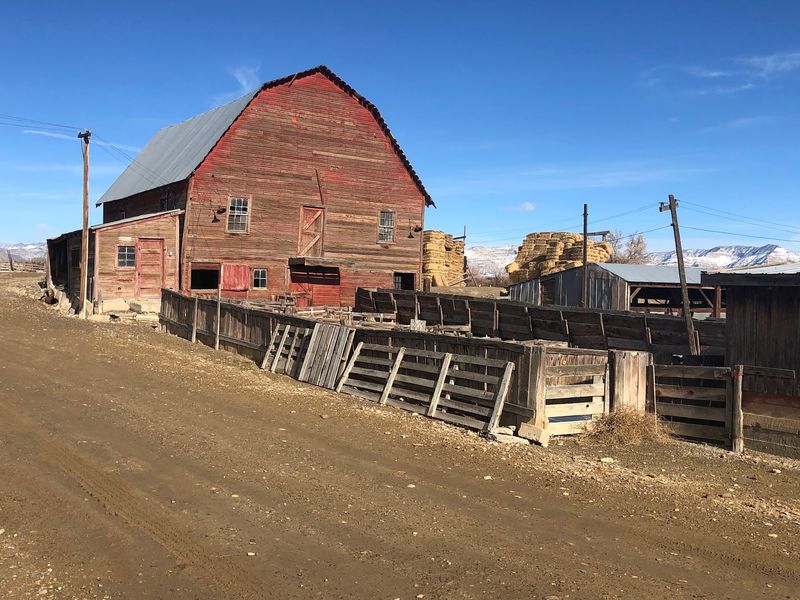
Orchards are not just a history lesson here. They are still part of the working landscape of the Grand Valley.
Drive a few minutes out of downtown Fruita and the scenery shifts to farms, fields, and rows of trees. The rural feel arrives fast.
For retirees, that closeness to farmland brings a different rhythm to the week. Seasonal farm stands and local markets in the valley make buying from growers an easy habit.
Many people who move here also enjoy the chance to garden on their own. Irrigation water and long sunny days give backyard growers plenty to work with.
The orchard setting helps explain why land in the region can feel more open than in crowded parts of the state. Space is part of the deal.
The Grand Valley as a whole is known for its fruit, and Fruita shares in that reputation. The town name makes the link hard to miss.
Timing matters for anyone who wants the best of the harvest season. Summer and early fall usually bring the busiest stretch at local stands.
So the orchards take care of the quiet side of life. For something a little more dramatic, just look toward the cliffs.
Canyon Country at the Back Door
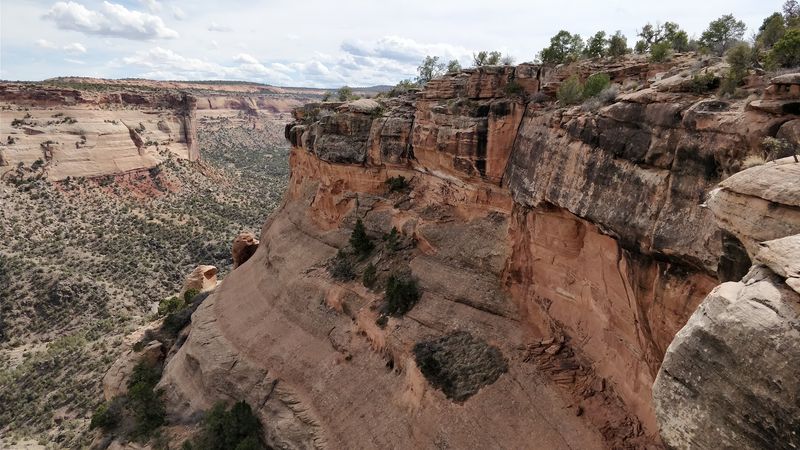
Some towns have a nice park nearby. Fruita has a national monument.
Colorado National Monument rises just south of town, with towering red rock canyons and sandstone formations. Its west entrance sits close to Fruita, making it an easy outing.
Rim Rock Drive is the main scenic road through the monument. It winds along the canyon rims and connects the Fruita side with the Grand Junction side.
Overlooks along the drive make it simple to enjoy the landscape without a long hike. That makes the monument friendly for a wide range of fitness levels.
Hikers can choose from short walks and longer trails inside the monument. Early starts are smart during warmer months because shade can be limited.
For retirees, having a place like this close by changes the idea of a weekend. Out-of-town guests have an instant answer to the question of what to do.
Park entrance fees apply, and passes are available through the National Park Service. Seniors should look into the federal senior pass options before their first visit.
Canyons are old, but some of the local history is far older. Next up, the dinosaurs.
Dinosaurs in the Neighborhood
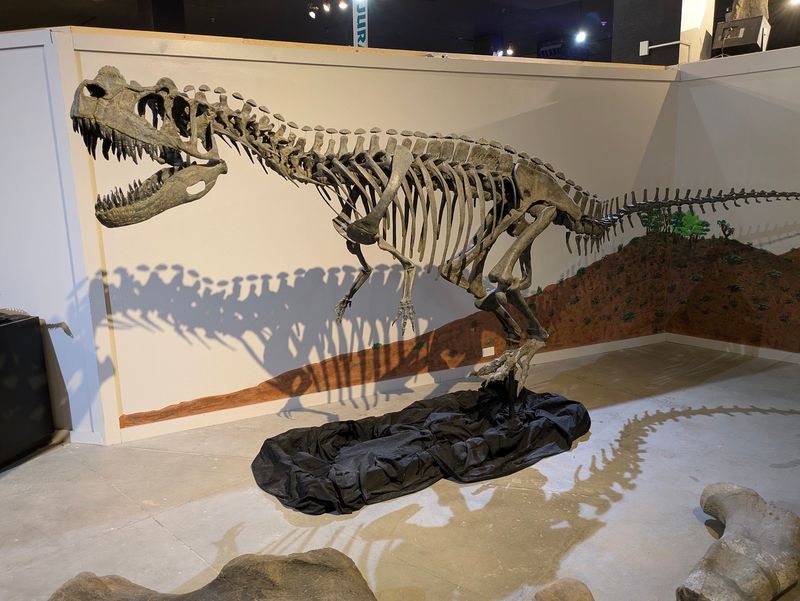
Grandkids tend to have one question when they come to visit. Where are the dinosaurs?
In Fruita, the answer is easy. Dinosaur Journey Museum sits in town and focuses on the prehistoric life of western Colorado.
The museum is part of the Museums of Western Colorado. It features fossil displays and dinosaur exhibits built around discoveries from the region.
The area around Fruita has a real place in the history of paleontology. Fossil finds in the surrounding landscape have drawn scientists to the region for well over a century.
For locals, the museum becomes a go-to spot when family arrives. It is indoors, which also makes it handy on a hot summer afternoon.
Nearby trails in the region include sites tied to fossil history, so curious explorers can extend the theme outdoors.
Retirees with a love of science or history may find plenty to keep them coming back. Museums like this often rely on community support and volunteers.
Hours and admission can change by season, so checking with the museum before a trip is the smart move. Prehistoric creatures may be patient, but opening times are not.
After the museum, many people head somewhere even more active.
Trails That Put Fruita on the Biking Map
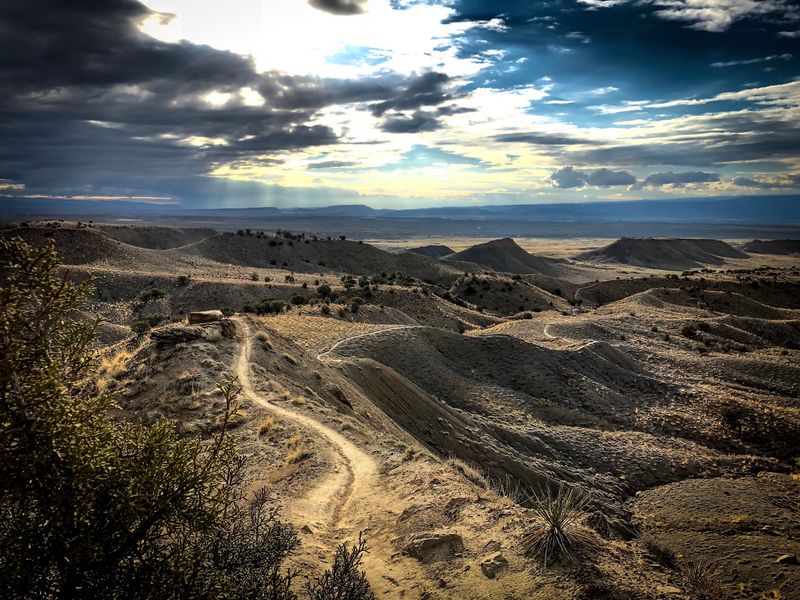
Mountain bikers have known the secret for years. Fruita is one of the best-known riding towns in the West.
The 18 Road trail area north of town offers a network of singletrack in the desert hills near the Book Cliffs. Riders travel from far and wide to try it.
West of town, the Kokopelli trail area adds more options along the Colorado River. The long Kokopelli Trail itself connects the region to Moab, Utah.
Not every retiree wants steep drops and rocky climbs, and that is fine. Plenty of easier paths exist for casual riders and walkers.
The Colorado Riverfront Trail offers a paved route along the river in the Grand Valley. It is well suited for strolls, easy bike rides, and birdwatching.
Local bike shops in town can help with rentals, trail tips, and gear. Newcomers often find that a friendly shop is the fastest route into the local scene.
E-bikes have also opened the door for older riders who want to keep up with the grandkids. Rules for e-bikes vary by trail, so check before rolling out.
All that pedaling builds up an appetite for celebration, and the town delivers.
Festivals and a Walkable Downtown
Small towns love a good party, and Fruita keeps a full calendar.
The Fruita Fall Festival is one of the longest-running community events in the area. It brings parades, booths, and local gatherings each autumn.
In spring, the Fruita Fat Tire Festival celebrates the town’s mountain biking culture. Riders, families, and spectators fill the town for a few busy days.
These events give newcomers an easy way to meet neighbors. Volunteering at a festival is one of the fastest ways to go from new face to familiar one.
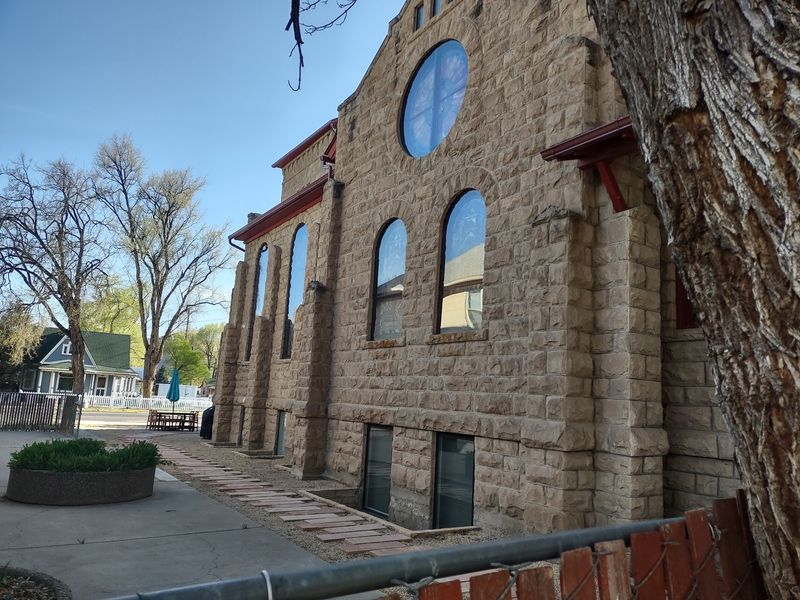
Downtown Fruita is compact and easy to explore on foot. Local shops, cafes, and small businesses line the historic core.
The city also maintains parks and community spaces that host events through the year. A community center offers recreation options for residents of all ages.
For retirees, the social side of a town can matter as much as housing costs. A friendly downtown and a lively events schedule help a move feel less lonely.
Event dates change each year, so the city website at fruita.org is the best place to confirm details.
Once the festival dust settles, the everyday pace comes back into focus.
Slow Mornings and Who Fits Best
Retirement is supposed to feel unhurried. Fruita seems to take that assignment seriously.
With roughly thirteen thousand residents, the town has a close-knit feel. Familiar faces at the store and the trailhead are part of the routine.
The city works best for active retirees who like the outdoors. Golf, trails, the monument, and the river all sit within easy reach.
It also suits people who want a small-town home with a larger city close by. Grand Junction, a short drive east, handles bigger shopping trips and major medical care.
Housing costs in the Grand Valley are often seen as more manageable than in many popular Colorado mountain towns and Front Range cities. That comparison is a big reason people start looking here.
Anyone who needs constant nightlife or big-city culture might find the pace too quiet. The town trades bright lights for open space.
Hot summers also call for some adjustment. Newcomers from cooler places learn to shift outdoor plans to early mornings.
Families with visiting grandchildren tend to love it, thanks to the museum, the parks, and the trails.
So the lifestyle checks out. Next come the nuts and bolts of actually getting there.
Getting There and Planning a Scouting Trip
Access is refreshingly simple for a town that feels so tucked away.
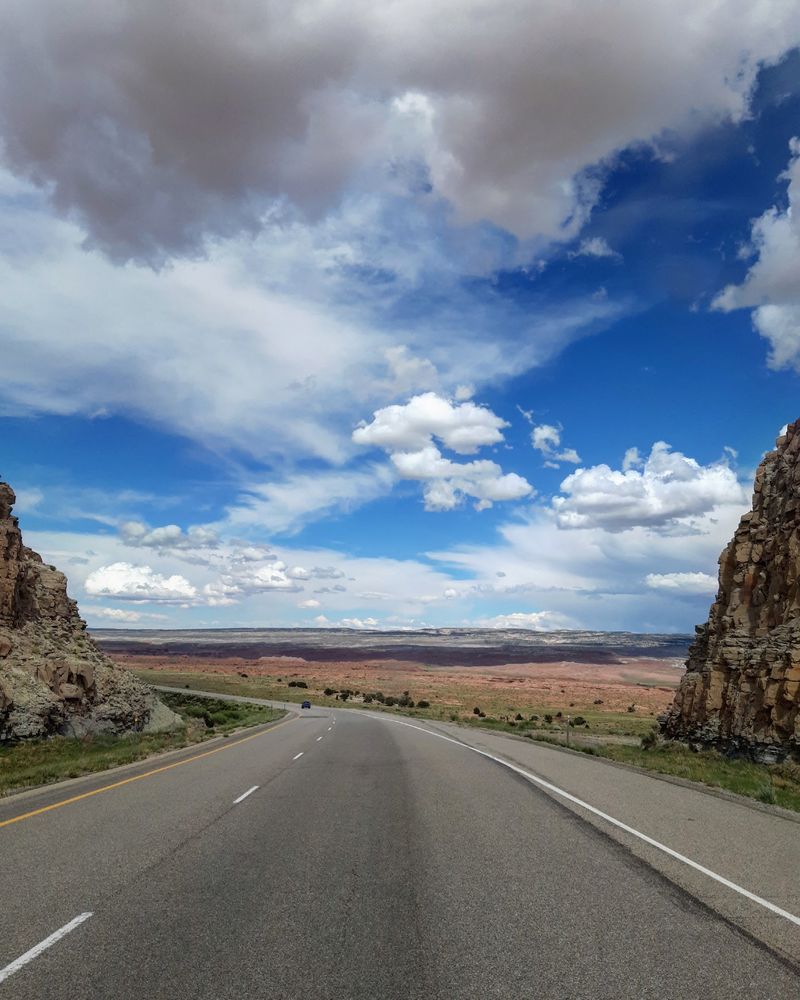
Interstate 70 runs right past Fruita, connecting it east to Grand Junction and Denver and west toward Utah. Road trippers can reach town straight from the highway.
Grand Junction Regional Airport sits a short drive east. It serves as the main air gateway for the Grand Valley.
A car is the easiest way to get around once in town. Trailheads, the golf course, and the monument entrance are spread across the area.
Retirees thinking about a move often plan a scouting trip first. Spending a few days in different seasons helps reveal how the weather and pace really feel.
Spring and fall are popular times to visit, with comfortable temperatures and festival weekends. Summer works too, with outdoor plans set early in the day.
The official city website, fruita.org, offers updates on events, services, and local government. It is a useful first stop for research.
Talking with local real estate agents and checking housing options in both Fruita and nearby Grand Junction can give a clearer picture of costs.
With logistics sorted, one question remains. Is this really the right spot?
The Case for a Quiet Western Colorado Move

Some places shout for attention. Fruita prefers to let its sunny days and open trails do the talking.
The town offers a rare mix for retirees. Public golf, orchard country, a national monument, a dinosaur museum, and famous trails all fit into one small city.
Its spot in the Grand Valley gives residents a rural feel without cutting them off. Grand Junction and its services stay close at hand.
The climate adds another point in its favor. Milder winters than the high mountains and plenty of sunshine keep outdoor plans on the calendar.
Costs are a personal math problem, and every budget is different. Still, many people find the Grand Valley easier on the wallet than Colorado’s headline resort towns.
The town will not suit everyone. Those who want big-city energy or cool summers may keep looking.
For the rest, Fruita delivers a steady, friendly, and active version of retirement. It is a place where a round of golf, a canyon drive, and a farm stand stop can all happen before dinner.
No wonder more retirees are quietly putting down roots here. After all, a town named for fruit seems like a fitting place to enjoy the rewards of a long career.
Enjoyed this story?
Add Fast Food Club as a preferred source to see more of our reporting on Google.