


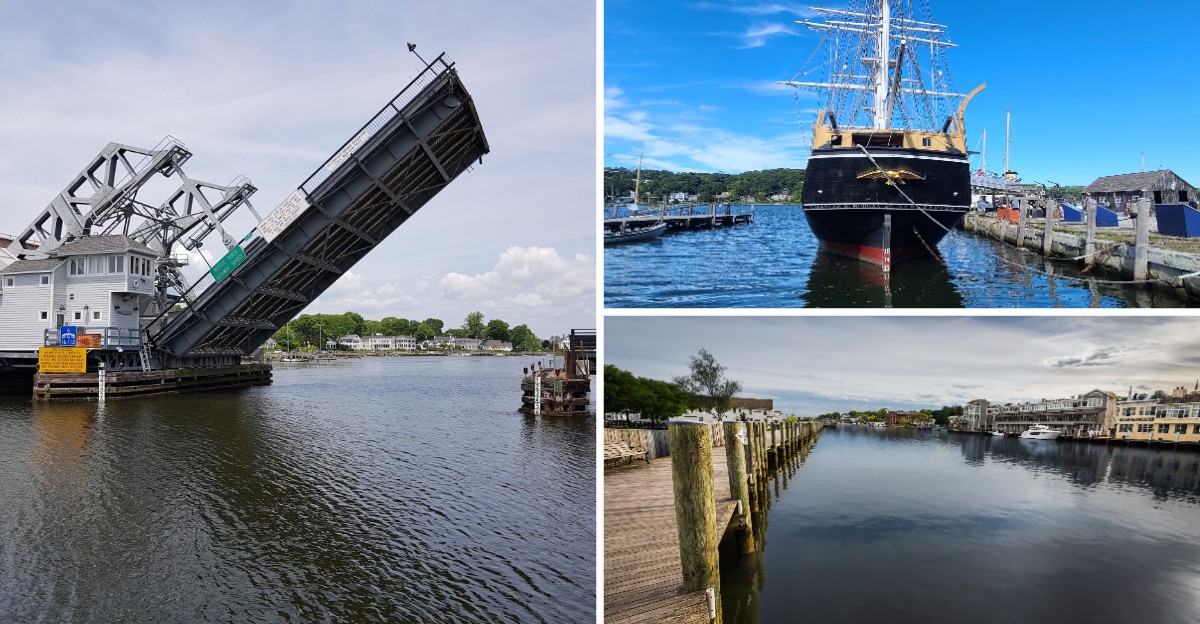
Some towns empty out when summer ends, but this little Connecticut harbor village keeps its sidewalks busy all year. Retirees have noticed.
They want a place where errands, coffee dates, and river views fit inside a short stroll, and this corner of the shoreline delivers. The village has a seafaring past that built more than 600 ships, and that history still shapes its compact layout today.
Keep reading to learn where it sits, why its streets work so well on foot, and what newcomers should know before packing the moving boxes.
A Village Split Between Two Towns
Here is a fun bit of trivia for the next dinner party. Mystic is not technically its own town at all.
The village is a census-designated place that straddles two Connecticut towns, Groton and Stonington. The Stonington side carries the address Stonington, CT, in New London County along the southeastern Connecticut shoreline of the United States.
That split identity confuses plenty of newcomers at first. Mail, taxes, and town services depend on which side of the line a home sits.
For retirees, the arrangement is worth understanding early. Choosing between the Groton and Stonington portions can affect local government contacts and community programs, so it pays to ask questions before signing any paperwork.
Still, on the ground, the village feels like one place. People talk about living in Mystic, not in a particular municipality, and the shared name ties both sides together.
The river running through the middle is what really defines the community. It is the reason the village exists, and it is the reason so many people choose to settle here.
Getting oriented takes little effort. Once the river and the main streets click into place, the whole village starts to make sense, and the next question naturally becomes how it got this way.
Six Hundred Ships and Counting
Before it was a place to retire, Mystic was a place to work, and the work was serious.
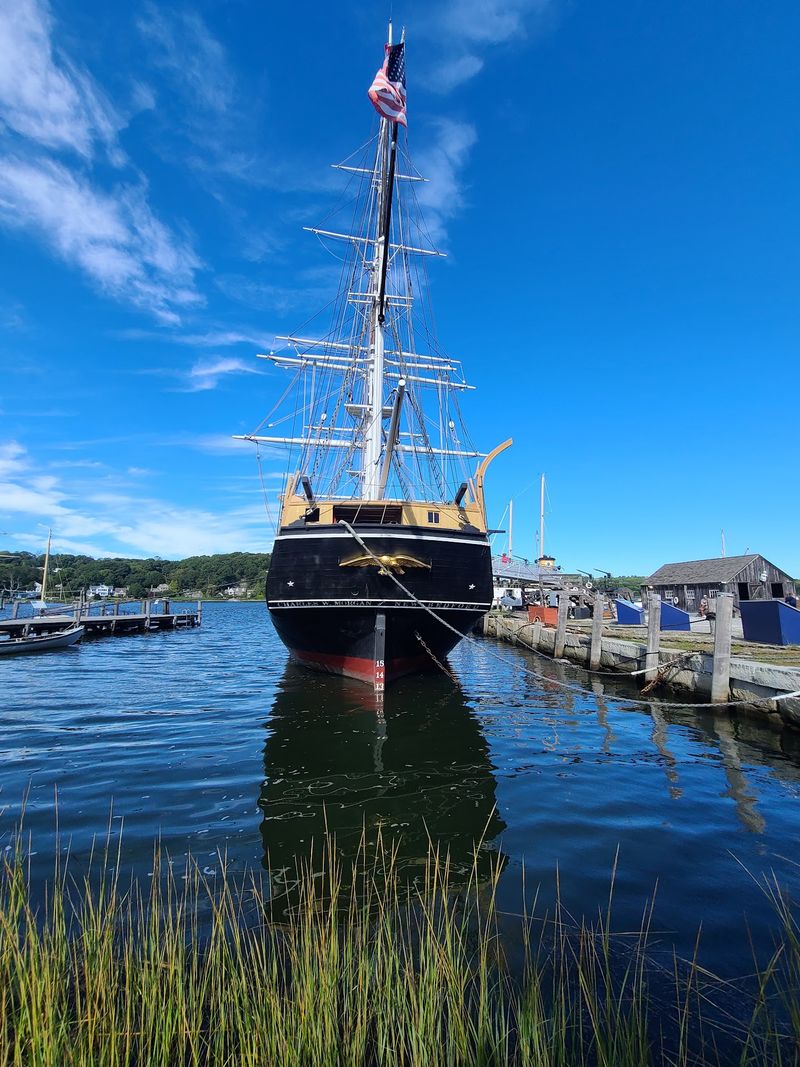
The village was a significant Connecticut seaport. Starting in 1784, shipbuilders here turned out more than 600 vessels over a span of 135 years.
That is a remarkable output for a village of this size. It means generations of local families made their living along the riverbanks, shaping timber into hulls.
The shipbuilding era explains a lot about the village layout. Homes, shops, and workplaces clustered near the water because that is where the jobs were.
People needed to reach the yards on foot, so the streets stayed close together. Centuries later, that tight design is exactly what makes daily life easy for older residents.
History buffs find plenty to chew on. The maritime story is not tucked away in a single display; it is written into the shape of the whole village.
Newcomers often say the past feels close here. That connection gives retirement a sense of belonging to something older than a subdivision, and it sets the stage for the waterfront that still anchors everything.
The River at the Center
Every good village needs a main character, and in Mystic that role goes to the river.
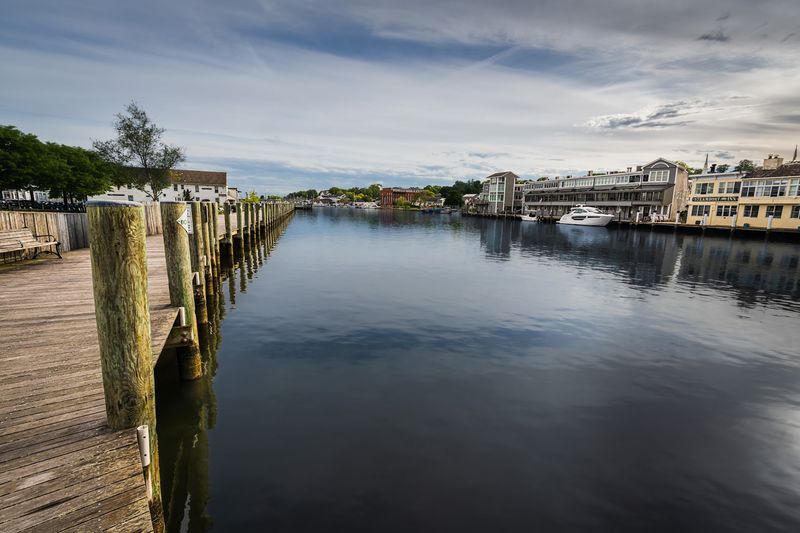
The Mystic River cuts straight through the heart of the village. Downtown wraps around its banks, so the water is rarely more than a short walk away.
That setup matters for daily routines. A trip to pick up a prescription or meet a friend can include a river view without any detour at all.
Boats come and go throughout the seasons. Watching the traffic on the water becomes a pastime for many residents who finally have the free time to enjoy it.
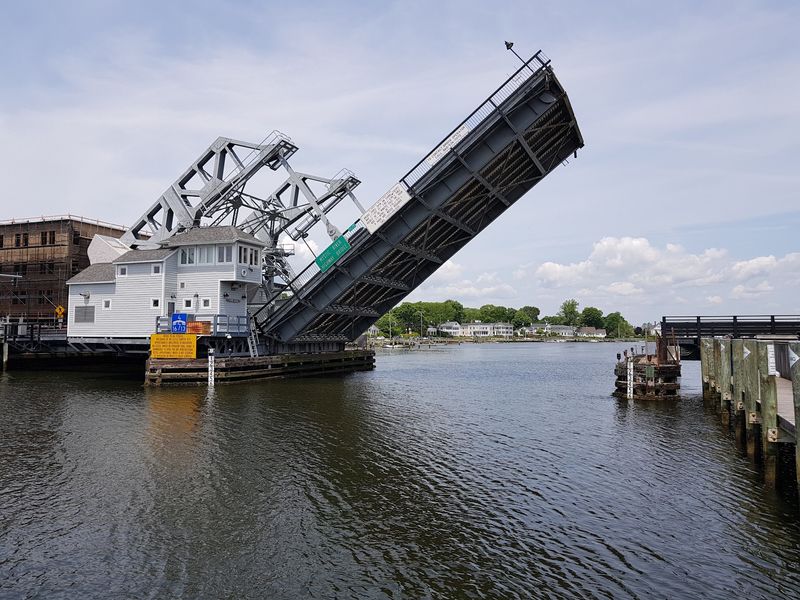
The river also divides the Groton and Stonington sides. Crossing from one to the other is part of normal village life, and it keeps both halves connected.
Retirees who once commuted on highways now measure trips in blocks. The waterfront gives those blocks a purpose and a pleasant destination.
There is a reason so many benches face the water. Sitting still with a view counts as a perfectly respectable afternoon plan around here.
Streets Built for Two Feet
Car keys can gather a little dust in this village, and nobody seems to mind.
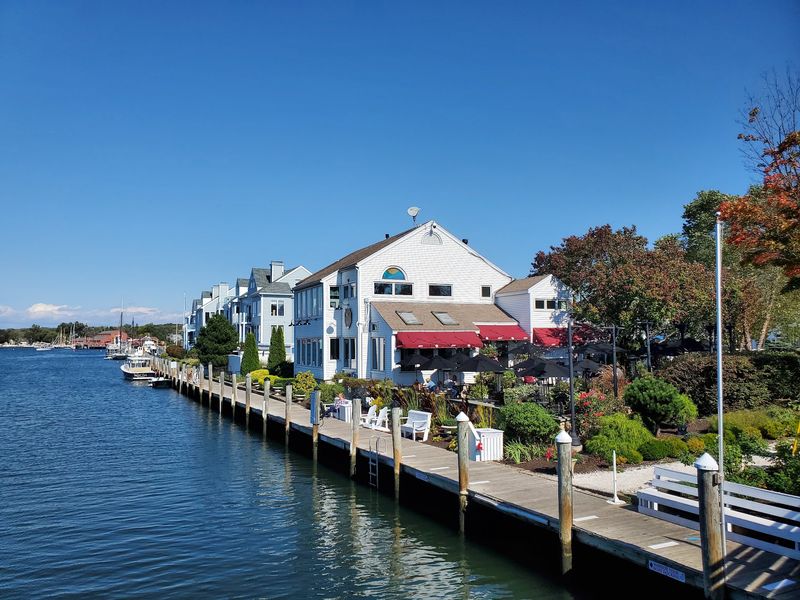
Mystic grew up in an era when people walked to work, and its downtown still reflects that. The core is compact, with shops and gathering spots set close together.
For retirees, walkability is more than a nice perk. It supports independence, keeps people active, and makes social plans simpler to arrange.
A short loop around downtown can cover errands and exercise in one outing. That combination is hard to find in many suburban areas.
The waterfront setting adds motivation. A walk with a destination and a view feels less like a chore and more like a treat.
Families visiting grandparents benefit too. Kids can stroll the village without long car rides between every stop.
Of course, every hill and curb is worth testing before a move. Spending a few days exploring on foot shows whether the routes match personal comfort levels, and that test is easiest during the cooler months.
Life After the Summer Rush
Summer gets all the attention in coastal New England, but the off-season is where locals really live.
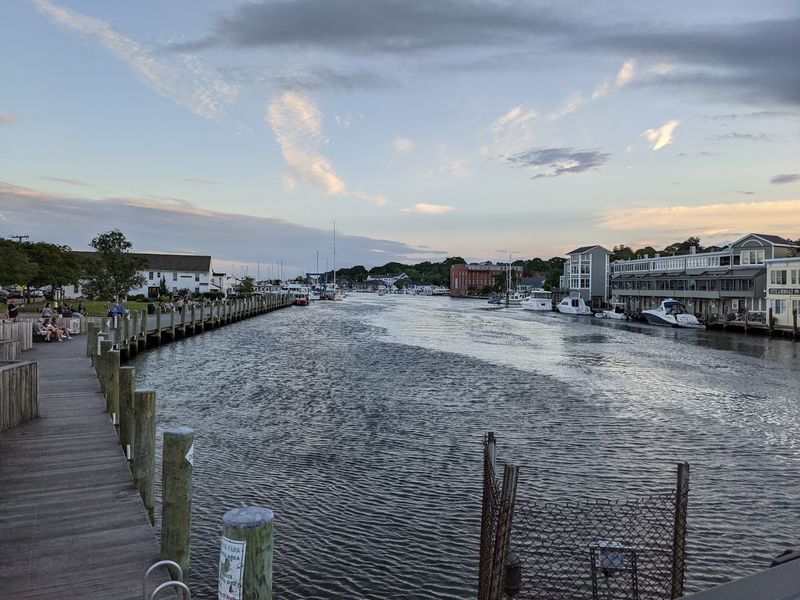
Many shore towns quiet down sharply after the warm months. Mystic keeps a working downtown because it is a real village with year-round residents, not just a seasonal stop.
That steady population helps keep the streets usable in every season. Retirees can follow the same walking routines in October that they enjoyed in July.
Fewer crowds also change the experience. Sidewalks feel roomier, and conversations with neighbors come more easily.
Winter does bring New England weather, so planning matters. Good footwear and a flexible schedule go a long way on colder days.
Spring and fall tend to be favorite stretches for many people. The village feels lively without the peak-season bustle.
Choosing a retirement spot means thinking about all twelve months. A place that works only in summer is really a vacation, and Mystic aims to be more than that.
Neighbors With Salt in Their Stories
Talk to a longtime resident for five minutes and the conversation will probably drift toward the water.
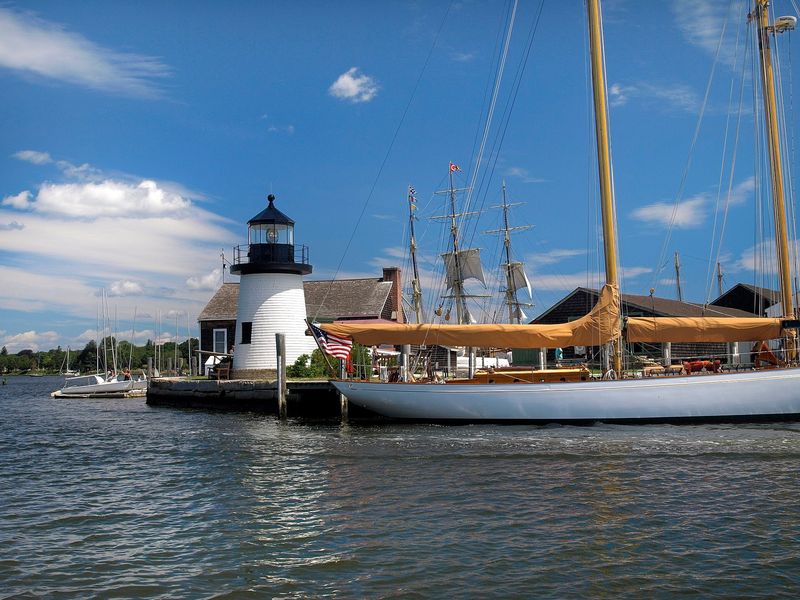
The maritime past gives the community a shared reference point. Even newcomers quickly pick up the language of boats, docks, and harbor life.
Retirees often arrive looking for connection as much as scenery. A compact village makes it easier to bump into the same faces and build friendships.
Walking downtown regularly turns strangers into familiar neighbors. A wave becomes a chat, and a chat becomes a standing coffee date.
The two-town setup also means two sets of civic life to explore. Residents can look into community programs on both sides of the river.
Volunteering is a natural fit for people with time and skills to share. Local history and waterfront organizations are the kind of groups that welcome extra hands.
Retirement can feel lonely in spread-out places. Here, the layout itself nudges people together, which might be the village’s most underrated feature.
Who Thrives Here Most
Not every retiree wants the same thing, so a quick gut check helps.
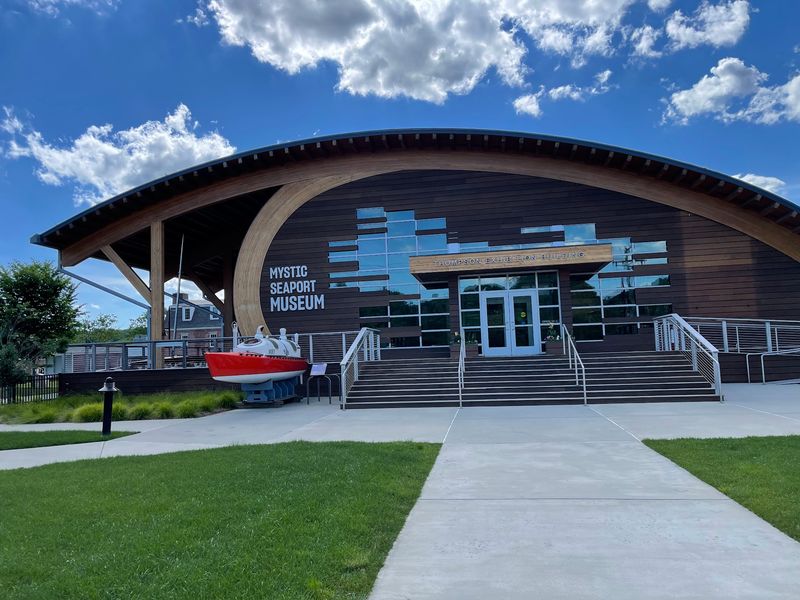
Mystic suits people who like small-scale living. Those who enjoy history, water views, and walking will find a lot to love.
It also works for folks who want to cut back on driving. A compact downtown reduces the number of trips that require a car.
On the other hand, anyone craving big-city variety may want more. The village charm comes with village size.
Seasonal visitors are part of the picture too. Some residents enjoy the summer energy, while others plan quiet days at home during the busiest weeks.
Budget and housing needs vary widely, so research is essential. Comparing options on the Groton and Stonington sides can reveal different choices.
The best fit is someone who values routine with a view. If a daily stroll by the river sounds like the ideal schedule, this village is worth a closer look.
Getting Here and Getting Around
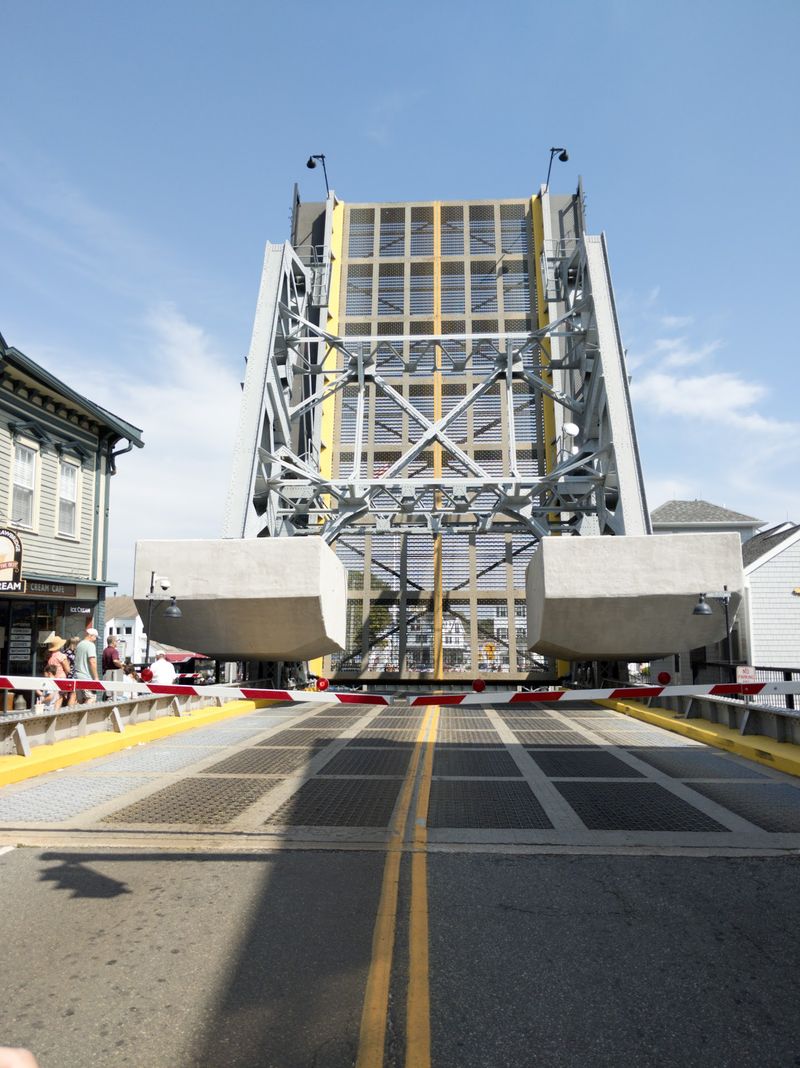
Reaching the village is part of the planning, especially for families who will visit often.
Mystic sits along the southeastern Connecticut shoreline in the Groton and Stonington area. That location places it within reach of other shoreline communities in the region.
Once in the village, walking handles much of the daily load. Parking near downtown can get tighter in peak season, so locals often leave the car at home.
Visiting relatives should plan ahead during busy summer weekends. Weekday trips usually feel calmer.
Retirees considering a move should map their regular needs. Medical appointments, groceries, and pharmacies are worth checking before committing to a specific street.
Hours for downtown businesses can shift by season. Calling ahead or checking current listings avoids wasted trips.
A practical trial run makes all the difference. Spend a week living like a resident, and the logistics will reveal themselves quickly.
Smart Moves Before Moving
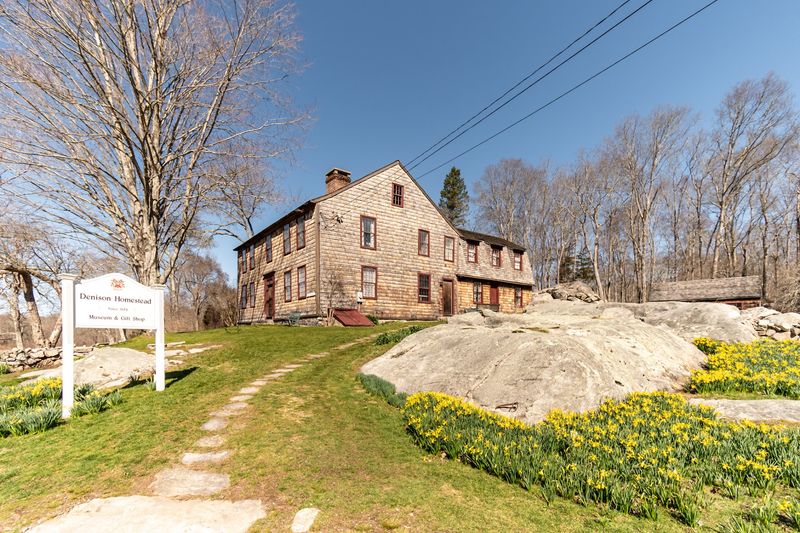
Falling for a village on vacation is easy. Living there happily takes a bit of homework.
Start by deciding which side of the river feels right. Because Mystic spans Groton and Stonington, local rules and services differ depending on location.
Visit in more than one season. A sunny summer weekend shows only part of the picture.
Walk the routes that would become daily habits. Check distances from potential homes to the waterfront and downtown core.
Talk with residents when the chance arises. Locals can share practical insights about traffic, seasonal changes, and community life.
Older homes are part of the village character, given its long history. Inspections and accessibility checks are especially worthwhile with historic properties.
Patience pays off in a small market. Taking time to find the right spot beats rushing into a place that looks lovely but fits poorly.
A Harbor Worth Calling Home
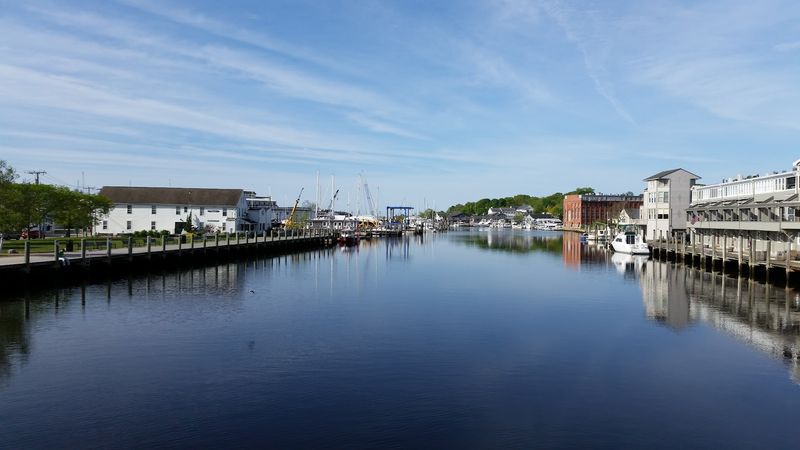
Some places are pretty to visit. Fewer manage to be practical to live in, and Mystic pulls off both.
The village built more than 600 ships over 135 years, and that hardworking past left behind a layout made for walking. Today that same design serves retirees who want independence and connection.
The river remains the centerpiece. Downtown stays close to it, and daily life naturally flows along its banks.
Year-round residents keep the village active beyond summer. That steady pulse is what separates a real community from a seasonal postcard.
No place is perfect, of course. Winters require preparation, and the busiest weeks bring crowds.
Still, for people who want history, water, and walkable streets in one compact package, the case is strong. Plenty of new residents have already made the call.
The ships that once left these docks headed out to sea. These days, more people are sailing in and staying put.
Enjoyed this story?
Add Fast Food Club as a preferred source to see more of our reporting on Google.