


Some retirees spend years searching for a town that is small enough to know and big enough to keep them busy. A growing number are finding that balance in a county seat in northeastern Ohio, about an hour from Cleveland.
It offers a historic brick downtown, a college calendar packed with performances, and a daily rhythm that never feels rushed. Here is a closer look at why so many people are choosing to settle in and stay.
A County Seat Tucked Into Northeast Ohio
Maps rarely tell the whole story, but they are a good place to start. Wooster sits in Wayne County, Ohio 44691, USA, and it serves as the seat of that county.
The city counted 27,232 residents at the 2020 census. That number lands in a sweet spot for many retirees, since it means real services without big-city crowds.
Location is another quiet selling point. Cleveland is roughly 50 miles to the north-northeast, Akron is about 35 miles away, and Canton sits around 30 miles to the east.
Those distances matter for people who still want an airport, a major hospital network, or a pro sports game within reach. A day trip is easy, and the drive home is short.
Families also factor into the decision. Grandchildren living in the larger Ohio metro areas are not a cross-country flight away, which makes holiday visits far simpler to plan.
Being the county seat brings its own advantages. Government offices, legal services, and community events tend to gather in one central place, so errands do not require a tour of the region.
For newcomers, that combination of size and setting creates a strong first impression. The rest of the town tends to back it up.
Roots of a Courthouse Town
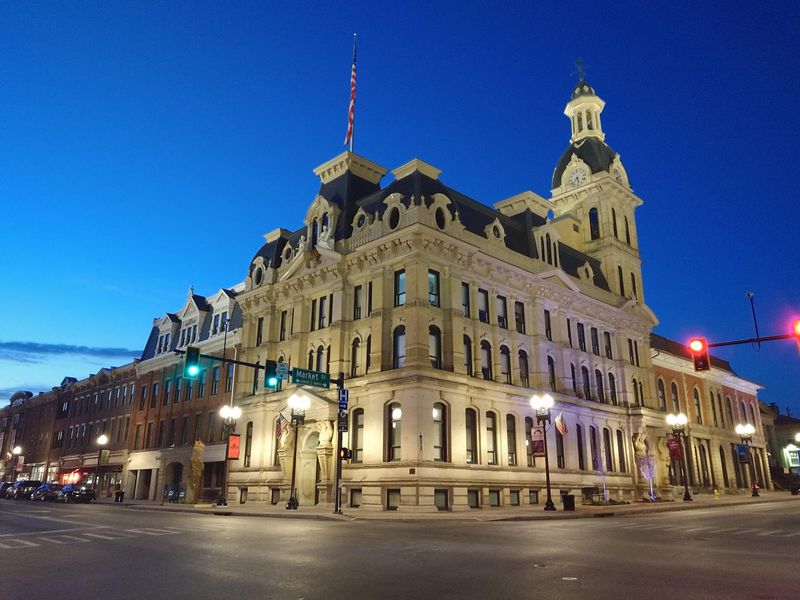
History buffs tend to gravitate toward the courthouse square first. As the county seat, Wooster has long been the place where Wayne County business gets done.
That role shaped the town center. Courthouse towns across Ohio grew up with commercial blocks built around civic buildings, and Wooster follows that classic pattern.
The result is a downtown with a sense of purpose. People come for official business and stay for lunch, a shop, or a chat with someone they know.
Retirees often say this kind of layout makes a town easier to learn. Landmarks are close together, and the center of gravity is obvious from the first visit.
Wayne County itself carries a strong agricultural identity. Ohio State University operates an agricultural research center in Wooster, a reminder that farming and science have deep ties here.
That mix of civic tradition and rural heritage gives the city a grounded personality. It does not try to be a resort town or a suburb.
Instead, it feels like a place that knows exactly what it is. Plenty of new arrivals find that refreshing after decades of commuting through places that all look alike.
Brick Blocks Built for Strolling
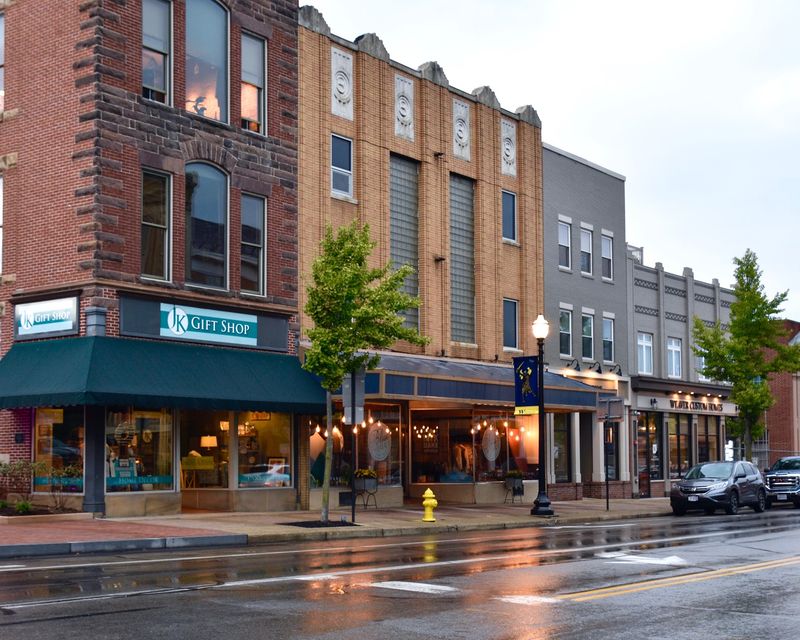
Old brick buildings have a way of slowing people down, and downtown Wooster has plenty of them. The storefronts line the streets near the courthouse in tidy rows.
Many of those buildings now house independent shops, restaurants, and small offices. Browsing them is a pleasant way to fill a morning without any plan at all.
A walkable center is high on many retirement wish lists. Being able to park once and handle several errands on foot is a practical perk that adds up over time.
Wooster also has an organized downtown community effort that promotes local businesses and hosts events. Those gatherings give residents a regular reason to come back to the heart of town.
New residents often mention how quickly faces become familiar. Shop owners remember names, and a quick stop can turn into a longer conversation.
That social side is easy to underestimate. For someone who just left a workplace full of daily contact, a downtown with built-in community helps fill the gap.
The brick may be the first thing that catches attention. The people working behind those doors are usually what keeps folks coming back week after week.
Curtain Calls on a College Campus
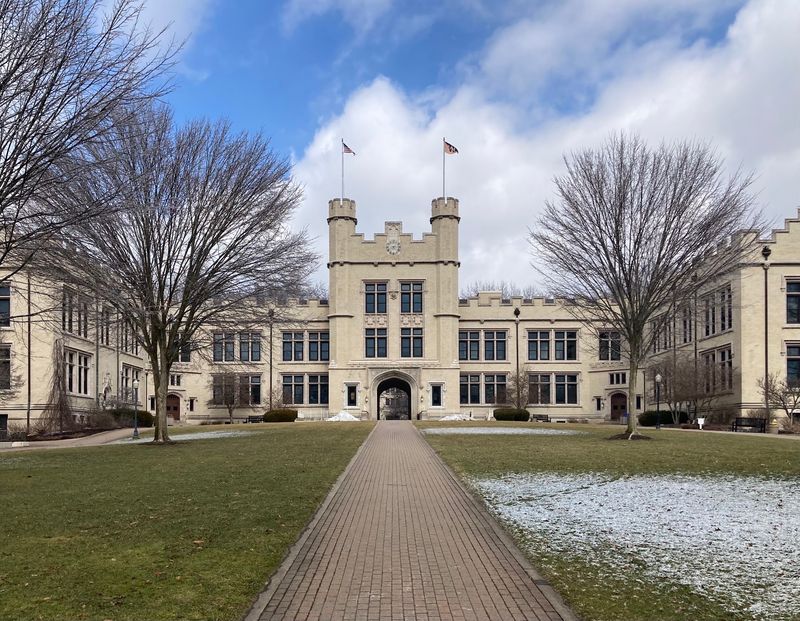
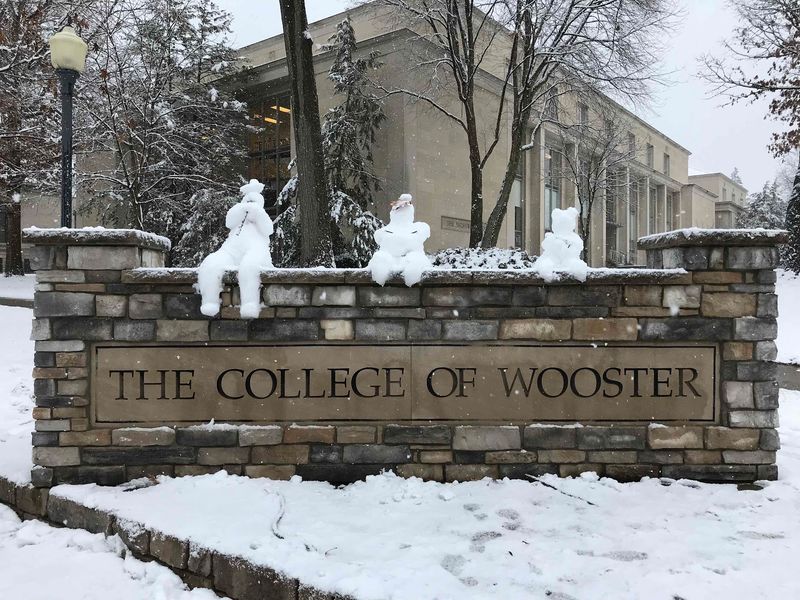
Few small cities can claim a private liberal arts college as a neighbor. Wooster can, thanks to The College of Wooster, which sits just north of downtown.
For retirees, a college means a steady stream of concerts, recitals, lectures, and theater productions. Many campus events are open to the public, so the calendar rarely runs empty.
Student ensembles and visiting performers bring a range of music styles to town. Classical, jazz, and choral programs are the kind of offerings that tend to fill a college season.
Summer brings another highlight. The Ohio Light Opera performs on the campus, presenting operetta and musical theater during its annual season.
Having that kind of company in a city of about 27,000 people is unusual. Plenty of retirees plan their summers around it.
Lectures add an intellectual layer as well. Hearing a professor or guest speaker on a weeknight is a simple way to keep learning long after a career wraps up.
Schedules change each term, so checking the college calendar before heading over is a smart habit. The good news is that there is almost always something worth circling on it.
Gardens, Trees, and Open Space
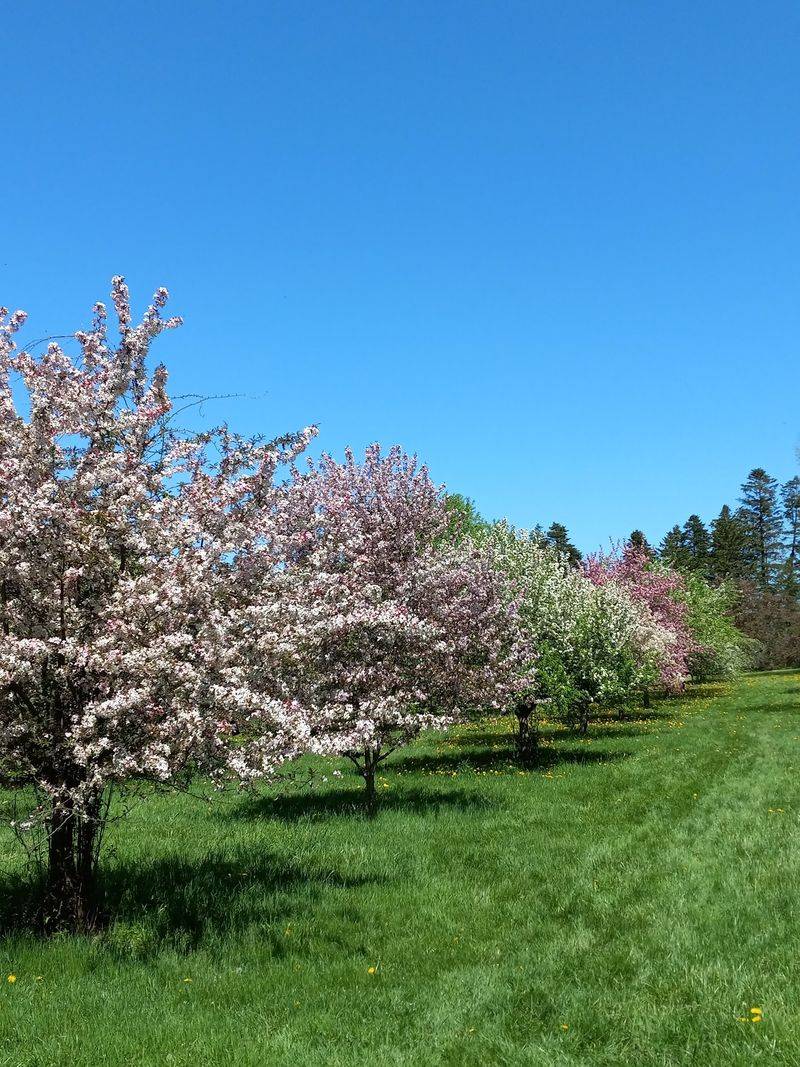
Retirement often opens up time for the outdoors, and Wooster offers some notable green space for that. One standout is Secrest Arboretum, part of the Ohio State agricultural research campus in the city.
The arboretum features collections of trees and plants along walking paths. It is a favorite spot for a relaxed outing, a photography session, or simply a change of scenery.
Because it connects to a research center, the grounds carry an educational angle too. Signage and collections help explain what is growing and why it matters.
City parks round out the picture. Having parks inside town limits means an afternoon walk does not require a long drive.
Wayne County’s farmland surrounds the city on every side. Short drives lead into rural countryside dotted with farms, which many people enjoy exploring at an unhurried speed.
That access to open land is part of the appeal for newcomers from busier places. The countryside is not a weekend destination here; it is right next door.
Those who like gardening will find kindred spirits easily. In an area with agricultural roots, conversations about plants and planting seasons come up naturally.
An Unhurried Daily Rhythm
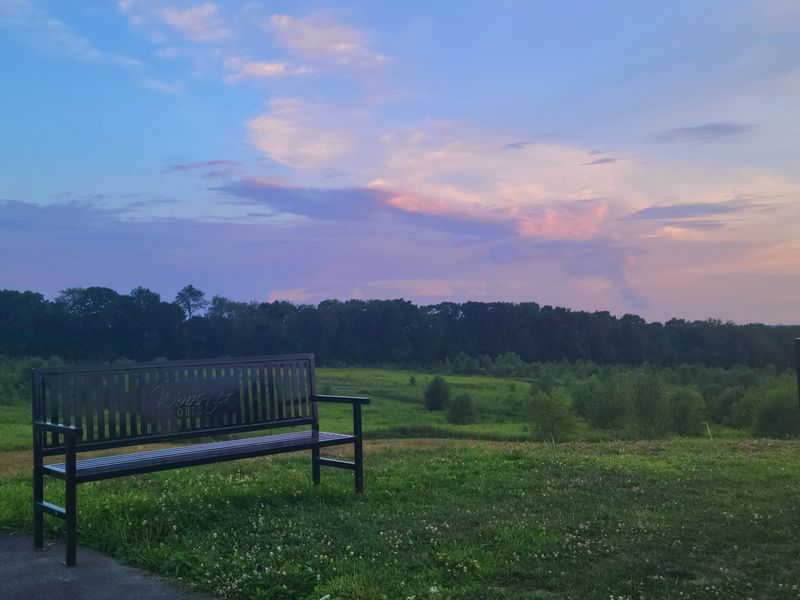
Ask a new resident what surprised them most, and the answer is often time. Days in Wooster simply seem to stretch further.
Part of that comes from size. A city of roughly 27,000 people has traffic, but it rarely resembles the gridlock found in larger metro areas.
Errands that once ate up a whole Saturday can be handled in an hour. That leaves room for a long lunch, a campus lecture, or a visit with neighbors.
The pace suits a wide range of retirees. Some want quiet routines, while others want just enough activity to stay engaged without feeling overbooked.
Couples often appreciate that the town supports both styles. One partner can join a club or volunteer group while the other sticks to gardening and reading.
Volunteering is a common entry point for newcomers. Churches, civic groups, the college, and downtown events all welcome extra hands.
None of this means the city feels sleepy. It just moves at a speed that lets people notice their own lives again, which is exactly what many came looking for.
Planning a Scouting Trip
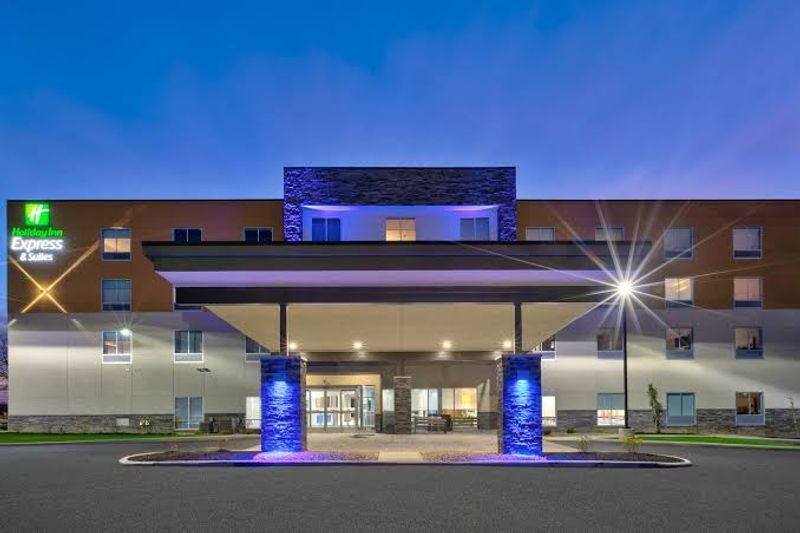
Smart movers rarely relocate sight unseen. A scouting visit is the best way to test whether Wooster fits.
Getting there is straightforward by car. From Cleveland, the trip covers about 50 miles, while Akron is roughly 35 miles away and Canton about 30.
The official city website, woosteroh.com, is a useful first stop. It provides information on city services, departments, and local news that matter to future residents.
Timing a visit around a college event is a clever move. Seeing a concert or lecture gives a real sense of how the community gathers.
A summer visit can line up with the Ohio Light Opera season. Fall and spring bring the regular academic calendar back into full swing.
Spending time downtown on a weekday and again on a weekend helps paint a fuller picture. Both versions of the town are part of daily life.
Drives through nearby neighborhoods and the surrounding countryside are worth adding too. Housing options and lifestyle can shift a lot within just a few miles.
Bringing a notebook is not a bad idea. Lists of questions tend to grow fast once a town starts to feel like home.
Why the Pull Keeps Growing
Good retirement towns tend to share a few ingredients, and Wooster checks several boxes at once. A walkable brick downtown, a college with a busy arts calendar, and an easy pace form a solid foundation.
Its spot in northeastern Ohio adds flexibility. Major cities stay within a comfortable drive, yet daily life happens on a smaller, friendlier scale.
The county seat role keeps essential services nearby. Agricultural roots and research institutions add depth that many small towns lack.
Not every retiree will want this exact mix. Those craving warm winters or big-city nightlife may look elsewhere, and that is perfectly fine.
For people who value community, culture, and calm, though, the case is strong. It is the kind of place where a concert ticket and a downtown coffee date can make a full, happy day.
Word of mouth seems to be doing much of the recruiting. Friends visit, catch a show, stroll the brick blocks, and start checking listings on the drive home.
That steady discovery says plenty about the town. Wooster may not shout for attention, but it keeps earning a second look from people ready for their next chapter.
Enjoyed this story?
Add Fast Food Club as a preferred source to see more of our reporting on Google.