


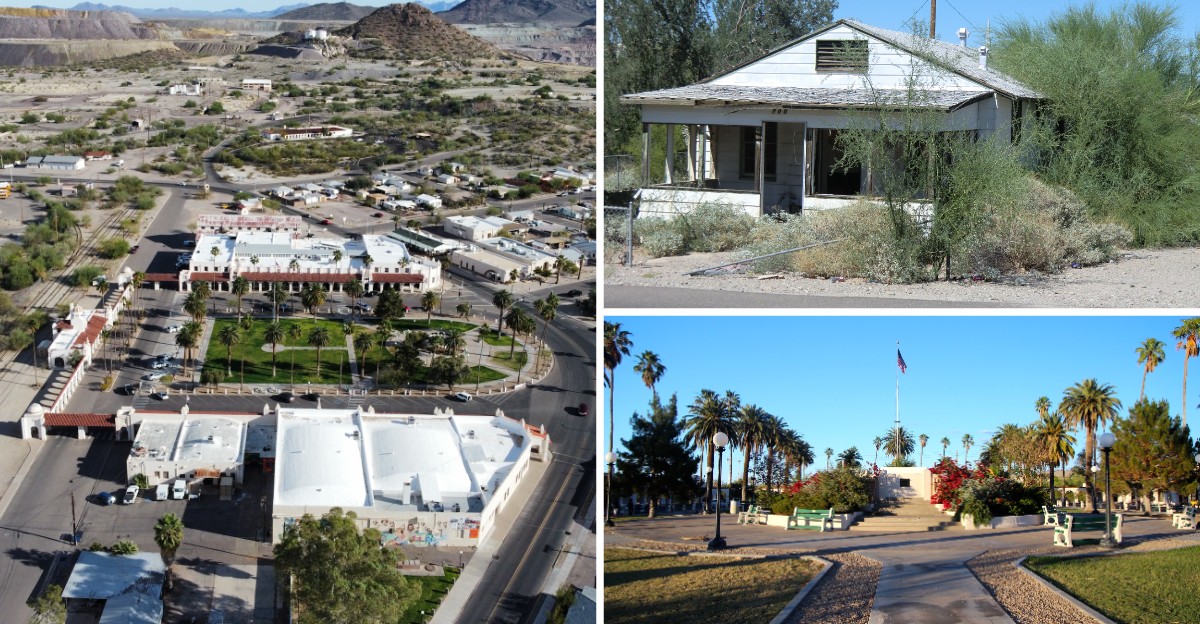
Some people retire to golf courses and gated streets. Others keep driving south through the Sonoran Desert until the road reaches a small town of about 3,000 people with wide skies and housing prices that seem to belong to another decade.
Here, homes priced under $150,000 still show up, which is hard to find almost anywhere else in Arizona. This article explains where the town sits, how it began, what daily life can look like, and the practical things to check before packing the moving truck.
A Desert Town on State Route 85
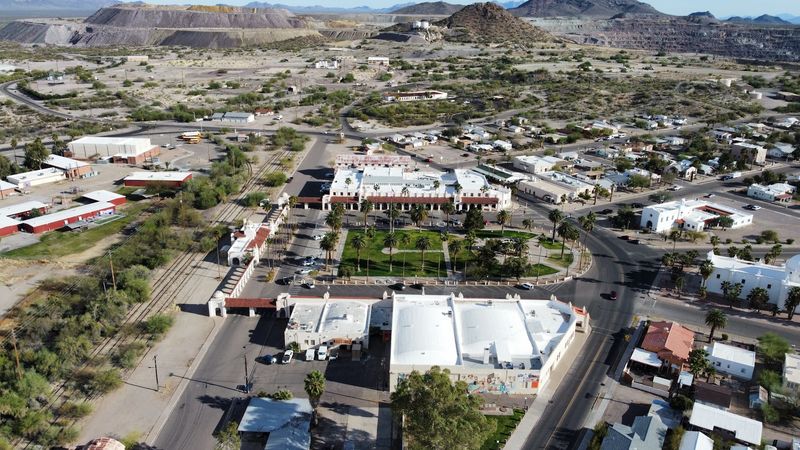
Finding Ajo on a map takes a little effort, and that is part of its charm. The community sits in Pima County, Arizona 85321, in the southwestern corner of the state.
Ajo is an unincorporated community, which means it has no city government of its own. Pima County handles many of the services a city would normally provide.
State Route 85 runs right through town, and the Mexican border is about 43 miles to the south. That road is the main link to the rest of Arizona.
The 2020 census counted 3,039 residents. A number like that tells retirees a lot about daily life here.
Traffic jams are not likely to be a regular complaint. Neighbors are easier to recognize, and the pace tends to match the size of the place.
For people leaving crowded metro areas, the distance can feel like a feature rather than a drawback. Still, it helps to understand that remote also means planning ahead for shopping, medical visits, and errands that bigger cities handle around the corner.
The next question most newcomers ask is a simple one: why would a town ever grow out here in the first place?
Roots of a Former Company Town
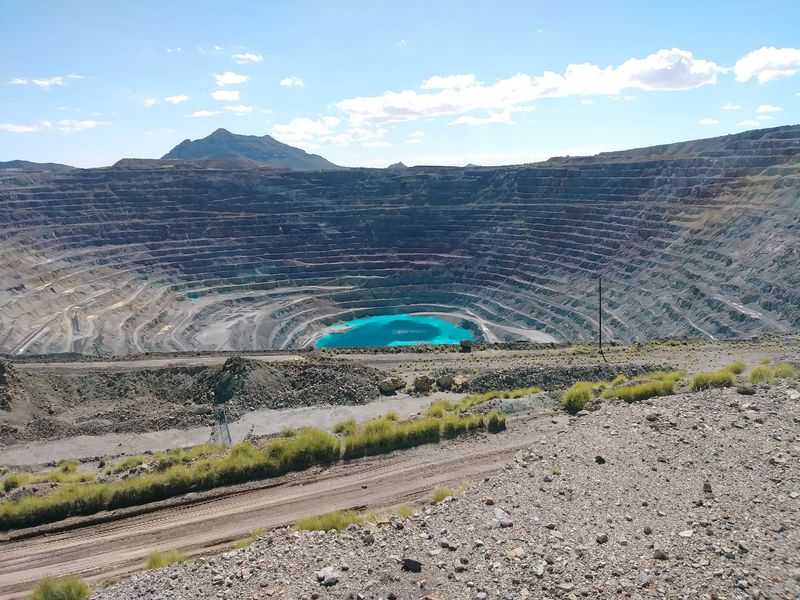
Every small town has an origin story, and Ajo’s is tied closely to the land around it. The community is widely known for its mining history, which shaped how the town was laid out and who came to live here.
A town built for a single industry often faces a big question when that industry changes. Ajo has been answering that question for years.
The historic town center, with its plaza and Spanish-style buildings, remains a recognizable feature for people exploring the area. It gives the place a sense of identity that many newer developments lack.
That history also helps explain the housing. Older homes built in an earlier era make up much of what is available, and older homes in remote areas often carry lower price tags.
For buyers, this means character can come bundled with maintenance needs. Inspections matter, especially for roofs, plumbing, and cooling systems in a hot desert climate.
Retirees with an interest in history may find the backstory adds meaning to their new address. It is one thing to buy a house, and another to buy into a town with decades of stories behind it.
The past explains the streets, but the scenery explains why people keep staying.
Organ Pipe Cactus Next Door
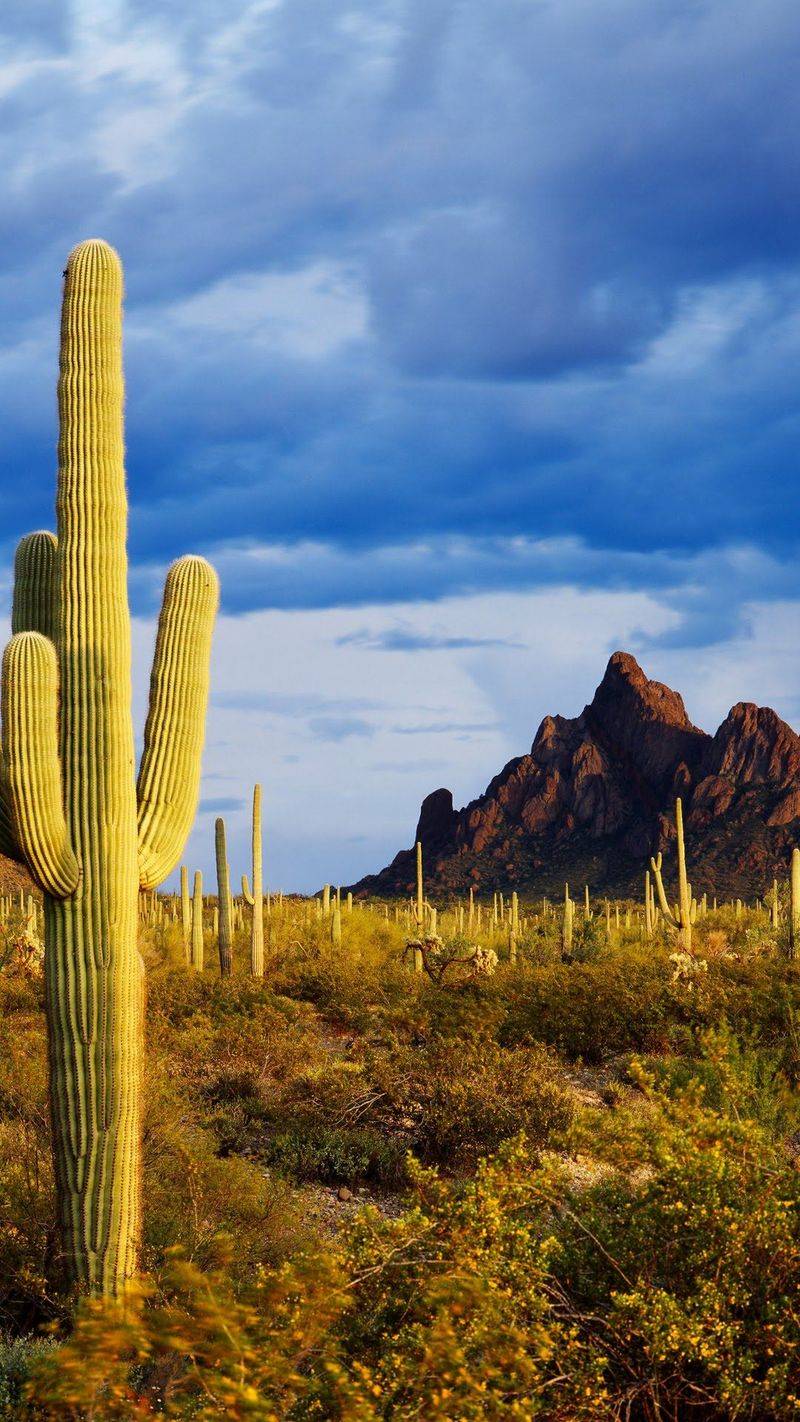
Few towns can claim a national monument as a close neighbor. Ajo is the closest community to Organ Pipe Cactus National Monument, a protected stretch of Sonoran Desert south along State Route 85.
For retirees who love the outdoors, that proximity can be a major draw. Scenic drives, hiking trails, and wildlife watching become weekend options rather than long road trips.
The monument is named for the organ pipe cactus, a plant with multiple tall arms rising from its base. It is not commonly found in most of the United States, which makes the area special for nature fans.
Having this landscape nearby also shapes the town’s role. Ajo often serves as a stopping point for travelers heading to the monument, which brings some outside activity to local businesses.
Newcomers should check current park hours, fees, and trail conditions through official sources before heading out. Desert conditions can change quickly, and summer heat calls for extra caution.
Bring water, start early, and keep plans flexible. A national monument in the backyard is a fine perk, but only when it is enjoyed safely.
The Under $150,000 Question
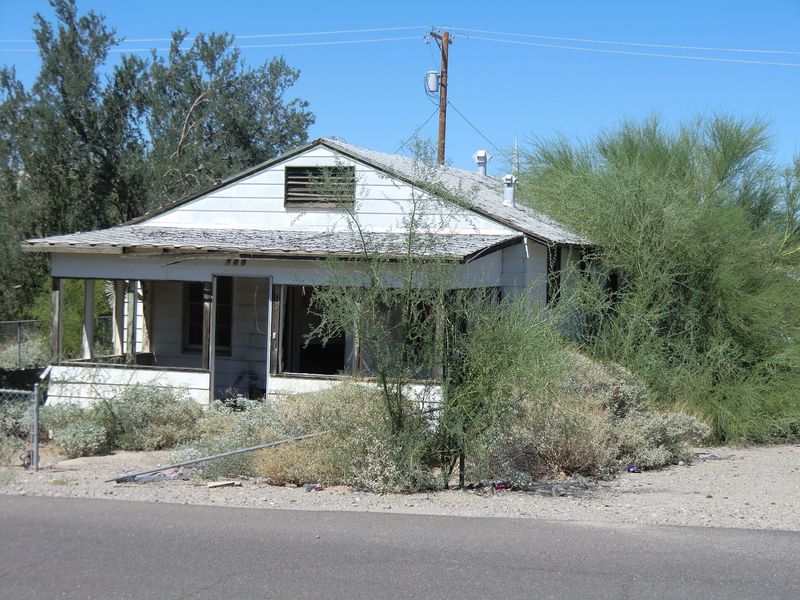
Here is the headline number that brings many people to town: homes in Ajo can still sell for under $150,000. In a state where prices in Phoenix and Tucson have climbed, that figure gets attention.
Prices are not fixed, of course. Listings change, and what sells for one amount this season may look different next year.
Buyers should treat the under $150,000 range as a possibility rather than a promise. Working with a local real estate agent can help sort out what is actually available at any given moment.
Lower prices usually come with tradeoffs. Some homes may be older, smaller, or in need of updates.
It also helps to budget beyond the purchase price. Repairs, insurance, property taxes, and utility costs all affect the real monthly picture.
For retirees living on a fixed income, though, a lower purchase price can make a big difference. Owning a home outright, or carrying a small mortgage, can free up money for travel, hobbies, or simply peace of mind.
The math is appealing. The next step is deciding whether the lifestyle fits as well as the budget.
Slow Days and Small-Town Rhythm
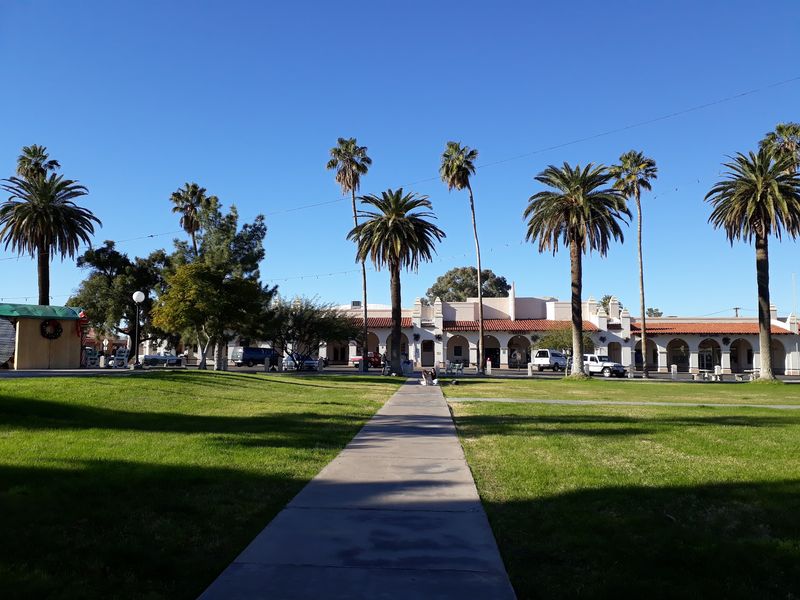
Quiet is not a sales pitch in Ajo. It is simply how the town works.
With around 3,000 residents, daily life tends to move at an easygoing pace. Errands are short, and conversations at local spots can stretch longer than planned.
Many retirees say they want community without crowds. A smaller town can offer exactly that, with chances to volunteer, join local groups, or attend events at the plaza.
That said, a small population also means fewer options. Shopping variety, restaurant choices, and entertainment are more limited than in larger cities.
Some people love that simplicity. Others discover they miss big stores and busy weekends more than expected.
A smart approach is to spend real time in town before buying. Visit in different seasons, talk with local residents, and see how a regular weekday feels.
The best fit usually comes down to personality. People who enjoy reading, hiking, art, and long talks with neighbors may find the rhythm suits them just fine.
And for anyone hoping to trade rush hour for open road, Ajo makes a very convincing case.
Sonoran Heat by the Calendar
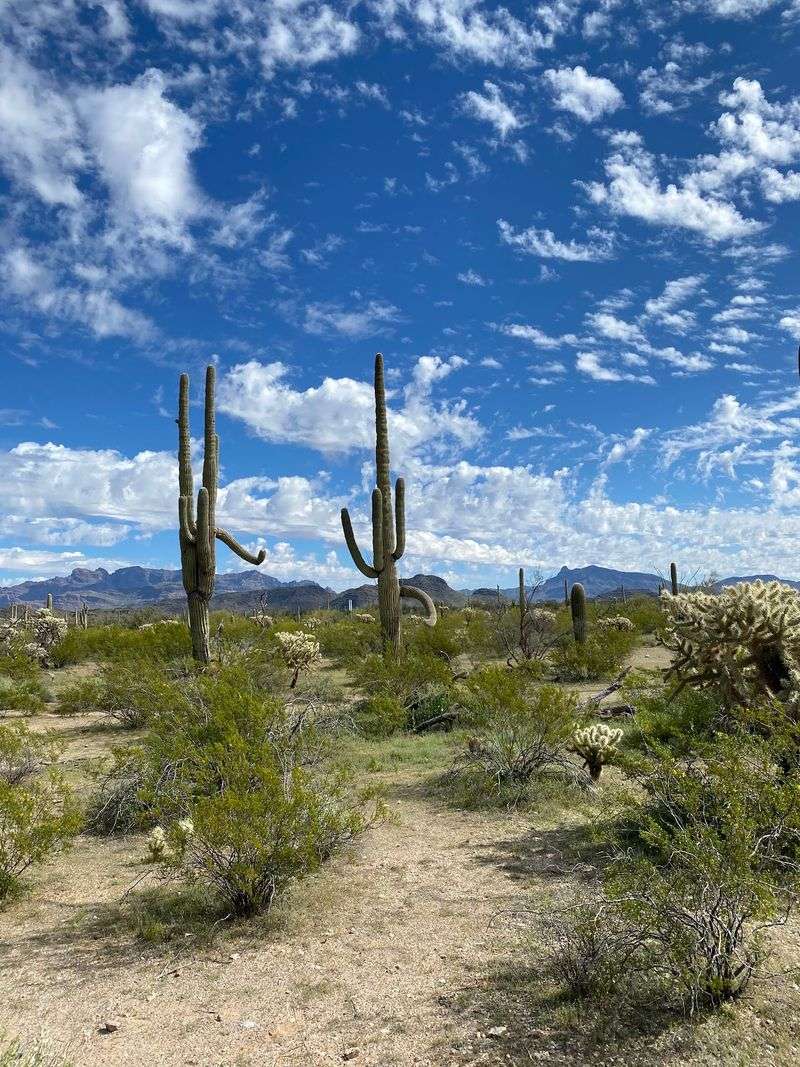
Weather in southwestern Arizona follows a pattern that newcomers learn quickly. Winters are generally mild, while summers bring serious heat.
That mild winter season is a big reason the region appeals to retirees from colder states. Outdoor time is easier from late fall through early spring.
Summer is another story. High temperatures make air conditioning a necessity rather than a luxury.
Home buyers should look closely at the age and condition of cooling systems. Energy bills can climb in hot months, so it pays to ask about past utility costs.
Some retirees split their time, spending winters in Ajo and summers somewhere cooler. A lower-priced home can make that kind of arrangement more realistic.
Staying healthy in the heat takes planning too. Early morning walks, plenty of water, and shaded outdoor areas all help.
The desert rewards people who respect its schedule. Learn the calendar, and the climate becomes a strength instead of a surprise.
Border Proximity Without the Bustle
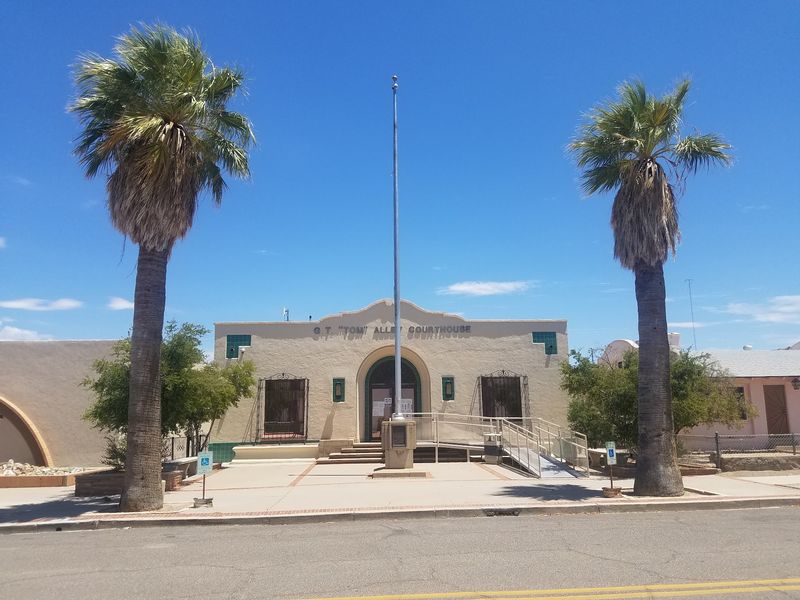
Forty-three miles. That is the distance from Ajo to the Mexican border along State Route 85.
Being this close to the border shapes the region in several ways. Cross-border travel, culture, and history are part of life in southern Arizona.
For some retirees, that closeness adds interest and convenience. Day trips and regional exploring become easier to plan.
Anyone planning international travel should check current entry rules, document requirements, and travel guidance before leaving. Rules can change, and preparation saves headaches.
Border-region communities may also have a visible law enforcement presence on nearby roads. Checkpoints and patrols are part of the setting in many parts of southern Arizona.
None of this makes Ajo a busy border town. It remains a small community with a calm pace, set back from the crossing itself.
The location simply adds another layer to the map. Desert, monument, and border all sit within reach, giving residents a corner of Arizona that feels distinctly its own.
Healthcare, Groceries, and Other Practical Checks

Cheap housing is exciting, but daily needs decide whether a move works. Remote towns require a different kind of planning.
Healthcare is often the first item on a retiree’s list. Buyers should research what local clinics offer and how far it is to larger hospitals and specialists.
Regular medical appointments may involve longer drives. That is worth weighing honestly, especially for people with ongoing health needs.
Groceries and household shopping may also be more limited in town. Many residents in small communities stock up during trips to larger cities.
Internet service, mail delivery, and emergency response times are other details to confirm. Each can vary by location within a rural area.
A simple checklist helps:
Distance to medical care. Grocery and pharmacy options.
Internet speeds. Utility providers and average costs.
None of these questions are dealbreakers on their own. Together, they paint a clear picture of what life in Ajo will actually require.
Getting There and Scouting Before Buying
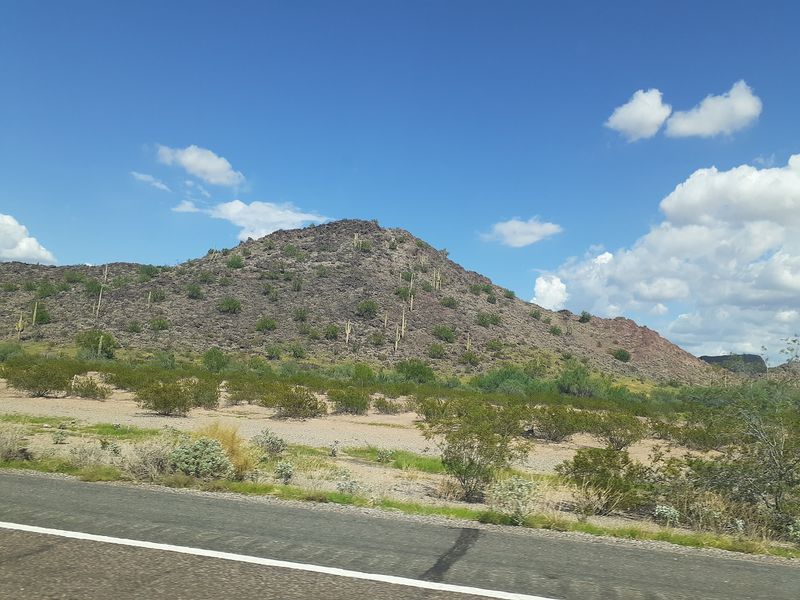
Road trips are the natural way to meet this town. Ajo sits on State Route 85, which connects it to Interstate 8 to the north and Organ Pipe Cactus National Monument to the south.
Most visitors arrive by car. Public transportation options in remote desert areas are limited, so a reliable vehicle is close to essential for residents too.
Fill the tank before long desert stretches. Services can be spread out, and planning ahead avoids stress.
A scouting trip is the smartest first move for anyone thinking about buying. Staying several days allows time to tour homes, drive neighborhoods, and get a feel for the community.
Visiting in summer, not just winter, gives a fuller picture. The heat is part of the deal, and it is better to experience it before signing anything.
Meeting a local real estate agent and checking county records can also help buyers understand property details. Pima County handles many official matters for the community.
Homework now pays off later. A well-planned visit turns a hopeful idea into an informed decision.
A Soft Verdict for Budget-Minded Retirees
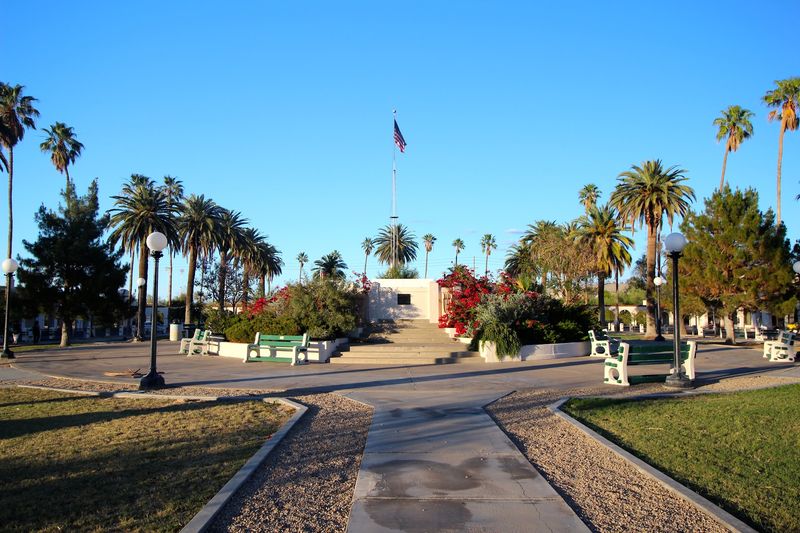
Not every town needs to be everything. Ajo works because it knows what it is.
It offers lower home prices than much of Arizona, a quiet population of about 3,000, and a national monument just down the road. For many retirees, that combination is hard to match.
It also asks for flexibility. Summer heat, longer drives for some services, and fewer shopping choices are part of the package.
People who value open space and a slower pace may feel right at home. Those who need big-city convenience may prefer to visit rather than move.
The under $150,000 homes are real possibilities, but every listing deserves a careful look. Inspections, budgets, and honest lifestyle questions protect both savings and happiness.
In the end, Ajo rewards curiosity. Spend time there, ask good questions, and watch the desert at the end of the day.
For the right retiree, this little corner of Pima County may turn out to be the most affordable dream on the map.
Enjoyed this story?
Add Fast Food Club as a preferred source to see more of our reporting on Google.