


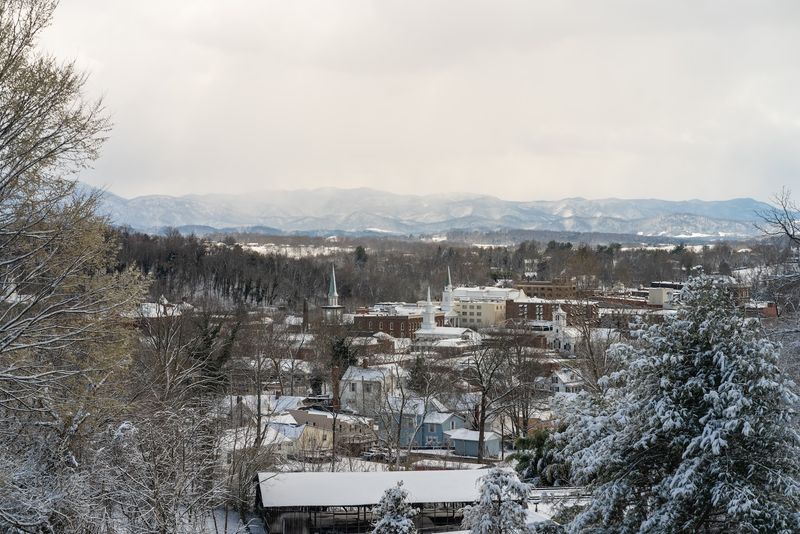
Retirement in the Tennessee mountains does not have to mean paying Gatlinburg prices. All across the eastern half of the state, small towns sit right at the edge of national forest land, with old courthouse squares, slow traffic, and housing costs that leave room in a fixed budget.
Tennessee also skips a state income tax on wages, which helps retirement dollars go further. Here are seven towns where the mountains are close, the pace is easy, and the monthly bills stay reasonable.
1. Newport
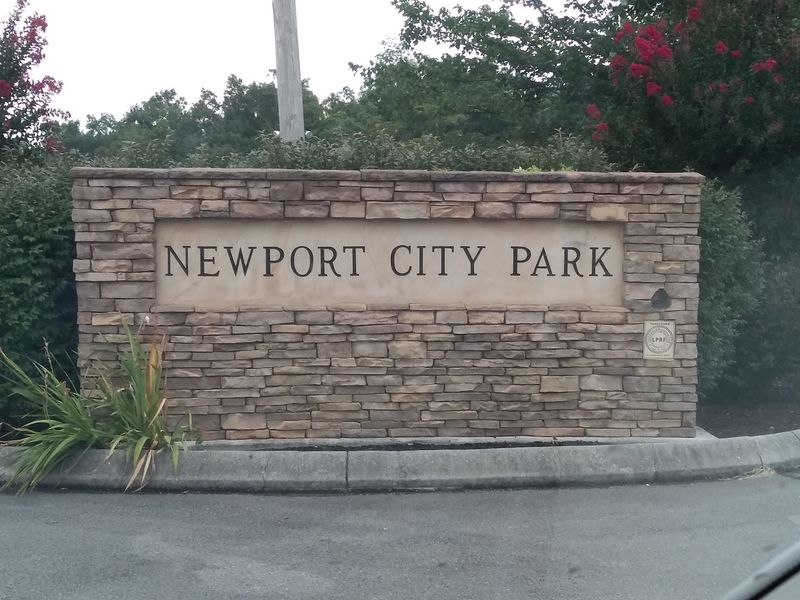
Plenty of folks drive right past Newport on Interstate 40 on their way to the Smokies. Retirees who stop and look around often find a lot to like.
The town is home to about 6,900 people and serves as the Cocke County seat. Its historic Main Street keeps a rural, unhurried character that bigger tourist towns lost years ago.
Location is the real draw. Newport sits in the foothills of the Great Smoky Mountains along the Pigeon River, and Cherokee National Forest borders the area, so river views and forest roads are part of daily life.
Money matters too. Cocke County consistently ranks among the most budget-friendly regions in Tennessee, with median home values and living expenses well below national averages.
For anyone on a pension or Social Security, that combination of low costs and quick mountain access is hard to ignore. I would put Newport near the top of any scouting trip.
2. Erwin
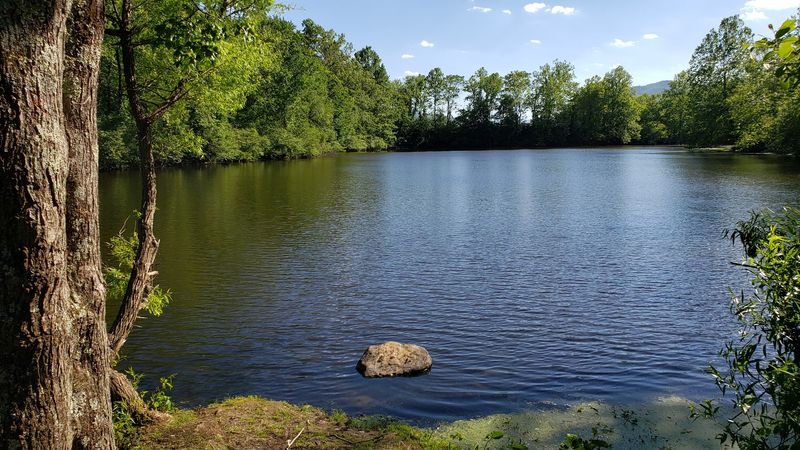
Railroad history runs deep in Erwin. The compact downtown still reflects the town’s rail heritage, and it gives the place a down-to-earth, working-town feel.
About 6,000 people live here, tucked into an Appalachian valley in the Unaka Mountain Range. Cherokee National Forest surrounds the town on all sides, so green ridgelines fill nearly every view.
Costs are where Erwin really earns its spot. The town offers a very low cost of living, low property taxes, and mountain real estate that stays affordable compared with better-known resort areas.
Tennessee does not tax retirement income, which adds to the appeal for anyone living on savings or a pension.
Erwin suits retirees who want a real community rather than a tourist strip. Town information is available at erwintn.org for anyone starting to plan a visit.
3. Tellico Plains
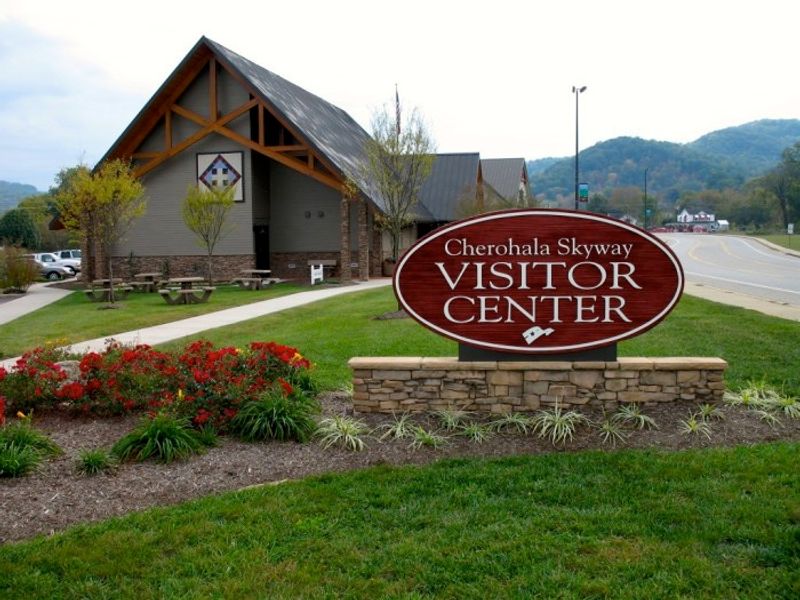
Fewer than 900 people call Tellico Plains home. That tiny number is exactly the point for retirees who want quiet.
The town centers on a 19th-century square, and life here moves at a slow, rural pace. Nobody is rushing anywhere.
Step outside town and the scenery gets big fast. Tellico Plains is the gateway to the Cherohala Skyway, a famous mountain road that climbs into the Southern Appalachians inside Cherokee National Forest.
Picture weekday drives on one of the prettiest routes in the region, with no long commute to get there.
Real estate and everyday essentials stay low-cost. Retirees get foothills living without resort-town pricing, which is a rare mix this close to such a scenic drive.
4. Mountain City
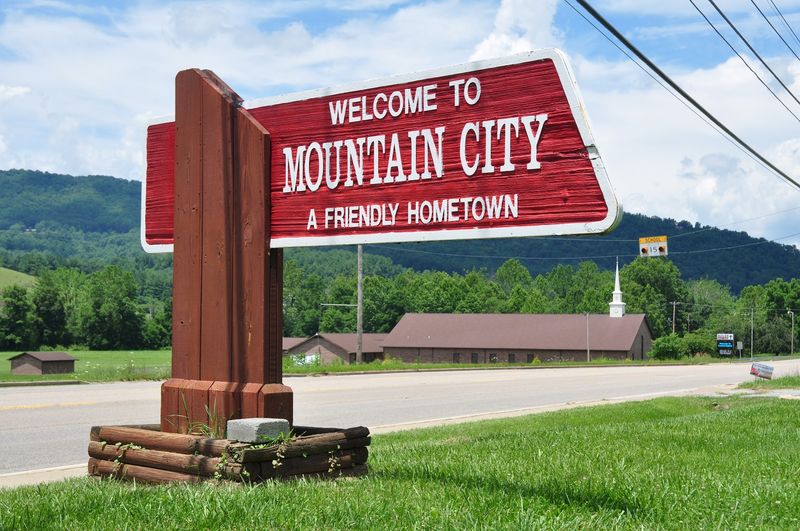
Way up in the far northeastern corner of the state, Mountain City feels like the end of the road in the best way.
Roughly 2,500 residents live in this remote town. The main street district is quiet and rural, with none of the crowds found closer to the national park.
Geography sets it apart from every other town on this list. Mountain City sits in a high-elevation plateau valley between the Iron Mountain and Stone Mountain ranges of the Blue Ridge.
Land is a big reason retirees look here. The area offers some of the most affordable acreage and single-family home prices in the Appalachian region.
Want a garden, a few acres, or just space between neighbors? A pension can stretch a long way in Mountain City, and that is a big deal for anyone dreaming of a little homestead.
5. Greeneville
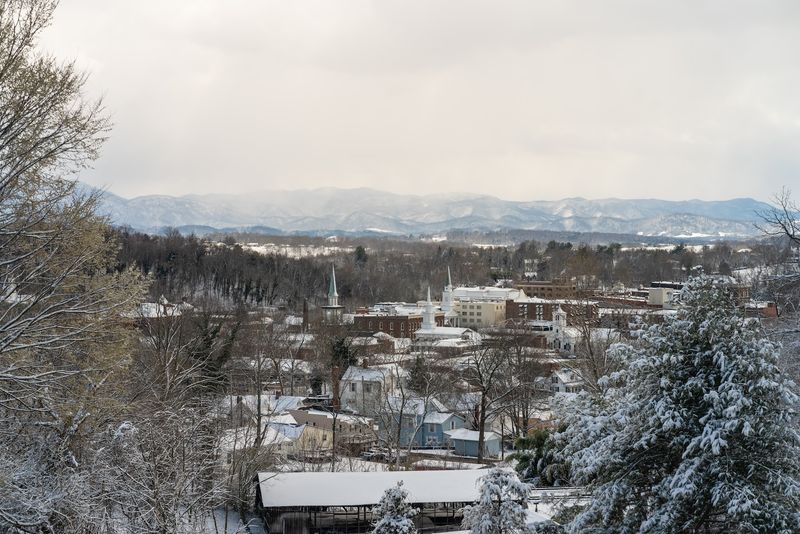
Need a doctor nearby but still want mountain views? Greeneville is the most practical pick here.
With about 15,000 residents, it is the largest town on the list. The historic Main Street is walkable, and a wide agricultural community spreads out around it.
Local healthcare infrastructure is a real plus for retirees thinking long term. Fewer long drives to appointments can make a big difference.
The cost of living runs roughly 12 percent below the national average. Utility and housing rates stay modest too.
And the scenery holds up. Greeneville sits in the shadow of the Bald Mountains, part of the Blue Ridge, with Cherokee National Forest close by.
More details are posted at greenevilletn.org.
6. Dayton
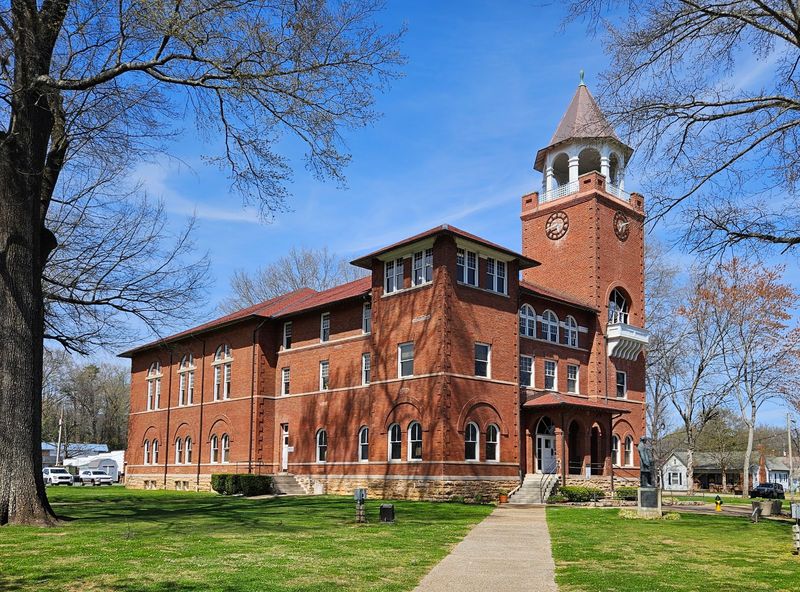
Here is a change of scenery. Dayton swaps the Smokies for the Cumberland Plateau.
The town sits at the foot of Walden’s Ridge, so mountain views and bluff trails are right there. A short drive puts you on the edge of the plateau.
About 7,200 people live in Dayton. Community life centers on a traditional courthouse square, and the town has a tight-knit feel.
Budget-minded retirees will notice the numbers quickly. County property taxes are low, and median home prices sit well below state and national medians.
Dayton makes sense for anyone who likes hiking with a view but prefers a quieter corner of Tennessee. City information is at daytontn.net.
7. Rogersville
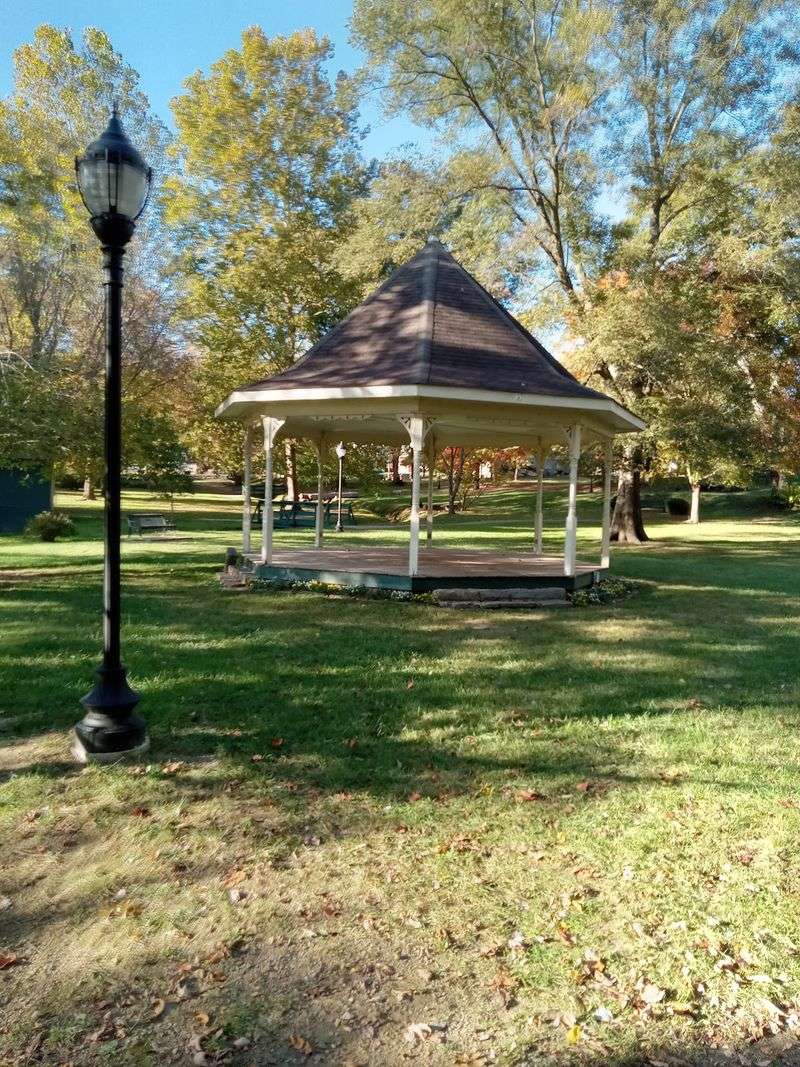
History buffs, this one is for you. Rogersville has one of the oldest preserved town squares in Tennessee.
Around 4,500 people live here, and the town keeps a distinct rural character. Old buildings and a slower rhythm give it plenty of personality.
Rogersville sits in the Great Appalachian Valley between Clinch Mountain and the Appalachian crest. Ridges line the horizon in nearly every direction.
Housing costs fall far below metropolitan levels, and everyday living stays affordable.
It is a fine choice for retirees who want charm, history, and scenery without big bills. Town details are at rogersville-tn.com.
Any of these seven towns could stretch a retirement budget while keeping the mountains in view. A few weekend trips is the best way to find the one that fits.
Enjoyed this story?
Add Fast Food Club as a preferred source to see more of our reporting on Google.