


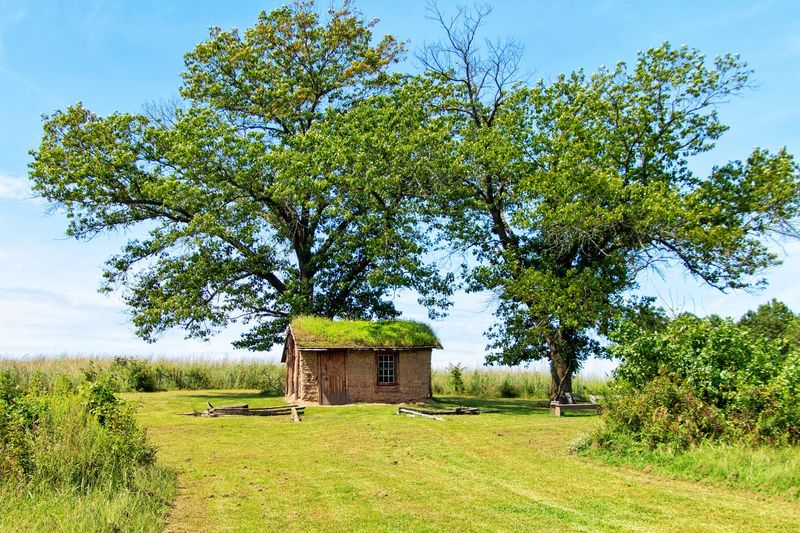
About half an hour west of St. Louis, the highway noise fades and the trees take over. Out there sits a sprawling patch of Missouri that many locals still have not heard of, even though it has been quietly waiting for them all along.
It holds 18 miles of trails, a riverside path to the Meramec, rolling prairie, wetlands, a pond, historic buildings, and spring daffodils that seem to show up everywhere at once. Entry costs about the same as a fancy coffee, and kids get in free.
Some people come for a short loop and leave satisfied in thirty minutes. Others lose an entire Sunday morning and see only a handful of other hikers.
The sections below cover where this place is, what makes it special, which trails and overlooks deserve your time, and the practical details that help a first trip go smoothly.
A Forest Address in Gray Summit

The quiet corner of Missouri waiting at the end of this drive is Shaw Nature Reserve, found at 307 Pinetum Loop Rd, Gray Summit, MO 63039, United States.
It sits roughly 30 minutes outside of St. Louis, close enough for a spontaneous morning trip yet far enough to leave city traffic behind. The reserve is part of the Missouri Botanical Garden family of attractions, which explains the careful attention paid to its plants and grounds.
At its heart, the place is a nature preserve focused on native plants and wildlife. Hiking leads the list of activities, but cycling, picnicking, and a stop at the visitor center are all part of the mix.
Many people arrive expecting a small park and quickly discover otherwise. The reserve is far bigger than first impressions suggest, with trails stretching across a huge landscape of woodland, prairie, and river bottom.
That size is exactly why it earns the hidden forest label. Plenty of St. Louis residents drive past Gray Summit without realizing what lies just off the road.
Once you know it is there, though, the reserve has a way of becoming a regular habit rather than a one-time outing.
Roots in the Missouri Botanical Garden Family

Behind every well-groomed path is a team that clearly knows its plants. The reserve operates under the Missouri Botanical Garden, and that connection shapes almost everything about it.
Staff members here are often described as experts at working with nature. They tend the grounds closely, keeping trails in shape and native plantings thriving across the property.
The link also brings a nice perk for garden members. A Missouri Botanical Garden membership covers free entry here, so regular visitors to the city garden can enjoy both places without paying twice.
Members often make a point of returning throughout the year to watch the reserve change with the seasons. For them, the membership becomes a ticket to two very different outdoor experiences.
A couple of historic buildings also stand on the grounds, adding a sense of past to the scenery. They are appreciated as much as the trails by people who enjoy a little history mixed into their hikes.
The overall effect is a reserve that feels cared for rather than simply left alone. That steady hand is a big reason the landscape stays so inviting.
Eighteen Miles of Wandering Room
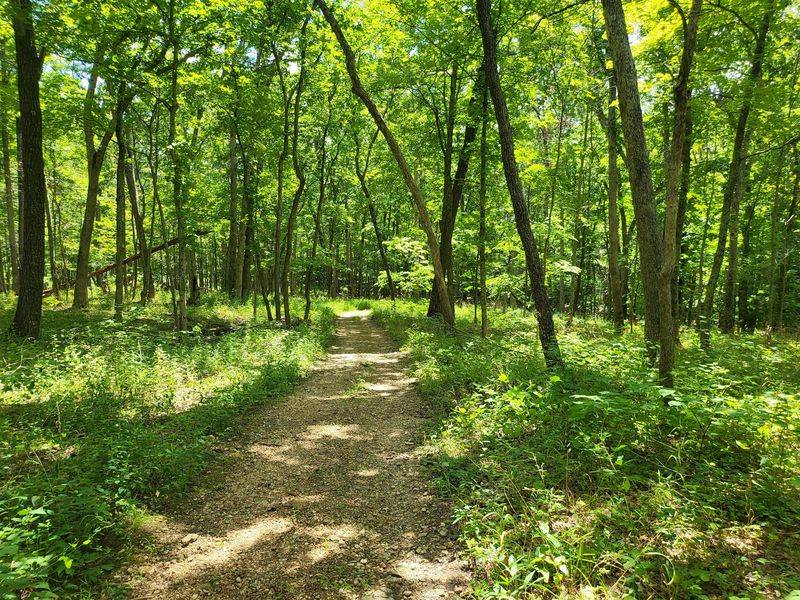
Eighteen miles is a lot of ground to cover, and that is the point. The trail network at the reserve gives hikers enough room to build a short stroll or a full-day adventure.
Many paths are wide and well marked, and most hikes are described as mild. Some stretches stay in the shade, which helps on hot days.
Plenty of people skip a single named route and piece several trails together instead. Outings of three or four miles are common, though it is easy to keep going much longer.
A word of caution helps here. Not every trailhead has a sign, so paying attention matters, but maps are placed throughout the area for anyone who gets turned around.
Longer routes can challenge true beginners, so it makes sense to pick distances carefully. The visitor center staff will happily help match a route to your goals.
Trail conditions can shift after heavy rain too. Having a backup route in mind keeps the day on track.
Prairie Views Without a Plane Ticket
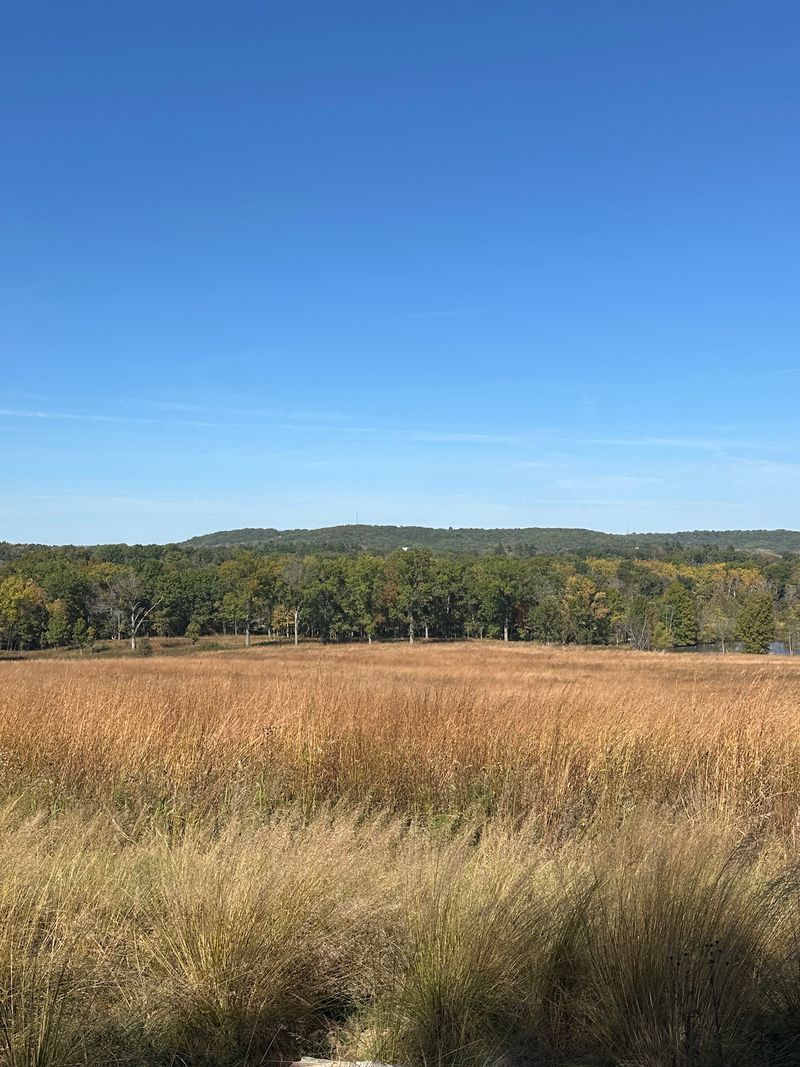
Missouri is not always the first state that comes to mind when people think of prairie. This reserve politely corrects that assumption.
Open prairie stretches across parts of the property, giving hikers a break from the tree cover. The contrast between woodland and grassland is one of the things that makes a long walk here feel varied.
Prairie ranks among the most talked about features of the reserve. It offers a simple, understated kind of beauty that rewards anyone willing to slow down.
The prairie also connects naturally to the wildflower displays that bloom through the warmer months. Native plants are the focus here, so the scenery reflects what has long grown in this part of the state.
For photographers, the open views make a nice change of pace after miles of forest trail. For everyone else, it is a fine place to pause and take in the space.
It is the kind of spot nobody talks much about, which may be exactly why it stays so peaceful.
Wildflower Season Steals the Show
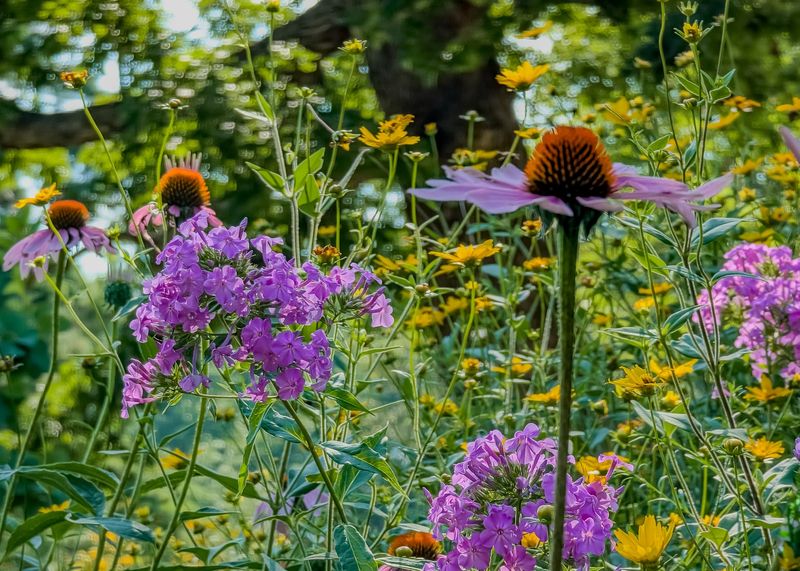
Ask what draws people out to Gray Summit, and wildflowers top the list. They are the single most mentioned highlight of the reserve.
Some people plan an entire trip just to see the blooms, and they tend to leave happy. Spring and summer bring a steady parade of plants flowering across the grounds.
A wildflower section near the beginning of the trails gives a strong start before you even reach the longer paths. Native species are front and center, in keeping with the reserve’s mission.
Butterflies often show up alongside the flowers, adding extra life to the scene. It is a good reason to bring a camera and some patience.
For anyone who mainly wants hardcore hiking, the flowers may be the main attraction rather than the trails themselves. That honest trade-off is worth knowing before you go.
Timing matters, so checking bloom season before the drive pays off. Arrive at the right moment and the payoff is hard to beat.
Daffodils and Bluebells on Parade
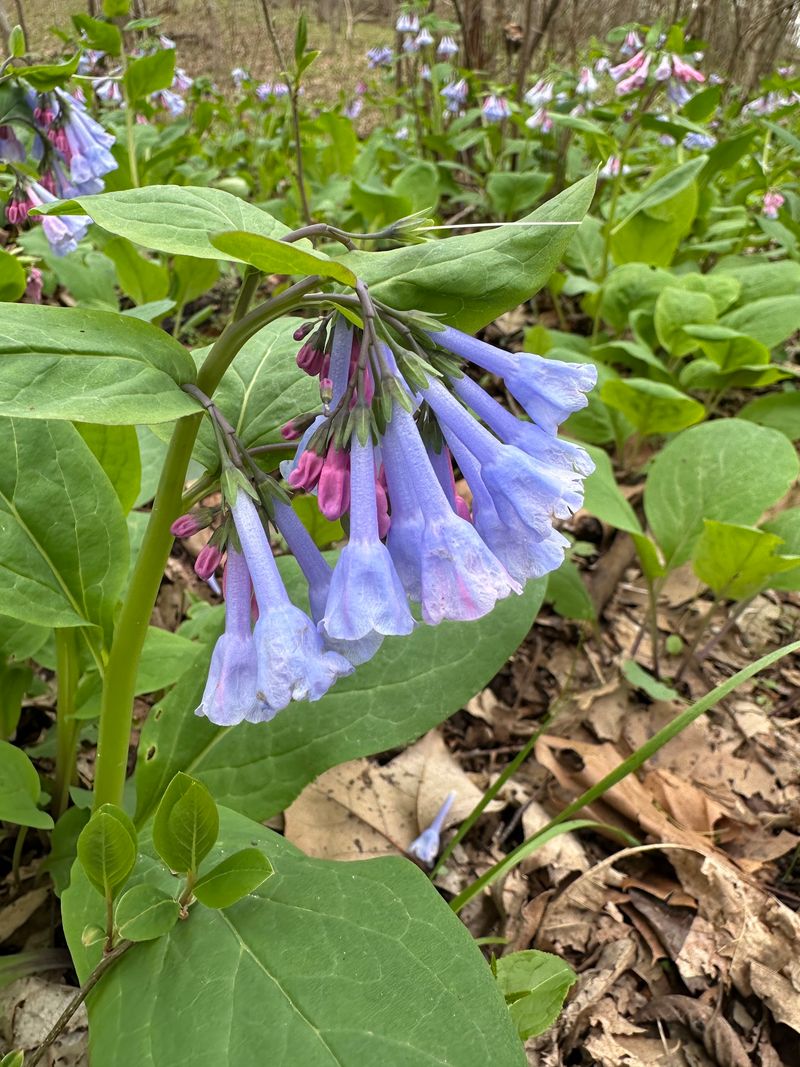
Early spring has its own headliners at the reserve. Daffodils seem to pop up everywhere, scattering yellow across the landscape.
Bluebells join the act around the same time, earning special praise from those who catch them in bloom. Together, they make the start of the season one of the most popular times to visit.
These spring displays give returning hikers a reason to circle the calendar. Many people say they plan to come back specifically for flower season after a first trip in a quieter month.
Families often mention the same plan. A fall or winter outing tends to end with a promise to return when the blooms appear.
Spring weather can bring heavy rain, which sometimes closes a river trail temporarily. Other routes usually remain open, so the flower hunt rarely has to stop.
Consider it nature’s opening ceremony for the year, and the tickets are still only five dollars.
The Trail to the Meramec River
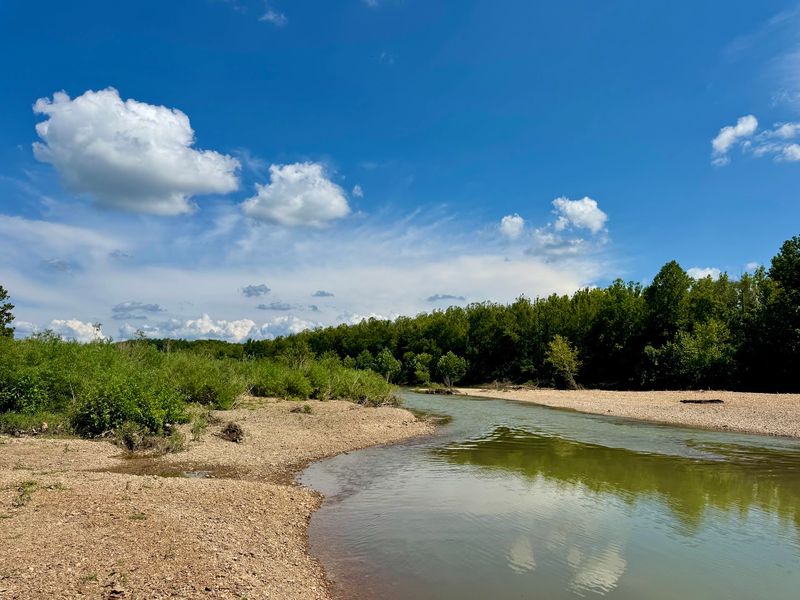
Some trails lead to a view, and one leads to a river. The path toward the Meramec is a favorite for those craving a calm finish to their hike.
At the end waits a peaceful stretch of the Meramec River. It offers a welcome retreat from the busy pace of everyday life.
River bottom terrain adds yet another habitat to the reserve’s long list. Hikers often see native plants, animals, and butterflies along the way.
The River Trail can close after heavy rain when sections become impassable. Closures tend to be temporary, and the trail has reopened within a week in past cases.
Checking conditions before setting out is a smart move, especially in a wet spring. Visitor center staff can share current updates.
When the path is open, it ranks among the most rewarding walks on the property.
Overlooks Worth the Climb
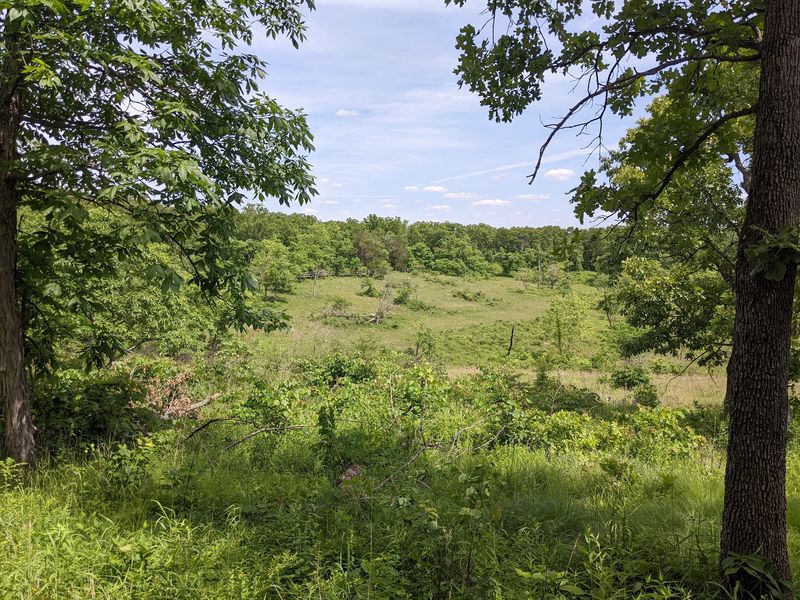
High ridges add some elevation to the reserve, and a few overlooks reward the climb. Two names come up often: The Bluff Overlook and Crescent Knoll Overlook.
Both are recommended stops for anyone mapping out a route. They give a different perspective on the landscape after time spent on lower trails.
Expectations matter, though. Some overlooks offer limited views, so the experience can vary from spot to spot.
Treat them as pleasant goals rather than grand finales and they tend to land well. Combined with prairie and river paths, they round out a varied day.
Ridges, river bottom, and grassland all sit within one property. That mix is one of the reserve’s quiet strengths.
Pack water, pick an overlook, and let the trail decide the rest.
Wetlands, Ponds, and a Place to Sit
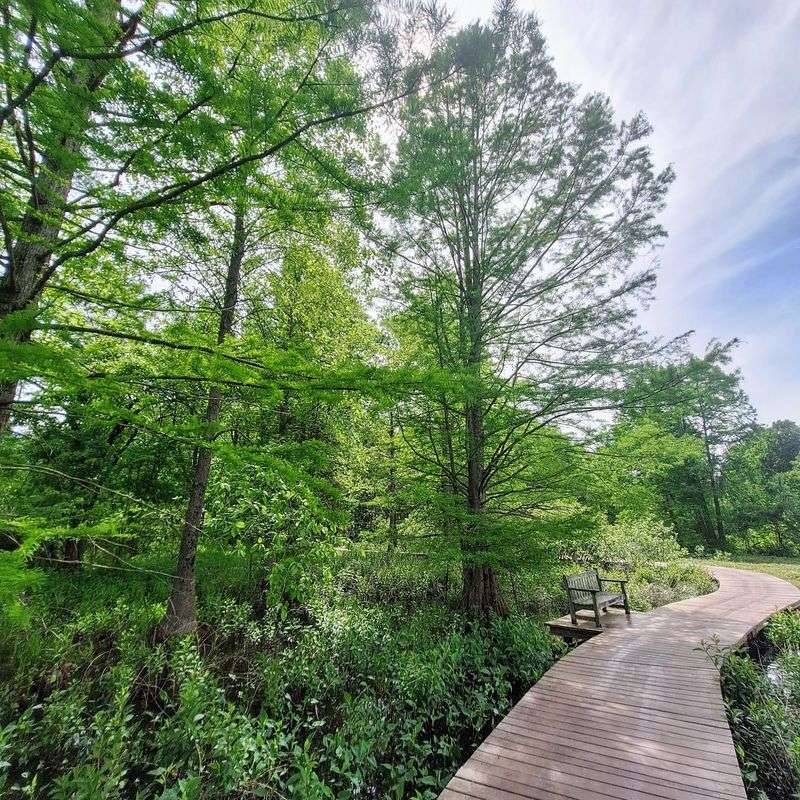
Not every highlight requires a long hike. The pond is a favorite spot for simply sitting and slowing down.
Wetland trails expand the variety further, moving hikers from woodland to wetter ground. Few nature areas pack this many habitats into one visit.
Pairing the prairie with a stop at the pond makes for an easy, low-effort outing. It suits anyone who prefers relaxing over racking up miles.
These areas also tend to draw wildlife, making them good spots for patient observers. Bring binoculars if you have them.
Calm places like this often become the memory people carry home. The reserve’s understated beauty shows up most clearly here.
Birds, Rabbits, and Other Locals
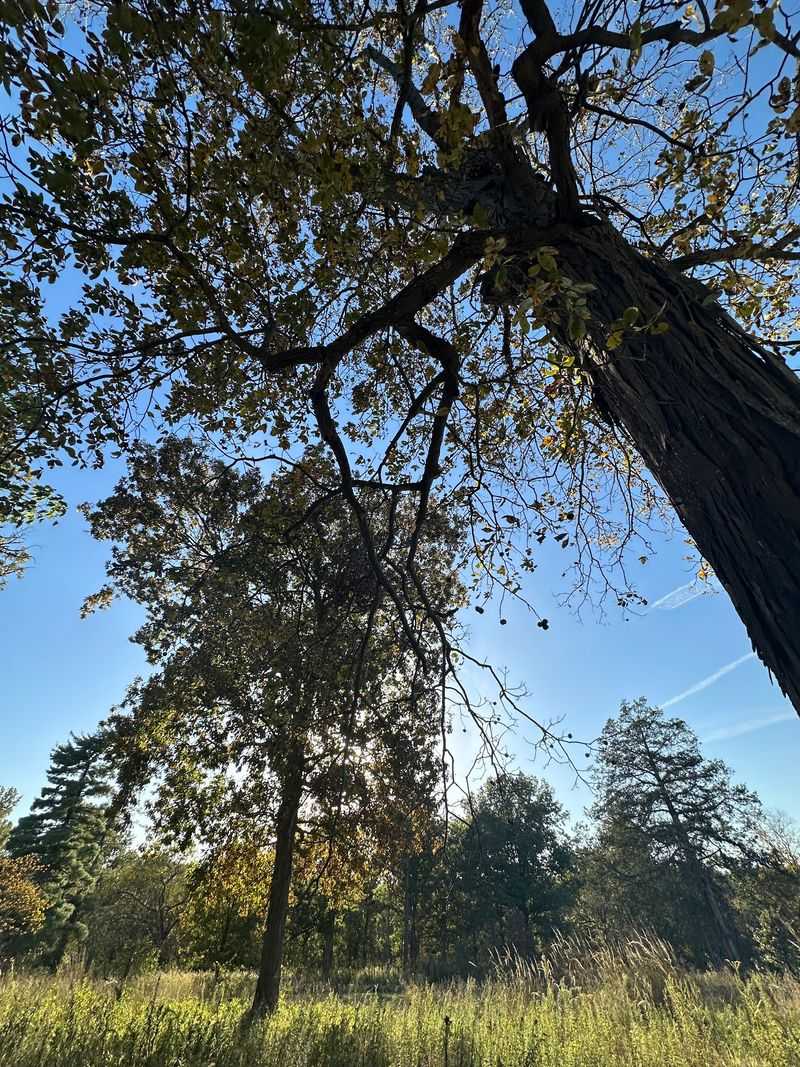
The permanent residents here outnumber the guests by a wide margin. Bird watching is a popular pastime, and wildlife viewing follows close behind.
Birds, squirrels, and rabbits are common sights. Butterflies gather around the native plants in warmer months.
Snakes also live on the property, which is worth knowing for anyone uneasy around them. Staying on trails and watching your step helps.
Quiet trails boost the odds of spotting animals. Some mornings feel nearly empty, with only a few other groups out walking.
Bring a field guide or app to identify what you see. The reserve turns casual walkers into amateur naturalists without much effort.
Consider it a nature documentary where you get to set the pace.
Whitmire Wildflower Garden and the Picnic Life
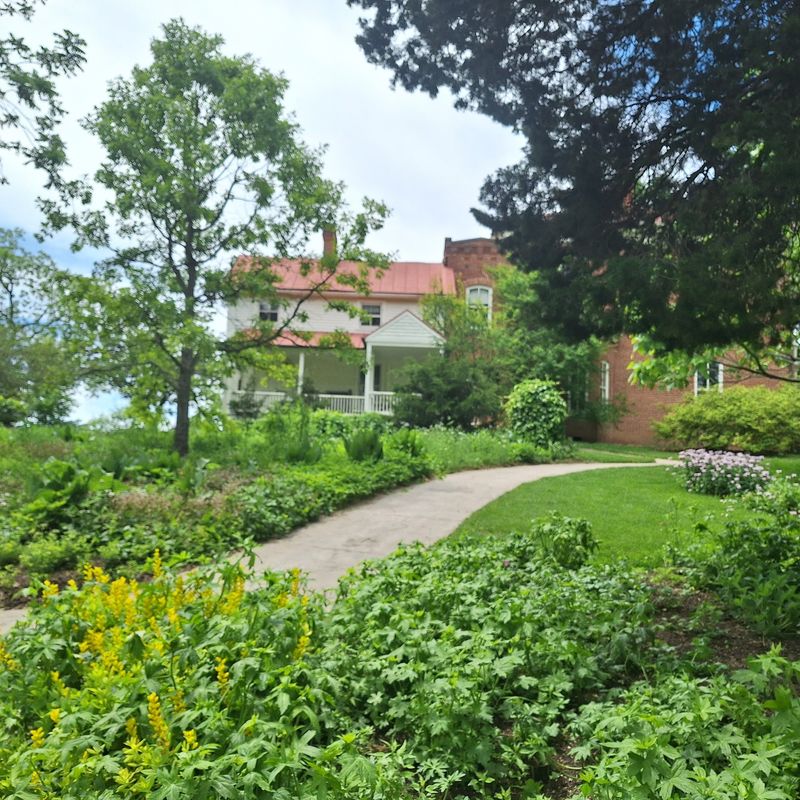
A blanket, a sketchbook, and a free afternoon fit nicely at the Whitmire Wildflower Garden. It is a popular stop for a picnic after a morning on the trails.
Some people even bring watercolors to paint among the plants. The botanical garden area here stands out as a highlight of its own.
Several nice pavilions are scattered around the reserve. Nearby restrooms are generally kept in good shape.
Picnicking is one of the listed activities, so packing a lunch makes sense for a long visit. Time has a habit of slipping away here.
The garden offers a gentler pace than the long trails. It works well for mixed groups where not everyone wants to hike far.
A Playground and Room for Every Age
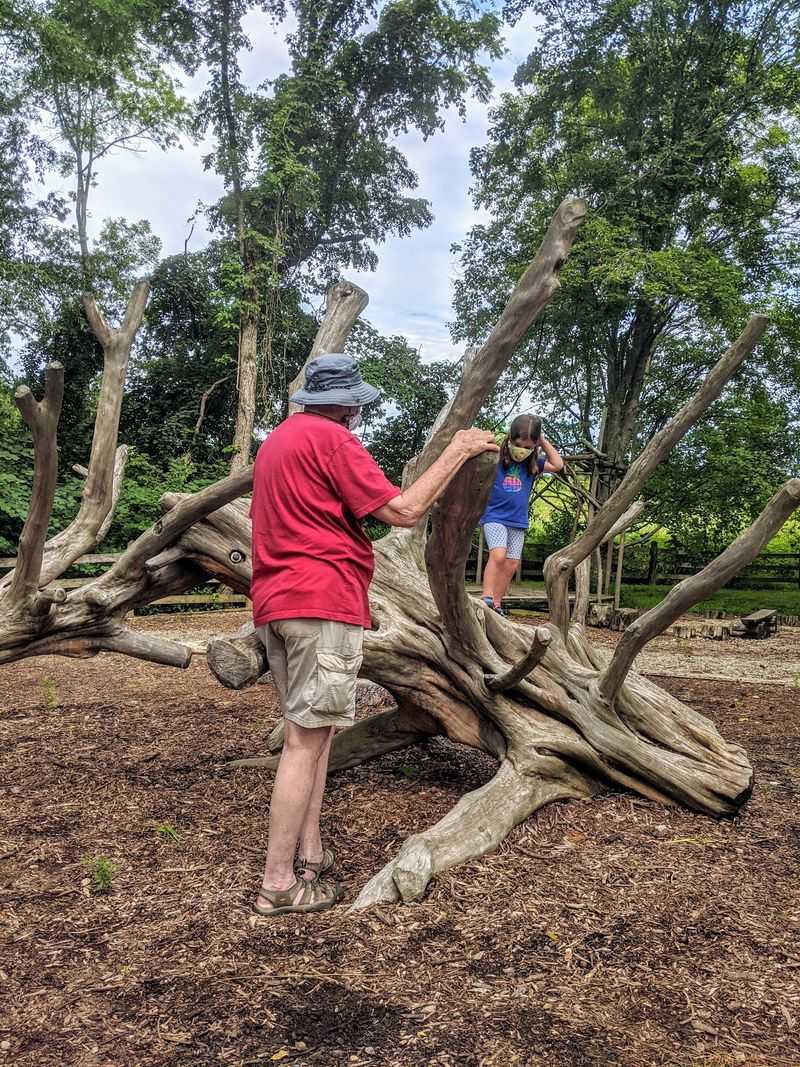
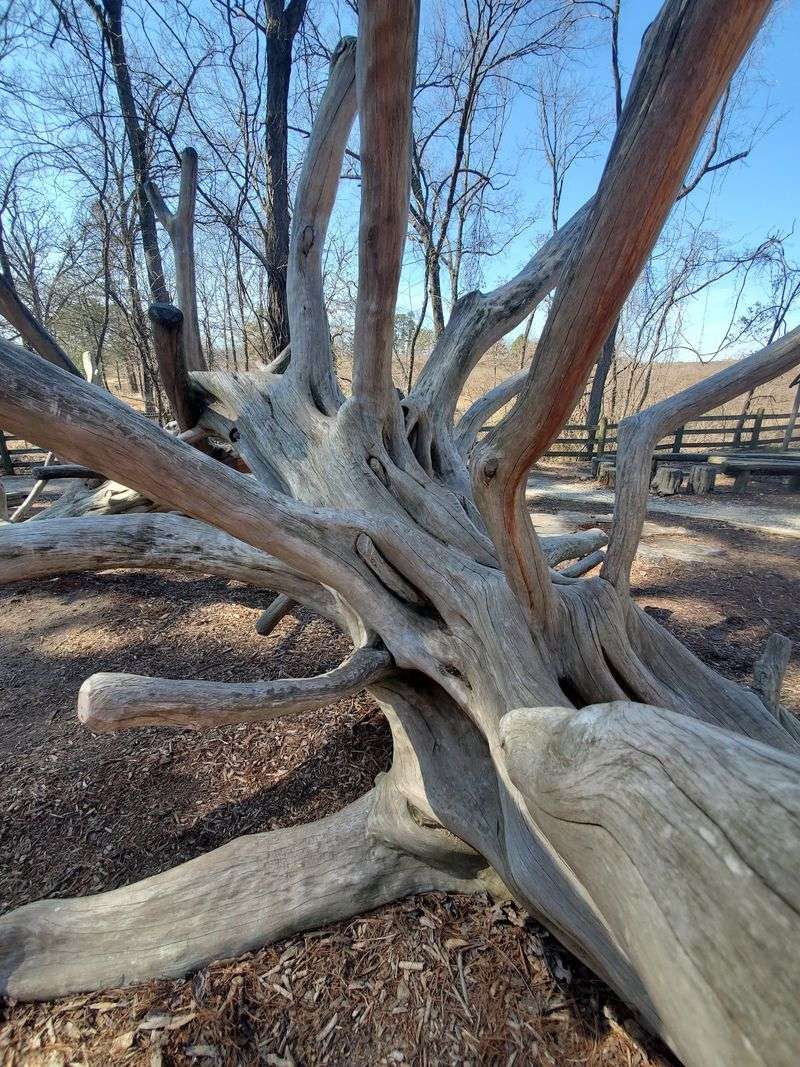
Children often have the hardest time leaving. The playground is described as unique and adorable, made for little adventurers of every age.
Kids 12 and under get in free, which makes family outings easy on the budget. Trails give young explorers plenty to discover.
The reserve is both drivable and walkable. People of many ages and abilities use the park on a typical weekend.
A scenic drive lets those who prefer shorter walks still enjoy the landscape. Hop out at chosen spots for brief hikes.
Restrooms along the way help with younger kids. That small detail makes a long day far easier.
Expect the question of when you will come back before the car even leaves the lot.
Hours, Fees, and First-Timer Tips
Planning is simple here. The reserve is open daily from 8 am to 5 pm, seven days a week.
Admission is $5 for adults, with a discount for seniors. Children 12 and under are free, and Missouri Botanical Garden members enter at no charge.
Parking is free and ample throughout the preserve. Signage is generally helpful, though some trailheads lack signs.
Stop at the visitor center first. Friendly, knowledgeable staff can map out a trail based on your interests and distance.
Check the website for classes and events. Programs have included a tree class and a native plant sale.
On hot days, favor shaded trails and bring water. A little preparation goes a long way on 18 miles of paths.
Why the Hidden Forest Keeps Calling
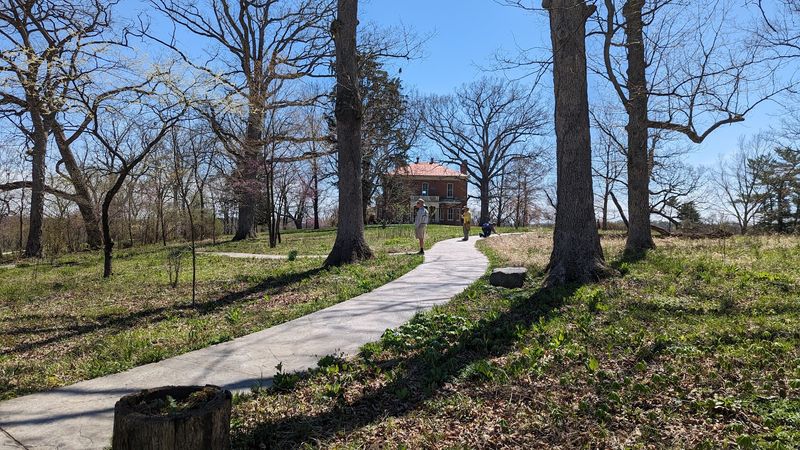
Some places shout for attention, while this one waits patiently. Its appeal lies in space, variety, and calm.
A visit can last thirty minutes or an entire day. Short-trip guests and all-day hikers both find their rhythm.
Not everyone falls for it equally. Those seeking dramatic hiking may prefer other nearby trails, and some find the drive loop modest for the fee.
For flower lovers, bird watchers, families, and anyone needing a break from the city, though, it delivers. Many return season after season.
Beautiful in every season, it rewards repeat trips. Spring blooms, summer shade, and quiet winter walks each offer something new.
Just outside St. Louis, the hidden forest is not so hidden anymore, and that may be the best secret worth sharing.
Enjoyed this story?
Add Fast Food Club as a preferred source to see more of our reporting on Google.