


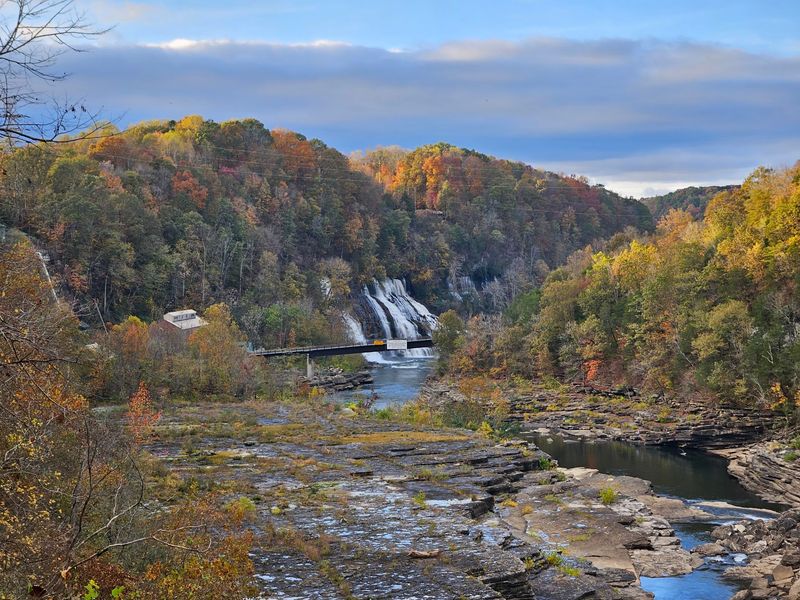
Some of the best waterfall views in Tennessee take only a few minutes of walking to reach. In one corner of the state, three rivers meet, limestone cliffs drip with springs, and a huge cascade is visible right from the parking lot.
You can stop for a quick look and drive on, or you can stay all day hopping across rocks in a gorge. Entry costs nothing, which makes the trip even easier to justify.
Keep reading to learn which short trails reach the big views, which trail will soak your shoes, where to camp, and how to beat the evening gate.
Where Three Rivers Meet
Tennessee packs a lot of scenery into its state parks, and this one sits where three rivers come together. The result is a park built around moving water, steep rock, and some very photogenic falls.
Rock Island State Park is located at 82 Beach Rd, Rock Island, TN 38581, in the United States. It is classified as a state park, and it offers both day trips and overnight stays.
The official description sums it up neatly. Think cascading waterfall, year-round cabins, fishing, and a dramatic gorge at the confluence of three rivers.
Folks who come here tend to leave impressed. The park holds a 4.8-star average across more than 5,700 opinions, which is a strong showing for any outdoor spot.
Hiking comes up again and again in conversations about the park, along with waterfalls, the gorge, and the dam. Swimming holes, picnic areas, and cabins round out the list of favorites.
The best news for budget planners is simple. Entry is free, so the only thing a quick visit costs is a bit of gas and time.
Short walks lead to big payoffs here, and that theme shapes almost every trail in the park. The next stop explains how the river layout splits the park into two very different sides.
Two Sides Of One River
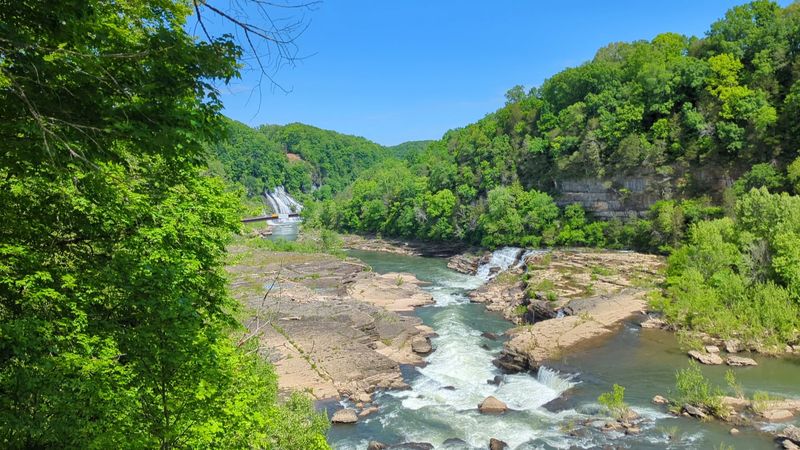
A river can have two personalities, and the Caney Fork proves it at Rock Island. One side holds the roaring falls, while the other offers a calmer stretch of water.
The side with the visitor center leads into the canyon area. Down there, smaller falls spill along the rocks, and the stairs can carry running spring water.
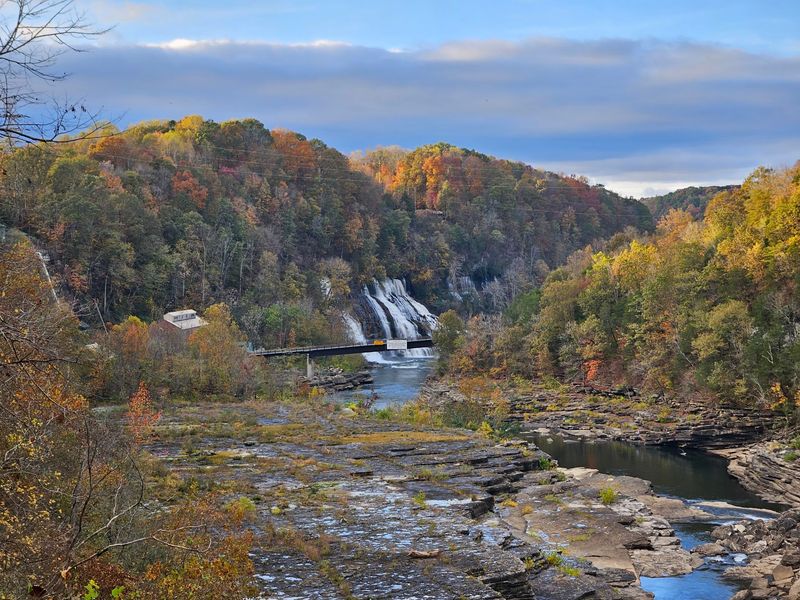
Across the river sits the larger set of falls. Reaching the best viewpoint means heading down a steep gravel walkway and scrambling over a few rocks.
That split shapes how people plan their day. Many start on one side, explore the gorge, then drive over to the overlook on the other.
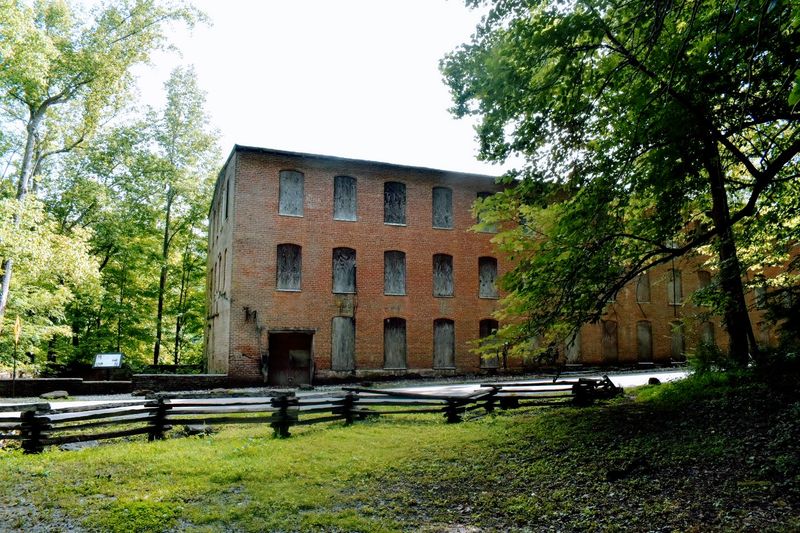
One popular route begins near the old cotton mill. From there, hikers head down to the river and follow the gorge as far as conditions allow before climbing back up.
The calm side matters too. The peaceful Caney Fork is a nice balance to the noisy falls, and it gives the park a softer, slower mood away from the cliffs.
Knowing which side you are on saves a lot of wandering. With the map sorted, it is time to meet the headliner.
The Great Falls Show
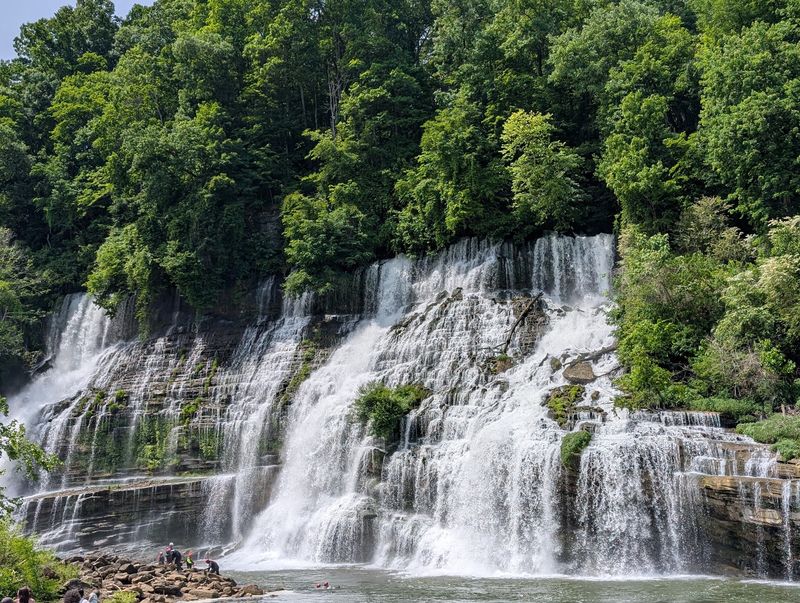
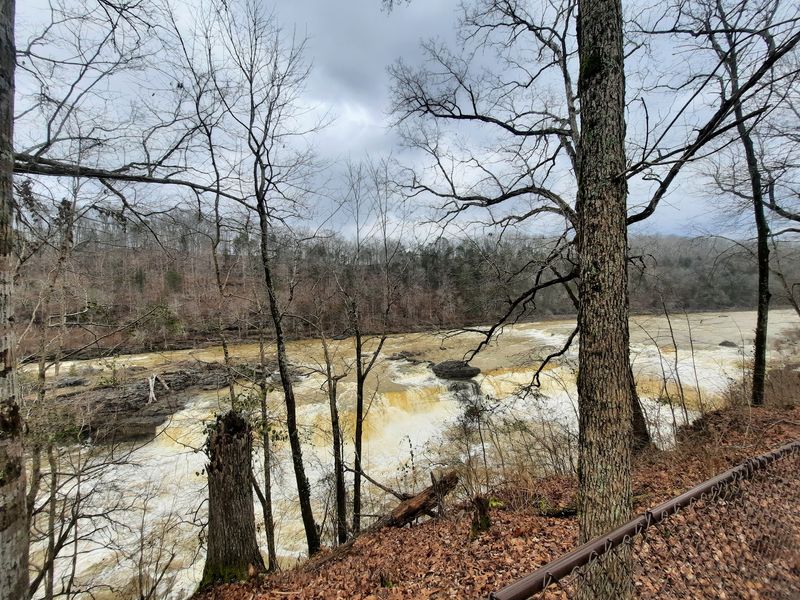
Even in dry weather, Great Falls refuses to be modest. The water volume stays impressive, which surprises people who expect a trickle late in the season.
Great Falls is the big name in the park. It spreads wide over ledges of rock, and many people call it one of their favorite waterfalls anywhere in the country.
Getting a good look does not require a long trek. An overlook trail offers clear views, and a short walk along it reveals the falls from several angles.
For a closer perspective, the gorge trail drops down toward the water. It takes more effort, but the view from below feels very different from the view above.
One small tip helps with planning. The overlook route is the easier way to see Great Falls, while other cascades in the park reward a trip down to the river.
Photographers love the layered rock here. The falls cover a broad face, so wide shots tend to work better than tight close-ups.
Great Falls gets most of the attention, but it has a famous sibling just around the bend.
Twin Falls And Its Trail
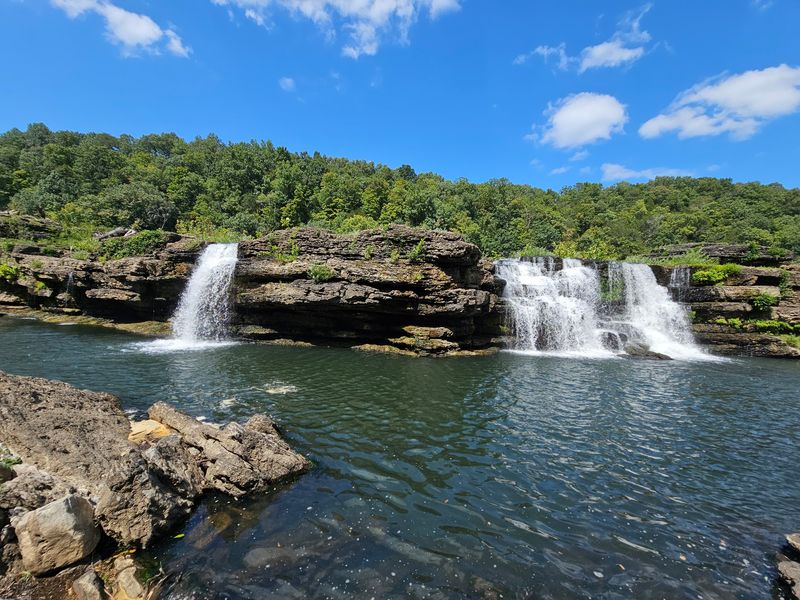
Some waterfalls come from a river, but Twin Falls pours straight out of a cliff. Water spills from the rock face in many streams and drops into the river below.
The best way to appreciate it is a short hike down to the river. The Downstream Trail is the route people often mention for this view.
From the parking lot, the falls are already visible. That makes Twin Falls friendly for anyone who cannot hike far but still wants the scenery.
Hikers who do commit to the trail describe a route of about two miles. The sign calls it strenuous, though plenty of people find it moderate at most.
The tricky part is near the end. Rocks close to the falls get slippery, so careful footing matters more than speed.
The payoff is a full, ground-level look at the cliffside cascade. It is one of the most talked-about sights in the park, right after Great Falls itself.
Twin Falls is beautiful from afar, yet the cliffs around it hold quieter surprises worth a slower look.
Hanging Gardens On Limestone
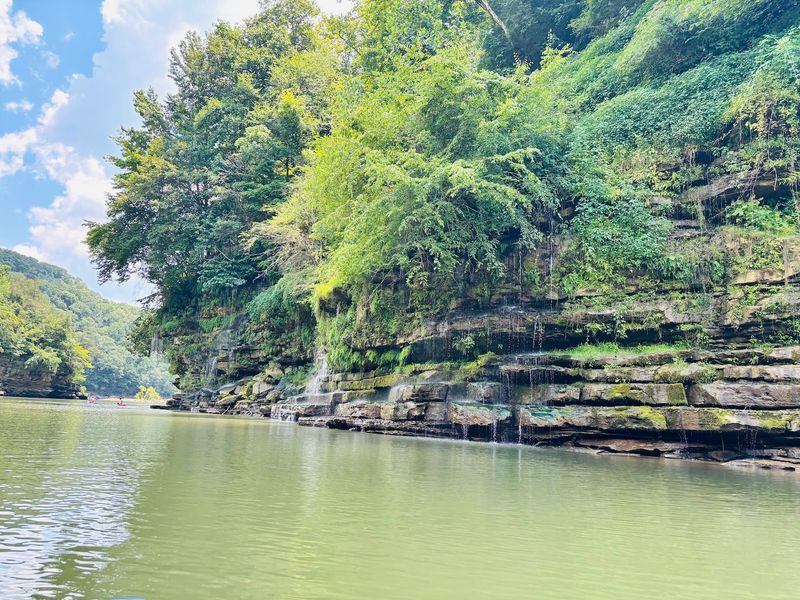
Ferns growing out of solid rock make the cliffs here look like vertical gardens. The limestone walls hold native plants in their cracks and ledges.
Small streams of water run down many of these cliffs. Some people compare them to natural showers, since the water spills right along the trail edges.
These little falls appear all along the gorge. They do not get top billing, but they add plenty of charm to every walk.
Spring water also crosses some of the stairs. That is part of why shoes get wet so quickly, even before you reach the river.
Slowing down here pays off. The plants, rock layers, and small cascades are easy to miss when everyone is rushing toward Great Falls.
Bring a camera with a decent close-up setting. The cliff details make great photos, and they show a side of the park that wide shots of the big falls cannot.
Those wet cliffs are a fair warning for what comes next, because one trail here takes wet feet very seriously.
Blue Hole Trail Challenge
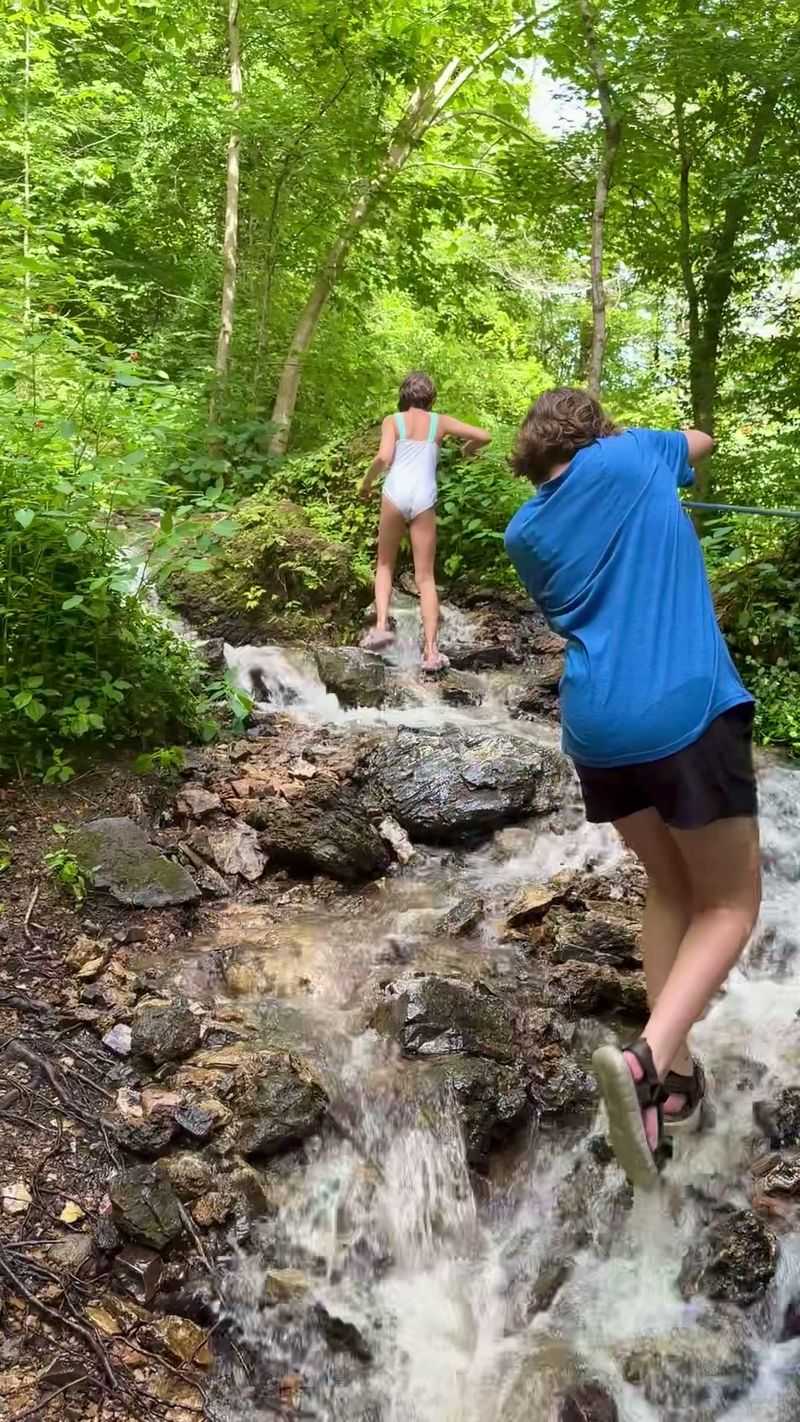
Short does not always mean easy, and the Blue Hole Trail is the proof. Many hikers call it the most challenging walk in the park.
The trail is steep and rocky. One set of stairs feels more like a ladder, and one section asks hikers to hold a cable while crossing slippery rocks.
Expect your feet to get soaked. Water crossings are part of the route, so there is no way to stay dry the whole time.
Gear makes a big difference. Waterproof boots, water shoes, or sturdy hiking sandals are the usual picks, and some people end up going barefoot in regular sneakers.
Despite the effort, the trail earns strong loyalty. Park staff call it a guest favorite, and hikers keep saying it is worth every wet step.
Plan for time and patience. Careful footing on wet rock slows everyone down, and rushing is a poor idea here.
If the Blue Hole Trail is the workout, the next stop is the cool-down, with spots built for splashing.
Swimming Holes And Sandbar Beach
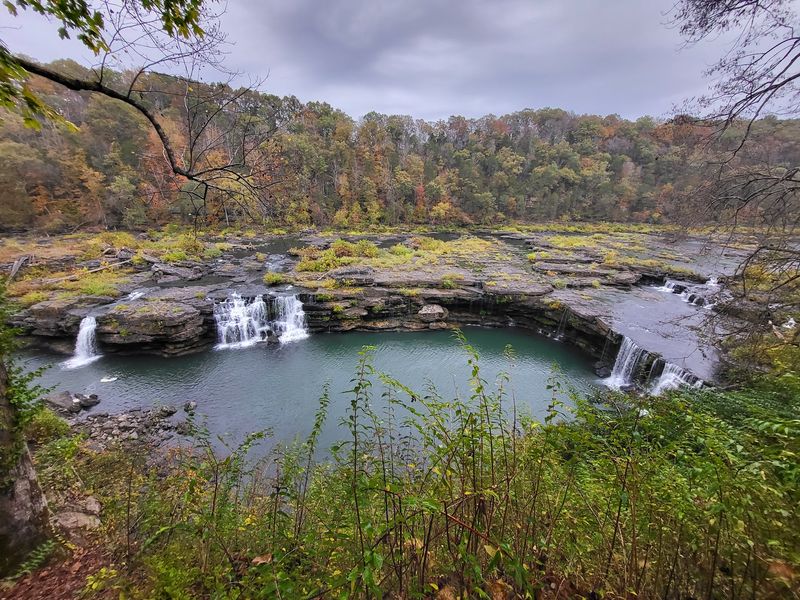
Summer at Rock Island often ends with a swim. Natural pools in the rocks give people a place to cool off after a hike.
Swimming holes are among the park features people mention most. They sit right in the rocky landscape, so the setting is as much fun as the water.
There is also a sandbar beach. It is a favorite spot for swimming, especially for campers staying the weekend.
Work on the beach area has been underway, with completion expected within months of recent visits. Check the park website for the latest status before you go.
Getting to the water is fairly easy from the parking lot in some areas. That makes a quick swim possible even on a short visit.
Cliff jumping also comes up in conversations about the park. Anyone tempted should check posted rules and water conditions first, since river levels can change.
A towel and a dry change of clothes belong in the car. After the swim, many people head for a shady table and a packed lunch.
Gorge Walks And River Rocks
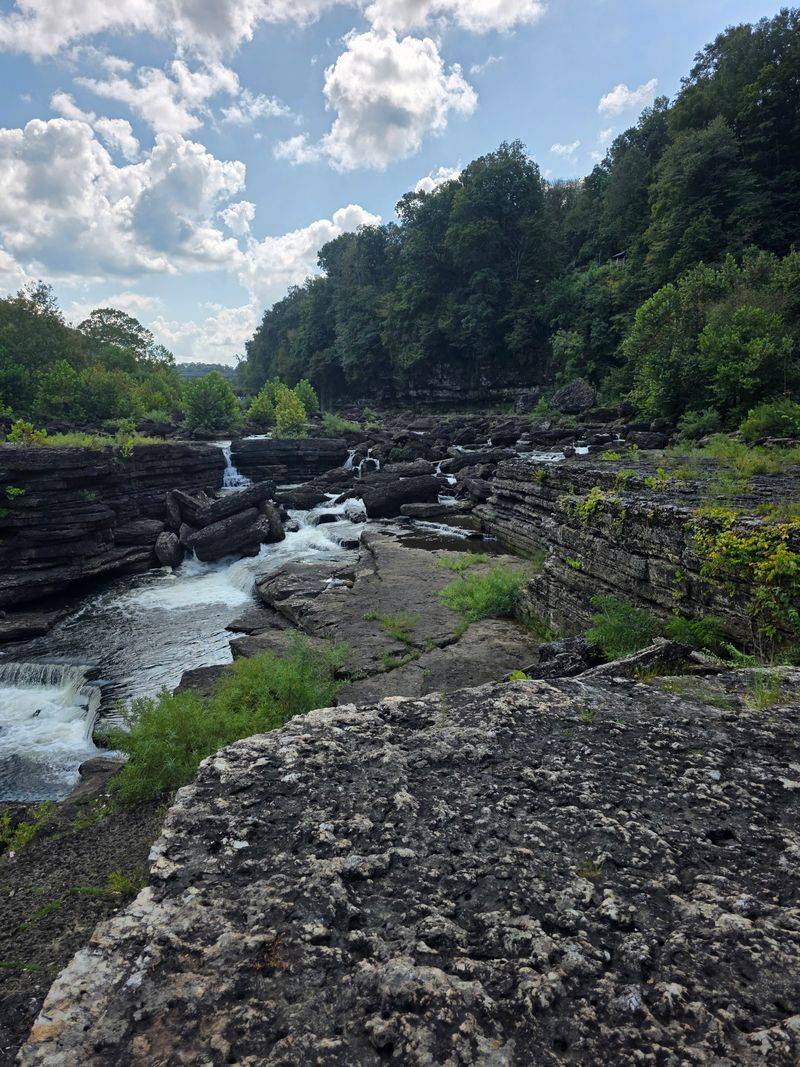
The gorge is where the park turns into a natural playground. Large rocks line the river, and hikers pick their way across them for better views.
To reach the river, you often have to climb over big boulders. Some people rate the difficulty somewhere between medium and hard.
The stairs down carry running water at times. That adds a little risk, so good grip on your shoes matters a lot.
Once down, the rewards come fast. You can walk around the rocks, take photos, and simply sit by the water for a while.
The gorge trails also connect several viewpoints. Following the river as far as you safely can gives a fuller sense of the canyon.
Young kids and anyone unsteady on their feet may prefer the overlooks instead. The rock scramble is fun, but it is not for everyone.
Keep an eye on the clock while exploring down there. The park has a closing routine you will want to know about later in this guide.
Views Without A Hike
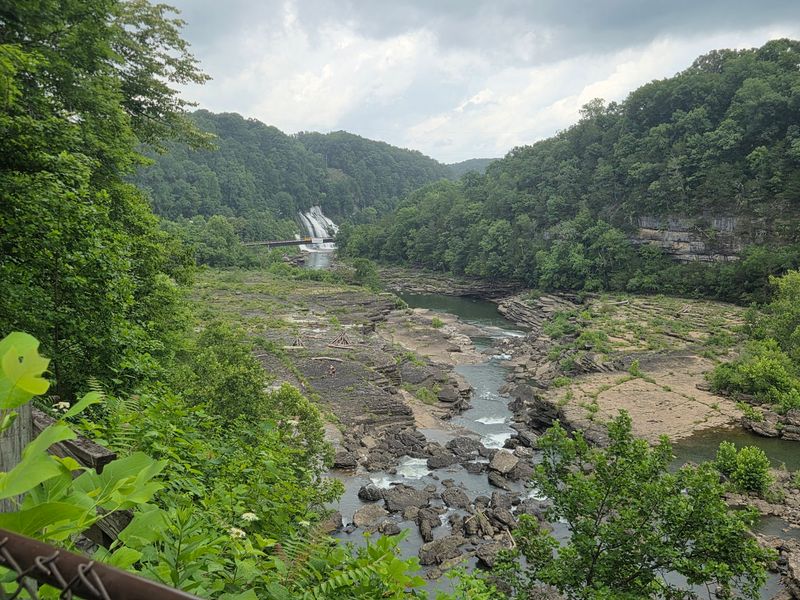
Not everyone wants a muddy scramble, and that is perfectly fine here. Some of the best views are visible right from the parking lot.
People who cannot hike still see the falls. That accessibility is one of the park’s quiet strengths.
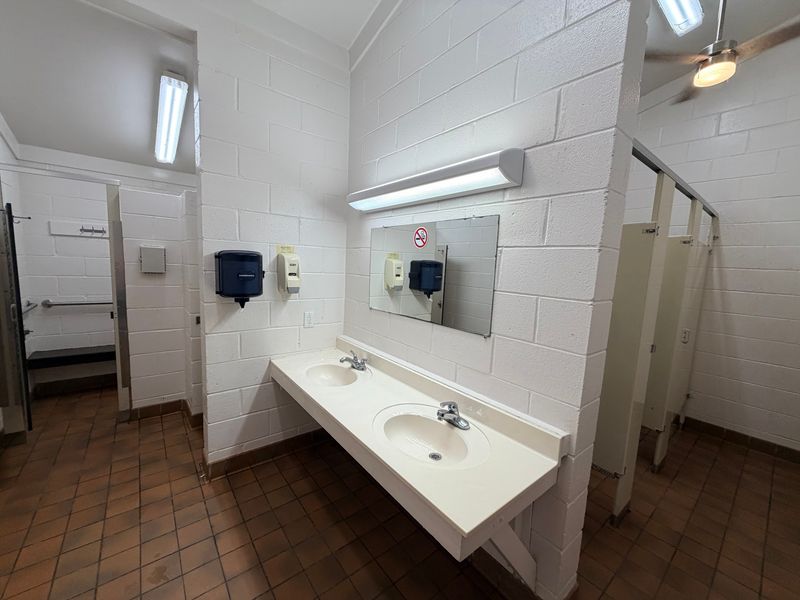
Restrooms are available at the parking lot as well. That small detail makes short stops easier for families and older travelers.
The overlook trail adds a little distance with a big reward. It offers sweeping views of the falls without a steep descent.
Several entry points spread out the options. You can pick a short walk, a quick look, or a longer outing depending on time and energy.
Parking can be limited, though. Arriving earlier in the day helps when the weather is nice and the lots fill up.
Even a fifteen-minute stop can feel worthwhile here. That is the whole point of short trails with big views, and the park delivers on it.
Wildlife And Quiet Moments
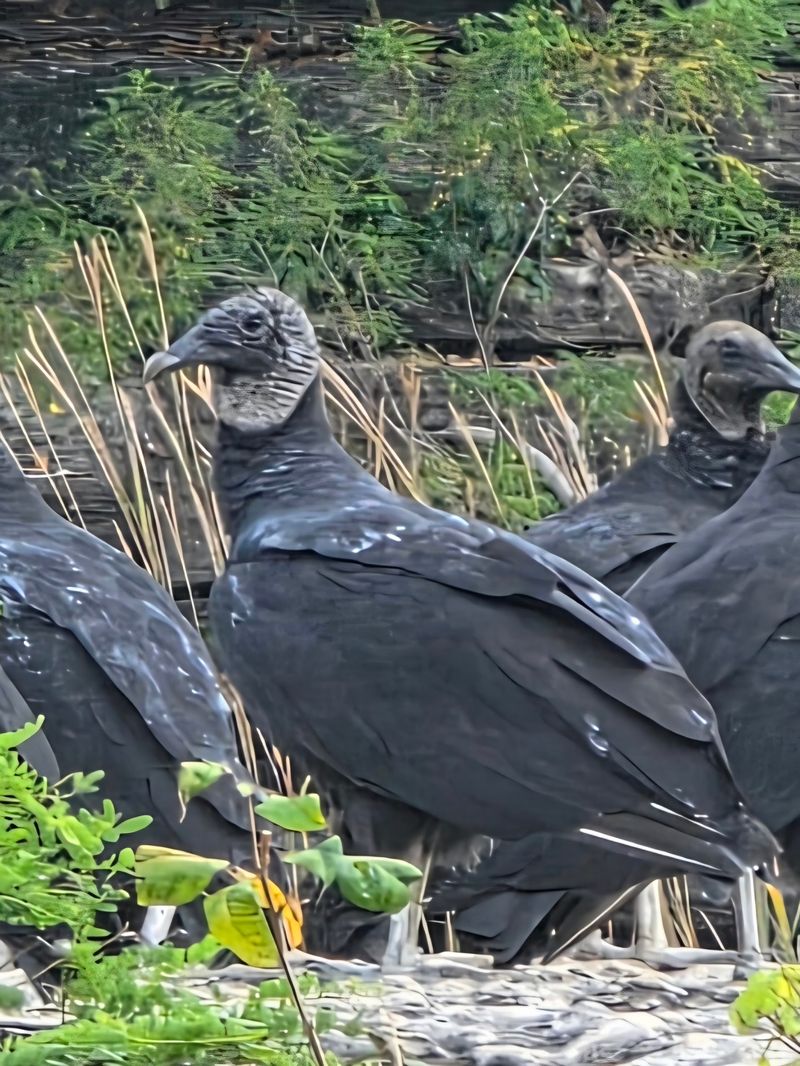
Sometimes the best surprise in the water is not a waterfall at all. A river otter has been spotted swimming around during a hike here.
Wildlife sightings add a fun bonus to any trip. Keeping your eyes on the river can pay off when things are calm.
The quieter parts of the park help with that. The Caney Fork side feels peaceful, and the shaded campground draws praise for its calm mood.
Hikers who move slowly tend to notice more. Pausing on a rock by the water gives animals time to show up.
Keep a respectful distance from any wildlife you see. Photos from afar are better for you and the animals.
A pair of binoculars is a smart thing to pack. They make spotting easier without crowding the shoreline.
Wildlife is a bonus, not a promise. Still, every trip has a chance for one of these small moments, which keeps the park fresh on return visits.
Campground Life Under The Trees
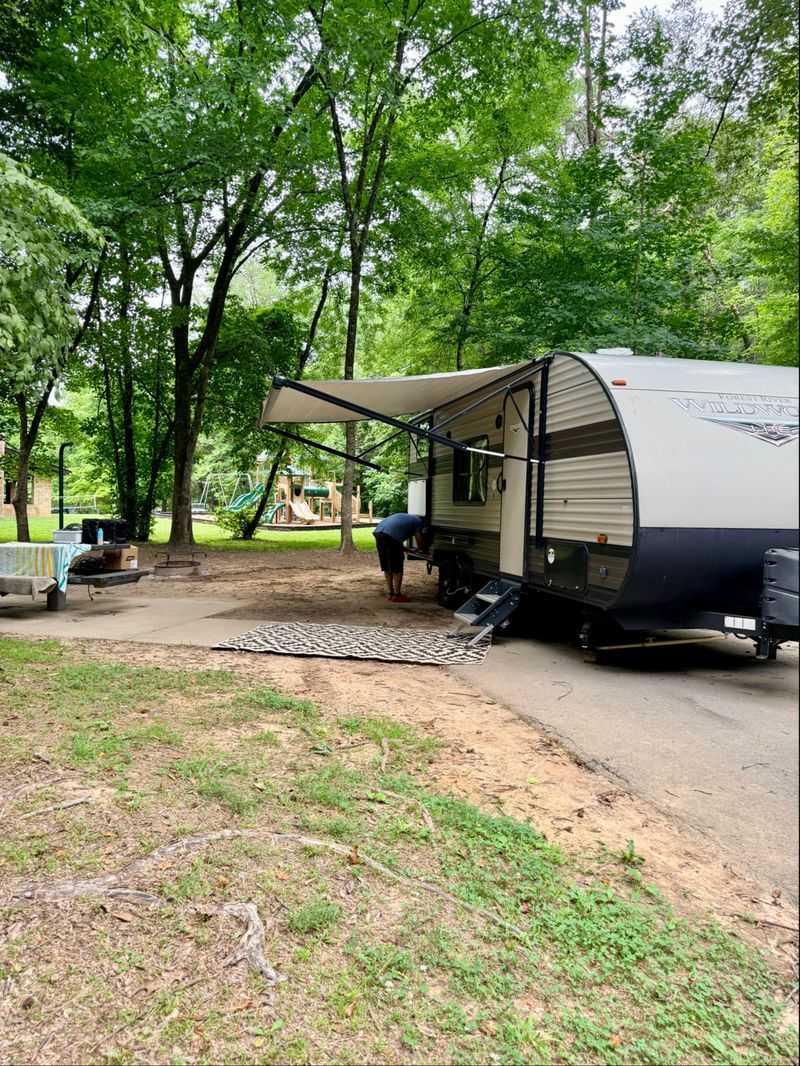
Plenty of people stay longer than planned, so the campground gets a lot of attention. It earns high marks for space and cleanliness.
Sites are level and roomy. Each one comes with a table, a fire pit, and a lantern pole, and neighbors are not right on top of each other.
Water and electric sites are available. Many are shaded and overlook the woods, which adds to the calm feel.
Bathrooms and showers often get praised as very clean. Some campers note that certain restrooms could use upgrades, and staff have passed that feedback along.
Big rigs should plan ahead. Sites for motorhomes longer than 32 feet are harder to find.
Quiet hours run from 10 pm to 7 am. Rangers address excessive noise, including barking dogs, so pet owners should keep their companions settled.
Camp extras are close by too. Tennis courts, basketball courts, and bike and hiking trails sit near the grounds, giving campers plenty to do between waterfall trips.
Cabins, Courts, And Picnic Spots
Tents are not the only way to stay overnight. The park offers cabins that are open all year.
Cabins come up often when people talk about the park. They are a good fit for families or anyone who wants a roof after a long hike.
Picnic areas are another favorite. People praise them as nice, clean places to stop and eat.
A full-day visit is easy to fill. Pack a lunch, hike in the morning, picnic at midday, and swim in the afternoon.
Sports courts give kids an outlet beyond the trails. Tennis and basketball add variety for groups with mixed interests.
Fishing is also part of the park’s offerings. The three rivers give anglers plenty of water to explore.
All these extras turn a quick waterfall stop into a weekend plan. That flexibility is a big reason the park suits so many types of travelers.
Know Before You Go
A little planning goes a long way at Rock Island. Start at the visitor center, where staff are known for helping people plan what to see.
The center is full of information about the area. It is a smart first stop for maps and trail conditions.
Entry is free. A coffee shop and gas station sit just before the park, which helps with last-minute supplies.
Watch the time carefully. The gate closes, and rangers sound a siren as a warning, so head out when you hear it.
Wear water shoes or bring spare socks. Several trails include water crossings, and staying dry is not realistic.
For current hours and updates, use the official site at tnstateparks.com/parks/rock-island. Conditions can change with the seasons.
Park hoppers will like the location too. Several other state parks sit within about 30 to 45 minutes, so a multi-park road trip is easy to arrange.
A Free Ticket Worth Taking
Few places give this much for nothing at the gate. Rock Island pairs free entry with some of the most praised waterfall views in Tennessee.
The park suits a wide range of people. Casual sightseers can enjoy the falls from the lot, while adventurers can tackle the Blue Hole Trail.
Families get beaches, picnic areas, and sports courts. Campers get roomy sites, and cabin fans get year-round options.
There are a few things to keep in mind. Parking fills up, shoes get wet, and the gate closes on schedule.
None of that dulls the appeal. Many people call it the highlight of their trip, and some rank it among their favorite waterfalls in the country.
A short visit works, but a full day works even better. Pack lunch, pack spare socks, and leave time for both sides of the river.
The trails may be short, yet the memories tend to run long. That is a trade most travelers will happily make.
Enjoyed this story?
Add Fast Food Club as a preferred source to see more of our reporting on Google.