


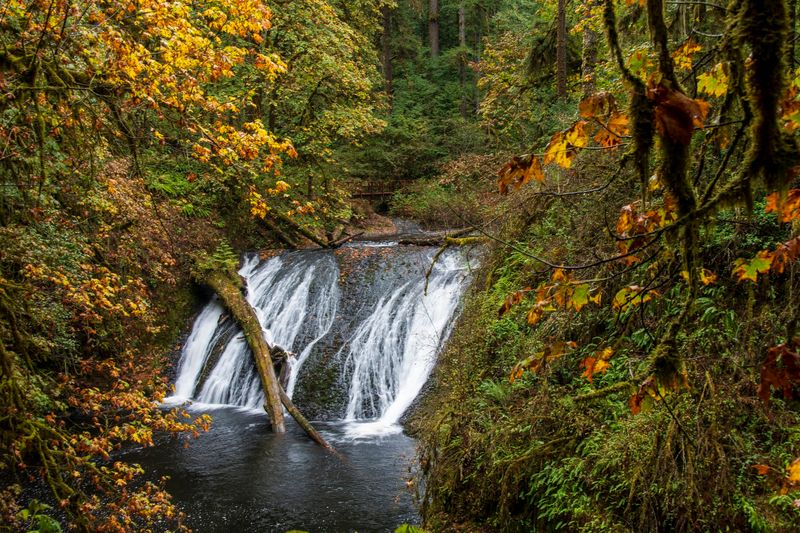
Most people walk to the first waterfall, snap a photo, and turn around. That leaves a long forest loop with nine more falls for anyone willing to keep going.
In Oregon, one state park packs ten waterfalls onto a single trail, and several of them let hikers walk right behind the falling water. Summer brings the biggest crowds and, oddly, the thinnest waterfalls.
Spring and fall tell a different story, with fuller streams, open trails, and room to breathe. This guide covers the trail, the parking tricks, the closures to check, and the best seasons to go.
Keep reading to plan a visit that beats the summer rush.
Oregon’s Waterfall Headquarters
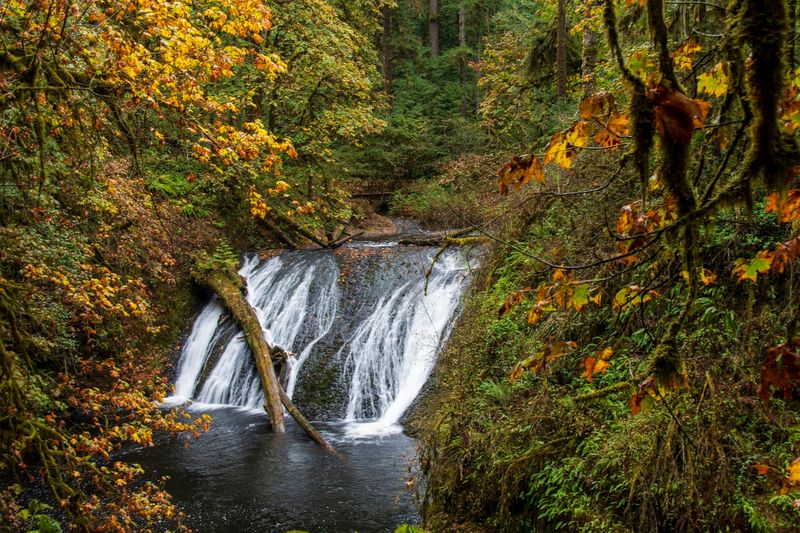
Ten waterfalls, one loop, and zero need for a passport. Silver Falls State Park sits in Oregon, United States, and it holds a strong claim as one of the standout parks in the state system.
Park signage even calls it the crown jewel of Oregon State Parks. That is a bold title, but the numbers back it up, with a 4.9-star standing across more than 10,500 opinions.
The park is built around hiking, camping, and picnicking. Its famous route, the Trail of Ten Falls, links waterfalls through a forested canyon on a loop of roughly 7.2 miles.
There are two main access points, North Falls and South Falls. Each one has its own parking area and its own personality.
The park is also bigger than a single hike. Campsites, picnic areas, a swim area near South Falls, and a small cafe give people reasons to stay longer than a quick stop.
Many people treat it as a one-afternoon outing. Others spend several days here and still find new corners to explore.
Either way, timing matters a lot, and the calendar might be the most useful tool to bring along.
Why Summer Is the Wrong Season
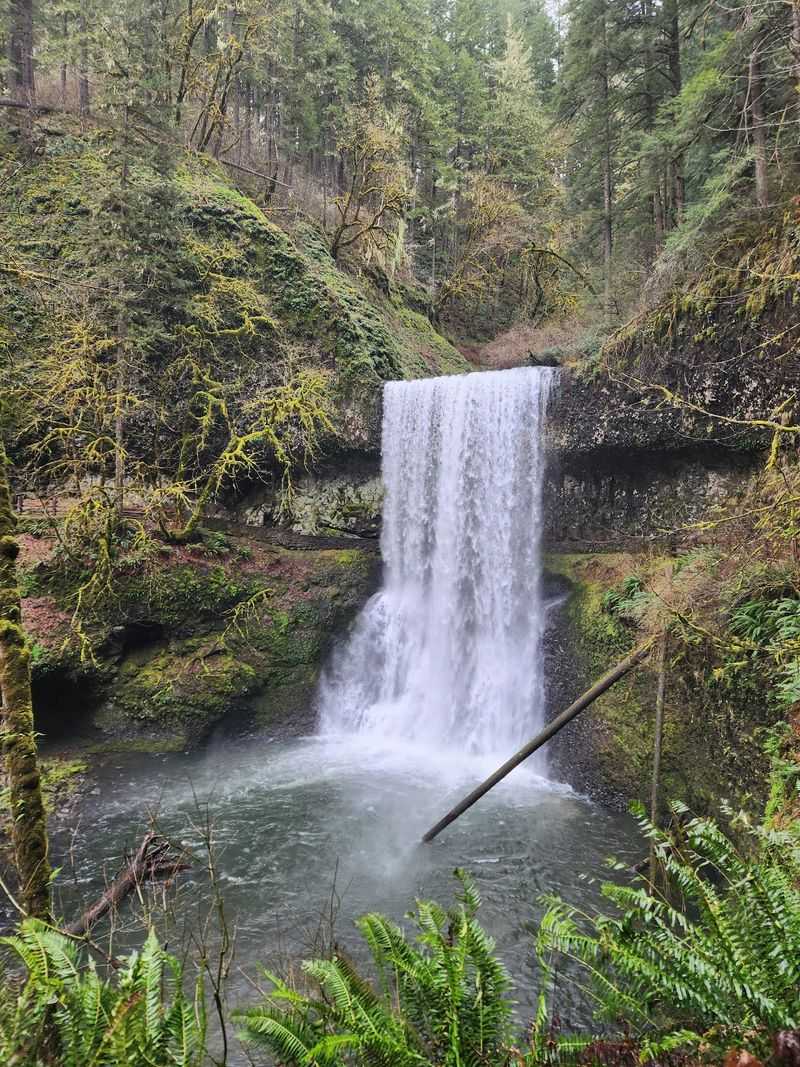
Here is the twist that surprises plenty of first-timers. Summer is the busiest season, yet it often shows the waterfalls at their weakest.
Families who visited during summer break and returned in May noticed a big difference. The spring trip brought far more water pouring over every fall.
The trail was still busy in May, but it never felt overwhelming. Most sections were wide enough for people to pass comfortably in both directions.
March can be even quieter. A Monday visit that month meant thin crowds and heavy flow, which is a pretty good trade.
Early October has its own rewards. Peak leaf color arrives, and the trail stays in good shape with only a few roots and soft spots.
Not every fall flows in autumn, though. A couple can run dry late in the season, so spring wins for raw water power while fall wins for color.
Summer, it turns out, mostly wins for traffic.
The Trail of Ten Falls
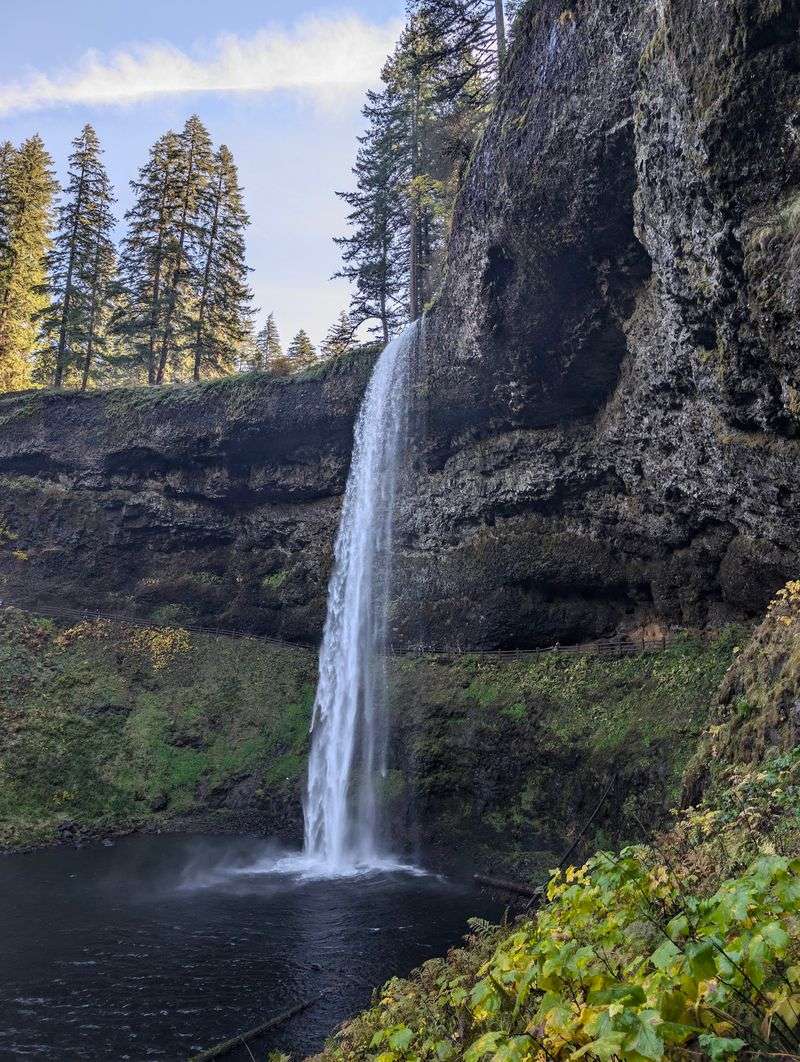
A mile rarely goes by without another waterfall showing up. That steady payoff is what keeps hikers moving on the Trail of Ten Falls.
The loop follows the Canyon Trail, Winter Trail, and Rim Trail. Official figures put it around 7.2 miles, though many hikers clock it closer to 7.7 or even 8 miles once side trips are added.
Expect about three and a half hours for the full circuit. The difficulty sits in the moderate range, with stairs, uphill stretches, and rocky ground.
Some people call the elevation gain mild. Others feel it in their legs for two days afterward, so pace matters.
The strongest falls cluster near the start. Deeper in the woods, a few smaller ones stay easy to see, while a couple are hard to view from legal paths.
The trail itself gets plenty of praise for staying clean and well maintained. Friendly fellow hikers seem to come standard as well.
For a lot of people, finishing this loop moves straight from the bucket list to the brag list.
Behind the Curtain of Water
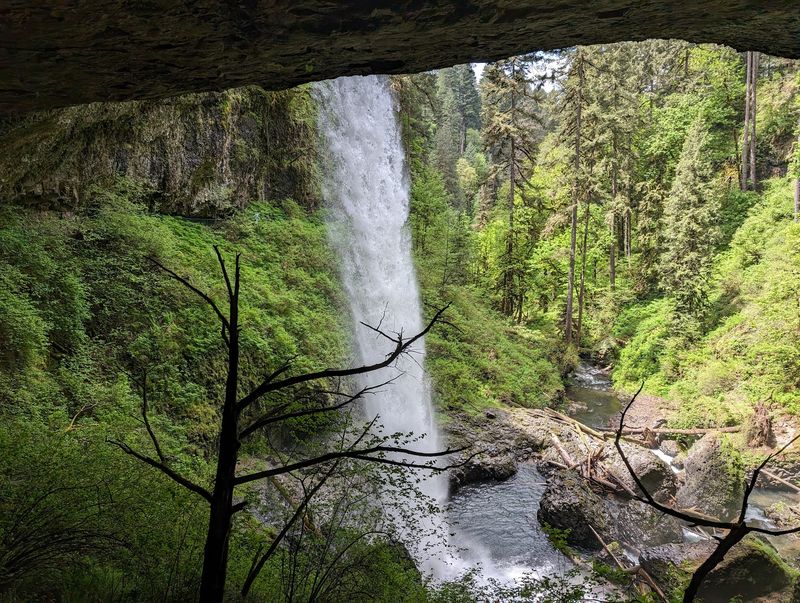
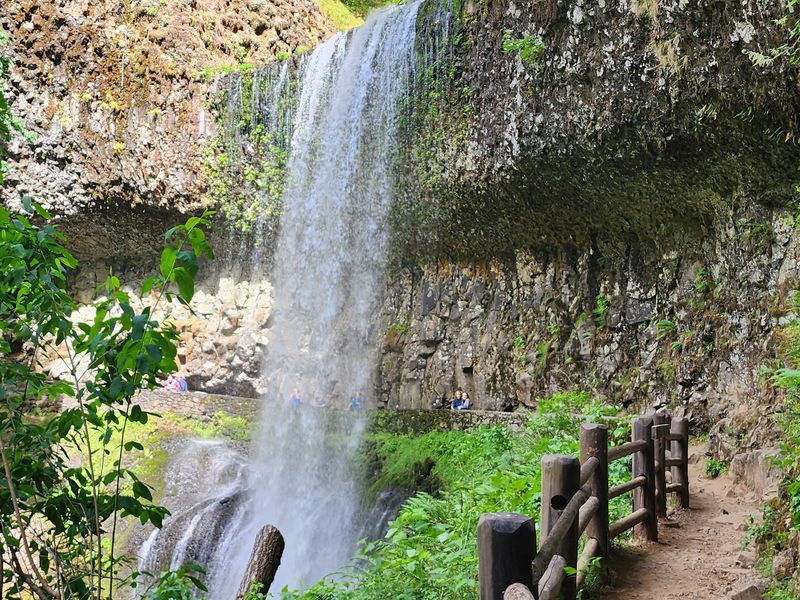
Most waterfalls are meant to be viewed from the front. At this park, four of them let hikers walk right behind the falling water.
That detail comes up again and again as the highlight of the trip. Families, first-time hikers, and seasoned trekkers all point to it as the moment they remember most.
The paths tuck under rock overhangs in the canyon. Hikers end up on the far side of the waterfall, looking out through it.
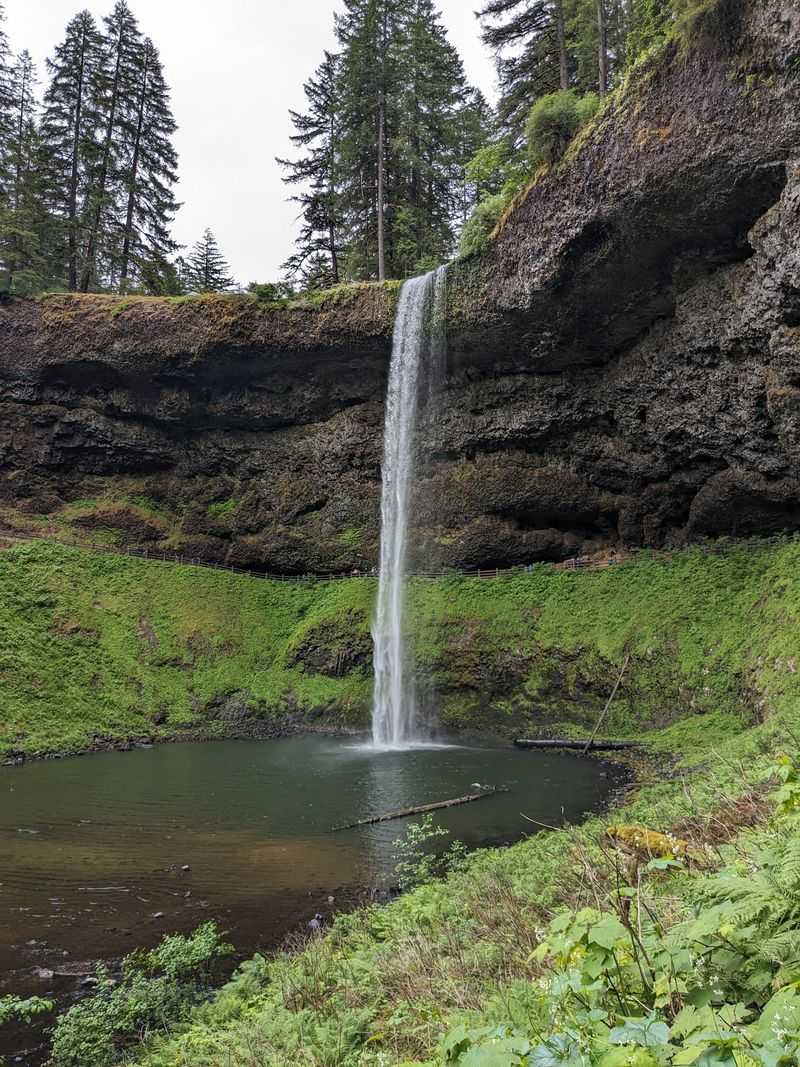
South Falls is the most famous of these. It sits close to the main parking area, so it is reachable even without doing the full loop.
Photographers tend to slow down here. The view from behind the fall frames the canyon in a way that is hard to find elsewhere.
Spring flow makes the experience more dramatic, since the falls carry far more water. Just plan for wet rock and take steps carefully, because the best views here are earned one careful footstep at a time.
South Falls Base Camp
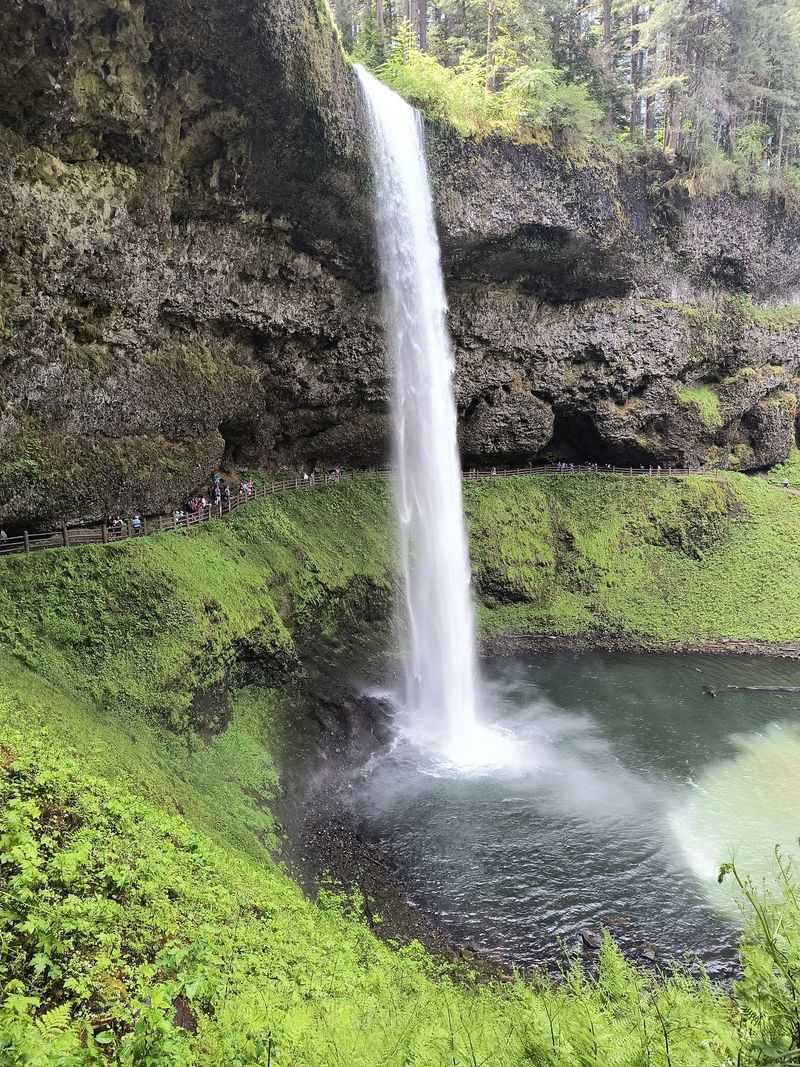
Ask experienced hikers where to start, and South Falls wins most votes. It simply has more of everything.
The South Falls parking lot is huge. Clean restrooms with flushing toilets sit nearby, along with a couple of souvenir shops and a small cafe.
Free electric car chargers are available too. They fill quickly, though, often within half an hour of the park opening.
The cafe gets mixed notes. Some hikers treat it as a well-earned reward after the loop, while others have run into long waits for food on busy days.
A swim area is close by as well. Families with tired kids have been known to drive here after hiking the north side instead of finishing the trek.
Campers get a bonus, since the hike to South Falls can begin right from the campground. Starting here means the facilities are waiting at both the beginning and the end, which is a very tidy way to plan a day.
North Falls and Its Tiny Lot
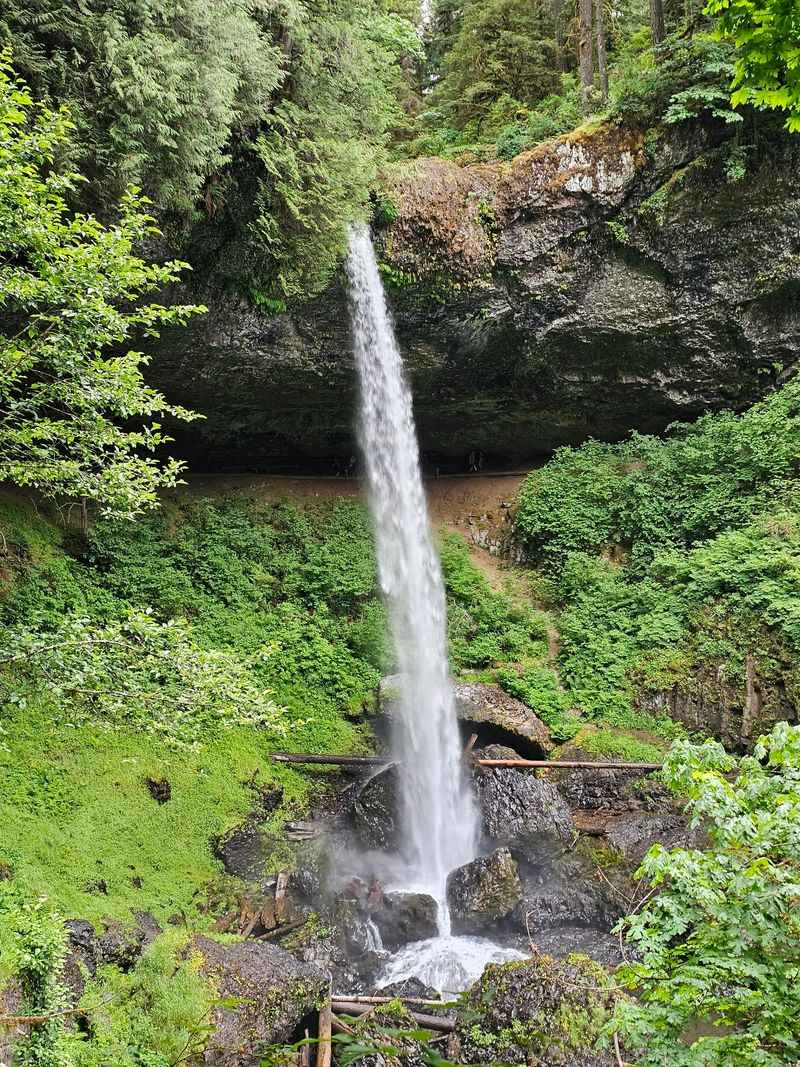
The north end of the park is a little more of a puzzle. Its waterfalls are a big draw, but its parking lot is not.
The North Falls lot is very limited. On a weekend, finding a spot there is unlikely unless arrival is very early or quite late.
The good news is the North Falls trail itself. Much of it is fairly flat and even, with a few ups and downs and some uneven steps.
That makes it workable for people who have trouble walking long distances. One disabled hiker managed it fairly easily with a partner.
A longer route from the north side is another story. One family covered about 6.5 miles in four hours with young kids and called it a day.
North Falls also gets a steady share of attention as a favorite among the ten. A smart plan is to treat this end as a weekday target, when the small lot actually has room to spare.
Where the Crowds Thin Out
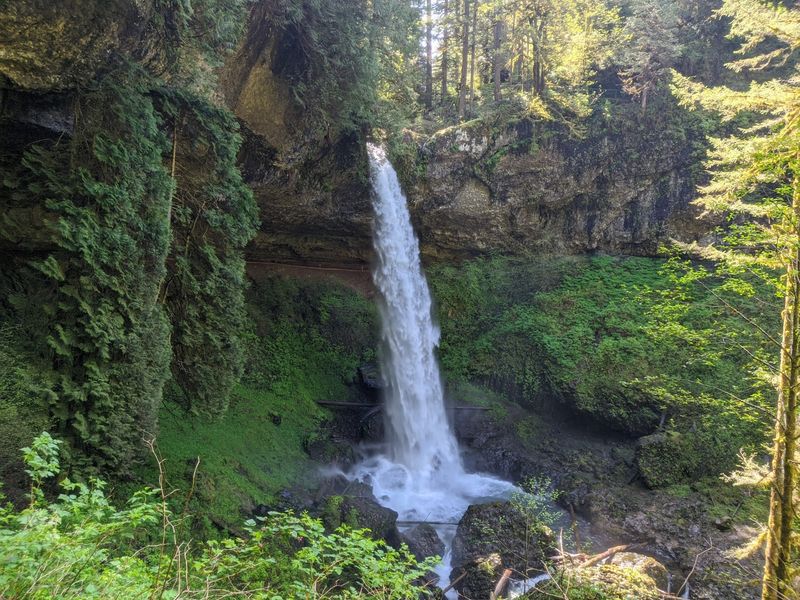
A strange thing happens a short way down the trail. The crowds simply vanish.
Most people only walk to the first waterfall and back. Once past it, the path opens up and the experience turns much calmer.
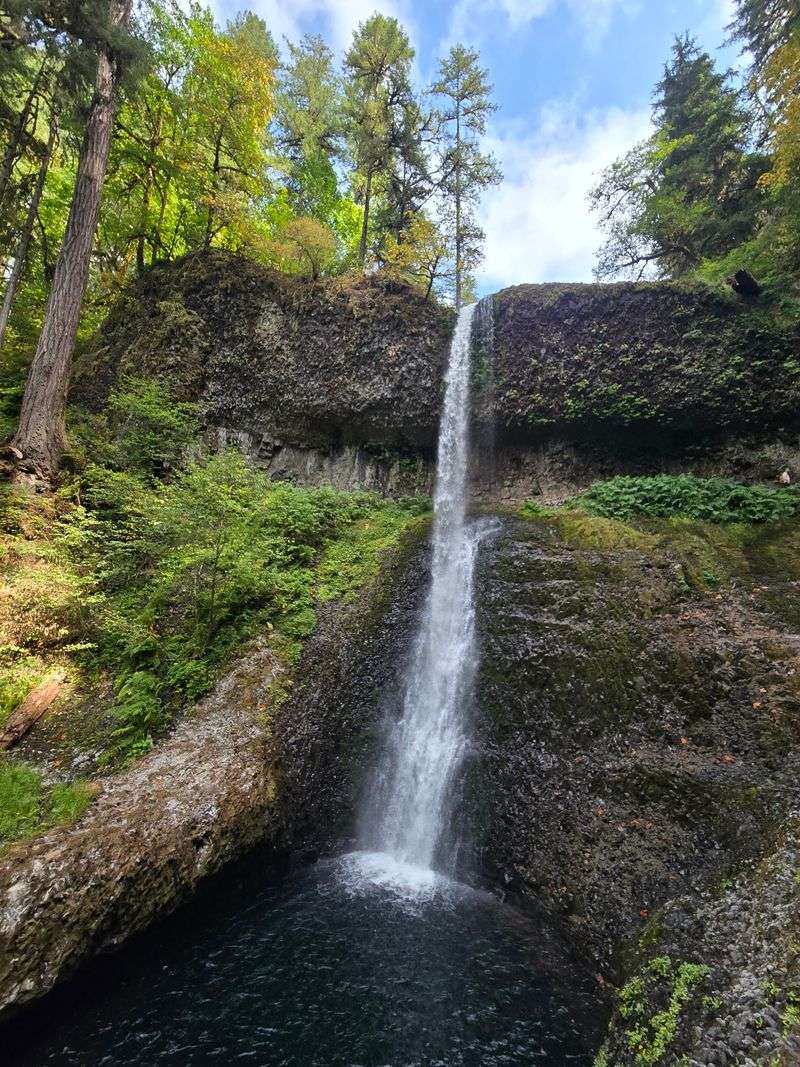
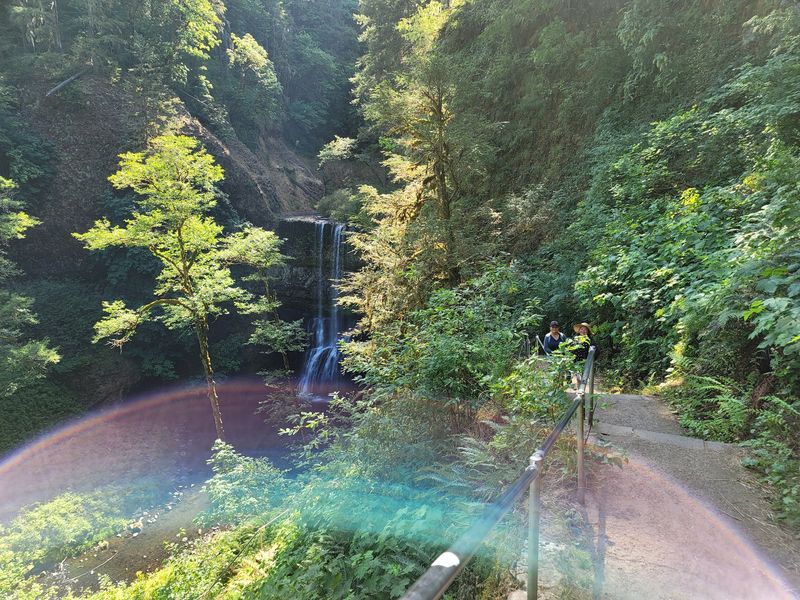
That quieter stretch is where the park shows its slower side. Ferns, moss, tall trees, and streams line the trail through the canyon.
Many describe the setting as a place that invites people to slow down and relax. It suits hikers who want space more than selfies.
Some people also come for nostalgia. Childhood trips here leave strong memories, and the ravens along the trail are part of that picture for some.
Fall adds another layer, with changing leaves along the woods. Pair that with a weekday, and the park feels almost private.
The lesson is easy: the second waterfall is where the real escape begins.
Short Walks and Picnic Spots
Not everyone needs an eight-mile workout. The park has plenty for people who want a shorter outing.
Much of the trail system has easy access from parking lots. Options range from a short stroll to a hike lasting several hours.
A quick South Falls hike is a popular choice. Even self-described non-hikers have made it with decent boots and some determination, though a few parts can feel challenging.
Picnic areas come up often as a reason to visit. They make the park a solid day trip for groups who want to eat outdoors between walks.
Families should plan with care. Young kids can finish longer routes, but they often end up very tired, so shorter segments may suit them better.
Not all trails allow pets, but many do. The full loop is listed as off-limits for pets, so check ahead before bringing a four-legged hiking buddy.
A shorter loop and a long lunch can make for a very good day.
Overnight in the Campground
Day trips are fine, but a few nights here open up the whole park. Spending several days makes it easier to see more without rushing.
The campground earns good marks for being clean, quiet, and friendly. Bathroom and shower rooms stay tidy too.
One big perk is location. Campers can start the hike to South Falls right from the campsite.
That means no scramble for a parking spot in the morning. It also allows early starts before the day crowds roll in.
A March stay worked well for one group that hiked the Canyon, Winter, and Rim Trails. They found the trail manageable, with some stairs and climbs but nothing too difficult.
Staying overnight also gives flexibility around weather and closures. If one trail is blocked, there is time to try another route the next day.
Camping here turns a quick visit into a proper getaway, with the waterfalls just a walk away.
Storm Closures to Check First
Nothing deflates a waterfall trip faster than a closed gate. Storms can and do shut down parts of the park.
Fallen trees and storm damage have closed sections in the past. One group saw seven of the ten falls because of trail closures.
Another hiker arrived with a full photo plan, only to find the access trail to a waterfall closed after a storm the week before. The rest of the day was spent on open paths instead.
Past closures have included parts of the Canyon Trail near Twin Falls and North Falls. Sections of the Rim Trail and North Rim Trail have also been affected.
The fix is simple. Check the official Oregon State Parks website for updated trail closures before leaving home.
Closures happen for safety reasons, and crews work to reopen them. A two-minute check online can save a long drive and a lot of disappointment.
Gear, Maps, and Trail Smarts
Signs are scarce, and the waterfalls are not always marked. That makes navigation a real part of planning.
Cell service is spotty along the trail, including on Verizon. Downloading the AllTrails map before arriving is a smart move that has helped plenty of hikers find their way.
Good footwear matters too. Tree roots, rocky terrain, and occasional muddy spots show up along the route.
Bring plenty of water. There are no restrooms along the trail itself, so plan stops at the trailhead facilities.
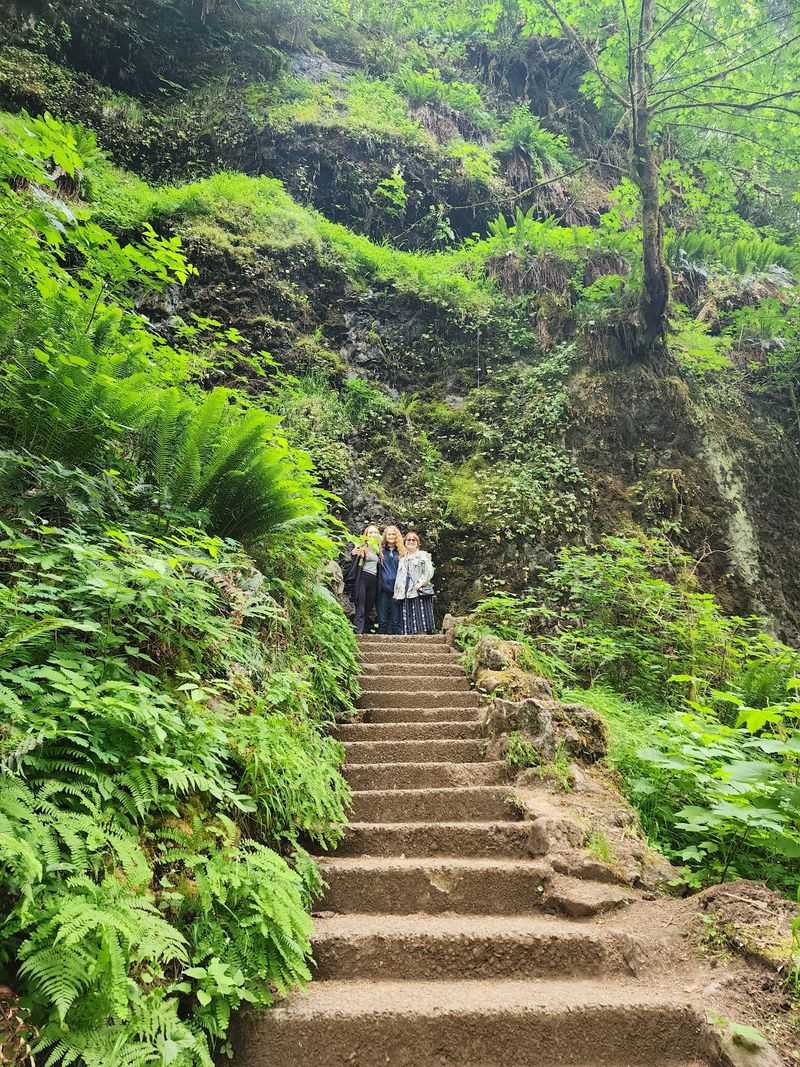
Steeper sections and stairs appear in places. Pacing the hike and taking breaks makes the full loop far more enjoyable.
A little prep also helps in the off-season, when trails can be wetter. Pack layers and leave extra time for slower footing.
The trail rewards the prepared, and a downloaded map is the cheapest insurance in the backpack.
Hours, Parking, and a Fair Verdict
Early birds get more than parking spots here. They get quiet trails, too.
The park is open daily from 8 AM to 7 PM. Arriving just before opening can mean a choice of spaces, while the main lot fills fast by mid-morning.
A large overflow lot helps on busy days. It has still had open spots around noon on a fall weekday.
Parking requires a paid pass. Buying it online saves time at the machine, and the day pass also works at a number of other Oregon State Parks.
So is the hype earned? With ten waterfalls, paths behind the falls, and a loop that keeps delivering, the answer leans strongly toward yes.
The real secret is timing. Skip the peak of summer, aim for spring flow or autumn color, and pick a weekday if possible.
Silver Falls rewards patience, and the payoff is a forest full of waterfalls with room left over to enjoy them.
Enjoyed this story?
Add Fast Food Club as a preferred source to see more of our reporting on Google.