


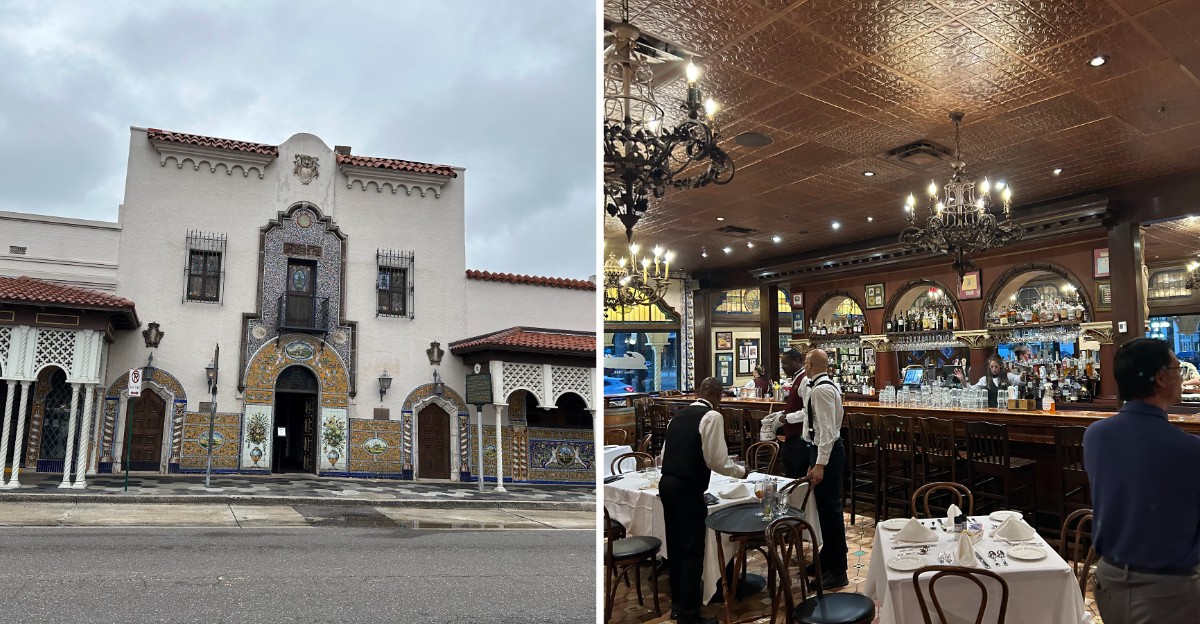
Some Tampa restaurants open and close before anyone learns their name, but one Ybor City dining room has outlasted more than a century of trends. Its roots reach back to 1905, and five generations of the same family have kept it going.
The building has seats for about 1,700 guests, walls covered in handmade tiles, and flamenco dancers on the schedule. Keep reading to learn its story, what to order first, when to go, and how to get a table without a long wait.
An Ybor City Address With a Long Memory
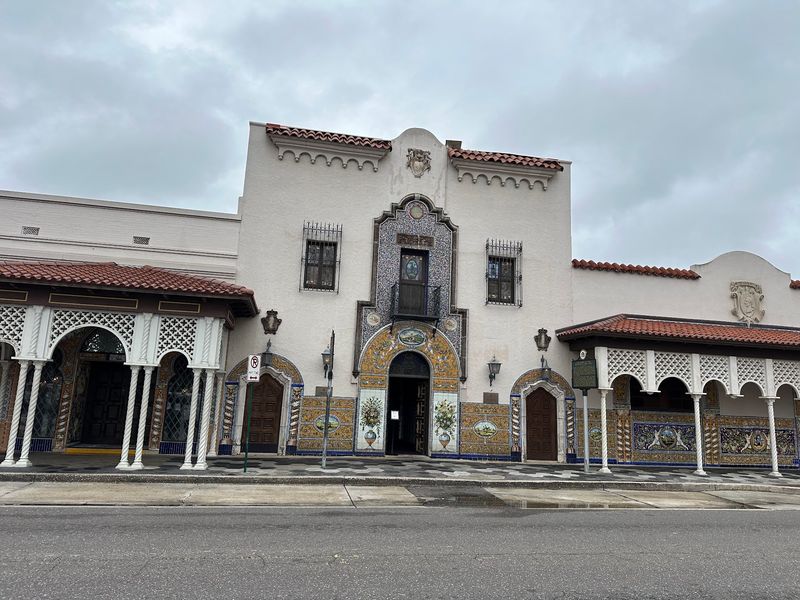
Tampa has plenty of places to eat, but only a few can claim a spot in the state’s history books. Columbia Restaurant is one of them, and it sits at 2117 E 7th Ave, Tampa, FL 33605, in the Ybor City neighborhood of Florida, United States.
The restaurant calls itself a traditional Spanish eatery. Its menu mixes Spanish and Cuban cooking, which suits a neighborhood with deep ties to both cultures.
This Ybor City location is the original home of a local family-run group. Other branches carry the name today, but this address is where the whole story began.
Size is the first surprise for most newcomers. The building can hold roughly 1,700 guests, and it still fills up on busy nights.
Big does not mean touristy here. Plenty of Tampa locals book tables for their own milestones, right alongside travelers who are only in town for a day or two.
Ybor City itself adds to the outing. A walk along the street before dinner is a popular way to warm up for the meal and see a bit of the neighborhood.
So how does a restaurant this large stay this busy for this long? The answer starts well over a century ago.
Roots Planted in 1905
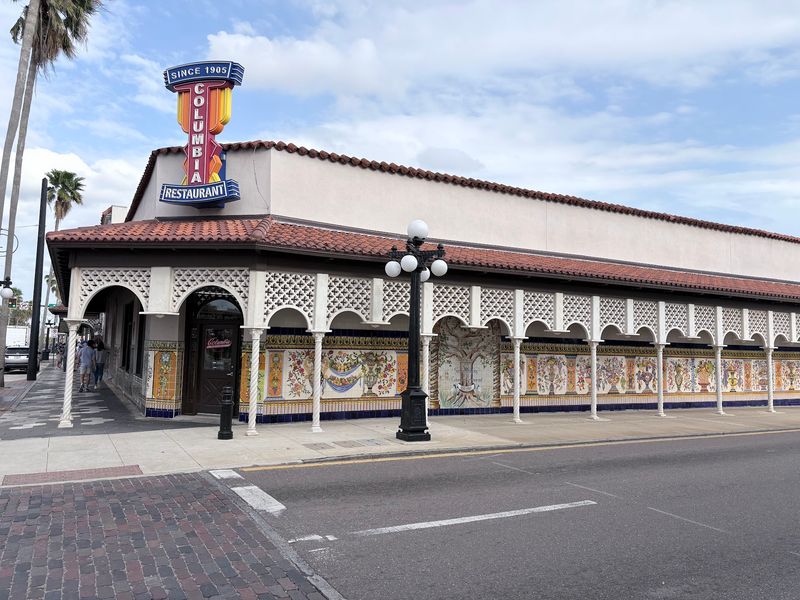
Few Florida restaurants can point to a founding year of 1905. That date is printed right on the ceramics, a small reminder that meals here come with a side of history.
Columbia is widely known as the oldest restaurant in Florida. It has been open for more than 120 years, which means it has fed Tampa through more eras than most cookbooks cover.
The business is still in family hands. More than five generations have kept the doors open, and that continuity shows in how the staff talks about the place.
Many servers are happy to share the backstory while they take orders. For guests who enjoy history as much as a good meal, that combination is a big part of the appeal.
The long timeline also explains the building’s size. Dining rooms were added over the years as the crowds grew, turning a neighborhood spot into a landmark that spans a city block’s worth of seating.
Staying power like this is rare in the restaurant world. Menus change, owners move on, and neighborhoods shift, yet this family kept one address running through all of it.
History is the foundation, but the rooms themselves tell a big part of the story too.
Tiles, Mosaics and a Crystal Chandelier
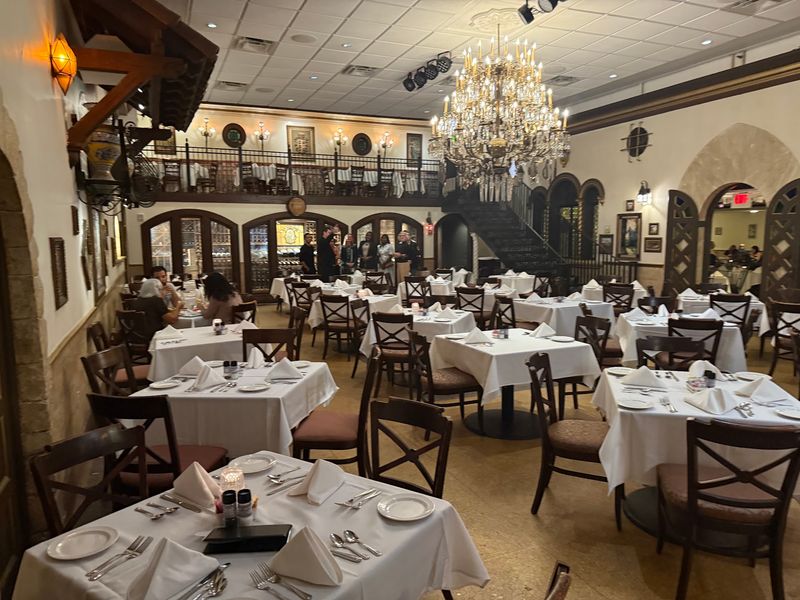
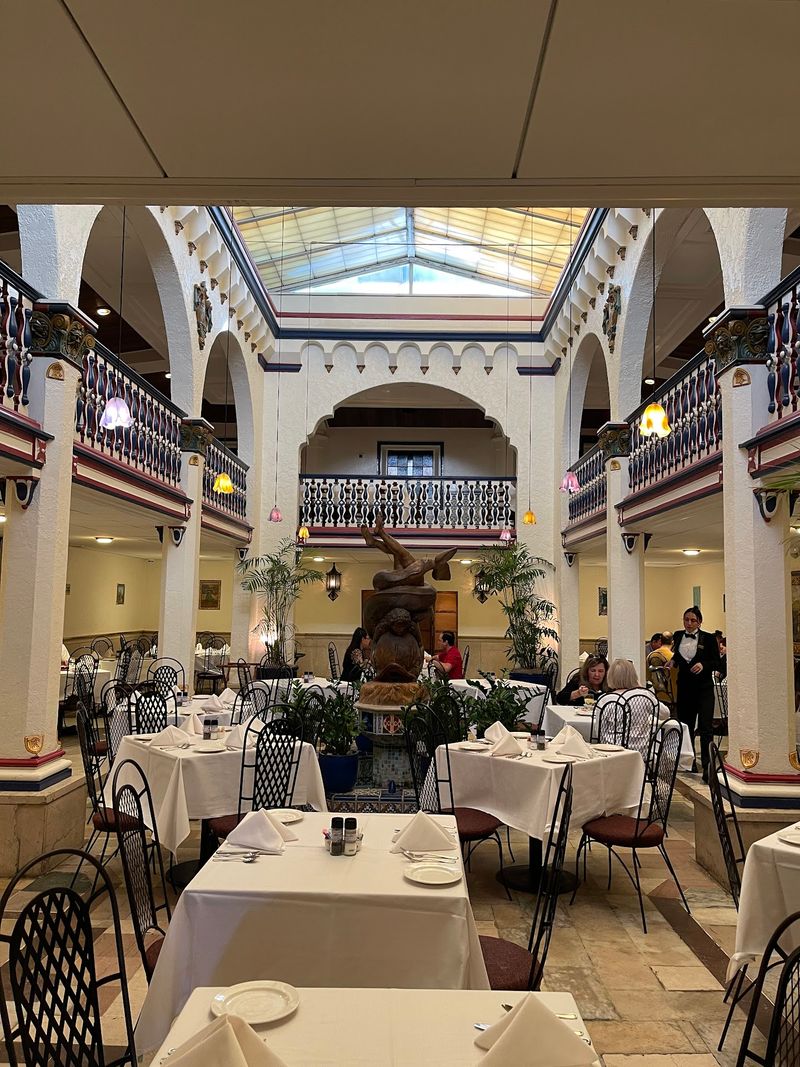
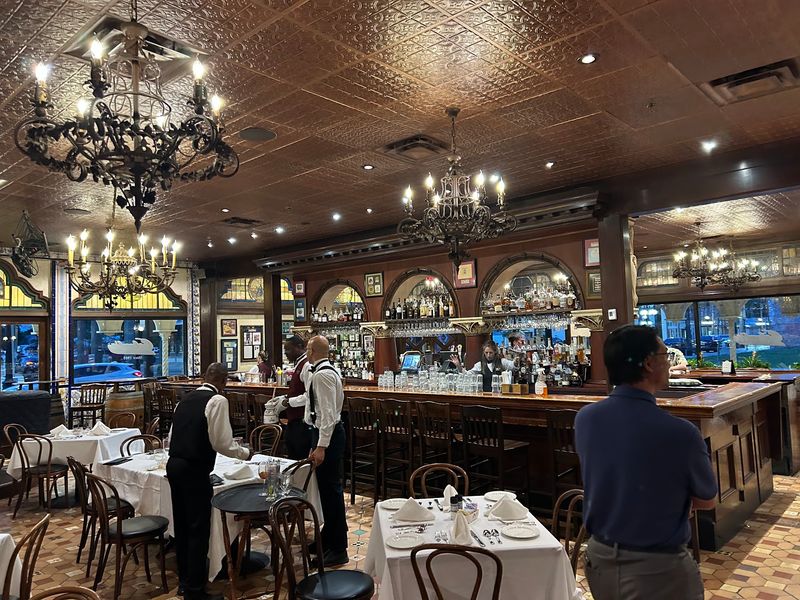
Handmade tiles cover large parts of the building, and they are more than decoration. They are one of the main reasons people linger long after the check arrives.
Fans of Don Quixote get an extra treat. Small pictures and tile mosaics featuring the famous character appear throughout the restaurant, and spotting them becomes a bit of a scavenger hunt.
One of the dining rooms features a giant crystal chandelier. Guests often pass through it on the way to their tables, and it tends to stop people in their tracks.
Some first-timers say they could spend an hour just wandering the halls. With so many rooms and so much detail, that is not much of an exaggeration.
A smart request when booking is a table in one of the historic dining rooms near the tilework. Those spaces carry the strongest old world style in the building.
Tables are set with white linen, which gives even a casual lunch a sense of occasion. The overall effect feels formal without being stiff.
Bring a phone with plenty of storage. Between the mosaics, the chandelier, and the tiled walls, the camera roll fills up fast, and many guests promise to come back just to take more photos.
The Soup That Starts It All
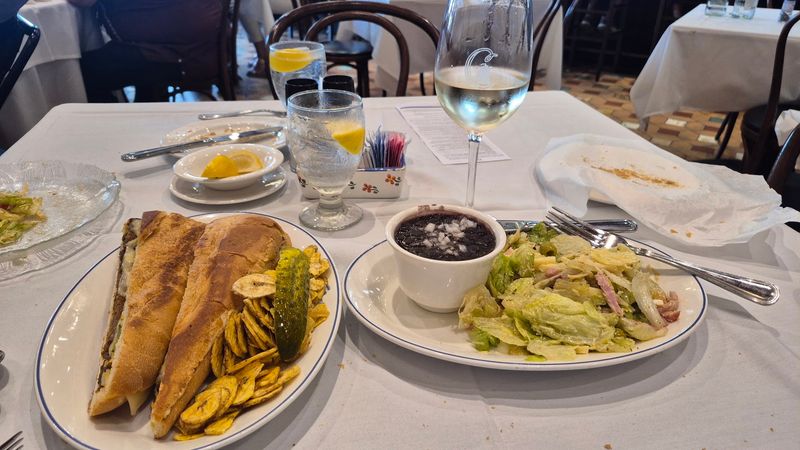
Every classic dining room needs a classic opener, and at Columbia that role belongs to the Spanish bean soup. It has been a familiar part of the menu for generations of Tampa families.
The soup is heartier than many people expect. Even so, it works well as a starter, giving the meal a solid beginning without filling diners up too quickly.
That balance matters here. Portions across the menu run generous and rich, and it is easy to over-order before dessert even comes into view.
A cup or bowl of the bean soup is a sensible way to pace the evening. It leaves room to explore the rest of the Spanish and Cuban dishes without hitting a wall halfway through.
Guests who keep an eye on salt have a simple option. The kitchen is willing to prepare meals to a diner’s liking, so asking for lighter seasoning is a reasonable request.
The soup also connects the table to the restaurant’s long past. Ordering it feels a bit like joining a tradition that has been passed from one generation of diners to the next.
Once the bowls are cleared, the next part of the meal often happens right beside the table.
Tableside Theater on White Linen
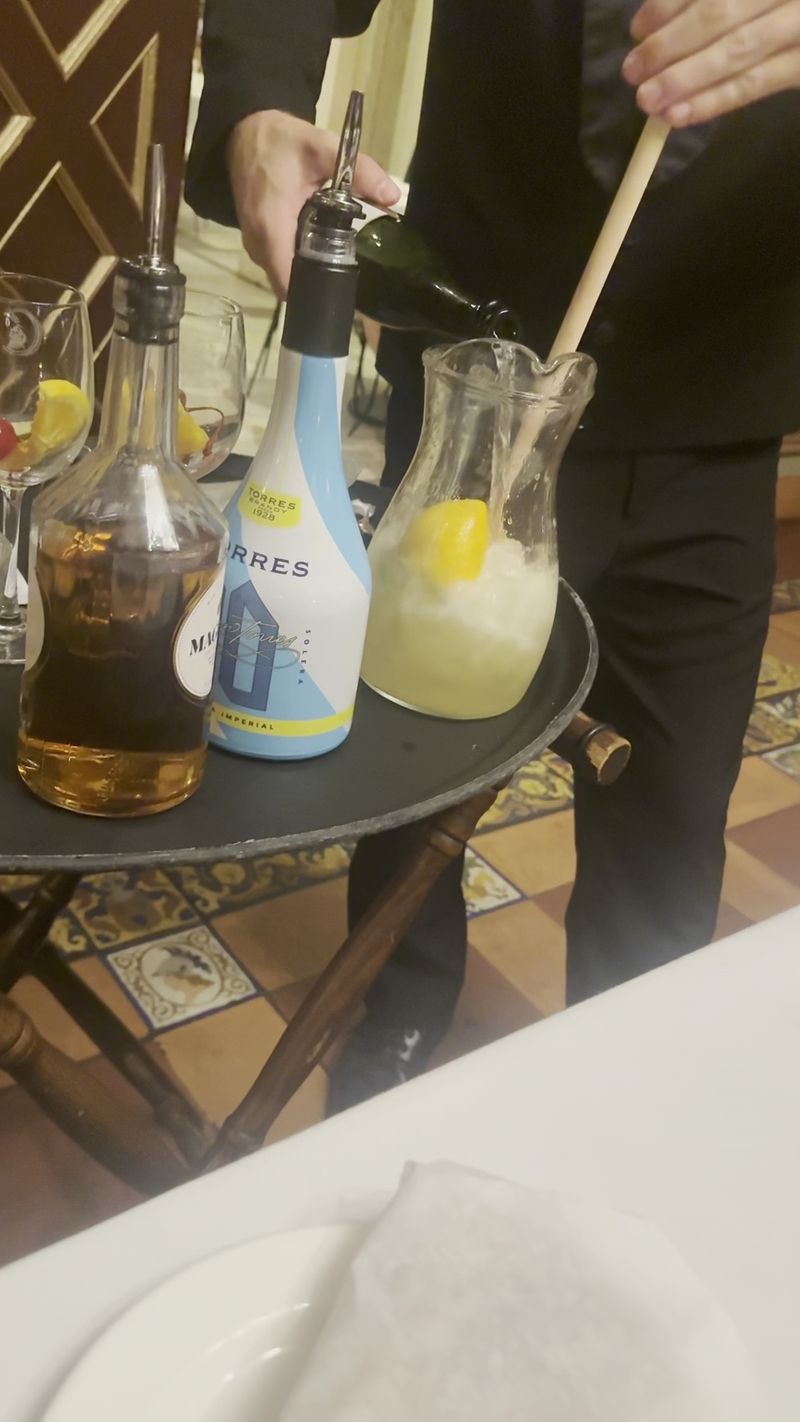
Some restaurants hide all the work in the kitchen. Columbia brings part of the show out to the dining room.
Tableside preparation is a house tradition. Servers assemble certain dishes and drinks right next to the guests, turning a simple order into a small performance.
The headline’s tableside pitcher belongs to that same style. Watching a server build something from scratch a few feet away adds a personal touch that a plate from the kitchen cannot match.
It also slows the meal down in a good way. The dining room has plenty of people coming and going, yet the experience rarely feels rushed.
Many guests end up settling in for a while instead of hurrying through. That relaxed pace suits the setting, with its linen-topped tables and historic rooms.
Kids tend to enjoy the tableside moments as much as adults do. It gives families something to watch and talk about while they wait for the main plates.
Servers are often happy to explain what they are making and how the tradition started. Asking a question or two can turn the preparation into a quick history lesson, which leads nicely into the restaurant’s other famous performance.
Flamenco on the Evening Schedule
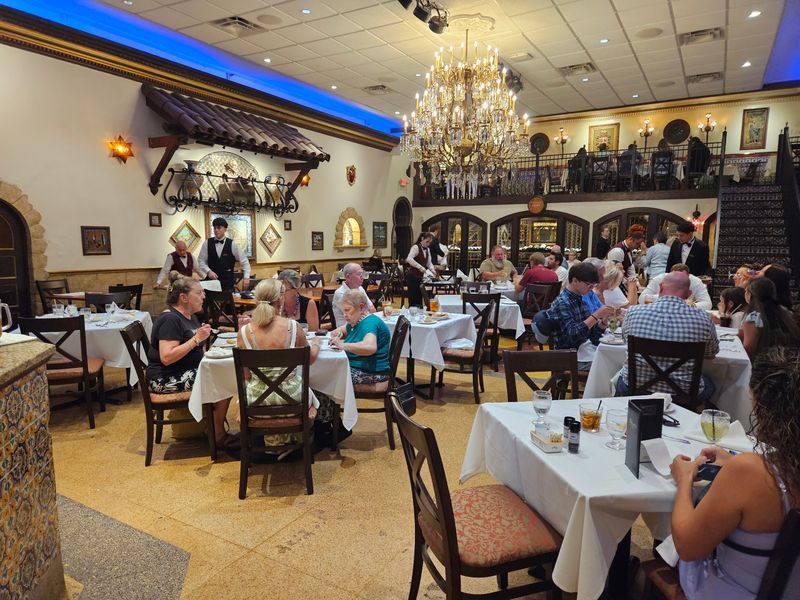
Dinner and a show usually means two stops. At Columbia, both happen in the same room.
The flamenco show is one of the most talked-about parts of a visit. The dancers are highly skilled, the costumes are striking, and the live music ties the performance together.
For many guests, the show is a chance to see a piece of the culture that shaped Ybor City. It connects the meal to the Spanish heritage behind the restaurant.
Planning ahead makes a big difference. The best approach is to make a reservation and book a table that includes the show, so dinner and the performance line up smoothly.
Families enjoy it, couples plan date nights around it, and even guests who came mainly for the food often leave talking about the dancing first.
The show is also one of the reasons the dining room stays so lively after dark. It gives the evening a natural high point, somewhere between the soup and dessert.
Schedules can change, so checking the restaurant’s website before booking is a good idea. Seats for show nights can go quickly, especially on weekends, and the music does not stop when the dancers take a bow.
Live Music and a Packed House
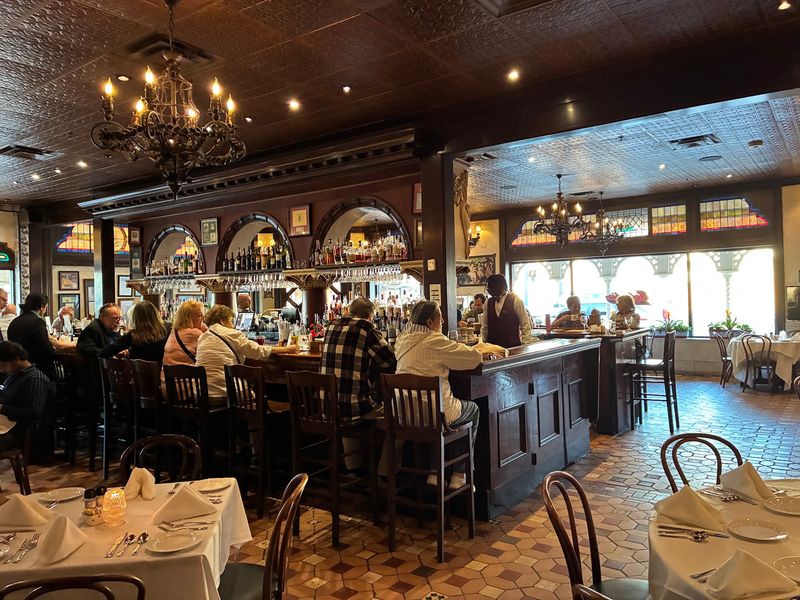
Quiet corners are hard to find on a busy night, and that is part of the charm. The whole building runs on energy, with full tables and staff moving in every direction.
Live music adds to the mood. A band often plays in one area of the restaurant, and there is live music near the counter seating as well.
The front counter area is open and roomy. It is a popular choice for solo diners and anyone who wants a meal with a view of the action.
Noise is the tradeoff. During peak hours, the grand dining rooms can get loud, which may make quiet conversation a challenge.
Guests hoping for a calmer meal can aim for earlier lunch hours. Midday tends to be a more relaxed time to explore the menu and the rooms.
Even at its busiest, the place rarely feels hurried. Many people end up staying longer than planned, enjoying the music and the crowd.
That mix of history and liveliness sets it apart from more formal landmarks. It is a historic building, but it is very much a working, bustling restaurant, and the people running it play a big role in that.
Servers Who Double as Tour Guides
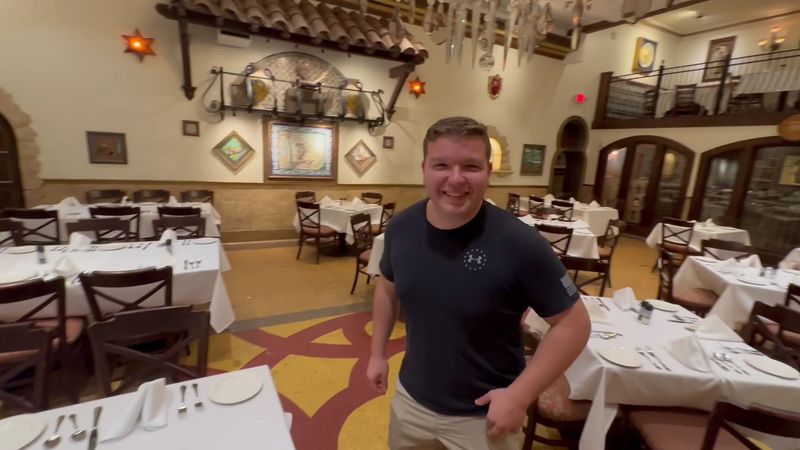
Plenty of servers can recite the specials. At Columbia, many can also recite a century of history.
Staff members are known for sharing stories about the restaurant while they check on tables. Those conversations make the meal feel personal, even in a building this large.
Some guests even get a short tour. Servers and managers have been known to walk diners through parts of the building and explain the decor and its background.
Menu guidance is another strength. With so many choices, asking a server for suggestions is the easiest way to find new favorites, and the team encourages it.
Attentive service comes up again and again. Staff often notice what a table needs before anyone asks, which helps a big dining room feel smaller.
There is also a gift shop on site. After the meal, many people browse for a small keepsake to take home from their visit.
Here is a fun bit of trivia to ask about: the restaurant is widely called the oldest in Florida. Getting a staff member’s take on that claim can spark a great conversation, and it often leads into talk about the celebrations the team handles every day.
Birthdays, Big Groups and Dressed-Up Evenings
Special occasions seem to find their way to this address. Birthdays, anniversaries, and family gatherings fill many of the tables on any given night.
The staff goes out of its way to mark the moment. Kitchen teams have gathered to sing happy birthday, and hosts have left cards signed by the staff right on the table.
Large groups are easy to fit in. With room for about 1,700 guests, the restaurant can handle big parties that smaller places would struggle to seat.
Locals often dress up for their visits. It is common to see people dressed to the nines celebrating milestones, which gives the room a festive feel.
That said, nobody needs formal clothes to enjoy a meal here. Families with kids, friends on a road trip, and solo travelers all fit in comfortably.
History fans get a lot out of the visit too. The building, the stories, and the long family legacy make it a strong pick for anyone curious about Tampa’s past.
Letting the restaurant know about a celebration when booking is a smart move. It gives the team a chance to plan a small surprise, and it also helps when timing a visit around the crowds.
Timing Your Table
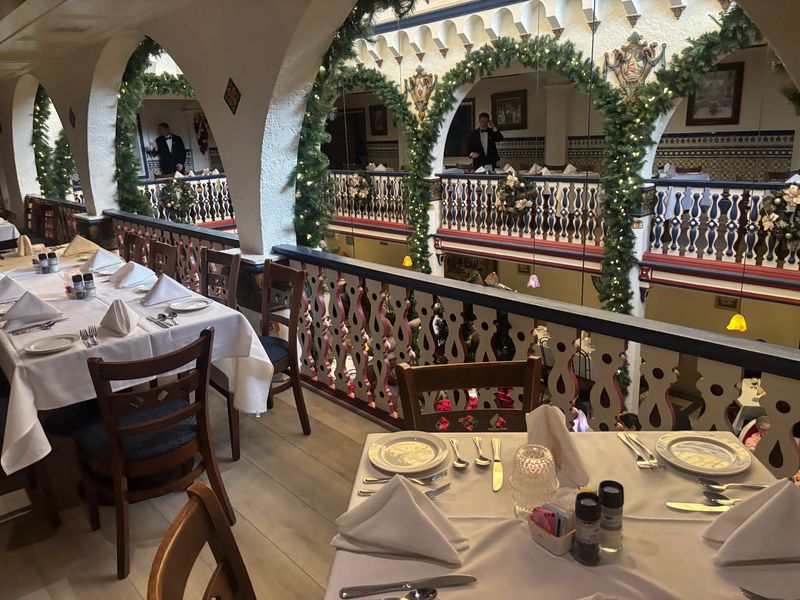
Walking in without a plan can work, but it is a gamble. Even with its huge seating capacity, the restaurant gets very busy.
Reservations are strongly recommended. Waits of around 45 minutes are not unusual, and on peak nights they can stretch longer for walk-in guests.
The hours make planning fairly simple. Columbia opens at 11 AM every day of the week.
From Sunday through Thursday, it closes at 9 PM. On Friday and Saturday, it stays open a little later, until 10 PM.
Lunch is a good option for anyone who wants a slower pace. Midday meals give more time to wander the dining rooms and look at the tilework without big evening crowds.
Evenings bring the flamenco show and livelier energy. Those nights are worth booking well in advance, especially on weekends.
Arriving a little early is a smart habit. It leaves time for a stroll down the block or a look around the building before sitting down.
Hours can change for holidays or special events, so checking the official website before heading out is always wise. With timing sorted, the next question is how to get there.
Parking, Train Rides and What to Budget
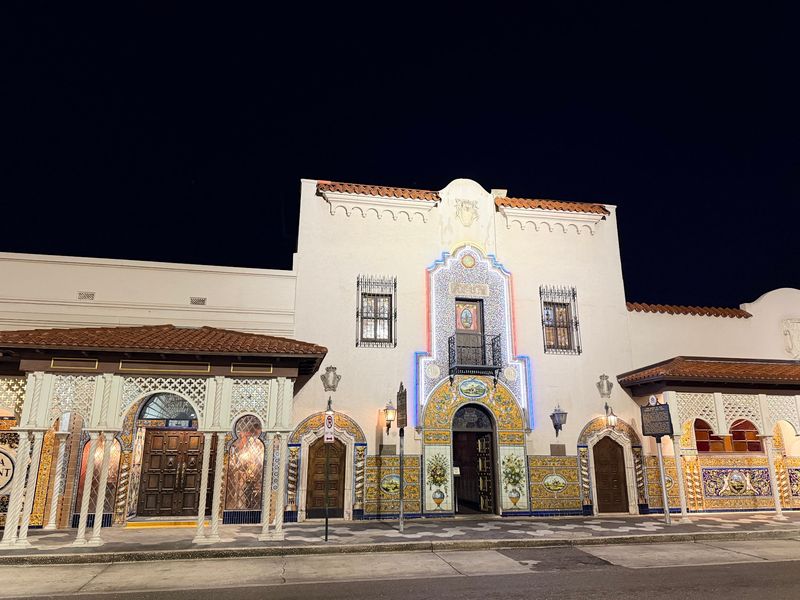
Getting to Ybor City is easier than many travelers expect. The restaurant works well for drivers and for those staying downtown.
Drivers will appreciate the restaurant’s own parking area in front of the building. The area is well lit, which is reassuring after a late dinner.
Guests staying in downtown Tampa have another choice. It is possible to take the train into Ybor City and then walk a couple of blocks to the front door.
That short walk is part of the fun. It offers a quick look at the neighborhood before dinner, and it can make the evening feel more like an outing than a simple meal.
Budget is fairly flexible. Most meals fall in the range of about $20 to $60 per person, depending on how many courses end up on the table.
Many guests feel the prices are fair for the experience. Generous portions, historic rooms, and entertainment all come with the same visit.
Sharing is a practical way to manage costs. Since dishes run large, splitting a few plates lets a group try more without overspending.
More details, including menus and booking options, are available on the restaurant’s official website at columbiarestaurant.com.
A Century-Old Table Still Worth Booking
Old restaurants sometimes coast on their reputation. Columbia keeps earning its crowds instead.
The appeal comes from many pieces working together. There is the family history reaching back to 1905, the tiled rooms, the flamenco nights, and a staff that treats guests like part of the story.
It is not a perfect fit for every mood. Busy nights can be loud, and waits without a reservation can test anyone’s patience.
For a quiet, quick bite, another spot might suit better. For a celebration, a history-filled lunch, or a first taste of Ybor City, few places offer this much in one stop.
A good plan is simple. Book ahead, start with the Spanish bean soup, leave time to explore the building, and do not rush the evening.
First-time guests often leave already planning a return trip. Regulars keep coming back for the same traditions they grew up with, and that loyalty says a lot.
More than 120 years after it opened, the restaurant still feels like a place where Tampa gathers. That may be the best measure of a true institution, and it is a reason to pull up a chair and become part of the next chapter.
Enjoyed this story?
Add Fast Food Club as a preferred source to see more of our reporting on Google.