


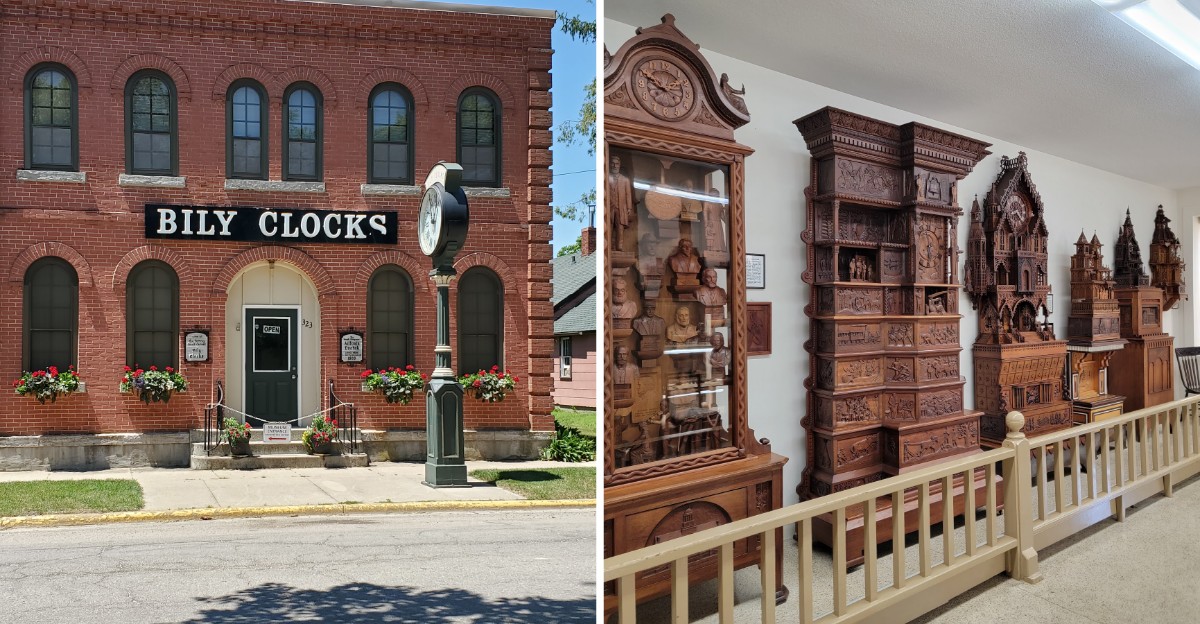
Two brothers in a small Iowa town spent their spare hours carving wood, and they never took the hobby lightly. Their clocks grew so large and so detailed that one stands about 10 feet tall, taller than any grown man who stops to look at it.
They had only a fifth grade education, yet the story goes that they turned down an offer of one million dollars for a single clock. The building that holds these treasures has its own surprise, because a world-famous composer once lived upstairs.
Spillville may be tiny, but this stop packs craftsmanship, music history, and a one-room schoolhouse into one visit. Keep reading to learn the story, what the tour covers, when the doors open, and why this small-town museum keeps drawing people off the main road.
A Brick Treasure Box on South Main Street
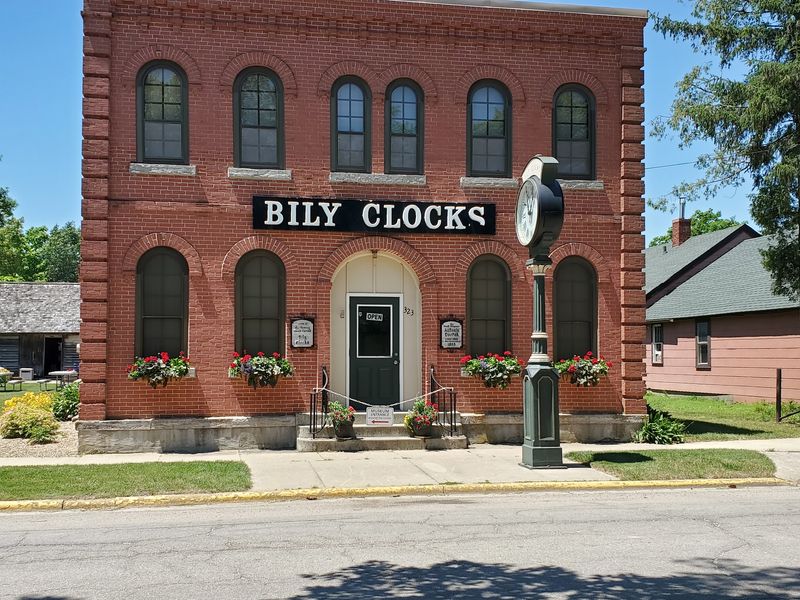
Small towns rarely announce their biggest surprises with flashing signs. In Spillville, the surprise sits inside a modest two-story brick building on the main road through town.
The Bily Clocks Museum & Antonín Dvořák Exhibit is found at 323 S Main St, Spillville, IA 52168, in northeast Iowa. It is a museum with two stories of history stacked on top of each other.
The ground floor belongs to the clocks, the life work of two local brothers. Upstairs, the focus shifts to Antonín Dvořák, the Czech composer who lived in this very building during his stay in 1893.
An addition was built onto the original house to hold a gift shop. Out back stands a one-room schoolhouse that was already there when the composer lived in town.
The surrounding neighborhood still holds onto much of its original character. That makes the whole block feel like a page from an older Iowa story rather than a modern attraction.
The drive into town is part of the appeal, too, since the roads leading here are known for being pretty and peaceful. It is the kind of detour people plan around once they hear what waits inside.
So the address may be simple, but the contents are anything but ordinary. Time to meet the men behind the clocks.
Two Brothers, One Remarkable Hobby
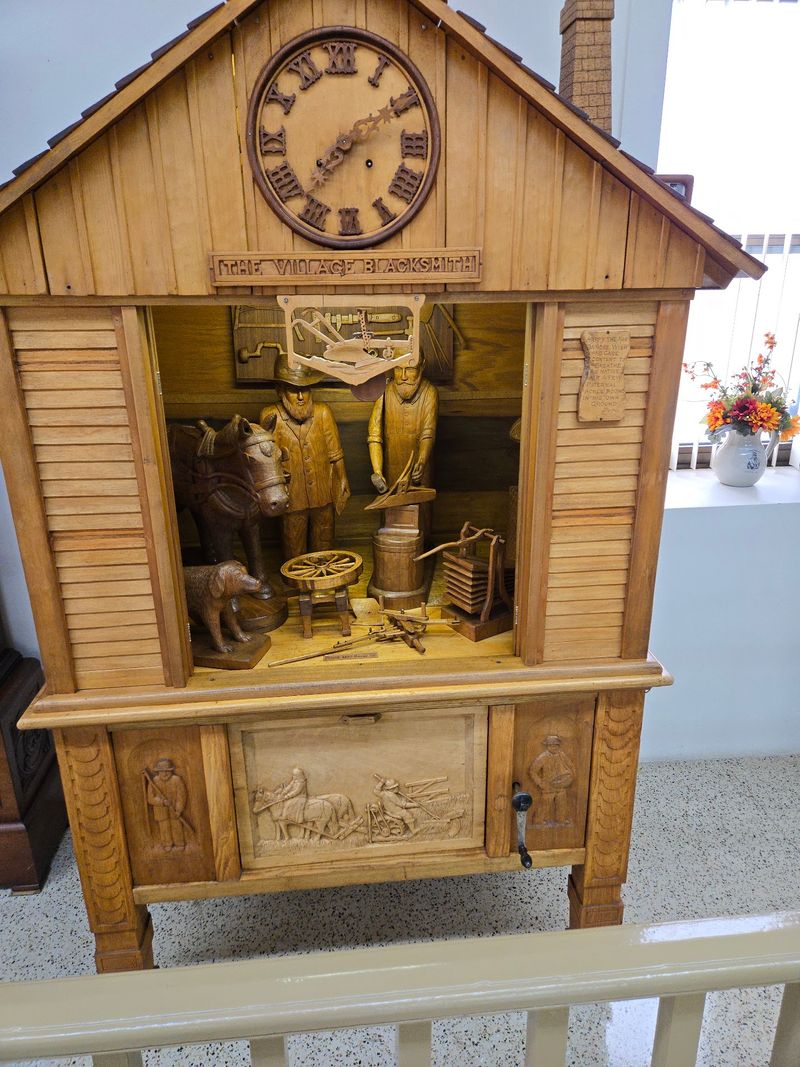
Frank and Joseph Bily were not trained artists. They were Iowa farm brothers with schooling that stopped at the fifth grade.
What they did have was patience and a shared passion for carving. In their spare time, they turned blocks of wood into towering clocks covered in detail.
Their family story ties into a bigger chapter of Iowa history. Bohemian and Czech immigrants settled this area and built new lives in a new country, and the brothers came out of that community.
Here is the part that tends to stop people in their tracks. The brothers reportedly turned down an offer of one million dollars for just one of their clocks.
They chose to keep their work together rather than cash in. That decision is a big reason the collection can still be seen in Spillville today, where it has been on display since 1946.
Guides share the details of their lives during the tour, and the brothers’ personal story often ends up being a highlight. It is a tale of family loyalty as much as woodworking skill.
Not bad for a pastime that started at the kitchen table, so to speak. Their timing, it turns out, was impeccable.
Clocks That Tower Over the Room
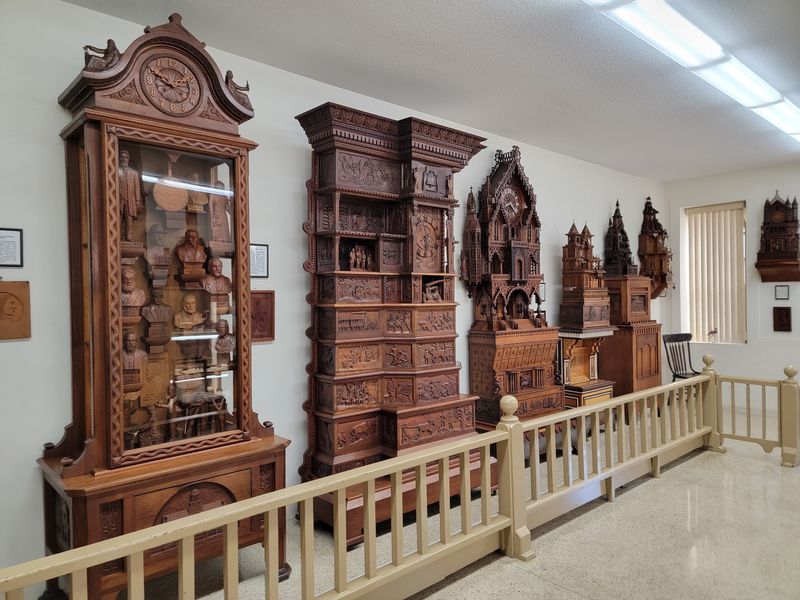
Ten feet. That is roughly how tall one of the largest Bily clocks stands, which explains the claim about clocks bigger than a man.
The size grabs attention first, but the carving holds it. Every surface is packed with intricate work, and many people leave wondering how two hobbyists found the time.
Wood carving is the subject people bring up most when talking about this place. The craftsmanship is described as good enough to stand beside pieces in major museums around the world.
These are not dusty relics behind glass, either. The clocks are well maintained, and some of them still play their tunes.
The collection is large, with many clocks spread through the ground floor. Each one has its own design and its own story, so it pays to slow down rather than rush past.
Keep in mind that this is an attraction built around craftsmanship more than a polished, high-tech museum layout. That down-to-earth setup suits the homegrown story perfectly.
Every clock in this room was made by the same two pairs of hands. Once that fact sinks in, the scale of the achievement starts to feel even bigger than the clocks.
Why the Guided Tour Matters
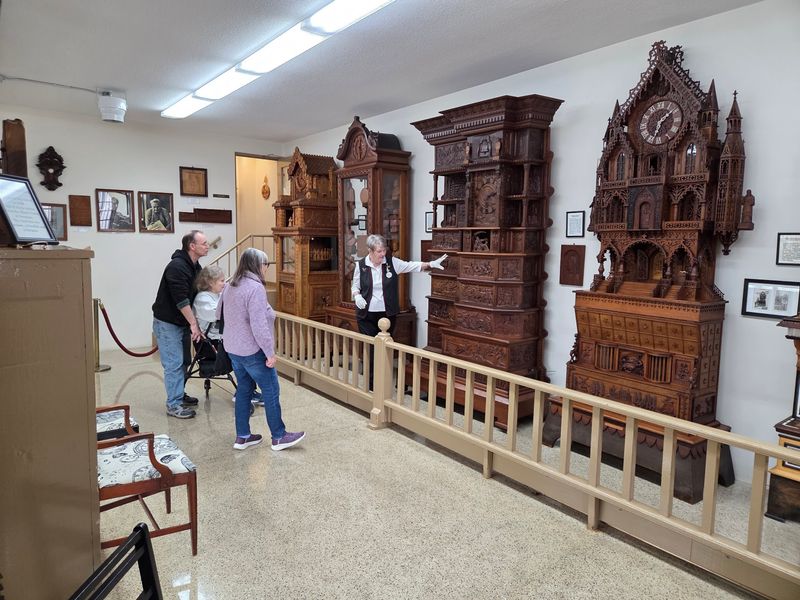
Reading the signs on your own is possible. Waiting for the guided tour is the smarter move, and that advice comes up again and again.
Guides here are known for being informative, and many clearly care about the clocks and the town’s history. Some tours are led by two guides together, sharing details back and forth.
The tour covers more than names and dates. Guides demonstrate some of the clock workings, so you get to see how the mechanisms operate instead of just admiring the outside.
They also fill in the lives of the Bily brothers. Those personal stories turn a room of beautiful objects into something easier to connect with.
Families tend to do well here. Guides have a reputation for engaging kids, which helps younger guests stay interested from one clock to the next.
Presentation styles can vary from guide to guide. Still, the depth of knowledge is consistent, and the mix of facts and demonstration makes the visit far richer.
Bottom line, the clocks are impressive alone, but the tour gives them a voice. Waiting a few minutes for the next group is time well spent.
Upstairs With a Famous Composer
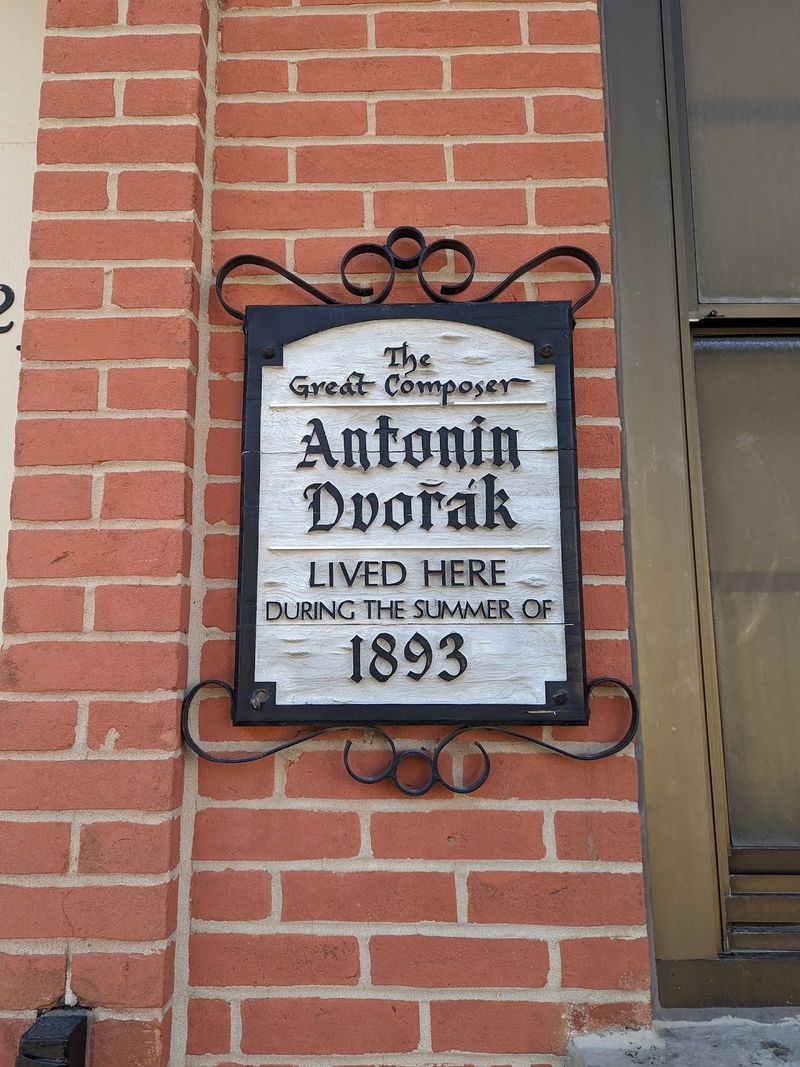
In the summer of 1893, Antonín Dvořák and his family moved into the second story of this building. A world-renowned composer, living above Main Street in a small Iowa town.
That upper floor now tells his story. The exhibit includes artifacts from his time here, along with two organs and a violin that Dvořák played during his stay.
He grew fond of Spillville, and the town left a mark on his music. He is said to have heard distinctive bird songs here that he echoed with flutes, clarinets, French horns, and violins.
Those musical ideas connect to his famous Ninth Symphony, known as From the New World. It premiered in New York City in late 1893 and has been performed countless times since.
Classical music fans often call this floor their favorite part of the visit. Even casual listeners tend to find it moving to stand where the composer spent that summer.
More clocks appear upstairs too, though these were collected by the brothers rather than made by them. Other eclectic collections round out the space.
One building, two very different legacies. Few small-town museums can claim that kind of double feature.
Schoolhouse Out Back and Other Extras
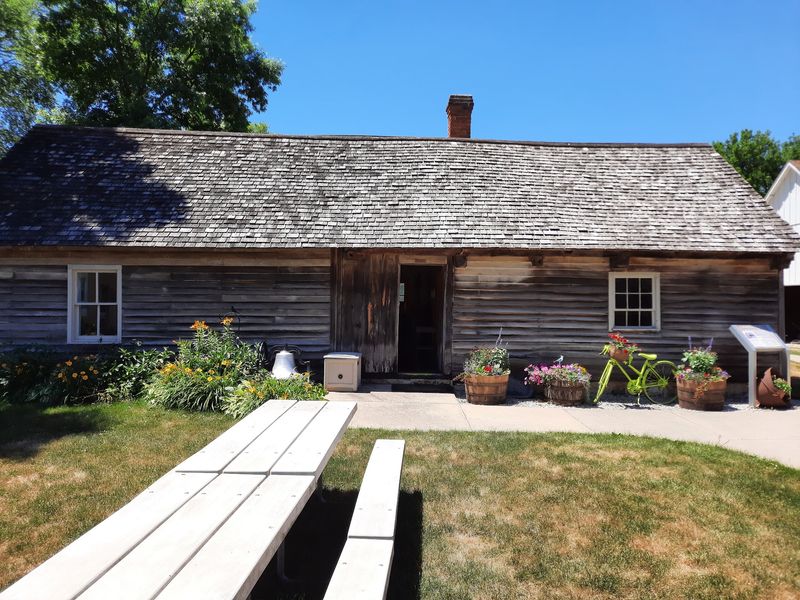
Don’t leave once the clocks are done. Behind the museum sits a one-room historical schoolhouse that adds another chapter to the visit.
The little schoolhouse was already standing when Dvořák lived in town. It offers a look at how local children learned in an earlier era.
Other outbuildings on the grounds are worth a quick look as well. They help round out the picture of everyday life in this corner of Iowa.
Then there is the gift shop, housed in the addition built onto the original house. It carries a solid selection for anyone wanting a souvenir to bring home.
Parking is easy, with plenty of room behind the museum. That makes the stop simple even for travelers passing through on a road trip.
Spillville itself is small and charming, with streets that still feel original. A short stroll after the tour fits naturally into the day.
These extras might not headline the brochure. They do give the visit a fuller shape, turning a museum stop into a small-town outing.
Hours, Admission, and Timing Tips

Plan carefully, because this museum keeps a short weekly schedule. Doors open Wednesday through Saturday from 10 am to 4 pm.
Sunday, Monday, and Tuesday are closed. Showing up early in the week means peeking through the windows and nothing more.
A full visit usually takes about an hour or two. The exact time depends on how deep your interest runs in clocks, music, and state history.
Admission is charged, and many see it as a fair price that helps keep the museum running. A few folks feel the cost is high for the length of the visit, so expectations matter.
Arriving well before closing gives you time for a full guided tour. It also leaves room to explore upstairs and the schoolhouse without rushing.
The second floor may not be accessible for those with mobility needs. Checking ahead through the museum website at bilyclocks.org is a good idea for anyone with concerns.
A little planning goes a long way here. Get the timing right and the whole experience falls neatly into place.
Worth the Detour to Spillville
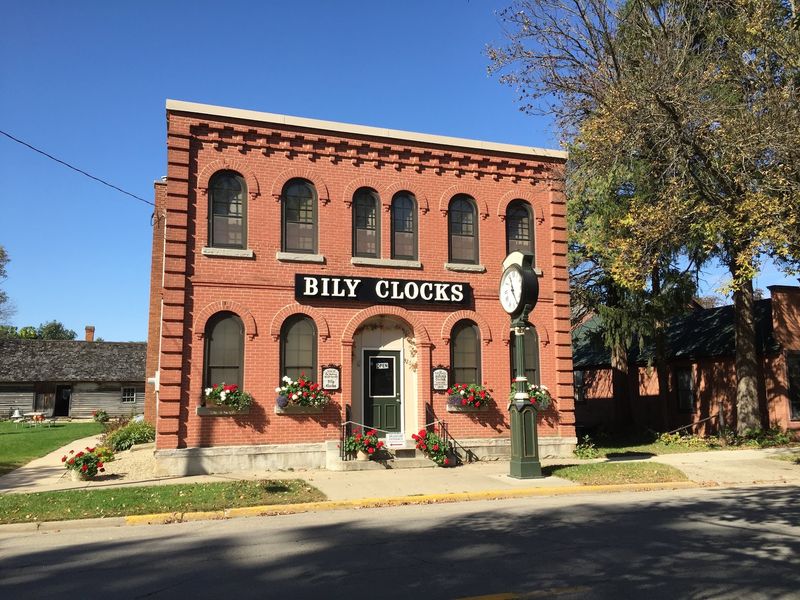
Some detours are a gamble. This one tends to pay off, with many calling it a must-see for anyone traveling through northeast Iowa.
The museum is not a giant, polished institution. Its strength lies in the story of two brothers, a remarkable collection, and a composer’s unforgettable summer.
Craftsmanship fans will find plenty to study in the carvings. History lovers get a window into Czech and Bohemian immigrant life in Iowa.
Music lovers have the Dvořák rooms upstairs. Families can count on guides who know how to keep kids involved.
The town adds its own easygoing charm, and the drive in makes the trip feel like part of the adventure. It is an off-the-beaten-path stop with a surprisingly big reach.
Since 1946, these clocks have kept time for curious travelers willing to slow down. Two brothers chose to keep their work at home instead of selling it, and Spillville is richer for that choice.
Set aside a weekday morning or a Saturday afternoon. These clocks have been waiting patiently, and they are in no hurry to stop ticking.
Enjoyed this story?
Add Fast Food Club as a preferred source to see more of our reporting on Google.