


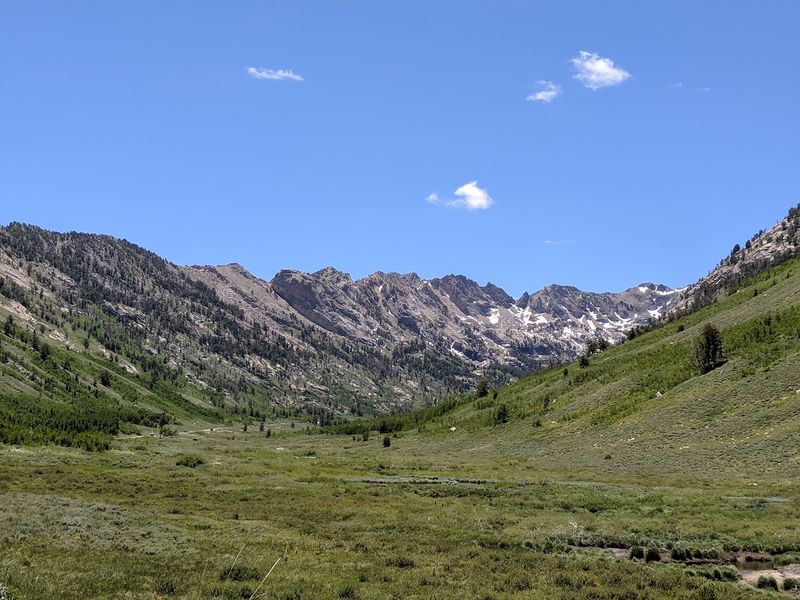
Most people crossing northeastern Nevada expect sagebrush, long highways, and not much else. Then a short drive out of Elko changes the whole story.
Jagged summits wear snow even in mid summer, waterfalls spill down granite walls after the melt, and beavers quietly engineer ponds along the creek below. The strangest part is how empty it often feels.
Some hikers report having an entire trail almost to themselves on a good day. Nicknames for this place compare it to Switzerland and Yosemite, yet it rarely shows up on crowded bucket lists.
Keep reading for the trails worth the effort, the best seasons to go, the camping options, and the winter road warnings every driver should know before heading up the canyon.
A Glacier-Carved Canyon Near Elko
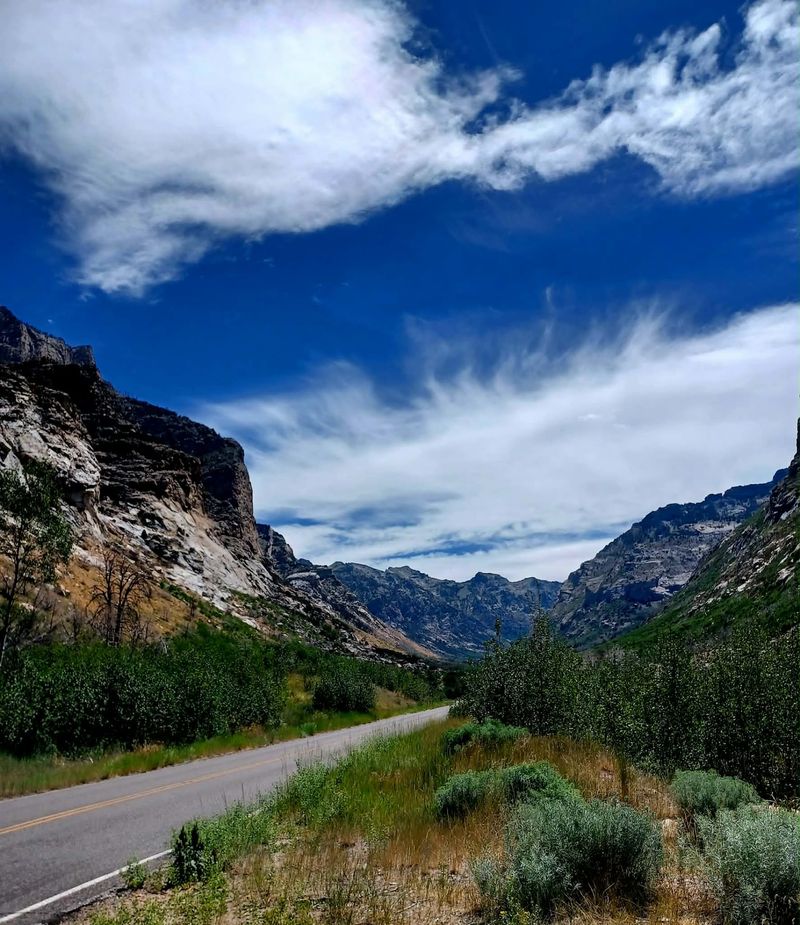
Nevada keeps a surprise tucked into its northeast corner, and it goes by the name Lamoille Canyon. The canyon sits in the Ruby Mountains, with an address of Nevada 89828, USA.
It is classified as a ravine, but that word undersells it. The canyon was carved by glaciers, which left behind a classic U-shaped valley.
Jagged peaks line both sides. Hanging meadows cling to the slopes above the canyon floor.
Getting there does not require an expedition. The canyon is a short drive from Elko, which makes it an easy addition to a road trip through the region.
People have made the trip from Reno and Salt Lake City and called it worth every mile. Some travelers come from across the country.
The canyon pulls a 4.8-star average from 74 opinions on Google Maps, an impressive mark for a spot so few outsiders seem to know about.
A road winds up through the valley and ends at a cirque, the bowl-shaped head of the old glacier. Several trailheads branch out from the parking lot there.
That is the basic layout. The details are where things get interesting.
The Alps of Nevada Nickname
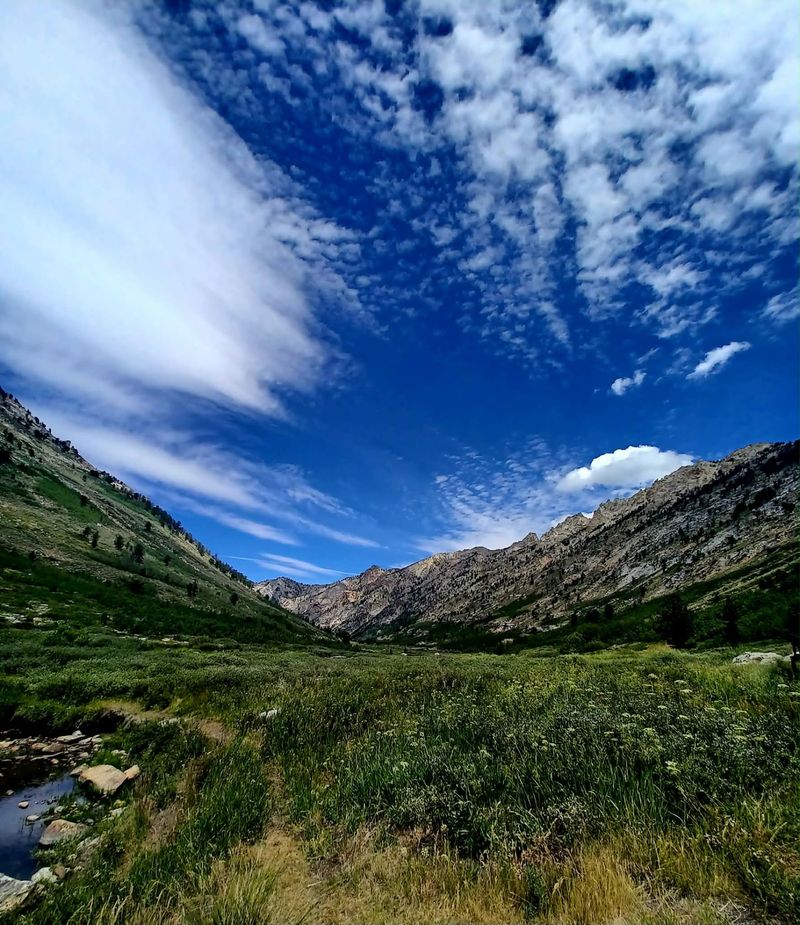
Nicknames tend to get handed out generously, but this one has earned its keep. Lamoille Canyon is often called the Alps of Nevada.
Others go with Little Switzerland. The comparison comes up again and again among people who hike here.
The reason is simple enough. Sharp peaks, alpine lakes, and meadows look nothing like the desert most people associate with the state.
Yosemite gets name-checked as well. The difference, according to those who have seen both, is the lack of crowds.
Some call the canyon an oasis valley in the Nevada desert. That label fits, given the streams and greenery packed into the valley floor.
Many first-timers admit they did not expect this part of Nevada to look this way. The surprise is part of the appeal.
Of course, a nickname only goes so far. The real test is the trail, and the canyon passes it with ease.
Snow That Lingers Into Summer
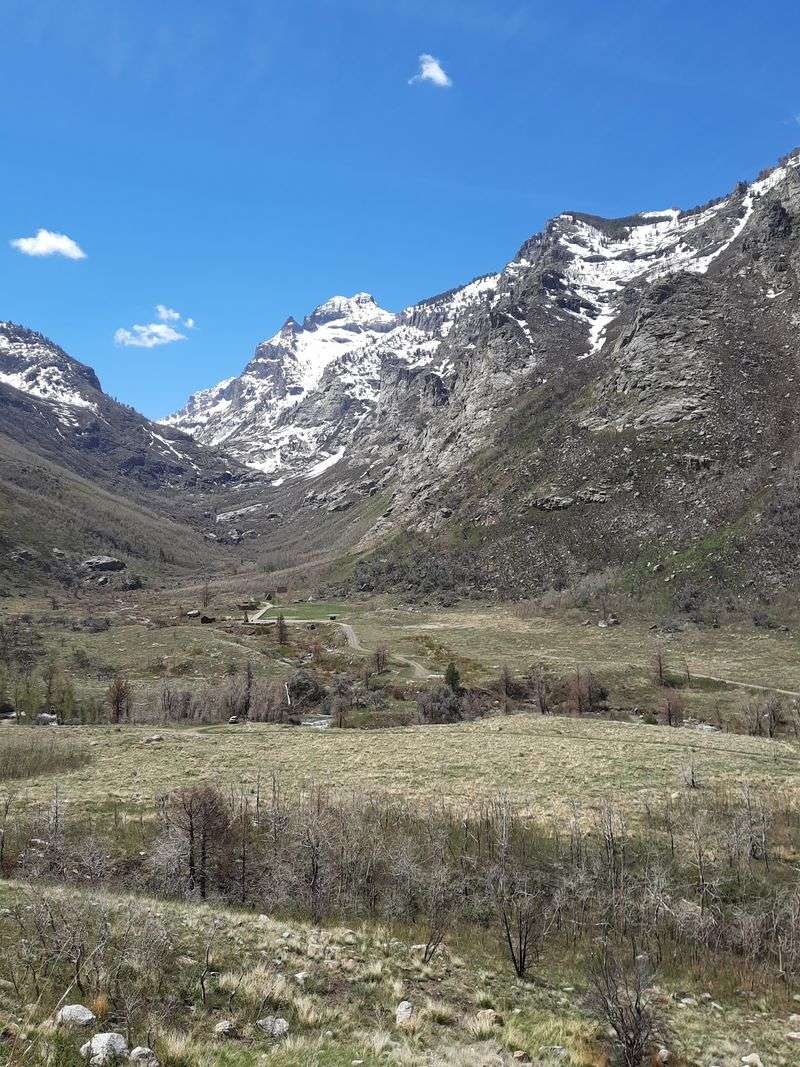
July snow is not a typo here. The peaks around Lamoille Canyon stay snow topped even in mid summer.
Hikers have been surprised to find snow around one of the lakes in July. That kind of discovery tends to stick with people.
The snow is more than decoration. It feeds the streams and waterfalls that make the canyon so lively.
As it melts, water runs clear down the slopes and into the creeks below. Glacier-carved trails and running streams line much of the route.
The snowy summits also explain the canyon’s split personality. Down low, it can feel like a summer day trip, while the high country still holds onto winter.
Packing a layer is a smart move, since conditions up high can be cold even when the season says otherwise.
That lingering snowpack sets the stage for the canyon’s biggest seasonal show, which arrives with the melt.
Waterfalls Born From the Melt
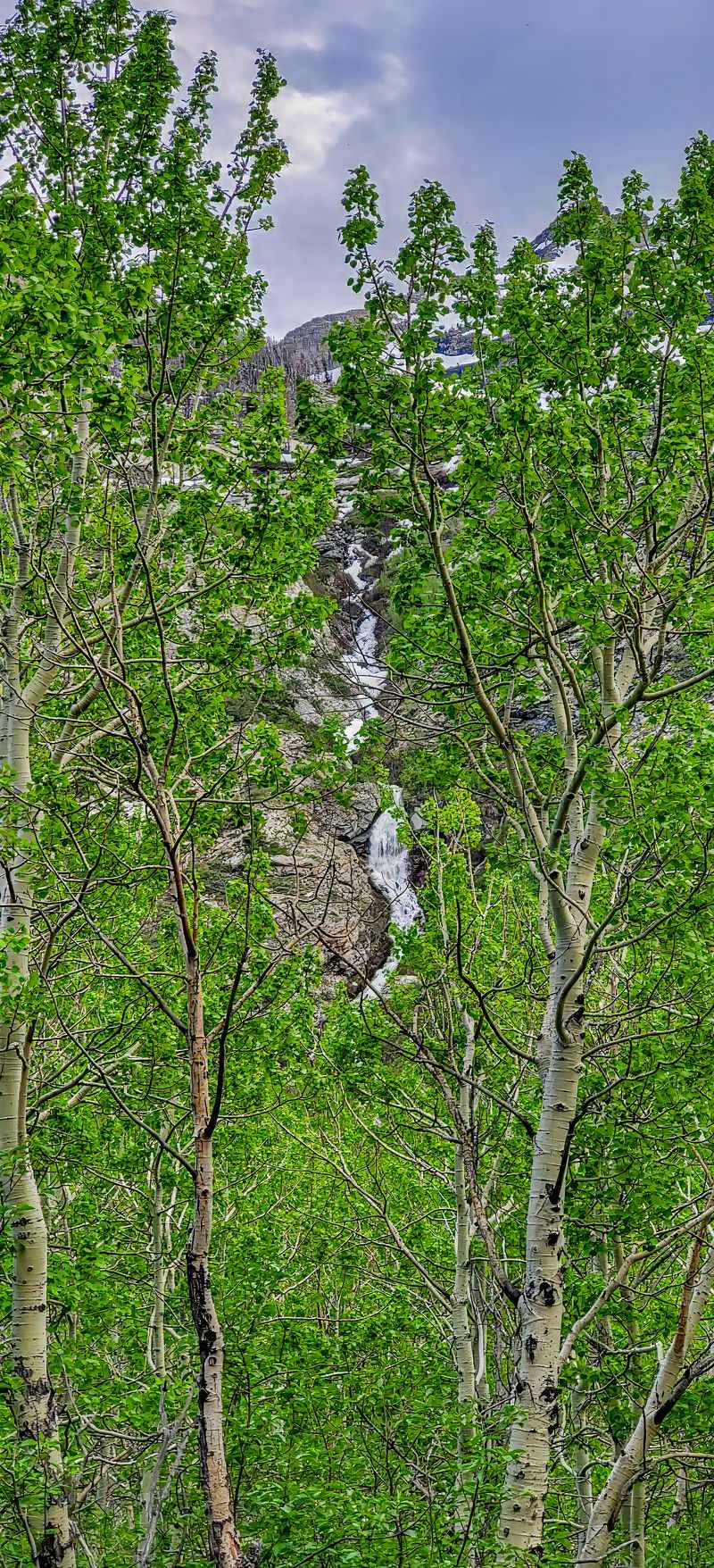
So many waterfalls. That phrase captures the canyon during the seasonal melt better than any brochure could.
When the snow starts letting go, water pours down the canyon walls in cascades. Some people say they have never seen more waterfalls in one place.
The timing matters. These falls are seasonal, so they appear in force when the snowmelt is at its peak.
Show up during that window and the walls seem busy with water. Arrive later and the scene shifts toward calmer streams.
Either way, the water stays a highlight. The creeks run crystal clear, and the streams draw plenty of attention from hikers and campers.
Photographers will want extra time here. Every bend in the road seems to offer another cascade worth stopping for.
The falls are only half of the water story, though. Downstream, a furry construction crew has been busy.
Beaver Dams and Canyon Wildlife
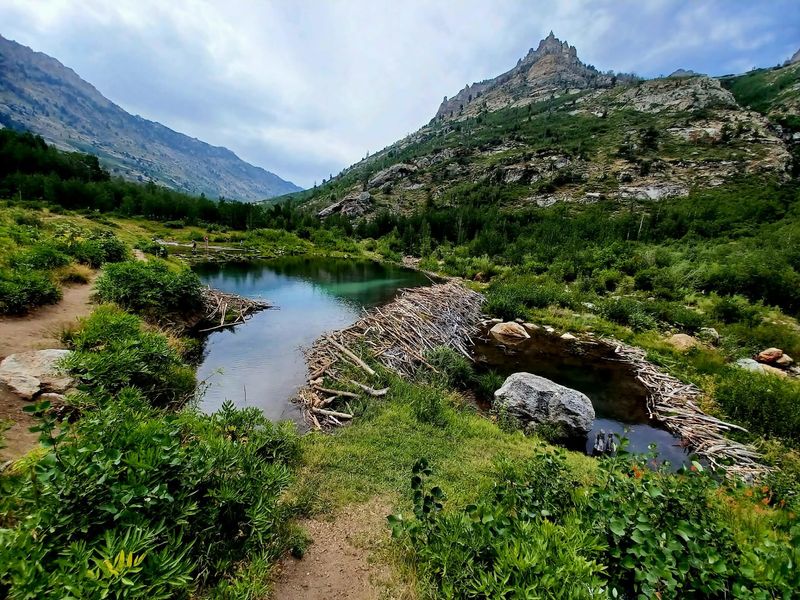
Some of the best engineering in the canyon was done without a single permit. Beavers have dammed the creeks, creating pristine ponds along the way.
For many hikers, the beaver dams are the favorite part of the trip. They are easy to spot and fun to study.
The ponds they create add another layer to the scenery. Still water sits between the rushing streams, ringed by aspens.
Beavers are not the only residents. Evidence of mountain goats has turned up on the trails as well.
Wildlife sightings in general rank high on the list of reasons people love this place. Patience and a quiet approach help.
Keeping a respectful distance protects both the animals and their hard work. Those dams took a lot of chewing.
Once the wildlife spotting is done, the trails are calling, and one lake in particular gets most of the buzz.
The Trail to Island Lake
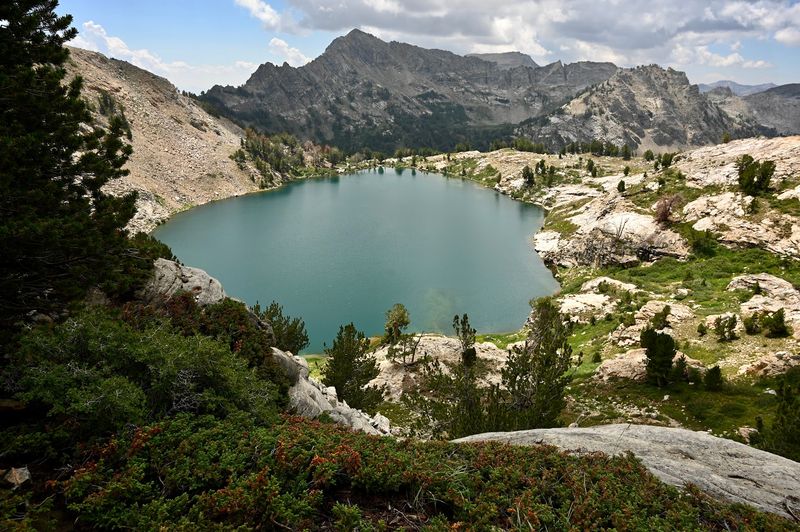
Ask around about Lamoille Canyon hikes and one name keeps surfacing. Island Lake is the trail people talk about most.
The route starts from the parking area at the end of the canyon road. It is listed as a 1.6-mile, class 1 trail.
That makes it approachable for many hikers, though it still climbs into true high country. The payoff is an alpine lake framed by peaks.
Some describe the hike as feeling like a trip to Switzerland. The remoteness adds to that effect.
One hiker had the trail almost entirely to themselves. That kind of solitude is rare on a route this scenic.
The water is a big part of the reward. Pristine turquoise water has tempted hikers into a swim at the end of a climb.
Island Lake is a fine starting point, but it is far from the only path worth lacing up for.
Trails for Every Pair of Boots
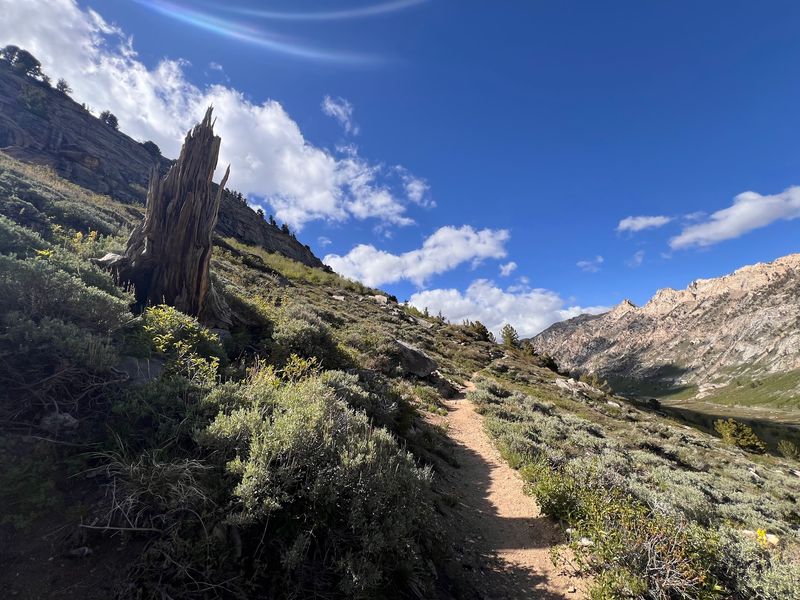
Hiking is the canyon’s main event, and it has the variety to prove it. Trails range from highly accessible to fairly difficult.
That spread means families, casual walkers, and serious backpackers can all find something. A multitude of routes lead into the back country.
One nice feature is flexibility. Many hikes can be extended as far as energy allows, and the views reward every stretch.
Some consider the canyon one of the best places for day hikes they have ever experienced. Strong words, but the trail network backs them up.
Horse trails are part of the mix as well. Fishing and day use areas round out the options for those who prefer a slower pace.
Picnics come up often too. A packed lunch by a stream is a popular way to break up a day of exploring.
Each trail delivers something different, and the scenery shifts with the calendar too.
Wildflowers, Aspens, and Fall Color
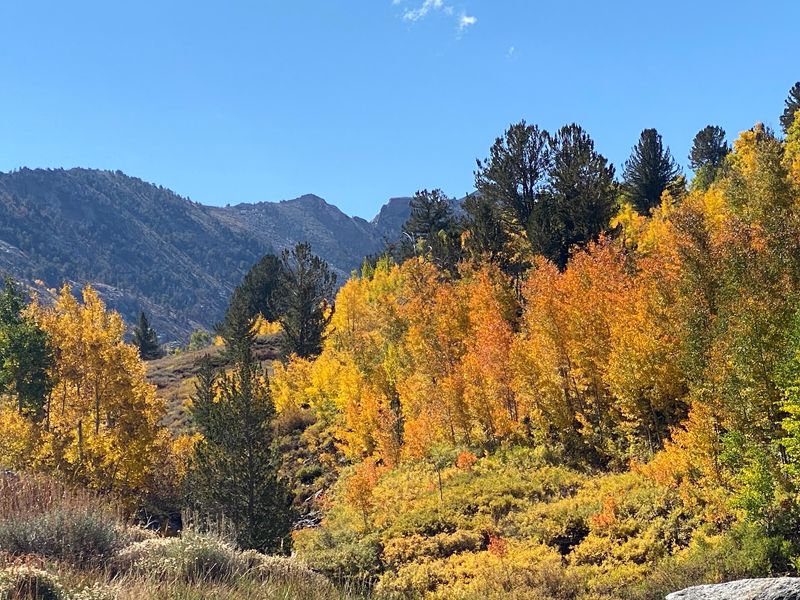
Seasons do a lot of the decorating in Lamoille Canyon. In warmer months, wildflowers spread across the meadows and slopes.
The flowers are one of the canyon’s signature features. They pair well with the alpine lakes and mountain views.
Aspen groves add to the scene. Many people name the aspens among their favorite parts of a visit.
Autumn brings a different show. The canyon fills with fall colors that many consider just as beautiful as the summer bloom.
Afternoon rain is common enough that some hikers count it as part of the canyon’s charm. A rain jacket earns its place in the pack.
Planning around the seasons pays off. Spring melt means waterfalls, summer means flowers, and fall means color.
With so much to see, staying overnight starts to sound like a very good idea.
Campgrounds Along the Creek
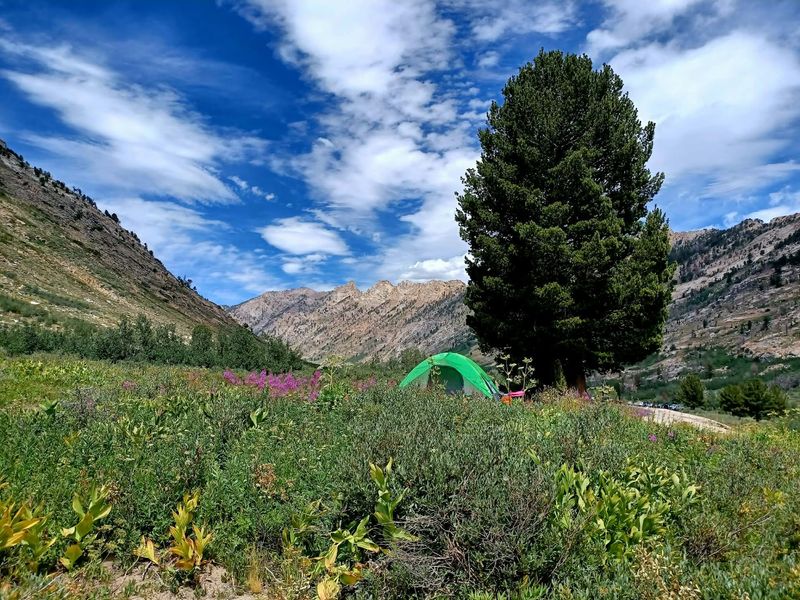
One day rarely feels like enough, which is where the campgrounds come in. The canyon has two campgrounds and one natural camping area.
The camping areas appear well maintained. Ranger activities add an extra layer for those who like to learn while they explore.
Thomas Campground is one of the named spots along the road. It also serves as a landmark when road conditions change.
Campsites near the river are popular. The water can run loud, so light sleepers may want to factor that in.
Weekends bring more company. Once Sunday passes and other campers pack up, the canyon can feel very quiet and remote.
For some, that solitude is the whole point. Others may prefer camping with a buddy for peace of mind.
Nearby areas offer even more options. Henderson Pass, further south, has easy hikes and creeks suited for camping.
Road Notes and Winter Warnings
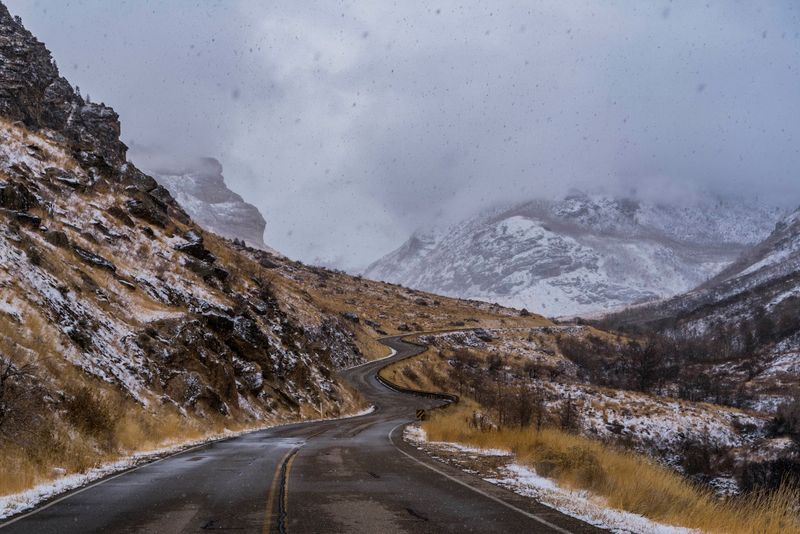
A 12-mile scenic drive carries travelers up the canyon. The road ends at the cirque and trailhead parking lot.
Parts of the road were resurfaced in 2021, which makes for a smoother ride. Still, conditions can change fast.
Winter is the season to watch. Ice and snow can cover the canyon road, so careful driving is a must.
Snow buildup has stopped some drivers partway up. The views were still worth the trip, even without reaching the end.
Avalanches have also closed the road at times. One closure stopped traffic after Thomas Campground, leaving only about a third of the drive open.
Checking current road status before heading out is the smart move. Conditions in the town of Elko may not match those up high.
Plan well, and the drive itself becomes one of the highlights rather than a hurdle.
Why the Quiet Canyon Is Worth It
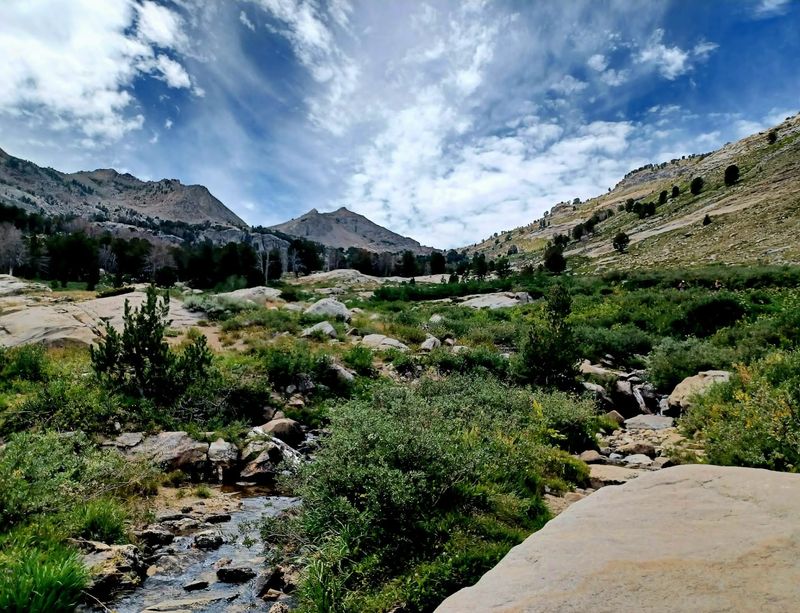
Plenty of famous parks would trade their parking headaches for this kind of calm. Lamoille Canyon offers big mountain scenery with very few people.
Some fans admit they wish they could keep it a secret. The beauty makes that impossible.
Travelers often say they were pretty much alone during their trip. Most appreciated it.
The small town of Lamoille nearby has a few little restaurants worth a look before or after the drive. They make a handy pit stop.
Day trippers, campers, anglers, and horse riders all find a reason to come back. Families enjoy the easy trails, while experienced hikers chase the back country.
Snowy peaks, waterfalls, beaver ponds, and alpine lakes all share one valley. Few places pack that much into a short drive.
The peaks will keep catching snow whether anyone shows up or not. Showing up is the better choice.
Enjoyed this story?
Add Fast Food Club as a preferred source to see more of our reporting on Google.