


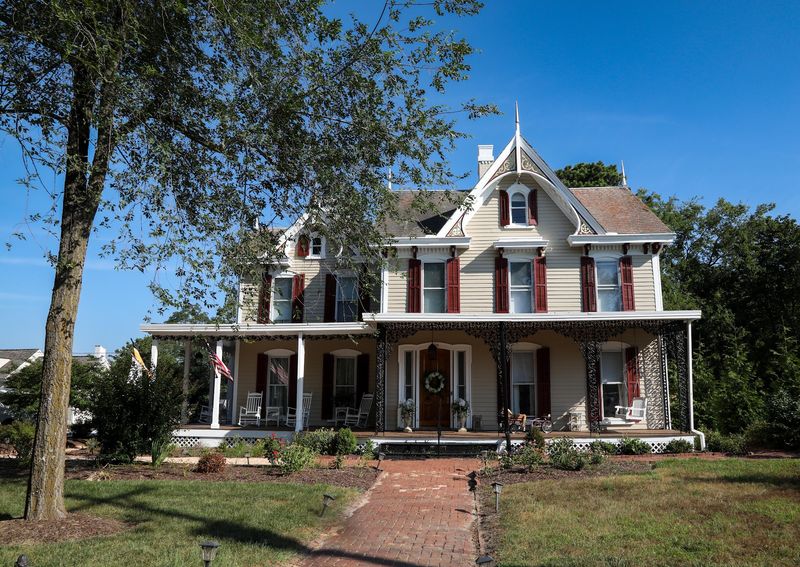
Some towns grow loud and crowded over the years, and some simply decide not to. On Maryland’s Eastern Shore, one small river town has kept its pace slow for more than three centuries.
It sits along a dark, winding waterway, and its streets still follow a layout drawn back when ships sailed upriver to trade. Fewer than 2,200 people live there today, which means the sidewalks rarely fill up and a parking spot is never a contest.
Yet this is no sleepy afterthought on the map. It is the county seat, the home of old brick buildings, and a launch point for paddling one of the most unusual rivers in the region.
Keep reading to find out where it is, why it matters, and how to spend an easy day in a place that feels pleasantly overlooked.
A County Seat Hiding in Plain Sight
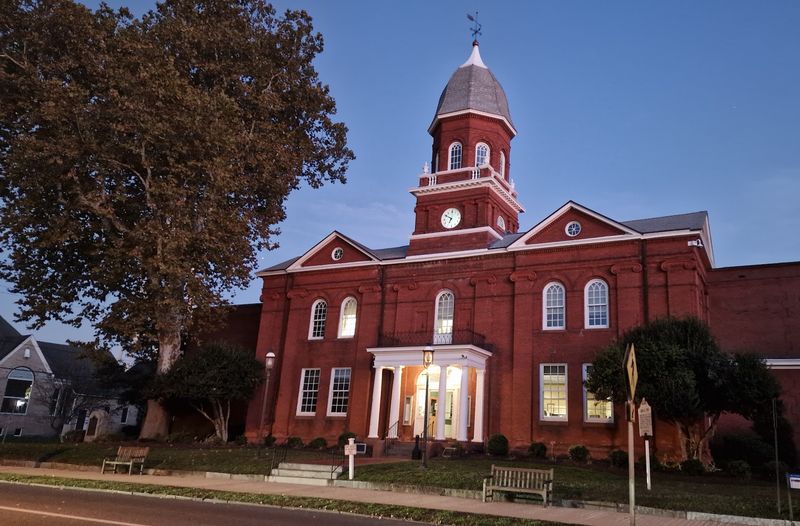
Small on the map, big on the paperwork, this town carries more responsibility than its size suggests.
Snow Hill is located in Maryland 21863, USA, on the Lower Eastern Shore of the state. It serves as the county seat of Worcester County, which means county government business has long centered here.
The town’s official website, snowhillmd.com, is a handy starting point for current news, events, and local updates.
Population numbers tell part of the story. The 2020 census counted 2,156 residents, a figure that explains why the streets stay so calm on most days.
Snow Hill is also part of the Salisbury, Maryland-Delaware Metropolitan Statistical Area. In plain terms, Salisbury is the larger regional hub nearby, and Snow Hill sits within its orbit while keeping its own small-town identity.
Worcester County is better known to many travelers for its beaches. That reputation pulls crowds toward the coast, leaving this inland river town with a quieter, more local rhythm.
For travelers who prefer courthouse squares to boardwalks, that contrast is the whole appeal. Snow Hill feels less like a tourist stop and more like a real place people happen to share.
Roots Reaching Back to 1686
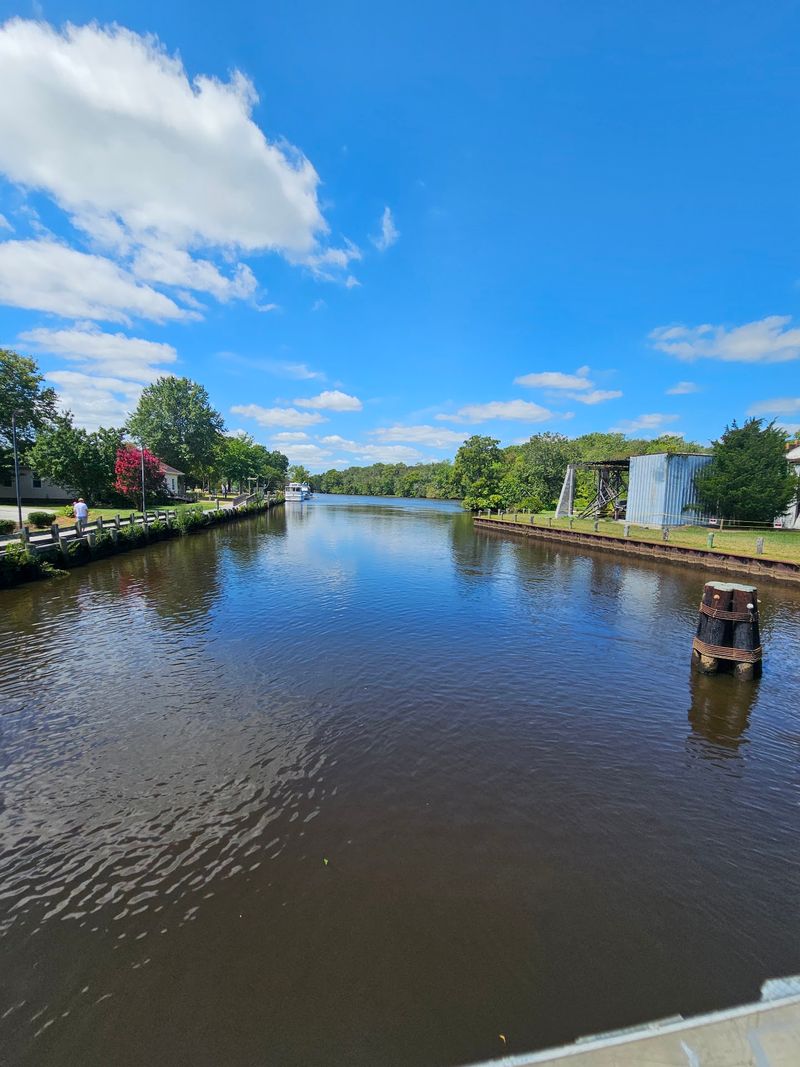
Long before highways, rivers were the roads that mattered.
Snow Hill dates to the late 1600s, with 1686 commonly cited as the year it was established as a town. That makes it one of the older communities on the Eastern Shore.
Its early purpose was practical. The Pocomoke River gave settlers a way to move goods, and a riverside town became a natural place for trade.
The name has an interesting backstory too. It is widely linked to Snow Hill, an area in London, England, a nod to the origins of some early settlers.
Over the centuries, the town shifted from river port to government center. Commerce changed, transportation changed, and the waterfront became more about scenery than shipping.
That gradual change is exactly why the town feels the way it does now. It never boomed into a city, so much of its older character stayed in place.
Fun fact for trivia night: there is no towering hill and no guaranteed snow. The name simply traveled across the Atlantic and stuck around.
The Pocomoke River Next Door
Every river town needs a river, and this one got an unusual one.
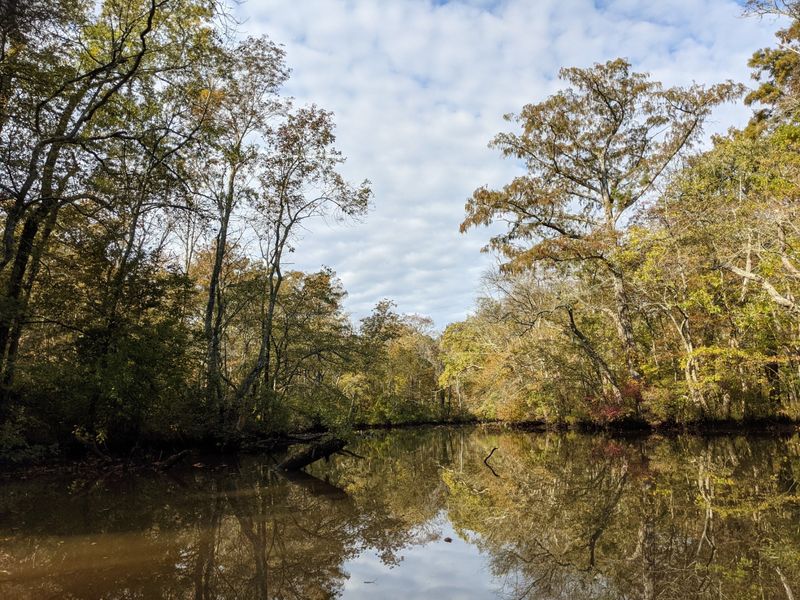
The Pocomoke River runs right alongside Snow Hill, shaping both its history and its present-day appeal. It is known for its dark water, which comes from natural tannins released by surrounding trees and wetlands.
Bald cypress trees line long stretches of the river. Those cypress swamps are often described as some of the northernmost of their kind on the East Coast.
The river is narrow and winding in many places. That shape makes it more of a paddling river than a speedboat highway.
For the town, the Pocomoke works as a backyard. Residents and travelers can enjoy the water without needing to drive anywhere far.
The river also connects Snow Hill to a larger natural area that stretches through the county. Forests, wetlands, and protected land surround much of its route.
Calling it scenic would be accurate, but a little too simple. The Pocomoke is the reason the town exists, and it remains the reason many people visit.
Brick, Steeples, and Old Front Porches
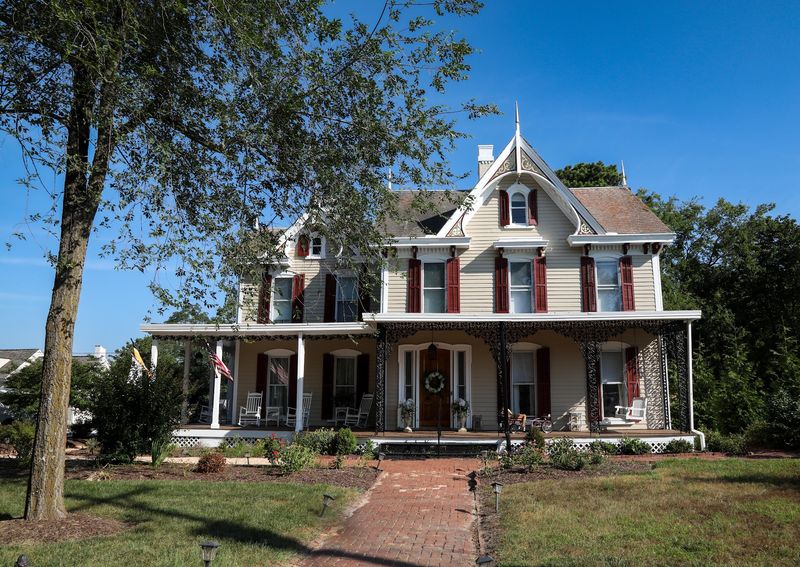
Architecture buffs, bring a camera and comfortable shoes.
Snow Hill’s downtown and residential streets hold a mix of historic buildings. Brick storefronts, older churches, and houses with deep front porches give the town a layered look.
Much of the town’s center is recognized as a historic district. That status reflects how many older structures remain standing and in use.
The appeal here is not one famous landmark. It is the collection of buildings together, block after block, that makes the town feel preserved.
A slow walk works best. The town is compact, so it is easy to cover the main streets on foot without rushing.
Many of the homes are private residences, so admiring from the sidewalk is the polite approach. Locals live here year round, and the neighborhoods are not staged sets.
Photographers tend to find plenty of material in doorways, rooflines, and church towers. Good light and a free afternoon are all the equipment really needed.
Consider it a history lesson where the textbook is the street itself.
Quiet Streets as a Feature
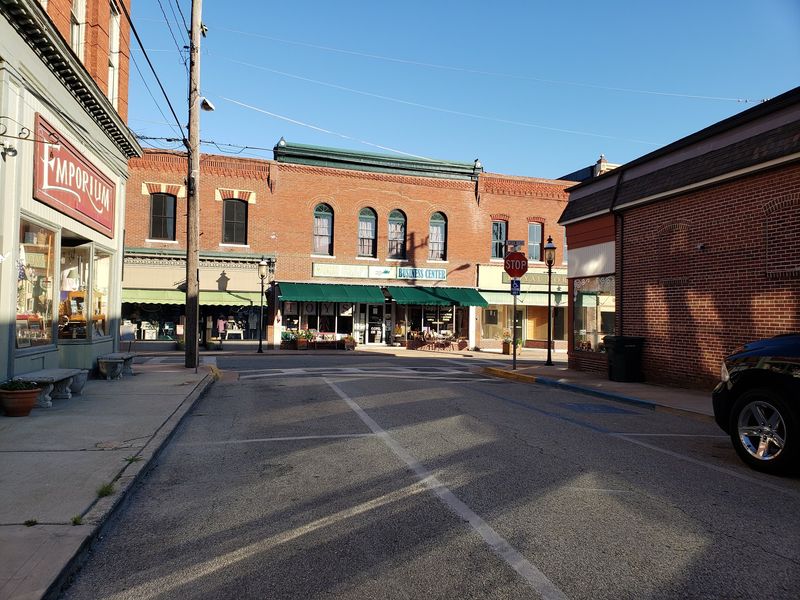
Traffic jams are not on the local menu of attractions.
With about 2,156 residents, Snow Hill simply does not generate big-city bustle. That calm is one of the most noticeable things about spending time here.
Streets near the river and downtown often feel unhurried. People stop to chat, and nobody seems to be racing to the next appointment.
For travelers coming from crowded beach towns, the change of pace can feel like hitting a pause button. It is a place to slow down rather than squeeze in a packed itinerary.
The quiet also makes Snow Hill friendly for walking and cycling around town. Short distances and modest traffic help.
Some people call places like this forgotten. A better word might be uncrowded, since the town remains active as a county seat with daily business going on.
Quiet does not mean empty, either. Shops, government offices, and community events keep the town functioning and connected.
The real luxury here is time, and Snow Hill hands it out generously.
Paddles Up on Tannin-Dark Water
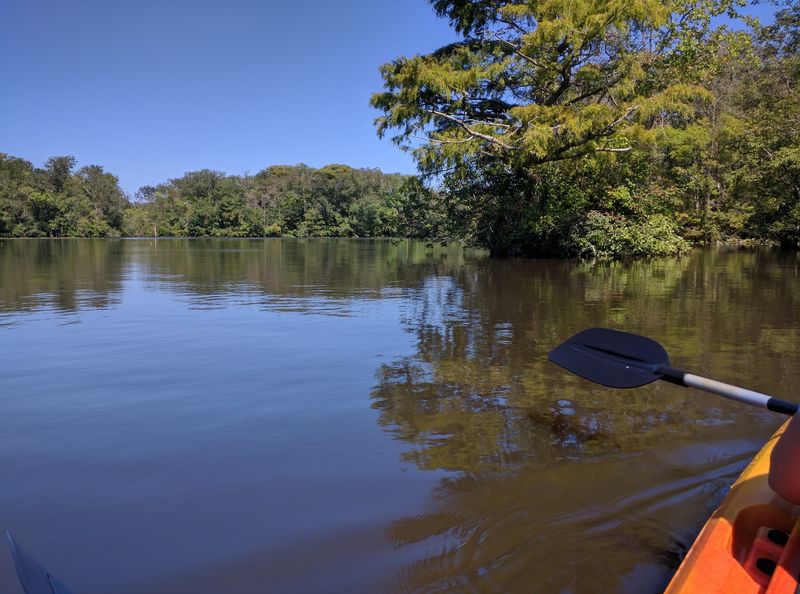
Here is a river that practically asks to be explored by kayak.
The Pocomoke’s narrow channels and calm sections make it well suited to canoeing and kayaking. Paddlers can follow the river through stretches lined with cypress and wetland forest.
Snow Hill’s location on the river makes it a convenient launch area. Travelers can spend part of a day on the water and the rest exploring town.
Beginners should still plan ahead. Checking weather, water conditions, and daylight hours is always smart before heading out.
Rentals and guided options may be available seasonally, but offerings can change. The town website is a reasonable place to look for current outfitters and events.
Wildlife viewing is a big part of the paddling draw. Herons, turtles, and other wetland residents often share the river with boaters.
Pack water, sun protection, and a life jacket. Those basics make an easygoing paddle much more pleasant.
A few hours on the Pocomoke can turn an ordinary town visit into a small adventure, no passport or plane ticket required.
A Small Museum With Big Stories
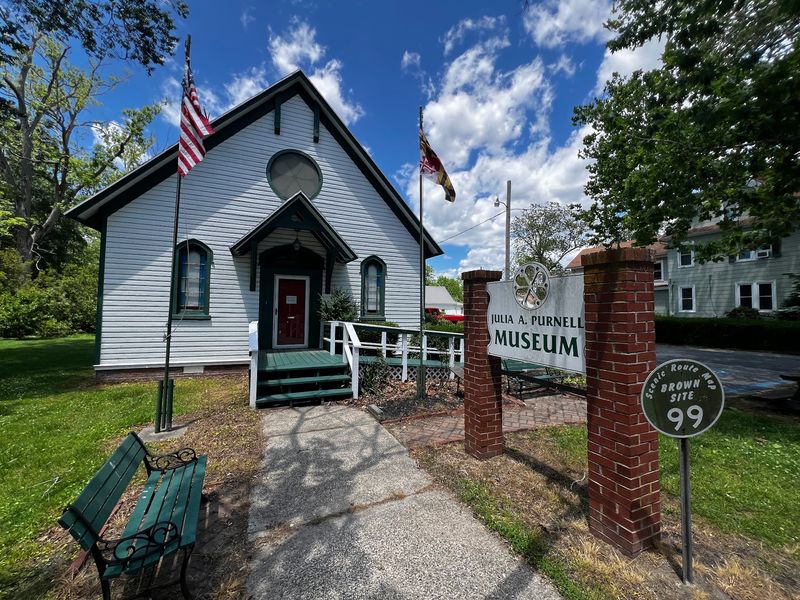
Local history fits neatly inside a building on the town’s main corridor.
The Julia A. Purnell Museum in Snow Hill focuses on the history and everyday life of the area.
It is one of the town’s best-known cultural stops.
The museum carries the name of a local woman known for her needlework and artistic talent. Her story is tied closely to the institution’s beginnings.
Collections tend to highlight the people, objects, and traditions of the Lower Eastern Shore. It is a good way to understand the town beyond its buildings.
Small museums like this offer something larger institutions often cannot. The stories feel personal because they are about the very streets outside.
Hours and admission details can change by season. Checking ahead before visiting helps avoid arriving to a locked door.
Families, history fans, and curious wanderers all have reasons to step inside. A visit pairs nicely with a downtown stroll.
Think of it as the town’s memory, kept on shelves and in display cases for anyone who asks.
Furnace Town and the Iron Age of the Shore
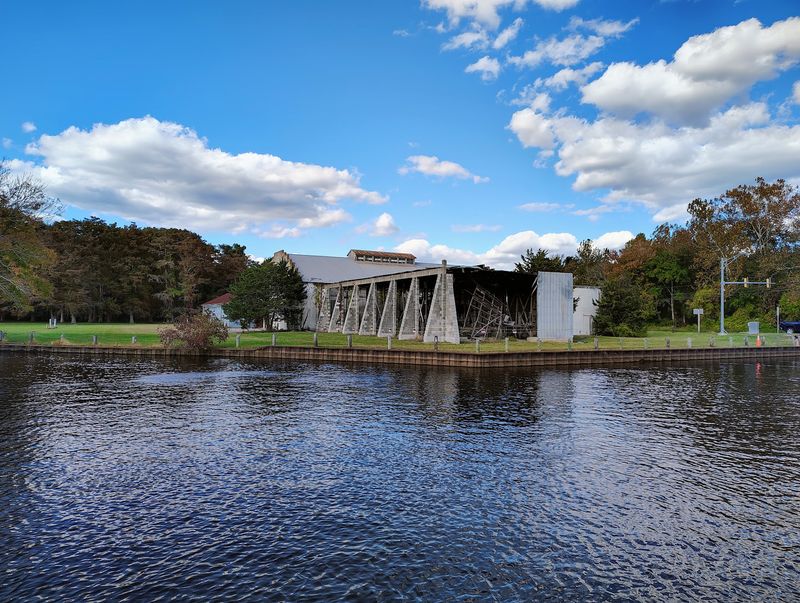
Iron production on the Eastern Shore sounds unlikely, yet the evidence still stands.
A short drive from Snow Hill, Furnace Town Historic Site preserves the remains of an iron-making village from the 1800s. Its centerpiece is the Nassawango Iron Furnace.
The furnace processed bog iron, a type of ore found in local wetlands. That industry briefly made the area a working center of production.
Today the site offers a look at village life from that era. Historic buildings and exhibits help explain how the community operated.
Furnace Town also sits within a natural setting, with trails nearby. History and outdoor time combine well here.
Seasonal programs and demonstrations may be offered, but schedules vary. Confirming dates in advance is wise.
The site adds depth to a Snow Hill trip. It shows that the region’s story includes more than river trade and government business.
Few places let visitors stand beside a nearly two-century-old furnace and then be back in town for a late afternoon walk.
State Park Trails a Few Miles Away
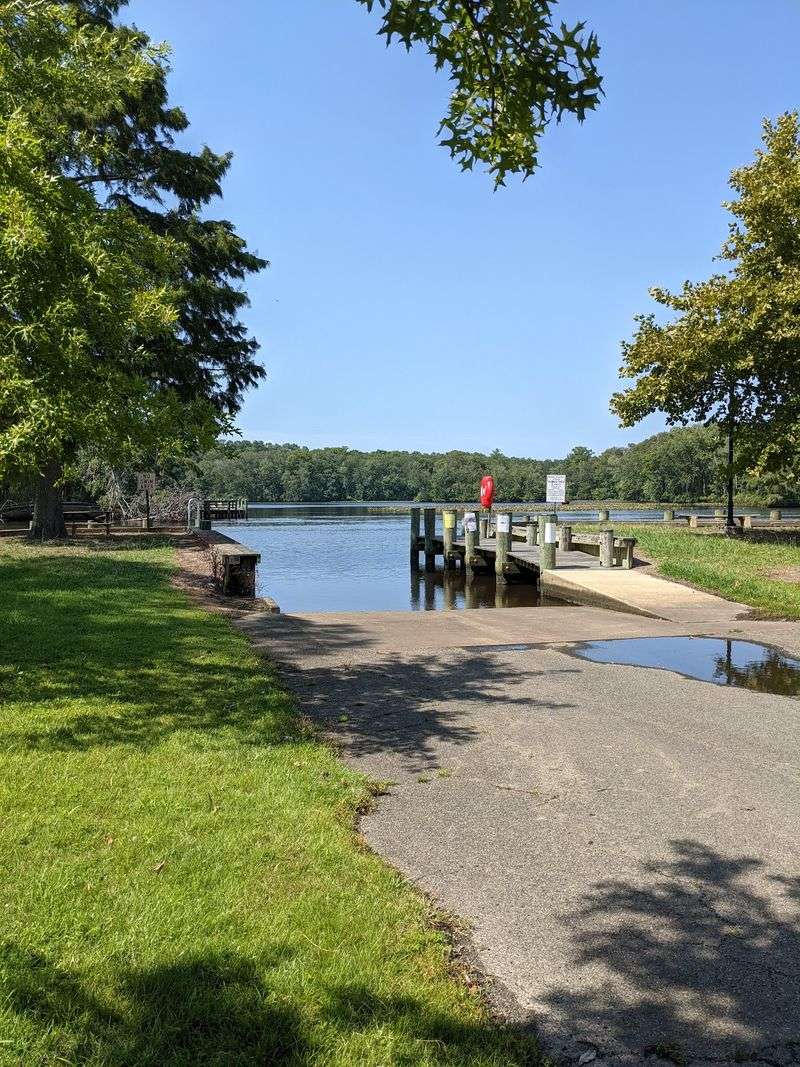
Green space sits close enough to reach before the coffee cools.
Pocomoke River State Park lies near Snow Hill and protects a large area along the river. The Shad Landing area is one of its best-known sections.
The park is known for camping, boating, and trails. Cypress swamps and forest give the landscape its distinctive look.
Hikers can find routes suited to casual walkers. Many paths are relatively flat, which makes them approachable for families.
The park also connects to the larger Pocomoke State Forest. Together, these protected lands form a sizable natural area in the county.
Fees, seasonal hours, and camping reservations are handled through Maryland’s state park system. Checking current details before arriving is the best approach.
Birdwatchers often find the area rewarding. Wetland and forest habitats attract a wide range of species.
Combining a park visit with time in town creates a well-rounded day. Morning on the trails and afternoon among historic streets is a hard pairing to beat.
Community Events and First Friday Energy
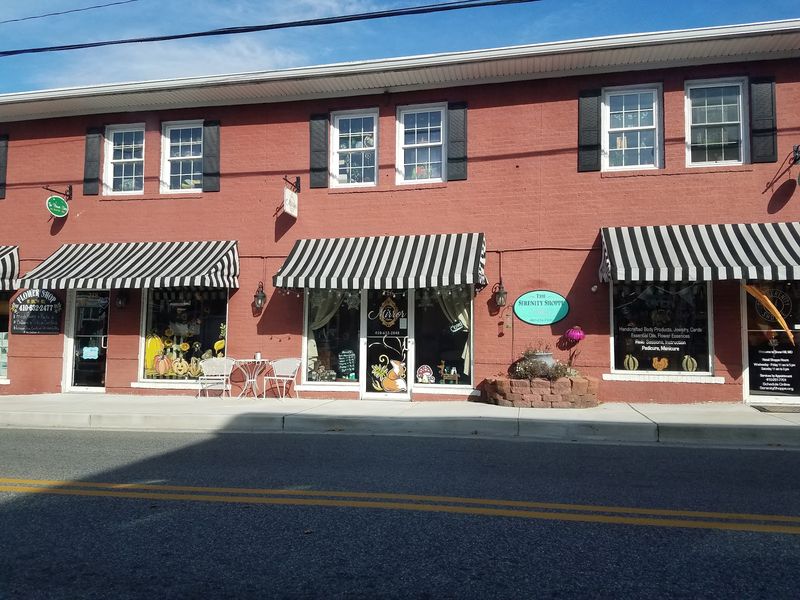
Calm most days, Snow Hill knows how to gather a crowd when it wants to.
The town hosts community events throughout the year. Downtown gatherings give residents and guests a reason to come out together.
First Friday-style evenings have been part of the town’s event calendar, with shops and galleries opening their doors. Such nights highlight local makers and businesses.
Event schedules shift from year to year. The official town website is the most reliable source for current dates and plans.
Seasonal celebrations also bring a festive feel to the historic district. Holidays and river-related events often draw participation from across the county.
For travelers, timing a visit around an event adds extra life to the trip. It is also a chance to see how a small town supports its own.
These gatherings tend to feel personal rather than commercial. Neighbors greet neighbors, and newcomers fit in easily.
A quiet town with a lively calendar is a fun contradiction, and Snow Hill wears it comfortably.
Who Will Love This Slow-Paced Town
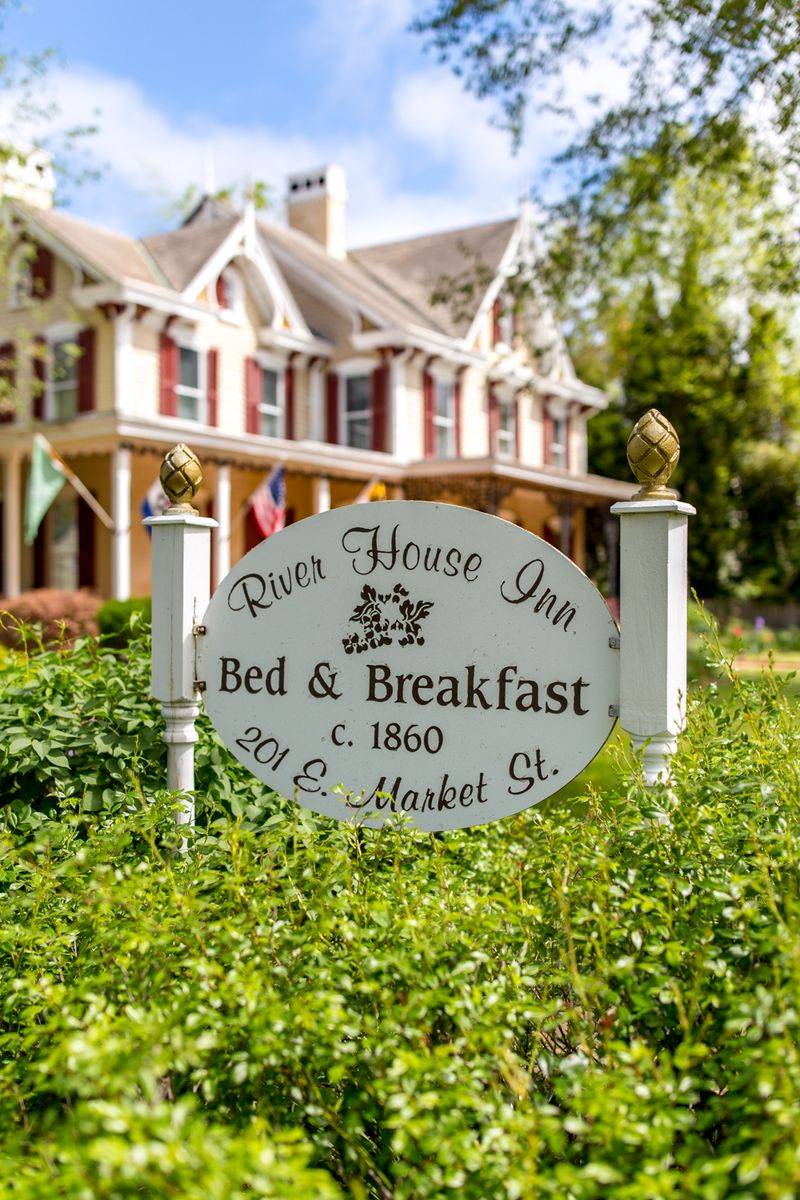
Not every traveler wants a roller coaster vacation, and that is where Snow Hill shines.
History lovers will find plenty to explore. Old buildings, a local museum, and nearby historic sites offer layers of story.
Outdoor fans have the Pocomoke River, state park trails, and forest land close by. Paddlers and hikers can stay busy without long drives.
Couples looking for a low-key getaway may appreciate the calm. The town suits unhurried walks and relaxed conversations.
Families can mix museum time with park outings. Shorter distances make planning easier with kids in tow.
Photographers and artists may find inspiration in the architecture and river scenery. The quiet gives room to work without crowds.
Travelers seeking nightlife, big attractions, or nonstop entertainment might feel underwhelmed. Snow Hill is built for slowing down, not speeding up.
Beach visitors staying elsewhere in Worcester County can use the town as a day trip. It offers a change of scenery from sand and boardwalks.
The right guest leaves rested, curious, and possibly checking real estate listings.
Getting There and Planning Ahead
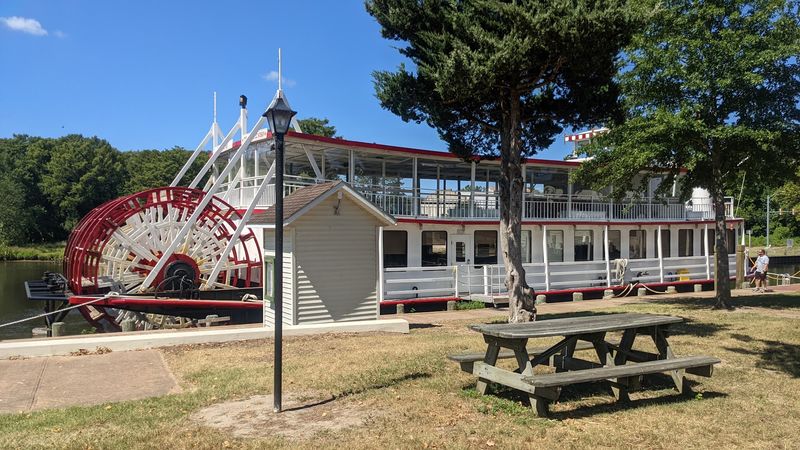
Road trips to the Lower Eastern Shore reward a little planning.
Snow Hill sits in Worcester County, Maryland, within the greater Salisbury area. Salisbury serves as the nearby regional hub for shopping, services, and a regional airport.
Most travelers arrive by car. Having your own vehicle makes it easier to reach the state park, Furnace Town, and other nearby spots.
The town itself is easy to explore on foot once parked. Downtown and the riverfront are close together.
Spring and fall are popular times for outdoor activities. Mild weather makes paddling and hiking more comfortable.
Summer brings heat and insects near the wetlands. Sunscreen and bug spray are worth packing.
Hours for museums, shops, and attractions vary. Some places keep seasonal schedules, so confirming ahead saves frustration.
The official website, snowhillmd.com, lists town information and updates. It is a smart first stop when building an itinerary.
Lodging options in town are limited compared to coastal areas. Booking ahead or staying in a nearby community can help.
A bit of preparation lets the slow pace work in your favor.
Why the Forgotten Feeling Is a Gift
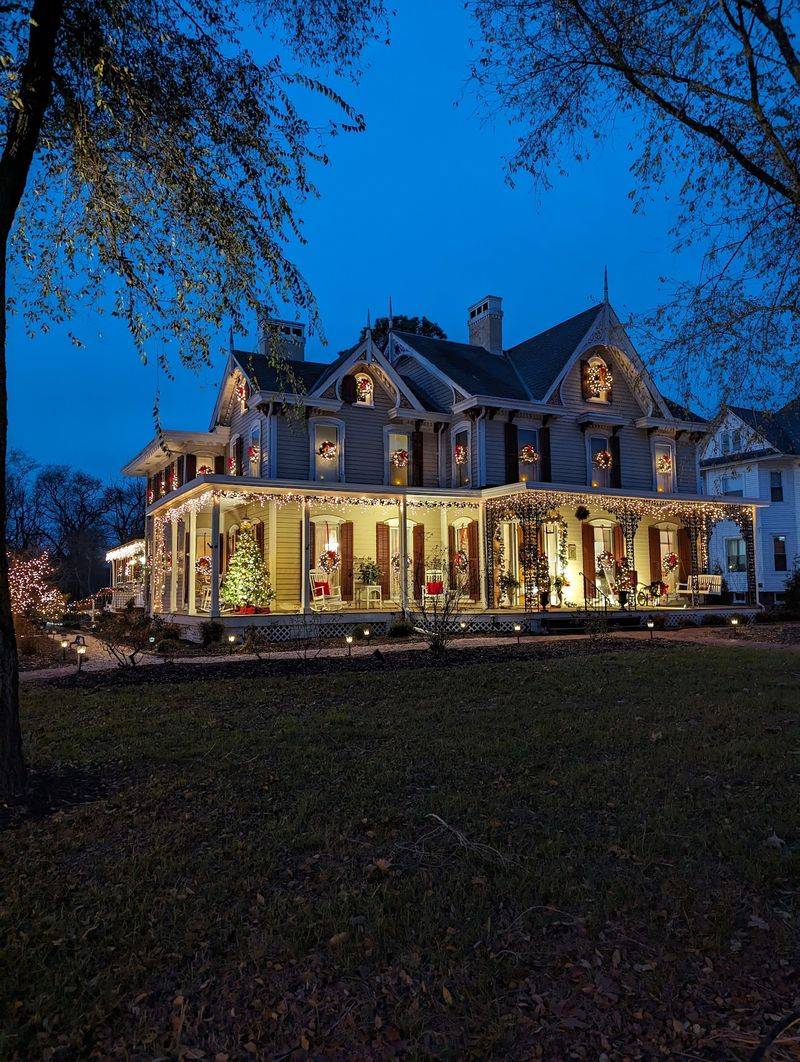
Some places fade from the spotlight and quietly get better for it.
Snow Hill has held onto its history, its river, and its unhurried rhythm. More than three centuries after its founding, it still feels rooted.
The town does not chase trends or crowds. It keeps running as a county seat while letting its old streets tell their own story.
For travelers, that offers something rare. A visit here means space to wander, learn, and breathe a little easier.
The Pocomoke River remains the anchor. Paddling its dark water or walking beside it ties the present to the town’s earliest days.
Nearby sites like Furnace Town and the state park round out the experience. They add nature and history without demanding a hectic schedule.
Snow Hill will not overwhelm anyone with flash. Instead, it offers steady charm and plenty of room to explore at your own speed.
Call it forgotten if you like. The people who find it tend to remember it for a long time.
Enjoyed this story?
Add Fast Food Club as a preferred source to see more of our reporting on Google.