


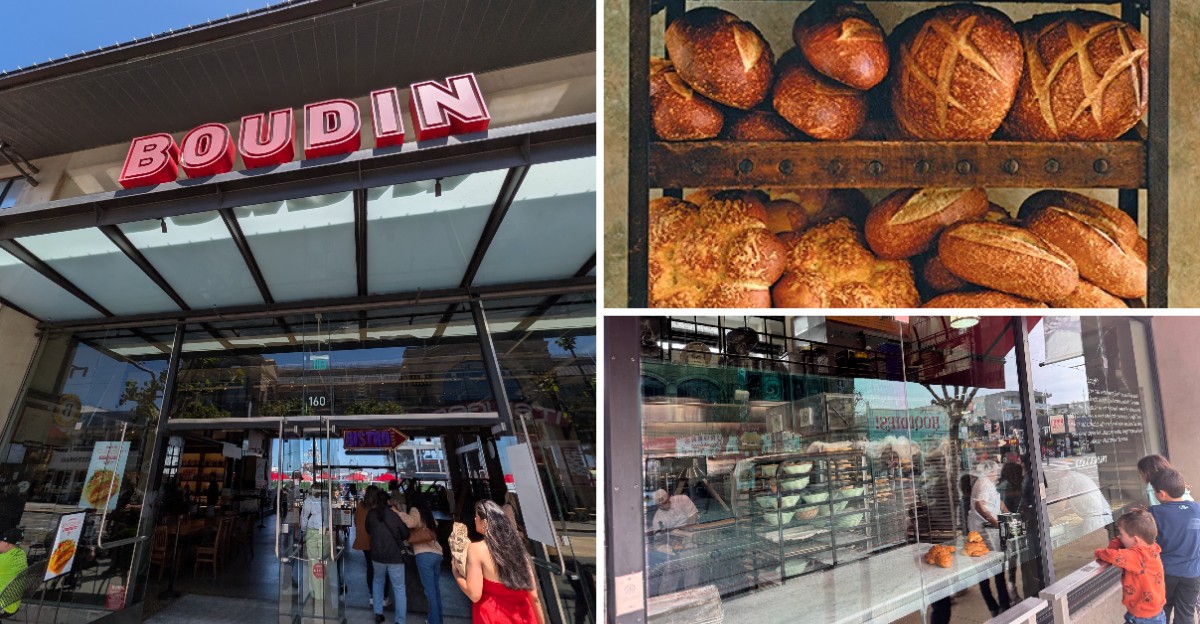
Some trips to San Francisco start with a cable car. Plenty of others start with a loaf of bread.
On the busy waterfront, one building keeps pulling people off the sidewalk and up to a big glass window, where bakers shape dough while crowds stop and stare. The bakery behind that window traces its sourdough back to 1849, the same era as the Gold Rush.
Today it serves bread bowls, sandwiches, and pastries to a steady stream of hungry travelers and locals. In this guide, you will learn where it is, what makes it special, what to order, how the building works, and how to plan a visit without getting lost at the pickup counter.
A Bread Landmark on Jefferson Street
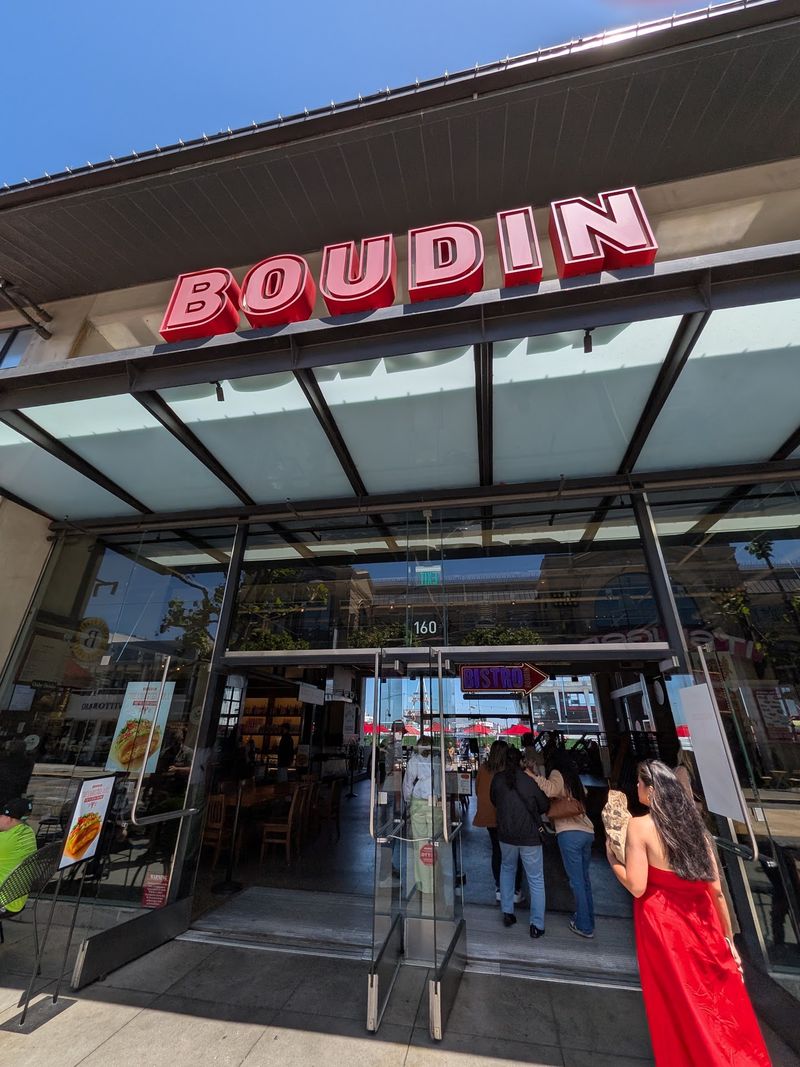
Some addresses are worth memorizing, and this one belongs on the list. Boudin Bakery sits at 160 Jefferson St, San Francisco, CA 94133, right on Fisherman’s Wharf in California.
The spot is a classic San Francisco-born bakery and cafe. It is famed for sourdough that dates back to 1849, and it also serves light American bites.
Locals and travelers often call this the flagship location. Many people say they walked past it for years before finally going in, which says a lot about how much it blends into the wharf routine.
The building is big, and that matters on a crowded day. It holds a self-service cafe, a bakery counter, a souvenir shop, and a full restaurant upstairs.
Plenty of seating makes finding a table easier than the crowds outside suggest. On calm afternoons, groups slide into seats with little trouble.
The setting near Pier 39 and the Embarcadero makes it an easy stop during a waterfront stroll. It fits neatly between sightseeing stops, so there is no need to plan a whole day around it.
Consider this your first stop on a bread-filled trail that keeps getting more interesting.
Gold Rush Roots and a Mother Dough
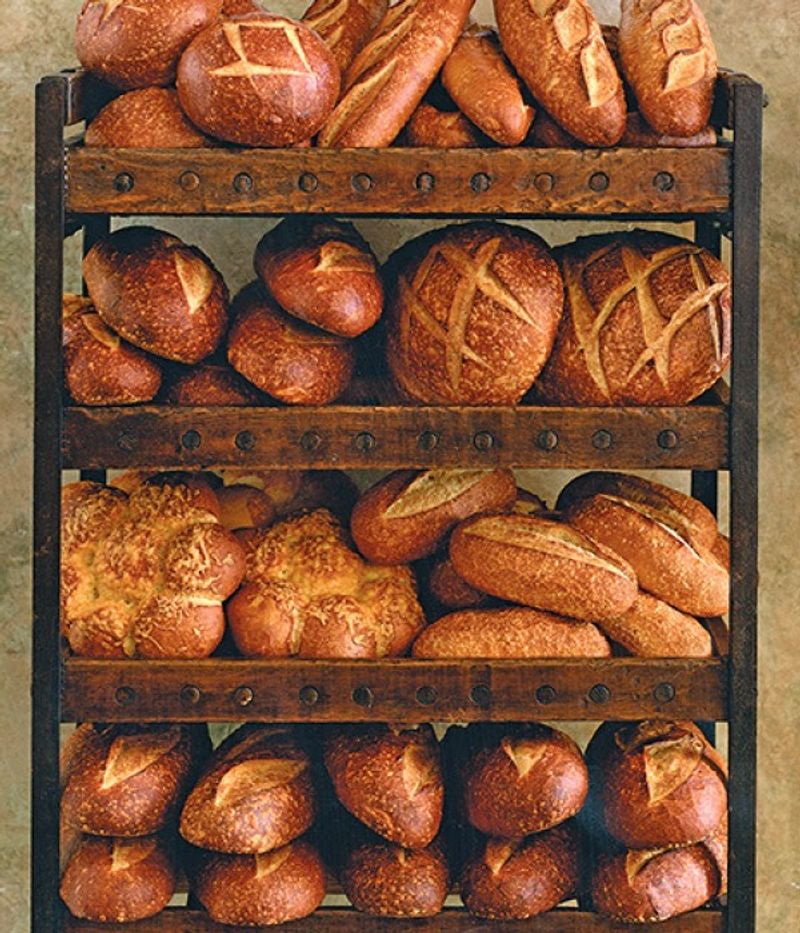
The year 1849 is stamped all over this story. That is when the sourdough tradition here began, during the Gold Rush years that shaped San Francisco.
The bakery still talks proudly about its time-honored mother dough. That starter is the base for the bread, and the team credits it for the distinct sourdough so many people travel to try.
History is not hidden away in a pamphlet. In the waiting area, historical details cover the walls, giving guests something to read while they wait for a table.
Those wall displays tie the bakery to the 19th century. They help explain why the bread is treated like a piece of city heritage rather than just another loaf.
Many guests describe the place as a San Francisco tradition and part of the city’s identity. That is a big title for a bakery, but the long history backs it up.
The brand has grown into a California chain over time. Still, the wharf location keeps that old story front and center.
A loaf with this much backstory deserves a closer look, and the next stop is the window where it all happens.
The Window That Stops Foot Traffic
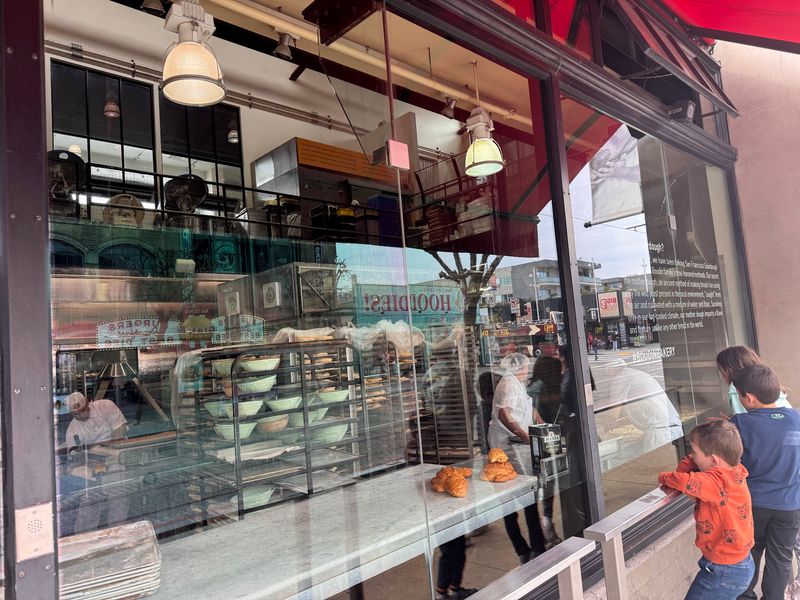
Plenty of people never plan to visit. They simply see bakers at work through the street-side window and change their plans on the spot.
The big glass windows let anyone on the sidewalk watch bread being made. It is free entertainment, and it is one of the main reasons families wander inside.
Inside the waiting area, the view continues. Guests can watch bakers shaping and handling dough while they wait to be seated.
The bakery team treats this as one of its favorite traditions. Bakers work in full view, and the craft becomes part of the visit rather than something that happens out of sight.
Bread making comes up often in conversations about this place. For kids, it is a hands-off lesson in how a loaf goes from dough to the table.
The operational bakery is large, and guests can see different parts of it in action. That scale surprises first-timers who expect a small corner shop.
Watching the process makes the meal feel earned. Just try leaving without at least one loaf in hand.
Baskets on the Move Overhead
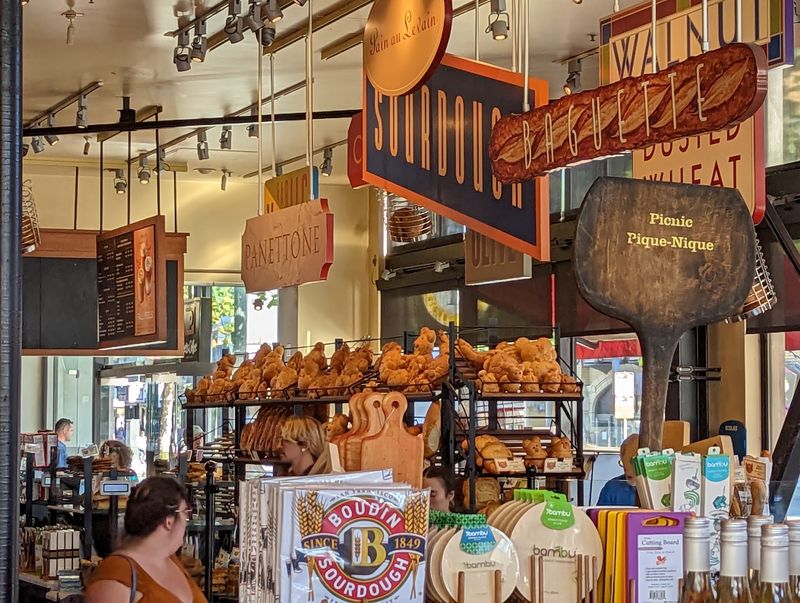
Look up. That is the best advice for first-timers, because the bread literally travels over your head.
Baskets ride along a moving conveyor belt near the ceiling, carrying loaves from one part of the building to another. It is a fun detail that turns a simple bakery into something closer to a working exhibit.
The building is full of interesting and eye-catching touches. Between the windows, the wall displays, and the moving baskets, there is always something to point at.
Kids tend to love this part. Adults do too, though they may pretend they are only checking the menu board.
The overhead system also shows how much bread moves through the place each day. It hints at the volume behind the counter without anyone needing to explain it.
Many guests call the whole visit an experience rather than just a meal. Details like this are a big part of why.
Of course, the bread does not ride around forever. Eventually it lands somewhere very useful, and the next section covers the most famous landing spot.
Sourdough Bread Bowls Steal the Show
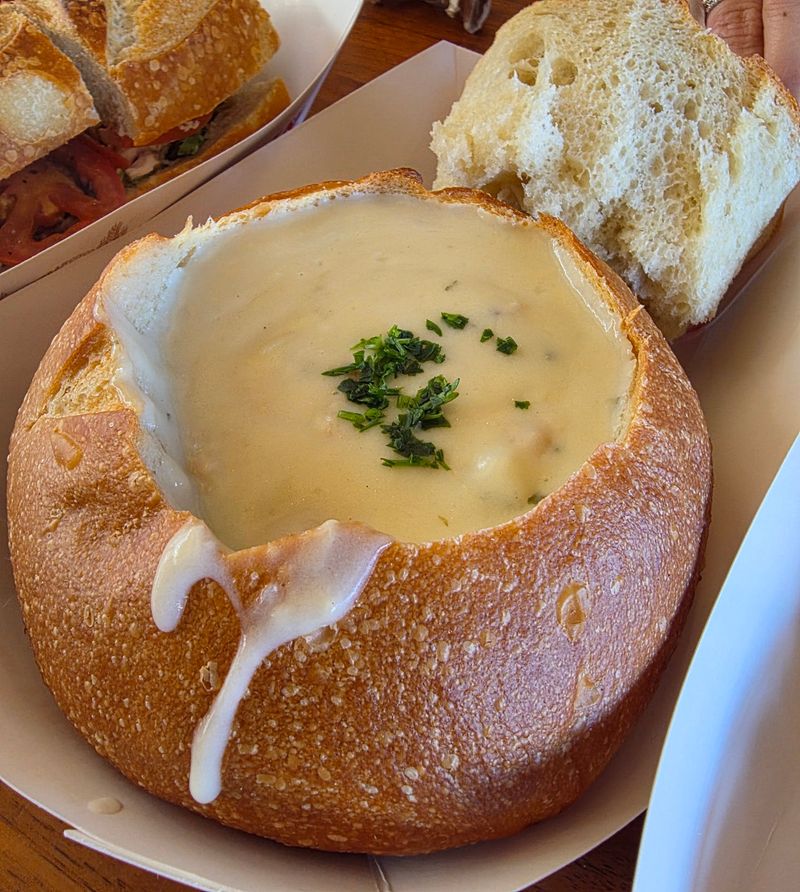
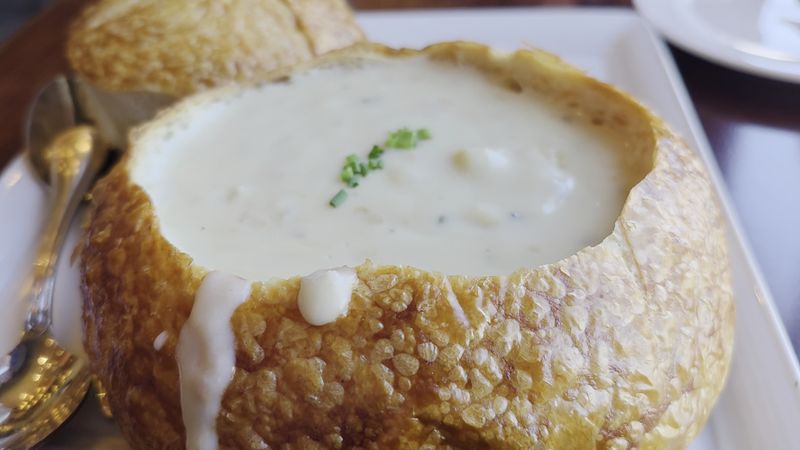
Hollow out a round loaf, fill it with soup, and you have the order most people come for. The sourdough bread bowl is the signature move here.
The clam chowder bread bowl is the most talked-about item by a wide margin. Many people call it one of the most iconic meals in the city.
The bread holds up well, with a chewy crust and an inside that soaks up the chowder without falling apart too quickly. That balance is the whole trick.
Other soups fill bread bowls too. Options include crab and corn, crab cheddar, rustic tomato, and chili.
Some guests rank the crab soup above the chowder. Others prefer the tomato on a chilly, windy day by the water.
The bowls are filling. Combo meals with a half sandwich can leave people unable to finish everything.
A fair warning: one or two soups land as merely okay for some palates, and a chowder can arrive cooler than hoped on a hectic day. Still, the bread itself rarely misses.
Bread bowls are the headliner, but the supporting cast deserves its own spotlight.
Sandwiches, Crab, and Plenty to Share
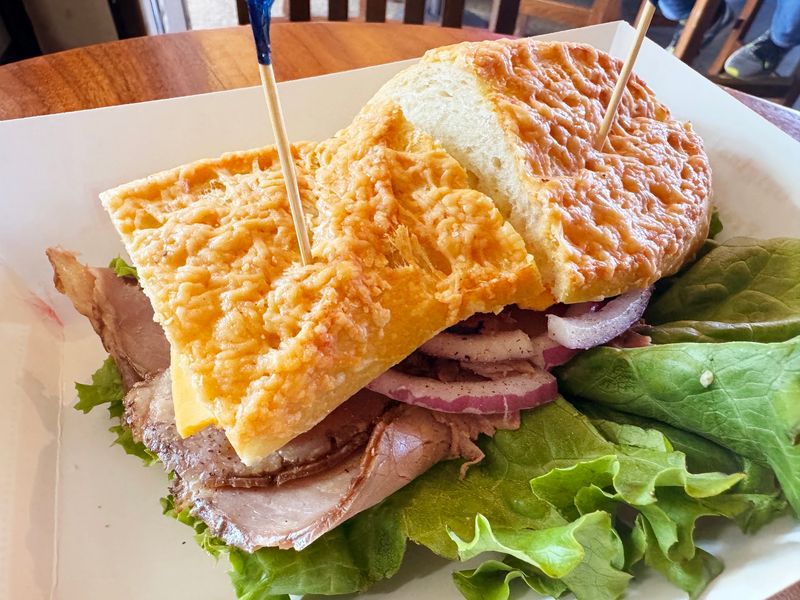
Not everyone wants soup inside their bread. Luckily, the sandwich lineup gives sourdough plenty of other jobs.
The crab sandwich gets strong praise for being light and creamy, with crab that tastes fresh. Some guests name it their favorite item of the whole visit.
A turkey and avocado sandwich comes across as fresh and filling. The grilled cheese paired with tomato soup is a simple, comforting combo that works well for picky eaters.
Half sandwiches pair with soups and salads, including a tuna option. That makes it easy to mix and match without ordering a mountain of food.
There are a few misses worth knowing about. The chili has its critics, and a lobster roll priced at $36 left one diner wanting a bigger portion.
Choosing the bread-forward items is usually the safest path. When sourdough is doing the heavy lifting, results tend to be strong.
The menu also includes some meat and cheese selections. Those work well for building a casual spread to share at the table.
Save a little room, though, because the bakery counter has its own temptations waiting.
A Pastry Case Full of Temptation
Bakery fiends, consider yourselves warned. The right side of the ground floor is packed with fresh bakes and pastries.
Brownies earn repeat praise, including chocolate and peanut butter versions. Chocolate chip cookies are another favorite, and some people make room for one even after a full meal.
The case also holds coffee cake, croissants, focaccia, and a range of breads. Families often try several items at once and walk away happy.
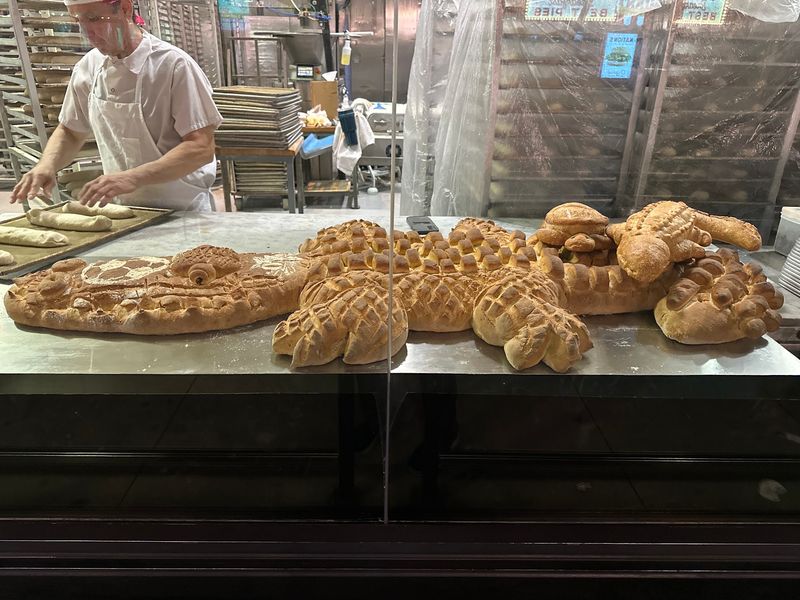
Kids get a special treat here. Sourdough comes in fun shapes, which makes bread feel like a toy that happens to be edible.
The counter works well as a stop on its own. Skip the full meal and simply pick selections from the bakery if time is short.
That flexibility helps on busy days. A quick pastry grab can be faster than waiting for a hot order.
Some guests try to buy nearly everything in sight. Nobody here will judge, but a sturdy bag might help.
Speaking of bags, there is a whole shop designed for taking a piece of the wharf home.
Souvenirs and Bread for the Flight Home
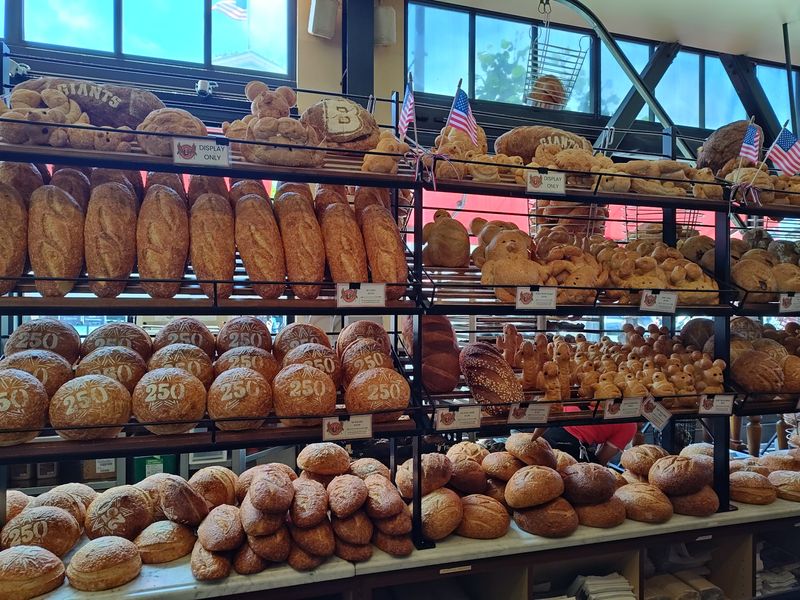
Postcards are fine. A loaf of famous sourdough in your carry-on is a better story.
The building includes a souvenir shop filled with gifts and fresh bread to take home. It is a natural final stop after a meal.
The bakery store has lots of options. Travelers often take advantage of the bread to travel idea, packing loaves to bring home on the plane.
That turns a single lunch into something friends and family can share later. Few souvenirs get eaten with this much enthusiasm.
The shop also makes the place useful even for people who already ate elsewhere. Popping in for a loaf takes far less time than a sit-down meal.
Gift shopping here feels connected to the city’s food history. The bread carries that 1849 backstory along with it.
Just remember to check what can travel easily before loading up. Bread is forgiving, but suitcases are not always roomy.
With a bag of goodies in hand, the next question is where to sit, and the answer depends on which floor you choose.
Two Floors, Two Different Moods
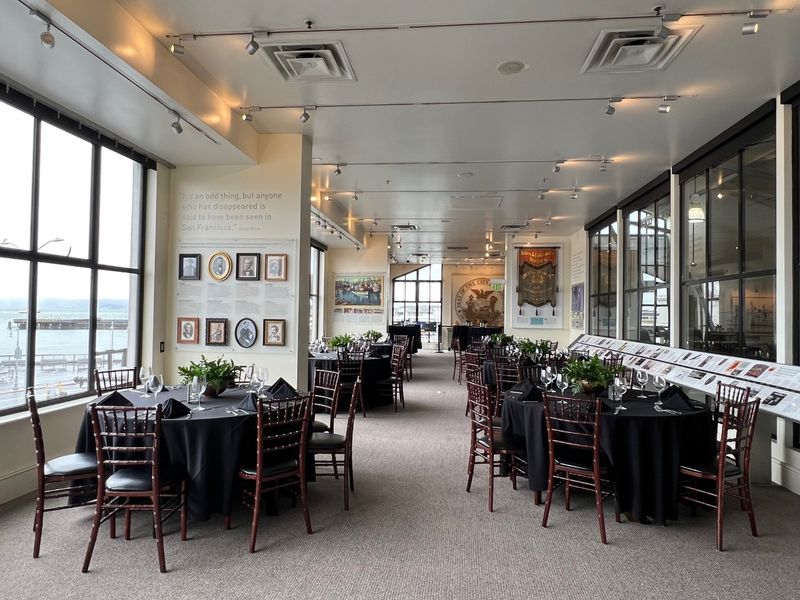
Here is the layout secret that confuses many first-timers. The building runs two very different dining setups.
On the first floor, the left side is a self-service cafe. Guests order at the register, take a number, and wait for it to be called.
Upstairs is the main restaurant, a decorated sit-down space with table service. It feels more relaxed and better suited to a proper meal.
The upstairs menu goes beyond soup and sandwiches. Diners mention items like a rib eye steak, a crab cake appetizer, and sourdough bread served as a starter.
Service upstairs can be warm and attentive on good days. Experiences vary, though, and one party had a rough visit with missing dishes and slow attention.
Wait times also differ by floor. Some groups get seated right away on a weekend lunch, while others wait around 25 minutes.
The downstairs cafe is faster for a quick bite. Upstairs makes more sense for a slower, sit-down outing.
Picking the right floor shapes the whole visit, and so does knowing how the busy cafe actually runs.
Crowds, Numbers, and Hungry Seagulls
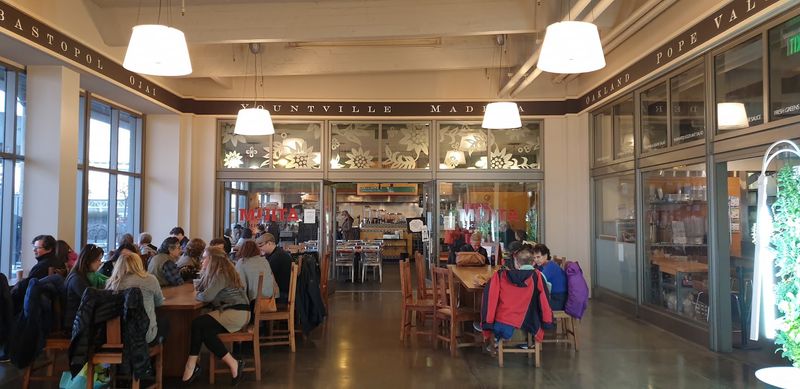
Popularity comes with a line. The cafe gets extremely busy, especially around lunch.
The good news is that the kitchen often moves fast. Some guests barely sit down before their number is called.
Other days, the wait stretches longer, and people end up standing near the pickup counter. The pickup area sits at the far end of the building, so do not stop at the first counter you see.
That pickup zone can get crowded at peak times. Staying alert for your number helps keep things smooth.
Indoor seating can fill up, which pushes some people to the outdoor tables. Those seats come with bay views, which is a solid trade.
Outdoor diners should keep an eye on their trays. Seagulls and other birds gather quickly, hoping for a share of the bread.
Staff are frequently described as friendly and efficient despite the volume. Patience still helps, especially for groups.
Once the logistics are sorted, it is worth knowing when to go and what to budget.
Hours, Budget, and Getting There
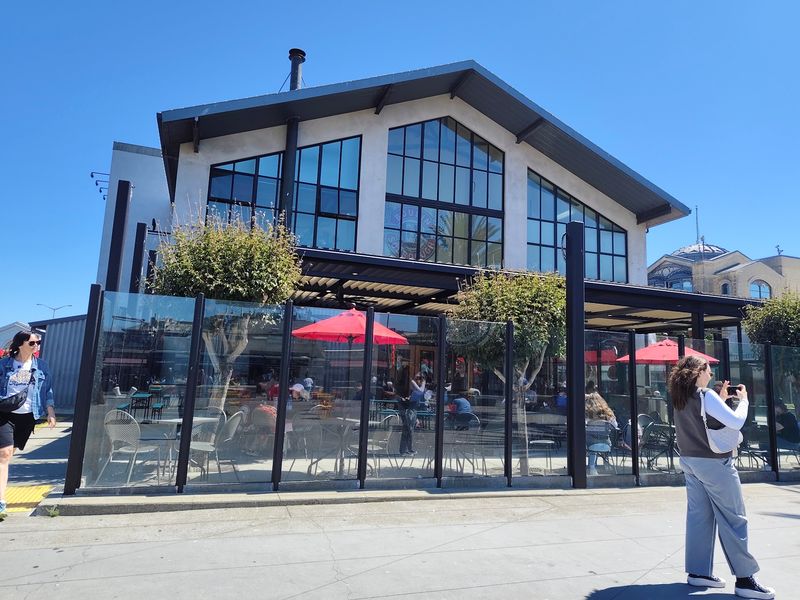
Late risers, rejoice. The doors open at 11:30 am every day of the week.
From Sunday through Thursday, hours run 11:30 am to 9 pm. On Friday and Saturday, closing moves to 10 pm.
Expect to spend about $20 to $30 per person. Prices sit on the high side, as many guests expect at a famous waterfront spot.
Costs can climb fast for groups. One party of three paid $65 for a single item and drink each, so keeping orders simple helps.
Most people arrive on foot while exploring Fisherman’s Wharf. The bakery pairs easily with a walk toward Pier 39 or the Embarcadero.
Arriving near opening time may help avoid the busiest lunch rush. Late afternoon is another option before the dinner crowd builds.
The official website, bistroboudin.com, is the place to check menus before heading out. Plans change, and a quick look saves surprises.
With timing and budget handled, there is just one question left: who will enjoy this place most.
Worth the Ritual
Every city has a few habits that visitors adopt on day one. In San Francisco, a sourdough stop on the wharf is one of them.
The place holds a 4.4-star average across more than 18,000 opinions, which shows how many people keep coming back. Not every dish wins every time, and the prices and crowds draw some grumbles.
Still, the core promise holds. The sourdough is the highlight for nearly everyone, from first-time tourists to locals grabbing a dependable lunch.
Families get the window show, shaped loaves, and an easy menu. Couples can head upstairs for a calmer sit-down meal.
Bread fans get the deepest reward. The history on the walls and the mother dough behind the counter turn a simple loaf into a link to 1849.
Many people call it worth visiting at least once. Plenty of others make it a stop on every trip.
Order the bread bowl, watch the bakers, and grab a loaf for later. That is the ritual, and it is a tasty one to keep.
Enjoyed this story?
Add Fast Food Club as a preferred source to see more of our reporting on Google.