


Some towns are built for rushing through, and some are built for slowing down. This one fits fewer than a thousand people inside its limits, yet it has drawn artists, writers, and day-trippers for generations.
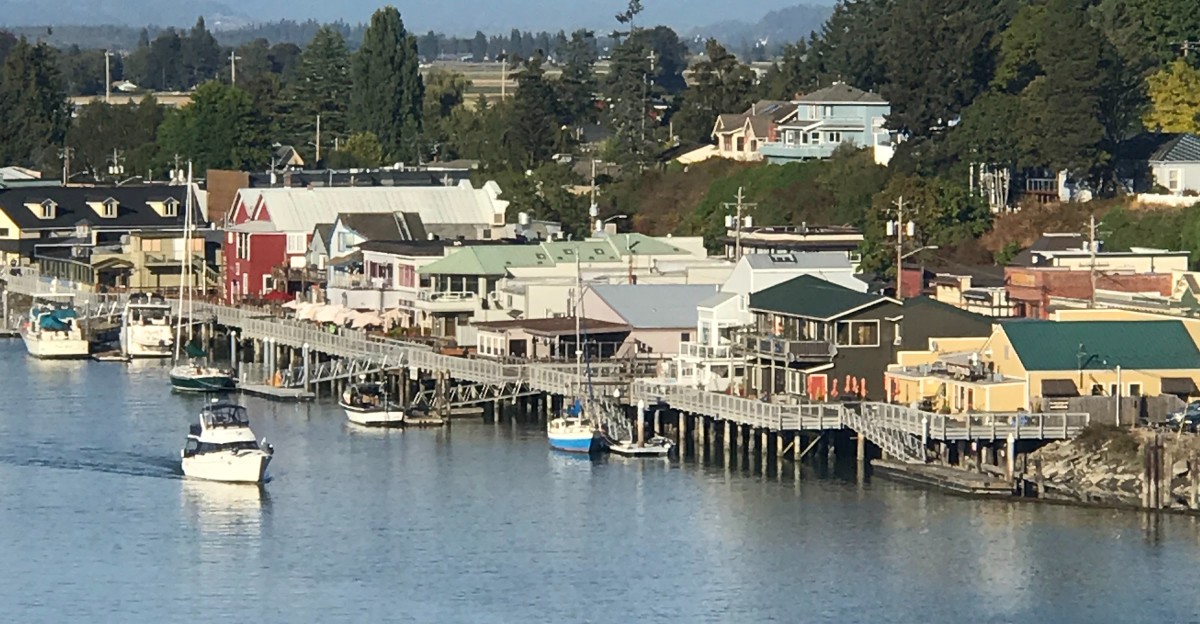
It sits along a quiet waterway in northwest Washington, with storefronts lined up on a single main street and boats drifting past the back windows. The plan here is simple: wander, browse a gallery or two, grab a seat at a café, and let the clock lose its grip for a few hours.
Keep reading to learn where this little town is, why it became an art magnet, what to do once you arrive, and how to make a relaxed afternoon actually work. Bring comfortable shoes and very few expectations of hurrying.
A Small Town on the Skagit Map
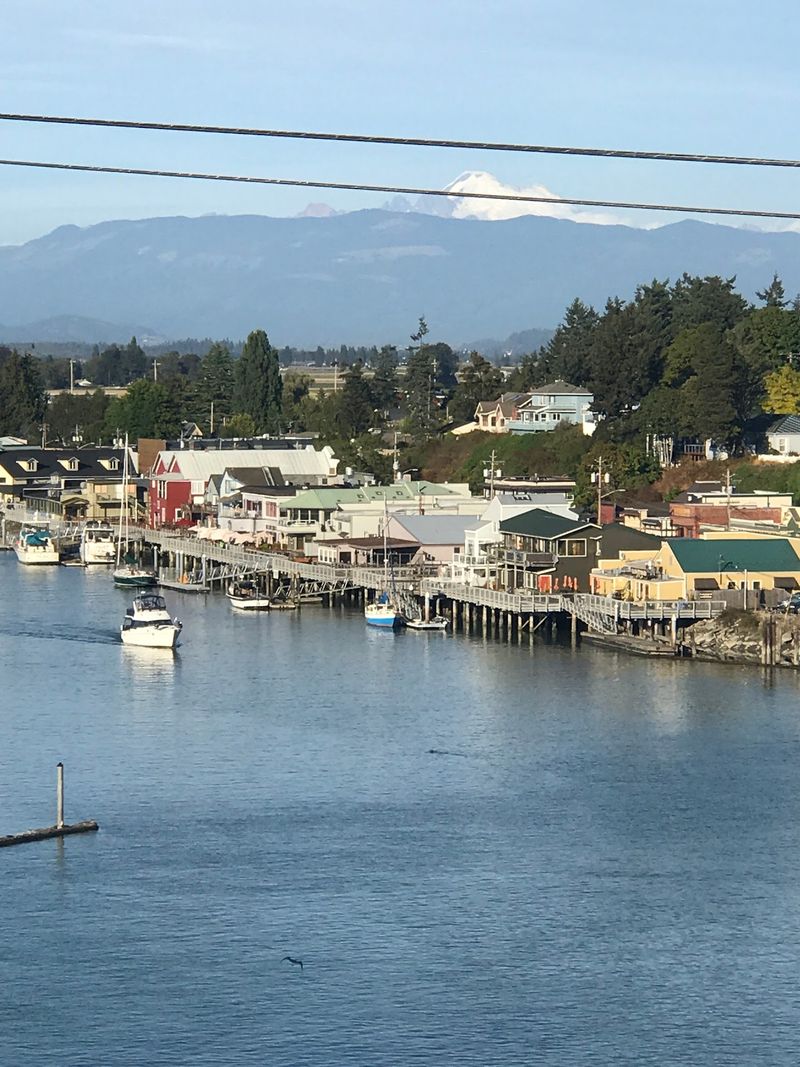
Tiny towns often carry the biggest reputations, and this one proves it. La Conner sits in Skagit County, Washington 98257, USA, in the northwest corner of the state.
The 2020 census counted just 965 residents. That makes it one of those places where the population sign almost feels like a personal introduction.
Officially, the town is part of the Mount Vernon to Anacortes metropolitan area. In practice, it feels much farther removed from anything resembling a metro.
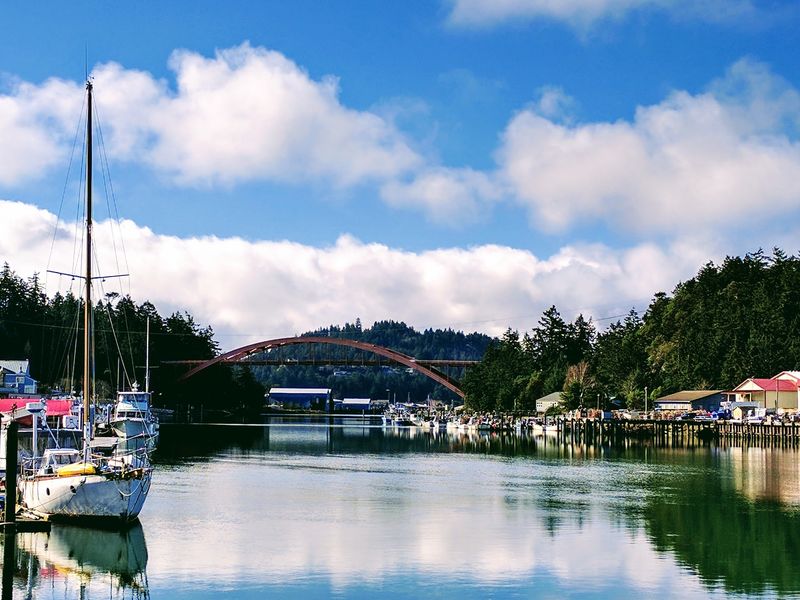
The town hugs the Swinomish Channel, a waterway that separates the mainland from Fidalgo Island. Most of the action, such as it is, happens along the strip of buildings facing that water.
Getting oriented takes about five minutes. The main street runs parallel to the channel, side streets climb gently uphill, and the whole downtown can be covered on foot without a map.
Small size is the point here. There is no pressure to see everything, because seeing everything is surprisingly easy, and that leaves plenty of time for doing very little at all.
Roots Older Than the Storefronts
History in La Conner is not tucked away in a single museum case. It shows up in the buildings themselves.
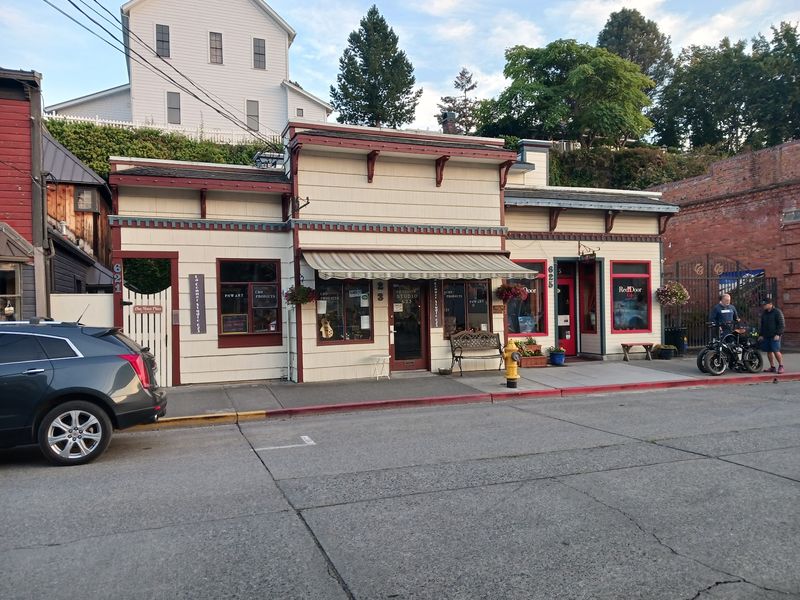
The town is one of the older communities in Washington and grew up as a trading post along the water. Many of the wooden commercial buildings downtown date back over a century.
Much of the downtown is recognized as a historic district. That status helps explain why the main street still looks like an old postcard rather than a strip mall.
The Swinomish Indian Tribal Community lives across the channel, and its presence on this land long predates the town. Their reservation sits on Fidalgo Island, visible from the waterfront.
Farming shaped the region too. The broad Skagit Valley flats surrounding town remain heavily agricultural.
Knowing a little of this backstory changes the stroll. A simple storefront becomes part of a much longer timeline, and the town feels less like a stage set and more like a place that earned its looks.
The Channel Out Back
Every good lazy afternoon needs a view, and the Swinomish Channel supplies one for free.
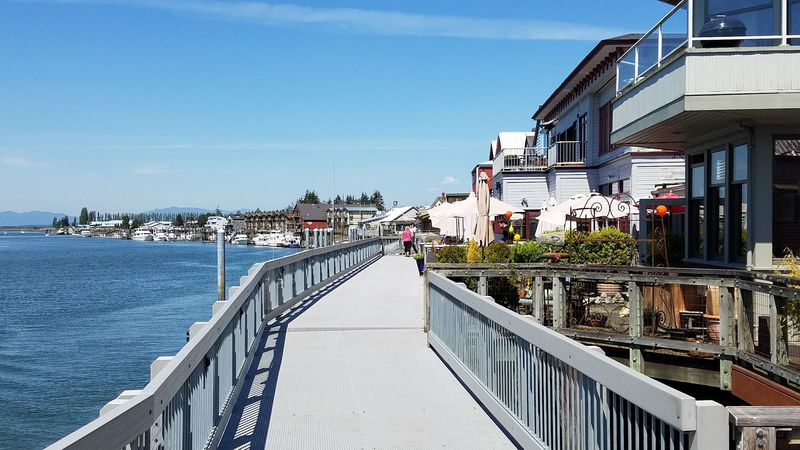
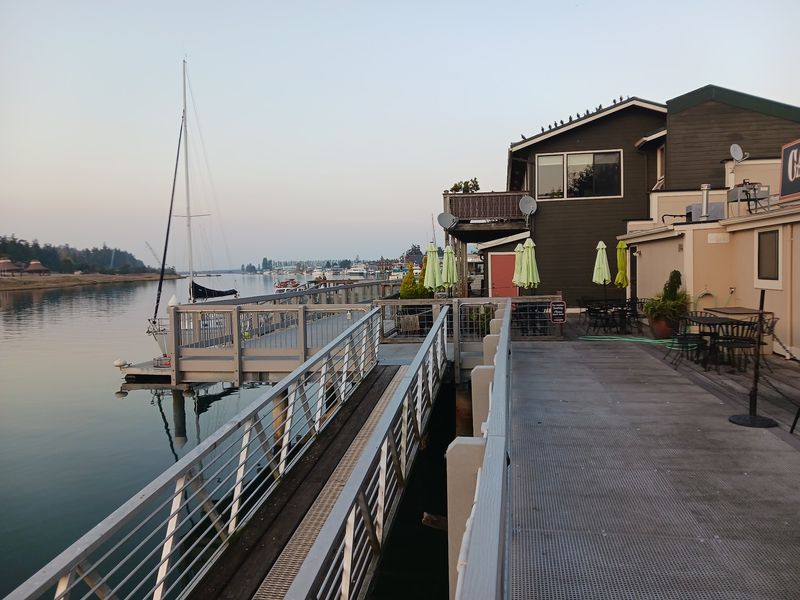
Behind many of the shops and eateries runs a public boardwalk. It offers benches and open spots for watching fishing boats and pleasure craft slide past.
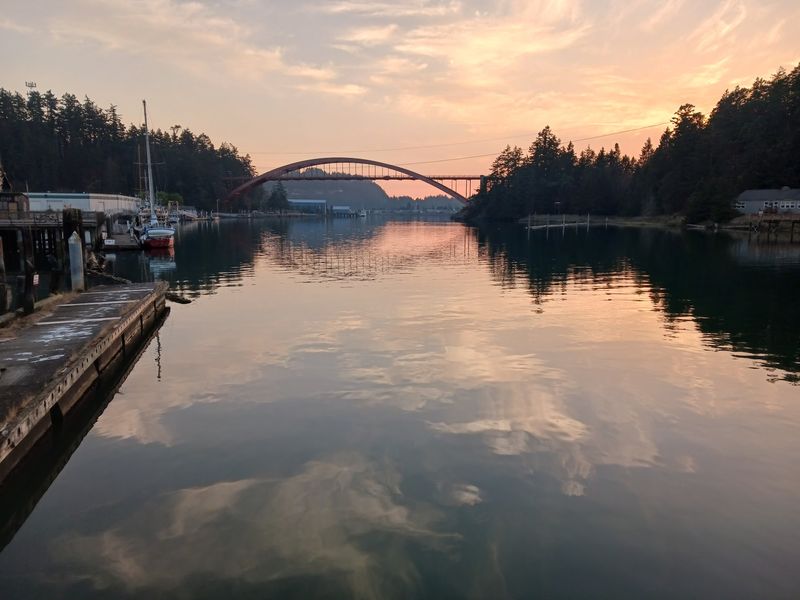
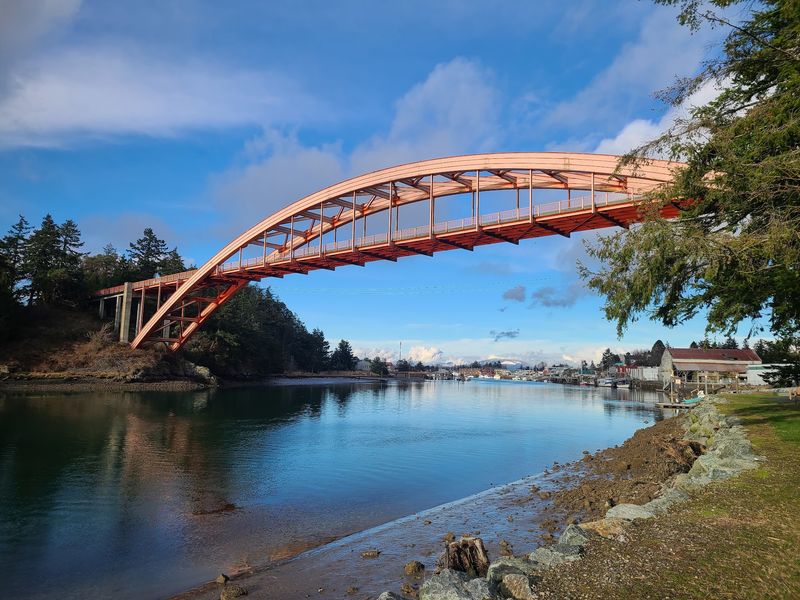
Across the water stands the Rainbow Bridge, a bright orange arch that connects town with Fidalgo Island. It is one of the most photographed features in La Conner.
Plenty of businesses face the water directly. That means a table by a window can double as a front-row seat to channel traffic.
No ticket, no schedule, no tour guide required. The boardwalk is simply there, waiting for anyone who wants a break between galleries.
Bring a book or nothing at all. The channel tends to fill the silence on its own.
Why Artists Kept Showing Up
Back in the mid-twentieth century, a handful of painters decided the Skagit Valley was worth staying for. Their choice still shapes La Conner today.
Artists such as Guy Anderson and others associated with the Northwest School spent time in and around town. Their work helped put the region on the national art radar.
That legacy did not fade. Studios, galleries, and art-minded residents have continued to cluster here.
The appeal is easy to understand. Wide farm fields, shifting weather, and mountain views offer endless subject matter for a painter.
For a casual stroller, this history adds weight to every gallery window. The art on display is part of a creative tradition that reaches back decades.
Not bad for a town that could fit inside a large concert hall.
Gallery Hopping on First Street
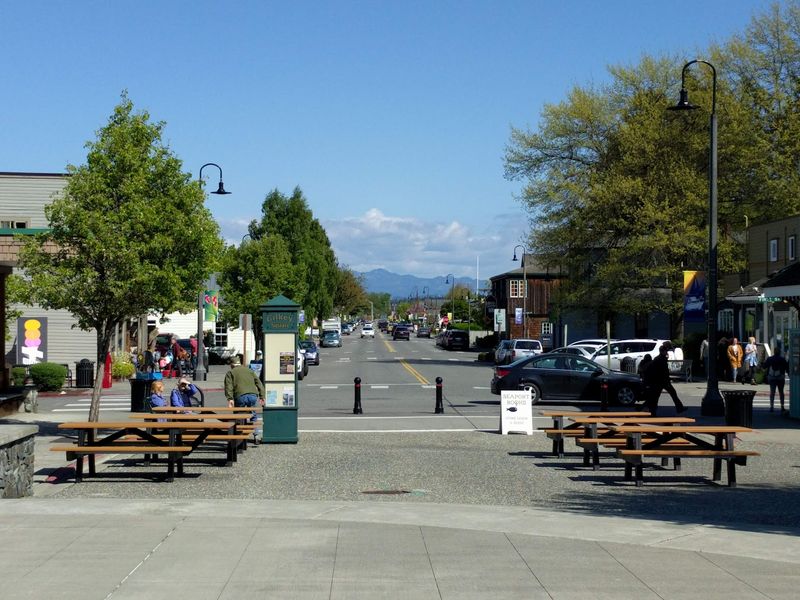
Galleries outnumber traffic lights here by a comfortable margin. In fact, there are no traffic lights to compete with.
First Street holds most of the art spaces. Shops show paintings, glasswork, sculpture, jewelry, and prints, many by artists from the Pacific Northwest.
The scale is friendly. Most galleries are small enough to explore in ten or fifteen minutes, which makes hopping from door to door feel effortless.
There is no obligation to buy. Browsing is a perfectly respectable pastime, and the setup encourages it.
Pace yourself, though. A few hours can vanish quickly once one gallery leads to the next and then the next.
Pro tip: save a favorite for the end of the walk, so the afternoon finishes on a high note instead of a tired shuffle.
Museum of Northwest Art
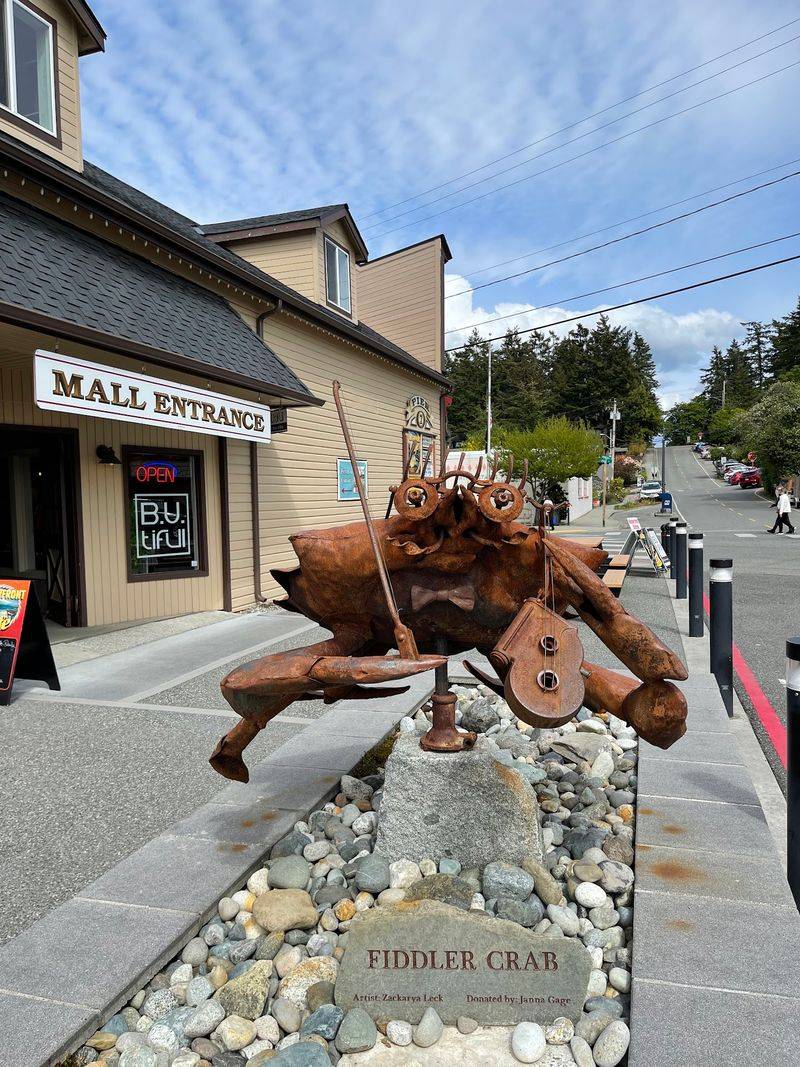
A town of under a thousand people with its own art museum sounds unlikely. La Conner pulls it off anyway.
The Museum of Northwest Art, often called MoNA, focuses on artists from the Pacific Northwest. It sits right in the heart of downtown.
Exhibitions rotate, so a return trip can look quite different from the first. The museum also connects naturally with the region’s Northwest School history.
It works well as an anchor for an art-focused afternoon. Spend some time inside, then step back out onto First Street to continue browsing.
Hours and admission details can change. Checking the museum’s official website before visiting is a smart move.
Consider it the serious chapter of an otherwise easygoing story.
Quilts Inside a Victorian Mansion
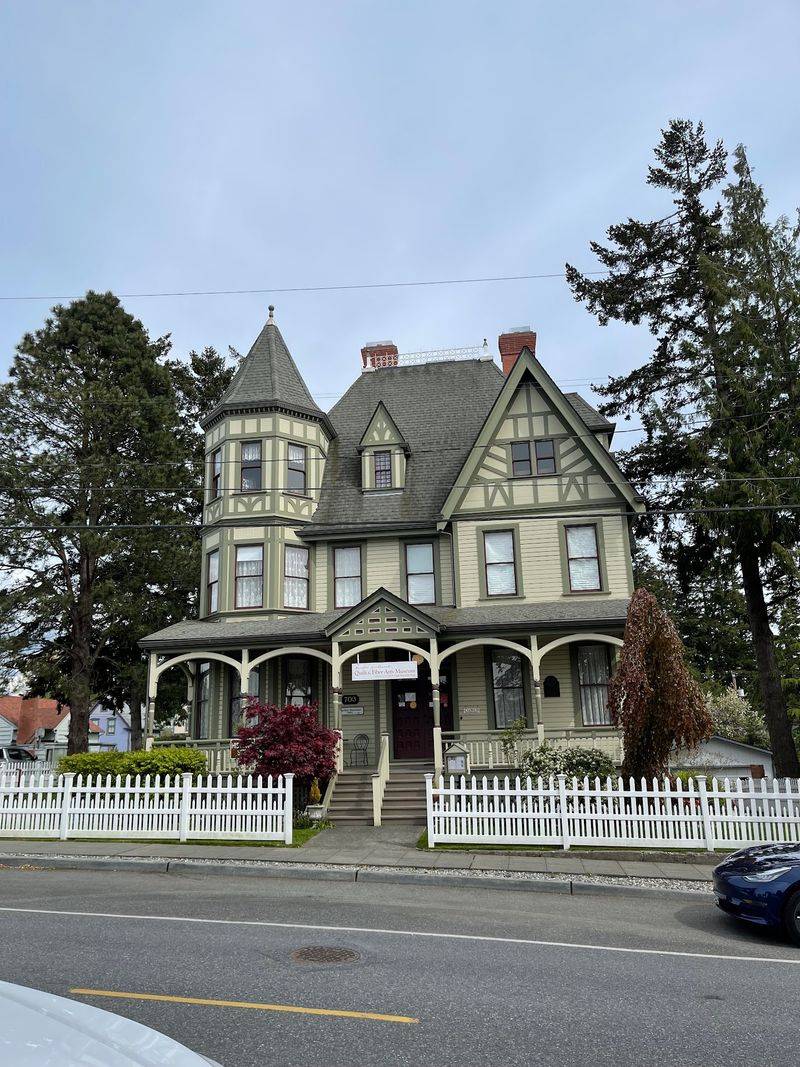
Few museums can claim a home as charming as the building that holds the La Conner Quilt and Textile Museum.
It is housed in the Gaches Mansion, a Victorian-era home on a hill above downtown. The building itself is part of the attraction.
Inside, rotating exhibits highlight quilts and fiber arts. The craftsmanship on display often surprises people who walked in expecting grandma’s bedspread.
The museum adds another layer to the town’s creative identity. Art here is not limited to canvas.
A short uphill walk from First Street leads there. It makes a nice detour when legs need a change from flat sidewalks.
Thread this stop into the plan, and the afternoon gains a whole new pattern.
Cafés Built for Lingering
Half the fun of La Conner is sitting down. Its cafés make that easy.
Small coffee shops and casual eateries are scattered along the main street. Several have seating that looks out toward the channel.
Nobody seems in a hurry to turn tables. A slow refill and an open notebook fit right in.
Cafés also make good planning stations. Grab a seat, decide which galleries to tackle next, and watch the street wander by.
Options shift over time as businesses come and go. Walking the strip and choosing whatever looks inviting tends to work best.
Call it research. Very relaxed, very caffeinated research.
Shops With a Personality
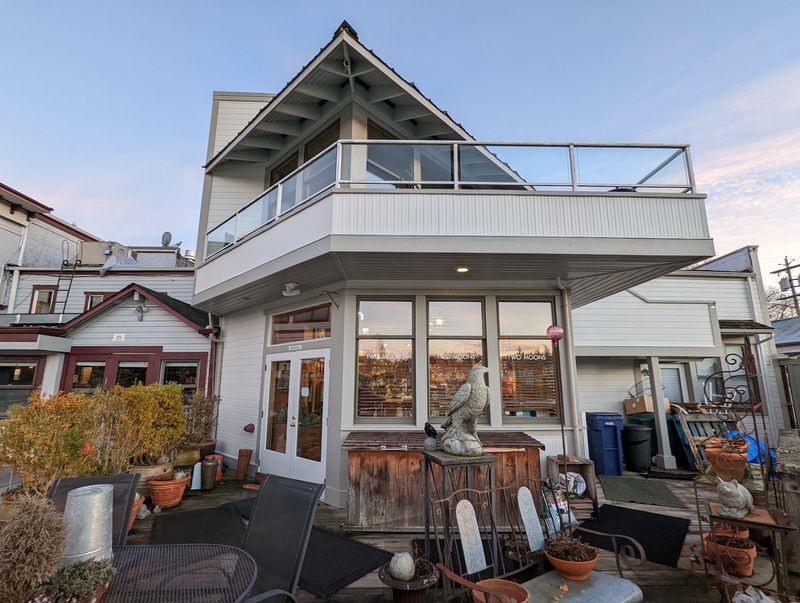
Chain stores are hard to find downtown. Independent shops fill the gap instead.
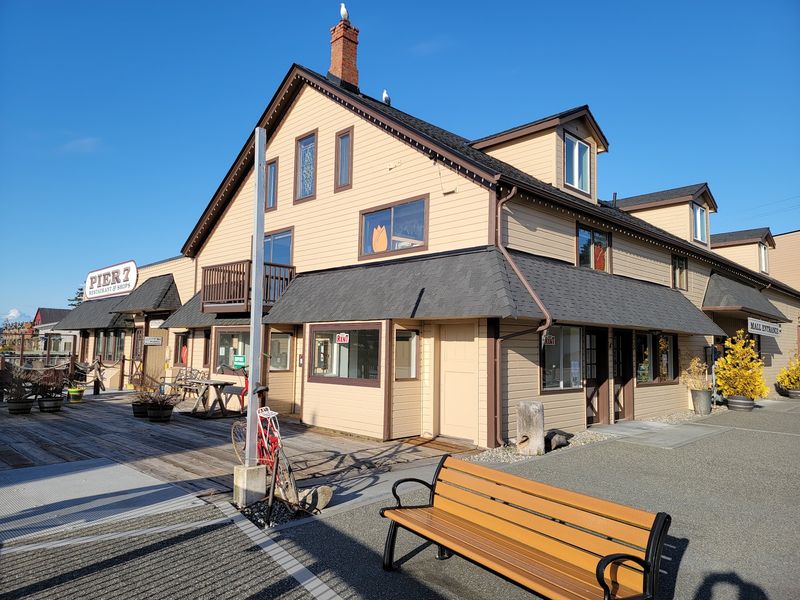
Boutiques sell home goods, clothing, books, gifts, and locally made crafts. Many occupy those same historic buildings that line the street.
The mix rewards slow browsing. Each doorway tends to lead somewhere a little different from the last.
Shopping here blends naturally with gallery time. The line between a craft shop and an art space is often thin.
Small purchases double as souvenirs. A handmade item from a local maker usually carries more story than a fridge magnet.
Wallets, consider yourselves warned, gently.
Tulip Season Next Door
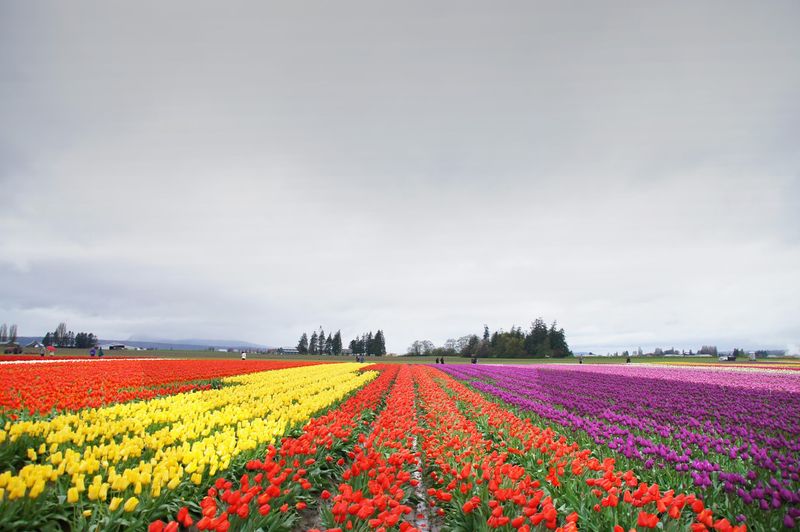
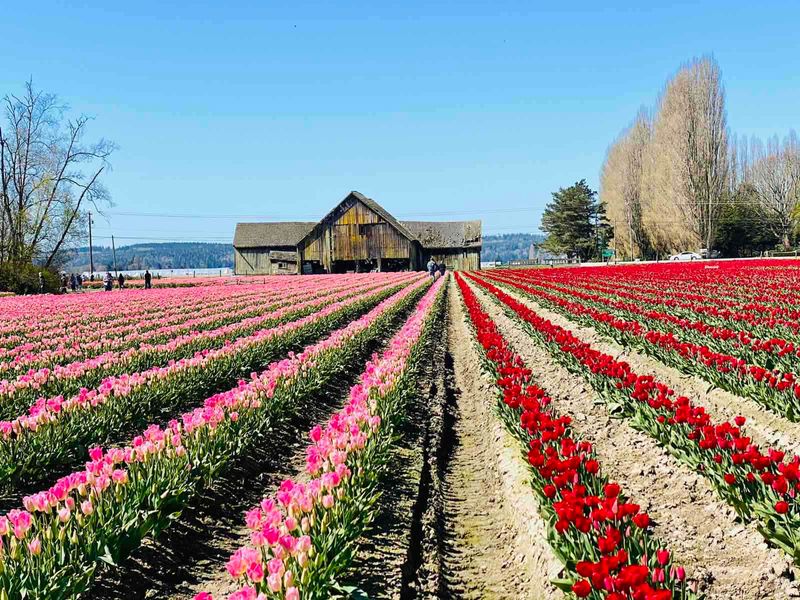
Every April, the farmland around La Conner turns into one of the most famous flower displays in the country.
The Skagit Valley Tulip Festival runs throughout the month. Fields of tulips and daffodils bloom across the surrounding valley.
La Conner sits close to many of these fields. That makes it a popular base for flower-season outings.
Crowds grow large during peak bloom. Weekends especially can mean slow roads and busy sidewalks.
Planning a weekday trip helps. Arriving earlier in the day can also make parking easier.
Spring brings the color, but the rest of the year brings the calm, so pick your season based on the kind of afternoon you want.
The Mood of a Slow Town
Some places demand an itinerary. La Conner mostly asks for patience.
The atmosphere leans calm and unhurried. People stroll rather than sprint, and benches actually get used.
It suits couples looking for an easy day out. It also works for solo travelers, art fans, and families who enjoy browsing.
Thrill seekers may find it too quiet. There are no big attractions or nightlife scenes to chase.
That is precisely the charm. A town this small does not try to be everything at once.
Lower the expectations for excitement, raise them for relaxation, and the place delivers.
Roads Into Town
Reaching La Conner involves a pleasant bit of backroad driving, which feels fitting.
The town lies west of Interstate 5, roughly an hour or so north of Seattle depending on traffic. Exits near Mount Vernon lead through farmland toward town.
Anacortes and the ferry terminal to the San Juan Islands are not far away. Some people pair a La Conner stop with a longer island trip.
Driving is the most practical option for most travelers. Public transit choices in this rural area are limited.
Travel times vary with season and traffic. Tulip month especially can slow things down.
The flat valley roads are part of the welcome, easing drivers into a slower speed before they even park.
Practical Notes Before You Go
A lazy afternoon still benefits from a little planning.
La Conner is a town, so there are no gates or admission fees to enter. Costs depend on which museums, shops, and cafés you choose.
Hours vary from business to business. Some smaller shops may keep shorter schedules on certain weekdays or in quieter months, so checking ahead helps.
Parking is available around downtown. During busy periods, expect to walk a few blocks.
Comfortable shoes matter more than fancy outfits. The whole point is to wander.
Pack a light jacket, since Pacific Northwest weather enjoys changing its mind, and the afternoon will roll along just fine.
A Worthy Place to Waste Time
Wasting time rarely gets good press. In La Conner, it becomes the main event.
The town offers a compact mix of history, art, water views, and cafés. Nothing feels rushed, and very little needs a reservation.
It may not suit travelers chasing big crowds or packed schedules. For everyone else, it is a refreshing change of pace.
A few galleries, a museum, a stroll along the boardwalk, and a long café break add up to a full afternoon. That is about all the plan requires.
Small towns often get overlooked on the way to bigger destinations. This one deserves the detour.
Leave a little early, stay a little late, and let the channel decide when the day is done.
Enjoyed this story?
Add Fast Food Club as a preferred source to see more of our reporting on Google.