


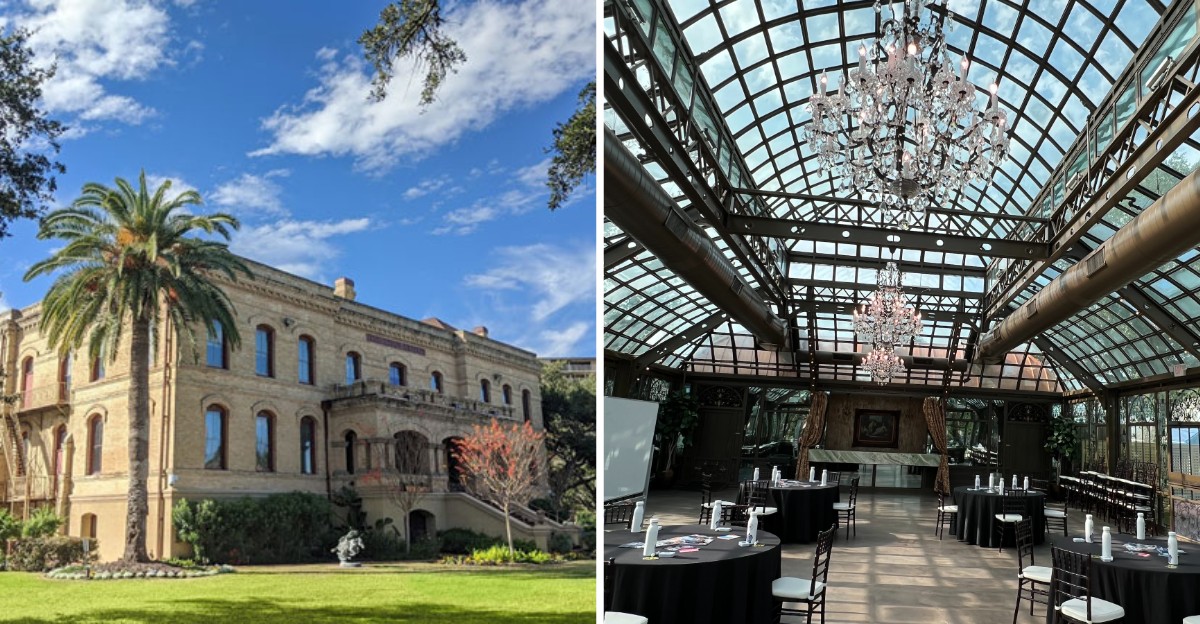
Galveston is famous for its beaches, cruise ships, and salty breezes, but one of its best stops has nothing to do with sand. A few blocks inland, a grand old building once filled with children now holds the story of Texas, from Native American artifacts to Revolution-era treasures and cowboy gear.
Many longtime Galveston regulars admit they drove past it for years without ever going inside. Behind its doors you will find saddles, documents, western art, a tiny theater, a basement exhibit with a surprising past, and gardens that steal the show.
There is even a glass conservatory that couples book for their big day. Keep reading to learn what makes this place special, what to see first, and how to plan an easy afternoon there.
A Grand Address on 21st Street
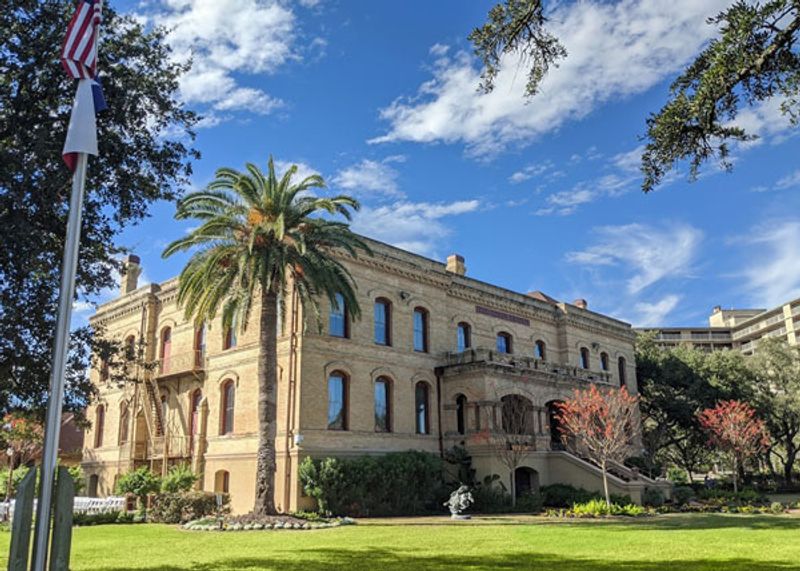
Some of the best Texas stories are hiding in plain sight, and this one sits right in the middle of Galveston Island. The Bryan Museum is located at 1315 21st St, Galveston, TX 77550, in the United States.
It is a museum devoted to old Texas and the American West. The collection traces the story from Native American artifacts all the way to modern objects.
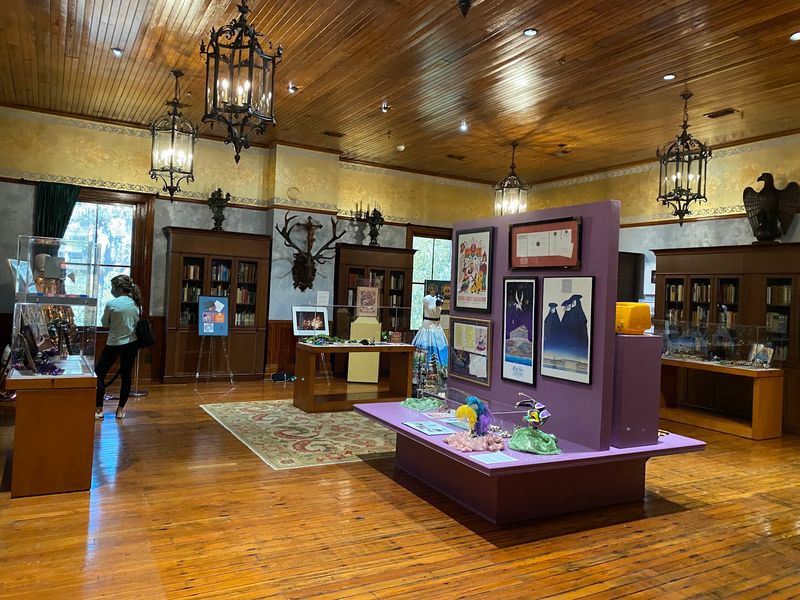
The museum blends history exhibits with a strong art collection. A fair way to describe the mix is roughly part museum and part art gallery, woven together so the paintings and the artifacts tell the same story.
Galveston history gets plenty of attention here too. Exhibits connect the island’s past to the bigger picture of the Lone Star State.
Many people who visit Galveston for years never realize the museum exists. That surprise is part of the fun, since it feels like finding a secret door in a town you thought you knew.
The place also holds a strong reputation, sitting at 4.8 stars across more than 1,200 Google ratings. For a museum, that kind of steady praise says a lot about the experience waiting inside.
So where did this building come from, and why does its own past matter so much?
From Orphanage to Museum
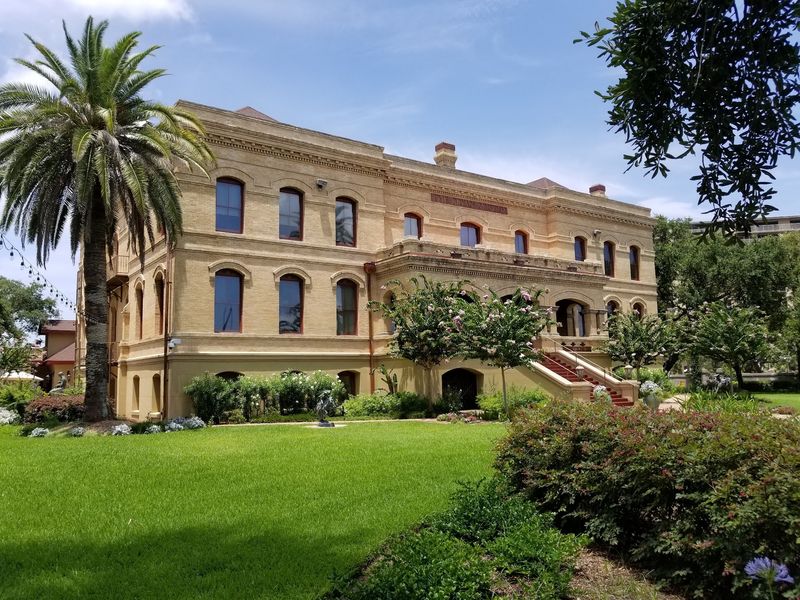
Long before it housed saddles and paintings, the building was home to children. The structure that holds The Bryan Museum was once an orphanage, and it is well over a century old.
The museum does not hide that history. Instead, it honors it with a dedicated exhibit in the basement that shares the building’s past.
One clever detail in the Orphanage Exhibit is the use of lockers. Pieces of information are tucked inside, so guests open them to uncover parts of the story.
The history of the orphanage is one of the most talked-about parts of a visit. Plenty of guests arrive expecting cowboys and cannons, then leave thinking about the young residents who once lived within these walls.
The restoration itself is worth noticing. Rooms are well maintained and nicely decorated, while still showing respect for the age of the structure.
Older buildings come with quirks, and a few spaces are smaller than modern museums. Still, the setting adds depth, since the walls themselves are part of the collection.
Once you know who lived here first, the exhibits upstairs take on a fresh layer of meaning.
Revolution Relics and Republic Treasures
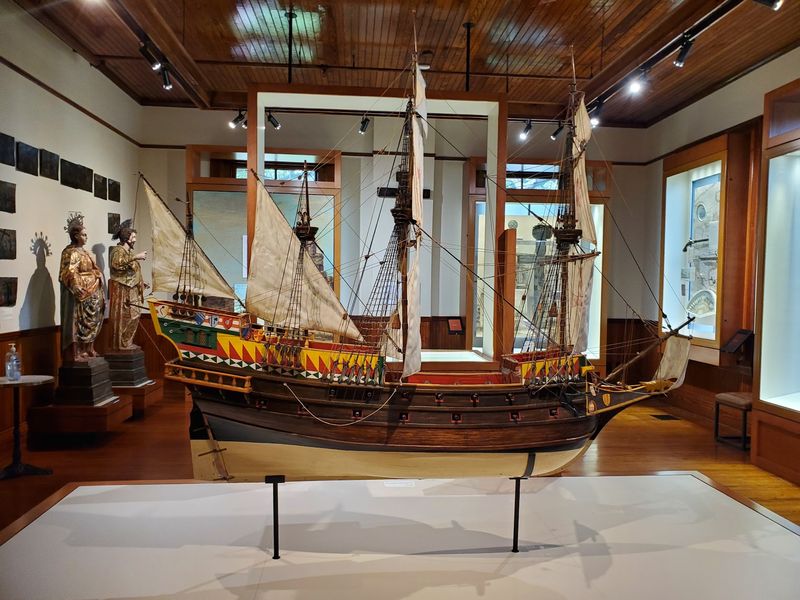
Texas history class never looked this good. The core of the museum is its huge spread of artifacts, covering prehistoric times through the modern era.
Highlights include objects from the Texas Revolution and the Republic of Texas years. Historic documents sit alongside these pieces, giving context to the battles and the people behind them.
The Karankawa, a Native people from this coastal area, receive specific attention. That local focus helps guests understand who lived along these shores long before Galveston became a port city.
The information is presented in a balanced way. Many guests appreciate that the displays feel fair and avoid pushing a single viewpoint.
Technology adds another layer. Tablets let you pull up extra details on certain topics, so history buffs can go deep while casual browsers keep moving.
Videos round out several exhibits as well. The mix of objects, screens, and text keeps things from feeling like a wall of plaques.
Students fresh from a social studies exam have found it a handy review session. Not many study guides come with real Republic-era artifacts.
Saddles, Spurs, and Western Art
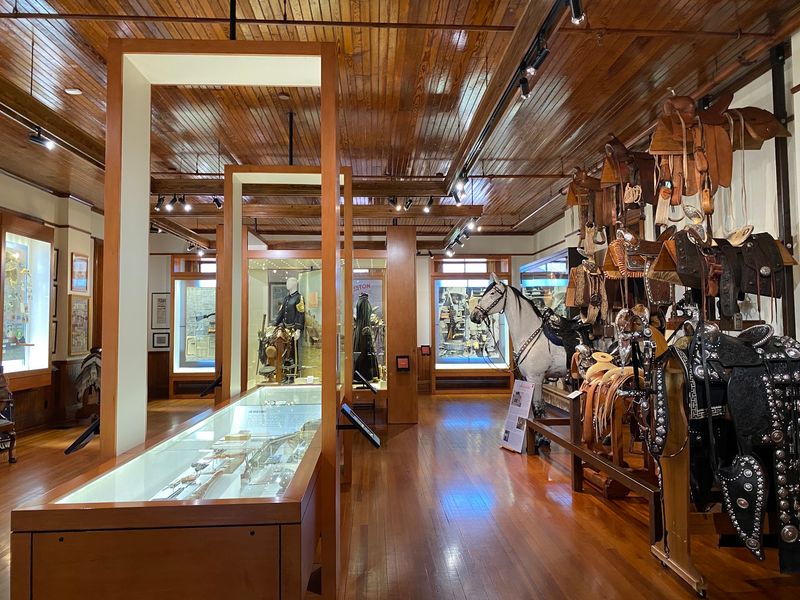
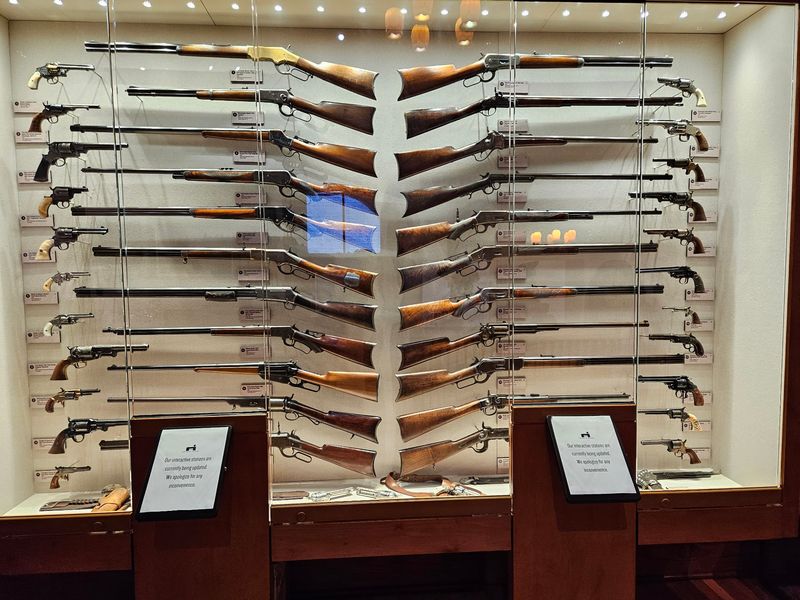
Cowboy fans, saddle up. The collection includes saddles, weapons, clothing, and cowboy memorabilia that bring the American West into sharp focus.
A firearms collection adds to the frontier story. These pieces show the tools that shaped daily life and conflict in early Texas.
Art carries equal weight here. Western paintings hang throughout the galleries, and they connect closely with the artifacts nearby.
Rotating displays keep the art side fresh. One past exhibit featured a Texan artist who designed silk scarves for Hermes, and some guests even spotted a design they recognized from decades earlier.
The gift shop has offered silk scarves too, making for a classy souvenir that beats the usual keychain. Note that the shop has closed for redesign at times, so plan around that possibility.
The range here is wide. You can move from a weathered saddle to a polished painting in a few steps, and both feel like part of one big Texas tale.
For anybody raised on western movies, this floor delivers the real deal.
A Small Theater With a Big Storm Story
Galveston’s most famous chapter fits into a room that seats around 20 people. The museum has a small theater, and admission to the film costs $5 per person.
One film covers the 1900 Galveston Hurricane. It is told through the accounts of survivors, which makes it informative and personal at the same time.
The setup is simple. Expect a large TV screen rather than a giant cinema screen, with seats all on the same level.
Shorter guests should arrive a little early to grab a front-row seat. With no tiered seating, the first row offers the clearest view.
The modest space makes sense inside a building that is more than 120 years old. Most guests happily trade stadium seating for the chance to hear these stories inside a historic structure.
It works well as a break in the middle of your visit. Fifteen quiet minutes in a chair can recharge tired legs before the next floor.
Leave the theater and the island outside will feel a bit different.
Gardens and a Glass Conservatory
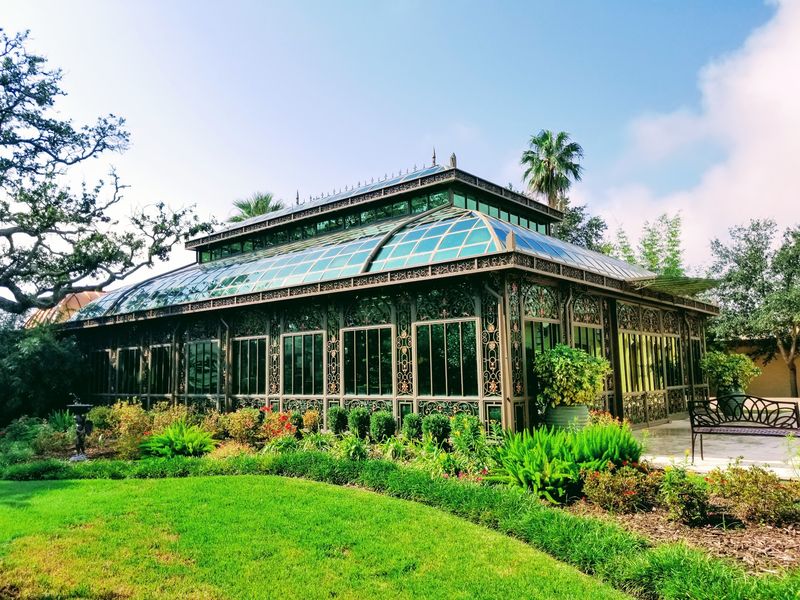
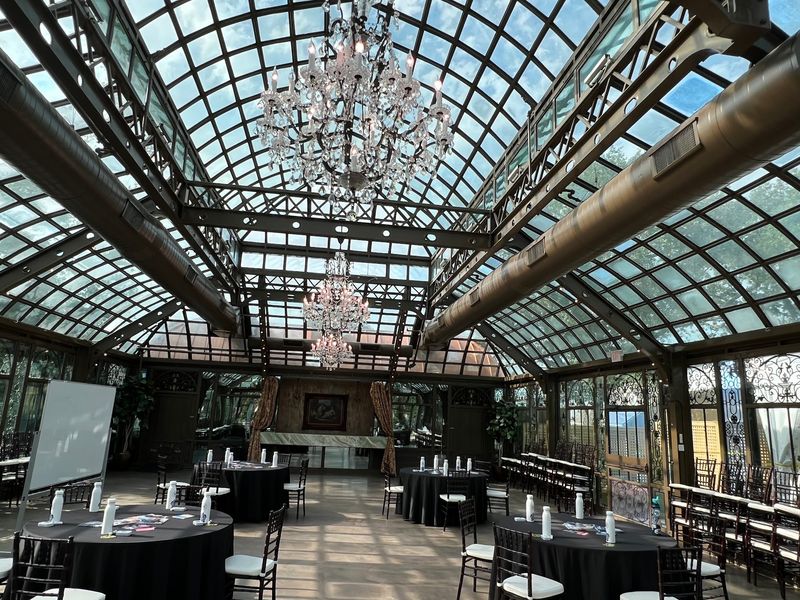
Here is a tip that many first-timers miss: the outdoors deserve as much time as the galleries. The grounds around The Bryan Museum are carefully landscaped and well kept.
Paths lead through gardens around the property and over to a separate venue space. Some guests compare the setting to the Garden District in New Orleans.
The star of the grounds is a glass conservatory. It is one of the most photographed spots on the property.
Photographers love it, and for good reason. Classic architecture, garden beds, and glass walls give plenty of frame-worthy angles.
The conservatory also hosts gatherings. Board meetings and other events have been held inside it.
A garden stroll pairs nicely with the indoor exhibits. After a few hours of reading about battles and frontier life, a slow loop outdoors helps everything settle in.
Bring your camera, and save some battery for the walk back to the car.
Weddings, Celebrations, and Special Days
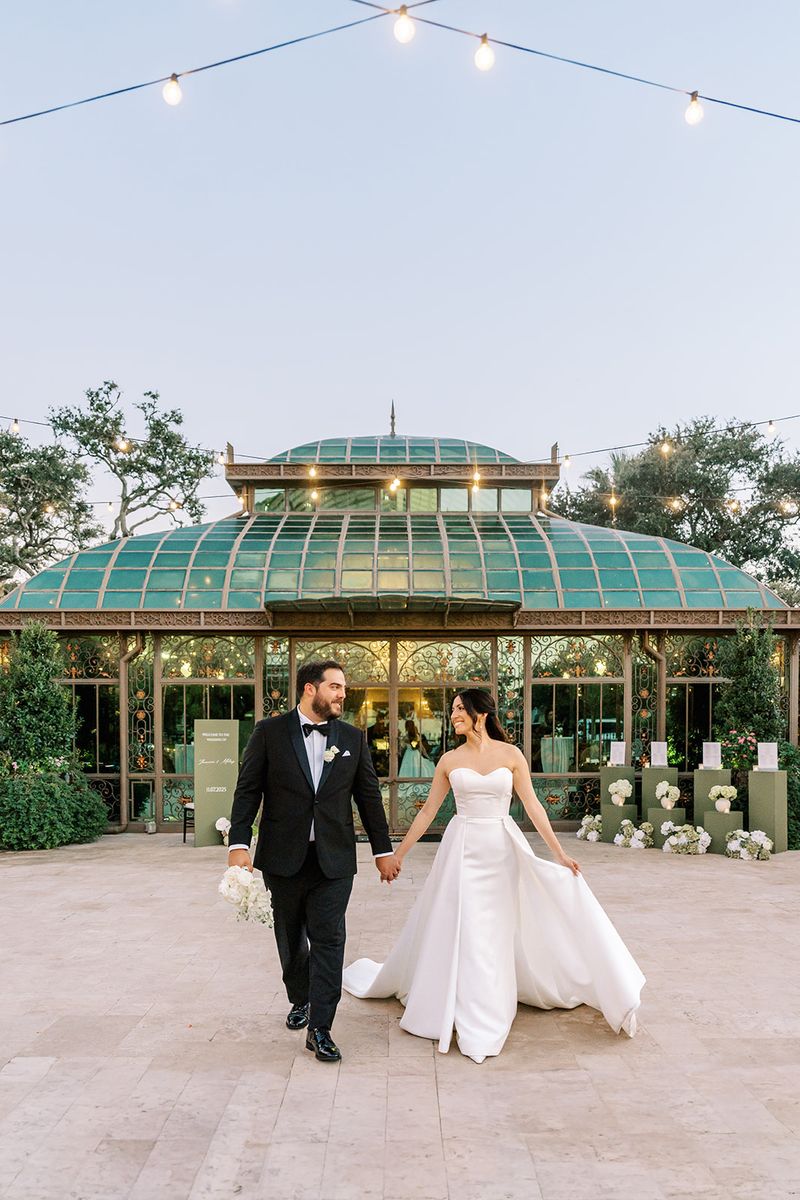
History buffs are not the only ones booking time here. The Bryan Museum is a popular wedding venue, and it comes up often when people talk about the property.
The conservatory, the gardens, and the historic architecture create a ready-made backdrop. Couples get timeless photos without needing much extra decoration.
The venue team earns warm praise for being helpful and welcoming. Event days run smoothly thanks to staff who handle details behind the scenes.
The museum also hosts community events. A past Juneteenth celebration brought live music to the grounds, alongside open museum galleries.
That mix of public celebrations and private events keeps the property lively. It feels like a gathering place as well as an exhibit hall.
Planning a special occasion in Galveston? The museum’s website is the best starting point for venue information.
Few places let wedding guests wander past Texas history between the ceremony and the cake.
Good Fun for Kids, Cruisers, and Curious Grown-Ups
A scavenger hunt might be the secret weapon for families. The museum offers one, and it keeps younger guests engaged from room to room.
There is also a kids area downstairs where children can listen to stories and look around. The exhibits work well for all ages, so nobody gets stuck waiting by the door.
Accessibility is handled thoughtfully. An elevator connects the floors, and clean restrooms make longer visits easy.
Cruise passengers have found the museum a handy stop. It fills the gap between leaving the ship and checking into a hotel.
Day-trippers from Houston and Katy pair it with a beach morning and lunch. As an indoor activity, it is a smart escape from the hot Texas afternoon sun.
The front desk team adds a lot. Staff and volunteers are friendly, knowledgeable, and quick to explain the layout.
Texas hospitality, it turns out, is on permanent display.
Planning Your Afternoon Visit
Timing matters, because this museum takes two days off each week. The Bryan Museum is open Wednesday through Sunday from 10 AM to 5 PM.
It is closed on Monday and Tuesday. Plan accordingly if your Galveston trip starts early in the week.
An afternoon gives enough room to see the galleries, catch the film, and stroll the gardens. Arriving by early afternoon leaves time for everything without rushing before the 5 PM close.
The theater film costs $5 per person. For current admission prices and special exhibits, check the official website at thebryanmuseum.org.
Some areas, such as the gift shop or the ground floor, have closed temporarily for updates in the past. A quick look at the website before you go can prevent surprises.
So is it worth the stop? With a 4.8-star reputation, a building full of stories, and gardens that reward a slow walk, the answer leans strongly toward yes.
Galveston’s beaches will still be there tomorrow, but Texas history is waiting on 21st Street today.
Enjoyed this story?
Add Fast Food Club as a preferred source to see more of our reporting on Google.