


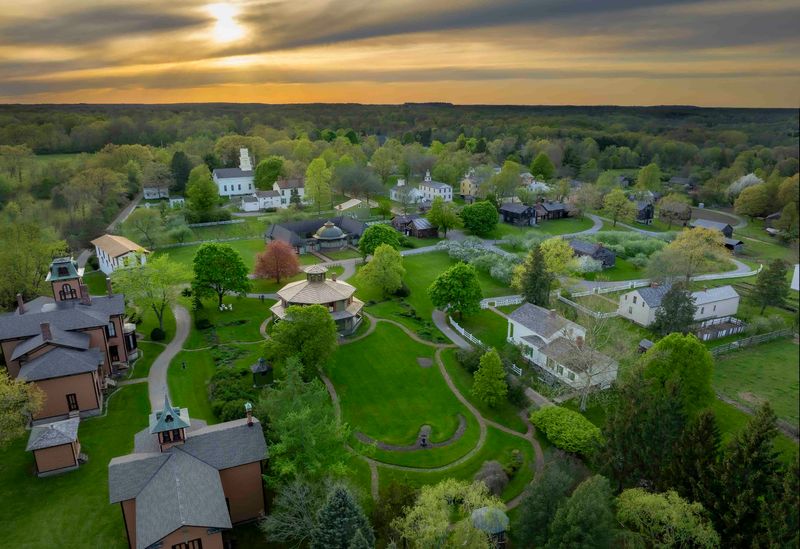
Roughly a half-hour outside Rochester sits a whole town that runs on 19th-century time. More than 60 old buildings were carefully moved here from across the region and rebuilt into a working village, complete with costumed craftspeople hammering nails, weaving fabric, and shaping barrels by hand.
Farm animals roam the grounds, a schoolhouse waits for its lessons, and seasonal events fill the calendar with parades, dancing, and history brought to life. Families wander for hours and often wish they had planned for a full day.
What makes it special is how it trades glass cases and roped-off exhibits for real demonstrations you can watch up close. The story of early American life unfolds right in front of you, and the people telling it clearly love their work.
Keep reading to find out where it is and what waits inside.
A Village Hidden in the Rural New York Countryside
Tucked away on 175 rural acres, Genesee Country Village & Museum sits at 1410 Flint Hill Rd in Mumford, New York, a short drive from Rochester. The setting feels worlds apart from the city, with open fields, gardens, and trails wrapping around a full recreated town.
What you find here is a living 19th-century village, not a typical museum. Costumed workers go about their days, animals graze nearby, and a schoolhouse and gallery round out the grounds.
The whole place is built for wandering. Regulars often mention spending three hours and still feeling like they only scratched the surface, and many treat it as a full-day outing.
Holding a strong 4.8-star average across more than 2,000 reviews, it has earned a loyal following of families, history fans, and school groups. Some folks describe it as a miniature version of Colonial Williamsburg set right in western New York.
The rural backdrop does more than look pretty. It gives the reconstructed buildings room to breathe and lets the historic atmosphere settle over the entire property, which is exactly what draws people back season after season.
Buildings Rescued From a 60-Mile Radius
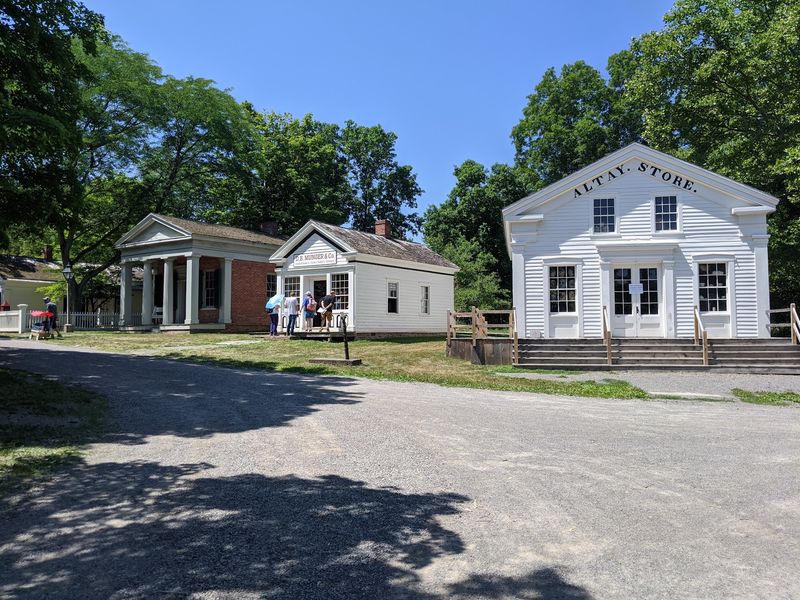
Every structure here has a backstory that started somewhere else. More than 60 historic buildings were relocated from a roughly 60-mile radius, carefully transplanted and rebuilt on the museum grounds so they could be preserved together in one place.
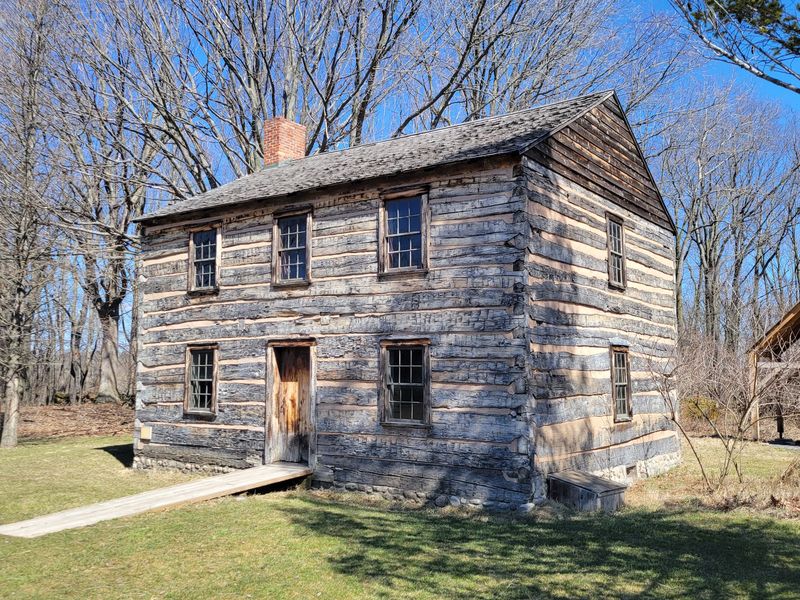
Walk the paths and you pass homes, shops, and public buildings that once stood in separate towns across the region. Most are open for viewing, some furnished with period pieces, others left plainer to show the bones of early construction.
The collection covers a wide sweep of early American life, and the buildings have been nicely preserved and restored. The grounds are kept in good shape, which makes the whole village feel cohesive rather than pieced together.
A small heads-up from frequent guests: not every building is open on every day. The museum publishes daily sheets so you can see what will be accessible during your visit, which helps you plan a route.
Seeing so many rescued structures in one spot turns a simple walk into a tour through decades of regional architecture, and it explains why people keep coming back to catch the buildings they missed.
Costumed Interpreters Who Bring the Past to Life
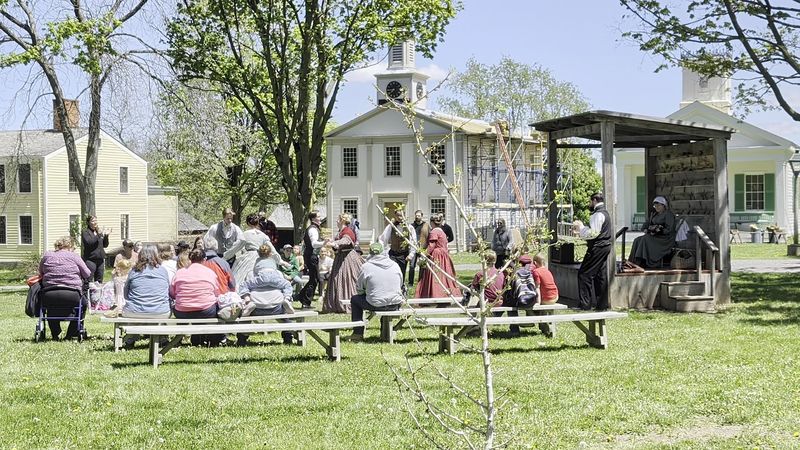
The real magic here comes from the people. Costumed interpreters dress in period clothing and stay in their roles, sharing stories about the businesses, trades, and daily routines of the 1800s.
Guests consistently describe the staff as friendly, enthusiastic, and remarkably knowledgeable. They are happy to talk about their craft and the history behind it, turning a quiet walk into a running conversation.
Because the history is acted out rather than displayed behind glass, the experience feels far more interactive than a standard museum. Tour guides earn regular praise for making their walks informative and genuinely enjoyable from start to finish.
Kids fall for it too. Parents mention children getting so absorbed in a demonstration that they refuse to leave, which is a good sign the storytelling is working.
The passion is easy to feel. People notice how much the cast members clearly enjoy their work, and that energy is a big part of why the village feels authentic instead of staged.
Trades and Crafts Demonstrated in Real Time
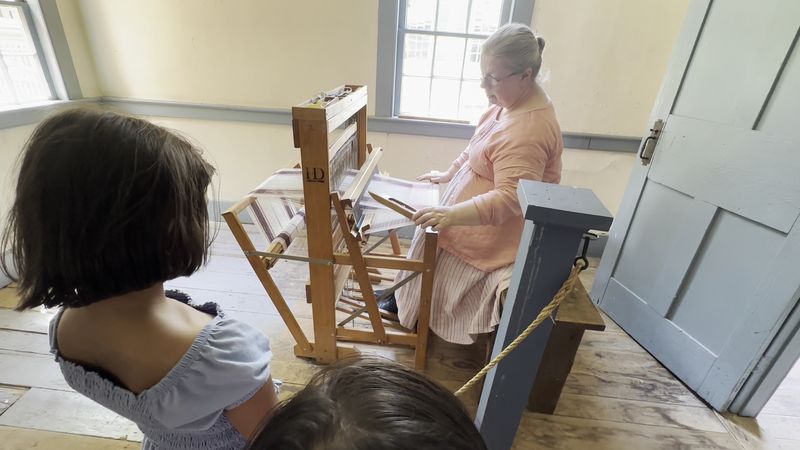
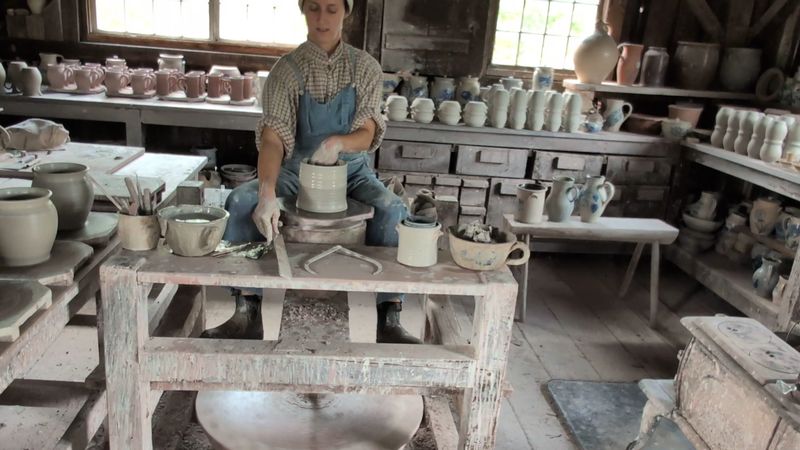
Hands-on history is the heartbeat of this place. Skilled workers demonstrate old trades in action, and watching them is often the highlight of the day.
The cooper shapes barrels out of staves, a process that fascinates guests young and old. Nearby, the blacksmith hammers out nails for door hinges, while the tinsmith crafts small items like candle snuffers.
Textile work gets plenty of attention too. Visitors learn how flax is processed into linen fiber and woven into fabric, and they can watch the tailor and dressmaker stitching the very costumes worn around the village.
There is even a brewery angle, where you can see what hop plants look like and how they were harvested and processed. It all adds up to a picture of a town that once made its own food and parts to survive.
Because the work happens right in front of you, the crafts feel alive rather than frozen in time. It is the kind of thing that keeps kids rooted in place and adults quietly impressed.
Farm Animals and the Working Countryside
Beyond the buildings, the village keeps a foot firmly in farm life. Animals roam the grounds, and the rural setting gives the whole place a working-countryside feel that fits the 19th-century theme.
For families with little ones, the animals are a natural draw. Parents of toddlers mention strolling the outdoor spaces, visiting the farm animals, and picking up something new every time they chat with the staff.
The open acreage matters here. With gardens, trails, and fields spread across 175 acres, there is plenty of room to explore at a relaxed pace without feeling crowded.
That easygoing atmosphere is a big part of the appeal. One thing that comes up often is how calm and welcoming the grounds feel, which lets parents wander comfortably while kids take it all in.
Mixing barnyard scenes with historic buildings gives the museum a rounded sense of place. It is not just a collection of old structures, it is a snapshot of how a rural community actually functioned.
Seasonal Events That Keep the Calendar Full
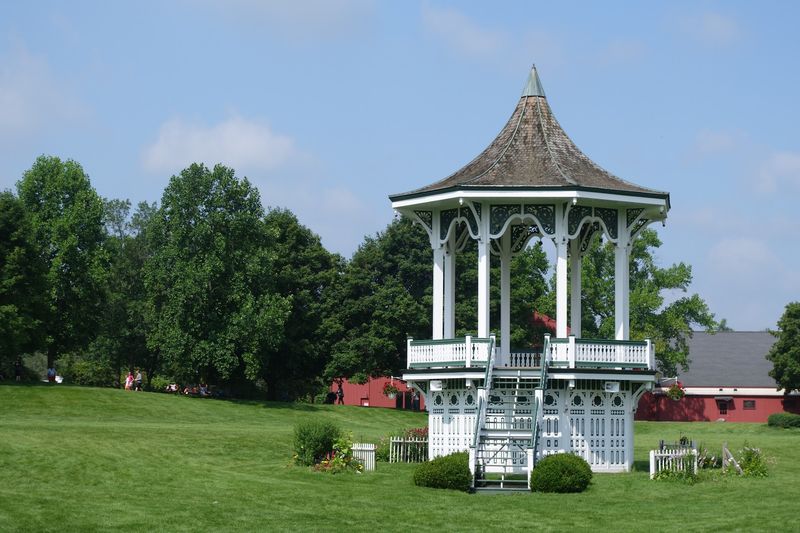
No two visits have to look the same. A rotating lineup of special events keeps the calendar busy and gives regulars fresh reasons to return throughout the year.
The Fourth of July brings a parade, while spring maple festivals draw crowds for a hearty breakfast before a walk around the grounds. Fall means limited hours but plenty of seasonal charm, and Halloween has featured trick-or-treating for kids.
History buffs get their moment too. War of 1812 reenactments have included blank-firing muskets and a cannon, adding some noise and drama to the historic setting.
The museum has even hosted marquee happenings like Antiques Roadshow, which pulled in first-time guests who left promising to come back. Classes and hands-on workshops round out the offerings.
With so much variety, membership makes sense for some families. Long-time members note they still enjoy every visit years in, thanks to the steady stream of events that mix things up.
Owl Moon and After-Dark Adventures
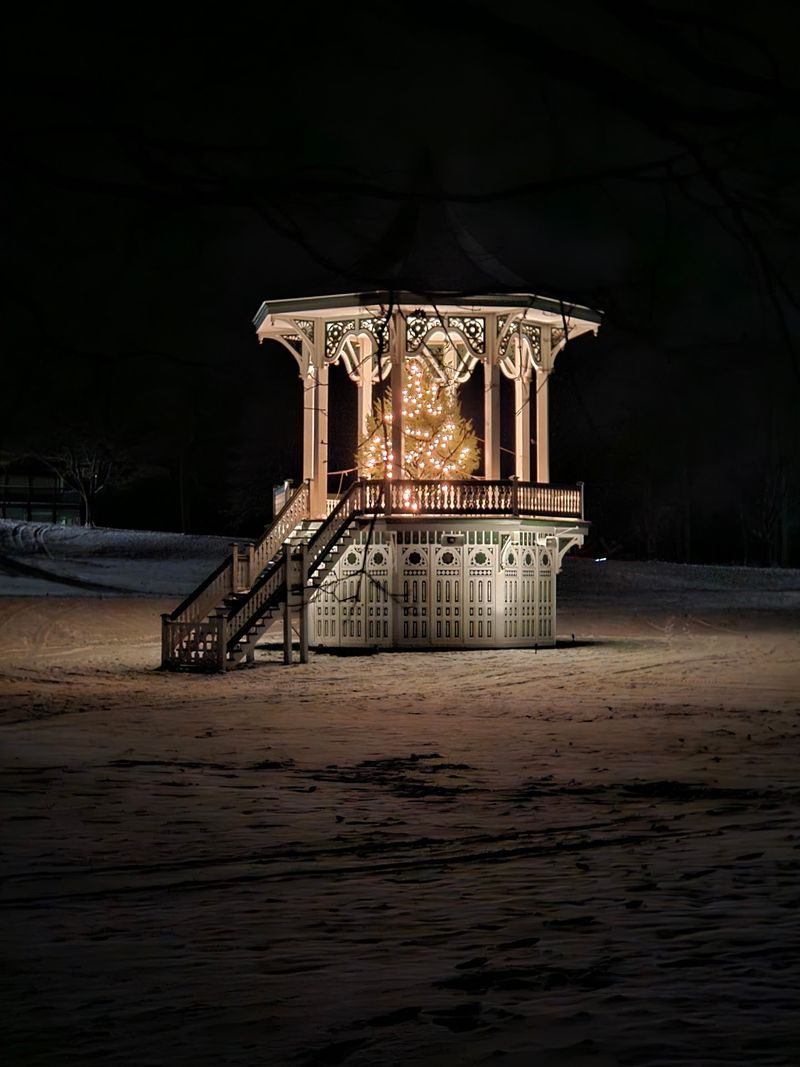
When the sun goes down, the village occasionally shifts into a different mode. The Owl Moon event turns the grounds into a nighttime destination, blending nature, education, and a little light hiking.
The evening centers on a guided night hike along a well-groomed trail through the woods, led by knowledgeable owl experts. Guides share facts about the owl species found right here in New York, stopping along the way for quiet moments in the surroundings.
A visiting team from Wild Wings Bird Rescue has brought rescue owls for up-close encounters, with passionate handlers explaining their work. There has even been a fun stop for dissecting owl pellets, which lands as both cool and educational.
The hike runs about an hour, a length that feels just right. Warm clothing and snow boots are smart for winter dates, since the trail can be cold even when the night turns out beautiful.
Before and after, guests explore the gift shop and grab snacks and drinks. Check-in tends to be smooth, and the event feels organized from start to finish.
Dancing at Town Hall and Community Moments
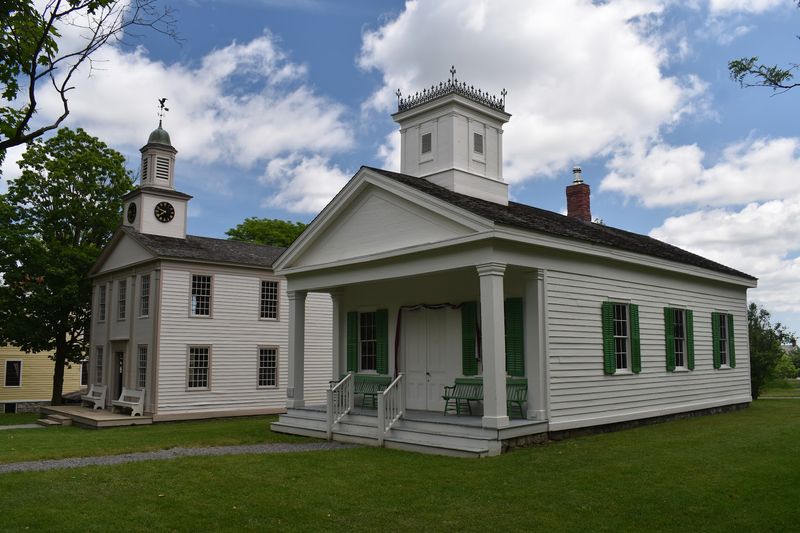
Some of the warmest memories here happen indoors. Dancing at the town hall has become a surprise favorite, drawing people of all ages into a lively, phone-free gathering.
The Flint Hill Dancers appear frequently throughout the season, filling the hall with clapping, laughing, and smiling. Guests describe joining a room full of strangers and leaving feeling connected, with people of every age and background taking part.
What stands out is how genuinely social it feels. In a world where everyone is glued to a screen, folks note that not a single phone came out while the dancing went on.
That sense of community carries beyond the dance floor. Parents mention that people here seem kinder and more relaxed than the usual hurried pace, which makes the whole visit feel refreshing.
It is a reminder that the village is about more than old buildings. The shared experiences, from dancing to demonstrations, are what turn a day trip into something people talk about long after.
The General Store, Gift Shop, and On-Site Dining
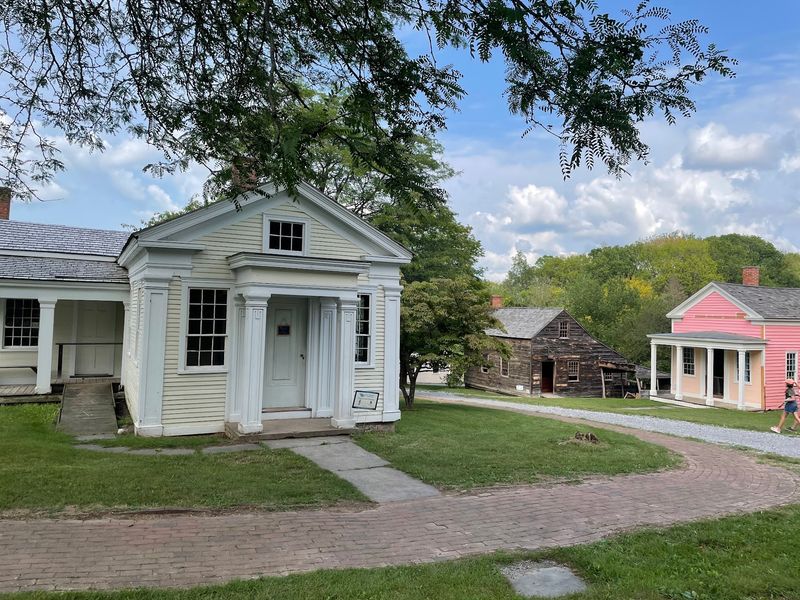
Part of the fun is browsing the goods, both old and new. The village store lets you gawk at period items, including the many unspecified medications that reveal just how far medicine has come since the 1800s.
For modern shopping, the gift shop stocks snacks, drinks, and homemade items. The handmade goods earn nice comments, though a few guests feel candy and drinks run a bit higher than expected.
Hungry explorers are covered too. There is a restaurant on the grounds serving decently priced, good food, which comes in handy during an all-day visit.
Seasonal dining adds extra appeal. The maple festival breakfast has drawn rave feedback, and a charming tea time occasionally rounds out the schedule for those who plan ahead.
Having food and shopping on-site means you can settle in for the long haul without leaving. That convenience is exactly why so many people treat this as a full-day destination rather than a quick stop.
Hours, Getting There, and Planning Your Visit
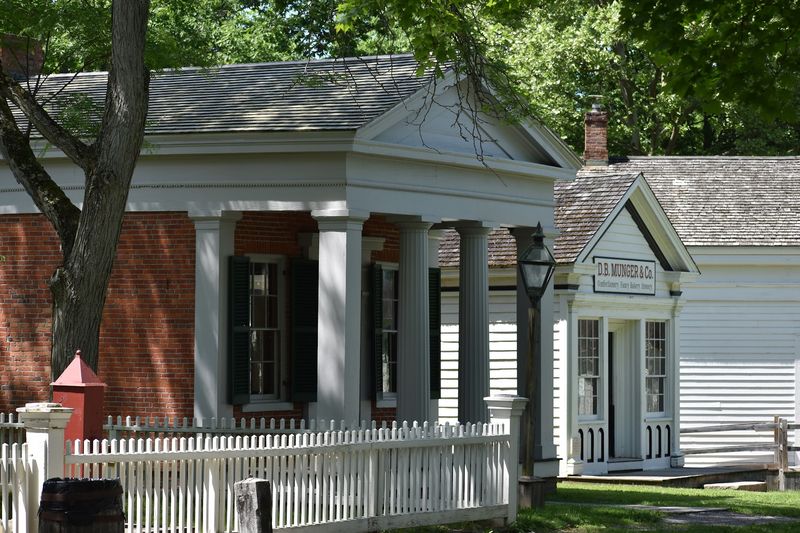
A little planning goes a long way here. The museum sits at 1410 Flint Hill Rd in Mumford, New York, about a 30 to 35 minute drive for many folks in the Rochester area.
Current hours run Wednesday through Sunday from 10 AM to 4 PM, with the village closed on Mondays and Tuesdays. Fall visits can bring shorter hours and fewer open buildings, so timing matters if you want the fullest experience.
Buying tickets in advance through the website tends to make check-in smooth, especially for special events. For those planning to return often, membership is an option that pays off over a season packed with happenings.
Set aside real time. Several hours is a common recommendation, and plenty of guests say they could have stayed even longer or made it a full-day trip.
Before you head out, glance at the daily sheets to see which buildings and demonstrations are open. A quick check helps you map out a route and avoid missing the trades you most want to see.
Why the 1800s Are Worth the Trip
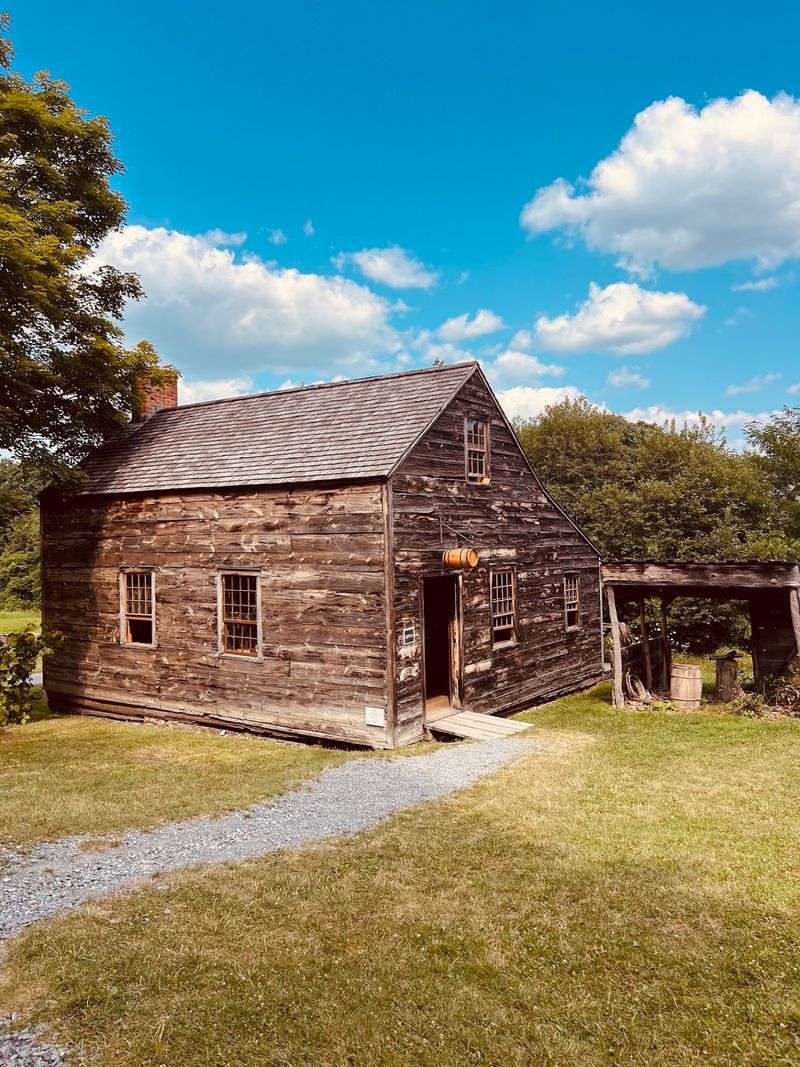
Some places simply stick with you, and this one has a way of doing exactly that. People leave saying they appreciate their own lives a little more after seeing how much daily effort survival required only two centuries ago.
The appeal is broad. Families with toddlers, history lovers, school groups, and curious first-timers all find something to hold their attention, and even a self-described boring childhood field trip has been redeemed by a return visit.
The strong 4.8-star reputation is no accident. It rests on friendly staff, well-kept grounds, real demonstrations, and a calendar that keeps the experience changing.
Sure, a building or two might be closed on any given day, but that only gives you a reason to come back and catch what you missed. Many guests already plan return trips before they even leave.
For anyone drawn to living history done right, Genesee Country Village & Museum makes a compelling case. Bring comfortable shoes, block off a good chunk of the day, and let the 1800s do the rest.
Enjoyed this story?
Add Fast Food Club as a preferred source to see more of our reporting on Google.