


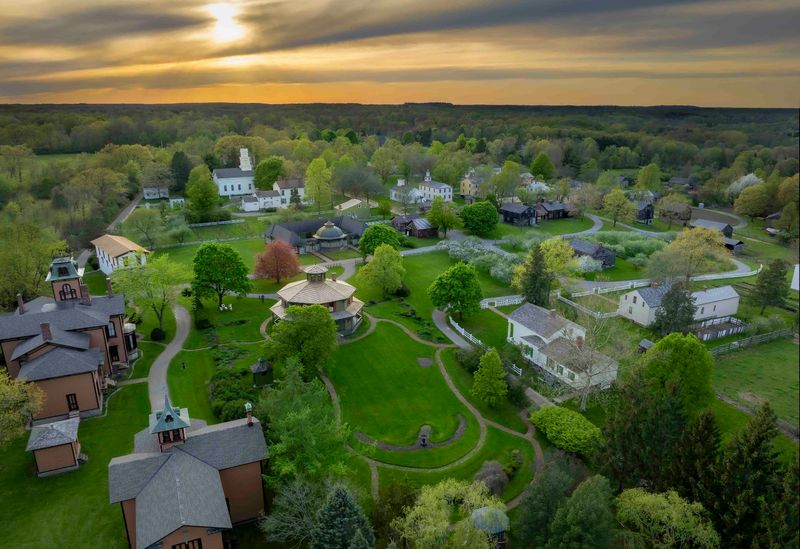
Roughly half an hour outside Rochester, an entire 19th century town sits waiting, complete with old homes, working craftspeople, and farm animals wandering behind wooden fences. The buildings here were not simply built to look old.
Many were carefully moved from towns across the region and rebuilt piece by piece on rolling rural acres. People dressed in period clothing hammer nails, weave fabric, and shape barrels while explaining exactly how folks lived two centuries ago.
It ranks among the largest living history collections of its kind in the country, and the further you wander, the more there is to find. Keep reading to learn where it is, what fills those 175 acres, and how to plan a day that could easily stretch into something longer.
Where History Sets Up Shop in Mumford
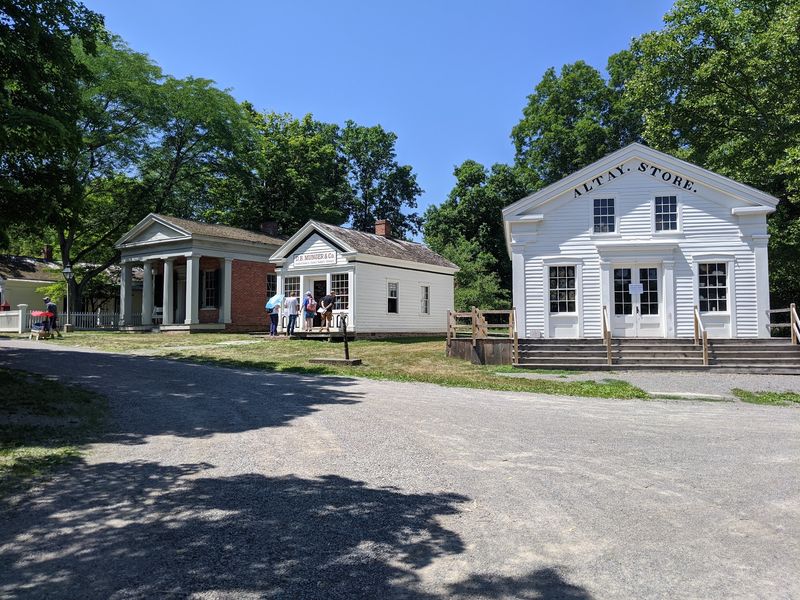
The address to plug into your map is 1410 Flint Hill Rd, Mumford, NY 14511, a quiet spot tucked into the countryside southwest of Rochester in western New York.
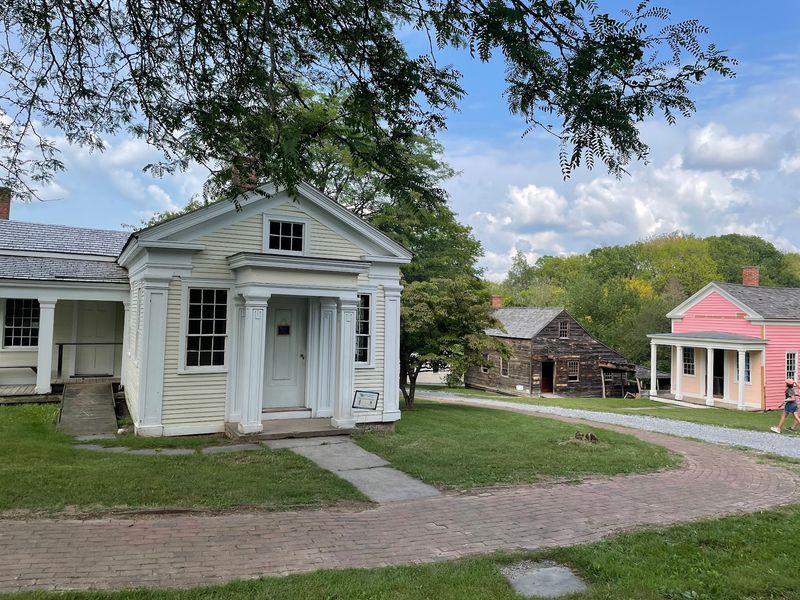
Genesee Country Village & Museum spreads across roughly 175 rural acres, which gives it plenty of elbow room for a full village worth of buildings, gardens, and open fields.
What sits on those acres is a living 19th century village rather than a hushed room of glass cases. Costumed workers go about daily tasks, animals graze nearby, and there is even a school and a gallery folded into the grounds.
The collection is sizable, with more than 60 historic buildings scattered across the property. Guests regularly describe it as a place that rewards a slow, curious walk rather than a quick loop.
Its reputation runs high, holding a 4.8 star average across more than 2,000 reviews. That kind of steady praise is not easy to earn for any attraction, let alone one built around history lessons.
Getting oriented on arrival is simple enough, and the sheer scale becomes clear once you see just how far the rooftops stretch across the fields.
A Town Rebuilt From Scattered Pieces
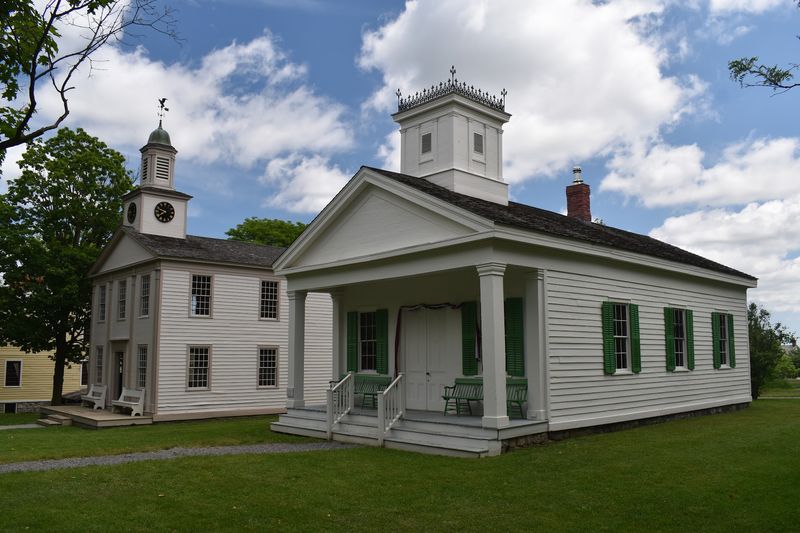
Few museums can claim their entire main attraction arrived by relocation, yet that is exactly the origin story here.
Many of the historic structures were transplanted from towns within roughly a 60 mile radius, then carefully reassembled on the grounds. The result is a diverse collection of buildings gathered into one walkable village that never existed in that form until it was pieced together.
Most of the structures are open for viewing. Some stand empty so you can study the bones of early construction, while others come alive with docents ready to explain what happened inside those walls.
Guests often compare the ambition of the place to a smaller version of Colonial Williamsburg, which gives a sense of the scale and dedication involved.
Because the homes span different eras and purposes of early American life, walking from one to the next feels like flipping through chapters of a history book that someone rebuilt in three dimensions.
The care put into preserving and restoring each building shows, and that attention to detail is a big reason the village feels convincing rather than staged.
Craftspeople Who Bring the Trades to Life
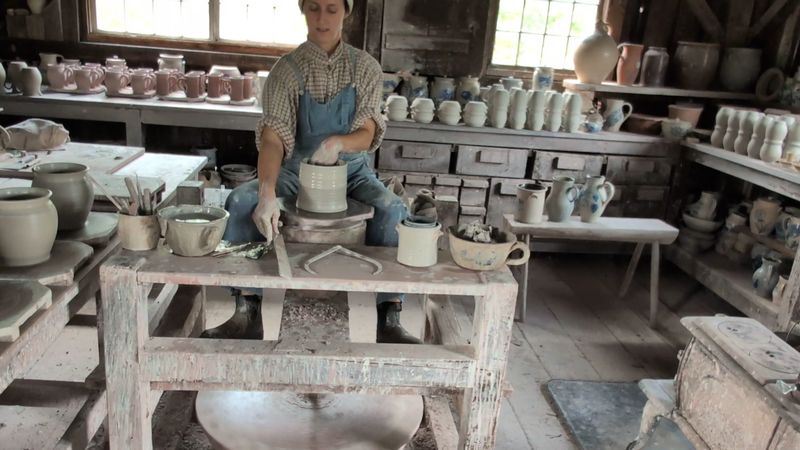
Watching a barrel take shape from flat wooden staves is oddly captivating, and the cooper here draws a steady crowd of curious onlookers.
Trade demonstrations sit at the heart of what makes this village tick. The blacksmith hammers out nails for door hinges, the tin maker shapes candle snuffers, and the tailor and dressmaker stitch the very costumes worn around town.
Guests frequently mention how knowledgeable and welcoming the interpreters are, happy to pause and explain the how and why behind their craft. One family noted their 11 year old was so fixated on the cooper that they could barely pull her away.
Other stations trace materials from raw to finished, such as flax seed processed into linen fiber ready for weaving, or hop plants harvested for the brewery on site.
Because the work happens in front of you rather than behind a rope, the learning feels interactive instead of passive.
Regulars often plan return visits just to catch trades or demonstrations they missed the first time around.
Costumed Interpreters and Everyday 19th Century Life
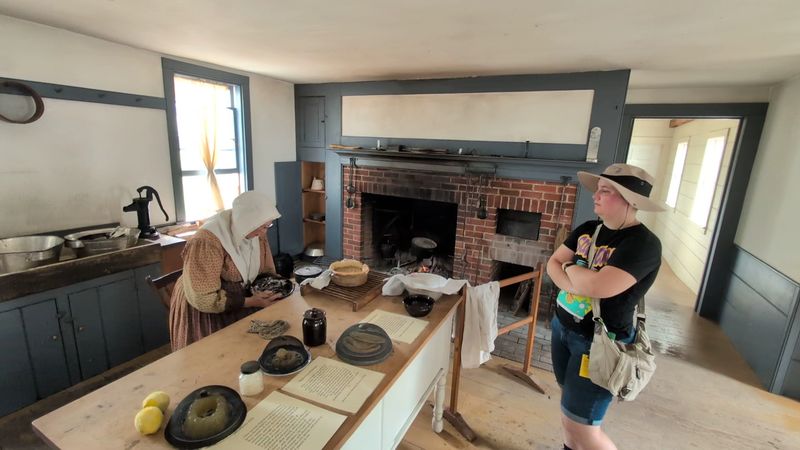
Ask a question about a shopkeeper’s wares, and the person answering stays fully in the world of two centuries ago, dressed and speaking the part.
Costumed interpreters populate the village and share stories tied to the businesses, homes, and social customs of the era. They cover topics like how life unfolded for women in the region, who attended school to learn practical skills but often left once marriage arrived.
Inside the historic homes, workers prepare traditional American pastries using period methods, adding to the convincing sense that the town is genuinely lived in.
There is even a village store stocked with old goods to browse, including the sorts of unspecified medicines that reflect how basic care once was.
Guests describe the effect as walking through an interactive history textbook that has come to life, far more vivid than a standard exhibit hall.
Many leave with a fresh appreciation for how much daily effort survival once demanded, which is a quiet takeaway that tends to stick.
Farm Animals, Gardens, and Miles of Trails
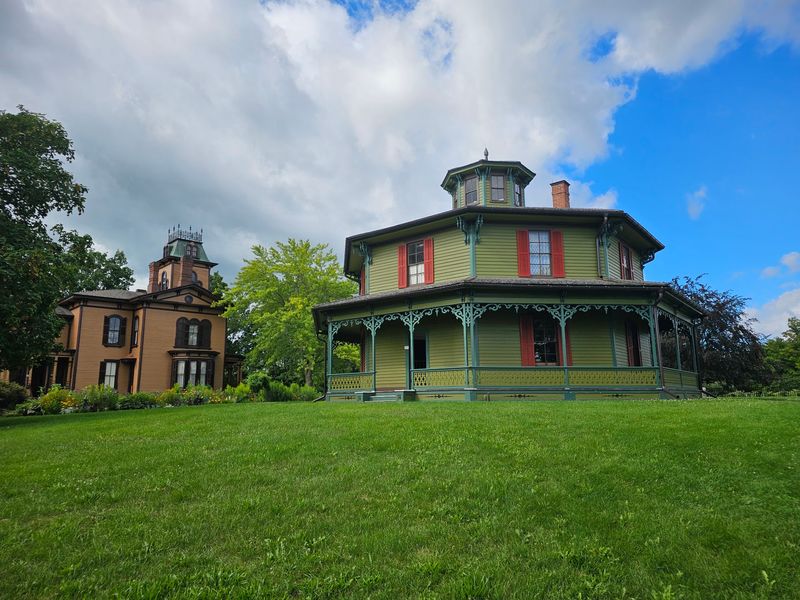
Beyond the buildings, the property leans into its rural roots with farm animals grazing in view and gardens tucked between the historic structures.
Families with young children often make a beeline for the animals, turning a stroll into an easy outdoor outing. Parents mention how relaxed the whole setting feels, with room to roam and a calm atmosphere that is hard to find elsewhere.
Nature trails weave through the grounds as well, offering well groomed paths that suit a gentle walk rather than a strenuous hike. During special evening programs, those same wooded trails have hosted guided night hikes.
The gardens and open fields add color and texture across the seasons, and there is genuinely a lot of outdoor space to cover.
Because the grounds mix history with fresh air, the museum works nicely for guests who want more than indoor learning.
Toddlers, grandparents, and everyone between tend to find their own pace here, which is part of the appeal.
Festivals, Reenactments, and Standout Events
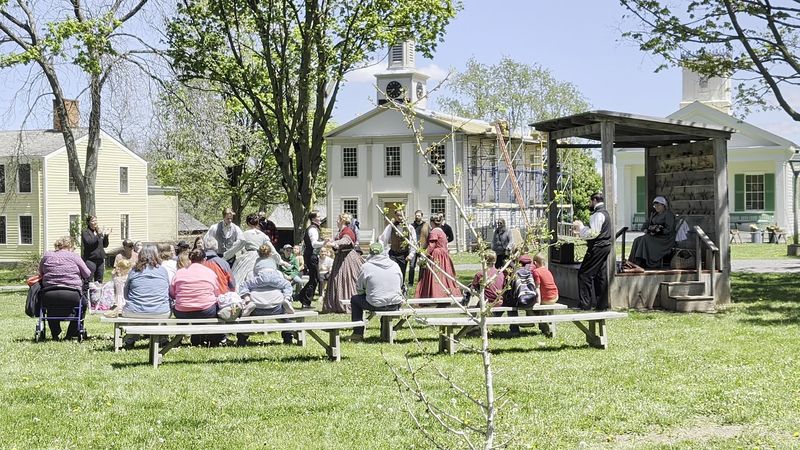
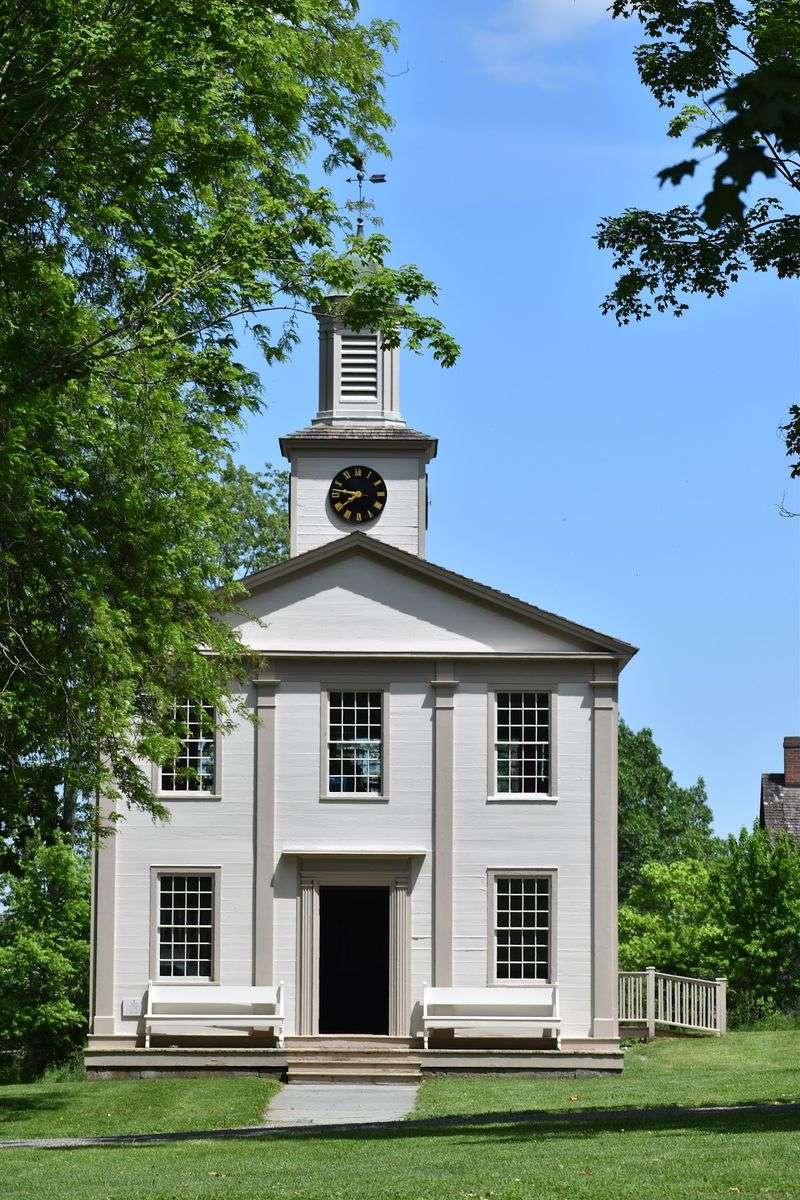
Turn up on the right weekend and the village transforms, whether with a Fourth of July parade rolling down the main path or costumed dancers filling the town hall.
Special events run throughout the year and give repeat guests fresh reasons to return. Members who have kept their passes for years point to the constant lineup of programs as a highlight.
History buffs get a real treat with military reenactments, including War of 1812 events featuring blank firing muskets and even a cannon. There is also a period baseball game where players skip gloves entirely, a detail that surprises newcomers.
Seasonal favorites cover a wide range, from maple festival breakfasts and autumn trick or treating to the Owl Moon night program run alongside a bird rescue group.
The property has even hosted Antiques Roadshow, drawing first time guests who came for the show and left planning a proper return.
At the town hall dancing, folks of all ages clap and step together with phones tucked away, which says a lot about the atmosphere these events create.
Hours, Getting There, and Planning Your Day
Timing matters here, so a quick note on hours helps. The village opens Wednesday through Sunday from 10 AM to 4 PM, and stays closed on Monday and Tuesday.
Reaching the grounds is straightforward, with the museum sitting about a 30 to 35 minute drive from many nearby communities and an easy trip out from Rochester.
Plan for a long visit rather than a quick stop. Guests routinely spend three hours or more and still feel they could have stayed the whole day, so arriving early is smart.
Tickets for special evening events can be purchased in advance through the website at gcv.org, and guests report that online booking and check in tend to run smoothly.
A helpful tip worth knowing is that not every building is open on every day. Daily sheets on site list which structures are open, so grab one when you arrive to map out your route.
Seasonal timing also affects how many buildings you will find open, with fall visits sometimes running on reduced access, so plan around the calendar if you want the fullest experience.
Why This Village Earns a Spot on Your List
Some places wear their 4.8 star average lightly, and this one backs it up with the kind of steady enthusiasm that spans toddlers, grandparents, and lifelong members alike.
The mix on offer is genuinely broad, blending hands on history, working trades, farm animals, walking trails, and a full calendar of events into one welcoming property.
Guests point to friendly, well informed staff again and again, along with grounds that stay beautifully maintained across the seasons. History lovers, families, and school groups all seem to find their footing here.
Even a guest who remembered a dull childhood field trip came back years later and found themselves wishing they could stay the whole weekend, which is a nice turnaround.
A minor note that comes up now and then is that a few buildings may be closed on any given day, so checking the daily sheet keeps expectations in line.
For anyone drawn to early American life who wants more than a room of artifacts, this living village near Rochester makes a memorable and rewarding day out.
Enjoyed this story?
Add Fast Food Club as a preferred source to see more of our reporting on Google.