


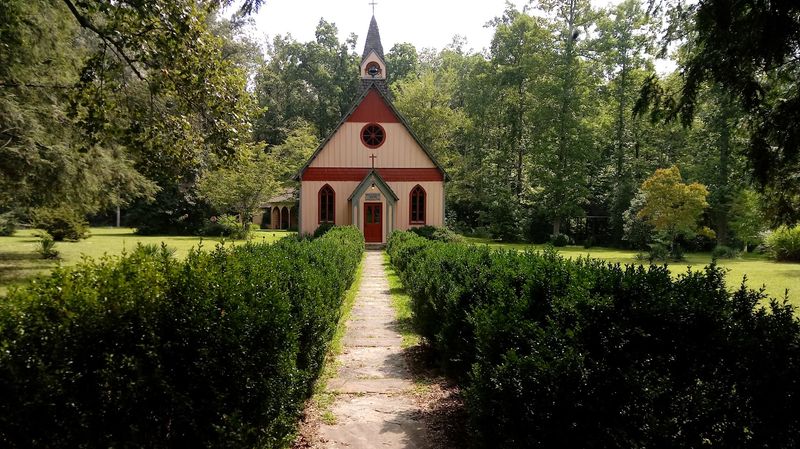
Tucked deep in the forested hills of the Cumberland Plateau sits a little settlement that looks almost exactly as it did in the 1880s. Founded by a British author with a bold dream, the town still has working buildings, quiet trails, and stories that feel plucked straight from another century.
Travelers often stumble onto it by chance and leave surprised at how much history is packed into such a small, peaceful spot. Come along as we explore the churches, the old print shop, the wooded paths, and the practical details you need to plan your own trip.
By the end, you might just be mapping the drive out to this friendly corner of Tennessee for yourself.
A British Dream Planted in the Tennessee Woods
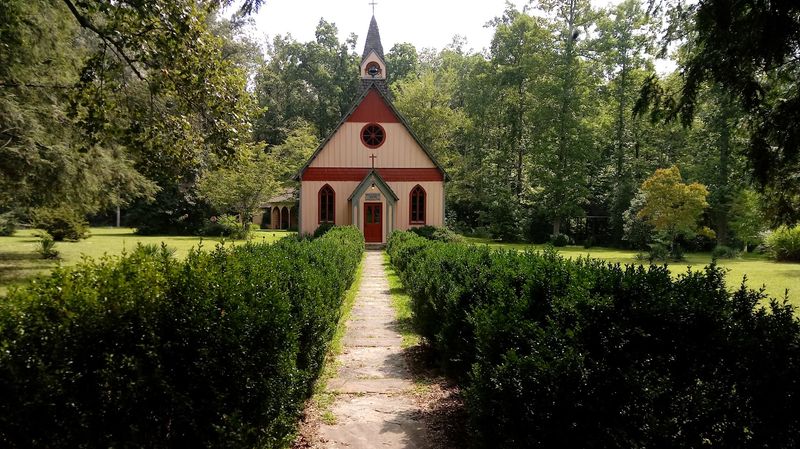
Founded in 1880 by author Thomas Hughes, this small community carries a story unlike any other town in the region. Hughes wrote the famous novel Tom Brown’s School Days, and he wanted to build a colony where young British settlers could live a fresh and honest life.
You can find the whole village at 1331 Rugby Pkwy in Rugby, Tennessee, sitting quietly on the Cumberland Plateau. It rests just south of the Big South Fork National River and Recreation Area, which keeps it wrapped in green forest on nearly every side.
Rather than a rebuilt movie set, this is living history. Real buildings from the late 1800s still stand, and many have been carefully restored so guests can see how the founders once lived.
Regulars often describe the place as a genuine step into the past rather than a staged attraction. That authenticity is exactly what makes the village feel so different from other tourist stops.
The setting alone draws curious travelers, but the deeper you look, the more the founder’s ambitious plan comes to life. It is a small town with an oversized backstory, and that combination keeps people coming back.
Where the Village Sits on the Map
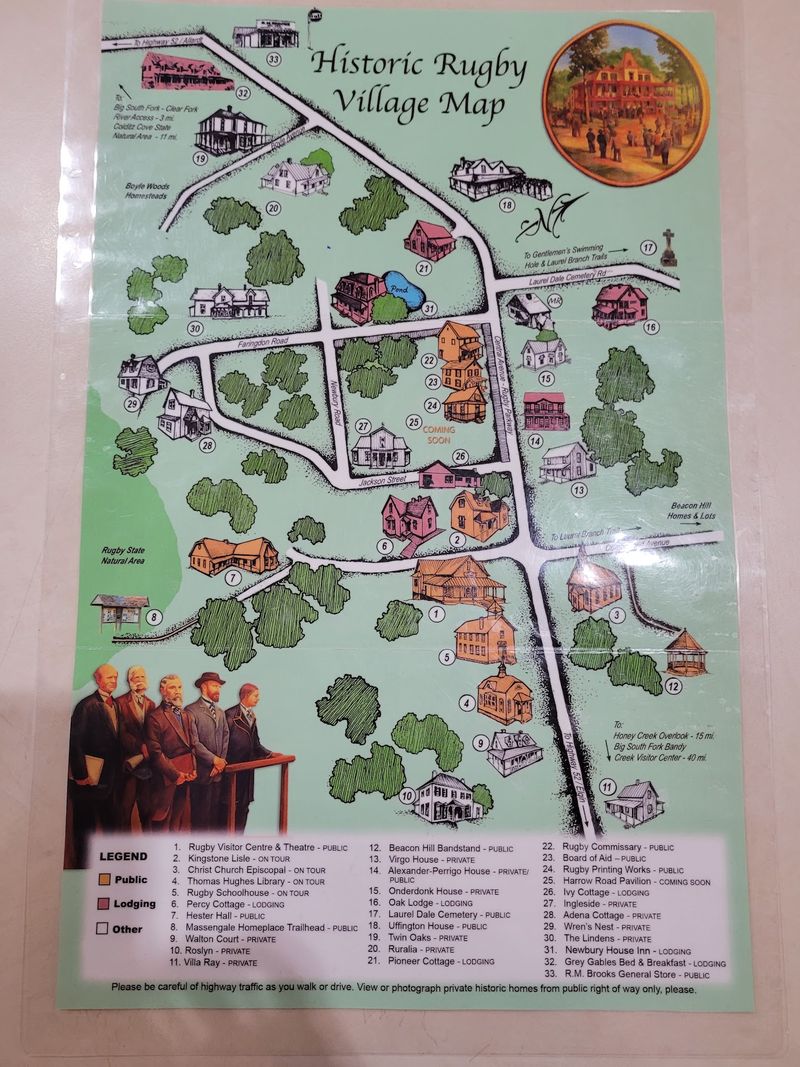
Geography plays a big part in why this town feels so serene. The village rests east of a clear river and just south of the Big South Fork National River and Recreation Area, giving it a natural cushion of woodland on all sides.
Getting here means a drive into the quieter part of the Cumberland Plateau, well away from the bustle of larger cities. Some travelers mention that the trip out was more rewarding than bigger outings closer to Knoxville.
The town spreads out in an easy, walkable layout. Old homes, churches, and community buildings line the paths, and you can wander from one to the next without much effort.
Because it is folded into a national recreation area, the surroundings stay green and undisturbed. That protected setting is a big reason the buildings have kept their old character for so long.
Anyone driving through the greater area will find the detour worthwhile. The peaceful location gives the whole village a calm that is hard to find in busier destinations, and it sets the tone for everything else you will see here.
The Print Shop That Still Runs
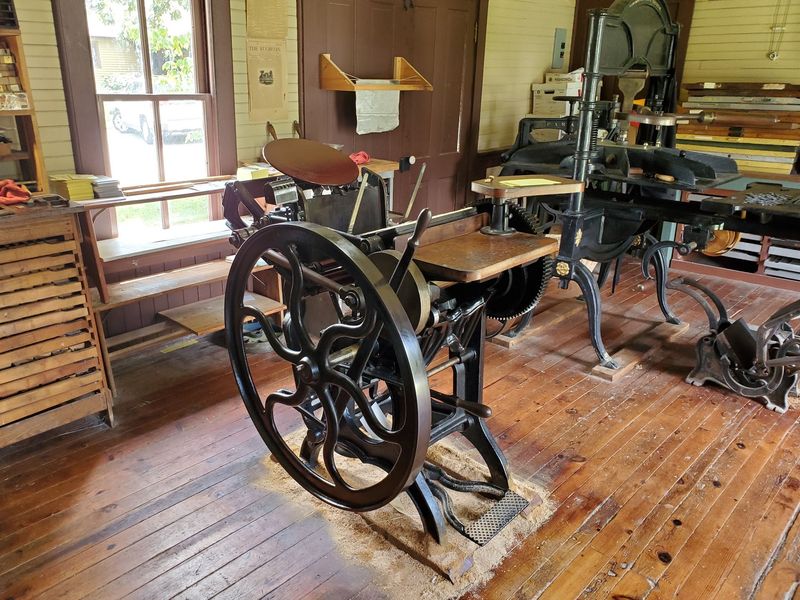
Few features here draw as much attention as the old printing press, which is still in use today. Guests get to watch a demonstration of how newspapers were printed back in the 1800s, complete with the mechanics of the machine in action.
Watching the press work turns a history lesson into something you can actually follow step by step. Many guests single out the print shop as a highlight of their whole trip.
The building sits among the other historic structures near the visitor center, so it is an easy stop on any walk through town. Even guests who only manage to see one interior often make sure it is this one.
Seeing the process up close explains how information once traveled in a settlement this remote. It connects the town’s literary founder to the everyday tools that kept the community informed.
Between the working machinery and the friendly staff running it, the print shop earns its reputation. It is a small space with a big impression, and it captures the hands-on spirit of the whole village.
Churches, a Library, and a Schoolhouse Frozen in Time
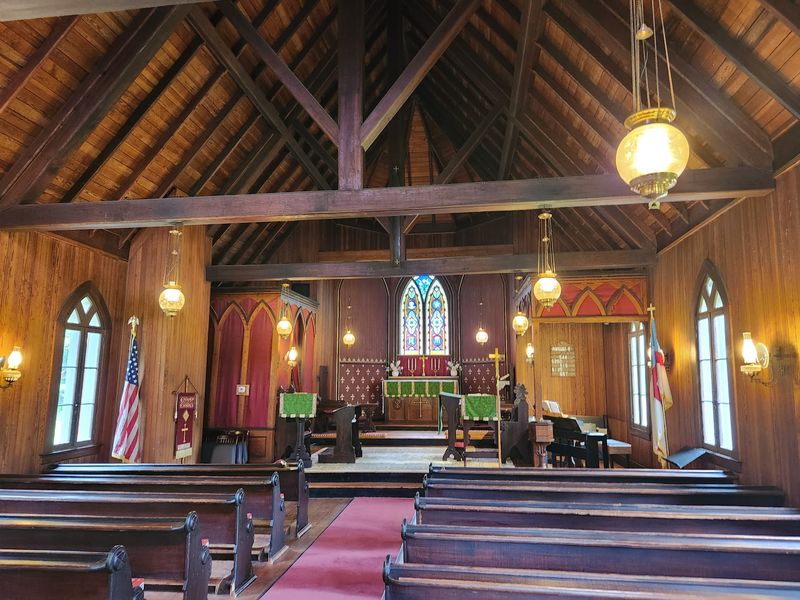
Beyond the print shop, the village holds a cluster of community buildings that still stand proud after well over a century. A church, a library, and a school house remain open, each one restored to reflect its original era.
The library in particular tends to charm guests who love old books and quiet rooms. Paired with the print shop, it rounds out a look at how the founders valued learning and reading.
Restored homes and churches line the streets as well, and they are easy to photograph while driving or strolling through town. The architecture reflects the Victorian tastes the British settlers brought with them.
Each structure adds another layer to the story, showing how a full community once functioned in this remote spot. Together they paint a picture of daily life that feels remarkably intact.
Because the buildings are genuine and not reproductions, walking among them carries real weight. They stand as proof that the founder’s colony truly took root here, and they reward anyone who takes the time to look closely.
Trails, Cliffs, and the Gentleman’s Swimming Hole
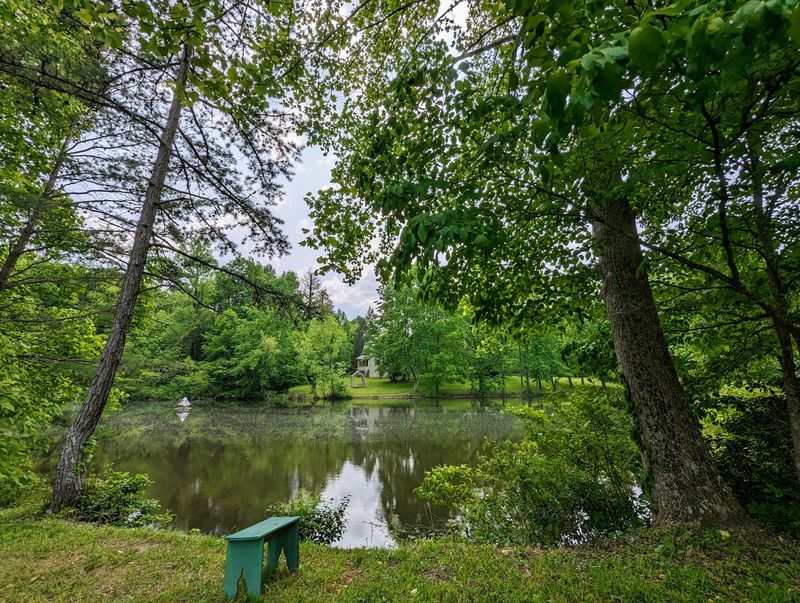
Lace up sturdy shoes, because the surrounding woods hide some genuinely pretty trails. The Gentleman’s Swimming Hole hike stands out as a favorite, following the river past cliffs and rocky overhangs along much of its length.
A shorter loop behind the visitor center runs a little over a mile through lovely forest, making it an easy add-on to a day of sightseeing. Maps are available so you can find your way with confidence.
Other routes lead to a homestead and a spring, with an information kiosk and boards that share the history of the families who once lived there. Reading those panels adds context to the quiet walk.
A few practical notes come up often. Bringing a walking stick helps on uneven ground, and tick spray is a smart idea before heading into the brush.
Watch your footing on the small bridges near the water, since they can be slippery.
The mix of history and forest makes these trails a rewarding bonus. They give active guests a reason to linger long after the buildings close for the day.
Guided Tours and Ghostly Nights
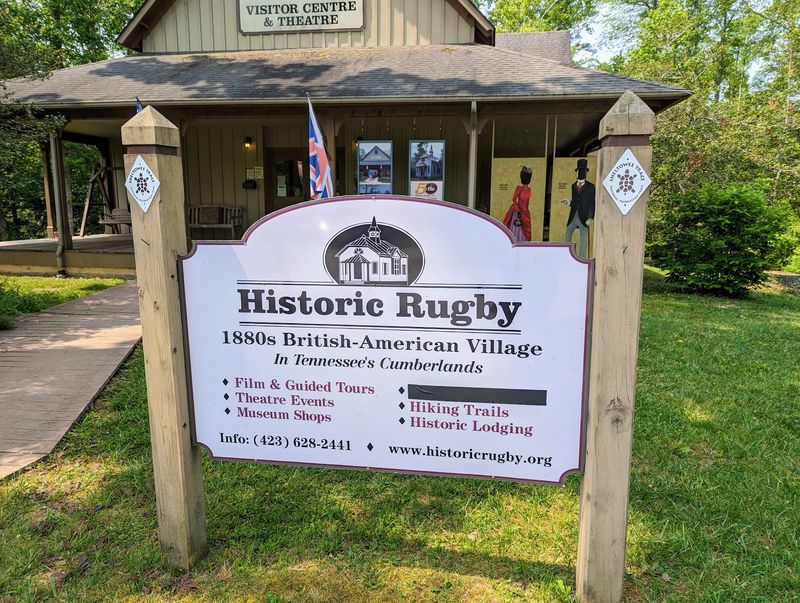
Choosing a tour can shape your whole experience here. The guided option lets you inside the main buildings and comes with knowledgeable staff who share the history in a relaxed, informative way.
Guests who tried the self-guided route sometimes found it a little confusing and got turned around, often seeing only the outsides of buildings. For the fuller picture, the guided walk tends to be the better pick, and it does require a reservation.
Evening brings a different kind of adventure. The night ghost tour blends the town’s stories with a bit of thrill, and guests describe it as genuinely fun thanks to the guides who lead it.
Staff members earn steady praise for being friendly and well versed in the village’s past. Meeting a guide who knows every corner of the town makes the visit far more memorable.
There is also a theater in the visitor center where a short movie helps set the stage. Between the daytime walk, the film, and the after-dark stroll, the town offers more than one way to time travel.
The Peaceful Mood and Who Will Love It
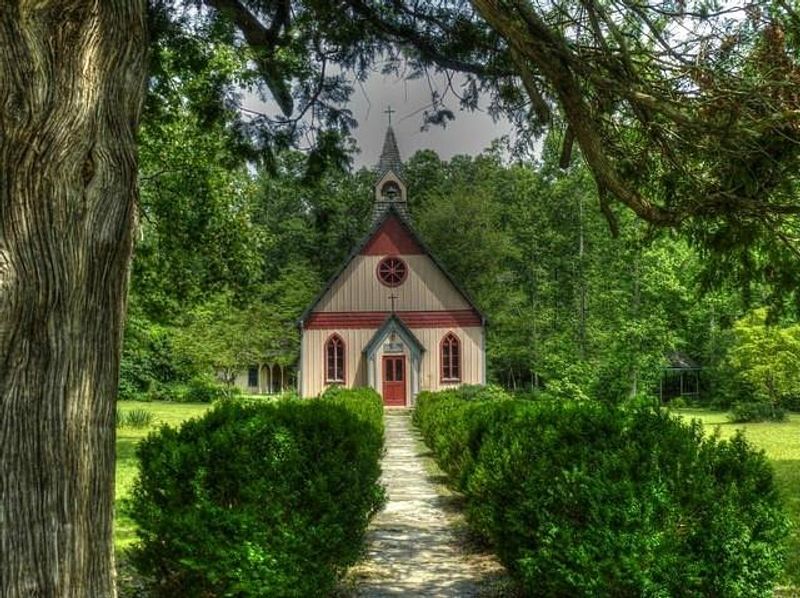
Calm is the word that follows this village around. The whole town gives off a peaceful feeling, and guests often describe it as quiet, serene, and easy to enjoy at a slow pace.
History lovers naturally feel at home among the restored buildings and information boards. Anyone who enjoys reading small facts and picturing daily life from long ago will find plenty to fill an afternoon.
Photographers do well here too, since the old homes and churches are easily captured from the road or the sidewalks. The Victorian details make for striking pictures in any season.
Couples and curious day-trippers seem to appreciate the relaxed rhythm. One guest even brought his wife out for a birthday adventure and left already planning the next return trip.
Families and casual explorers can mix the buildings with the trails for a well-rounded outing. Whether you crave a gentle stroll or a bit of history, the mood here suits travelers who prefer meaning over noise, and that quiet charm is exactly what keeps drawing people back.
Hours, Seasons, and Planning Your Visit
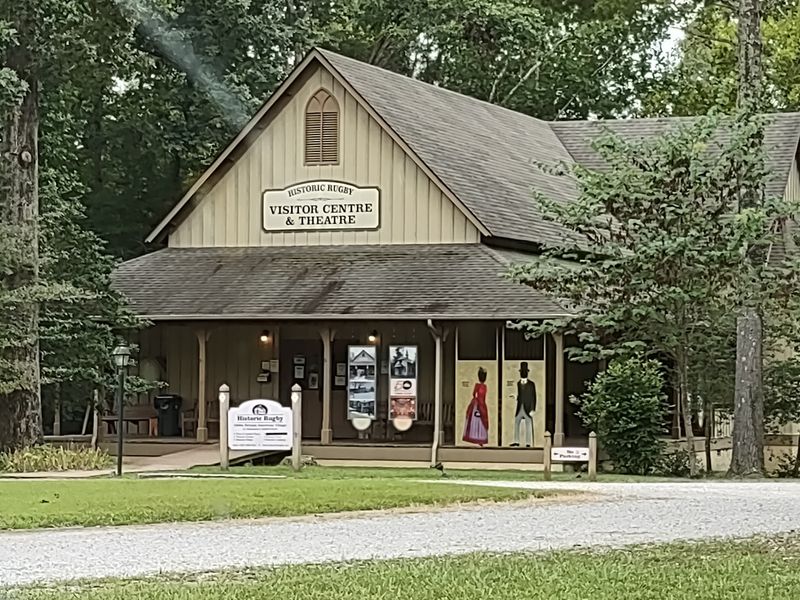
Timing matters when you plan a trip out here, since the village keeps a seasonal schedule. It welcomes guests Thursday through Saturday from 9 AM to 5 PM, and Sunday from noon to 5 PM, while Monday, Tuesday, and Wednesday stay closed.
Keep in mind that some parts close during the winter months and reopen in March. Even when buildings are shut, the grounds remain a pleasant place to walk and admire the architecture.
The guided tour is the way to get inside the buildings and does need a reservation, while simply strolling the town and grounds is free. Special events pop up through the year, with fall being a particularly popular time.
The visitor center makes a smart first stop, offering maps, exhibits, gift shops, and the Johnson Theater under one roof. Grabbing a map there helps you get the most from a self-guided loop.
Holding a strong 4.7 star rating across hundreds of guests, this village clearly leaves people satisfied. With honest history, welcoming staff, and forest trails right outside, it makes a rewarding detour that rewards anyone willing to step back in time.
Enjoyed this story?
Add Fast Food Club as a preferred source to see more of our reporting on Google.