


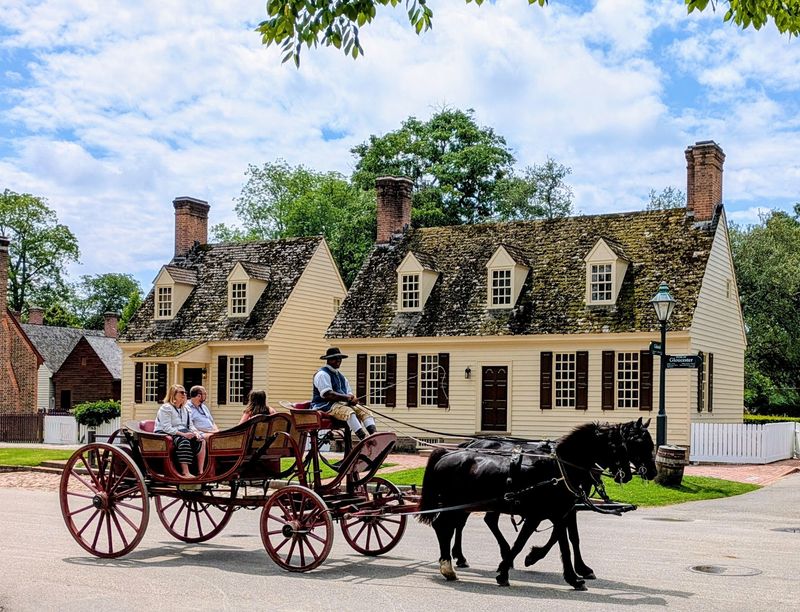
There is a place in Virginia where the streets are closed to cars, the buildings are made by hand with brick, and the people you meet still work at trades that faded away generations ago. Blacksmiths hammer at glowing metal, printers set type by hand, and a woman who calls herself Martha Washington might stop to chat with you about life in 1774.
Spread across 301 acres, this is one of the largest outdoor history museums in the country, and it packs enough into a single day that many people come back the next morning for more. Families, couples, students, and history fans all find something that pulls them in.
Curious where this living slice of the past is hiding, and why so many people rate it so highly? Keep reading, because there is plenty to explore.
A Living History Museum on 301 Acres
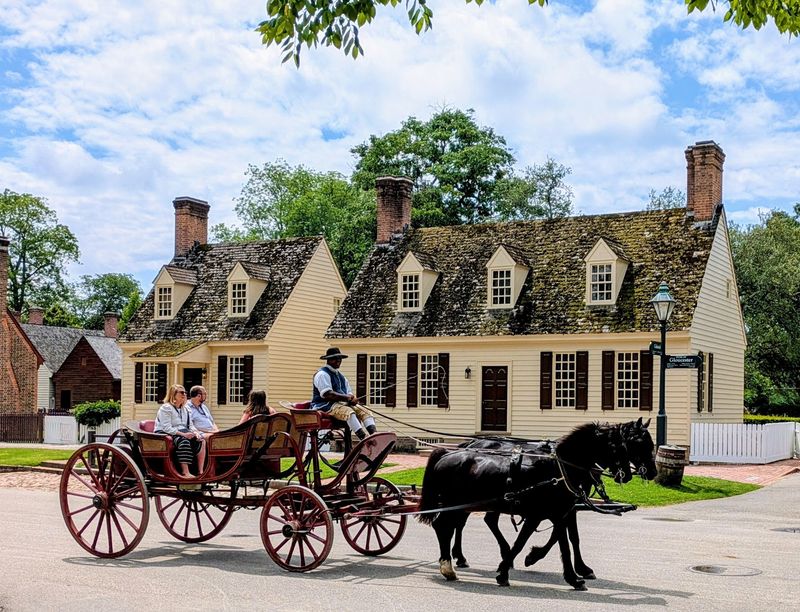
Right in the heart of Virginia sits a 301-acre stretch of 18th-century life that never fully left. Colonial Williamsburg is found at 101 Visitor Center Dr, Williamsburg, VA 23185, and it operates as a large history museum with more than 40 landmark sites and tours.
Only about fifteen percent of the buildings here are original. The rest were carefully reconstructed back in the 1930s, and the result feels remarkably whole.
The scale surprises many people. Guests regularly mention that there is far more to see than they expected, and that spending two or even three days barely covers it all.
The town recreates colonial and Revolutionary War era daily life, complete with restored homes, trade shops, and public buildings. You can wander for free through the outdoor area, or buy a pass that opens the doors to the historic homes and exhibits.
Its rating sits at a strong 4.6 stars across more than eleven thousand entries, which tells you plenty about how the experience lands. For a first stop on any Williamsburg trip, this one earns its reputation.
Where History Was Rebuilt Brick by Brick
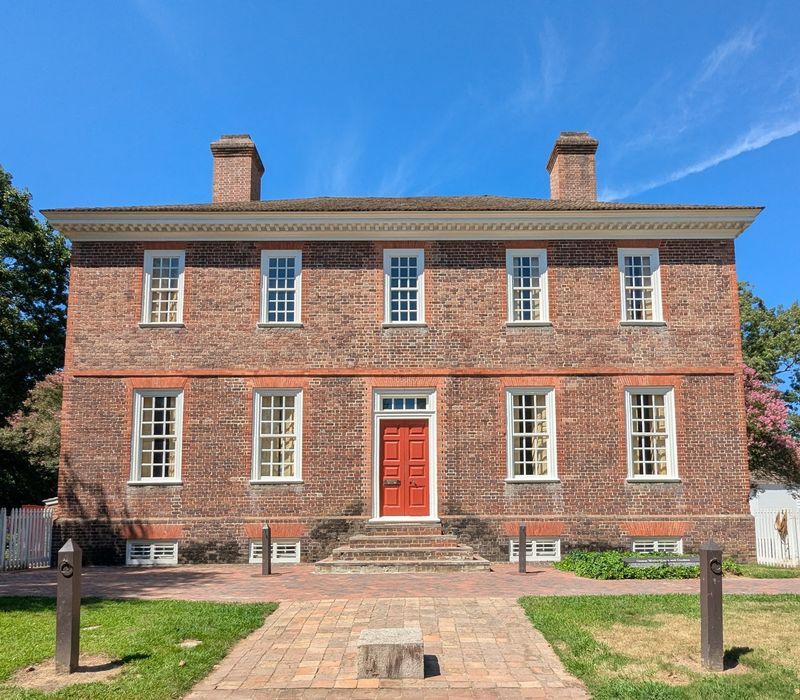
Not everything you see here has stood since the 1700s, and that story is part of the charm. In the 1930s, a huge preservation effort reconstructed most of the town, blending the surviving original structures with careful rebuilds.
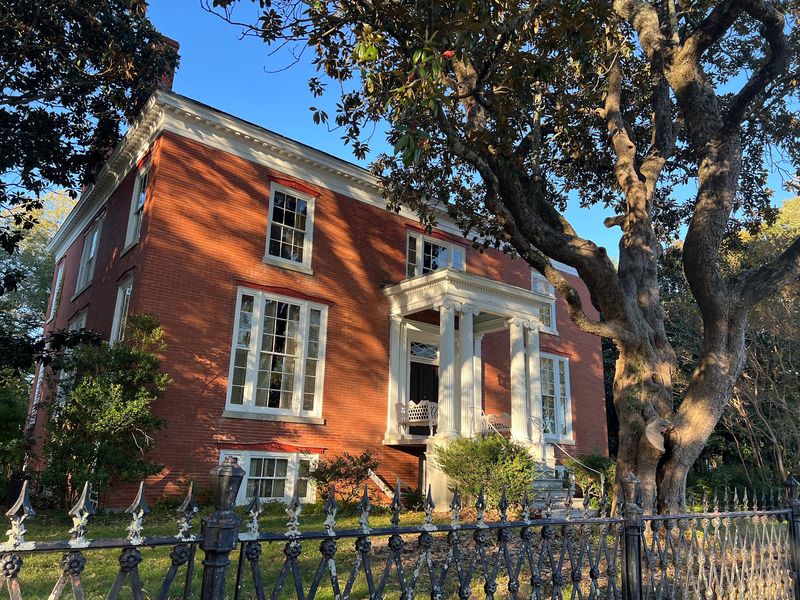
Guests often note how the handmade brick buildings feel genuinely old, even the reconstructed ones. The workmanship holds up to close inspection.
Walking the grounds, it becomes easy to forget the calendar. The maintained buildings help create the sense that you have landed somewhere around the year 1774.
The Foundation behind the town shares stories of the many different people who lived, worked, and passed through 18th-century Williamsburg. That includes well-known members of the founding generation as well as people whose contributions were long left out of the history books.
The mission stated here is simple and worth repeating: that the future may learn from the past. Every restored doorway and rebuilt wall supports that goal.
For anyone curious about how a whole town gets brought back to life, the layers of preservation tucked into these blocks are a quiet marvel.
Costumed Interpreters Who Never Break Character
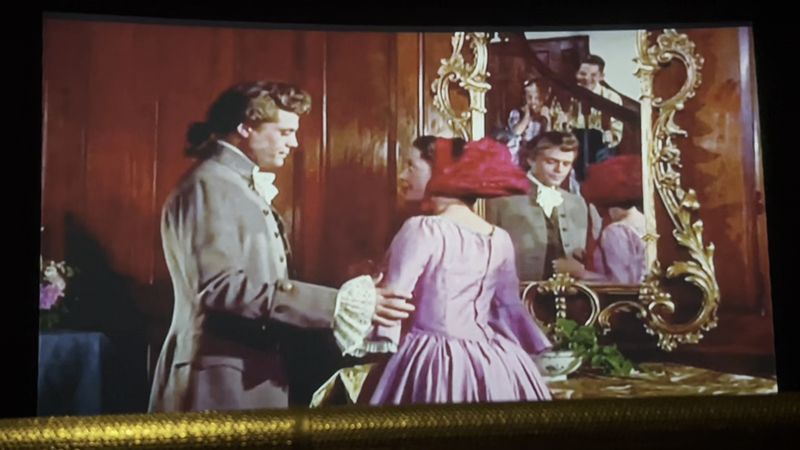
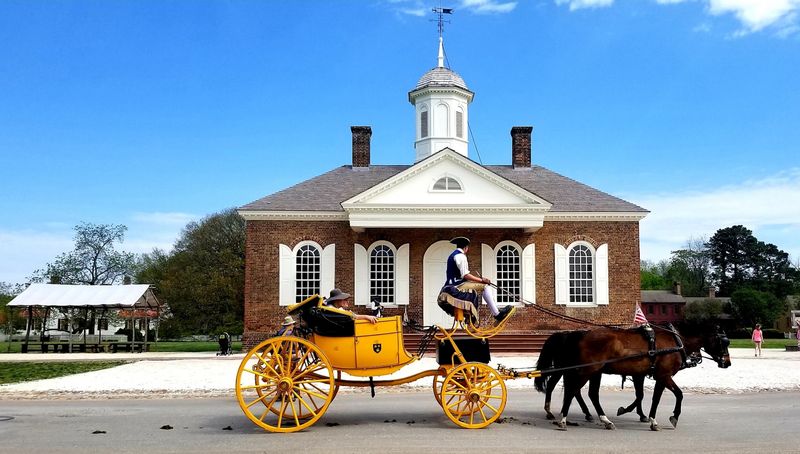
Meet the people who truly make this town tick. Costumed interpreters walk the streets in period-appropriate attire, and many stay fully in character through every conversation.
Guests describe them as impressively knowledgeable, engaging, and fun to talk with. Some even speak with period-appropriate accents that add another layer of authenticity.
These are not just actors reciting lines. Many perform the actual 18th-century crafts and can answer detailed questions from curious children and seniors alike.
One photographer who came only intending to shoot a few blocks ended up spending far longer, drawn into conversation with living history interpreters, archeologists, and even a shuttle driver. That kind of pull is common here.
You might cross paths with a figure playing Martha Washington, whose talk regularly delights groups of all sizes. The interpreters have a knack for turning a walk down the street into a mini history lesson.
A friendly reminder from frequent guests: the staff genuinely enjoy questions, so do not be shy. The more you ask, the richer the visit becomes, and the deeper the past feels within reach.
Watching 18th-Century Trades Come Alive
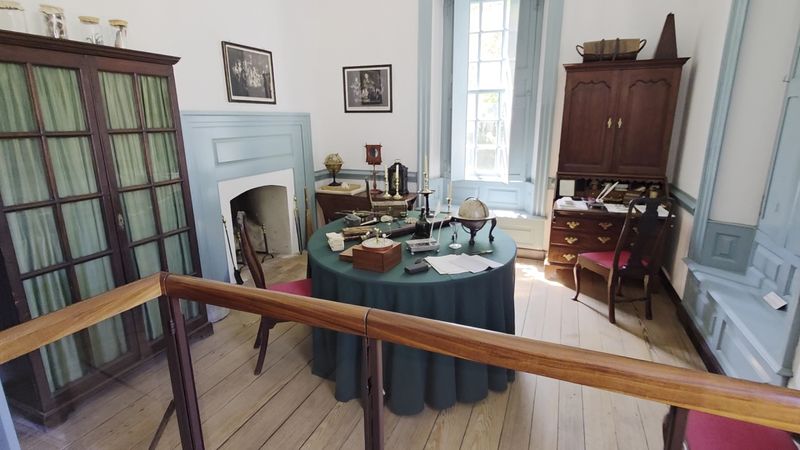
Hammering, printing, and hand tools that look nothing like today’s gadgets fill the trade shops here. Demonstrations by blacksmiths, printers, and apothecaries bring 18th-century work vividly back into view.
The craftsman shops stand out for a reason many guests love: you can touch and handle items. Making the experience hands-on keeps children engaged and lets adults learn by doing too.
Popular stops include the weaver and the cabinet maker, and conversations with the tradespeople often become the highlight of the day. One guest recalled chatting with a cabinet maker who builds beautiful pieces using old-style tools.
These trades are not window dressing. The people in costume are doing the genuine work, which guests repeatedly call impressive.
Because the crafts happen live, every visit can look a little different depending on what is being made that day. It rewards slowing down and lingering.
For families worried about restless kids, the interactive nature of these shops is a quiet secret weapon. Learning sneaks in while everyone is having fun with their hands.
The Grandeur of the Governor’s Palace
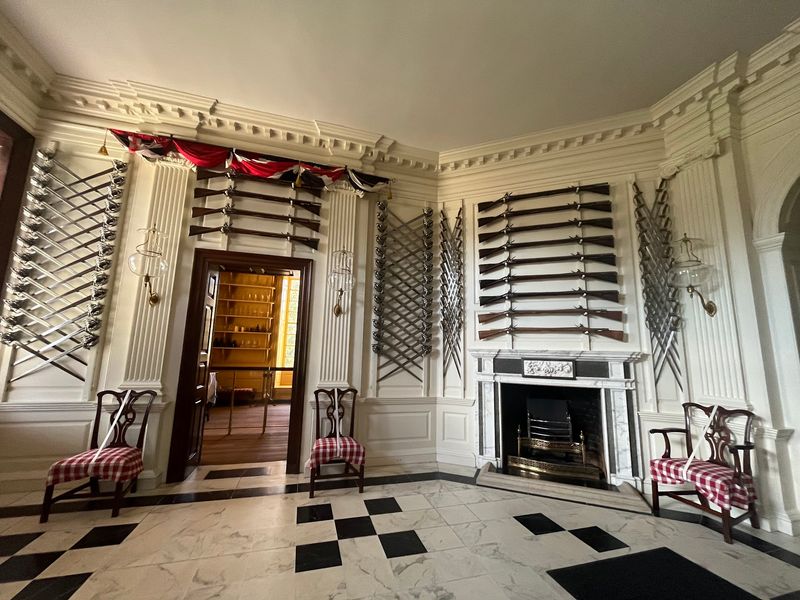
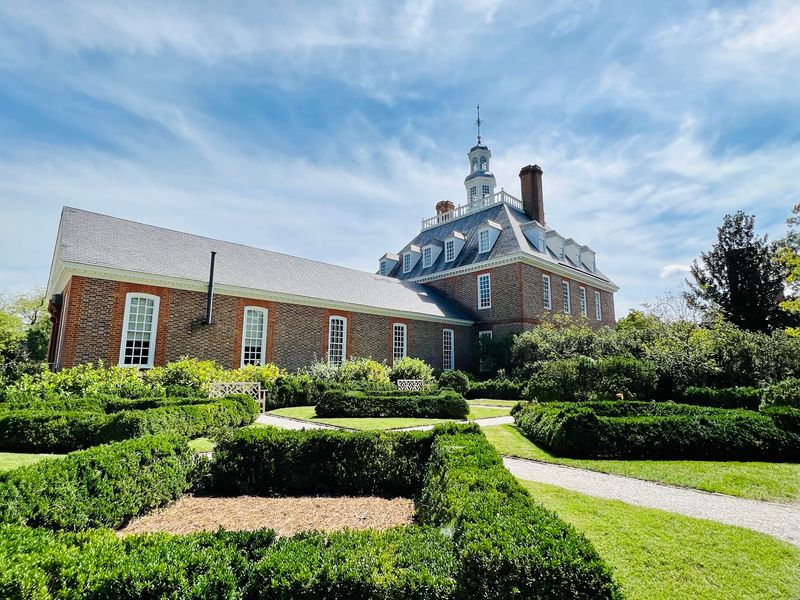
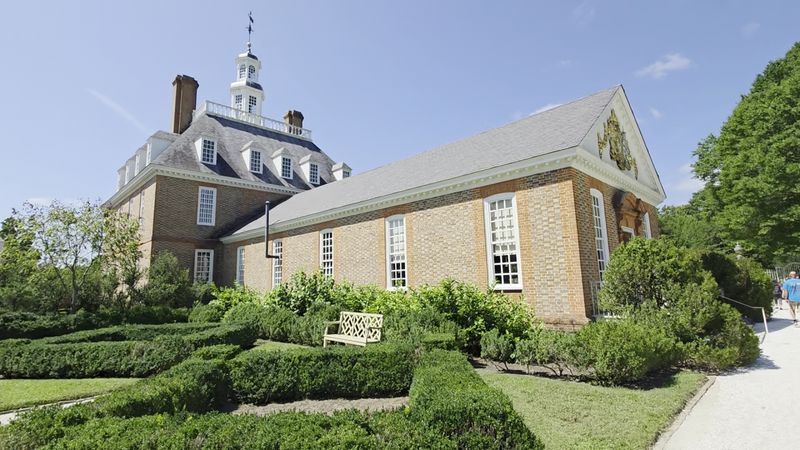
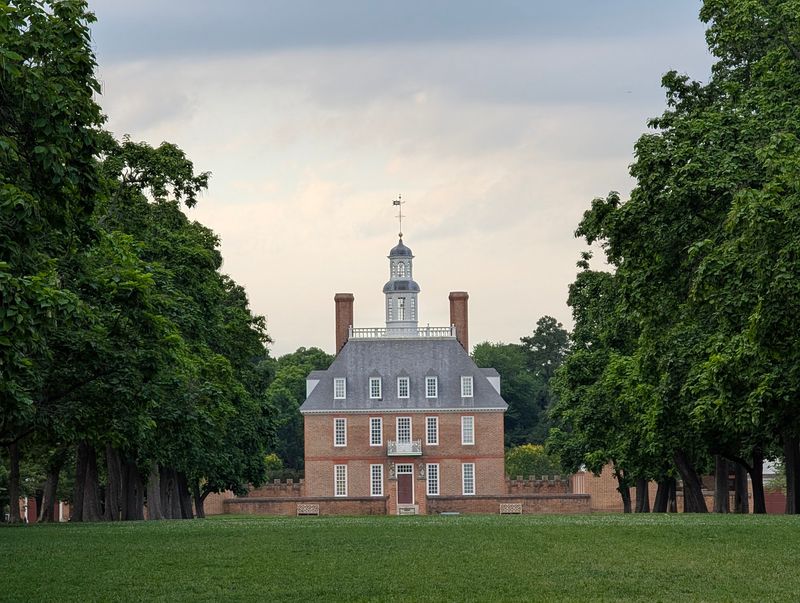
Among all the buildings open here, one keeps rising to the top of guests’ favorites. The Governor’s Palace stands out with its opulent rooms, distinctive wallpaper, and a striking display of period weaponry arranged along the walls.
People often describe it as beautiful and grand, a clear step up from the humbler homes and shops scattered through town. It gives a sense of how the powerful lived compared to everyday colonists.
The route toward the palace passes several historic homes worth touring along the way. Many guests treat the palace as a kind of destination anchor for their walk.
The attention to detail inside draws frequent praise. The weaponry arrangement in particular tends to stick in people’s memories long after the visit ends.
Because it is such a popular stop, arriving earlier in the day can help you enjoy it without the biggest crowds. The palace tends to be a must-see on nearly every itinerary.
If you only have time for a handful of interior visits, this landmark deserves a firm spot on the list. It captures the reach of colonial authority in one memorable building.
A Stroll Down Duke of Gloucester Street
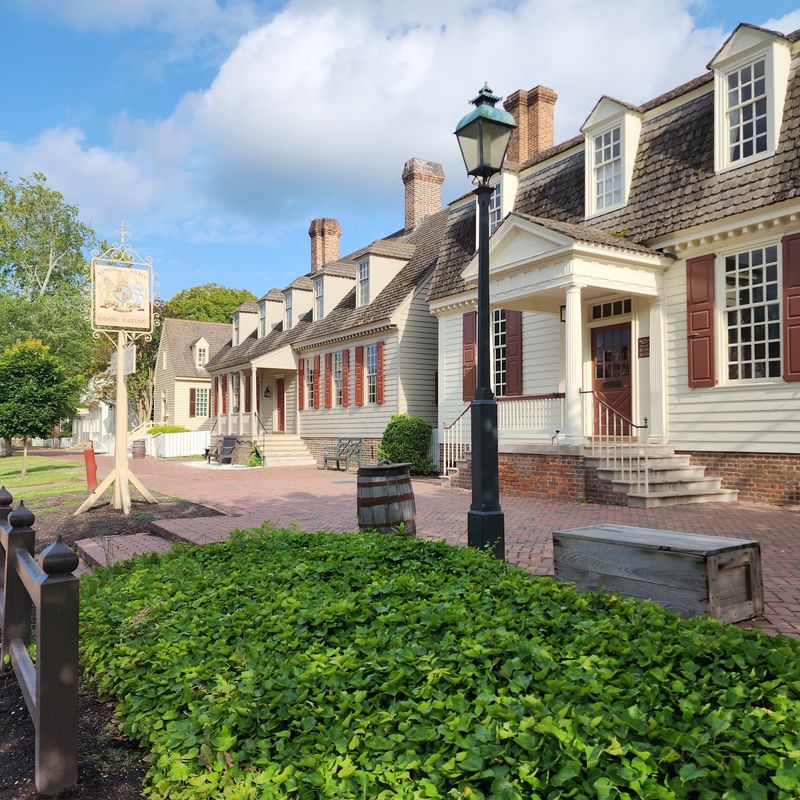
The main artery of the town invites unhurried wandering. Duke of Gloucester Street runs through the historic area, lined with shops and homes, and the roads are closed off to vehicle traffic.
Guests praise the walkability, and the car-free streets make it easy to relax and roam. You can drift from building to building without watching for traffic.
The whole area doubles as a scenic walk with fantastic opportunities for photos. Photographers in particular find endless subjects along the way.
Along this stretch you can duck into shops, watch demonstrations, and even catch reenactments of political debates and daily colonial life. There is a natural rhythm to strolling and stopping as things catch your interest.
Comfortable walking shoes come up again and again in guests’ advice, because the distances between houses add up quickly. Your feet will thank you for planning ahead.
Even a short visit here rewards those who simply meander and soak in the surroundings. The street itself is half the experience, and it costs nothing to walk.
Courthouse Debates and Live Reenactments
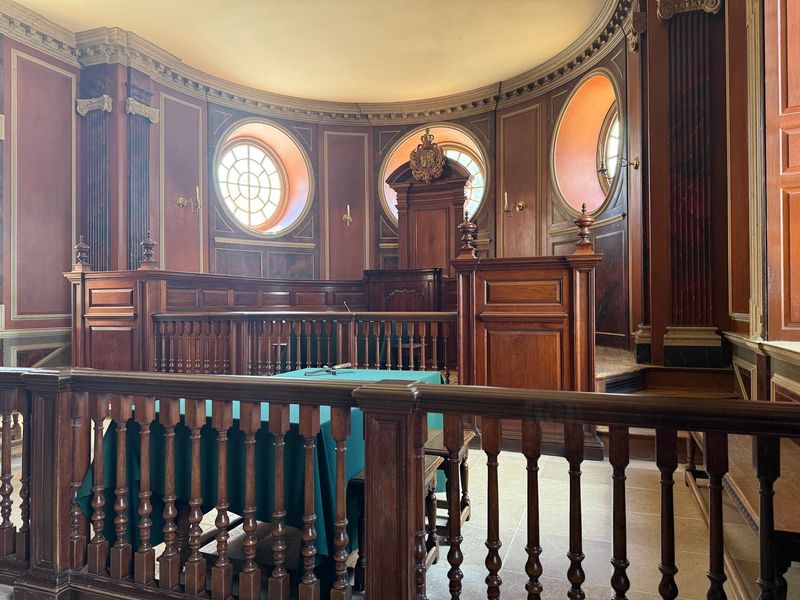
History does not just sit behind glass here. Reenactments of political debates, courthouse scenes, and daily life play out across the grounds throughout the day.
The courthouse reenactment ranks as a genuine crowd-pleaser, with guests calling it really fun. It turns dusty legal history into something lively and easy to follow.
Even on a quick two-hour visit, guests have caught rifle demonstrations and other live events without waiting in long lines. The programming keeps the town feeling active from block to block.
Many of these presentations mix education and entertainment, which is exactly what makes the place work for both history lovers and families. Nobody feels lectured at.
Guided tours tend to run around thirty minutes, though they can stretch depending on the stories and questions from the crowd. That give-and-take keeps them fresh.
A helpful tip guests share: not every attraction is open every day, so checking the schedule ahead helps you catch the reenactments you most want to see. Timing your day around a few of these performances is well worth the effort.
Ghost Stories on the Haunted Williamsburg Tour
When the sun starts dropping, a different kind of tour gets going. The Haunted Williamsburg tour, run by Colonial Williamsburg itself rather than an outside company, offers evening ghost stories rooted in the town’s own past.
What sets it apart is that the tales are almost entirely native to Williamsburg. They are based on repeated local claims rather than invented spooky stories, which gives them a grounded feel.
One guest who planned to head home around 6:30 changed course entirely after chatting with the interpreters waiting to start the tour. Signing up for the 7:00 tour turned into a memorable finish to the day.
The guides bring real delivery to the stories, keeping the group engaged without leaning on cheap thrills. It is atmospheric history rather than a haunted house gimmick.
Because it is an add-on experience, you purchase a separate ticket for it. Evening timing means you get a fresh look at the town after the daytime crowds thin out.
For anyone wanting to stretch their visit past the standard hours, this tour offers a fitting and slightly eerie encore.
Fun for Families, Couples, and School Groups
Few destinations manage to satisfy such a wide mix of people at once. Guests describe this place as great for families, couples, friends, and school groups alike.
The hands-on trade shops keep younger kids from getting bored, while older kids find plenty to hold their attention. It has proven to be a favorite even for teenagers, which is no small feat.
Grownups get just as much out of it. Adults love being able to touch things and learn along the way, and many who found it less exciting as children now appreciate its depth.
Groups of all sizes fit comfortably here, and school groups in particular find it well suited to their needs. Teachers can even benefit from a teacher’s discount.
The interpreters have a talent for connecting with everyone from small children to seniors, so no age group feels left out. That range is part of what keeps rating scores high.
Whether you arrive as a couple looking for a relaxed day or a big family crew, the town flexes to fit the visit you want.
Seasonal Charm From Spring Blooms to Christmas
The town changes its wardrobe with the calendar, and each season brings something new. Spring arrivals find flowers blooming and tulips putting on a colorful show across the grounds.
Springtime also brings a delightful surprise now and then, like recently born baby lambs that guests have spotted during their walks. Little touches like that turn a history visit into a nature moment too.
Come the holidays, the Christmas decorations become a highlight all their own, earning frequent mentions from guests. The historic setting takes on a festive character during that stretch.
The Foundation encourages guests to check the seasonal activities before planning a trip, since offerings shift throughout the year. A little advance planning helps you catch what interests you most.
Because programming and open buildings vary by date, the same town can feel quite different depending on when you show up. Repeat guests often come back in different seasons for exactly that reason.
Whether you prefer blooming gardens or holiday cheer, timing your visit around a season you love adds an extra layer to the day.
Getting Around With the Shuttle and Parking
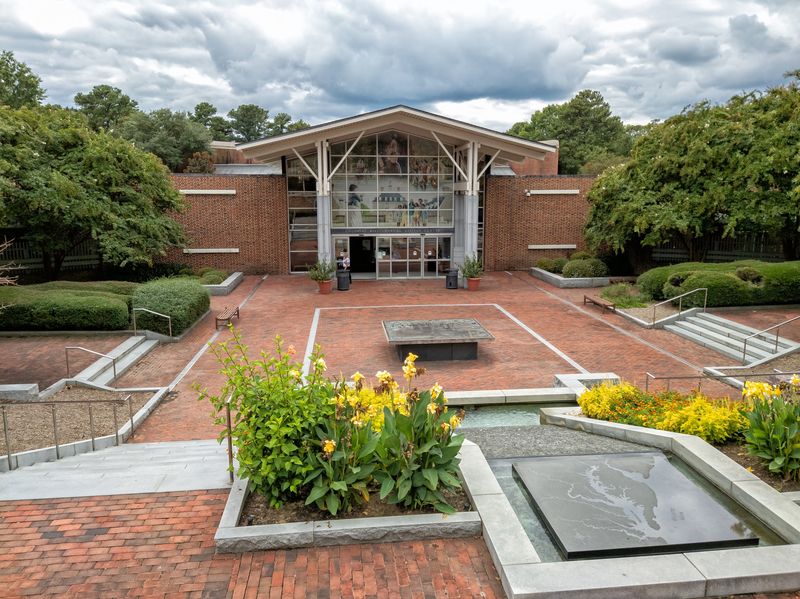
Covering 301 acres on foot is no small task, which is why the shuttle earns so much appreciation. A bus included with your ticket purchase circles the grounds and drops you at several spots around the property.
Guests report the shuttle runs roughly every 15 to 30 minutes throughout the day, making it easy to hop between areas. It is a real help in warmer weather and for anyone with limited mobility.
Parking is available at the visitor center for $10 for the day, and it is worth noting that free parking is no longer offered. Most guests recommend parking there and catching the bus from the start.
One point raised by guests is that the shuttle can fill up, and a guest using a wheelchair had to wait through several stops before finding room. There is room to grow on capacity during busy times.
Wheelchair accessibility does come up as a topic among guests, so those with mobility needs may want to plan around peak periods.
For most visits, though, the shuttle makes the sprawling grounds far more manageable, especially when you are ready to head back to the visitor center.
Tickets, Timing, and Insider Passes
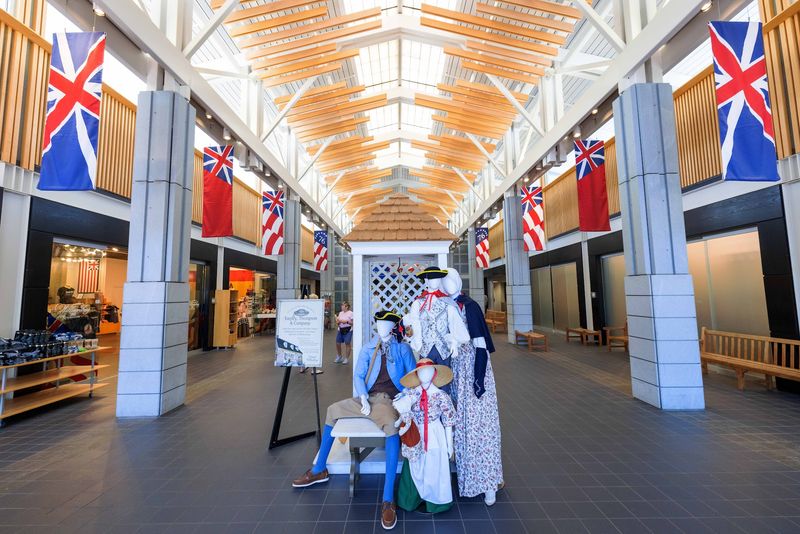
Sorting out tickets is your first order of business, and guests say it is worth the cost. An all-day pass acts as your key to enter every open building, from historic homes to the Capitol and the old jail.
The day pass gets called excellent value, offering access to numerous homes and exhibits. Rates are described as reasonable, and discounts exist for teachers and military guests.
Here is a clever tip guests pass along: buy a ticket later in the afternoon and it sometimes includes the next day’s admission in the price. That can stretch a single purchase across two days.
At the visitor center, a kiosk lets you print pre-purchased tickets or buy new ones so you can skip the line. Stopping by the concierge desk for a quick briefing helps you start the day on the right foot.
You are welcome to walk the outdoor area for free, but the paid pass unlocks the interiors where the real action happens.
Checking the website ahead to map out your interests is smart, since not every attraction opens daily. A little planning goes a long way here.
Hours, Contact, and How to Plan Your Day
Knowing when the doors open keeps your trip smooth. Colonial Williamsburg operates from 10 AM to 5 PM every day of the week, Monday through Sunday.
Because the property is enormous, guests routinely suggest planning for two days if you want to take everything in. Even those with a single day report a full and rewarding visit, though many wish they had more time.
Arriving early in the day is the repeated advice for anyone hoping to experience the most. The earlier start gives you a jump on the crowds and the open buildings.
The official website at colonialwilliamsburg.org is the best place to plan around what interests you, and the main phone line is +1 888-965-7254. Both help you tailor the day before you arrive.
A picnic lunch is a popular move, since there are only a few places to grab food once inside. Bringing your own snacks and water spares you some hunting.
With comfortable shoes, an early start, and a rough plan in hand, you will get far more out of these hours than a wander-and-see approach.
Why This Virginia Village Stays Worth the Trip
Every so often a place lives up to its billing, and this one does. With a 4.6-star rating built on more than eleven thousand entries, Colonial Williamsburg earns steady praise as a must-see stop in the Williamsburg, VA area.
The combination of restored buildings, working trades, and interpreters who stay in character creates a genuinely immersive step back into the colonial and Revolutionary War era. Guests consistently call it well worth the ticket price and the time.
Sure, a few points come up now and then. Tickets are not the cheapest, food options inside are limited and a bit pricey, and the shuttle can get crowded when the grounds are busy.
None of that seems to dim the enthusiasm. The overwhelming takeaway is that the depth, the friendliness of the staff, and the sheer scale make it a place people return to again and again.
For history fans, families, and curious travelers alike, this Virginia village turns the past into something you can walk through and learn from. Bring good shoes, an early start, and plenty of curiosity, and let the 18th century do the rest.
Enjoyed this story?
Add Fast Food Club as a preferred source to see more of our reporting on Google.