


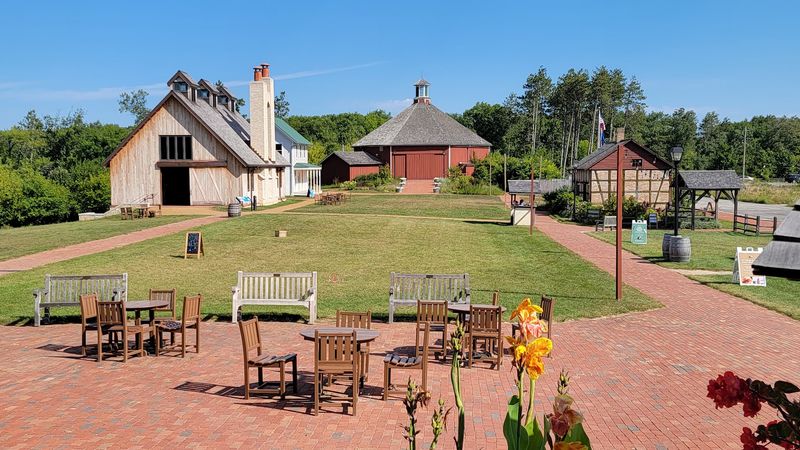
Somewhere in the rolling hills of southern Wisconsin sits a place where the calendar seems to skip backward more than a hundred years. Costumed workers grade eggs by hand, blacksmiths shape glowing metal into S hooks, and free trams shuttle families across 600 acres of restored farmsteads.
Kids get to churn butter, wash laundry the old-fashioned way, and learn crafts that most people have never tried. Spread across a forested landscape, it feels less like a museum and more like a working village that never quite moved on from the 1800s.
There is a General Store, a creamery, a round barn, and enough hands-on history to fill a full day. Curious where all this happens and why people keep coming back season after season?
Keep reading, because the story only gets better.
Where History Comes Alive in Eagle
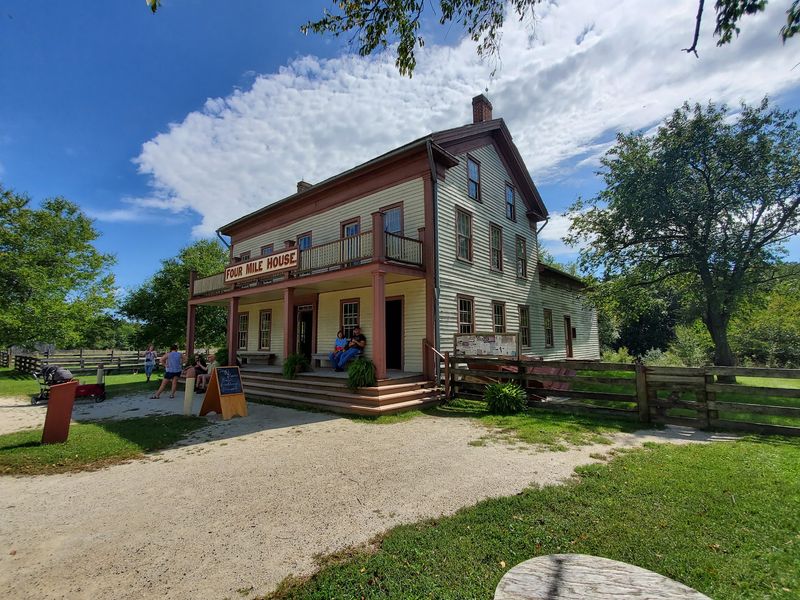
Tucked into the Southern Unit of the Kettle Moraine State Forest, Old World Wisconsin makes its home at W372 S9727 WI-67 in Eagle, Wisconsin. The setting alone tells you this is no ordinary attraction.
Run as an outdoor museum by the Wisconsin Historical Society, the site re-creates life and work on a late 19th-century farmstead. The grounds stretch across roughly 600 acres, so there is real space to spread out and explore.
The concept is simple but powerful. Instead of standing behind glass, history unfolds around you in the form of restored homes, barns, and shops staffed by people in period clothing.
Guests can learn about how settlers lived in Wisconsin, with stories spanning from the mid-1800s up through the early 1900s. Each building carries its own slice of that long timeline.
With a strong 4.7-star reputation and more than a thousand pieces of feedback, the place has clearly earned its loyal following. Many folks return again and again, always finding something they missed before.
That first arrival tends to spark plans for a second trip.
A Village Built From Real Homesteads
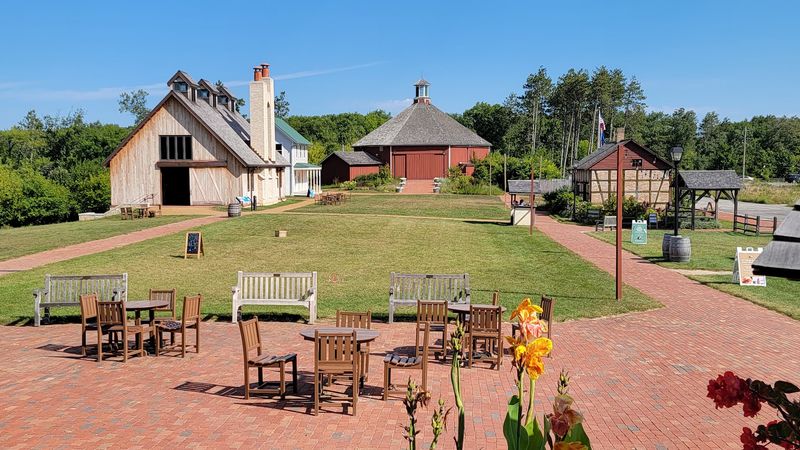
Long before it welcomed guests, this land was pieced together from genuine immigrant homesteads gathered from across the state. The buildings are not props but authentic structures relocated and carefully restored.
The result is a layout that reads like a real settlement. There is a Crossroads Village, farm demonstration areas, and Scandinavian homesteads that show how different immigrant groups shaped early Wisconsin.
Walking between areas, you move through distinct communities, including a Finnish village where daily chores come to life. Each cluster reflects the traditions the settlers carried with them from home.
The farms include animals, working gardens, and demonstrations that reveal how people fed and clothed themselves. It paints a full picture rather than a single snapshot.
Because the collection spans several decades and cultures, no two corners feel the same. The German farm differs from the Nordic one, and the town square feels different again.
That variety is exactly what keeps people wandering deeper into the property. One loop simply is not enough to take it all in.
The Blacksmith Shop That Steals the Show
Ask around about the most talked-about stop, and the blacksmith shop lands near the top of the list. The clang of the hammer draws a crowd almost every time.
The smith works real iron over the forge, shaping useful items like S hooks while explaining the craft. Kids often gather close to learn about the anvil and the horn.
What makes it memorable is the hands-on teaching. Rather than a quiet display, it becomes a lesson in how frontier tools were forged from scratch.
During special seasonal events, the blacksmith even produces small steel keepsakes that guests can take home. Leather ornaments and metal crafts have shown up during holiday programming.
The demonstration ties directly into the larger story of self-reliance on the homestead. Nearly everything a family needed had to be built, mended, or traded.
Between the sparks and the storytelling, this corner tends to become a favorite for both children and grown-ups. It is living history at full volume.
Costumed Guides Who Know Their Stuff
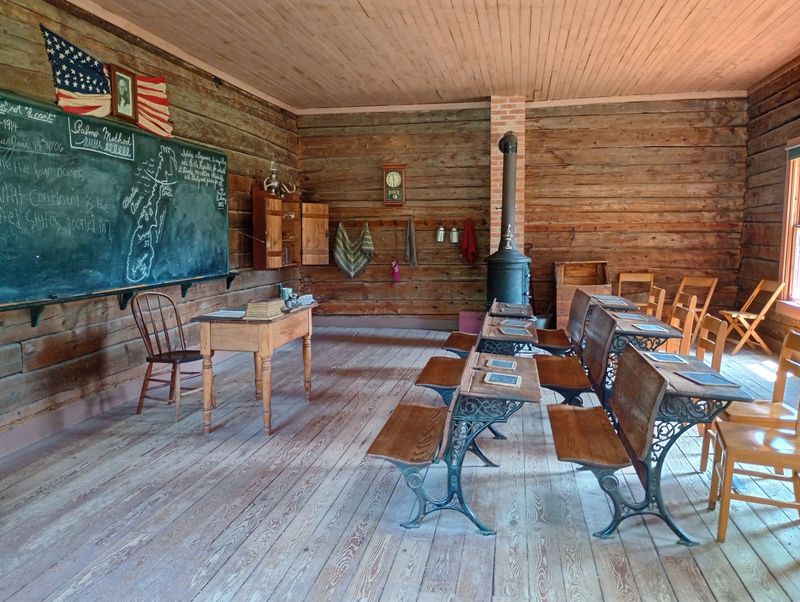
The real magic here comes from the people. Dressed in period clothing, the staff play their roles with warmth and genuine knowledge.
Sometimes called interpreters or docents, they station themselves at each building to share the story of that spot. Guests consistently describe them as friendly, engaging, and quick with a smile.
Their enthusiasm covers everything from how eggs were graded at the General Store to how boots were mended and rope was made. Each guide seems to own a specialty.
Taking the time to chat with them changes the whole visit. The buildings are interesting on their own, but the conversations turn them into full experiences.
They manage a neat balancing act too, keeping younger children entertained while still offering depth for adults, including history teachers who want the finer details.
A few guests have noted that the level of information can vary from one guide to the next. Even so, the staff earn steady praise as one of the site’s greatest strengths.
Their kindness leaves a lasting impression.
Free Trams That Save Your Feet
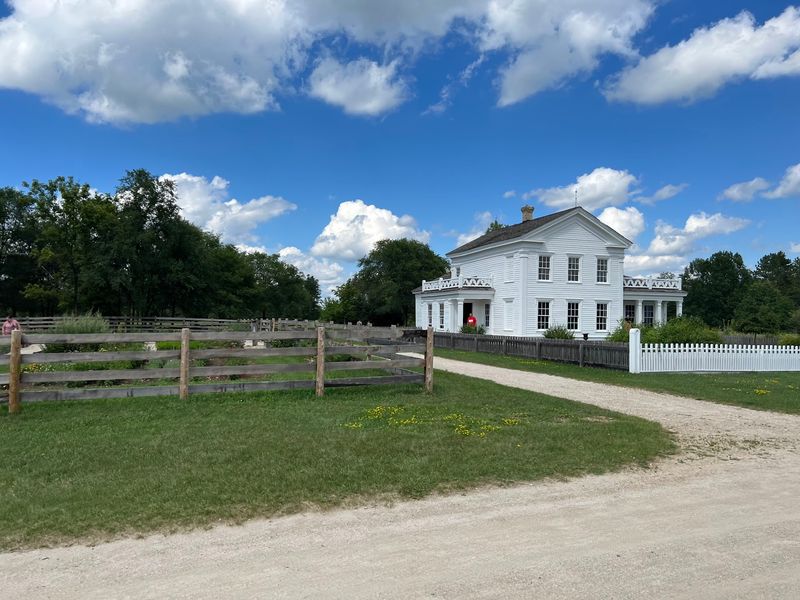
Six hundred acres is a lot of ground to cover, and thankfully there is a clever solution built right in. Free trams loop through the property and stop at every point of interest.
The system works well for anyone who cannot walk long distances. Guests can hop off at one area, explore, then catch the next tram whenever they are ready.
Families appreciate the convenience too, and there are even stroller holders so parents can ride comfortably. It makes bringing little ones far easier.
The trams tend to fill up quickly, so a short wait now and then is part of the deal. Patience pays off when the next one rolls up.
For those who prefer to explore on foot, walking the whole place is entirely doable, and small hiking trails wind between the sites. The choice is yours.
Some guests have suggested that dust from the gravel roads can be a downside for strollers strapped to the back. Still, the free ride remains one of the most appreciated features on the grounds.
Hands-On Fun for Curious Kids
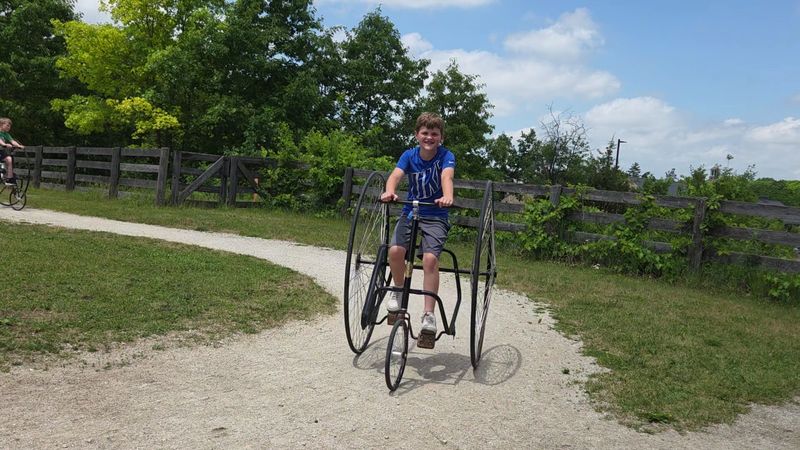
Bringing children here turns learning into play. The activities are designed so young guests actually do things rather than just look.
Kids can make homemade butter in the Finnish village, try washing clothes the old-fashioned way, and learn how bread was made from scratch. These simple tasks tend to become the highlight of the whole trip.
There is more for older kids than many parents expect. Craft stations, demonstrations, and interactive lessons keep even tweens engaged.
Special programs like Homeschool days pack the calendar with extra activities, and those events can sell out well in advance. Booking tickets early is a smart move.
Because the learning is woven into hands-on chores, children absorb the history without realizing they are in a lesson. That is a rare trick to pull off.
Parents often walk away planning a return trip to catch the seasons they missed. For families, one visit rarely feels like enough.
The Creamery, General Store, and Souvenir Tokens
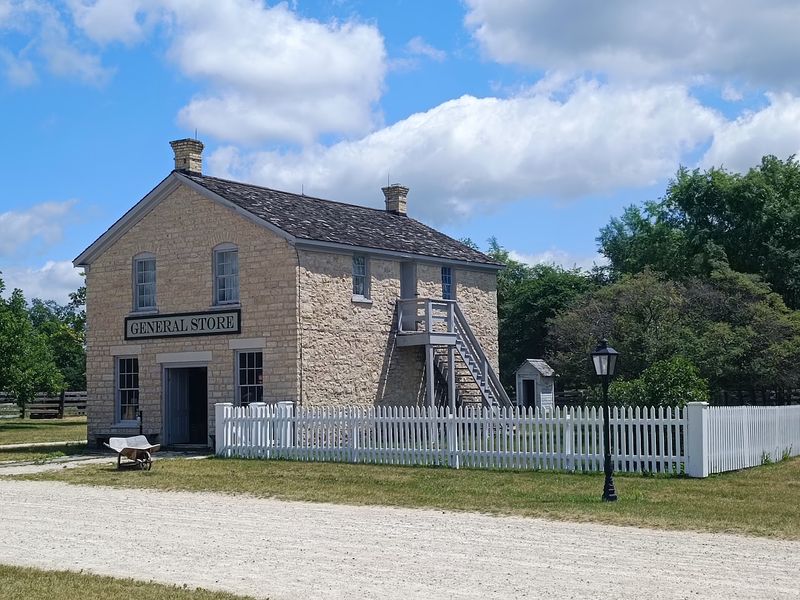
Shopping takes a charming turn thanks to a clever old-fashioned system. The creamery offers tokens that guests can use across the site’s themed shops.
Those tokens work for various souvenirs and even a prohibition-era soda water, which adds a playful throwback element. Collecting and spending them becomes part of the fun.
The General Store doubles as a demonstration space, where a docent might show how eggs were graded back in the day. Practical history meets a bit of retail nostalgia.
Over at the creamery, guests can grab ice cream along with lighter fare like sandwiches, popcorn, and premade salads. It makes a handy midday stop.
The main gift shop stocks books, toys, candy, and holiday items, giving everyone a keepsake to carry home. The bathrooms nearby earn praise for being clean too.
These little shops round out the village experience beyond the demonstrations. They give the whole place the feel of a working community rather than a static exhibit.
Seasonal Events Worth Circling on the Calendar
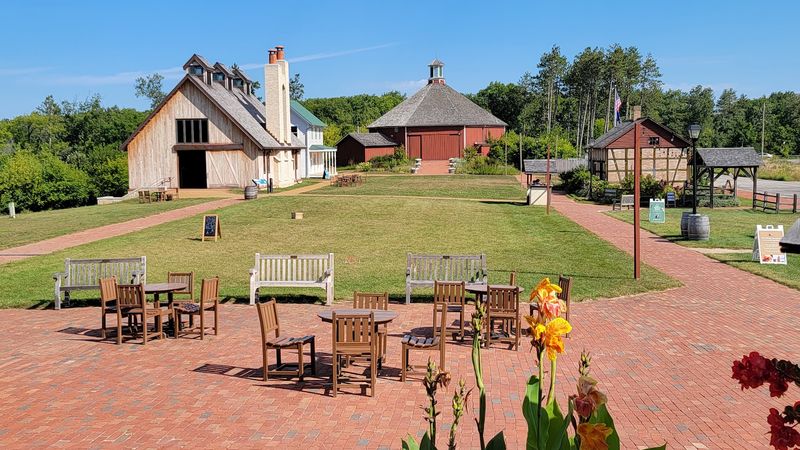
The property reinvents itself throughout the year with special programming that keeps regulars coming back. Each season brings something fresh to discover.
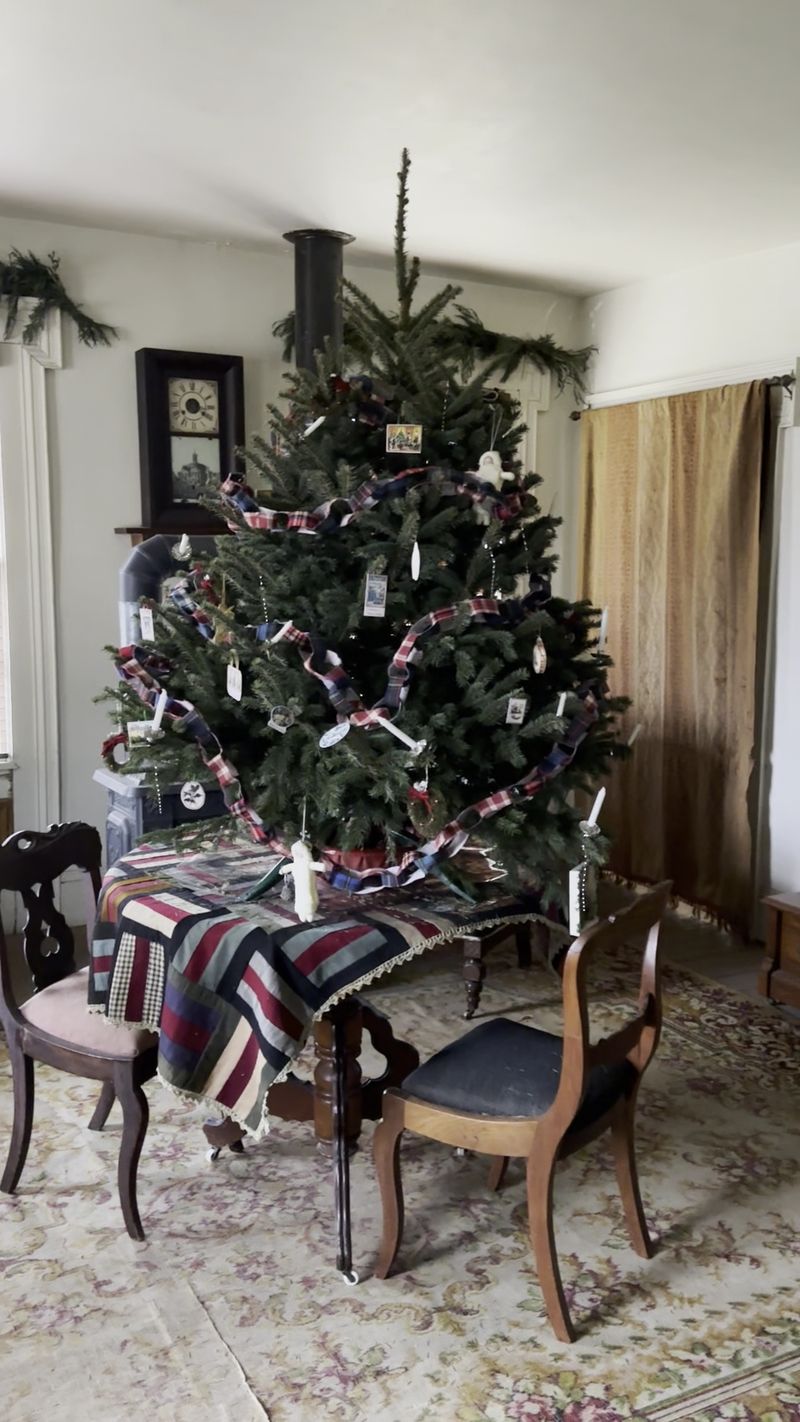
The Christmas special turns the village festive, complete with a sleigh set up for photos and crafts like leather ornaments to make or buy. Guests even learn about Krampus, an old holiday tradition many have never heard of before.
Around Halloween, the grounds host an evening event running into the night, featuring performances by local high school students alongside park staff. There is so much packed in that seeing it all in one evening can be tough.
Fall and winter both reveal new sides of the site, so the same buildings feel different across the calendar. That seasonal shift is a big part of the appeal.
Because popular events draw crowds, planning ahead helps you make the most of the visit. Long lines can pop up at the busiest times.
These themed days give the village a reason to explore again and again. History, it turns out, changes with the seasons here.
The New Tavern and Round Barn Gathering Spots
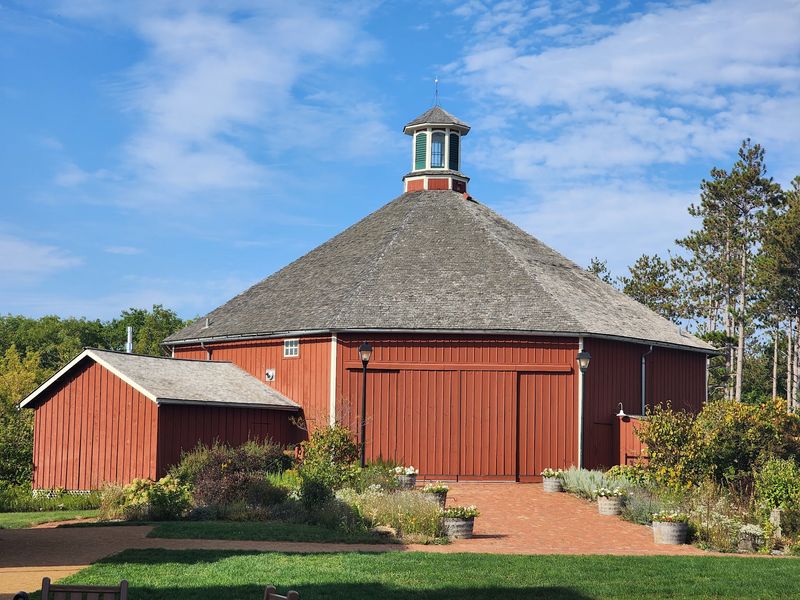
Recent additions have given the village even more to explore. A new tavern has become a talking point among returning guests.
Wittnebels Tavern joins a brewery and tap room near the entrance, adding a social gathering space to the historic layout. The building itself draws compliments for its beauty.
Nearby, the round barn stands as a landmark, with lunch service available below it during certain visits. The Clausing Barn Cafe operates in this area and has reopened to happy crowds.
On Fridays, the site hosts a classic fish fry that families rave about, a nod to a beloved Wisconsin tradition. Pairing food with the historic setting makes for a relaxed way to end the day.
Ongoing improvements suggest the site keeps evolving, with work reported on the main entrance as well. There always seems to be something new taking shape.
These gathering spots give guests a comfortable place to pause between demonstrations. History and hospitality share the same address here.
Planning Your Day: Hours and Getting There
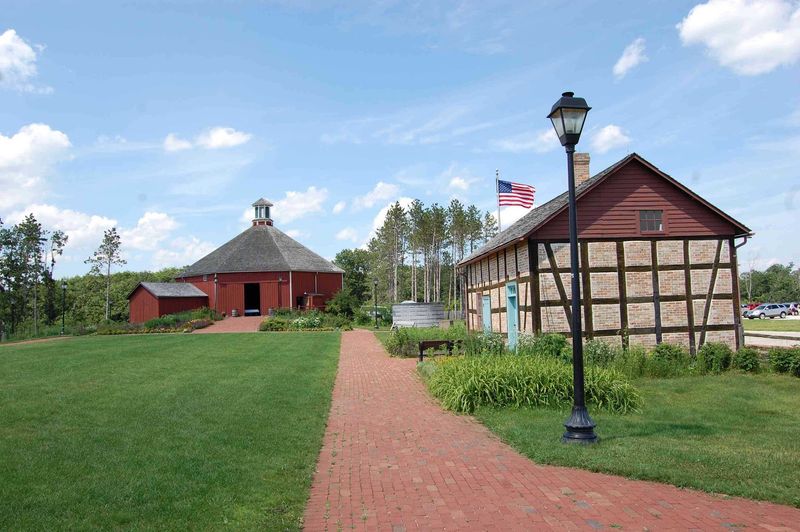
A little planning goes a long way at a site this size. The museum sits along WI-67 in Eagle, deep within the Kettle Moraine forest.
Doors open at 10 AM and close at 4 PM Wednesday through Sunday, while Monday and Tuesday are closed. That five-day window makes weekends and midweek trips both possible.
Buying tickets in advance is strongly recommended, since special events have been known to sell out completely. Securing entry early saves disappointment at the gate.
Comfortable walking shoes are essential because the paths are dirt and gravel across the sprawling grounds. Sandals and open toes are best left at home.
Since this is an outdoor venue, checking the weather and dressing accordingly makes the day smoother, whether that means a hat and sunscreen or a raincoat and sweatshirt. Packing water and snacks helps too.
Restrooms are plentiful throughout the property, and food is available at several buildings. With a full day likely ahead, arriving prepared is the surest path to enjoying every corner.
Why This Village Keeps Calling People Back
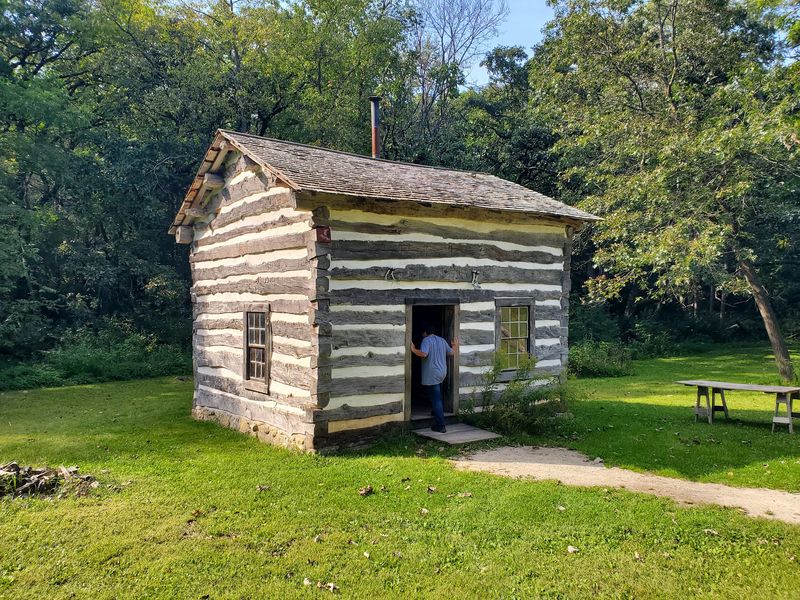
Few places manage to feel both educational and genuinely fun, yet this one pulls it off with ease. The blend of hands-on history and open space suits nearly everyone.
Solo travelers have spent entire days here on their own, while grandparents meet grandkids for shared outings. The wide appeal is one of its quiet strengths.
The site has even served as a setting for celebrations, with some couples marking their weddings among the historic buildings. It clearly means something personal to many people.
Guests consistently mention that a single day is not enough to see everything, which explains why so many plan return trips. There is always another building, season, or demonstration waiting.
Between the friendly staff, the free trams, and the ever-changing events, the value stacks up quickly. History buffs and casual wanderers alike find plenty to love.
For a trip that teaches, entertains, and gives your legs a workout across 600 acres, Old World Wisconsin delivers a rare kind of day. Step back in time once, and you will likely find yourself planning to go again.
Enjoyed this story?
Add Fast Food Club as a preferred source to see more of our reporting on Google.