


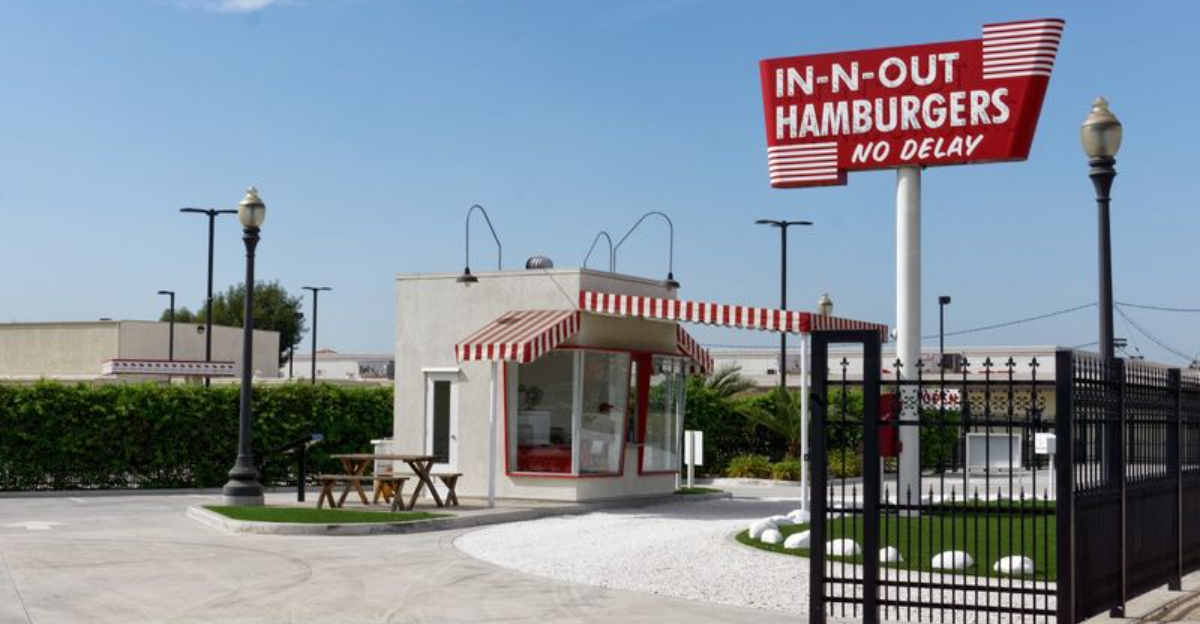
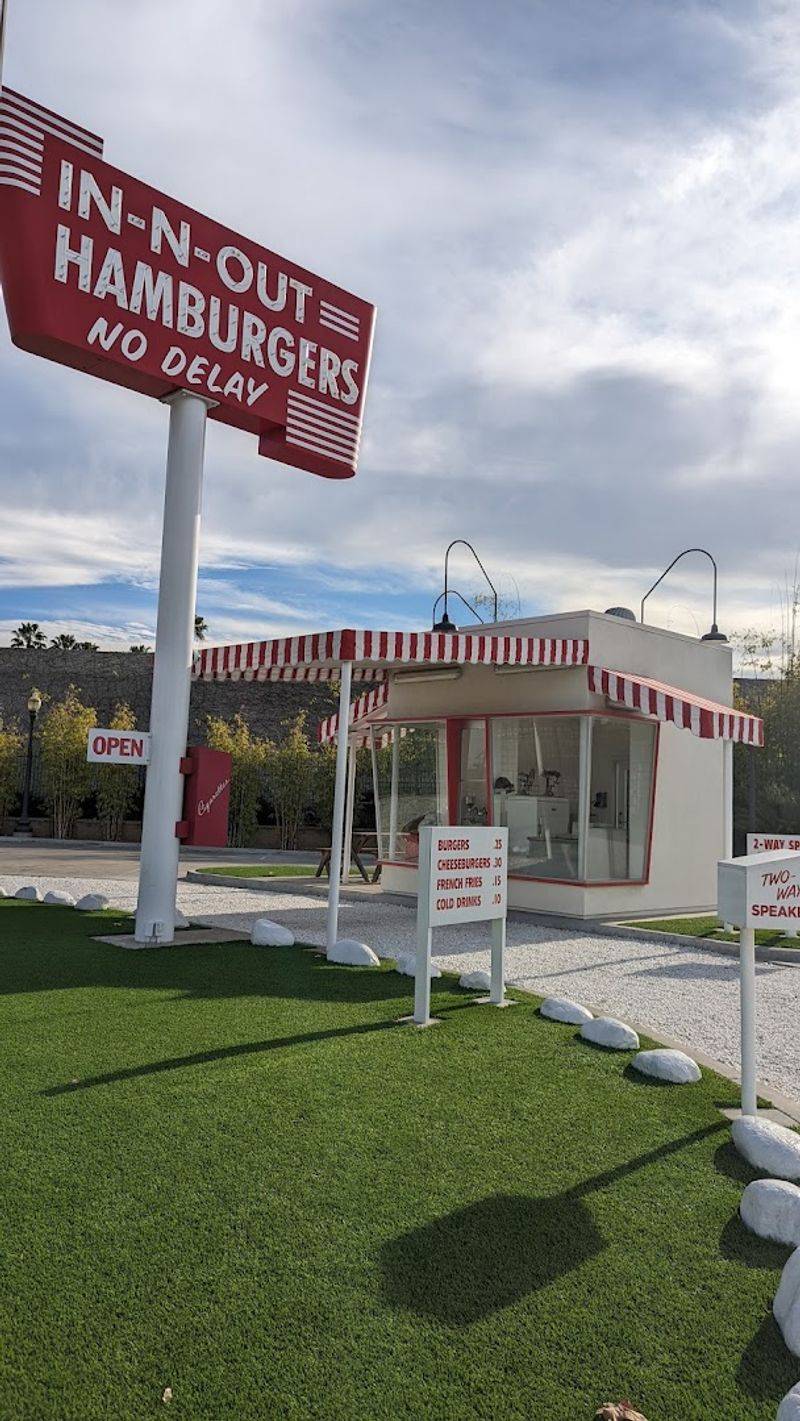
Tucked away in Baldwin Park, California, a tiny burger stand holds a massive piece of American food history. The Original In-N-Out Burger Museum at 13766 Francisquito Ave is a replica of the very first In-N-Out location, which opened on October 22, 1948.
Harry and Esther Snyder started it all with a 10-foot square stand and a dream, and today visitors can walk right up and experience what that looked like. Whether you grew up eating Double-Doubles or just love a good origin story, this place is worth every minute of the short drive.
The Humble Beginnings of a Burger Empire
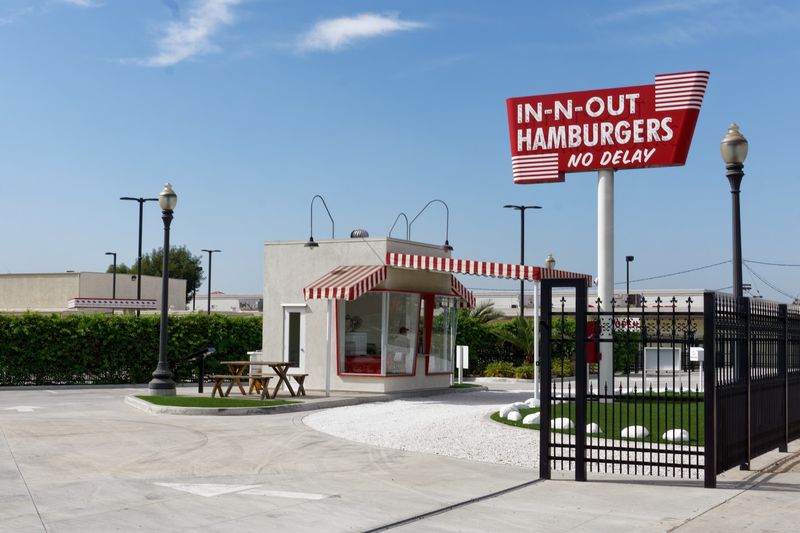
Back in 1948, Harry and Esther Snyder opened a burger stand so small it could barely fit two workers inside. That 10-foot square shack in Baldwin Park, California, became the spark that lit one of the most beloved fast-food chains in American history.
Visitors to the museum today get to see exactly what that modest beginning looked like.
Harry ran the grill and sourced fresh ingredients every single day, while Esther handled the books, often doing accounting on a cutting board placed over the bathroom sink. Their teamwork was the secret ingredient behind In-N-Out’s early success.
The stand felt more like a family kitchen than a restaurant.
Seeing how small the original setup was makes you appreciate how far the brand has come. It is a powerful reminder that big dreams can absolutely start in tiny spaces.
Harry Snyder’s Two-Way Speaker System Revolution
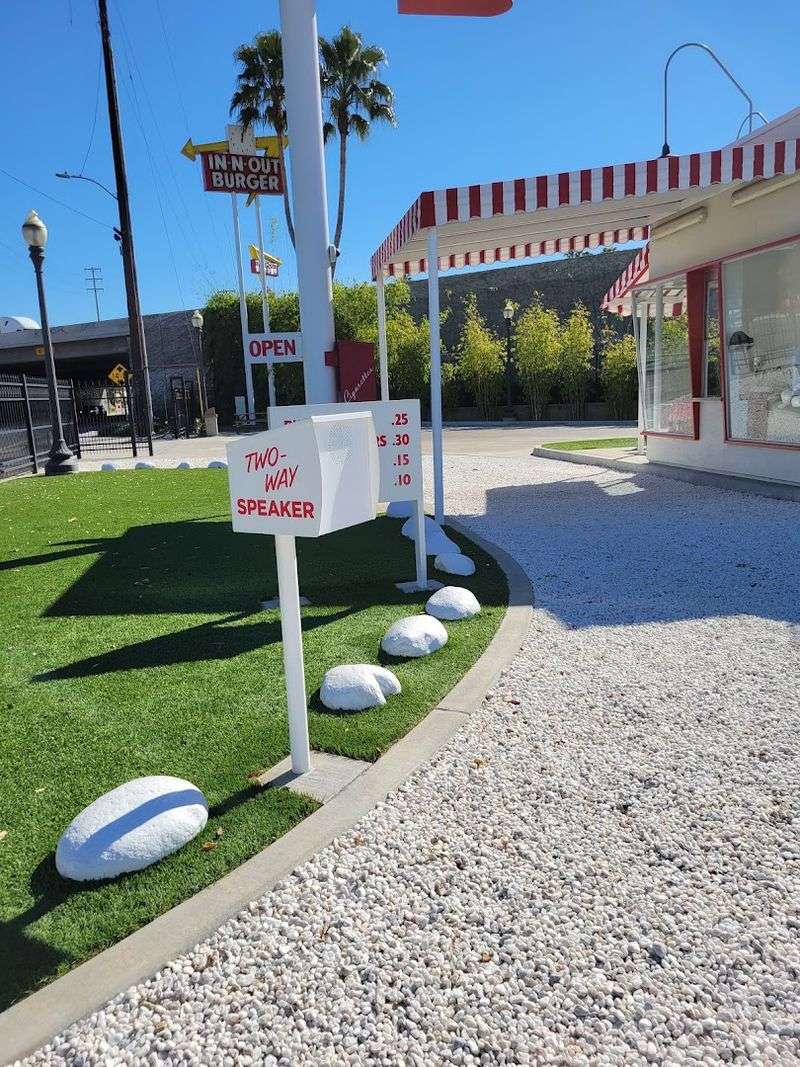
Before apps, touchscreens, or even drive-thru menus as we know them, Harry Snyder invented something that changed fast food forever. He installed a two-way speaker system at his Baldwin Park stand so customers could place orders without ever leaving their cars.
That single idea made In-N-Out the very first drive-thru in California.
At the time, it felt like science fiction to most people. Imagine pulling up to a little shack, speaking into a box, and getting a fresh burger handed to you through a window.
Visitors to the museum can see references to this groundbreaking setup and understand why it caused such a stir in the late 1940s.
Harry did not just sell burgers — he redesigned the entire customer experience. That innovation planted the seed for every drive-thru lane you have ever used at any fast-food restaurant since then.
A 10-Foot Stand That Started It All
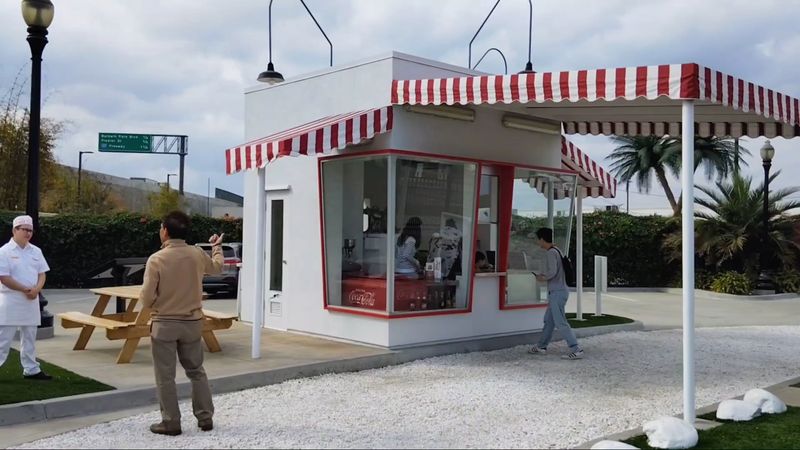
Most people find it hard to believe that a space barely bigger than a walk-in closet launched a billion-dollar company. The original In-N-Out stand measured just 10 feet by 10 feet, with room for only two employees at a time.
The museum replica gives you a real sense of just how tight and compact that working space actually was.
Standing next to it feels surreal. The walls are close, the counter is narrow, and yet somehow, Harry and Esther pumped out fresh burgers and hand-cut fries from this little box every single day.
It is the kind of place that makes you rethink what is truly possible with limited resources.
School groups, families, and food history fans all tend to stop and stare for a moment when they first see it. Smallness, in this case, turned out to be anything but a limitation.
Original Equipment Preserved Inside the Museum
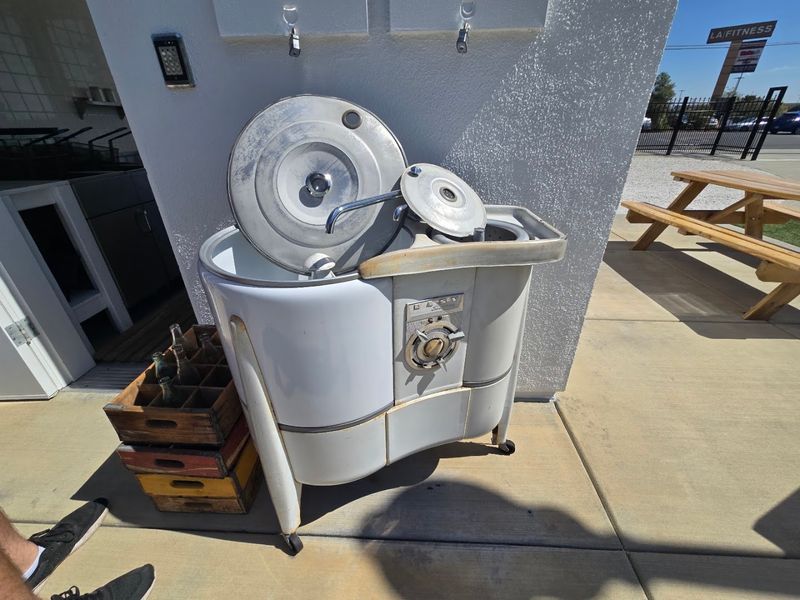
One of the coolest things about visiting the museum is getting to see actual equipment from the early days of In-N-Out. The replica is stocked with period-accurate tools and appliances, including the washing machine Harry used to clean and dry potatoes before cutting them into fresh fries.
It is a surprisingly personal look into the brand’s kitchen roots.
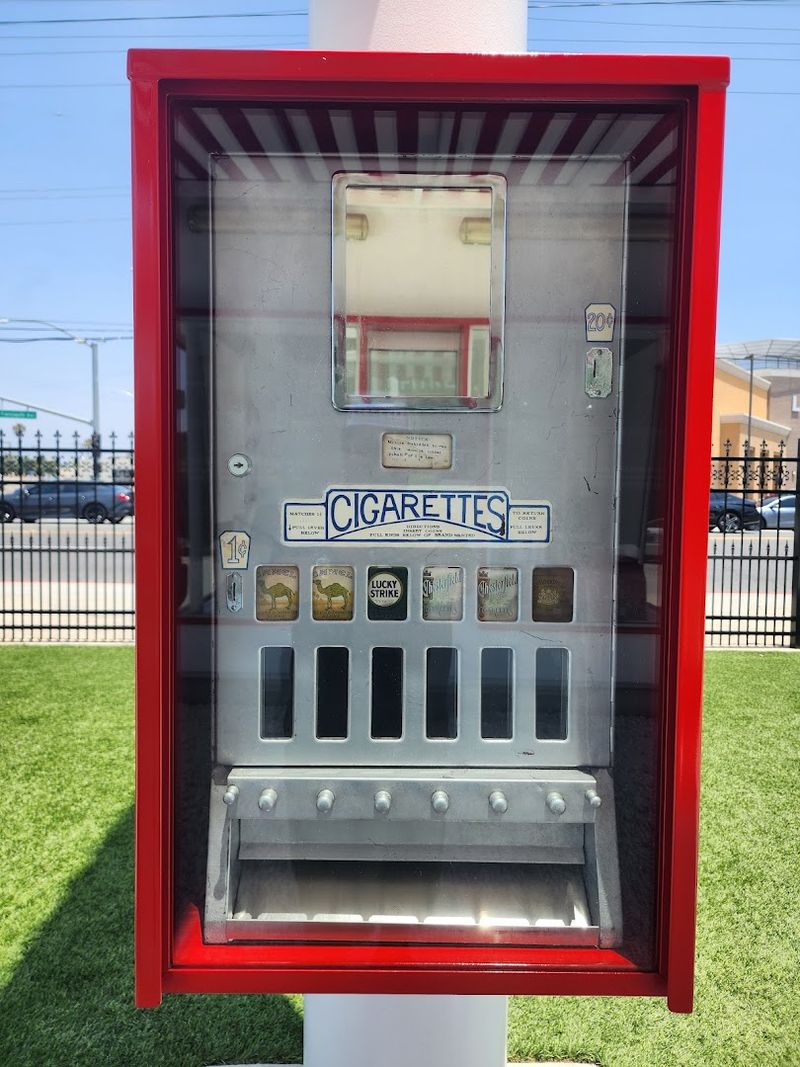
There is even a tobacco vending machine on the property, sitting right across from the old drive-thru window, which gives you a vivid snapshot of what a 1948 roadside stop actually looked like. Every detail feels intentional and well-preserved.
Nothing about the setup feels staged or fake.
Guides on-site are happy to explain what each piece of equipment was used for, which makes the experience feel more like a history lesson than a simple photo stop. Bring your curiosity — there is a lot to unpack in a small space.
The Story Behind the Cutting Board Bookkeeping
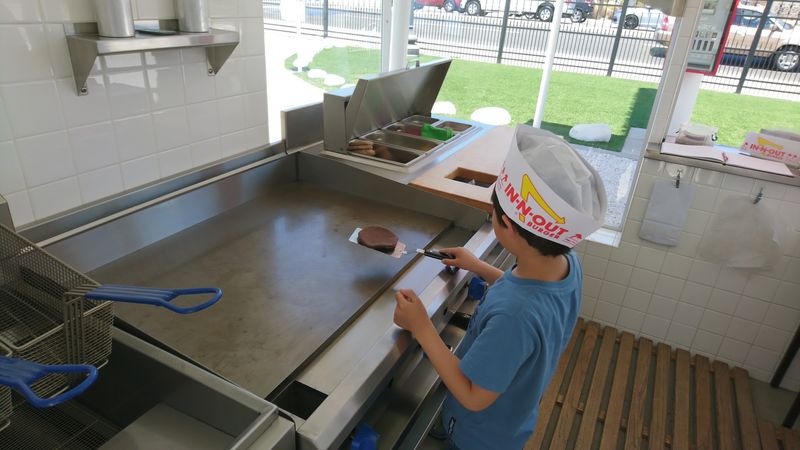
Ask the museum guide about the cutting board on the toilet, and you will get one of the most charming stories in fast-food history. Esther Snyder, co-founder of In-N-Out, managed all the company’s accounting from a cutting board she placed over the bathroom sink inside the tiny stand.
Space was so limited that the bathroom doubled as the office.
It sounds quirky, but it speaks volumes about how resourceful and determined the Snyder family really was. Esther kept the books balanced while Harry kept the grill hot, and together they made the whole operation run without missing a beat.
That kind of dedication in such cramped conditions is honestly inspiring.
Visitors who hear this story often laugh first, then reflect on how much grit went into building something this iconic. It is a tiny detail that says everything about the spirit behind the In-N-Out brand.
Free Admission and Guided Tours Available
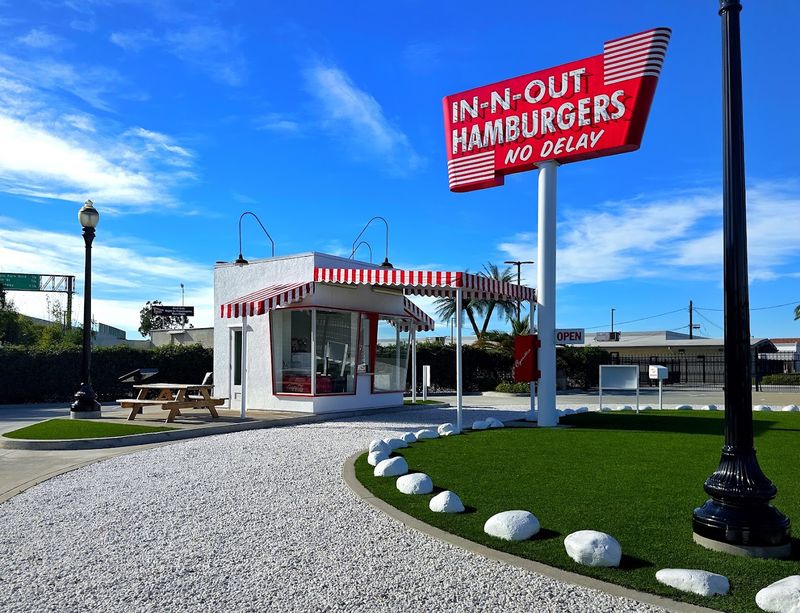
One of the best surprises about visiting the Original In-N-Out Burger Museum is that it costs absolutely nothing to get in. No tickets, no reservations, no fees — just show up during open hours and walk right in.
A single staff member keeps the entire place clean, welcoming, and ready for guests every visit.
The on-site guides are genuinely passionate about the history they share. Reviewers have praised employees like Lydia for giving thorough, enthusiastic tours that feel more like conversations than lectures.
You can ask questions, snap photos, and really take your time exploring the small but fascinating space.
Free guided tours are a rare treat for any museum, and the fact that this one is available at a beloved fast-food landmark makes it even more special. Whether you stay for 15 minutes or an hour, you will leave knowing a whole lot more than when you arrived.
Limited Hours That Are Worth Planning Around
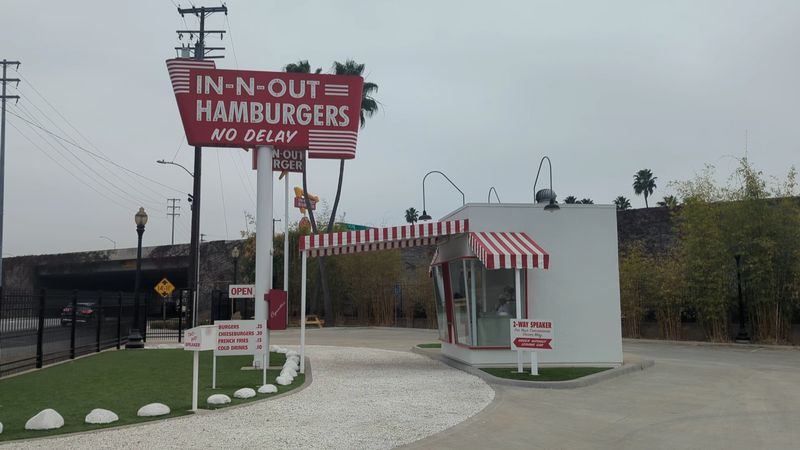
Planning your visit to the Original In-N-Out Burger Museum takes a little scheduling, but the effort is completely worth it. The museum is open Thursday through Sunday from 11 AM to 2 PM only, which means you have a narrow but very manageable window to stop by.
Mondays, Tuesdays, and Wednesdays are closed, so mark your calendar before making the trip.
Several reviewers mentioned that the limited hours caught them off guard at first, but once they arrived, the relaxed and unhurried atmosphere made the timing feel just right. There is no rush, no crowd pushing you through, and no pressure to move quickly.
The small time window actually helps keep the experience peaceful and personal.
If you are passing through the Los Angeles area on a weekend or heading in or out of the city on a Thursday or Friday, this is an easy and rewarding detour that fits neatly into your travel day.
Historical Photos and Artifacts on Display
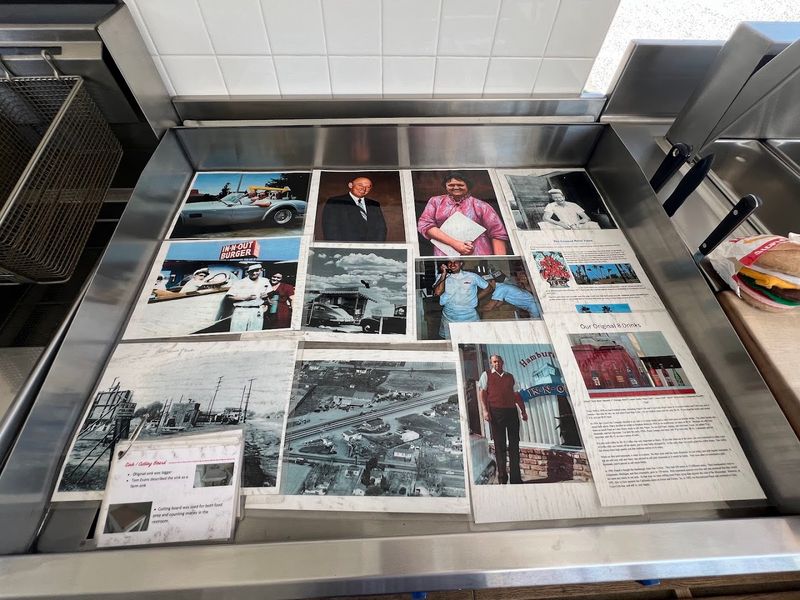
Walking inside the museum replica feels like flipping through a family photo album from another era. The walls are lined with historical photographs that document In-N-Out’s early years, showing Harry and Esther at work, the original stand in operation, and the growth of the brand through the decades.
Each image tells a piece of the larger story.
Alongside the photos, there are physical artifacts that bring the history to life in a tactile way. Old menus, equipment, and memorabilia sit throughout the space, giving visitors something real to look at and connect with.
It is the kind of display that sparks genuine curiosity, even in people who are not usually drawn to museums.
For kids especially, seeing the actual objects from 75-plus years ago makes history feel concrete rather than abstract. Parents and teachers who bring young visitors often find this to be one of the most effective parts of the whole experience.
The Freeway That Swallowed the Original Location
Here is a bittersweet piece of California history: the original In-N-Out Burger stand no longer exists because it was demolished to make way for the Interstate 10 freeway. The very road that millions of Californians drive every day was built right through the spot where Harry Snyder first flipped burgers in 1948.
Progress has a way of paving over the past, sometimes quite literally.
The museum replica now stands nearby as a tribute to what once existed at that original diagonal corner across the street. Visitors can actually walk under the freeway overpass to reach the merchandise store, which gives the whole experience a slightly surreal, cinematic quality.
You are essentially walking in the shadow of the thing that erased the original landmark.
Knowing that backstory adds a layer of meaning to the visit. The replica is not just a fun photo spot — it is an act of preservation and remembrance for something genuinely important to California culture.
In-N-Out University and the Merchandise Store Nearby
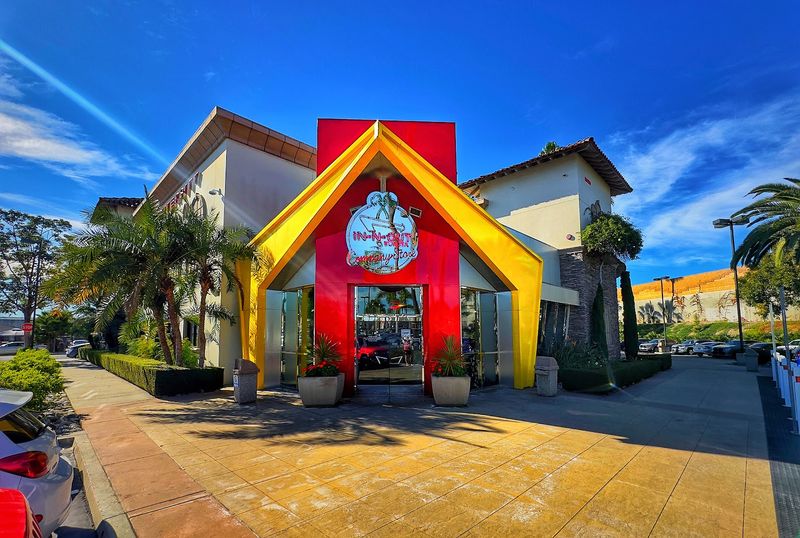
Right across the street from the museum replica sits one of the most unique company stores in fast-food history. The In-N-Out University campus, which serves as the brand’s internal training center, is located just steps away, and attached to it is a merchandise shop loaded with branded gear.
T-shirts, hats, stickers, and more are all available for fans who want to take a piece of the legacy home.
Reviewers from as far away as Michigan have mentioned picking up souvenirs at the store after their museum visit. It is a natural next step — you learn the history, feel the nostalgia, and then grab something to remember the trip by.
The store is a fan favorite in its own right.
Walking from the replica to the store under the freeway overpass is part of the experience. The short stroll connects two very different chapters of the same story in a way that feels surprisingly meaningful.
A Must-Visit Spot for Fast-Food History Fans
Fast-food history does not get more personal or more Californian than this. The Original In-N-Out Burger Museum attracts all kinds of visitors — die-hard In-N-Out fans, road-trippers, history buffs, and families looking for a quick but meaningful stop near Los Angeles.
With a 4.8-star rating from over 300 reviews, the place clearly delivers on its promise.
What makes it stand out from other roadside attractions is the authenticity. Nothing here feels corporate or overly polished.
The replica looks genuinely weathered and real, the guides are warm and knowledgeable, and the whole vibe is relaxed and welcoming. You do not need to be a food historian to enjoy it.
Whether you stop for 20 minutes or spend the full open window exploring, most visitors leave feeling glad they made the effort. It is one of those places that is easy to skip and hard to forget once you have been there.
Burgers, Fries, and the Menu That Started It All
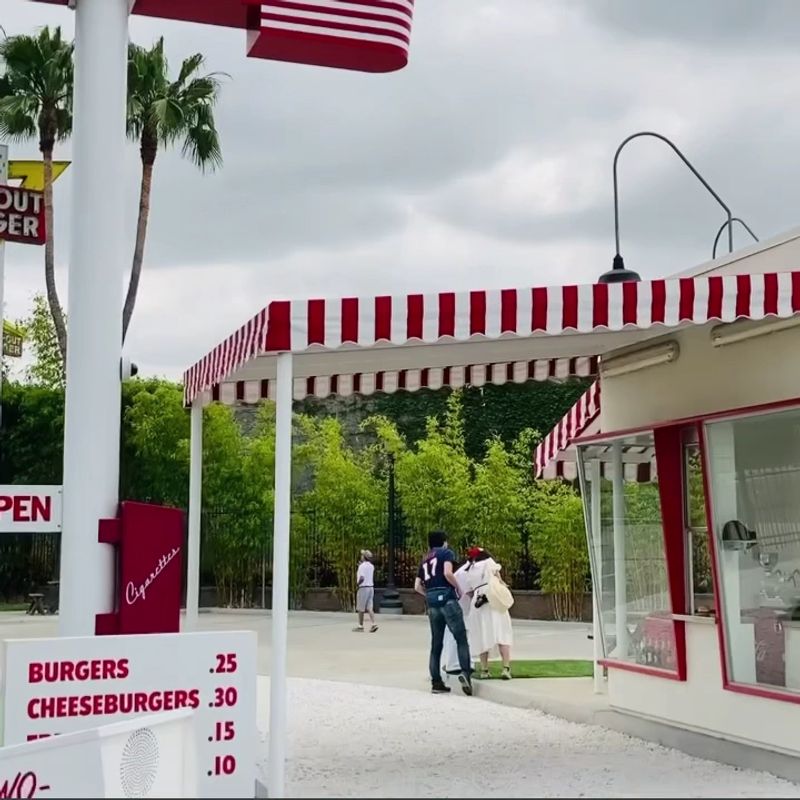
When In-N-Out first opened in 1948, the menu was refreshingly simple. Burgers ran between 25 and 30 cents, and the focus was on freshness over variety.
Harry Snyder personally picked up ingredients each morning, which meant everything served that day was as fresh as it could possibly be. No freezers, no shortcuts.
That original commitment to quality is exactly what In-N-Out still talks about today, decades later. The museum highlights this connection between past and present, showing visitors how the early menu philosophy shaped everything the brand stands for now.
Seeing those old price points puts the whole brand story into sharp perspective.
For anyone who has ever ordered a Double-Double and wondered why it tastes so different from other fast food, the answer starts right here in Baldwin Park. The museum makes that connection feel real, not just like a marketing slogan on a tray liner.
Plenty of Free Parking and Easy Access
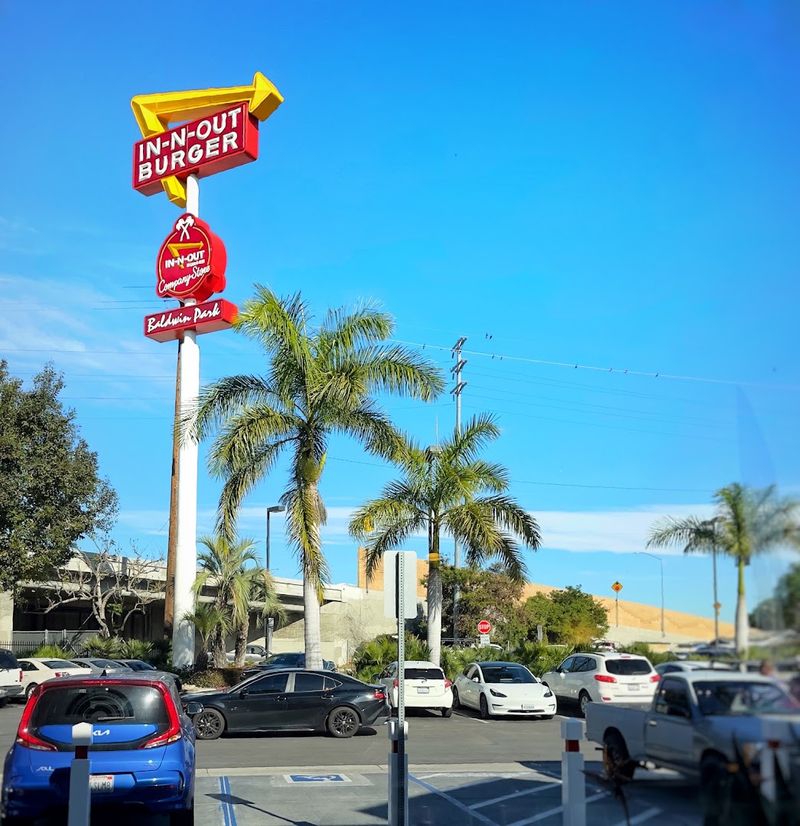
Practical details matter when you are planning a road trip stop, and the Original In-N-Out Burger Museum checks all the right boxes. Parking is free, plentiful, and easy to navigate, which takes a lot of the stress out of visiting.
Reviewers consistently mention that pulling up and finding a spot was never a problem, even on busy weekend afternoons.
The best strategy, according to multiple visitors, is to park near the In-N-Out University merchandise store and then walk a few minutes down the sidewalk under the overpass to reach the replica museum. It is a short, pleasant walk that builds a little anticipation before you arrive at the stand.
The whole area feels calm and unhurried.
After your visit, the modern In-N-Out restaurant just down the street makes the perfect finishing touch. You get the history, the merch, and the meal — all within a few minutes of each other.
Enjoyed this story?
Add Fast Food Club as a preferred source to see more of our reporting on Google.