


Tucked into the rolling countryside of northern Indiana sits a working piece of history that still hums along the same way it did generations ago. Water pushes a giant wheel, gears turn, and stones grind grain into soft flour, just as they once did for local farmers.
It is the kind of place where machinery and nature work together, and where you can watch flour being made the old-fashioned way. The surrounding park adds trails, quiet picnic spots, and plenty of room to wander.
Keep reading to learn where this remarkable mill stands, how it came to be restored, and why it draws curious families season after season.
Where the Waterwheel Still Turns
The mill anchors an unincorporated community called Bonneyville Mills, set within York Township in Elkhart County, Indiana. Its address reads simply York Township, IN 46507, placing it in the gentle farmland of the state’s northern edge.
Water from a nearby channel feeds the wheel that powers the whole operation. That steady flow is the reason the mill can still grind grain without any modern engine.
The setting feels tucked away, wrapped in trees and open fields. It is the sort of spot you reach by winding country roads rather than busy highways.
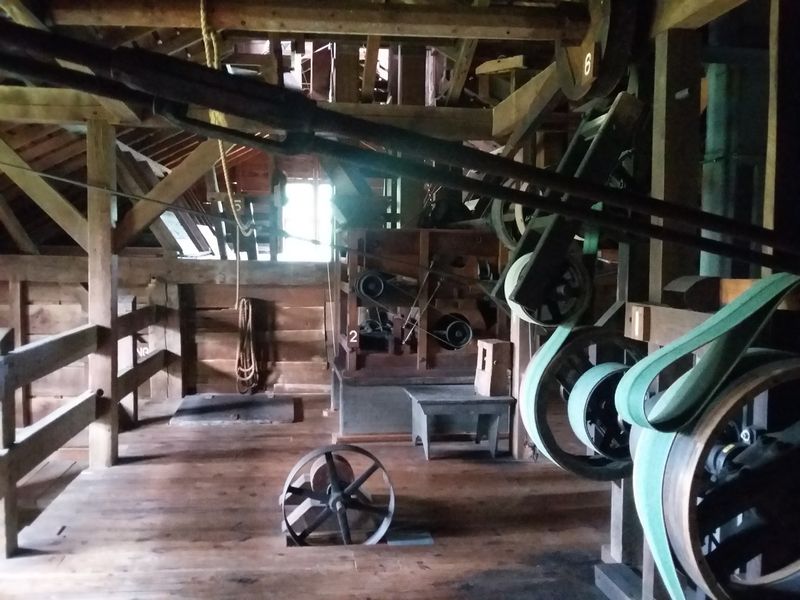
What makes it special is that the machinery is not just for show. The stones actually turn, and flour actually gets made, which is rare for a building this old.
A Mill With Deep Roots
Long before it became a park attraction, this mill served the farmers who settled the surrounding land. Grain came in by the wagonload, and families left with flour to carry them through the seasons.
The community that grew up around it took its name from the mill itself. That connection between a building and a place tells you how central the operation once was to daily life.
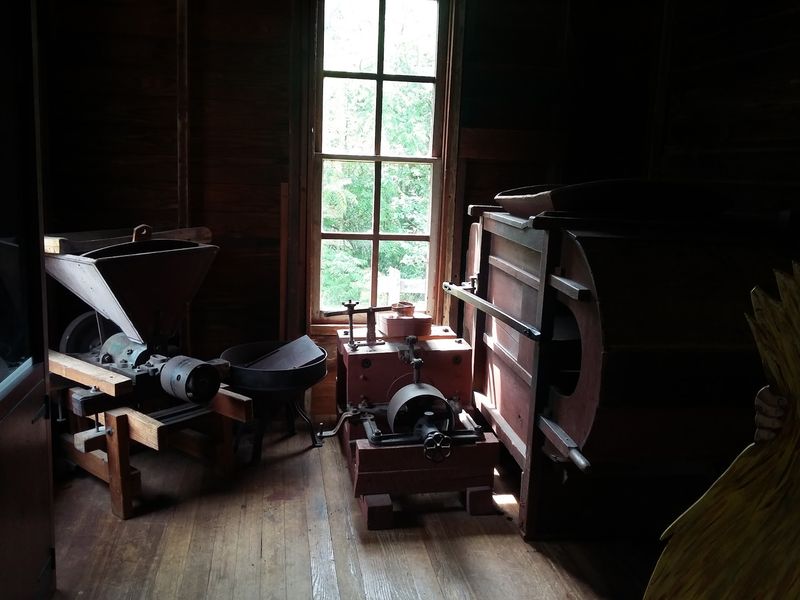
Over the years, the structure was carefully restored so its original purpose could continue. Rather than turning it into a static museum piece, the goal was to keep the gears moving.
Preservation like this takes patience and skill. Wooden parts, stone surfaces, and metal fittings all had to be brought back to working order.
The result honors the people who first built and relied on the mill. Their craftsmanship lives on every time the wheel makes another turn.
How Waterpower Makes Flour
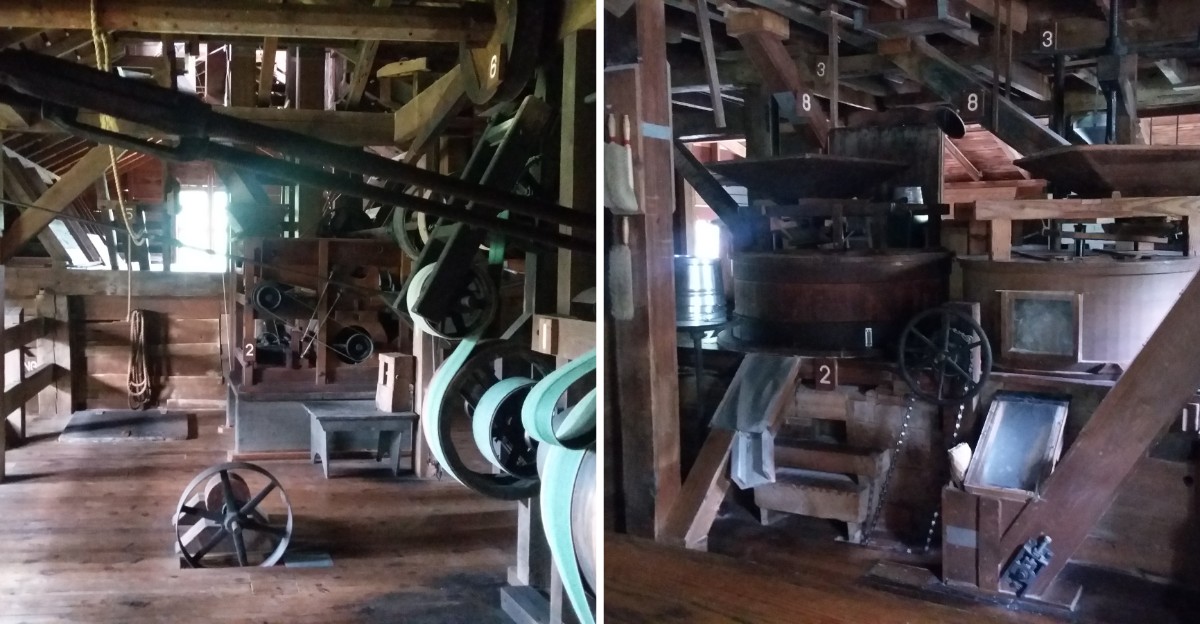
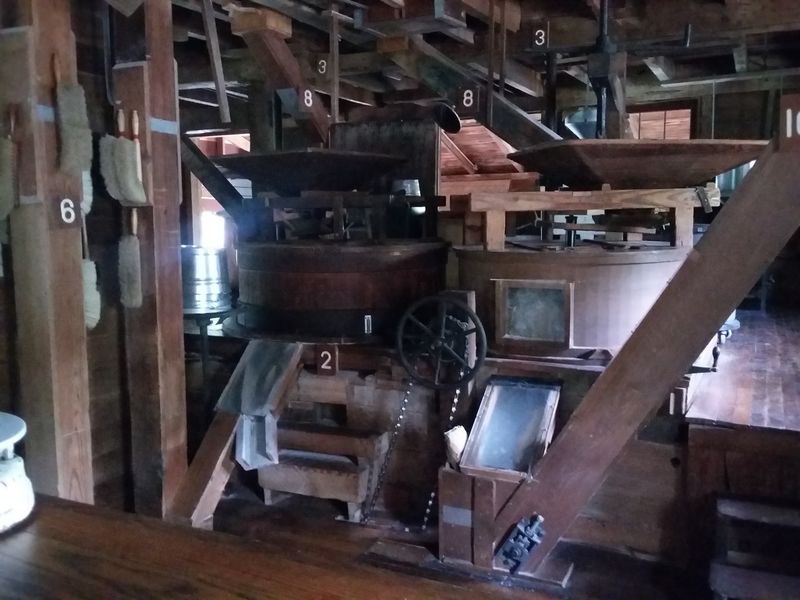
At the heart of the whole place is a simple idea turned into moving machinery. Flowing water pushes the wheel, the wheel turns a series of gears, and those gears spin heavy stones that crush grain into flour.
Watching the process unfold gives you a clear picture of how people made food centuries ago. There is no electricity involved in the grinding, only the pull of moving water.
The stones are set close together, and the space between them decides how fine the flour becomes. Adjusting that gap is part of the miller’s craft.
Seeing raw grain transform into soft powder is oddly satisfying. It shows how clever early builders were with the tools they had.
For young learners especially, the mill turns a history lesson into something they can actually watch happen. That hands-on feeling sticks with people long after they leave.
The Park That Surrounds It
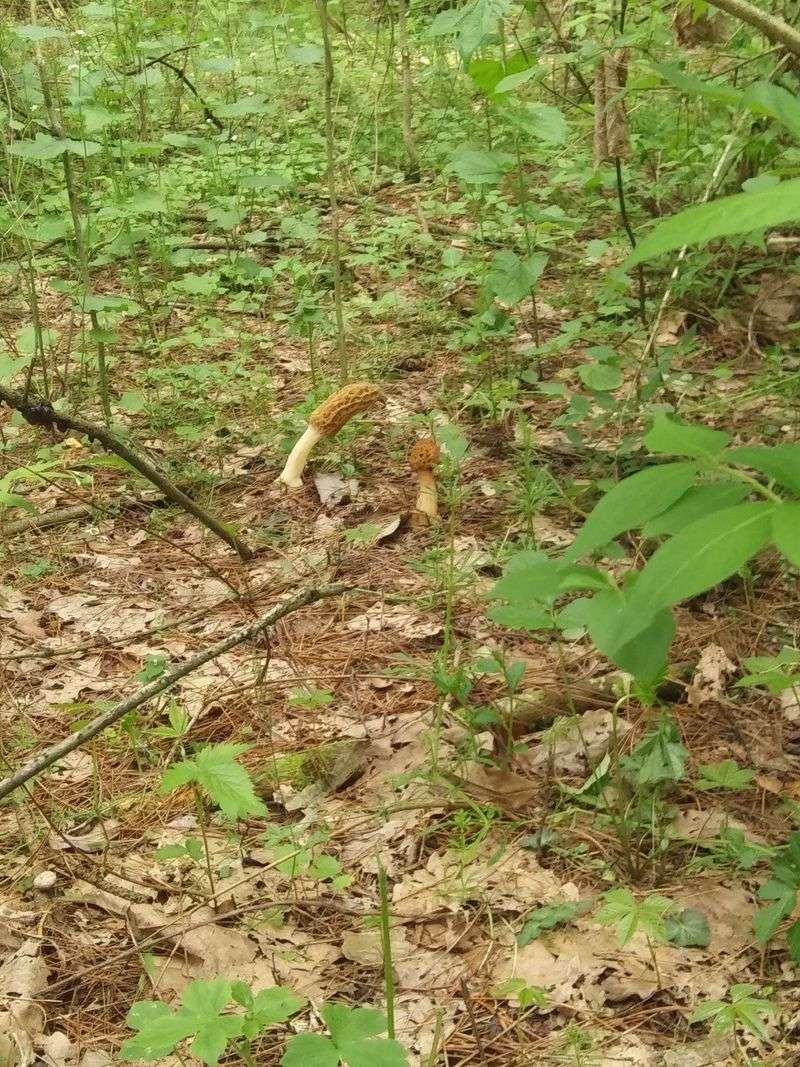
Beyond the mill building stretches a wide park that invites you to slow down and explore. Fields, woods, and water combine to create a peaceful setting for a day outdoors.
Trails wind through the trees and along the water, giving walkers plenty of ground to cover. Families often make a full afternoon of it, pairing a mill tour with a stroll.
Picnic areas dot the grounds, making it easy to pack a meal and settle in. There is enough open space for children to run without feeling crowded.
The park changes character with the seasons, from green summers to colorful autumns. Each visit can feel a little different depending on when you arrive.
Having the mill and the parkland together means you get both history and nature in one trip. That combination is part of what keeps people coming back.
A Peaceful Spot for Families
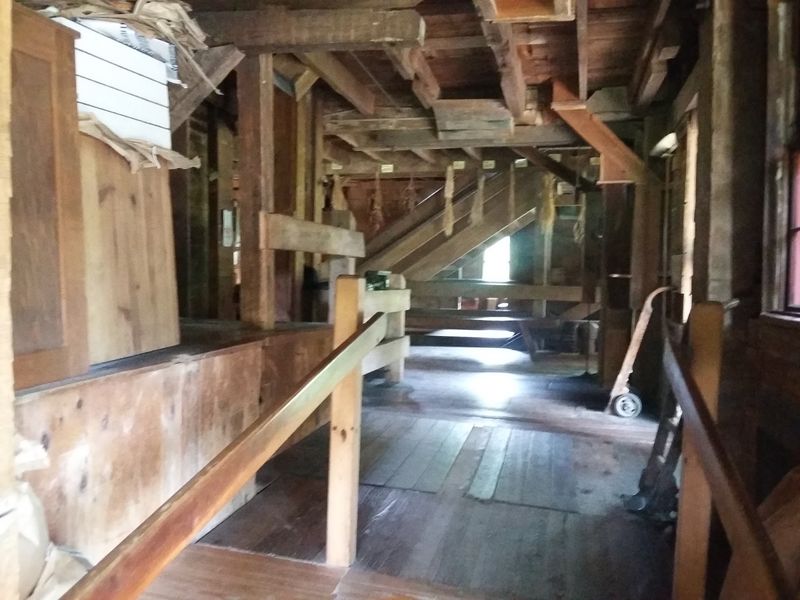
Quiet and unhurried, the grounds suit families looking for a low-key outing. Children can learn something while still having room to play.
The gentle pace makes it welcoming for grandparents and little ones alike. Nobody has to rush from one thing to the next.
Teachers and scout groups find the working machinery a natural teaching tool. It turns abstract history into something concrete and memorable.
Couples and solo wanderers also appreciate the calm. A slow walk near the water offers a break from busier attractions.
Whatever brings you here, the atmosphere leans toward relaxation rather than thrill. That easygoing mood is a big part of its charm.
Wandering the Trails
Footpaths lead away from the mill and into the surrounding greenery. Each route offers a slightly different view of the land and water.
The trails suit casual walkers as much as anyone chasing a longer ramble. You can keep it short or stretch your legs across more ground.
Following the water gives you a natural guide as you go. The channel that powers the mill also shapes the paths nearby.
Wildlife often appears along the way, from birds overhead to small creatures in the brush. Keeping an eye out adds a little adventure to the walk.
By the time you loop back, the mill feels like the heart of a larger story about land and water. That sense of connection makes the trails worth the time.
Planning Your Visit
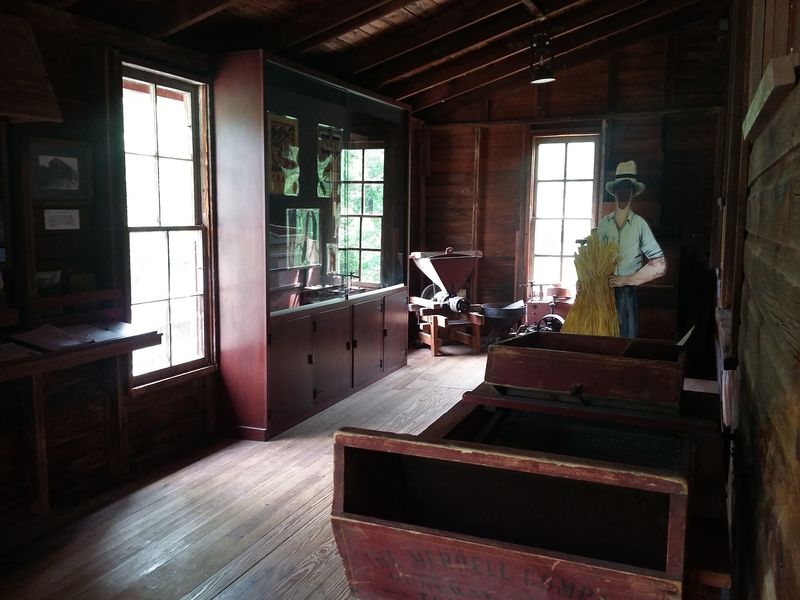
Reaching the mill means heading into York Township in Elkhart County, following country roads through farmland. The address, York Township, IN 46507, points you toward the northern part of Indiana.
Because the setting is rural, arriving by car is the most practical choice. Winding lanes lead you to the grounds where the mill and park sit together.
The mill operates on a seasonal rhythm, so grinding demonstrations are best caught during warmer months. Checking ahead helps you time your trip for when the wheel is active.
Bringing water, comfortable shoes, and a picnic can round out the day. The open parkland rewards those who plan to linger.
A visit pairs nicely with other stops in the wider Elkhart County area. The mill works well as either a main destination or a peaceful pause on a longer route.
Why It Stays With You
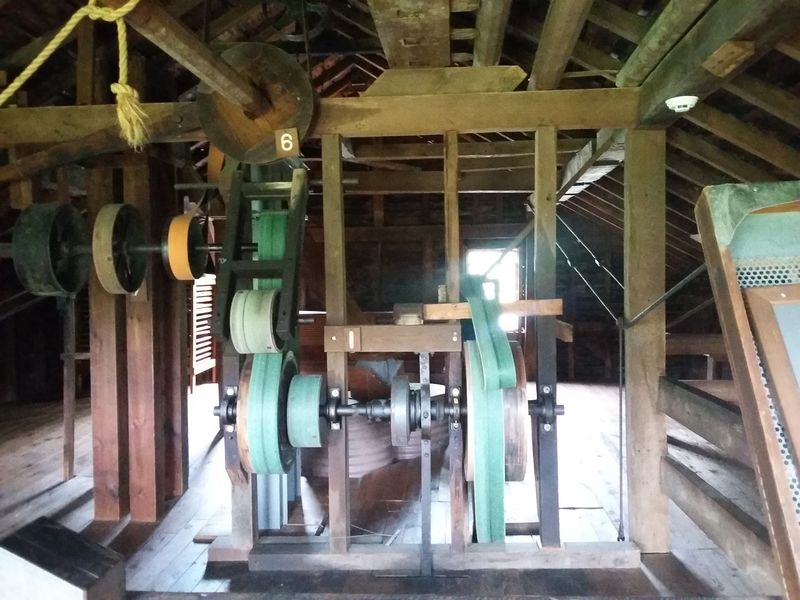
Places that still do the work they were built for are becoming rare. That is exactly why this mill leaves such a lasting impression.
Watching flour appear from grain, powered only by moving water, connects you to a slower and more hands-on era. It is history you can see in motion rather than behind glass.
The surrounding park adds room to breathe, turning a quick stop into a full outing. Trails, open fields, and quiet corners round out the experience.
Families, students, and curious travelers all find something to take home. The mix of learning and relaxation gives the place broad appeal.
For anyone drawn to working history set in gentle countryside, Bonneyville Mills makes a rewarding stop. It is the kind of spot that quietly earns a return trip.
Enjoyed this story?
Add Fast Food Club as a preferred source to see more of our reporting on Google.