


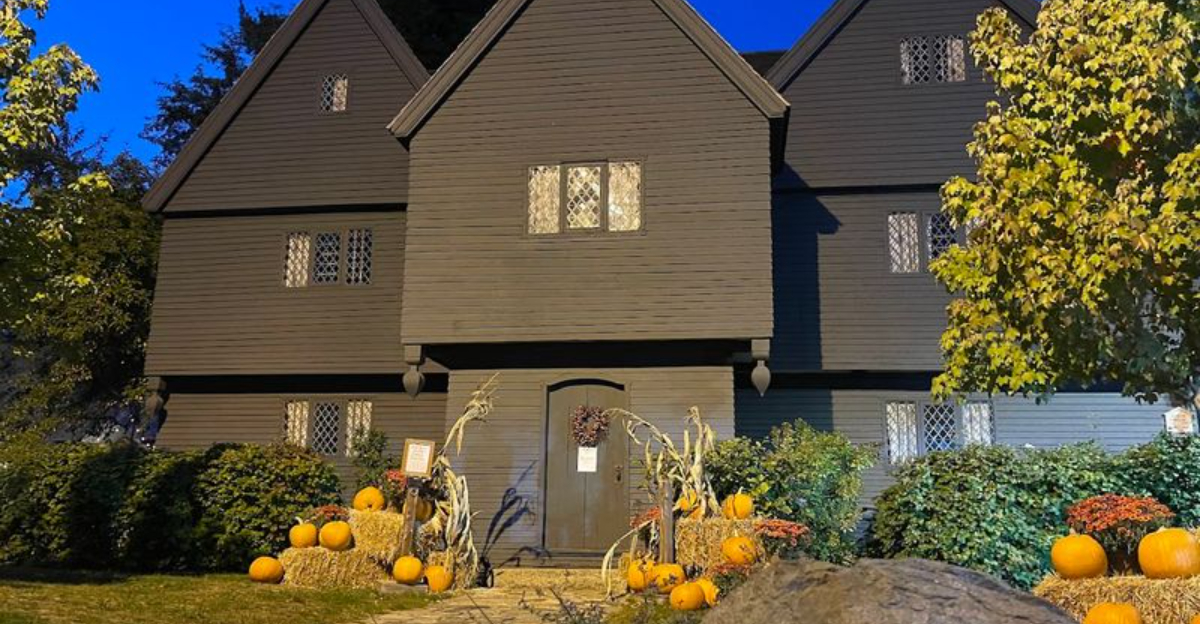
Tucked along Essex Street in Salem, Massachusetts, the Witch House stands as one of the most chilling and authentic connections to the infamous 1692 Salem Witch Trials. This 17th-century home was once owned by Judge Jonathan Corwin, the magistrate who examined many of the accused before their trials began.
Today, it operates as a museum open to visitors every day, offering guided and self-guided tours that bring colonial history to life. Whether you are a history buff, a curious traveler, or someone who loves a good ghost story, this landmark has something genuinely unforgettable waiting for you.
The Home of Judge Jonathan Corwin
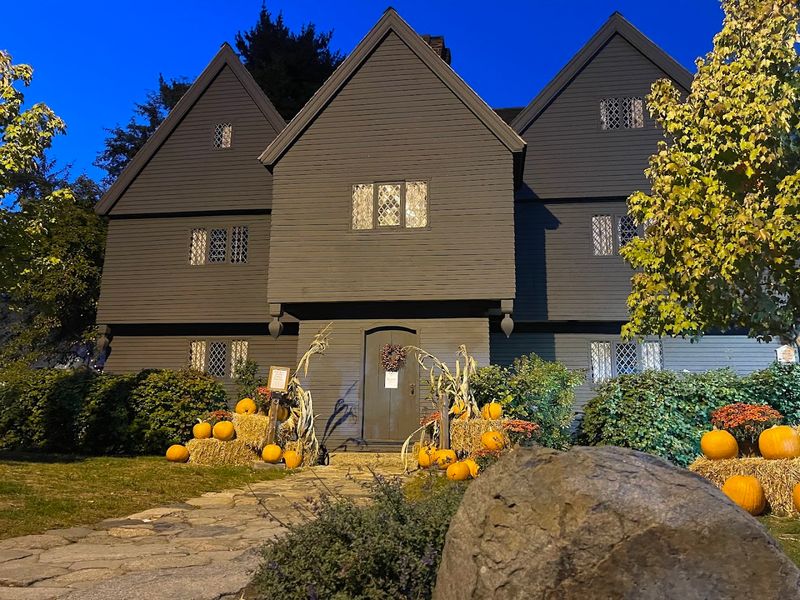
Few buildings carry the weight of history quite like the home of Judge Jonathan Corwin. Corwin was a magistrate who personally conducted pre-trial examinations of the accused during the 1692 Salem Witch Trials, making his home ground zero for one of America’s darkest legal chapters.
He purchased the property in 1675 from Captain Nathaniel Davenport, who had originally started construction but left it unfinished. That detail alone adds another layer of mystery to a place already steeped in story.
Walking through its rooms, you feel the weight of decisions made here centuries ago. Visitors consistently describe the experience as deeply authentic compared to other Salem attractions.
The house earns its reputation not through gimmicks, but through genuine historical significance that no replica could ever replicate.
Salem’s Only Surviving Structure With Direct Witch Trial Ties
Out of everything that stood in Salem during 1692, this is the last one left with a direct, documented connection to the Witch Trials. Every other building from that era has crumbled, burned, or been demolished.
That survival alone makes this address extraordinary.
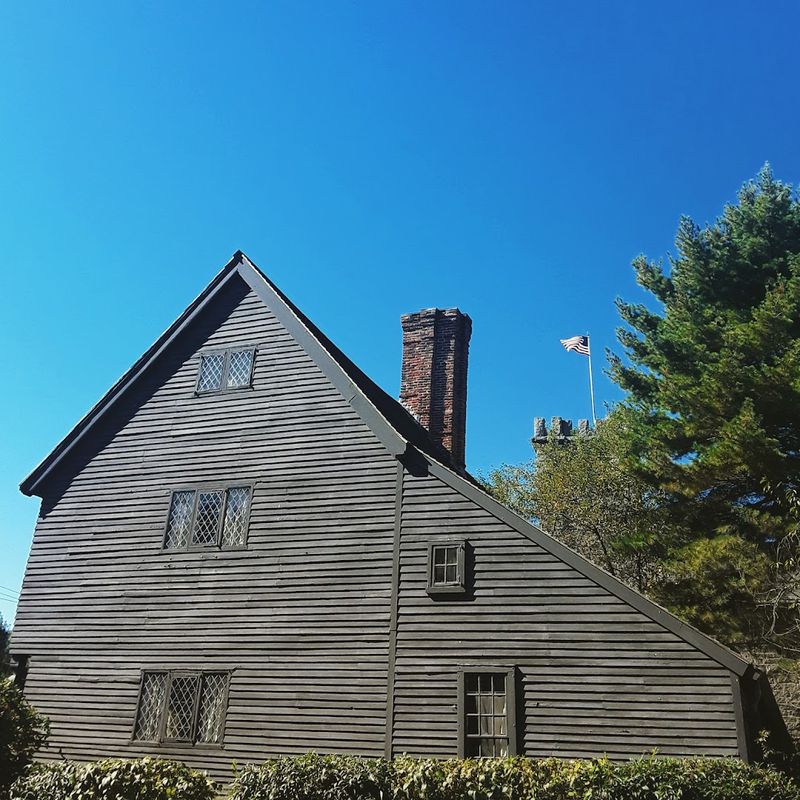
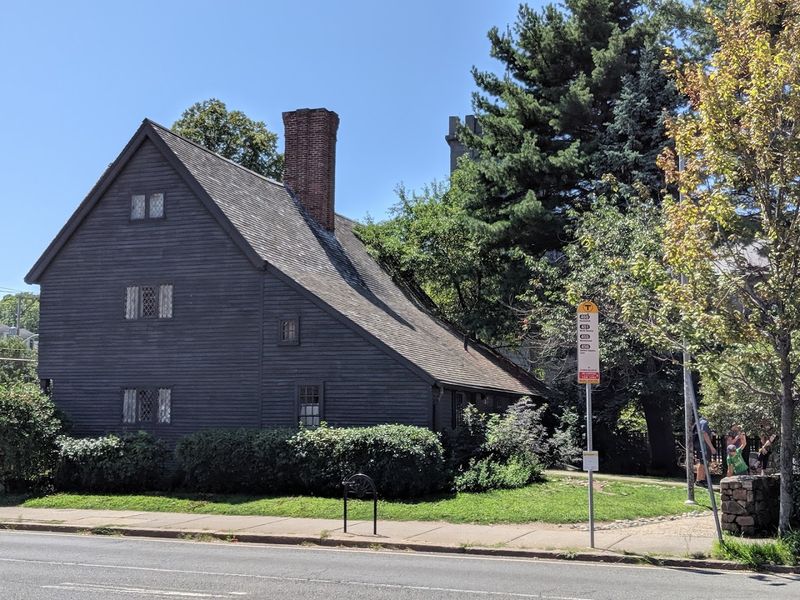
Visitors who appreciate old architecture will notice how remarkably intact the structure remains. The steep roofline, narrow windows, and heavy wooden framing are all hallmarks of 17th-century New England construction that you rarely see outside of a textbook.
One reviewer called it “hands down one of the oldest houses you will probably ever see still standing in the US.” That is not an exaggeration. Standing before it feels less like visiting a museum and more like stepping through a portal to a time that shaped an entire nation’s understanding of justice and fear.
Self-Guided and Guided Tour Options
Not everyone explores history the same way, and the Witch House understands that completely. Guests can choose between a self-guided tour or a more structured guided experience, depending on how deeply they want to engage with the material.
Ticket prices for self-guided tours start around $12, making it one of the more affordable historical experiences in Salem. Guided options can range higher, but many visitors say the extra cost is absolutely worth it for the added context and storytelling.
One reviewer shared a tip that changed their whole experience: stop and talk to the historians stationed throughout the house. Those conversations revealed construction details, family stories, and social context that no printed placard could fully capture.
Slowing down and asking questions transforms a quick walk-through into something genuinely memorable and educational for visitors of all ages.
Artifacts and Period Furniture From the 1600s
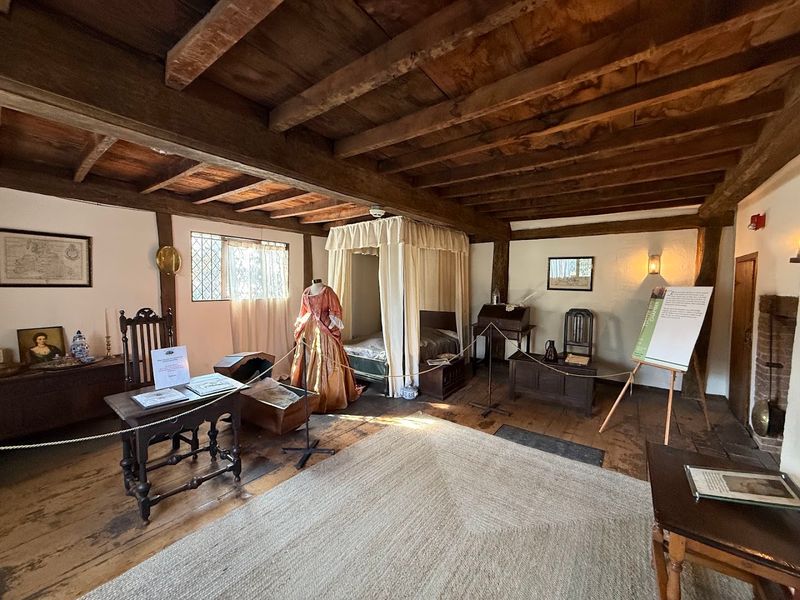
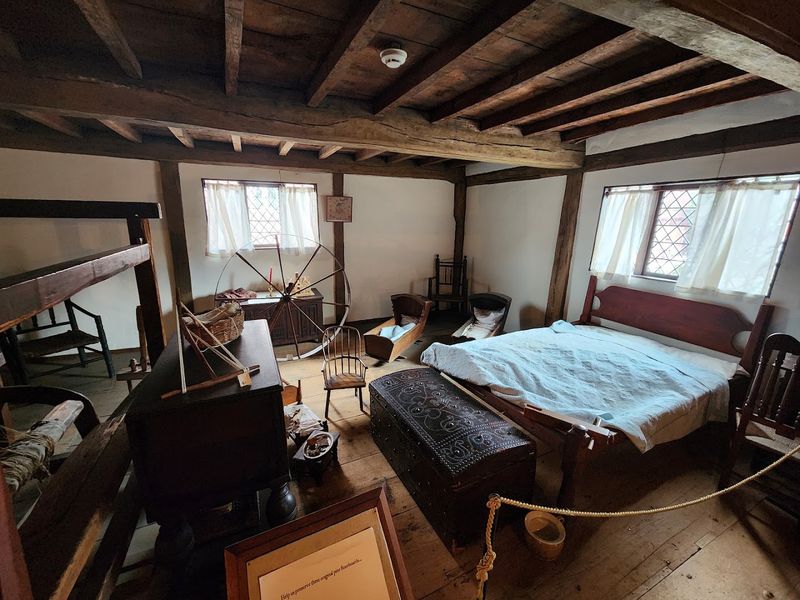
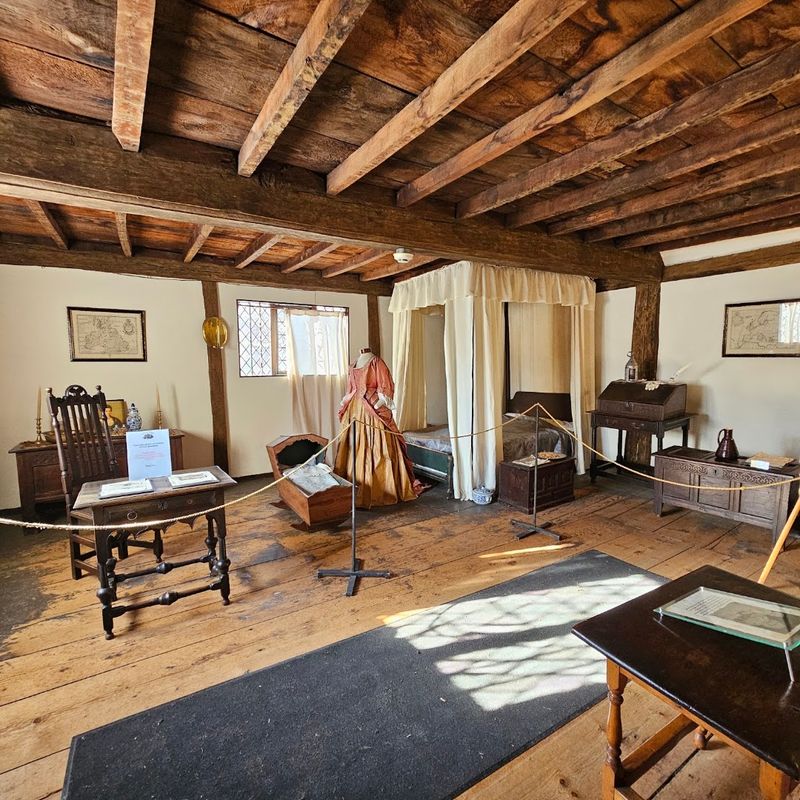
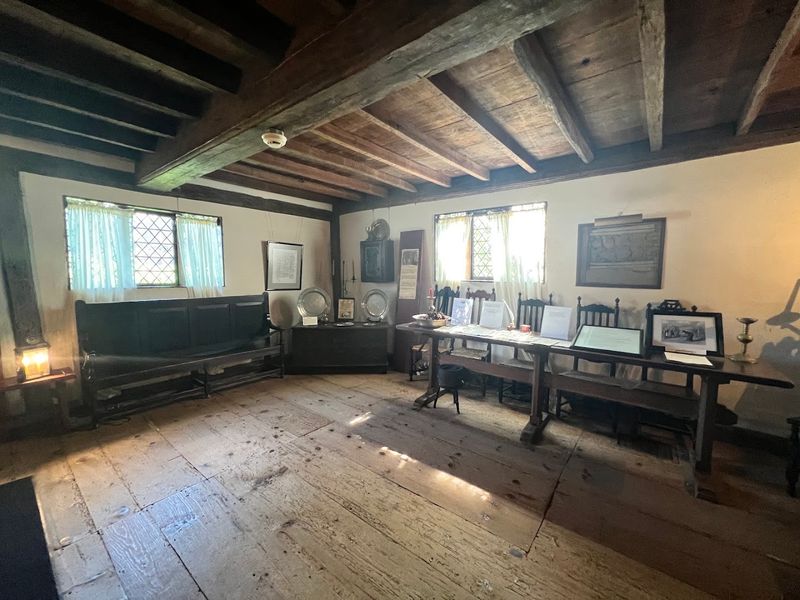
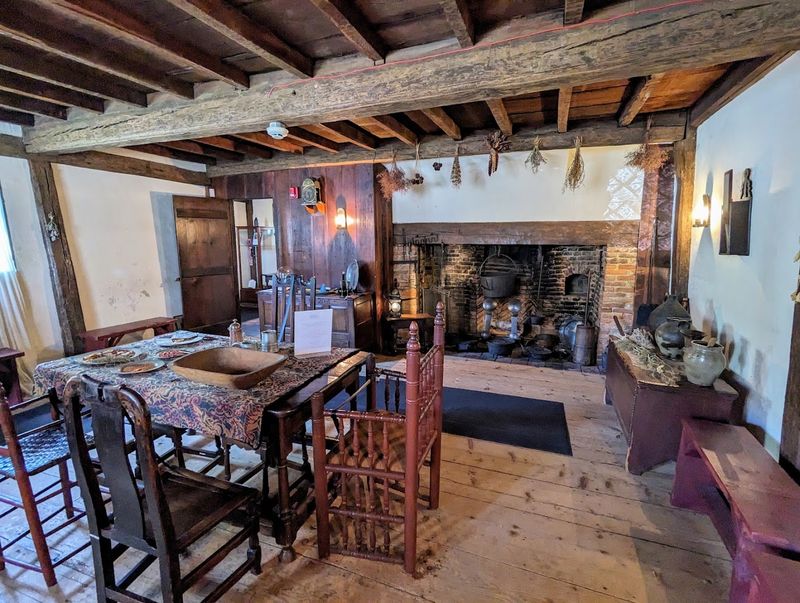
Stepping inside the Witch House means stepping into a carefully curated snapshot of 17th-century domestic life. The furniture and artifacts on display are not replicas tossed in for decoration.
Each piece dates to the correct era, chosen deliberately to reflect what life actually looked like for colonial New Englanders.
Worth noting: the original Corwin family furniture now lives at another Salem museum, preserved separately. What fills the rooms today belonged to later owners who acquired pieces specifically so the city would not lose that history entirely.
That act of preservation is touching in its own right.
A gown believed to be similar to what Judge Corwin’s wife would have worn is among the highlights. With ten children born in this house, the domestic story here is just as compelling as the legal one.
History lives in these objects in a very real way.
Ticket Booking Tips and Timing Advice
Getting into the Witch House, especially during October, is a competitive sport. Tickets for peak season go on sale at exactly 8:00 AM and sell out for the entire day within about thirty minutes.
Missing that window means missing your chance entirely, so set an alarm and be ready to refresh the page repeatedly.
Mid-September through Halloween is the most popular stretch, so planning ahead is non-negotiable. For off-peak months, walk-ins are often possible, and visitors report being able to move through the space comfortably without feeling rushed or crowded.
Buying tickets is handled through the gift shop at the back of the house, or online through the official website at thewitchhouse.org. Either way, arriving on time matters.
The staff runs a tight schedule, and late arrivals can miss their window. A little preparation goes a long way toward a smooth visit.
The Fascinating Architecture of a 17th-Century Home
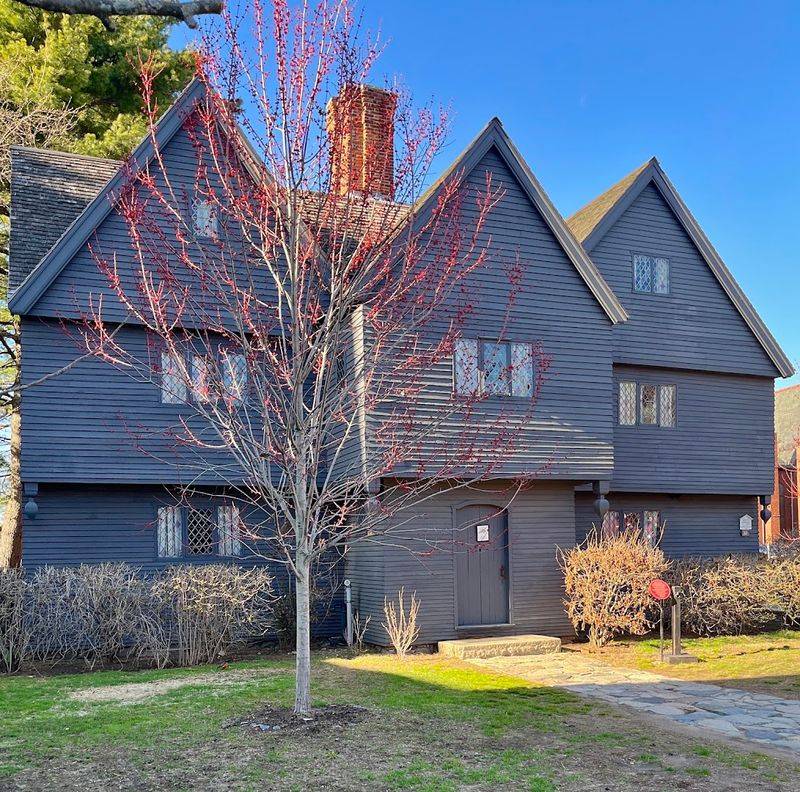
Architecture enthusiasts will find the Witch House a rare treat. The building showcases classic 17th-century New England construction: a steeply pitched roof, an overhanging second story, and those famously tiny windows that let in barely a sliver of light.
Every design choice reflects the practical and cultural values of the era.
One visitor described the windows as “so small and the shape was very cool and different,” capturing exactly what makes this structure visually striking even from the street. The house does not look like anything built after the colonial period, and that authenticity is instantly noticeable.
Construction was originally started by Captain Nathaniel Davenport and left incomplete before Jonathan Corwin took over in 1675. That layered building history shows in subtle ways throughout the structure.
For anyone who loves old buildings, this is the kind of place that rewards slow, careful observation at every turn.
Learning About Daily Life in Colonial Salem
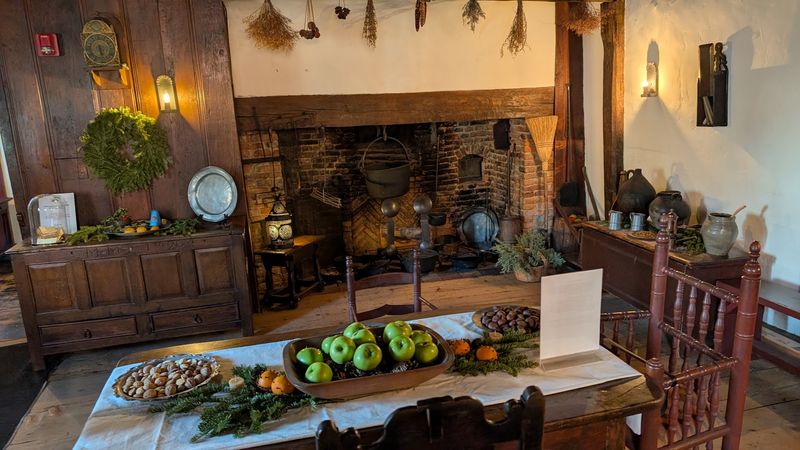
Beyond the trials, the Witch House offers a surprisingly rich portrait of what ordinary life looked like in 1600s New England. Exhibits cover everything from cooking and childcare to religious customs and community structure, painting a full picture of the world that produced the hysteria of 1692.
Judge Corwin and his wife raised ten children inside these walls. That fact alone reframes the house from a courtroom of fear into a busy family home with its own rhythms of joy, stress, and everyday struggle.
The human story here is layered and genuinely moving.
Visitors frequently mention that the information about daily life surprised them most. Many expected only witch trial facts and left with a deeper appreciation for what colonial New Englanders actually experienced.
That broader context makes the tragedy of 1692 feel even more real and heartbreaking when you understand the world surrounding it.
Debunking Myths About the Salem Witch Trials
Popular culture has twisted the Salem Witch Trials into something almost unrecognizable from the actual historical events. Hollywood loves pointed hats and cauldrons, but the real story is far stranger and more tragic than any movie script.
The Witch House takes myth-busting seriously. Exhibits clearly separate fact from fiction, addressing misconceptions about who was accused, how the examinations worked, and what role religion played in the hysteria.
Visitors consistently praise this aspect of the museum for being informative without being preachy.
One reviewer highlighted how the museum covers “popular myths about the trials, facts about religious culture at the time, and information about day-to-day lives.” That combination creates an experience that feels genuinely educational rather than sensationalized. If you have only ever learned about Salem through movies or Halloween decorations, this museum will completely reshape your understanding of what really happened and why.
The Knowledgeable Staff and On-Site Historians
One of the most consistently praised aspects of the Witch House experience is the people working inside it. The on-site historians are not just tour guides reading from a script.
They are genuinely passionate about the history they share, and that enthusiasm is contagious in the best possible way.
A reviewer who chatted with the staff said they could have spent the entire day talking with them. Topics ranged from construction methods and architectural quirks to family dynamics and the social pressures that fueled the witch trial hysteria.
That kind of depth is rare at any historical site.
The self-guided format means some visitors walk through quickly without stopping to talk. That is a missed opportunity.
Pausing to ask questions transforms the visit entirely. The staff is ready, willing, and clearly delighted to share what they know.
Budget extra time for conversations and you will leave with far more than you expected.
The Gift Shop Experience
Tucked around the back of the house, the gift shop is where tickets are sold and where many visitors linger longer than they planned. The selection leans heavily into Salem’s rich history, offering books, prints, and locally made items that go well beyond the typical tourist trinket fare.
One reviewer specifically called out the stained glass minis as a must-buy, describing them as “very cute.” Another praised the overall variety and mentioned the room filled with historical books as particularly impressive. For anyone who loves bringing home something meaningful rather than mass-produced, this shop delivers.
Proceeds from the Witch House experience also help fund other Salem historical sites, so every purchase carries a little extra meaning. Buying a souvenir here is not just a keepsake decision.
It is a small contribution to preserving a broader piece of American history that deserves to stick around for generations to come.
Visiting the Exterior and Surrounding Grounds
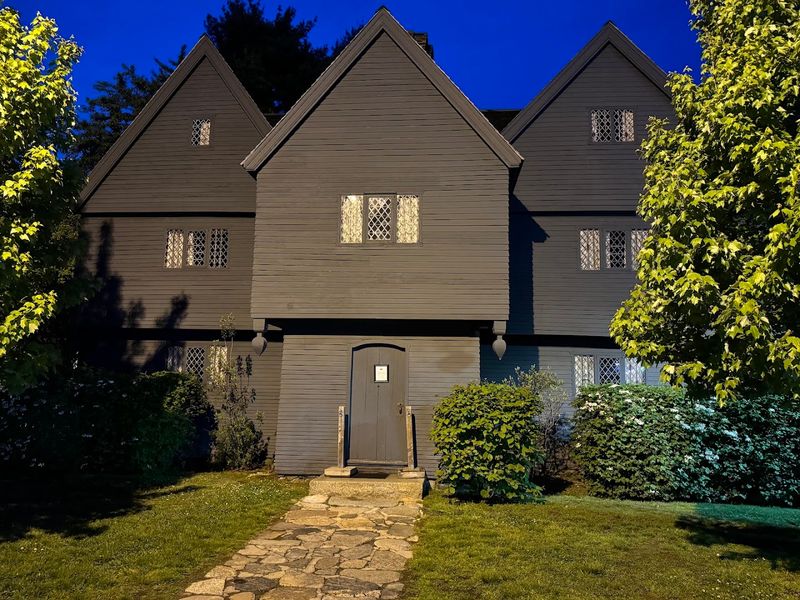
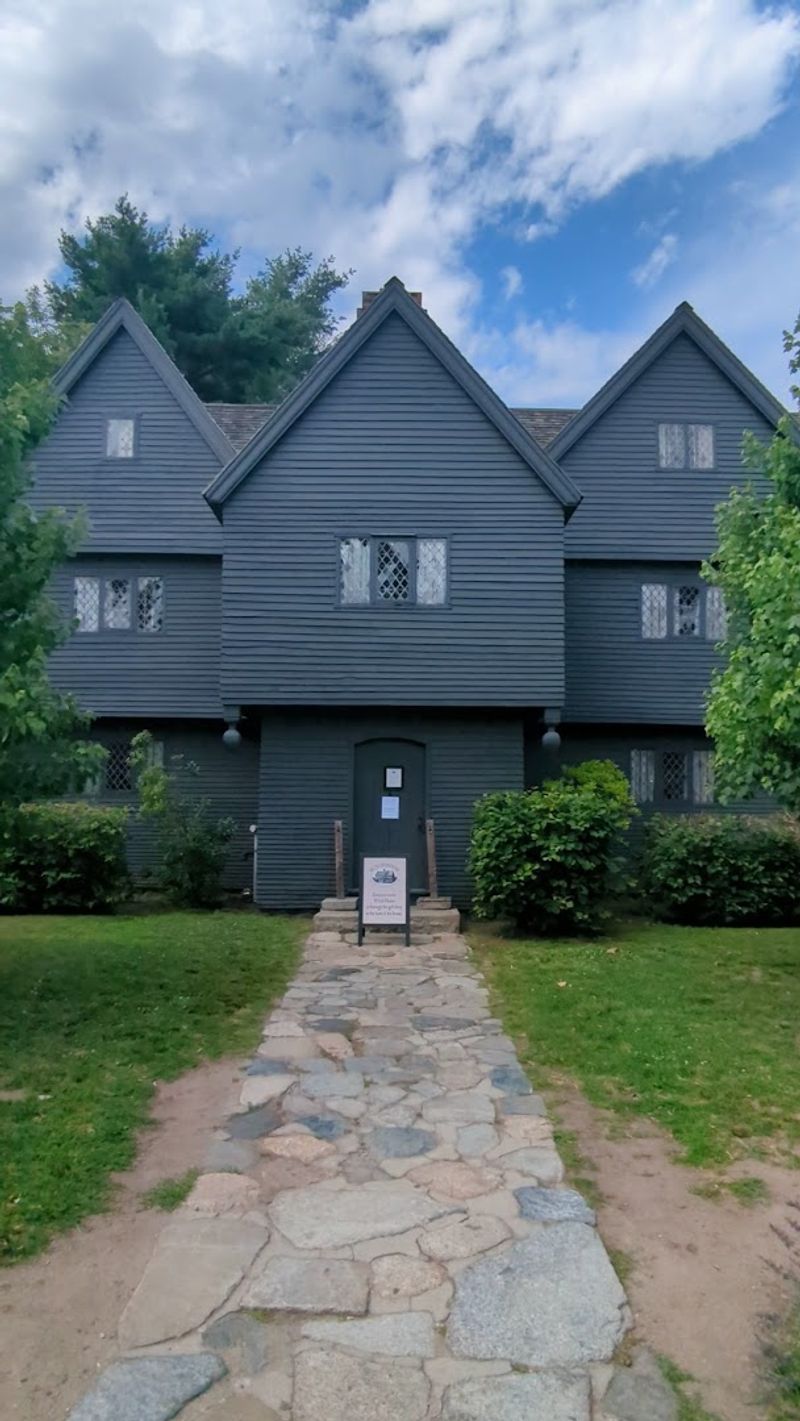
Not every visitor goes inside, and honestly, the exterior of the Witch House is worth the trip on its own. The building’s dark wooden facade, dramatic roofline, and old-world silhouette make it one of the most photographed spots in Salem, and for good reason.
One visitor noted that two large trees partially block the view from the street, which can be a minor frustration for photographers hoping for a clean shot. Arriving early in the morning or positioning yourself at a slight angle can help get around that obstacle without too much trouble.
The surrounding neighborhood on Essex Street adds to the atmosphere. Historic buildings line the block, and the general energy of Salem feels especially concentrated near this address.
Even a quick stop to photograph the exterior and soak in the surroundings gives you a meaningful connection to the 1692 story without spending a dime.
How Proceeds Support Salem’s Historical Sites
Here is something most visitors do not realize until they are already inside: the money spent at the Witch House does more than keep this one building running. A portion of the proceeds actively supports other historical preservation efforts across Salem, helping to maintain the city’s broader collection of colonial-era landmarks.
That fact reframes the ticket price in a meaningful way. Paying $12 for a self-guided tour is not just buying yourself an afternoon of history.
It is contributing to a network of preservation work that keeps Salem’s story alive for future generations of students, researchers, and curious travelers.
One reviewer specifically mentioned this during their visit after talking with the guides, and it clearly made an impression. Salem’s historical identity is something the community takes seriously, and the Witch House sits at the center of that effort.
Supporting it feels less like tourism and more like participating in something genuinely worthwhile.
Planning Your Visit: Hours, Location, and Accessibility Tips
Planning ahead makes the difference between a smooth visit and a stressful one. The Witch House at 310 Essex Street is open every day of the week from 10 AM to 5 PM, which gives you solid flexibility no matter when your Salem trip falls on the calendar.
Parking in downtown Salem can be tricky, especially on weekends and during October. Public transit and rideshare options are worth considering if you want to skip the parking headache entirely.
The location on Essex Street puts you within easy walking distance of other Salem attractions, making it simple to build a full day around the area.
One practical heads-up from multiple reviewers: the interior staircases are steep, so visitors with mobility concerns should keep that in mind when planning. For questions or to check current ticket availability, the museum can be reached at 978-744-8815 or through thewitchhouse.org before your visit.
Enjoyed this story?
Add Fast Food Club as a preferred source to see more of our reporting on Google.