


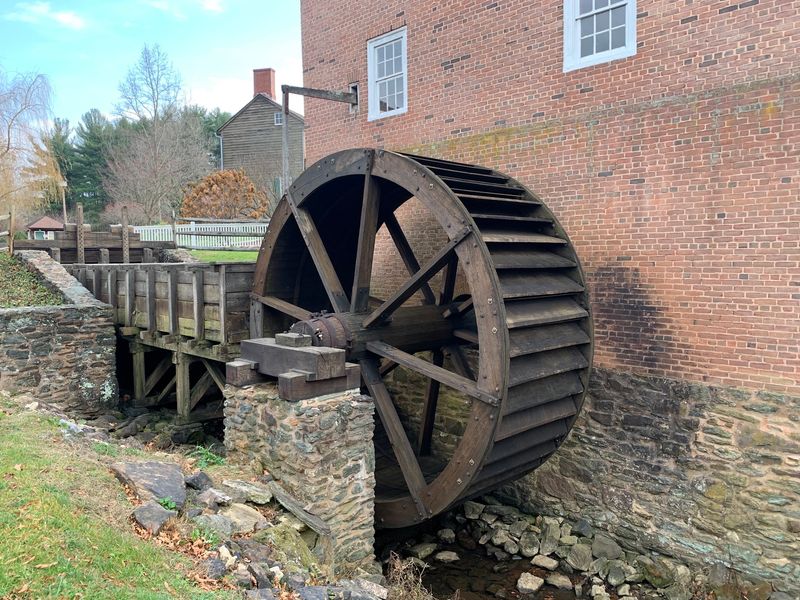
Tucked in a quiet Maryland valley sits a working piece of early American history that has kept turning for well over two centuries. A creek winds past a cluster of restored buildings, a family home still holds its original furnishings, and a mill once ground grain for troops who passed through on their way to Gettysburg.
The story here belongs to one prominent Carroll County family whose name shaped the land around them. There are gardens to wander, a footbridge to cross, and guides who know every corner of the property by heart.
What follows is a full look at this remarkable spot, its past, its grounds, and everything you should know before you plan a Saturday visit.
A Valley Estate With Deep Roots
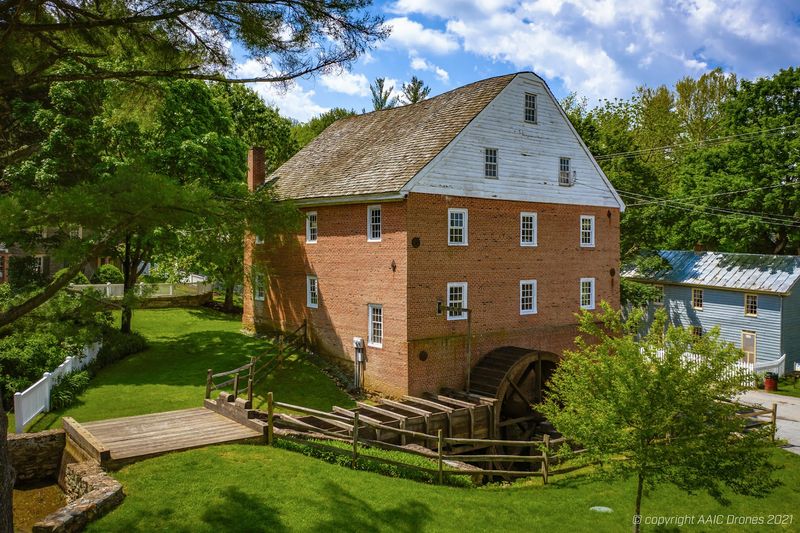
Carroll County holds a landmark that traces all the way back to 1797, and its full name is The Union Mills Homestead.
You will find it at 3311 Littlestown Pike in Westminster, Maryland. The address places it in a gentle valley where a creek runs alongside the historic buildings.
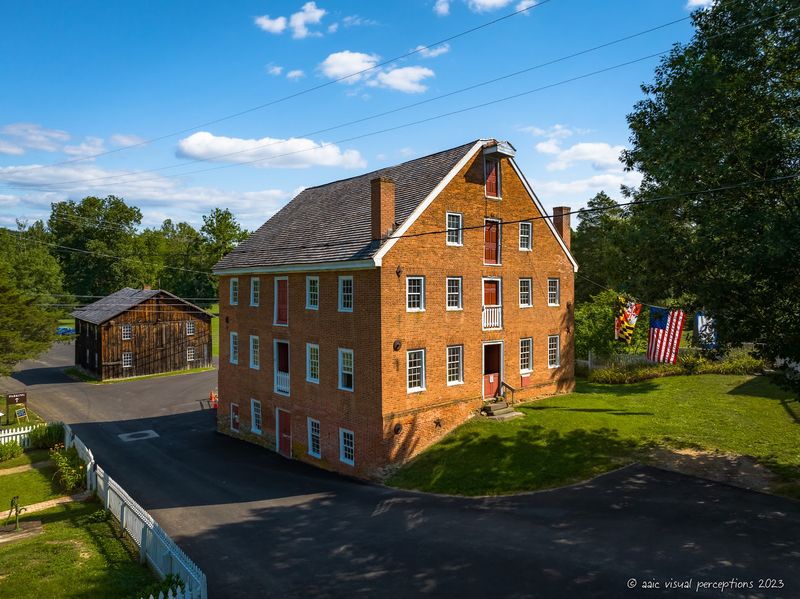
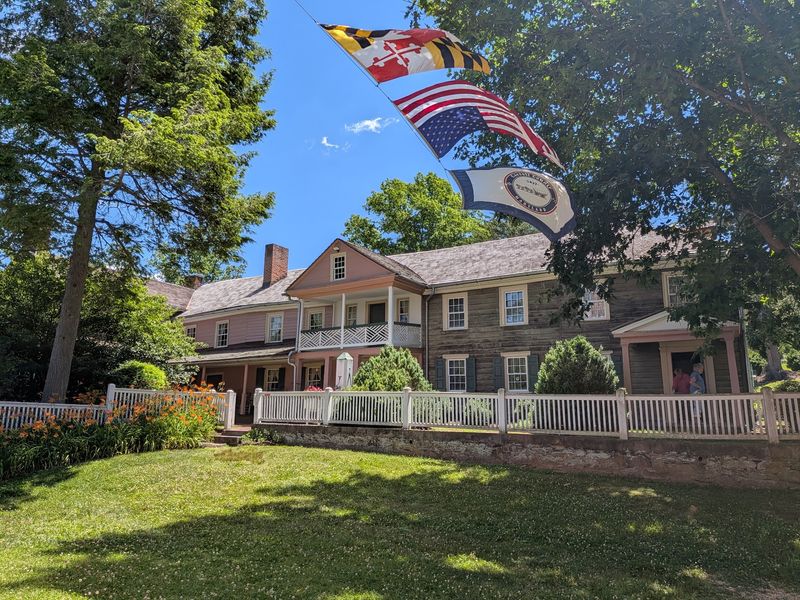
The property functions as an American culture museum built around a 1790s estate. It includes a historic home, several outbuildings, and a mill filled with antiques and relics from early rural life.
The setting alone earns it plenty of admiration, with open fields, a creek, and a footbridge that invite a slow walk. The homestead has become a favorite spot for people who enjoy history and quiet outdoor time in equal measure.
Rated 4.7 stars across hundreds of accounts, the site clearly resonates with the people who make the trip. It stands as both a preserved landmark and a living part of the community, hosting events throughout the year.
Anyone curious about how everyday Americans lived and worked in the late 1700s will find a genuine window into that world here.
The Shriver Family Story
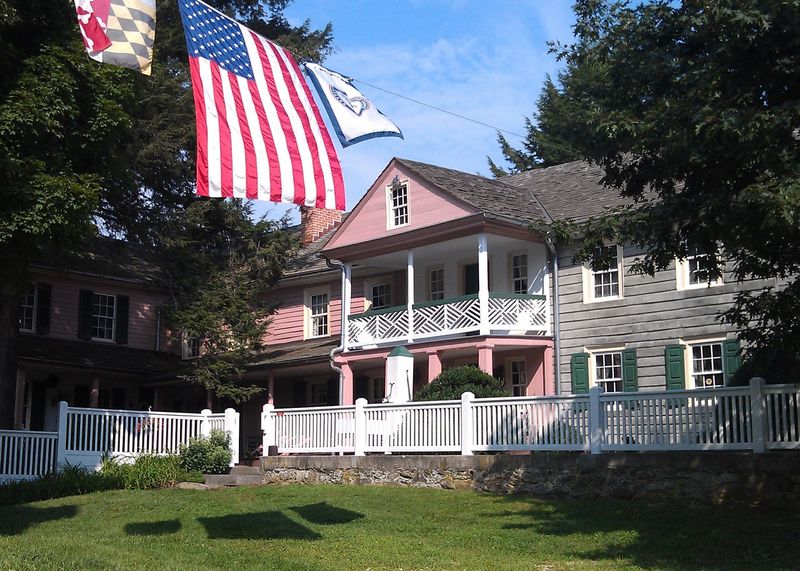
Behind every old building is a family, and this one belongs to the Shrivers, a prominent household in Carroll County and beyond.
Their story serves as a lens for a much larger tale about the beginnings of the country. Guides here explain how the family’s decisions and daily life connected to the broader history of early America.
Nearly everything inside the house is original, from the furnishings to the smaller historical items on display. That level of authenticity gives the tour a rare sense of continuity, as if the family only recently stepped away.
The home holds antiques with genuine backstories, and staff enjoy sharing the details that connect objects to people. Learning who lived here, and how, turns a simple house tour into something far richer.
The Shriver name still anchors the site’s identity, and the recipes tied to the homestead have become part of its charm. Understanding the family makes the entire property feel more alive.
History buffs will appreciate how personal and specific the storytelling remains throughout the visit.
The Working Grist Mill
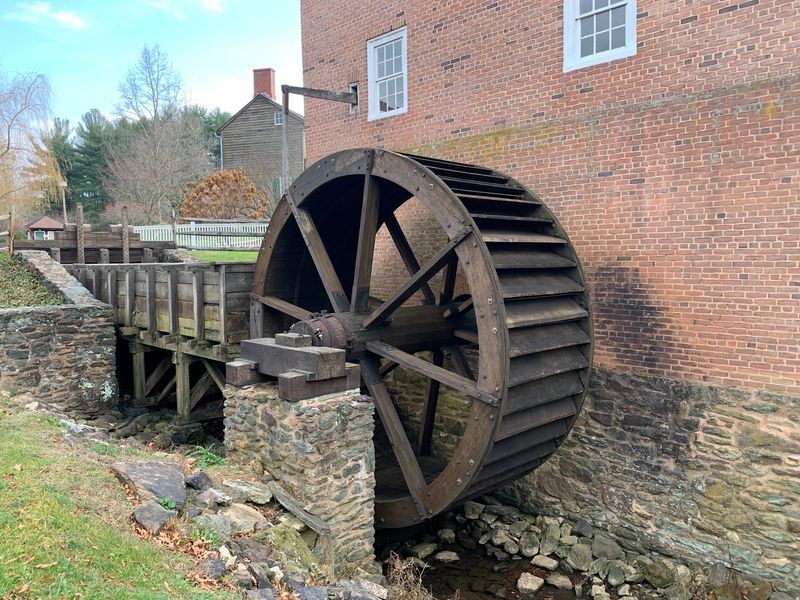
The heart of the whole property is its grist mill, a structure that has ground grain since the estate’s earliest days.
The millworks display artifacts in a way that feels both well organized and educational. Wooden machinery and old tools show how flour and cornmeal came to be long before modern factories.
On a good day, the mill will grind a bit of corn for guests to see the process firsthand. Watching the equipment do its job connects the dots between raw grain and the bags of flour and cornmeal sold on site.
The mill’s past runs deep, and guides explain its role with real enthusiasm. It stands as one of the most interesting parts of any tour, drawing praise for how much it reveals about early American work.
A waterwheel restoration project has been underway, with a millwright preparing the wood for the wheel and shaft. The goal is to keep this centuries-old machine running for future generations.
Seeing the mill in action, or learning how it once worked, ranks among the true highlights here.
Cornmeal Ground The Old-Fashioned Way
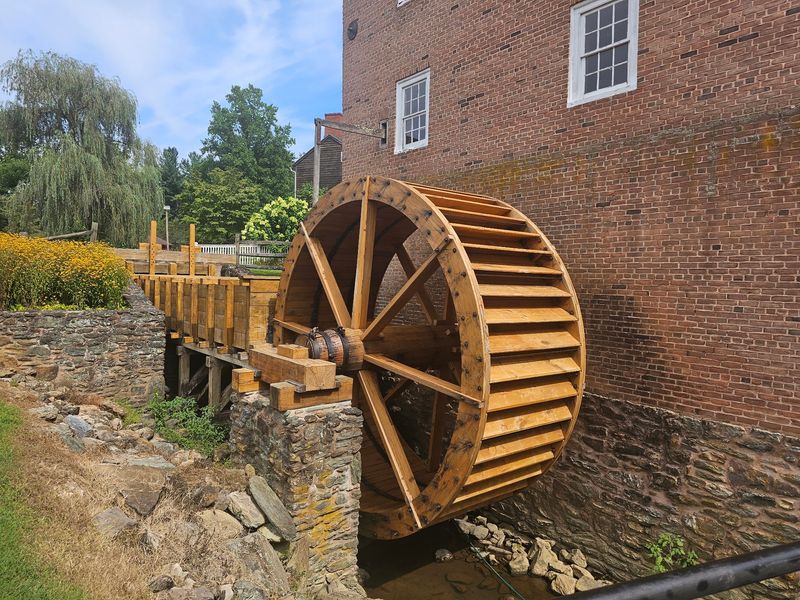
Few places let you buy flour and cornmeal that came from the very mill you just toured, but that is exactly the treat here.
Different kinds of flour and cornmeal are available for purchase, each tied to the mill’s long milling tradition. Taking a bag home means carrying a small piece of the homestead’s history into your own kitchen.
The site even shares Shriver Homestead recipes, so the ingredients come with a genuine way to use them. Home cooks have enjoyed putting these products to work in classic dishes.
The connection between the grinding stones and the finished product makes the purchase feel meaningful rather than ordinary. You know precisely where your cornmeal originated and how it was made.
If timing lines up, seeing the mill grind corn before you buy adds a memorable layer to the experience. The process and the product go hand in hand.
For anyone who loves cooking with a story behind the ingredients, this is a quiet standout of the whole visit.
Touring The Historic Home
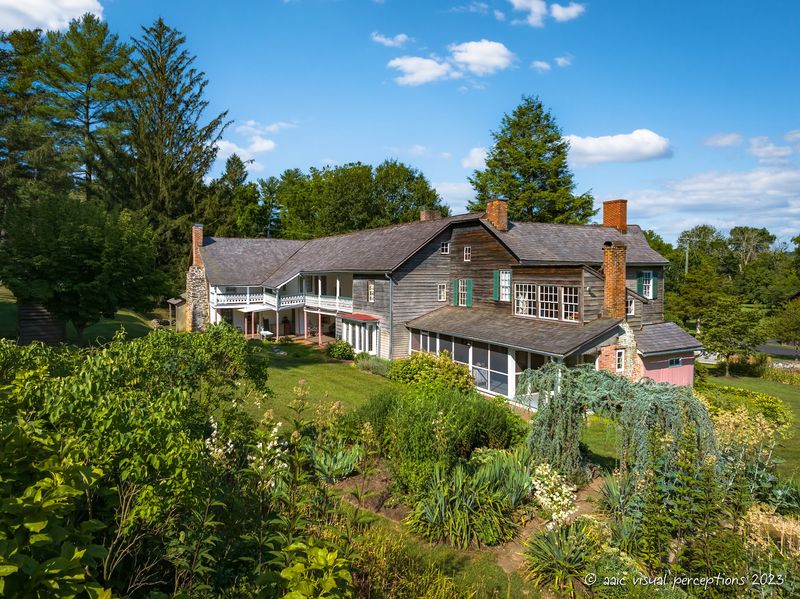
Guided walks through the main house rank as a favorite part of the entire property.
The tour covers original furnishings, family antiques, and the many historical items that fill the rooms. Guides bring the space to life with details about how the household actually lived.
During spring and summer, the upstairs opens to guests, adding even more to explore. That seasonal detail gives repeat travelers a reason to return when the warmer months arrive.
Staff and volunteers earn steady praise for being friendly and deeply knowledgeable. Their commentary turns a room full of old objects into a clear, engaging narrative.
The house also carries a thread of Civil War history, since both Union and Confederate troops passed through the area before the battle of Gettysburg. That connection adds weight to the walls and the stories told inside them.
Families with children have found the tour engaging, with guides adjusting their delivery for younger listeners. The house tour consistently leaves people wanting to see more of the site.
Gardens And The Frog Pond
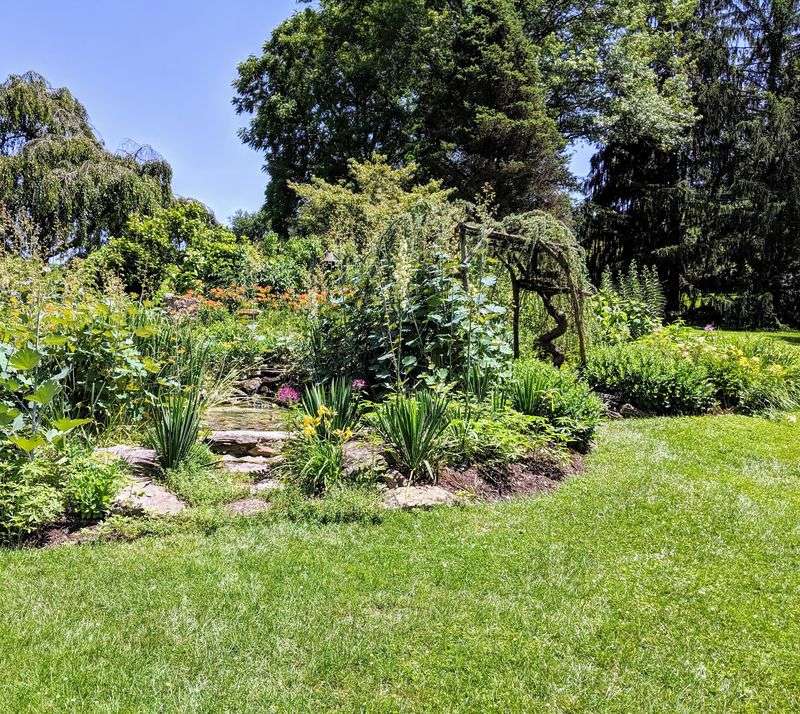
Beyond the buildings, the grounds hold gardens that draw plenty of quiet admiration.
A frog pond sits among the plantings, adding a calm focal point for anyone wandering the property. The gardens look their best in the warmer seasons, when the flowers fill in.
People often stop by simply to sit and enjoy the surroundings without taking a formal tour. The peaceful layout makes it an easy place to slow down and appreciate the quiet.
The blooms change with the seasons, so the gardens reward return trips at different times of year. Photographers find the setting works well as a backdrop across every season.
Touring the gardens has become its own reason to visit for many people, separate from the house and mill. The care put into the landscaping shows in every corner.
Whether paired with a full tour or enjoyed on its own, the garden area brings a gentle, restful note to the homestead.
The Creek And Footbridge
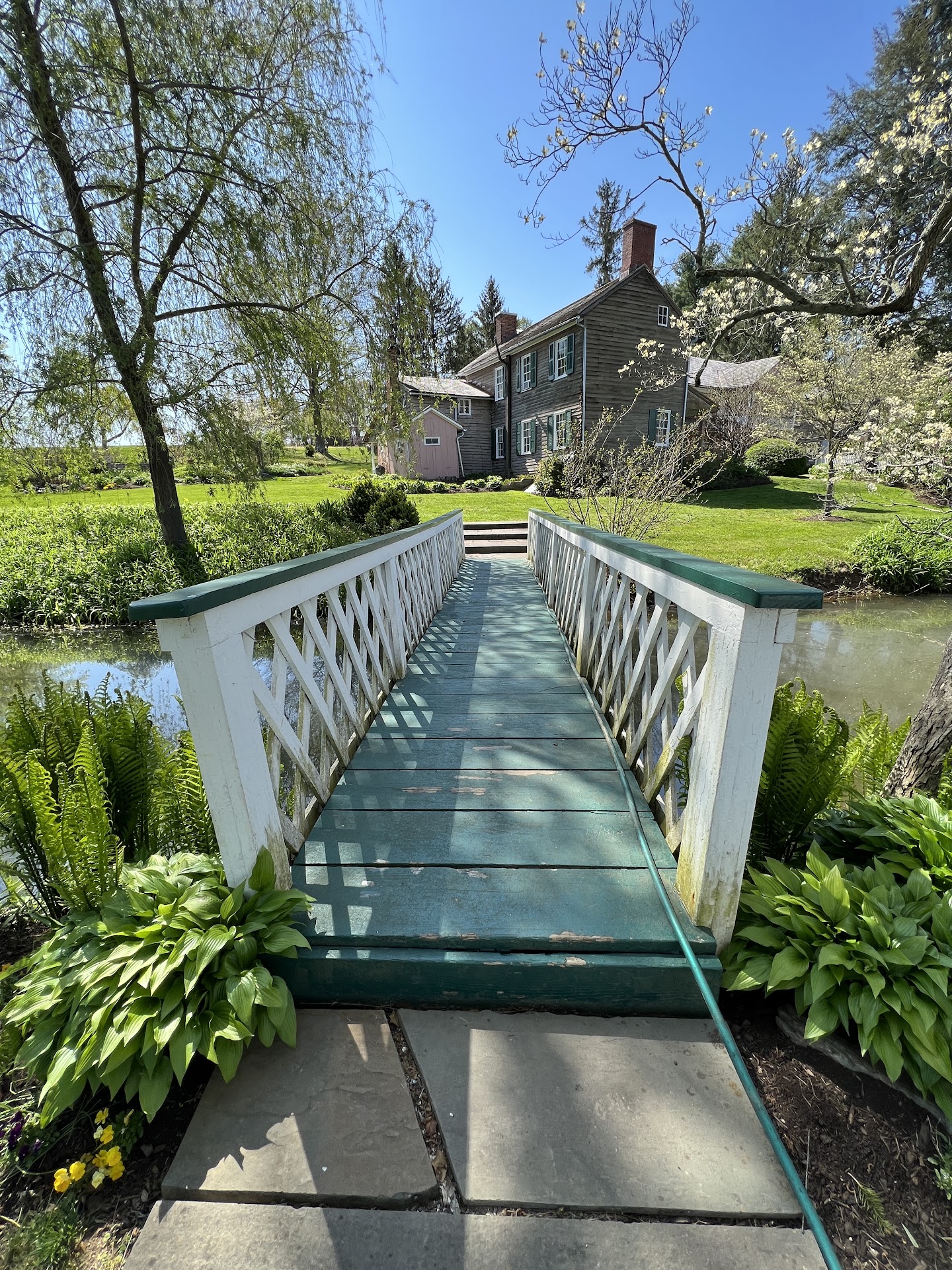
Water shapes the character of this place, and the creek running through the grounds is a big part of its appeal.
A footbridge crosses the water, giving guests a natural spot to pause and take in the surroundings. The bridge and the flowing creek encourage a slower, calmer pace.
Several benches and sitting spots line the water, making it easy to linger by the creek bed. People come here to relax as much as to explore the history.
The creek also opens up more of the property beyond the house and mill, with open fields and shaded areas to enjoy. A stroll along the water rewards anyone who simply wants fresh air and quiet.
Crossing the bridge leads toward the nearby Lion’s Club Community Park, extending the walk even further. The two areas together make for a generous outdoor outing.
The creek gives the homestead a peaceful backbone that keeps people coming back throughout the year.
A Spot For Picnics And Walks
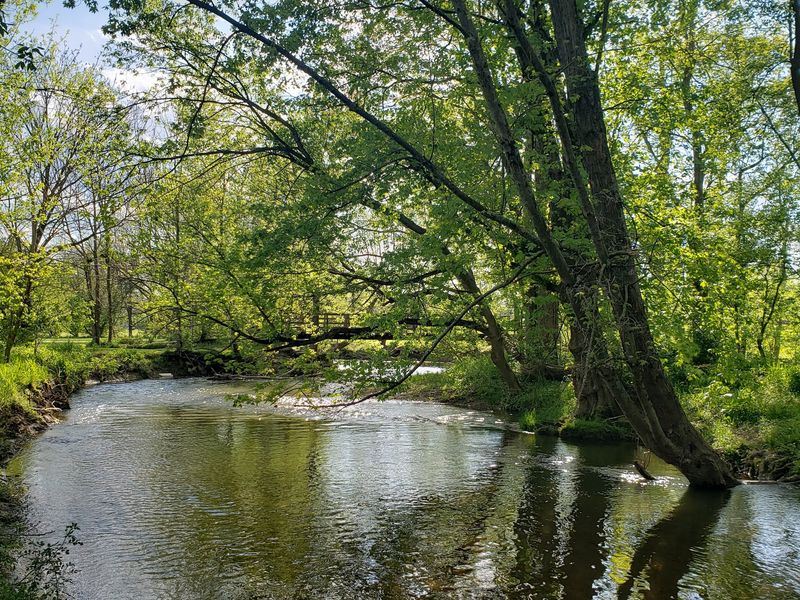
Not every visit here revolves around a tour, and the open grounds make that clear.
The field beside the creek offers a fine setting for a picnic, with plenty of room to spread out. Bringing lunch to enjoy in the park afterward has become a popular routine.
Walkers treat the property as a favorite loop, appreciating the mix of open field, water, and historic buildings. It works just as well for a casual afternoon as for a focused history trip.
Dog owners bring their pets along too, since the grounds suit a relaxed walk. Some four-legged guests even cool off in the creek near Route 97 on warm days.
The combination of scenery and space makes the homestead a comfortable place to spend unhurried time. There is no pressure to do anything more than wander and rest.
Families in particular find the grounds welcoming for a low-key day outdoors together.
Civil War Connections
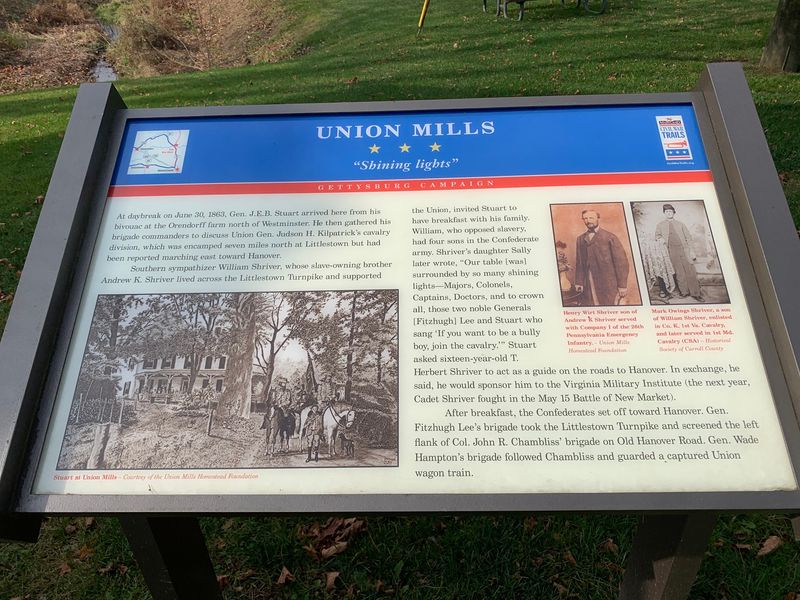
History runs even deeper here thanks to the property’s role during the Civil War era.
Both Union and Confederate troops visited the site before the battle of Gettysburg, leaving a lasting mark on its story. That fact gives the tour real historical weight.
Special living history events bring this chapter to life, such as the Maryland Goes to War program. Reenactors and volunteers put considerable effort into making these gatherings informative.
Guides weave the wartime history into the house tour, connecting the family and the buildings to the larger national story. The result is a fuller picture of what happened in this valley.
These events draw people who want more than a standard tour, offering an interactive way to understand the period. The dedication of the volunteers shows in the detail they bring.
Anyone fascinated by the years surrounding Gettysburg will find genuine substance woven throughout the homestead’s programming.
The Annual Corn Roast
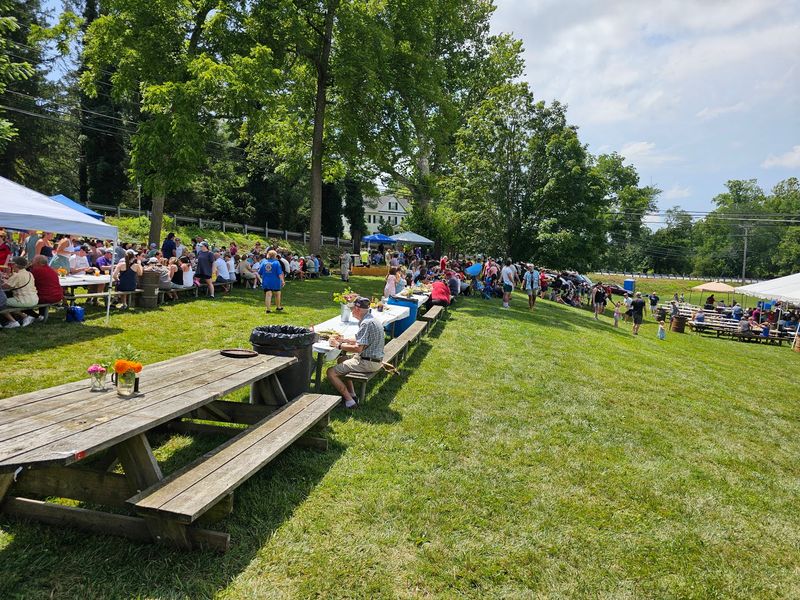
Among the year’s most anticipated traditions is the Old Fashioned Corn Roast, a community favorite for decades.
The event recently marked around 55 years of history, making it a genuine local institution. Each summer it adds another chapter to the homestead’s ongoing story.
Families gather on the grounds for the gathering, and it consistently earns high marks from those who attend. It has become one of the events people say should not be missed.
The roast fits the property’s rural heritage perfectly, tying the mill and its grain traditions to a lively public celebration. It blends history with a genuine sense of community.
People who come for the corn roast often return later for a full tour, curious to learn more about the site. The event acts as a friendly introduction to everything else the homestead offers.
Long-running and well loved, the corn roast keeps generations connected to this valley landmark.
Seasonal Events And Festivals
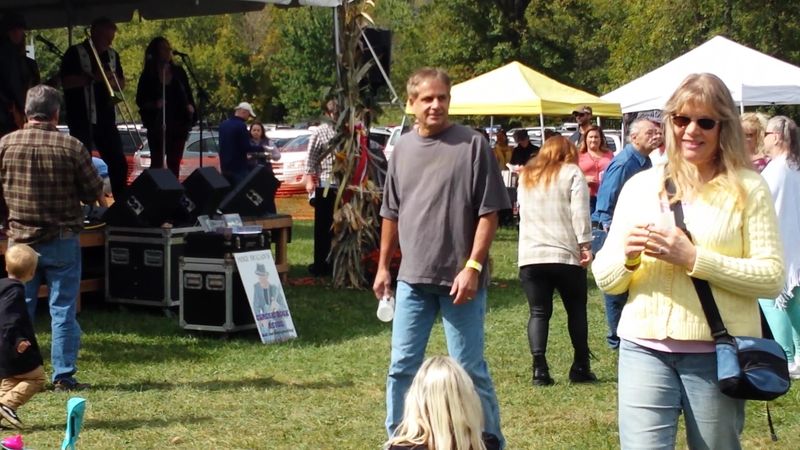
The calendar here stays busy well beyond the summer months.
Christmas festivities transform the grounds, with a good number of vendors and buildings decorated for the season. Walking through the main house and outbuildings during the holidays makes for a festive outing.
Spring brings an annual flower and plant market, offering a nice selection of plants for sale. The market comes with organized parking and food available on site.
A Microbrew Festival has also drawn crowds over the years, showing the property’s range as an event space. These gatherings give people fresh reasons to return in every season.
Staff and volunteers can often be found preparing decorations during holiday visits, always happy to chat. Their friendliness adds to the seasonal atmosphere.
The variety of events means the homestead feels different depending on when you arrive. Year-round programming keeps the site fresh and worth revisiting.
A Rustic Wedding And Event Venue
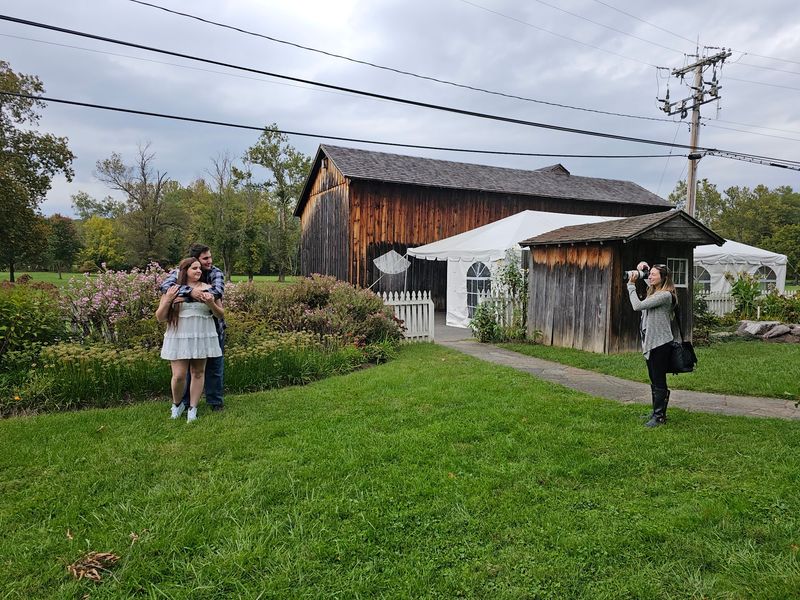
Couples searching for a setting with character often land on this homestead.
The rustic grounds, historic buildings, and gardens create a memorable backdrop for weddings and other gatherings. The property’s charm makes it a sought-after venue in the region.
Open fields, the creek, and the historic architecture give event planners plenty of scenic options. The site suits those who want a natural, heritage-rich atmosphere rather than a modern hall.
Beyond weddings, the grounds host a range of special occasions throughout the year. Its flexibility has earned it steady interest as a rental space.
The blend of history and outdoor beauty sets it apart from typical event locations. Guests get scenery and storytelling in a single package.
Anyone planning a celebration with a rustic, historic feel will find the homestead worth a closer look.
Hours, Prices, And Getting There
Planning a visit takes a little timing, since the homestead keeps a focused schedule.
The site is open Saturday and Sunday from 12 pm to 4 pm, and closed Monday through Friday. Weekends are the window for tours and browsing the grounds.
Tour pricing has been described as affordable, with a combined tour of both the house and mill offered at a modest rate. The value has long been part of the appeal.
A small gift shop rounds out the visit, stocking historic items, books, souvenirs, and the mill’s flour and cornmeal. It makes a convenient stop before or after a tour.
The homestead sits at 3311 Littlestown Pike in Westminster, and the website at unionmills.org lists event details. Checking ahead helps you catch the property while it is open.
Free parking on site and its valley location make the trip straightforward for anyone in the area.
Why This Homestead Earns Its Place
Some places try to be many things, and this one manages it with genuine ease.
The homestead delivers a working mill, an original family home, peaceful gardens, and a creek all on one property. That range means a single visit can feel educational, restful, and community-minded at once.
People return again and again, whether for a quiet stroll, a full tour, or one of the beloved seasonal events. The high praise it receives reflects both its history and its welcoming staff.
It has been called a national treasure by those who cherish its role in early American life. The care poured into preserving and operating the site clearly resonates.
Between the mill’s centuries of grinding, the Shriver family story, and the events that keep the grounds lively, there is always a reason to come by. The valley setting only adds to the charm.
For history lovers, families, and anyone craving a calm day outdoors, this Westminster landmark makes a rewarding stop worth planning around.
Enjoyed this story?
Add Fast Food Club as a preferred source to see more of our reporting on Google.