


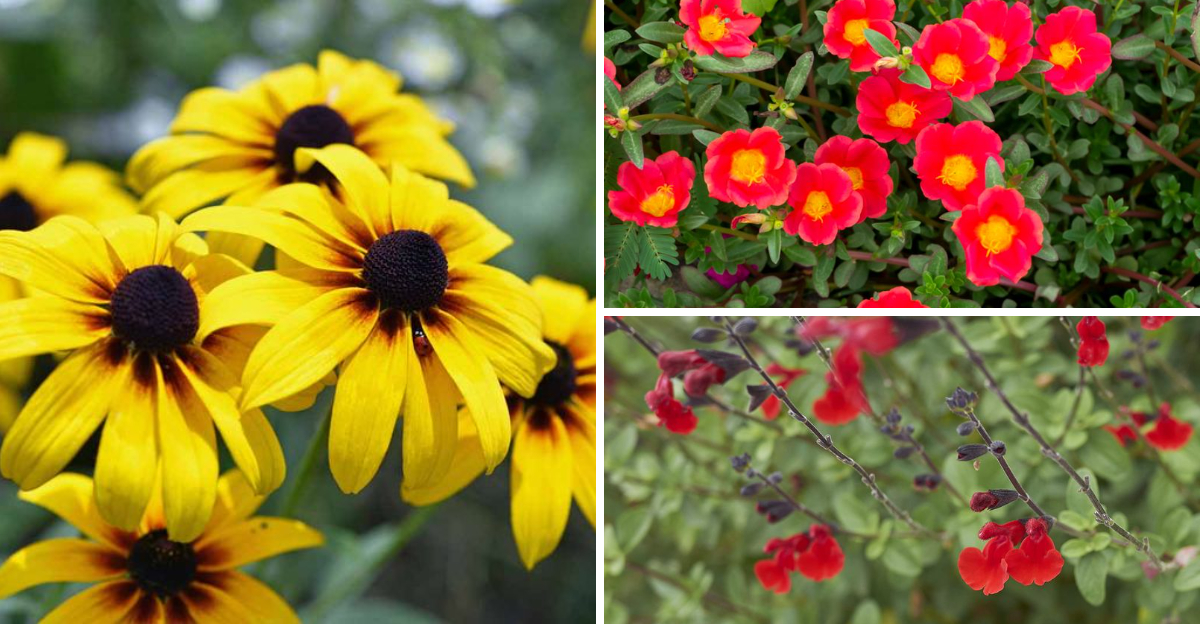
Florida’s intense sunshine and humid weather can be tough on plants, but the right choices make gardening a joy rather than a chore. Whether you have a small backyard or a sprawling garden, there are plenty of colorful, resilient plants that love the heat and practically take care of themselves.
From cheerful wildflowers to bold tropical bloomers, these low-maintenance sun-lovers bring beauty to Florida landscapes all year long. Pick a few favorites and watch your garden transform without breaking a sweat.
pentas
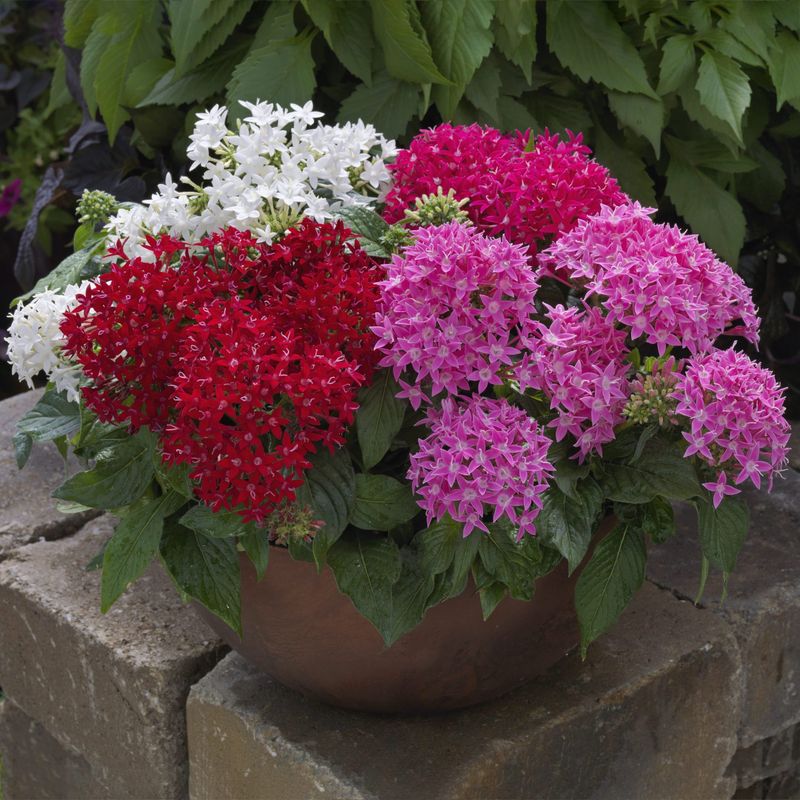
Few plants put on a show quite like pentas, especially when butterflies and hummingbirds start flocking to its star-shaped blooms. This tropical beauty thrives in full sun and handles Florida’s summer heat without missing a beat.
Plant it in well-drained soil and water occasionally to keep it blooming from spring through fall.
Red, pink, white, and lavender varieties are all widely available at local garden centers. It stays compact and tidy, making it a fantastic choice for borders, containers, or garden beds.
lantana
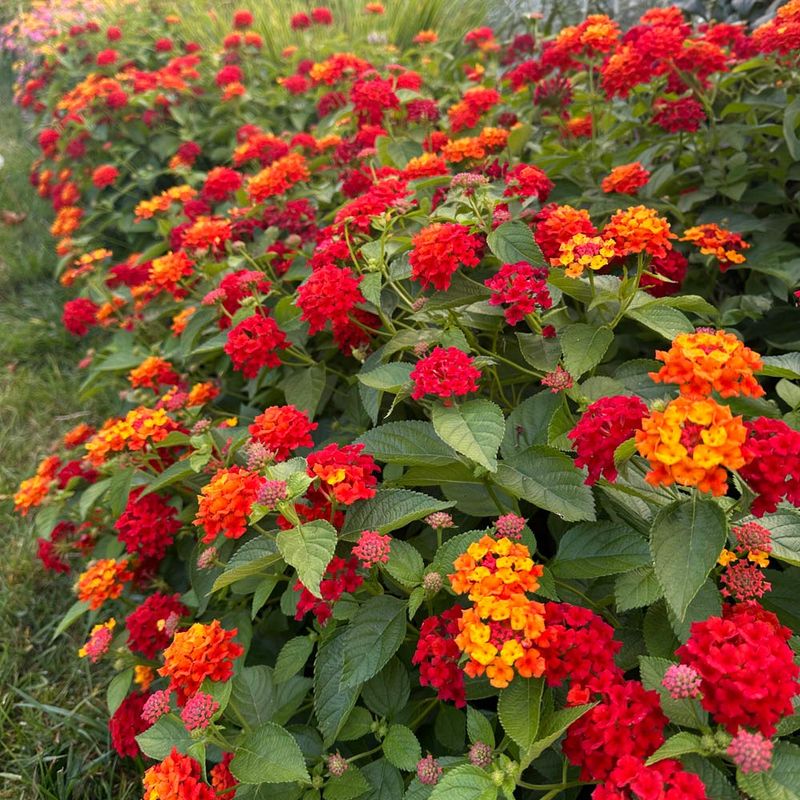
If you want a plant that basically refuses to quit, lantana is your answer. Originally from tropical regions, this shrubby bloomer produces clusters of tiny flowers in sunset shades of orange, yellow, red, and pink all season long.
It tolerates drought, poor soil, and blazing Florida heat with remarkable ease.
One fun fact: butterflies absolutely adore lantana. Once established, it needs very little watering and bounces back quickly after dry spells, making it one of Florida’s most reliable garden plants.
vinca
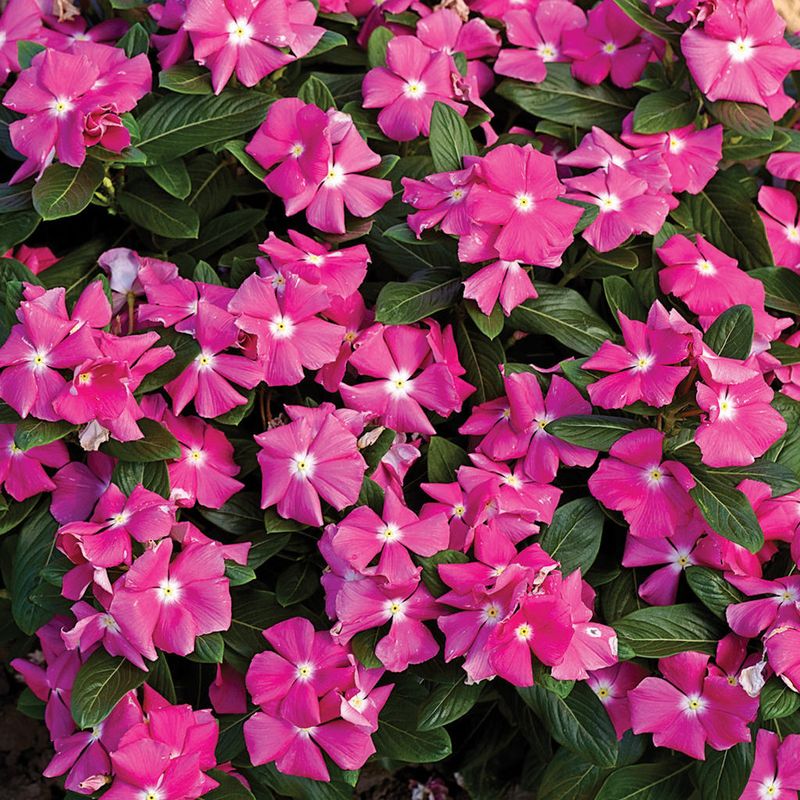
Annual vinca, also known as periwinkle, is basically built for Florida summers. It laughs in the face of humidity and relentless sunshine, producing cheerful blooms in shades of pink, red, white, and lavender without needing much fuss.
It is one of the most popular summer annuals planted across the state for good reason.
Plant vinca in full sun with good drainage and it will reward you generously. It resists most pests and diseases, and it keeps blooming even when temperatures climb into the nineties.
angelonia
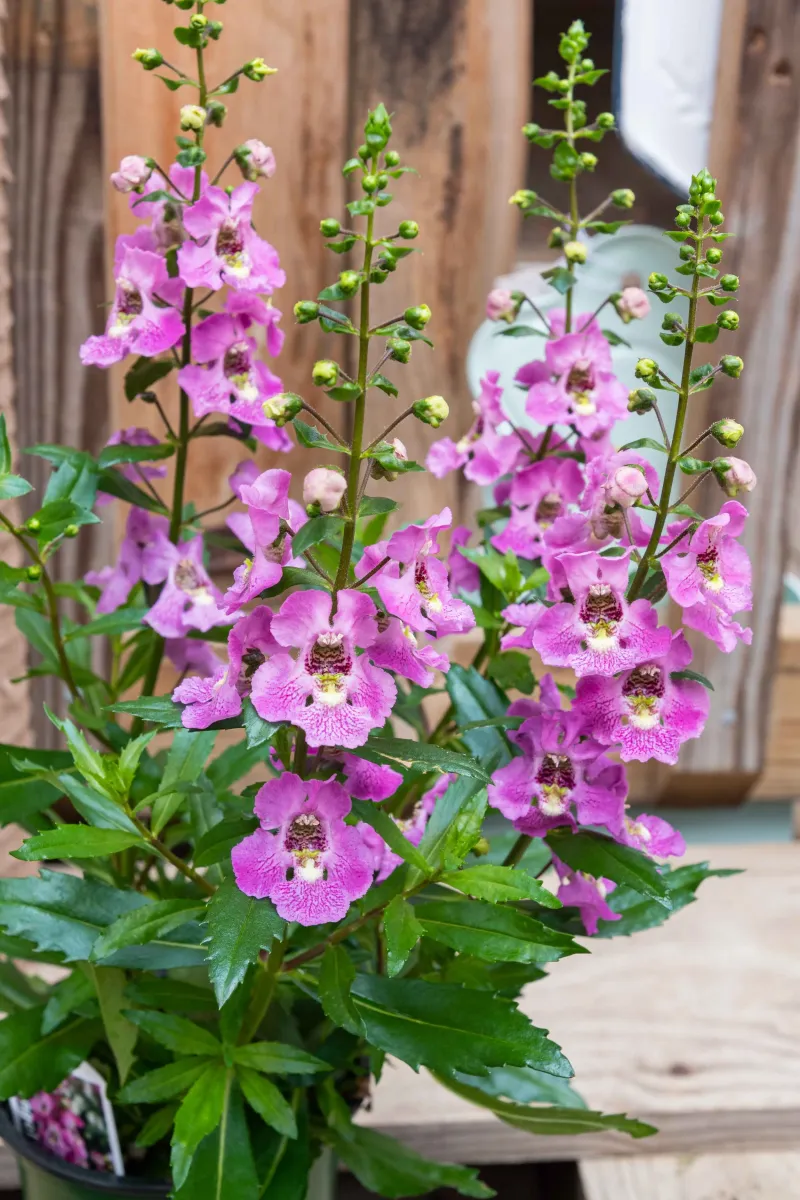
Sometimes called summer snapdragon, angelonia has a quiet elegance that stands out in any sunny garden. Its tall, slender spikes of orchid-like blooms come in purple, pink, white, and bicolor varieties.
Unlike traditional snapdragons, angelonia thrives in Florida’s summer heat instead of wilting from it.
A slight lavender fragrance makes it even more appealing. It needs minimal watering once established and blooms continuously through the hottest months.
Use it in borders or containers for a refined, low-effort look.
blanket flower
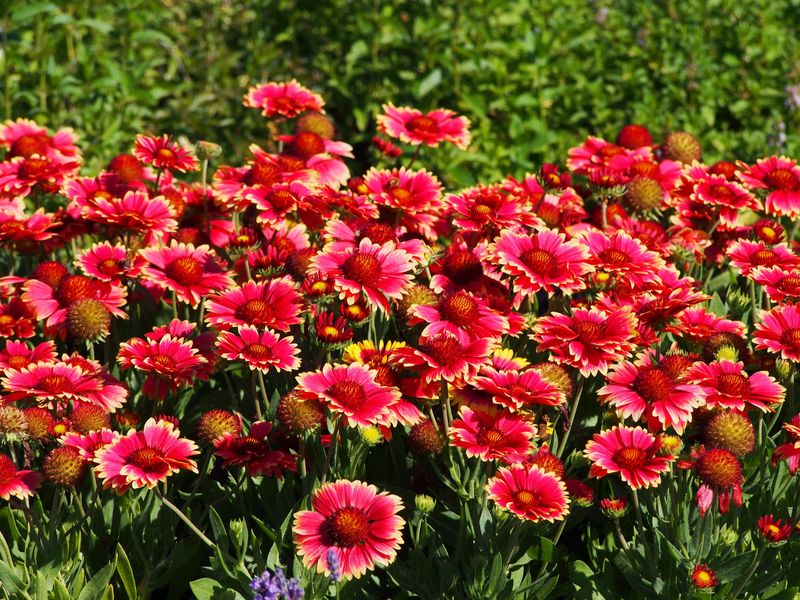
Named for its warm, fiery colors that resemble a Native American blanket, this wildflower is a stunner in any sunny Florida landscape. Bold red and yellow petals surround a rich brown center, creating a striking display from spring through fall.
It is drought-tolerant, salt-tolerant, and perfectly suited for Florida’s climate.
Plant it in sandy, well-drained soil and give it plenty of sunlight. Once established, blanket flower needs almost no supplemental watering.
It also attracts bees and butterflies, adding extra life to your garden space.
coreopsis
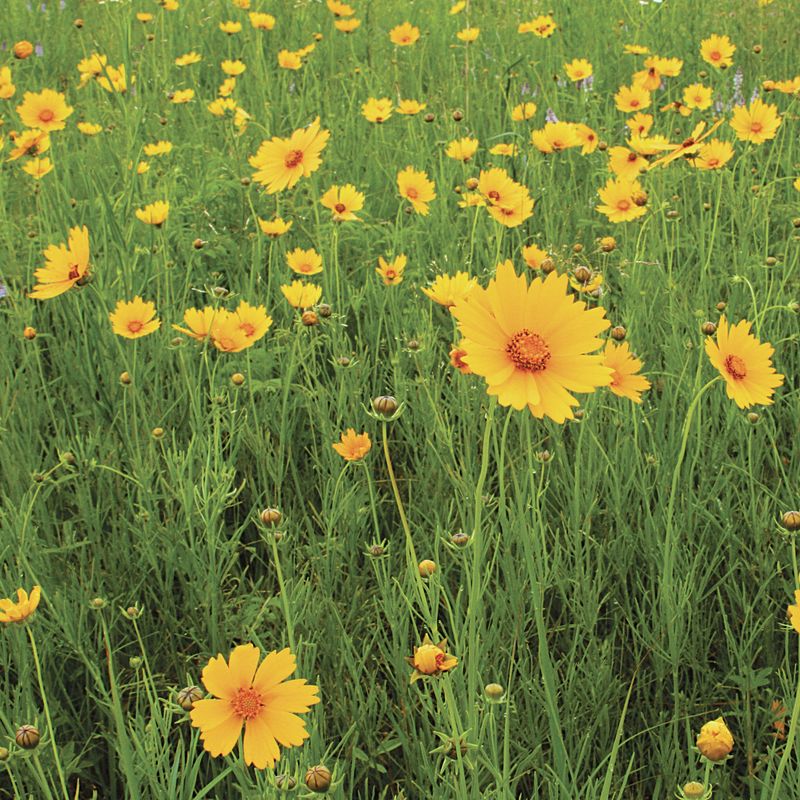
Florida actually named coreopsis its official state wildflower, and for excellent reasons. This cheerful yellow bloomer carpets roadsides and gardens across the state, thriving in sandy soils and full sun with minimal care.
It seeds itself readily, so you may find it spreading happily through your garden year after year.
Water it occasionally during establishment, then step back and let it do its thing. It blooms prolifically in spring and again in fall, making it a reliable source of color for Florida gardeners of all skill levels.
bulbine
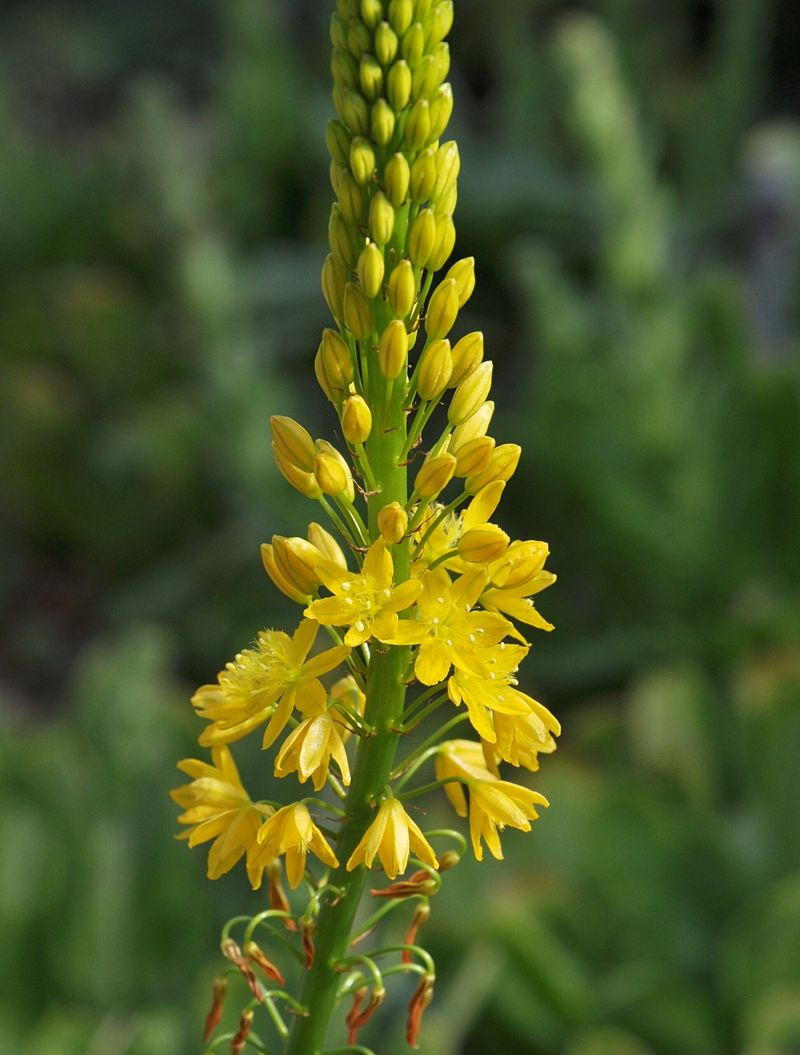
Not everyone has heard of bulbine, but Florida gardeners who discover it rarely look back. This South African native produces slender stalks topped with cheerful orange or yellow flowers, and its succulent-like leaves store water efficiently, making it incredibly drought-tolerant.
It thrives in full sun and poor, sandy soils without complaint.
It blooms almost year-round in South Florida and through the warm months elsewhere in the state. Cut it back occasionally to keep it looking tidy, and it will reward you with fresh, vibrant new growth in no time.
firebush
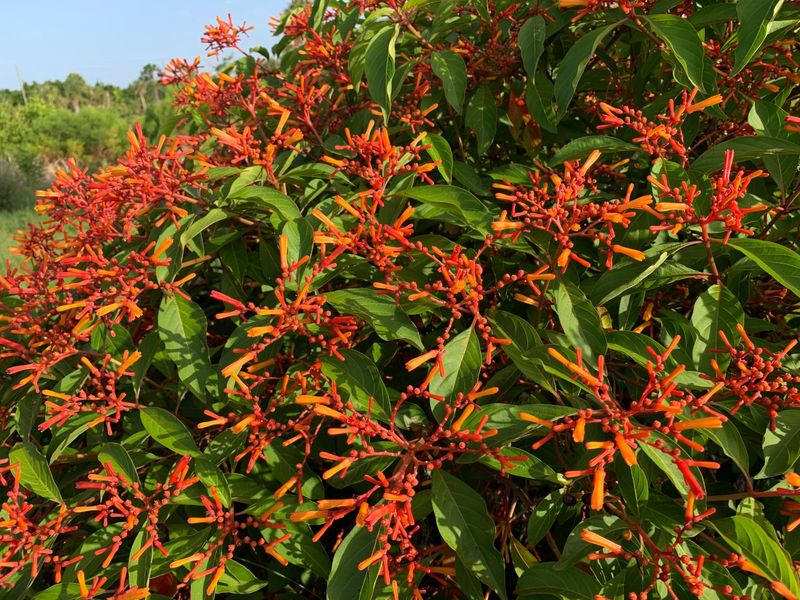
Walk past a firebush in bloom and you will immediately understand how it earned its name. This Florida native shrub produces dense clusters of tubular orange-red flowers that seem to glow in the summer sun.
Native hummingbirds and butterflies treat it like an all-you-can-eat buffet throughout the season.
It grows quickly into a full, bushy shape and handles drought, heat, and salt spray with ease. For the best results, plant it in a sunny spot with room to spread, and trim it occasionally to keep it shapely and productive.
blue daze
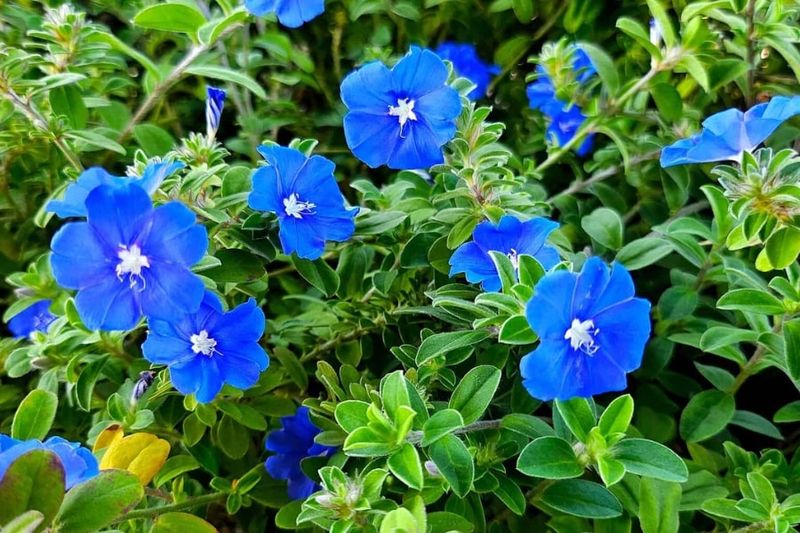
There is something almost magical about the soft sky-blue flowers of blue daze spreading across a sun-drenched garden bed. This low-growing ground cover is a Florida favorite for filling spaces between taller plants or spilling over container edges.
The blooms close at night and reopen each morning, adding a gentle rhythm to the garden.
Blue daze loves heat and full sun, tolerates drought once established, and asks for very little in return for its steady, season-long color. It pairs beautifully with warm-toned flowers like lantana and pentas.
society garlic
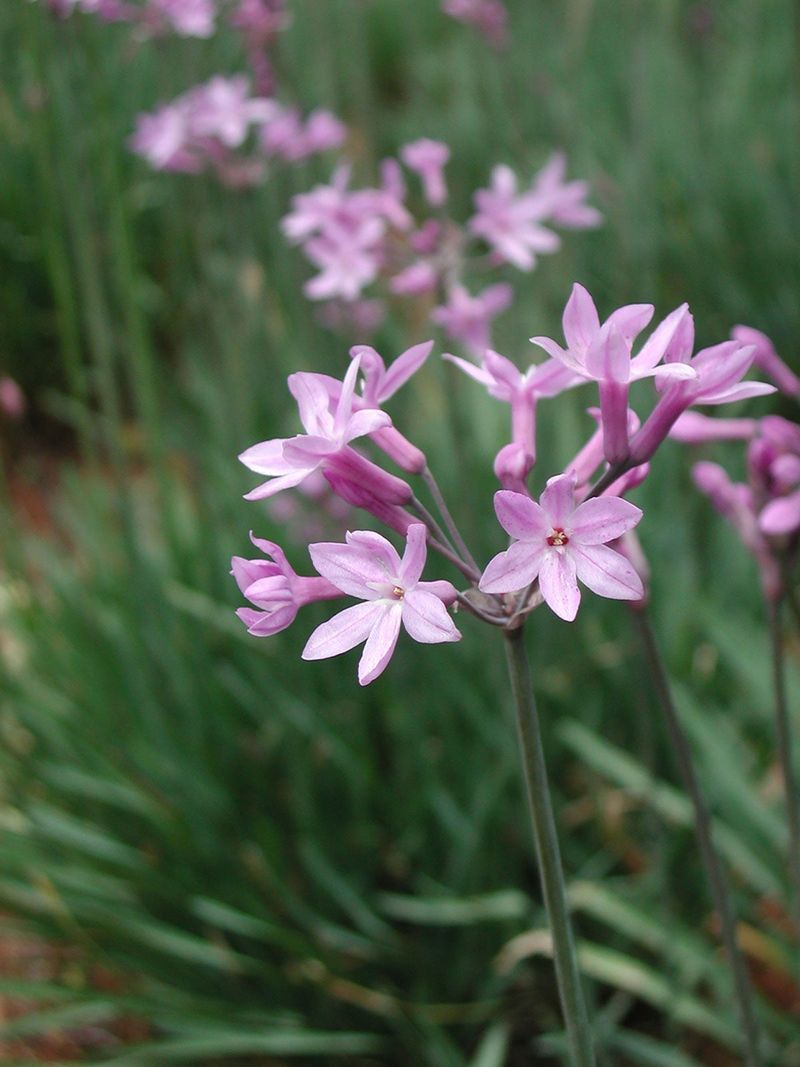
Do not let the name fool you. Society garlic is a graceful, clumping perennial that produces clusters of lavender-purple flowers atop long, slender stems.
It gets its quirky name because, unlike edible garlic, you can eat dinner in polite company after handling it. The foliage has a mild garlic scent, but the flowers are purely beautiful.
It thrives in full sun, tolerates drought and poor soils, and blooms repeatedly throughout the year in Florida. It also works wonderfully as a low-maintenance border plant or mass planting in sunny spots.
crossandra
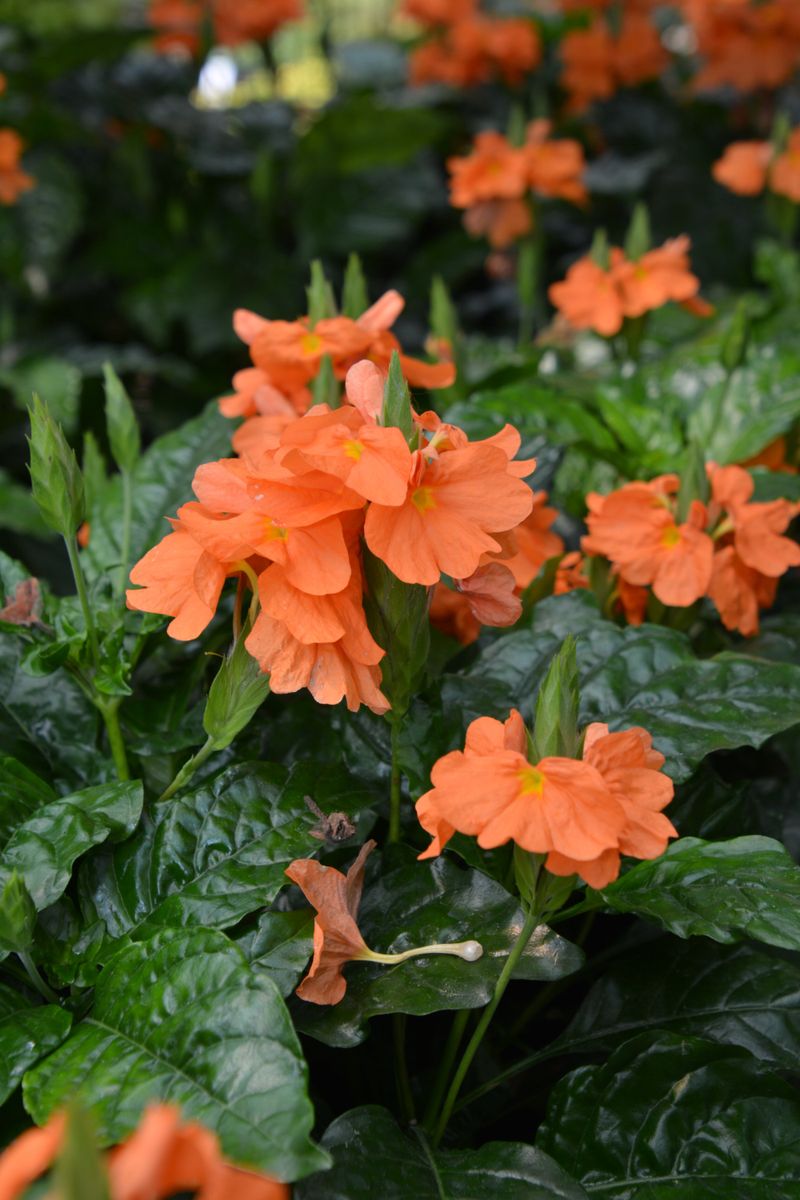
Known in some circles as the firecracker flower, crossandra brings a pop of tropical energy to Florida gardens with its vivid salmon-orange blooms. It is one of the few plants that performs well in both full sun and partial shade, giving gardeners plenty of flexibility in placement.
The glossy, dark green leaves make the bright flowers stand out even more.
Originally from India, crossandra handles Florida’s humidity like a champ. Water it regularly when young, then reduce frequency as it settles in.
It blooms from spring through fall without much coaxing.
plumbago
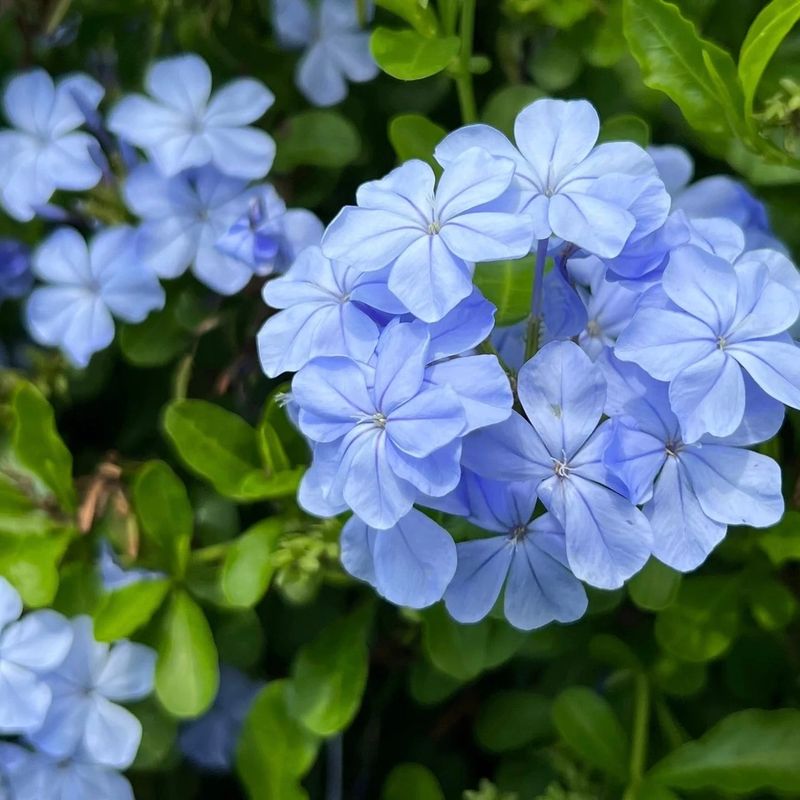
Cool, breezy blue is not always easy to find in the garden, which is why plumbago is such a treasure in Florida landscapes. Its clusters of sky-blue flowers bloom almost nonstop from spring through fall, providing a refreshing contrast to all the warm-toned tropical colors around it.
It grows as a sprawling shrub that fills in large areas beautifully.
Plant it in full sun for the best flowering. Once established, plumbago is quite drought-tolerant and requires only occasional pruning to keep its shape.
A white-flowered variety is also available for those who prefer a softer palette.
coneflower
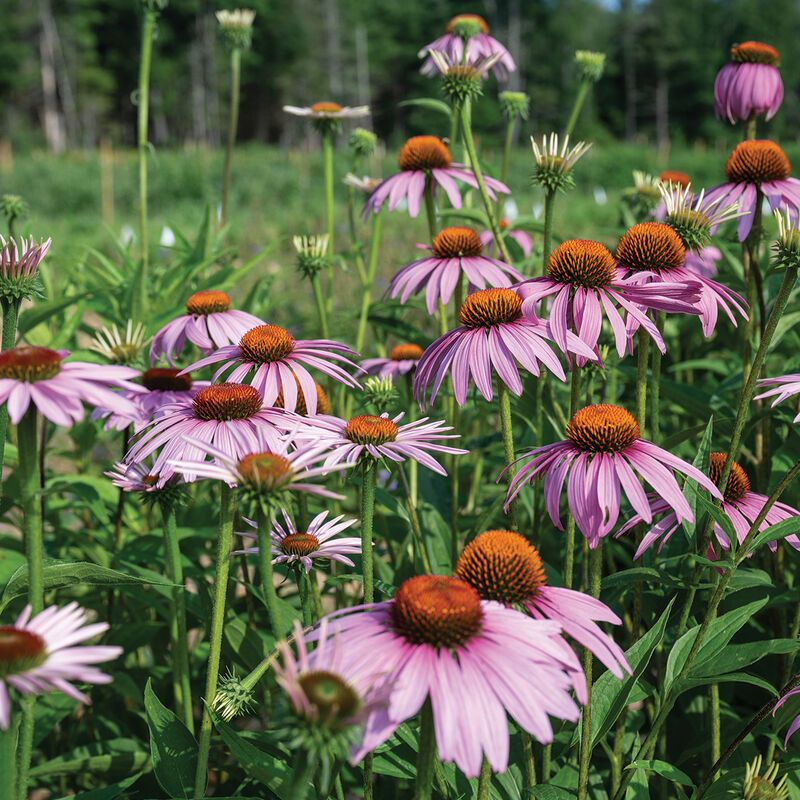
Purple coneflower, or echinacea, is a beloved wildflower that adapts surprisingly well to Florida conditions when given the right spot. It produces large, daisy-like blooms with drooping purple petals and a bold orange-brown center that looks stunning in naturalistic garden settings.
Birds love snacking on the seedheads after the blooms fade.
Plant coneflower in full sun with well-drained soil and water it during dry spells until it is established. After that, it handles heat with admirable toughness.
It is also a magnet for bees, butterflies, and other beneficial pollinators.
black-eyed Susan
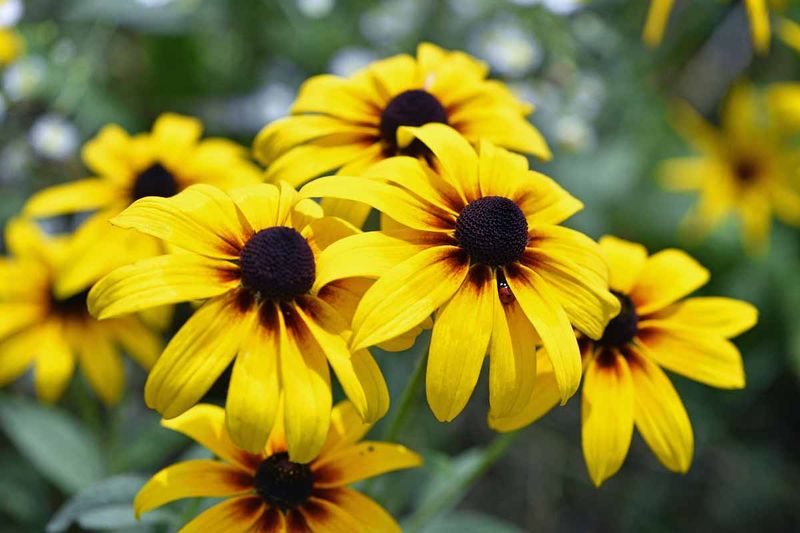
Few wildflowers carry the same cheerful, classic energy as the black-eyed Susan. Its golden-yellow petals and dark chocolate centers have been brightening fields and gardens across America for centuries, and Florida is no exception.
It blooms heavily in spring and fall and handles the state’s sandy soils like a natural, which makes sense since it grows wild here.
Give it full sun and good drainage, and it practically takes care of itself. It reseeds freely, so expect a bigger patch of sunshine in your garden each year without any extra effort on your part.
portulaca
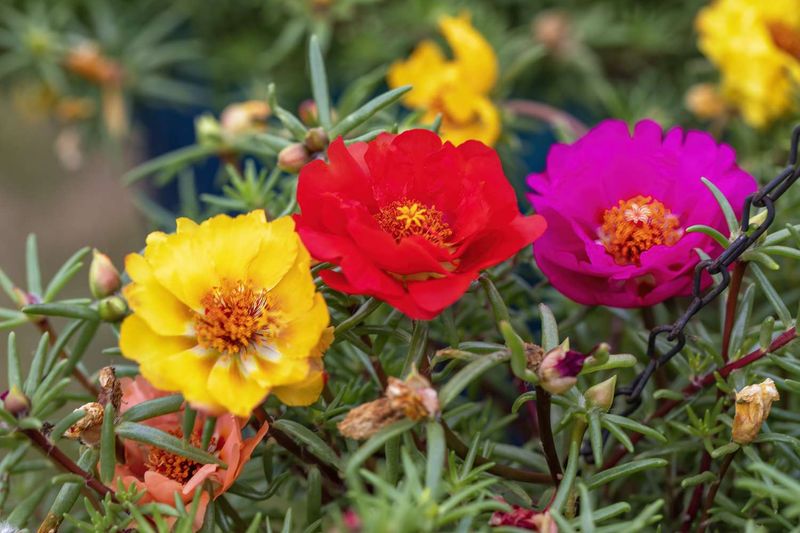
If you have a scorching hot spot where nothing seems to grow, portulaca is the plant you have been waiting for. This low-growing annual thrives in the kind of intense heat and dry conditions that would wilt most other plants.
Its jewel-toned flowers in red, orange, yellow, pink, and white open fully in bright sun and close on cloudy days.
It grows quickly from seed or transplants and fills containers and garden beds with cheerful color all summer long. Water it sparingly.
Too much moisture is actually more harmful to portulaca than too little.
salvia greggii
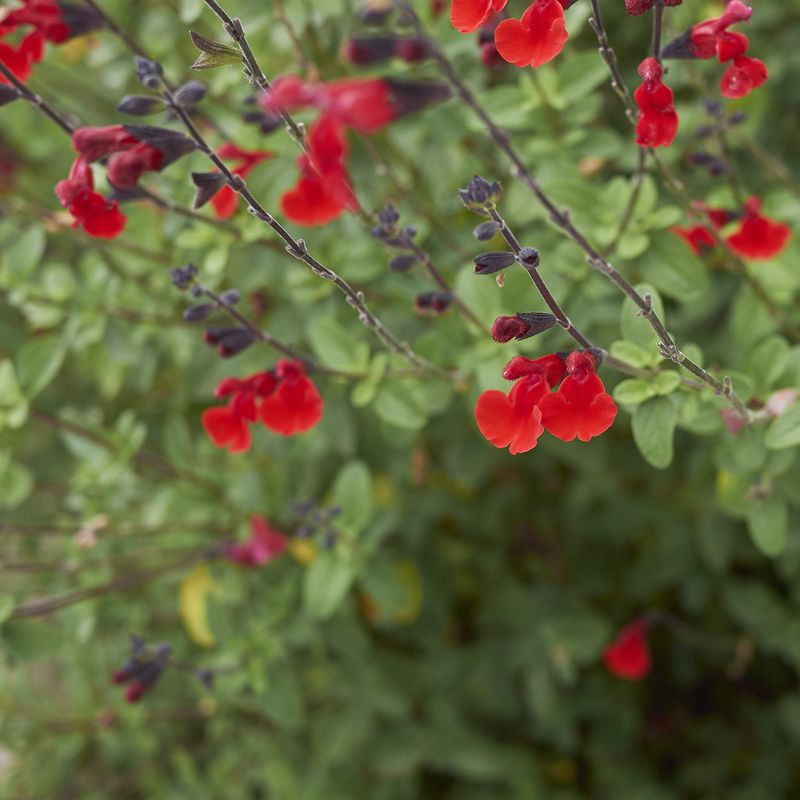
Also called autumn sage, salvia greggii is a tough little shrub that earns its place in any Florida sun garden. It produces masses of small, tubular flowers in red, pink, coral, or white from spring through fall, and hummingbirds are absolutely wild about it.
The semi-woody stems hold up well in heat and tolerate dry periods without drama.
Plant it in full sun with excellent drainage and trim it back after each flush of blooms to encourage fresh growth. It is one of the most reliable hummingbird plants you can add to a Florida landscape.
purslane
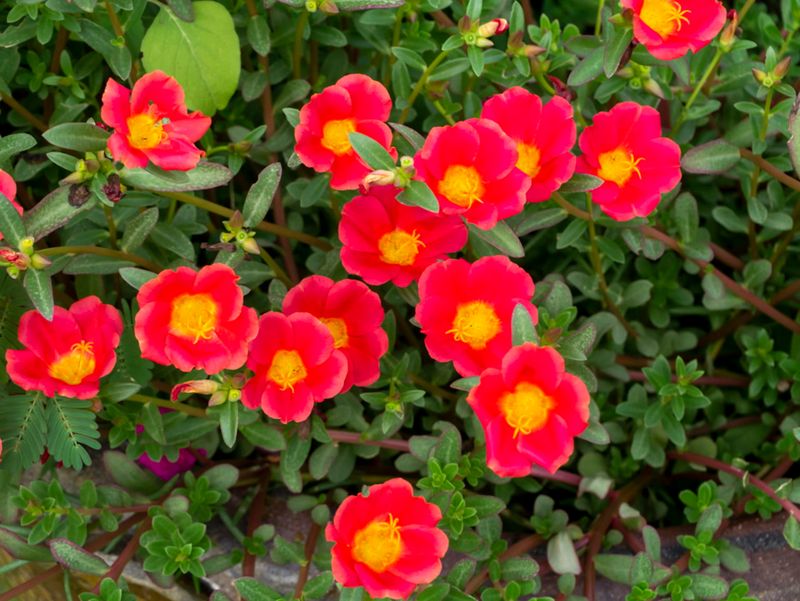
Garden purslane is basically the superhero of hot-weather annuals. Its thick, water-storing stems and leaves allow it to shrug off heat and drought that would devastate other plants, and it rewards that toughness with a constant parade of silky blooms in electric shades of pink, orange, yellow, red, and white all summer long.
It works beautifully in containers, hanging baskets, or as a ground cover in sunny spots. Unlike its weedy cousin, ornamental purslane stays tidy and blooms nonstop.
Plant it once and enjoy months of low-effort, high-impact color across your garden.
beach sunflower
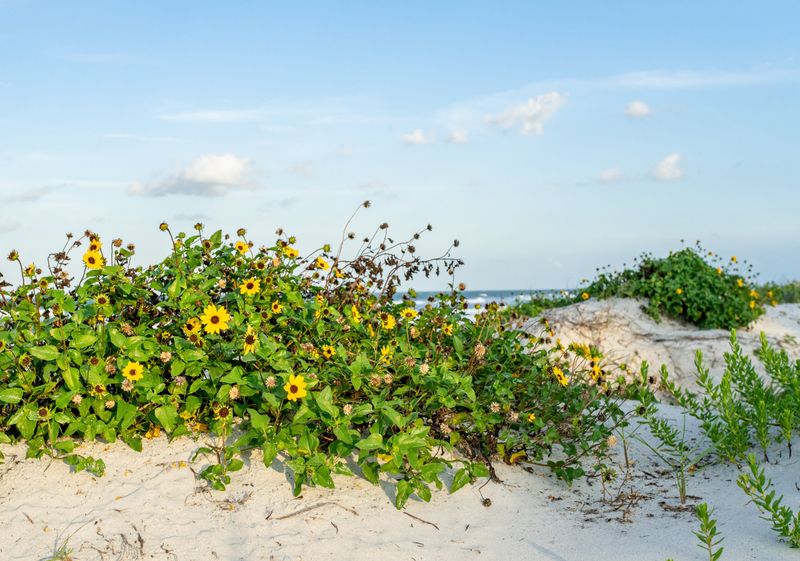
Born and raised right here in Florida, the beach sunflower is as native as it gets. This tough ground cover spreads enthusiastically across sunny slopes, sandy soils, and coastal areas, producing cheerful yellow flowers with dark centers almost year-round.
It stabilizes soil, prevents erosion, and supports native pollinators all at once.
Once established, beach sunflower needs zero supplemental watering in most Florida locations. It is salt-tolerant and thrives even in poor, sandy conditions where other plants struggle to survive.
For a carefree, wildlife-friendly garden, this native beauty belongs at the top of your list.
gaillardia
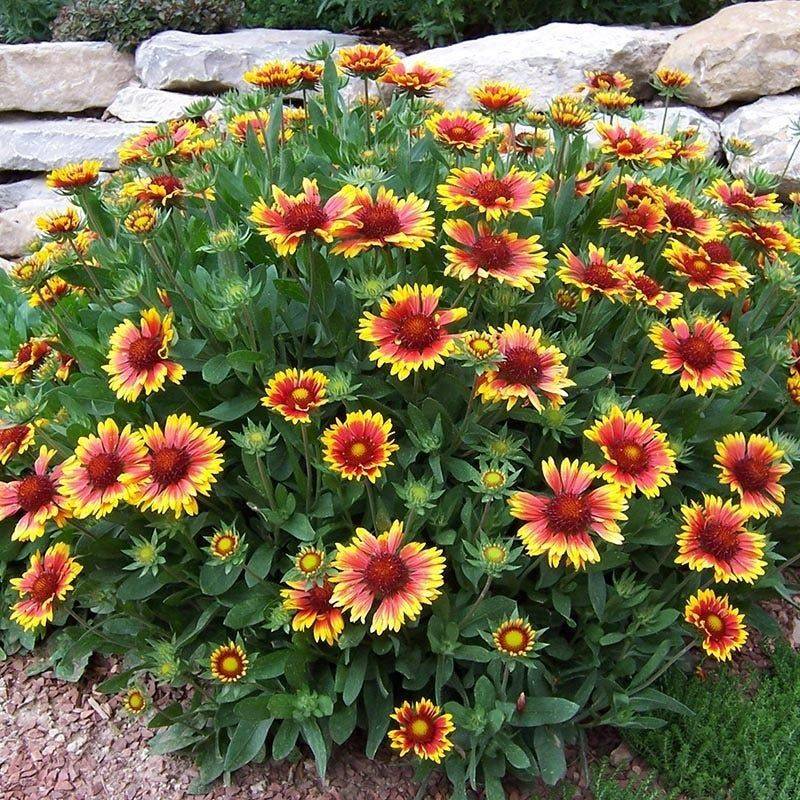
Bold, brazen, and completely unbothered by Florida’s summer extremes, gaillardia is a sun garden staple that earns its keep through sheer staying power. Its vivid red, orange, and yellow daisy-like flowers bloom from spring well into fall, drawing bees and butterflies throughout the season.
It handles sandy, nutrient-poor soils better than most ornamental plants.
Water it sparingly after establishment, as gaillardia prefers dry conditions over soggy ones. It may die back slightly in winter but reliably returns each spring with fresh energy.
A short trim after each bloom cycle keeps it looking sharp and productive.
tickseed
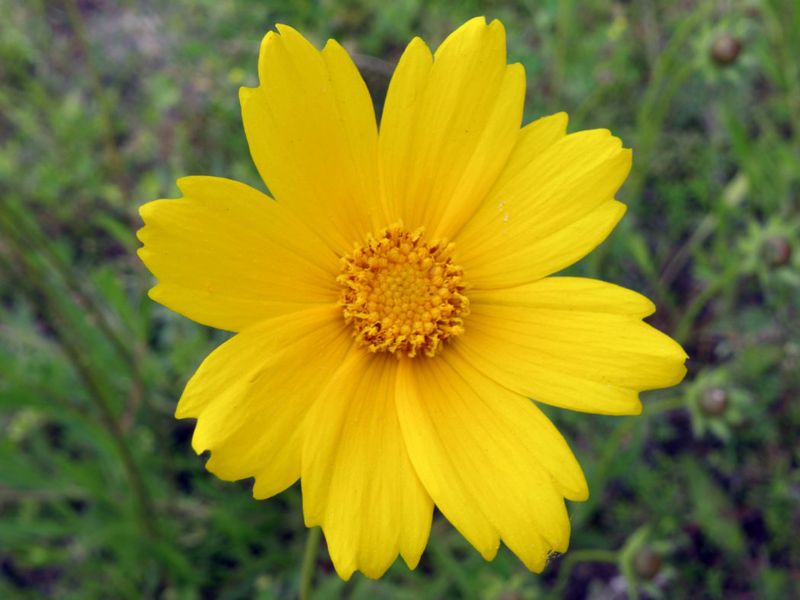
Here is a fun piece of Florida trivia: tickseed is actually another common name for coreopsis, the state’s official wildflower, though some gardeners use the name to refer to specific native varieties that grow wild across Florida fields and roadsides. Either way, tickseed earns serious admiration for its bright yellow blooms and rock-solid constitution.
It self-seeds generously, fills in naturalistic garden spaces beautifully, and attracts a wide range of pollinators. Plant it in full sun with sandy, well-drained soil and then step back.
This wildflower practically grows itself with next to no intervention needed from you.
scaevola
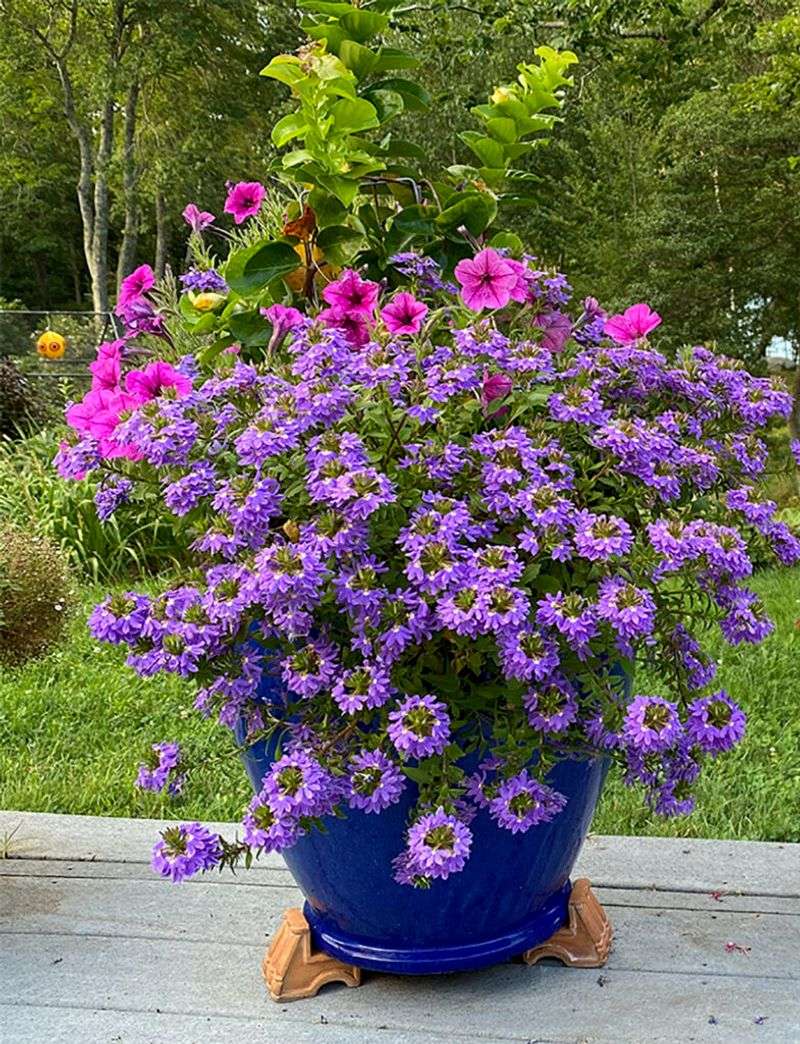
With its unusual fan-shaped flowers, scaevola is one of the most distinctive plants you can add to a Florida garden. Native to Australia, it thrives in Florida’s coastal conditions, tolerating salt spray, heat, and sandy soils with impressive resilience.
The flowers come in purple, pink, and white, and they bloom almost continuously from spring through fall.
It works wonderfully in hanging baskets, containers, or as a sprawling ground cover in sunny spots. Once established, scaevola needs minimal watering and very little maintenance, making it an ideal choice for busy gardeners who still want a beautiful outdoor space.
Enjoyed this story?
Add Fast Food Club as a preferred source to see more of our reporting on Google.