


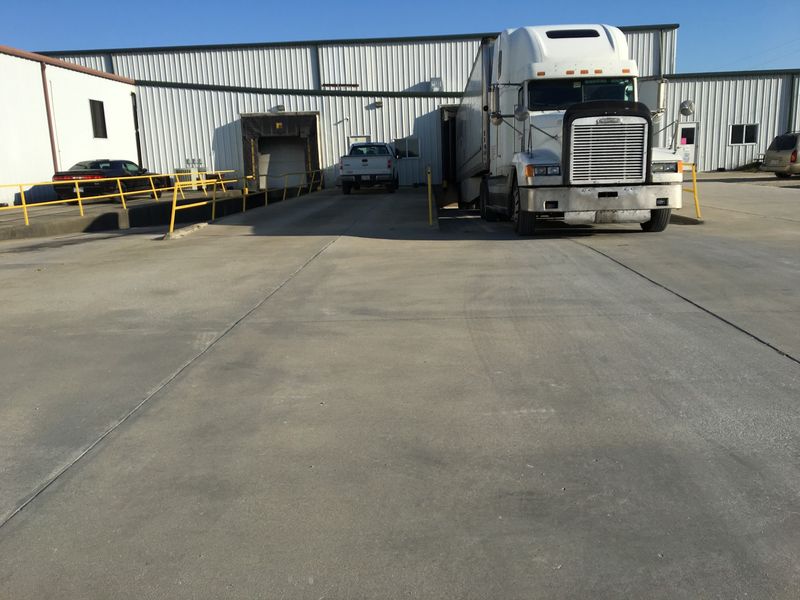
Somewhere in Johnston County, a family farm sends mountains of sweet potatoes out the door, and some of them end up as far away as San Francisco. Truck drivers who load there talk about it the way most people talk about a favorite breakfast spot.
They mention the friendly crew, the quick turnarounds, and a counter sign that makes them laugh. This is not a roadside stand with a gift shop.
It is a working produce shipper where the real story is about people, planning, and a whole lot of sweet potatoes. School groups and community leaders have toured the place to learn how modern farming works.
Drivers have even had lost items mailed back to them. Keep reading to find out where this farm sits, how it runs, what makes drivers come back, and the practical tips that can save a long wait at the dock.
A Working Farm on Worley Road
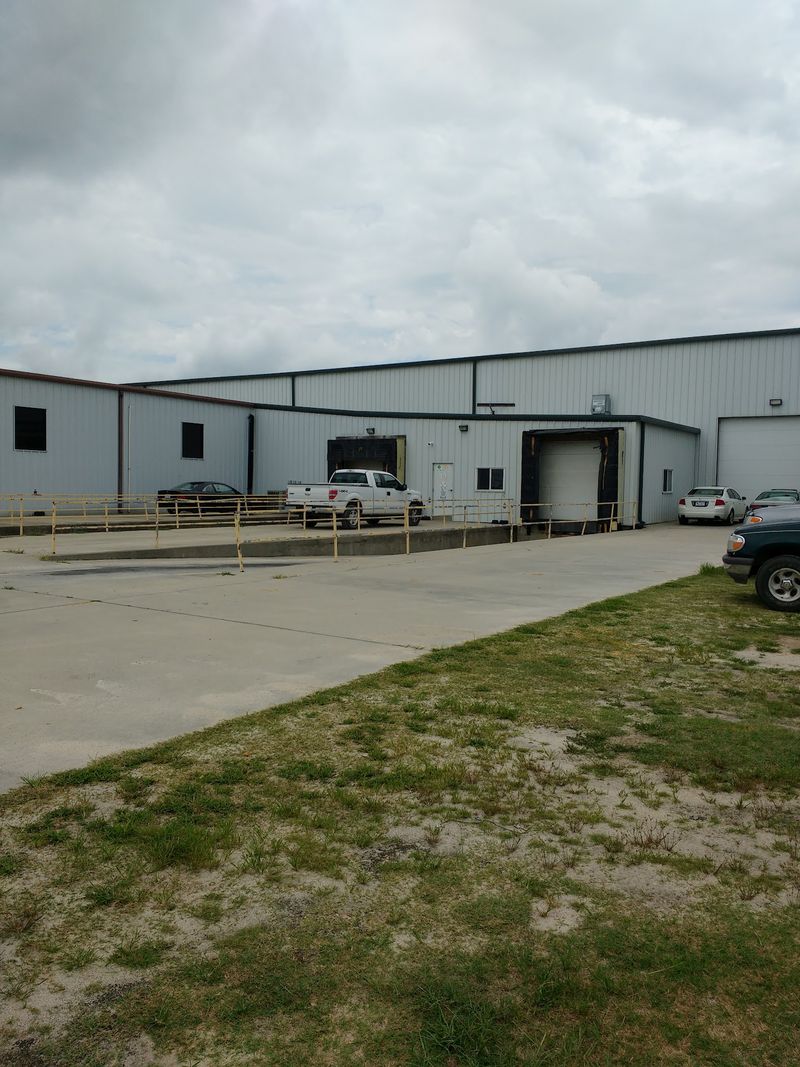
Some of the busiest places in eastern North Carolina never show up on a tourist map. Kornegay Family Farms and Produce is one of them, a family-run farm and produce shipper in Princeton, North Carolina, in the United States.
The farm office and mailing address is 610 Worley Rd, Princeton, NC 27569. The shipping shed, where trucks actually load, sits nearby at 535 Worley Rd, Princeton, NC 27569.
That small detail matters more than it seems. Drivers heading in for a pickup should aim for the shed address, not the office.
Princeton is a small town in Johnston County, a part of the state known for its farm country and wide, flat fields. The setting is rural, practical, and built around agriculture.
The farm is listed as a farm business, and its main role is packing and shipping produce. Sweet potatoes are the headline crop, and they move out of here by the truckload.
So who shows up on Worley Road? Mostly professional truck drivers with trailers to fill, along with the occasional tour group hoping to learn how food travels from field to grocery shelf.
The farm holds a 4.6-star standing across 58 public ratings, which is a strong showing for a place where people come to work rather than relax. The next sections explain why so many drivers leave smiling.
The Family Behind the Shed
Family businesses tend to run on a simple rule, and this one says it plainly. The farm describes its approach as treating people the way they would want to be treated.
That philosophy shows up again and again in how the operation is described. Words like courteous, professional, polite, and cordial come up often when drivers talk about the staff.
The Kornegay name is part of the daily work here. Mrs. Susie Kornegay has served as a farm liaison for educational tours, and a family member named Kim has personally replied to groups that visited.
Replies from the farm tend to be warm and chatty. They wish drivers safe travels, thank them for kind words, and sometimes add a clarification so the next person has better information.
That kind of follow-through is rare for a busy shipping shed. It suggests a family that pays attention to how people feel when they drive away.
Drivers have even wished the family good luck with their business after a load. That is not a sentence most warehouses ever hear.
The family tone does not mean things are casual about the work itself. The operation is described as well organized, with clear rules and a steady routine.
Behind every pallet is a group of people who seem to care about getting it right. And sometimes, as the next story shows, they go well beyond the loading dock.
The Case of the Missing ID
Leaving a driver ID behind after a long day sounds like the start of a very bad week. One trucker did exactly that at Kornegay Family Farms.
The farm did not just set it aside in a drawer. Staff contacted the driver and mailed the ID straight to the delivery location so it would be waiting there.
For a professional driver, that is a big deal. An ID is tied to work, travel, and getting through the day without headaches.
The family explained their reasoning simply. There was no question they had to get the ID back quickly and in good order.
Small moments like this help explain why the phrase driver care keeps coming up in connection with the farm. Drivers notice when someone looks out for them.
Another sign of trust sits right at the scale. The farm thanked a driver for paying the scale fee and noted it was nice to know the honor system still works.
Honor systems only last where people feel respected. This one appears to be holding up fine.
None of this is flashy. There are no banners or slogans announcing great service.
Instead, the reputation is built one returned item and one thank-you at a time. It is the kind of quiet kindness that turns a routine pickup into a story worth retelling at the next truck stop.
Speed at the Loading Dock
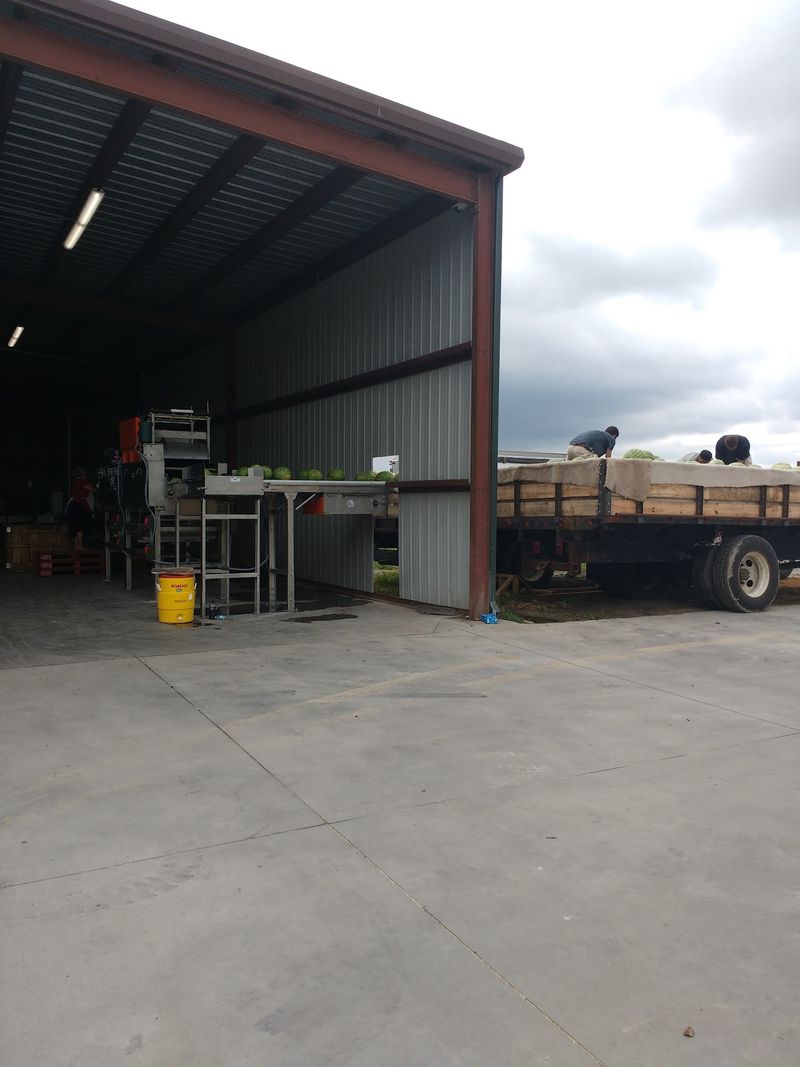
Time is money on the road, and truckers count every minute. At this Princeton shed, the clock often works in their favor.
Loading speed is one of the most talked-about features of the farm. Drivers describe being in and out in about an hour, and many say it went even faster.
Some loads have wrapped up in 45 minutes. Others took 30 minutes, 20 minutes, or even 16 minutes from start to finish.
A regular partner company has said it is not uncommon to get loaded in under 60 minutes. That kind of consistency helps dispatchers plan the rest of the trip.
The farm credits its staff for the pace. The stated goal is quick and pleasant loading every time.
Of course, produce has its own personality. Orders can shift, and some drivers have waited longer than they hoped.
One older account warned drivers to expect a stay of two hours or more. A more recent one called a longer wait normal for produce and still gave the crew credit for being friendly.
So the honest picture is this: fast loading is common, but not guaranteed. A little patience is part of the deal with fresh crops.
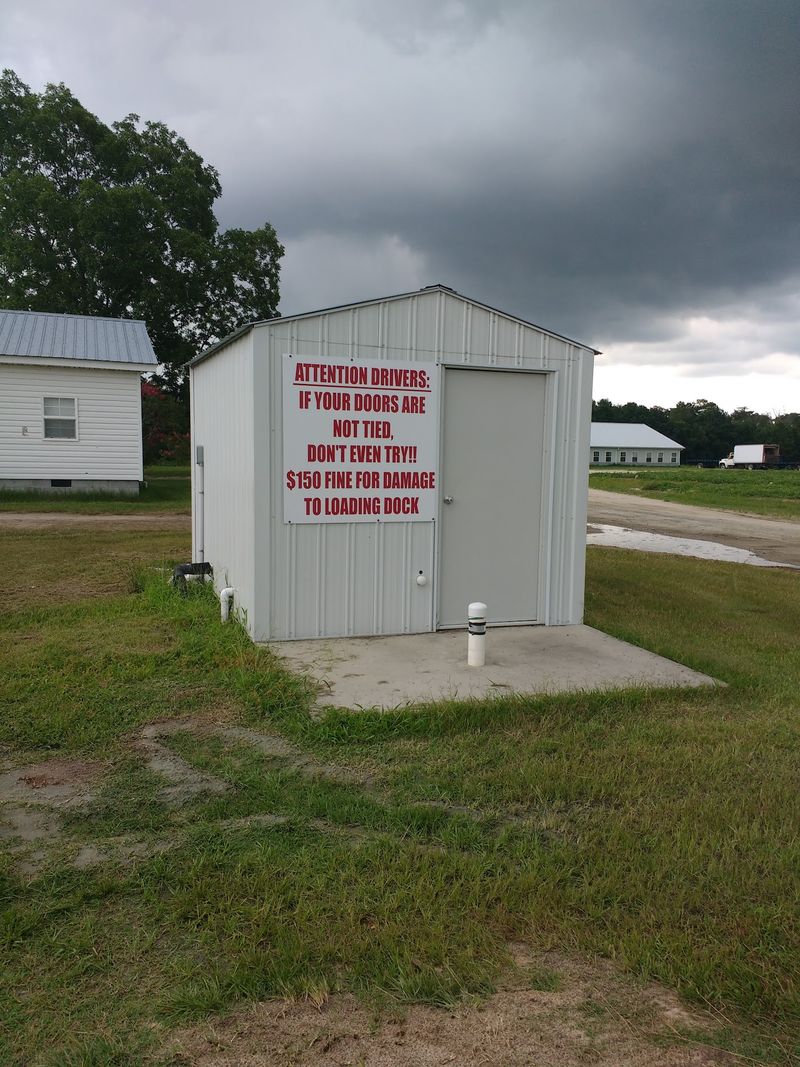
The good news is that the farm openly explains why delays happen. That explanation comes with a sign worth reading, coming up next.
A Counter Sign With a Sense of Humor
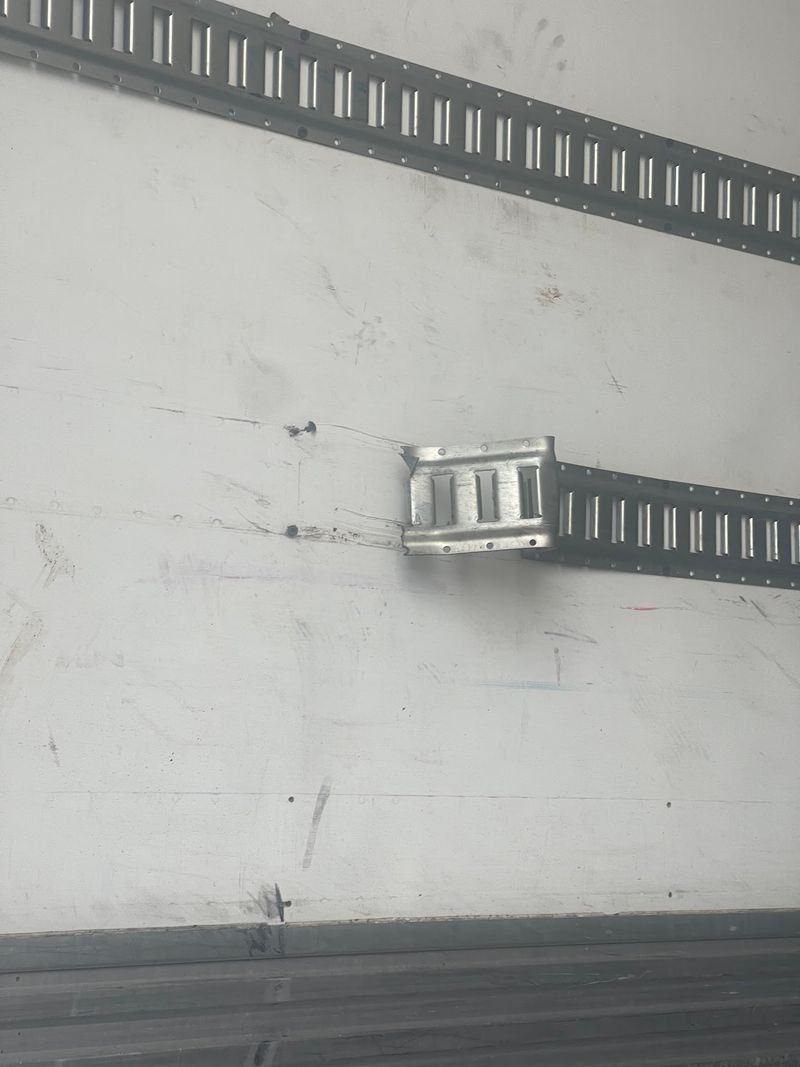
Every shipping office has rules posted on the wall. Few have one that opens with a punchline.
At Kornegay Family Farms, a sign at the counter reads at the top, “Your dispatcher lied.” It is the farm’s playful way of addressing a common mix-up.
Here is the background. Sometimes customers place new orders after lunch and want them loaded that same day.
When the farm knows a load will not be ready until a certain time, it tells the dispatcher. The hope is that the message reaches the driver.
That handoff does not always happen. A driver may show up expecting a ready load, only to find it is still being prepared.
The sign gives everyone a laugh and a quick explanation at the same time. It also takes some heat off the people standing at the counter.
The farm has stressed that it never intends to make drivers wait. It says the vast majority of orders are ready on time, and many are finished early.
For drivers, the lesson is practical. A quick call ahead can clear up confusion before the truck rolls in.
Communication is a theme the farm returns to often. It even opens the door to something many sheds will not do at all, which is loading after hours in some cases.
The Scale That Drivers Love
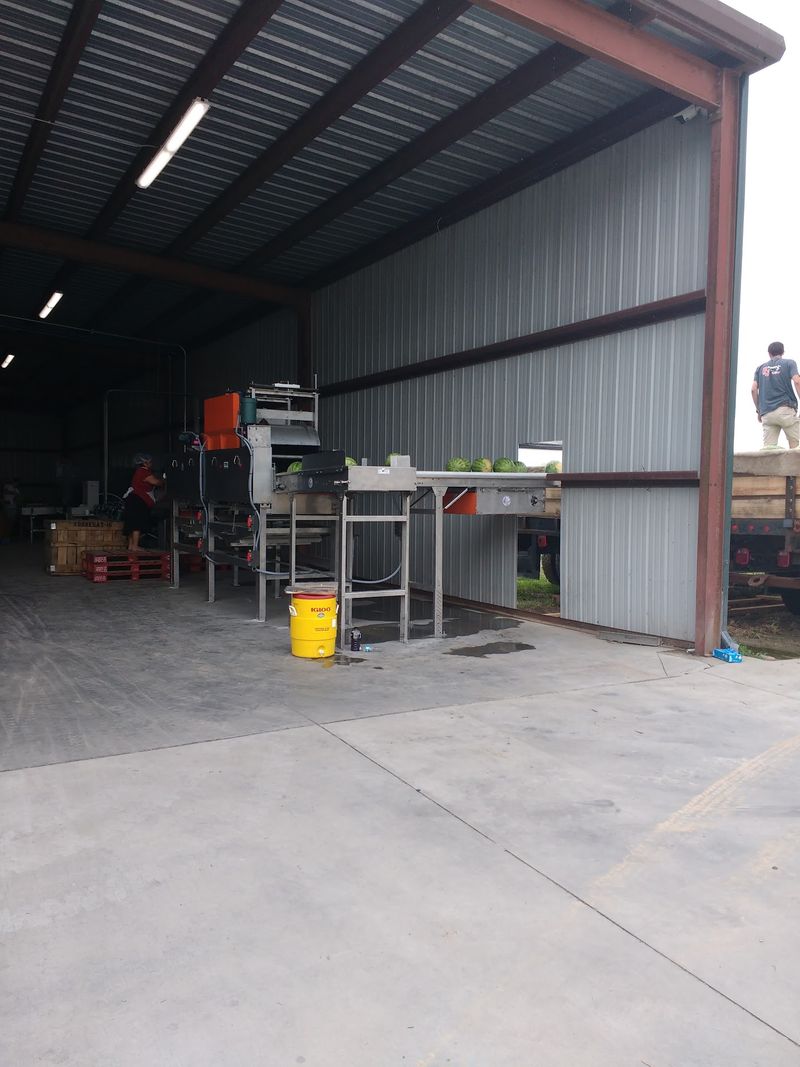
Ask a trucker what makes a pickup easy, and an on-site scale lands near the top of the list. This farm has one, and drivers mention it constantly.
The scale sits right at the farm, inside the warehouse area. Drivers can check their truck weight before heading out on the highway.
That saves a separate stop and helps avoid trouble with weight limits later. One regular partner said the scale really helps their operation.
The scale is self-serve and costs $5. Payment works on the honor system.
The farm has proudly noted that the honor system still works. It seems most drivers are happy to pay for the convenience.
Even the family has a little fun with it. Their take is that the scale is hard to beat.
It is a small feature, but it has a big effect on a driver’s day. Fewer stops mean more time rolling toward the delivery.
Paired with the quick loading, the scale helps explain why so many drivers describe the farm as easy to work with. Getting weighed and loaded in one spot keeps things simple.
Simple is the goal at this shed. And the same practical thinking carries over to where drivers can park and rest, which turns out to be another quiet perk.
Room to Back Up and a Place to Rest
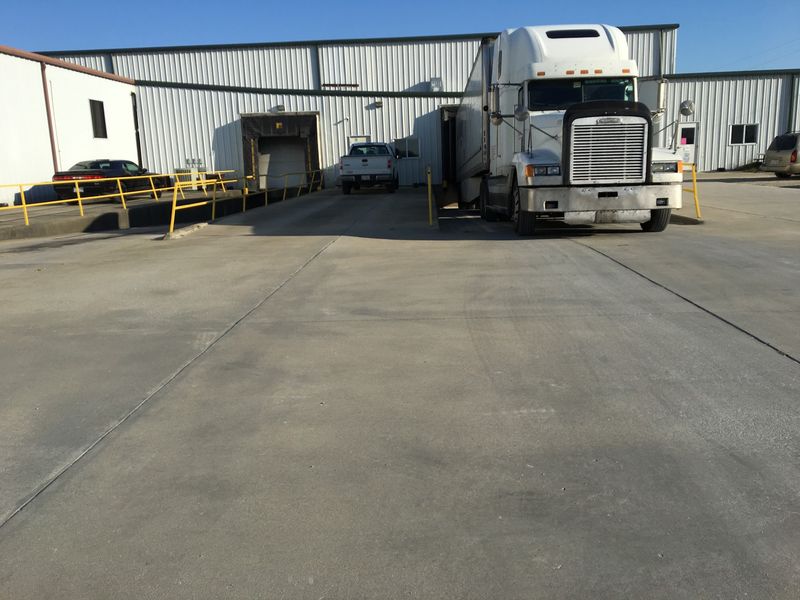
Tight docks can turn a simple pickup into a nerve-wracking puzzle. Drivers say that is not a problem here.
The yard offers lots of room to back up, which makes maneuvering a big rig much easier. For newer drivers especially, that space is a relief.
Overnight parking is allowed at the farm. Drivers can park close to the docks in the yellow area.
That option is useful for anyone arriving late or waiting on an early morning load. It means one less search for a safe spot to stop.
Restrooms are another bonus. The washrooms are described as nice and clean, and cleanliness comes up more than once in conversations about the farm.
On a long haul, a clean restroom can feel like a small victory. It is one of those details drivers do not forget.
The farm itself has been called beautiful, which is not a word often used for a shipping yard. The rural Johnston County setting likely has something to do with it.
Put together, these features make the stop feel less like a chore. Space to move, a place to park, and clean facilities cover the basics well.
Of course, there are a few rules to know before the trailer doors open. Getting them right can save a lot of time.
Rules of the Road for Sweet Potato Pickups
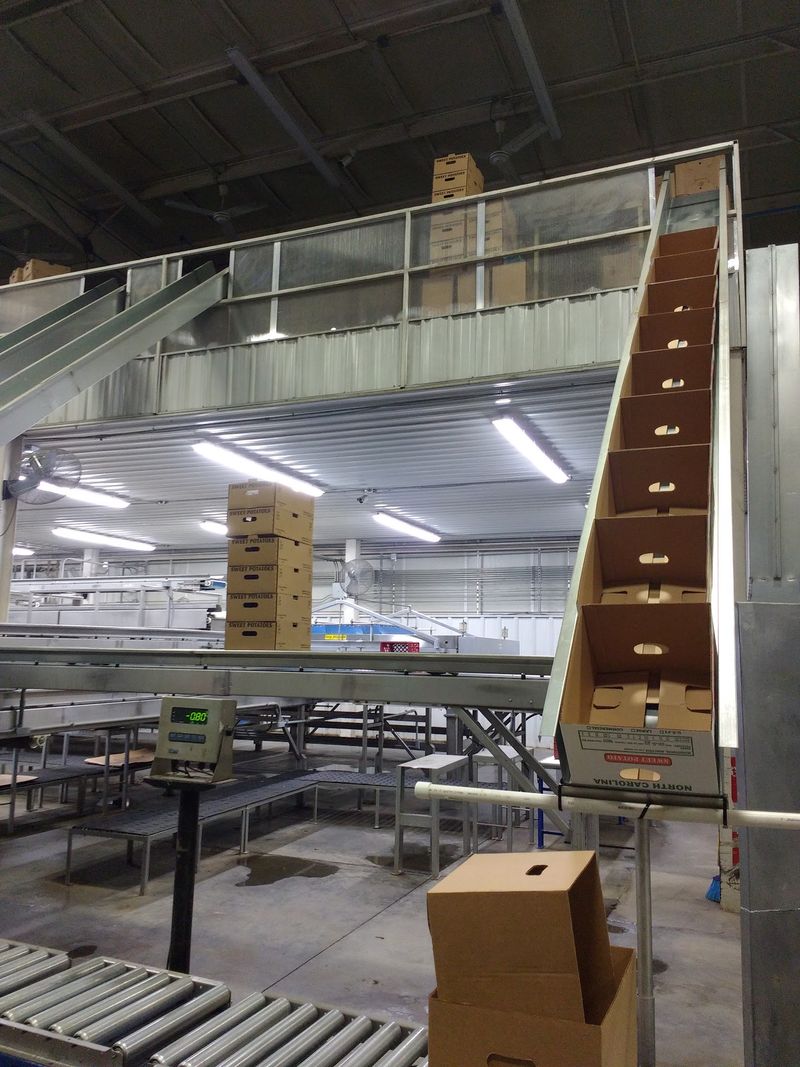
A clean trailer can make or break a pickup. At this farm, there is one rule in particular that drivers should know before arriving.
If a driver is loading sweet potatoes bulk and loose in the back of a reefer, the trailer must be washed out first. Drivers should bring the wash-out receipt and present it when they arrive.
The farm clarified that this rule applies only to bulk loose loads. Boxed or palletized loads do not carry the same requirement.
Loading works on a first-come, first-served basis. If several trucks are already waiting, expect some time in line.
Lunch is another timing detail. Loading does not happen from 12 PM to 1 PM while the crew takes its break.
Arriving right at noon is not the smartest move. Planning around that hour can shave time off the visit.
One older note also urged drivers to check sweet potato boxes for small flying insects before leaving. That advice aims to prevent problems at the delivery end.
None of these rules are unusual for produce. They simply reflect the care that goes into shipping fresh crops.
Knowing them ahead of time keeps the day running smoothly. And speaking of time, the farm’s schedule deserves a closer look.
Hours, Calls, and After-Hours Favors
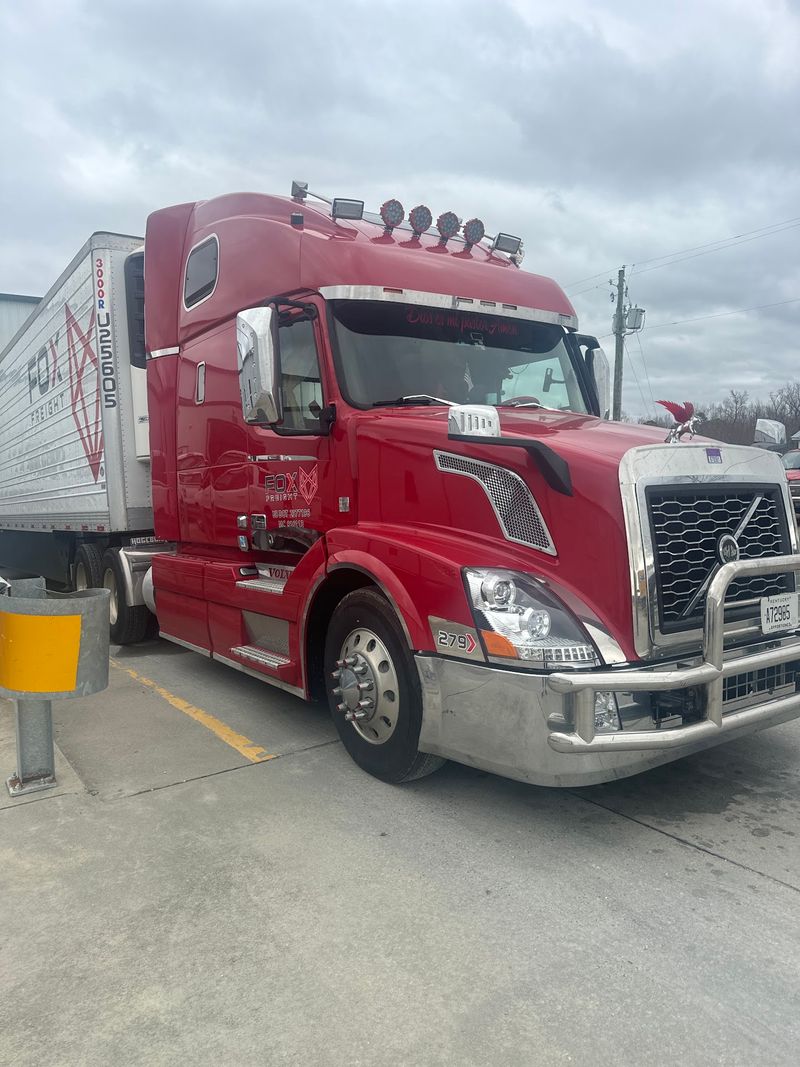
Weekday warriors will feel right at home here. The farm keeps a steady business schedule built around the work week.
Hours run from 7 AM to 5 PM, Monday through Friday. The farm is closed on Saturday and Sunday.
That schedule lines up with what drivers report. Several have noted the 7 to 5 window as an easy one to plan around.
Remember the lunch break from noon to 1 PM. Loading pauses during that hour.
There is also some flexibility for drivers who communicate. One trucker was loaded after hours after calling ahead.
The farm made it clear that after-hours loading is not always possible. Still, it will try to make it work when feasible.
The message is simple: communication is key. A phone call before arrival can open options that a surprise visit cannot.
The farm also works closely with transport companies. One partner praised the family for excellent communication about product availability.
The farm returned the compliment, pointing to good dispatchers and nice drivers. Strong relationships on both ends seem to keep the trucks moving.
More details are available on the farm’s website, kornegayfamilyproduce.com. Checking it before a trip is a smart first step.
Not everyone who comes here drives a truck, though. Some show up with notebooks and questions.
Farm Tours That Teach
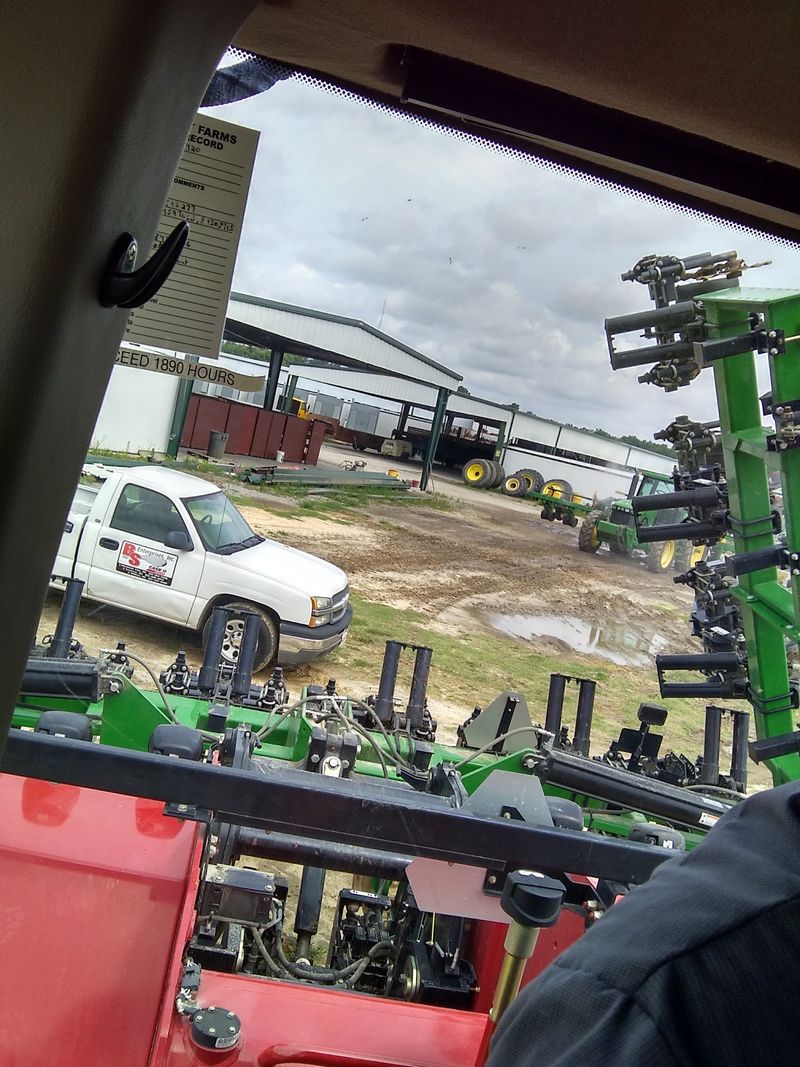
A field trip to a sweet potato farm might not sound thrilling at first. Groups who have toured Kornegay Family Farms tend to leave surprised by how much they learned.
The farm hosts educational tours focused on agriculture and farming technology. The goal is to show the work and the people behind the crops.
Mrs. Susie Kornegay has served as a farm liaison on these tours. She has been praised as an excellent guide.
One group came through after an invitation from Miss Johnston County. Members described being amazed by the sheer number of sweet potatoes.
Tours also cover topics many people never think about. One example is the H-2A temporary visa program, which helps farm workers from other countries come to the United States legally and safely to work.
Guests have noted that programs like this also help prevent human trafficking. It is a serious subject handled in an informative way.
The family says it really enjoys educating groups about agriculture. They also love highlighting the hardworking people who make it all happen.
Tours are best arranged ahead of time through the farm. This is a working operation, so planning matters.
For students, community groups, and curious adults, a visit offers a real look at where food begins. It is farming without the postcard filter.
From Princeton Fields to Faraway Tables
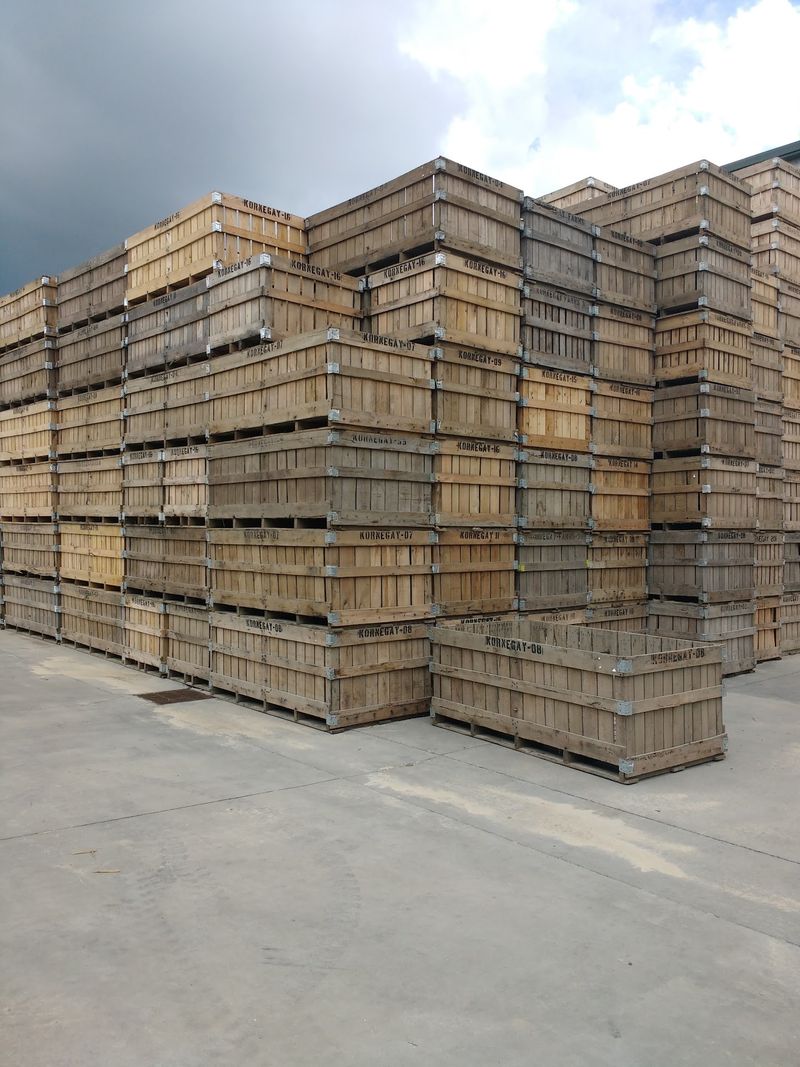
North Carolina grows a lot of sweet potatoes, and this Princeton farm helps send them across the country. At least one happy eater has thanked the farm for bringing sweet potatoes all the way to San Francisco.
The family responded with a cheerful line: keep eating and be sweet. It fits the warm tone that runs through everything here.
So who will appreciate this place most? Truck drivers looking for a smooth, friendly pickup are the clearest match.
Educators and community groups curious about agriculture are another good fit. The tours offer real lessons about crops, technology, and farm labor.
Casual shoppers hoping for a roadside stand should know what to expect. This is a produce shipper with set weekday hours, not a weekend market.
The overall picture is a strong one. Friendly staff, quick loading, a handy $5 scale, clean restrooms, and overnight parking all earn steady praise.
The occasional long wait is part of working with fresh produce. The farm is upfront about it and keeps a sense of humor along the way.
For anyone hauling, learning, or simply wondering where their sweet potatoes come from, Worley Road is worth knowing. Plan ahead, call before arriving, and skip the noon hour.
Do that, and this family farm will likely send you off with a full trailer and a wish for safe travels.
Enjoyed this story?
Add Fast Food Club as a preferred source to see more of our reporting on Google.