


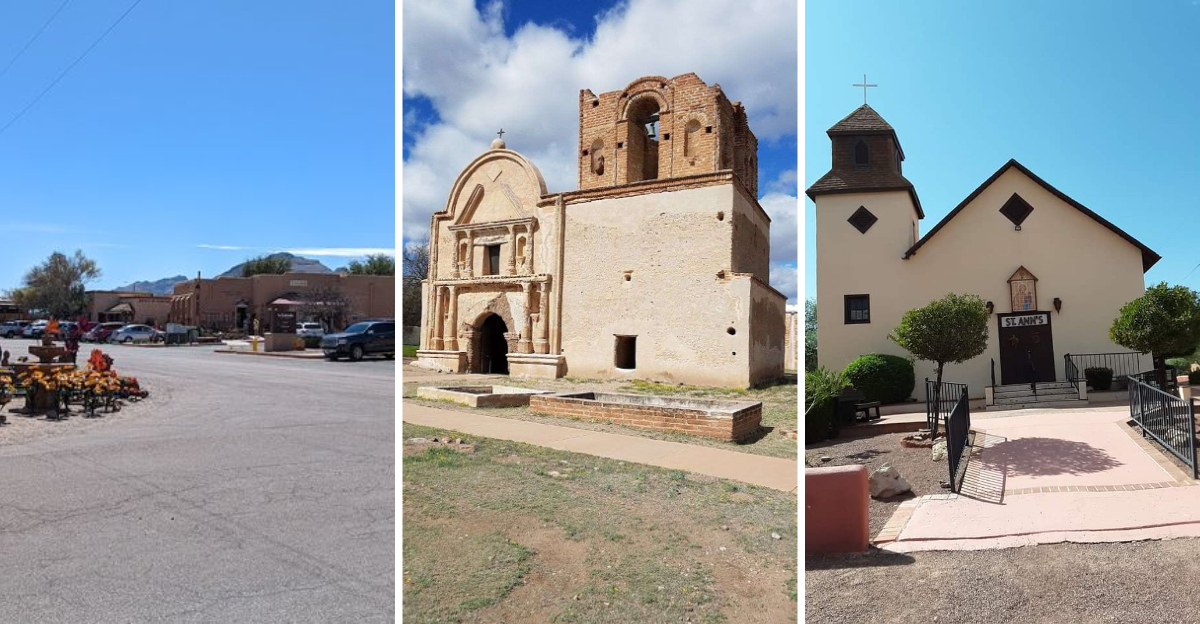
Tucked away in the rolling desert landscape of southern Arizona, Tubac is one of the oldest and most fascinating towns in the entire state. With roots stretching back thousands of years, this small community has been home to Native Americans, Spanish missionaries, Mexican settlers, and American pioneers.
Today, Tubac blends rich history with a thriving arts scene, making it a truly one-of-a-kind destination. Whether you love history, culture, or just a great road trip, Tubac is calling your name.
The Ancient O’odham Heritage That Started It All
Long before Spanish explorers ever set foot in Arizona, the Tohono O’odham people called this land home. The very name “Tubac” comes from the O’odham word “Cuwak,” which means “place of dark water.” That name tells you everything — this area was valued for its precious water sources in an otherwise dry desert.
The O’odham lived along the Santa Cruz River for centuries, building communities and farming the fertile riverbanks. Their deep connection to the land shaped the identity of Tubac before any outside influence arrived.
Archaeologists have found evidence of their settlements dating back well over a thousand years.
Understanding this Indigenous heritage gives visitors a fuller picture of what Tubac truly is. The O’odham legacy is the foundation on which every other chapter of Tubac’s history was written, and it deserves to be the very first stop on any history tour.
Arizona’s Oldest European Settlement — A Record Worth Bragging About
Tubac holds a title that most Arizonans barely know about — it is the oldest continuously inhabited European settlement in the entire state. Spanish colonizers established a presidio, or military fort, here in 1752 following an O’odham uprising.
That single moment planted a permanent European footprint in what would eventually become Arizona.
The presidio served as a military base meant to protect Spanish missions and settlements in the region. Soldiers and their families lived within its walls, creating a small but vibrant community in the middle of the Sonoran Desert.
Over time, Tubac grew into a hub of activity for the northern frontier of New Spain.
Knowing this record makes walking through Tubac feel extra special. Every dusty path and ancient adobe wall carries centuries of stories.
Few towns in the American Southwest can match this kind of deep, layered European colonial history all in one place.
Tubac Presidio State Historic Park — Where History Comes Alive
Right in the heart of town sits Tubac Presidio State Historic Park, Arizona’s very first state park. Established in 1959, the park preserves the ruins of the original 1752 Spanish fort along with artifacts that paint a vivid picture of colonial life.
Stepping inside feels like stepping into a living textbook.
Visitors can explore underground archaeological excavations that reveal the original presidio foundations. The museum displays thousands of artifacts including weapons, tools, and household items recovered from the site.
There are also interactive exhibits designed to make history accessible and exciting for visitors of all ages.
Rangers and volunteers frequently offer guided tours that bring the stories of soldiers, missionaries, and settlers to life. The park hosts special events throughout the year, including living history demonstrations.
If you only have time for one stop in Tubac, make it this park — it truly is the heartbeat of the town’s incredible past.
Father Kino’s Mission Legacy Woven Into Tubac’s Story
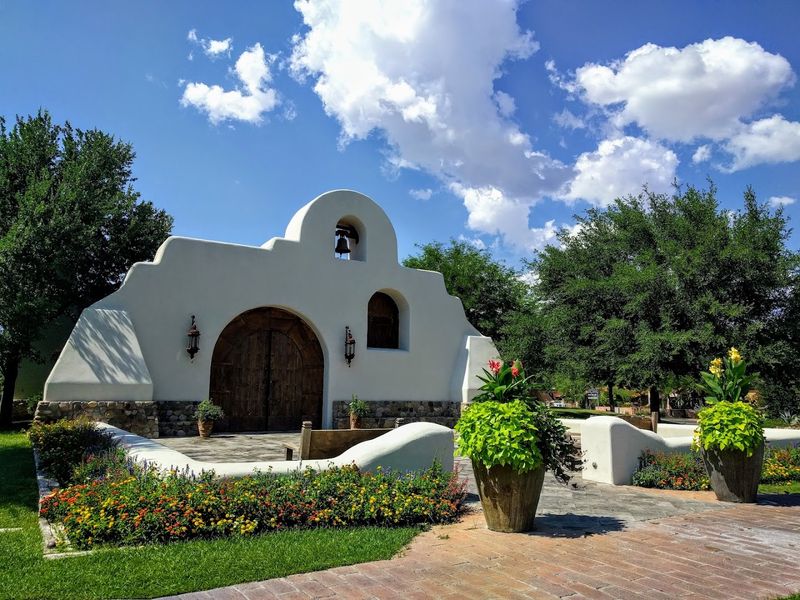
Few figures loom as large over southern Arizona’s history as Father Eusebio Francisco Kino, a Jesuit priest who arrived in the region in the late 1600s. He established a network of missions throughout the Sonoran Desert, and his work directly influenced the founding of Tubac.
His missions brought Spanish culture, religion, and agriculture to the native populations in ways that permanently changed the region.
Kino’s trail runs right through the Tubac area, and many visitors use it as a gateway to explore the broader mission history of the Southwest. His influence is still visible in the architecture, place names, and cultural traditions found throughout Santa Cruz County today.
Historians consider him one of the most important explorers of the American Southwest.
Learning about Father Kino adds remarkable depth to any visit to Tubac. His footsteps echo through every corner of this region, connecting the dots between ancient native life and the Spanish colonial world that followed.
Juan Bautista de Anza — The Explorer Who Changed North America
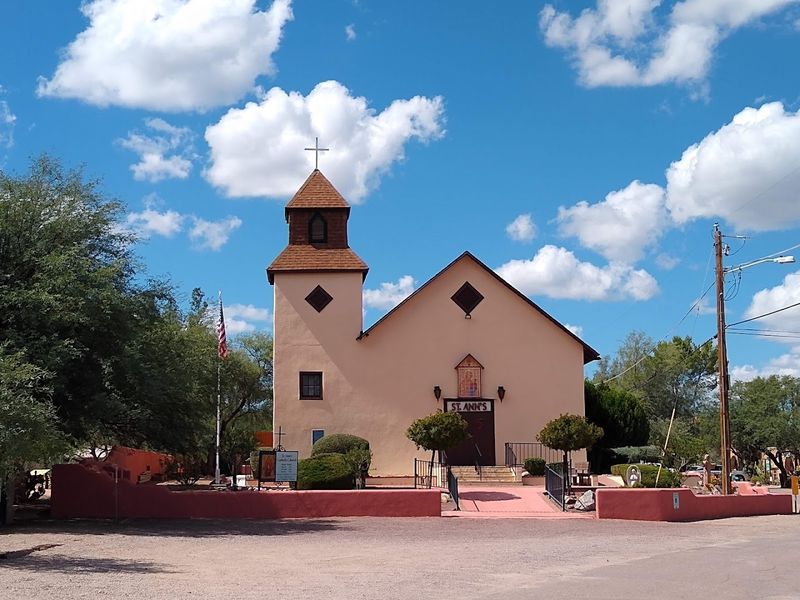
Here is a fun fact most people never learned in school: the city of San Francisco, California, was founded by an expedition that launched from Tubac, Arizona. In 1775, Spanish commander Juan Bautista de Anza led a group of settlers northward from Tubac on a remarkable overland journey to establish a new colony on the California coast.
That expedition changed the entire course of Western American history.
De Anza was stationed at the Tubac presidio before leading this legendary trek. Over 240 soldiers, settlers, and their families made the grueling journey of more than 1,200 miles through harsh desert and mountain terrain.
Their bravery and determination are almost unimaginable by today’s standards.
Today, the Juan Bautista de Anza National Historic Trail passes through Tubac, giving hikers a chance to literally walk in his footsteps. It is one of the most powerful historical connections this little town has to offer any curious visitor.
The Santa Cruz River — The Lifeblood of a Desert Town
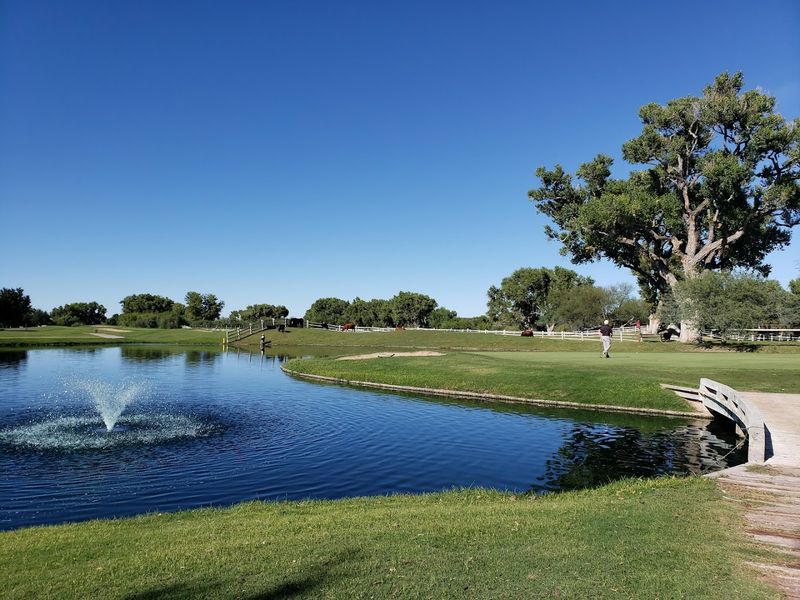
Water is everything in the desert, and the Santa Cruz River is the reason Tubac exists at all. For thousands of years, this river valley attracted people who needed reliable water for drinking, farming, and raising animals.
The O’odham, the Spanish, the Mexicans, and the American settlers all understood that controlling this river meant controlling life itself in southern Arizona.
The river corridor is still lush and green compared to the surrounding desert, creating a beautiful riparian habitat filled with cottonwood trees, wildlife, and walking trails. Birdwatchers especially love this area because the river valley serves as a migration corridor for hundreds of bird species each year.
It is a surprisingly peaceful and scenic spot.
Walking along the Santa Cruz near Tubac connects you to the very reason this town survived and thrived across so many centuries. The river is quiet now, but its story is anything but — it is the original reason for Tubac’s existence.
Tubac’s Art Colony — When History Meets Creativity
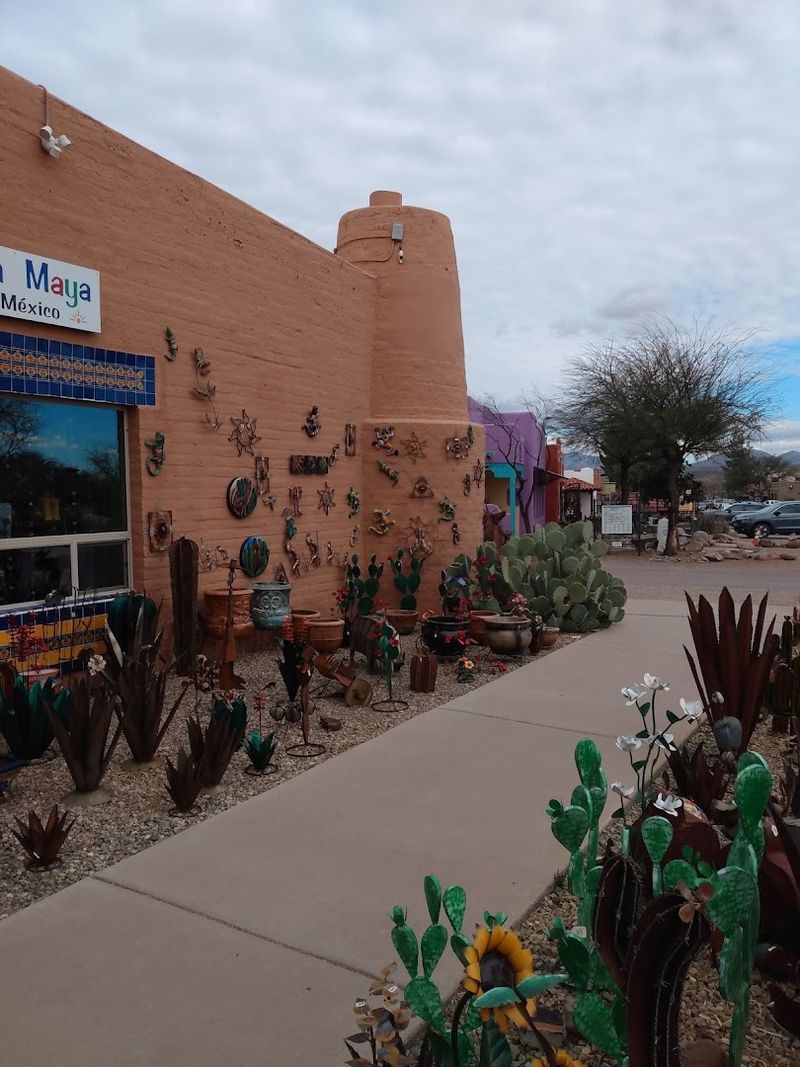
Somewhere along the way, Tubac transformed from a dusty historic outpost into one of Arizona’s most celebrated art communities. Artists began settling here in the 1940s and 1950s, drawn by the gorgeous desert light, the low cost of living, and the town’s undeniable charm.
Today, Tubac is home to more than 100 shops, studios, and galleries packed into just a few square blocks.
The variety of art on display is genuinely impressive. You will find everything from traditional Southwestern pottery and weavings to contemporary paintings, bronze sculptures, and handmade jewelry.
Many artists work right in their shops, so you can watch them create in real time — which makes for a truly memorable experience.
The art colony gives Tubac a lively, welcoming energy that balances beautifully with its serious historical roots. History buffs and art lovers alike find something to love here, which is exactly why Tubac continues to attract visitors from all over the world year after year.
The Tubac Festival of the Arts — A Beloved Annual Tradition
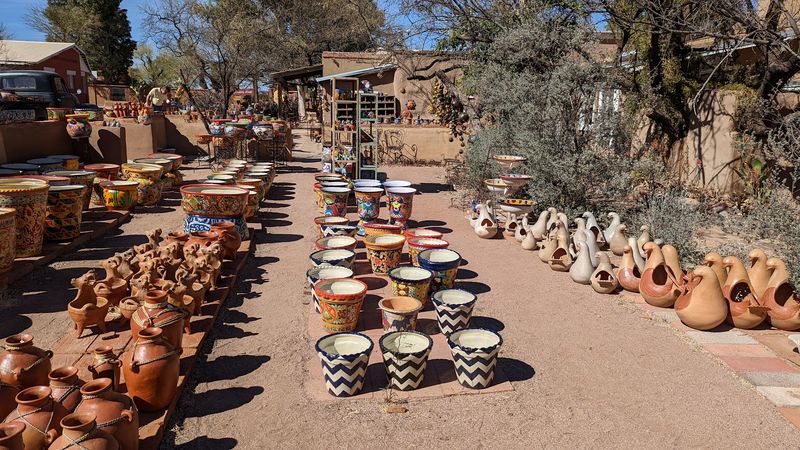
Every February, Tubac transforms into an open-air art extravaganza during the Tubac Festival of the Arts. First held in 1959, it is one of the oldest and most respected art festivals in the entire Southwest.
Artists and craftspeople from across the country descend on this tiny town to share their work with thousands of enthusiastic visitors.
The festival spans several days and fills the streets with paintings, ceramics, textiles, glasswork, photography, and much more. Live music, food vendors, and cultural performances add to the festive atmosphere, making it a full sensory experience.
Families, collectors, and casual browsers all find something that catches their eye.
What makes this festival extra special is its setting. Browsing world-class art against a backdrop of 270-year-old adobe buildings and desert mountains is an experience you simply cannot replicate anywhere else.
Mark your calendar early — hotel rooms in the area fill up fast once the festival season approaches.
Tumacacori National Historical Park — A Short Drive With Big Rewards

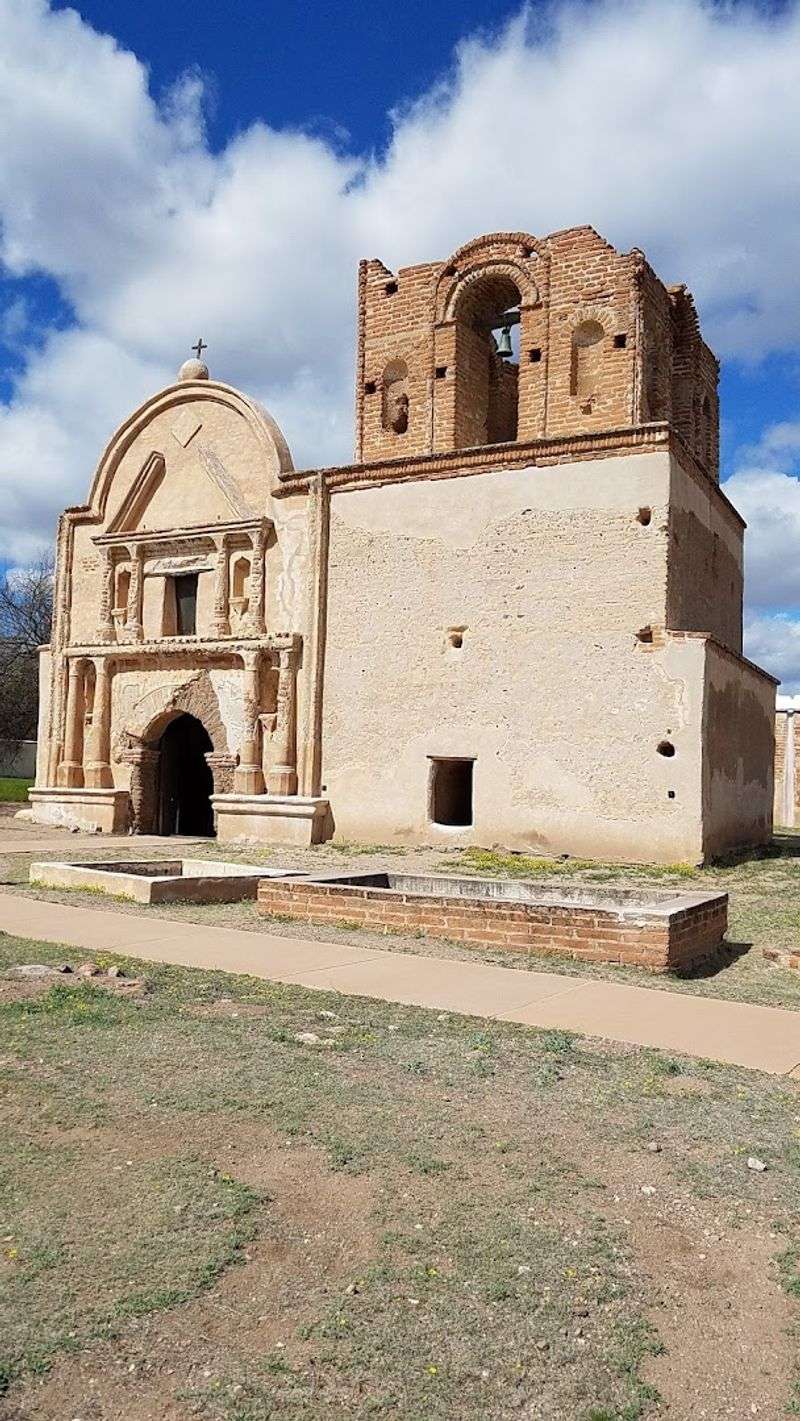
Just a few miles south of Tubac sits Tumacacori National Historical Park, home to the hauntingly beautiful ruins of a Spanish mission church. The mission of San Jose de Tumacacori was founded in the late 1600s and served as a spiritual center for the O’odham people and Spanish colonizers alike.
Today, its crumbling adobe walls stand as one of the most photogenic and moving historical sites in all of Arizona.
The park features a well-designed museum that explains the mission system, the lives of the people who worshipped there, and the eventual abandonment of the site. Rangers lead guided tours that bring the stories of missionaries, soldiers, and native converts to vivid life.
The grounds are peaceful, shaded, and surprisingly emotional to walk through.
Pairing a visit to Tubac with a stop at Tumacacori creates a deeply satisfying historical journey. Together, the two sites tell the full story of Spanish colonial life in the borderlands of the American Southwest.
The Anza Trail — Hike Through Living History
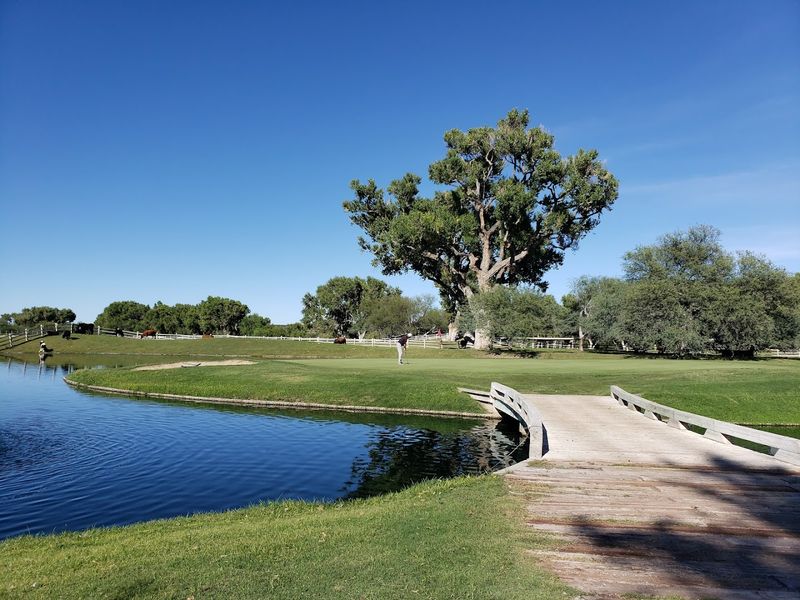
Most hiking trails take you through beautiful scenery. The Juan Bautista de Anza National Historic Trail near Tubac takes you through beautiful scenery AND 250 years of history at the same time.
This federally designated trail follows the route of de Anza’s 1775 expedition from Tubac northward along the Santa Cruz River valley. Walking even a short section of it feels genuinely powerful.
The trail near Tubac winds through gorgeous desert grasslands, riparian woodlands, and open floodplains. Wildlife sightings are common — deer, javelinas, roadrunners, and dozens of bird species call this corridor home.
The scenery shifts beautifully with the seasons, making it worth a visit any time of year.
Trail access points are easy to find near the Tubac Presidio State Historic Park, and the path is suitable for casual walkers as well as serious hikers. Bring water, wear sunscreen, and take your time — this is one trail where the journey really is the whole point.
Adobe Architecture — Buildings That Tell Stories Without Words
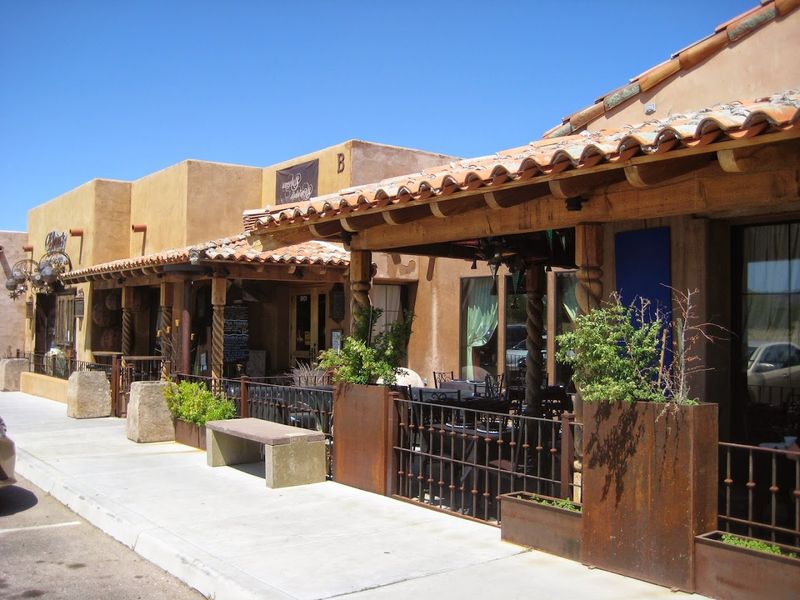
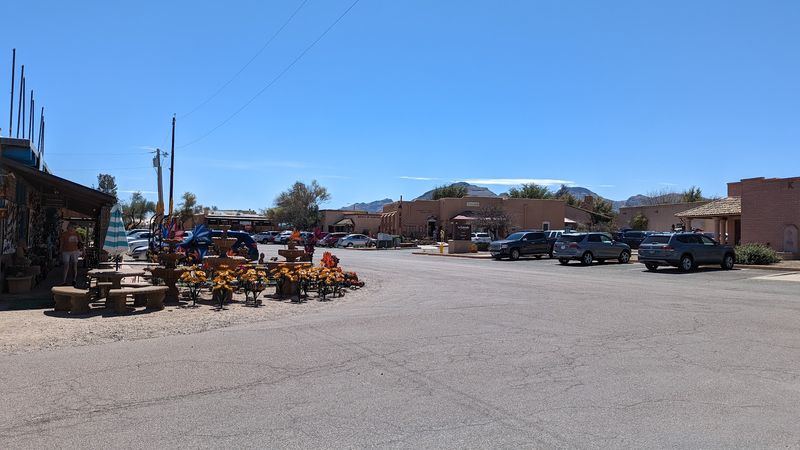
One of the first things visitors notice about Tubac is the architecture. Thick-walled adobe buildings line the streets, their earthy tones blending seamlessly with the desert landscape.
Adobe construction — made from sun-dried mud bricks — was the building technology of choice for the O’odham, the Spanish, and the Mexican settlers who all called this valley home at different points in history.
Adobe walls are remarkably practical in a desert climate. They stay cool in the scorching summer heat and retain warmth during cold desert nights.
Walking through Tubac’s historic district, you can see buildings that have stood for well over a century, their walls slowly melting back into the earth from which they were made.
Many of the galleries, shops, and restaurants in Tubac are housed in restored adobe structures, giving the whole town a cohesive, authentic character. The architecture alone makes Tubac feel different from anywhere else — it is not staged or recreated.
It is simply real.
Borderlands Culture — A Unique Blend of Two Nations
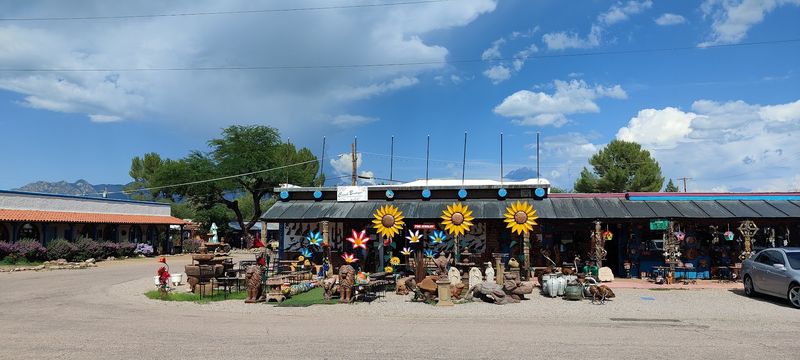
Tubac sits just 45 miles north of the U.S.-Mexico border, and that proximity shapes everything about the town’s identity. The culture here is a genuine blend of Mexican, Native American, and Anglo-American traditions that have been mixing and evolving for centuries.
You feel it in the food, the art, the music, and even the way people greet each other on the street.
Spanish is spoken as naturally as English in Tubac, and Mexican folk art traditions are celebrated right alongside contemporary American styles. The food scene reflects this beautifully, with local restaurants serving up dishes that draw from both sides of the border with equal pride and skill.
It creates a warmth and richness that is hard to find anywhere else.
This borderlands identity is not a marketing gimmick — it is an authentic cultural reality that has developed over hundreds of years. Tubac is living proof that two cultures sharing a landscape can create something far more interesting than either one alone ever could.
Why Tubac Deserves a Spot on Every Arizona Bucket List
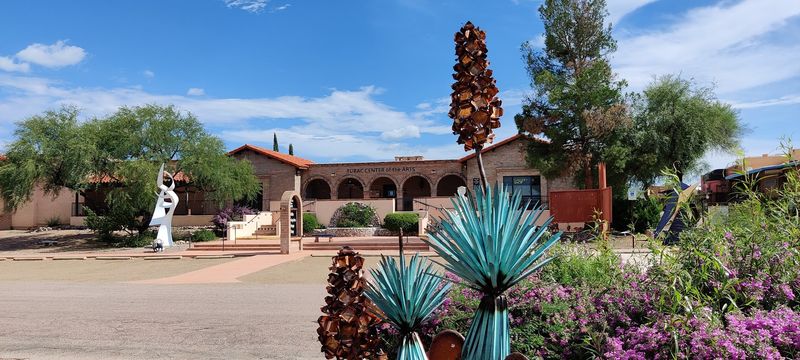
Some places earn their reputation honestly, and Tubac is absolutely one of them. Where else can you stand on ground that has been continuously inhabited for over a thousand years, browse world-class art in a centuries-old adobe building, and then hike a trail that helped found San Francisco — all in the same afternoon?
The answer is nowhere else, because there is only one Tubac.
The town is small enough to explore on foot in a single day, yet rich enough to keep you coming back for more. Its combination of deep history, thriving arts, natural beauty, and genuine cultural authenticity sets it apart from every other small town in Arizona.
Even the drive down Interstate 19 through the Santa Cruz Valley is scenic and enjoyable.
Tubac rewards curious, open-minded travelers who appreciate depth over flashiness. Pack your walking shoes, bring your curiosity, and give yourself enough time to really soak it all in — this historic Arizona town will leave a lasting impression long after you head back home.
Enjoyed this story?
Add Fast Food Club as a preferred source to see more of our reporting on Google.