


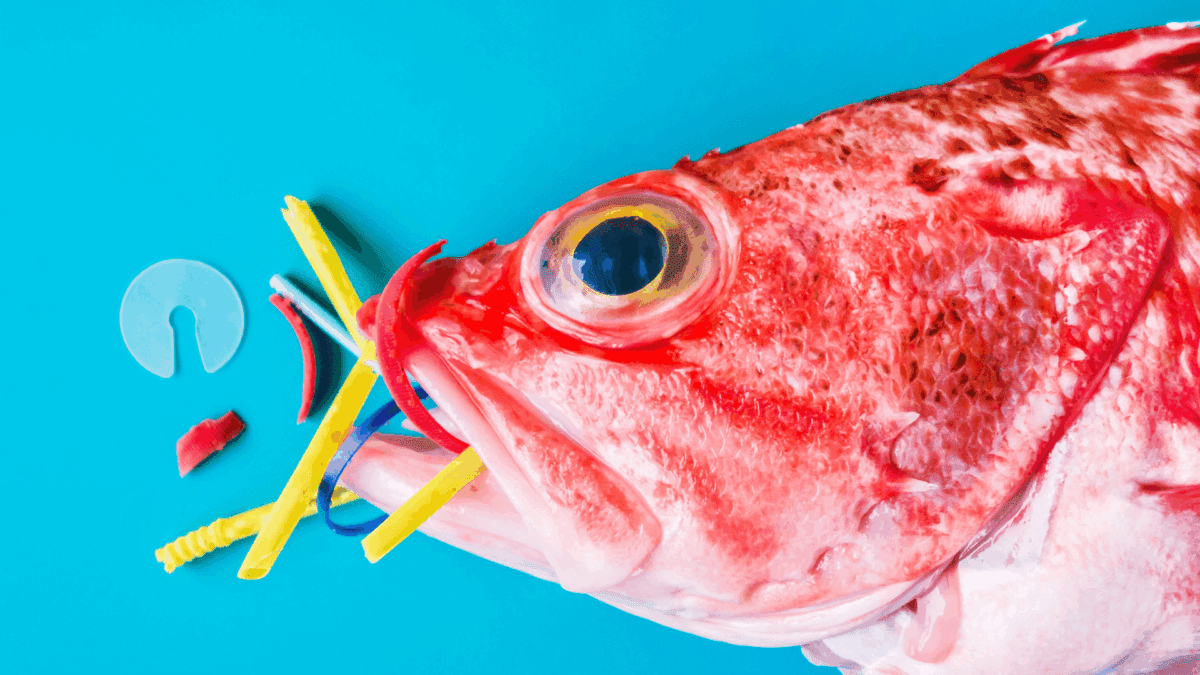
Microplastics are everywhere. They’re in the air we breathe to the water that we drink. Of course, these tiny particles also go into the food that we eat. You can’t actually see them as they’re smaller than sesame seeds. However, science has found that microplastics are in the human blood, lungs, and even brains. The good news? You have the power to reduce your exposure to the food you eat. Get ready as we reveal 10 ways to reduce your exposure to them in your food.
10. Swap Your Kitchen Sponges

Did you know that your kitchen sponge is a major microplastic shedder? They’re made from plastic polymers that break down with each use. With this, they leave tiny particles on your dishes. The greener and cleaner way is to switch to natural materials. Look for sponges made from cellulose, loofah, or coconut fiber as they’re a great biodegradable option.
9. Be Mindful of Takeout Coffee Cups

That innocent paper cup filled with your morning latte features polyethylene plastic to make it waterproof. Each time you pour a hot beverage into it, the lining sheds into millions of microplastic particles that mix into your drink. One effective solution is to invest in a reusable coffee cup made out of glass, stainless steel, or ceramic. Some coffee shops even offer discounts for bringing your own cup!
8. Choose Your Chewing Gum Wisely

The base of chewing gum is a type of synthetic rubber. When you chew, you’re ingesting microplastics, and as you discard them, they become a long-lasting piece that adds to plastic pollution. To avoid plastics, look for brands that only use 100% chicle base, as they’re biodegradable and free from synthetic materials, unlike those well-known brands.
7. Install a High-Quality Water Filter

Yes, microplastics can enter our water supply from various sources. To avoid this, invest in a high-quality water filter by looking for those certified by NSF/ANSI. They feature activated carbon block filters and reverse osmosis systems that can capture tiny particles. They’re the perfect investment as you get to wash meat and drink water that filters microplastics.
6. Switch Your Salt

Even your gourmet sea salt could be more than just minerals. Since they’re produced by evaporating seawater, sea salt can trap tiny particles that pollute oceans. A simple way to avoid this is to switch to mined salts like the Himalayan pink salt or other available rock salts. They’re harvested from ancient, underground salt deposits and protected from plastic pollution.
5. Be Selective with Seafood

Speaking of sea salt, be selective with your seafood also, as some ingest microplastics. These particles get ingested by marine life and travel through their digestive tracts into the actual flesh we eat. Honestly, it’s impossible to avoid all of them, but you can make smart choices by choosing smaller fish and those on the lower food chain, like sardines and anchovies. They have lower levels of contamination compared to their larger predators. Also, reduce your consumption of shellfish as they are filter feeders with high concentrations.
4. Stop Microwaving in Plastic

When reheating leftovers, don’t use a plastic container. Since plastic is heated, it can leach chemicals and release particles into your food. It was found that there are over 2 billion nanoplastics and 4 million microplastics per square centimeter when microwaved. Instead, transfer your food to a glass or ceramic dish before heating. Yes, switch those plastic containers even if they have that “microwave-safe” label.
3. Ditch the Plastic Cutting Board

That plastic cutting board you’ve been using for years is one major source of microplastics in food. They transfer directly to your food, so it’s better to make a change. Switch to a wooden or bamboo cutting board as they’re antimicrobial and don’t shed any particles. They can even last for years with proper care.
2. Brew Your Tea and Coffee Without Plastic

Stop using a single plastic tea bag, as it can release around 11 billion microplastics and 3 billion nanoplastic particles when you steep it with hot water. Opt for a switch to loose-leaf tea and a metal or glass infuser. The same goes for coffee, wherein single-use coffee pods and drip coffee bags are made of plastic components, which shed particles. Choose a French press or espresso machine to help eliminate all those particles swimming in your drink.
1. Eat Fresh, Unpackaged Food as Much as Possible

The most effective way to reduce exposure to microplastics is to minimize your consumption of processed and packaged products. Prioritize fresh, whole foods like fruits and vegetables that are free from packaging. Cooking at home with starch also gives you control over your food preparation. This slashes your microplastic intake and contributes to a nutrient-dense diet.